KORENA
WoodFurnitureWorkshopPartnersJournal

Be first to see new slabs

Get an email when new wood arrives.

A few emails a month. No spam, unsubscribe anytime.

KORENA

Shop solid wood, handmade furniture, tools and wood finishes on KORENA.

Shop

  • Browse products
  • Sold archive
  • Track order

Learn

  • Journal
  • Species guides
  • Glossary
  • Plant passports and pest zones
  • Compare
  • Authors

Help

  • About
  • How it works
  • Become a sellerNew
  • Source a slab
  • Support
  • Document templates
  • Press

Buy

  • Terms of sale
  • Right of withdrawal
  • Returns and warranty
  • Shipping and delivery

Trust

  • Privacy policy
  • Cookie policy
  • Wood provenance and EUDR
  • Accessibility

Imprint

  • Legal notice / Imprint
  • Acceptable use
  • IP and content

© 2026 KORENA. All rights reserved.

Operated by Martial Labs Ltd. (BG, EIK 207453941). KORENA is a trading name of Martial Labs Ltd.

We respect your privacy

We use essential cookies so the site works. With your permission we'd also use cookies for analytics, personalised content, and ads. You can change your mind any time on the consent preferences page. See our cookie policy and privacy policy.

  1. Home
  2. /
  3. Species
  4. /
  5. European Ash

Fraxinus excelsior

European Ash

Pale, ring-porous hardwood with bold grain and the best steam-bending behaviour in Europe. Strong and tough, but strictly interior use.

  • This species is recorded as commercially grown in Europe. This does not establish where an individual piece was harvested; check its origin details.
  • Botanical group. Softwoods are conifers; hardwoods are broadleaf trees.
  • The botanical family the species belongs to.
Get notified when it landsReference species. No pieces in stock right now.
  • Project fit
  • In stock
  • Looks
  • Working it
  • Movement
  • Price
  • Safety and sourcing
  • Questions
  • Technical data

Is it right for your project?

Great for

  • Steam-bent chair frames and stools
  • Dining tables and desks for interior use
  • Cabinetry doors and drawer fronts
  • Tool handles, sports equipment and shop fittings
  • Wall panelling and architectural millwork
  • Turned components and lighter-toned table legs

No European Ash in the current drop

Similar species in stock

No European Ash right now. These species suit the same projects and have pieces available.
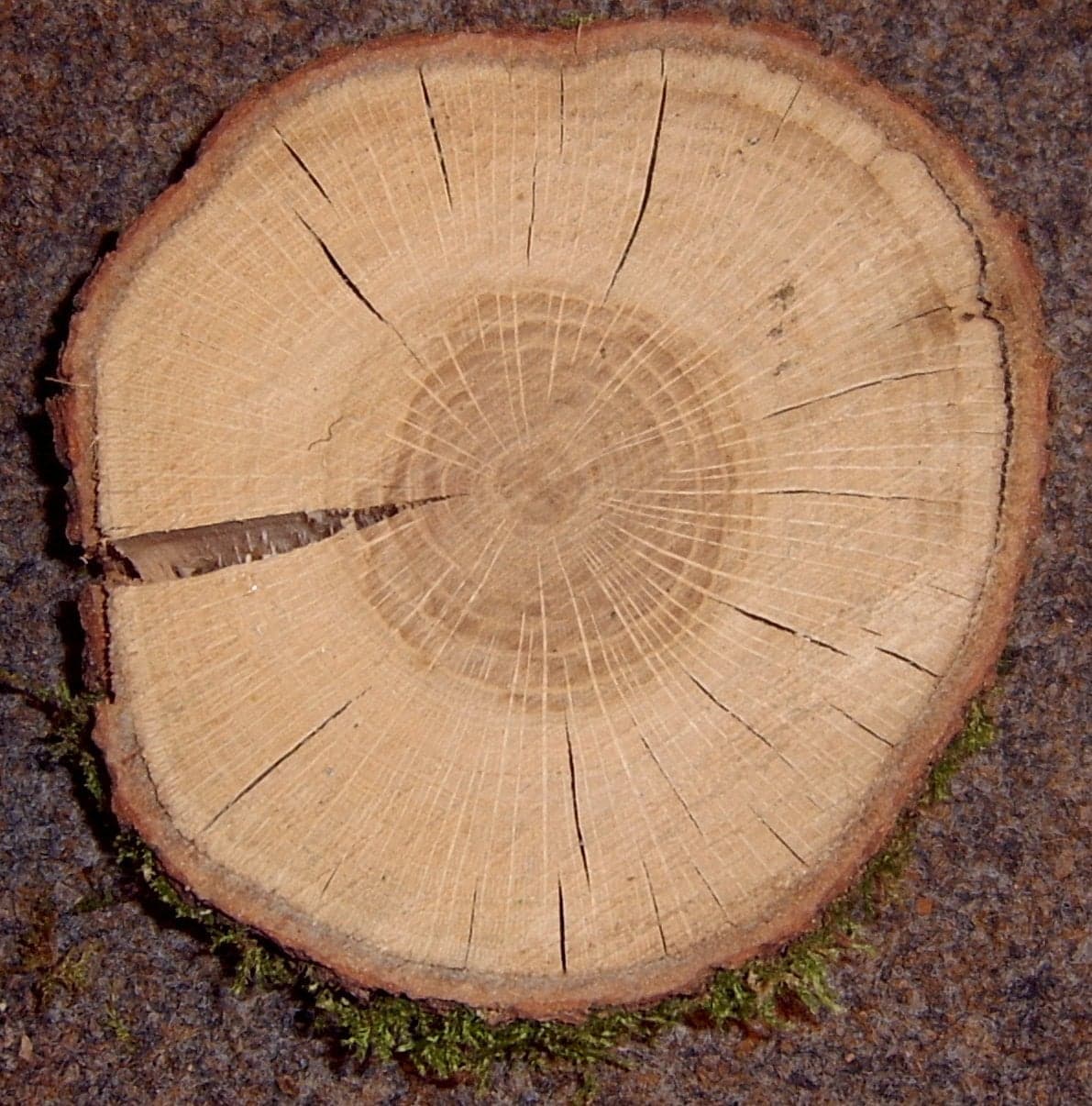
  • European Oak grain

    European Oak

    Quercus robur

    6 pieces

  • European Walnut grain

    European Walnut

    Juglans regia

    12 pieces

  • Saman grain

    Saman

    Samanea saman

    4 pieces

Get notified about European Ash

We email you when fresh European Ash slabs land at KORENA. Each piece is one of one, so early notice matters.

A few emails a month. No spam, unsubscribe anytime.

Wood appearance

What it looks like

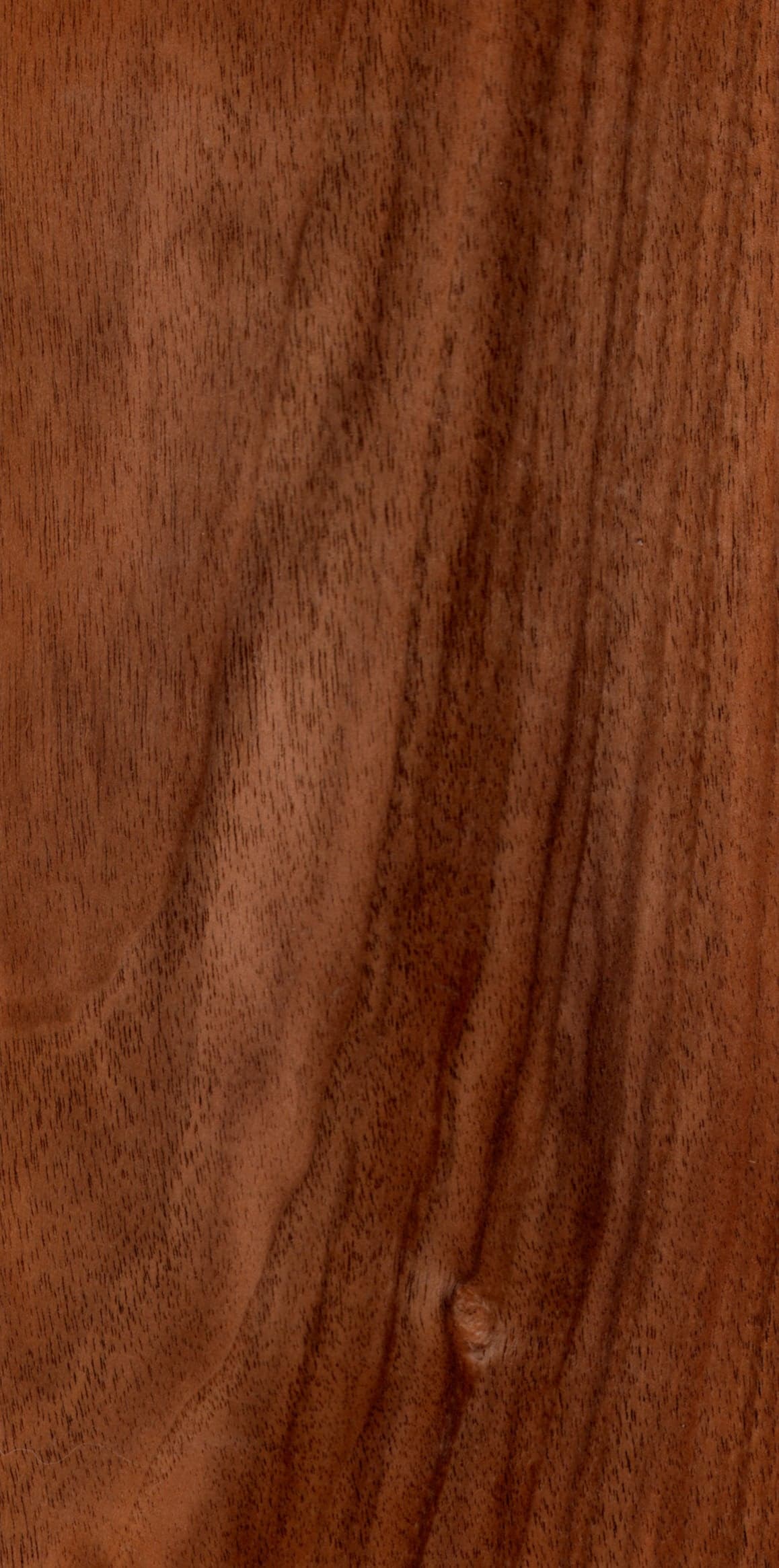
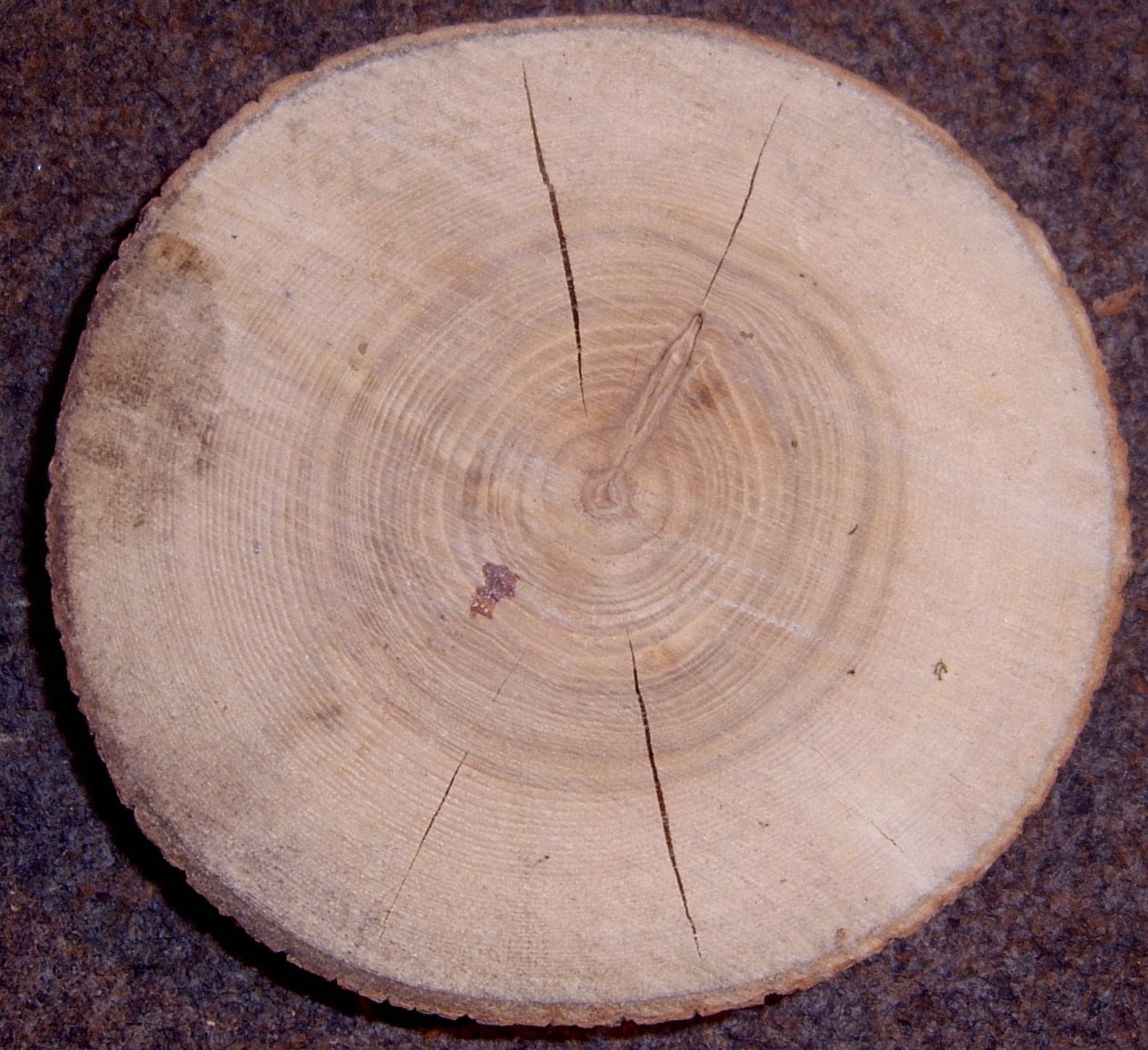
A pale hardwood with a creamy-white sapwood that blends into a light brown heartwood. Grain is straight and the texture coarse and uneven, with strong contrast between earlywood and latewood pores. Growth rings read clearly across a flat-sawn face, giving ash a bold, graphic look that suits modern furniture as much as traditional joinery. A lighter, more open-grained alternative to European oak, and a far cleaner, paler option than walnut.

  • Creamy white to pale straw sapwood
  • Light brown to olive-tinged heartwood
  • Bold dark latewood lines against pale earlywood
  • Mellows to a warmer honey tone with UV exposure
  • Bleaches well for very pale, Nordic-style surfaces
  • Straight grain, coarse uneven texture.

Working with it

Working it

Works well with both hand and machine tools. Glues, screws and finishes predictably. Pre-drilling is sensible near edges given the density. Ash is one of the great steam-bending species, chair frames, tool handles and sports goods have relied on it for centuries, and it holds curves reliably once set. Sharp tooling matters: the coarse texture can tear out around knots and interlocked patches if blades are dull.

Finishing

Takes oils, hardwax, water-based and solvent finishes well. The open ring-porous structure benefits from grain filler if you want a glass-smooth surface, otherwise the texture stays visible and tactile. Stains evenly, but the porous earlywood drinks pigment faster than the dense latewood, which can exaggerate ring contrast. Test on offcuts before committing. Bleaches cleanly for very pale Scandinavian looks.

Drying

Dries at a moderate rate with a moderate risk of checking and minor distortion. Tangential shrinkage is roughly 1.6 times radial, so quarter-sawn stock stays flatter in service. Acclimatise to the workshop for at least two weeks before machining, and condition again before final assembly in heated interiors.

How much will it move?

Wood swells and shrinks across its width as the air gets damper and drier. Estimate the seasonal movement of a European Ash top before you design the fixings.

Cut
Where it will live

Expected seasonal movement

about 9.7 mm

Fix the top with buttons or slotted brackets, not glue or tight screws.

Linear shrinkage model: width × (shrinkage ÷ 28 % fibre saturation) × seasonal moisture swing. Uses 8.5 % tangential shrinkage for European Ash. A planning estimate, not a guarantee.

What it costs

Safety and sourcing

  • This species is recorded as commercially grown in Europe. This does not establish where an individual piece was harvested; check its origin details.
  • IUCN Red List status: the global conservation assessment for this species.
  • Ash dust is a documented respiratory and skin sensitiser. Repeated exposure can trigger asthma-like symptoms and dermatitis in sensitive individuals. Use a P2/P3 mask, dust extraction at the tool, and long sleeves when sanding or routing. The wood itself is food-contact safe once cured and finished appropriately.

Read the full guideIn-depth notes on figure, colour change, working and stability.+

What European Ash actually is#

Fraxinus excelsior is the tough one. At 6,580 N on the Janka scale it is harder than European oak by a third, and it combines that hardness with an elasticity that lets it absorb impact and spring back rather than splitting.

That combination is why ash became the handle wood of Europe. Hammer and axe handles, oars, hurleys, tennis racquets, cart frames and early aircraft structures were all ash, and the reason is a property that no single number captures: shock resistance.

The dieback situation#

Ash is the only species in this catalogue carrying an elevated IUCN status. It is assessed as Near Threatened, and the cause is Hymenoscyphus fraxineus, the fungus behind ash dieback, which has spread across Europe since the 1990s and killed a very large proportion of the standing population.

For a buyer today the effect is counterintuitive. Salvage felling has pushed volumes up and prices down, so ash is currently good value and widely available. The uncertainty is in the coming decades rather than this year.

The disease affects the living tree. Sound timber cut from an affected tree is sound timber, and there is no quality penalty in buying salvage ash provided it was converted and dried properly rather than left standing dead and allowed to spalt.

Reading an ash slab

Buyer questions

Questions buyers ask

Is ash affected by ash dieback, and does that matter for slabs?

+

Yes. Hymenoscyphus fraxineus has spread across Europe since the 1990s and the IUCN now assesses Fraxinus excelsior as Near Threatened, the only species in this catalogue with an elevated status. For buyers the practical effect is a lot of salvage felling: volumes are currently high and prices soft, but supply over the coming decades is uncertain. The disease affects the living tree, not the quality of sound timber cut from it.

Why is ash used for tool handles?

+

Shock resistance. Ash combines high hardness at 6,580 N with elasticity, so it absorbs impact and returns rather than splitting or shattering. That combination is why it has been the standard timber for hammer and axe handles, oars, hurleys and sports equipment for centuries, and why it steam bends so well.

Can ash be used outdoors?

+

No, not untreated. It is rated decay class 5, perishable, which is the lowest durability of any hardwood in this catalogue and a surprise given how tough it is mechanically. Strength and durability are unrelated properties. For exterior work choose oak, robinia or sweet chestnut.

What is olive ash?

Mechanical properties

Technical data

Published reference values. Where sources disagree the range is shown, with the typical value used for the scales above.

Density (kg/m³)Mass per cubic metre at about 12 % moisture. Heavier wood is usually harder and stronger.620–740 kg/m³typical 680 kg/m³
Janka hardness (N)Force needed to press a steel ball halfway into the wood. The standard measure of dent resistance.6,200–7,000 Ntypical 6,580 N
MOR: modulus of rupture (MPa)Bending strength: the load at which a beam breaks.105–130 MPa
MOE: modulus of elasticity (GPa)Bending stiffness: how much a shelf or top sags under load.11.5–13.5 GPa
Radial shrinkageShrinkage across the growth rings, green to oven-dry. Quartersawn boards move by this.4.5–6.0 %
Tangential shrinkageShrinkage along the growth rings. Flatsawn boards and most slabs move by this.
European Ash grain

No machine-readable author provided. Lumbar~commonswiki assumed (based on copyright claims)., via Wikimedia Commons

Strengths

  • Food-safeFine for boards, bowls and surfaces that touch food.
  • Bends wellRated 5 of 5 for steam bending. Takes tight curves.

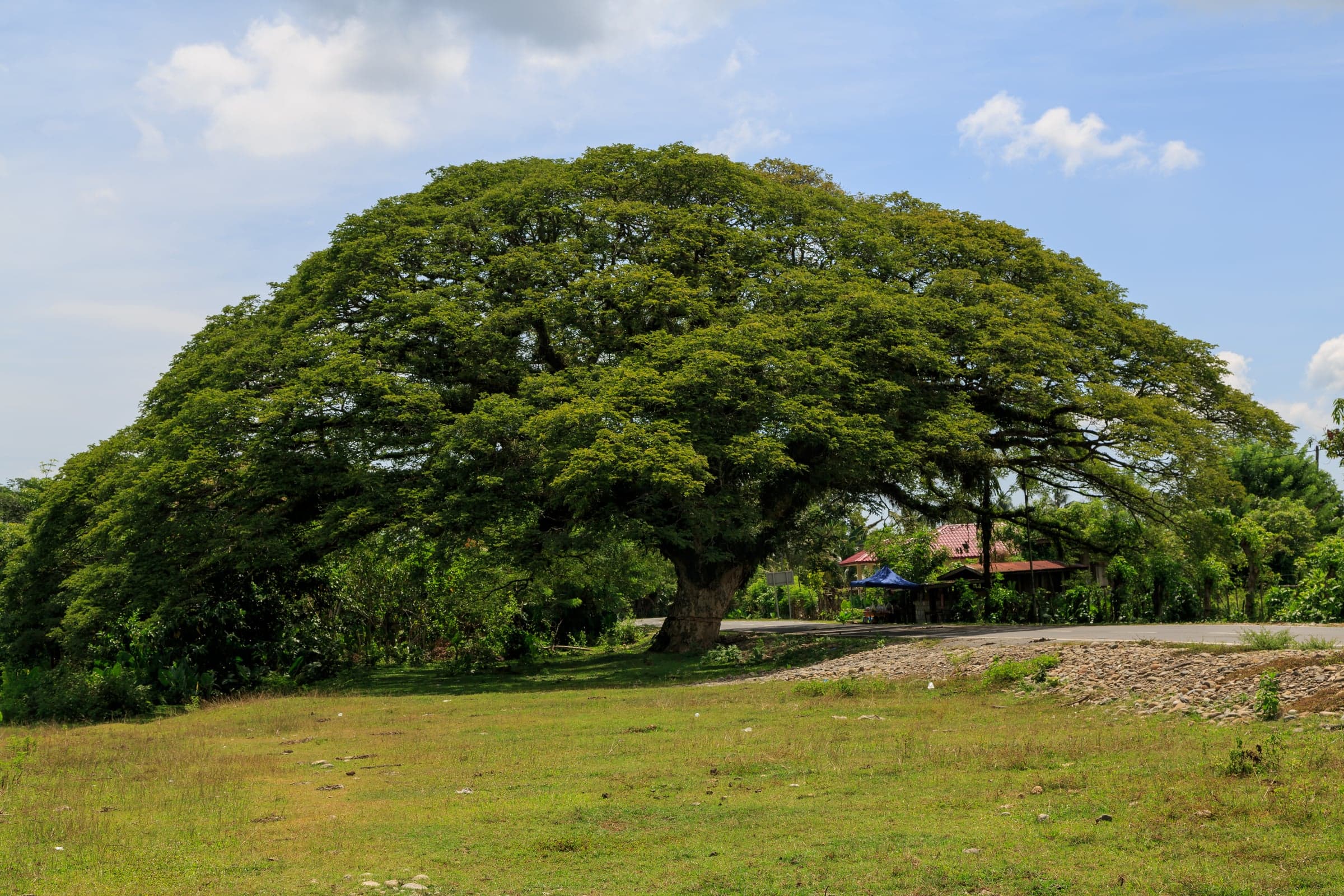
Native across Europe from Ireland east to the Volga, north into southern Scandinavia and south into the Mediterranean uplands. Grows in mixed broadleaf forests on moist, fertile soils, often alongside oak and beech. KORENA sources from managed European forests where stand health allows responsible harvesting.

  • European Ash is reassessed as Near Threatened on the IUCN Red List because of ash dieback (Hymenoscyphus fraxineus), a fungal disease moving across Europe since the 1990s and killing a significant share of standing ash. Paradoxically this means salvage and sanitation harvests are common, and well-managed sourcing can use timber that would otherwise be lost. KORENA sources ash from forests with documented health assessments and chain-of-custody. EUDR due diligence is in preparation and becomes mandatory for large operators from 30 December 2026, and the slab passport is built to carry the legality and dieback context. No CITES listing.

  • European Ash tree

    No machine-readable author provided. MPF assumed (based on copyright claims)., via Wikimedia Commons

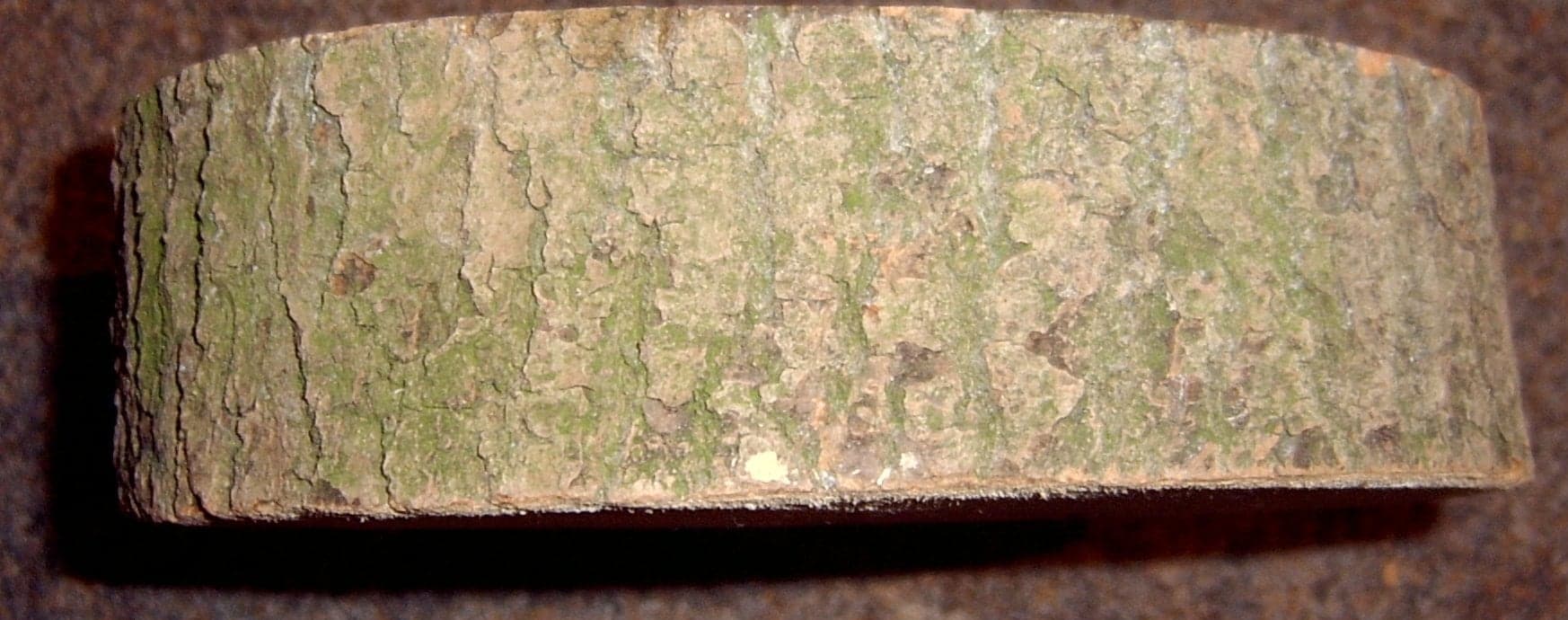
    European Ash: Bark
    Bark
    #

    Most ash is pale, near white to light biscuit, with a coarse ring porous texture that reads similarly to oak but without the ray fleck.

    The exception is olive ash: darker brown and olive streaked heartwood that develops in some older trees, giving dramatic contrast against the pale background. It is the same species rather than a different one, and because most ash is uniformly pale, olive ash carries a premium and is sought for tabletops.

    The grain is usually straight, which is part of why it bends and machines so predictably.

    The durability trap#

    Ash is mechanically formidable and biologically feeble. It is rated decay class 5, perishable, the lowest durability of any hardwood here.

    That surprises people, because toughness feels like it should mean longevity. It does not. Strength and decay resistance are unrelated properties, governed by different things: cell wall structure on one hand, extractive chemistry on the other. Ash has excellent structure and almost no protective extractives.

    Untreated ash outdoors will fail quickly. For exterior work, oak at decay class 2, sweet chestnut at 2, or robinia at 1 are the species in this catalogue that belong there.

    At the bench#

    Ash works cleanly with hand and machine tools and finishes well. It steam bends excellently, as its history suggests, and it glues and takes fastenings reliably.

    At 6,580 N it is hard, so tooling blunts faster than on oak and the wood asks for power in the cut. The coarse open pores need filling for a smooth surface.

    The straight grain means less tear-out than oak, which makes wide ash surfaces comparatively easy to machine flat.

    Movement#

    Volumetric shrinkage of 14.5 percent is high and the tangential to radial differential of 7.5 against 4.5 percent is wide, so flatsawn boards cup.

    Ash also has a working reputation for moving more in service than its figures predict. Whether that is the wood or the fact that ash is often used in thin sections is arguable, but the practical response is the same: acclimatise fully, let tops float on slotted fasteners, and do not fix a wide ash panel rigidly.

    Where ash is the right answer#

    Anywhere impact and flex matter. Chair frames, steam bent components, tool handles, sports equipment, and tabletops where the pale colour or the olive figure is wanted. It is currently among the best value hardwoods in Europe.

    It is the wrong answer outdoors in any form, and wrong where dimensional stability is the governing requirement.

    Sourcing and EUDR#

    Not CITES listed. Assessed as Near Threatened by the IUCN, which is worth stating plainly to buyers rather than leaving in a data table, and the reason is disease rather than over-harvesting. European supply is currently abundant through salvage felling and documentation is straightforward.

    +

    The darker streaked heartwood that develops in some older ash trees, producing brown and olive figuring against the pale background. It is the same species, not a separate one, and it is prized for tabletops because the contrast is dramatic. Most ash is uniformly pale, so olive ash commands a premium.

    How much does it move?

    +

    Volumetric shrinkage of 14.5 percent is on the high side, with tangential at 7.5 percent against radial at 4.5 percent. That is a wide differential, so flatsawn boards cup. Ash also has a reputation for moving in service more than the numbers alone suggest, so let a slab acclimatise fully and allow a top to float.

    7.5–9.5 %
    Volumetric shrinkageTotal volume change from green to oven-dry. Lower means more stable.14.5–16.0 %
    Natural durability (EN 350)European standard for natural decay resistance, from 1 (very durable) to 5 (perishable).Class 5 — Perishable

    Sources

    • The Wood Database(accessed 2026-05-09)
    • USDA FPL Wood Handbook FPL-GTR-190 (2010)(accessed 2026-05-09)
    • Meier, E. — WOOD! Identifying and Using Hundreds of Woods Worldwide (2015)(accessed 2026-05-09)

    At a glance

    Levels use fixed bands across every species KORENA lists, so they compare directly. The measured value sits under each one.
    HardnessResistance to dents and wearHard

    Janka 6,580 N

    32 % harder than European oak

    WeightHow heavy a slab is to liftHeavy

    680 kg/m³

    StabilityHow little it moves with the seasonsMoves a lot

    15.3 % volumetric shrinkage

    WorkingSawing, planing, sanding, gluingEasy

    4.0 / 5 bench average

    Outdoor useNatural decay resistance, EN 350Indoor only

    EN 350 class 5

    • Sawing · Very goodHow cleanly it cuts and how hard it is on blades.1 = difficult · 5 = excellent
    • Planing · Very goodHow smooth a surface it leaves and how much it tears out.1 = difficult · 5 = excellent
    • Sanding · Very goodHow quickly it sands smooth without clogging the paper.1 = difficult · 5 = excellent
    • Turning · Very goodHow it cuts and finishes on the lathe.1 = difficult · 5 = excellent
    • Carving · Very goodHow crisply it holds detail under a gouge.1 = difficult · 5 = excellent
    • Gluing · Very goodHow reliably glue joints hold.1 = difficult · 5 = excellent
    • Screw / nail hold · Very goodHow well it holds screws and nails without splitting.1 = difficult · 5 = excellent
    • Steam bending · ExcellentHow well it takes curves after steaming.1 = difficult · 5 = excellent

    What European Ash timber sells for across Europe right now, per cubic metre before VAT. Tap any price for the detail.

    • Top logs at auctionSelected high-grade logs sold at submission auctions, mostly to veneer and furniture makers. Slabs are cut from logs like these.Most prices are between €203 and €321.Based on 183 prices from 2 regions.Latest data 14 Nov 2026
    • Everyday logsLarge volumes of standard roundwood sold by forest owners and state forestry, mostly for construction and industry.Most prices are between €45 and €416.Based on 3,658 prices from 7 regions.Latest data 14 Nov 2026

    Top logs at auction by country

    • Austria · €321 / m³Regions: Austria61 pricesLatest data 14 Nov 2026
    • Germany · €250 / m³Regions: Bavaria122 pricesLatest data 14 Nov 2026

    Everyday logs by country

    • France · €167 / m³Regions: Bourgogne-Franche-Comté and Grand Est / Alsace124 pricesLatest data 15 Oct 2026
    • Romania · €102 / m³Regions: Banat / Crișana, Moldavia (Romania), Transylvania and Wallachia3,443 pricesLatest data 14 Nov 2026
    • Bulgaria · €66 / m³Regions: North-West Bulgaria91 pricesLatest data 14 Nov 2026

    Why does a slab cost more than this?

    These are prices for raw timber. A slab is the best cut of a log, dried for one year or more, then checked and measured piece by piece. Only a small part of each log becomes a slab.

    Source: KORENA Timber Index · Latest data 14 Nov 2026

    See all regional prices
    Beginner-friendly
    Easy at the bench and not so hard that it punishes tools.

    Watch out

    • Not for untreated outdoor useNatural durability is EN 350 class 5 of 5. Keep it indoors or under a maintained finish.
    • Moves more than mostWide tops need buttons or slotted fixings and room to move. Use the movement calculator below.
    • Dust irritatesRun extraction and wear a mask when sanding or machining.

    Tap a label for the detail.