KORENA
BoisFinished piecesFournituresDépôtsJournal

Recevoir les nouveautés

Chaque plateau est unique. Une fois vendu, il est parti. Nous vous écrivons lors de la publication de nouvelles pièces : arrivages, essences et pièces adaptées à un projet.

Quelques e-mails par mois. Aucun spam, désabonnement à tout moment.

KORENA, bois massif haut de gamme

Une pièce à la fois.

Du bois massif haut de gamme vérifié, vendu pièce par pièce. Chaque plateau est photographié, mesuré et expédié depuis le dépôt partenaire avec un passeport du bois.

Boutique

  • Voir les produits
  • Archives des pièces vendues
  • Suivre une commande

Découvrir

  • Journal
  • Guides des essences
  • Glossaire
  • Comparer
  • Auteurs

Aide

  • À propos
  • Fonctionnement
  • Devenir dépôt partenaire
  • Rechercher un plateau
  • Assistance
  • Modèles de documents
  • Presse

Acheter

  • Conditions de vente
  • Droit de rétractation
  • Retours et garantie
  • Expédition et livraison

Confiance

  • Politique de confidentialité
  • Politique relative aux cookies
  • Provenance du bois et EUDR
  • Accessibilité

Mentions légales

  • Mentions légales
  • Utilisation acceptable
  • Propriété intellectuelle et contenus

© 2026 KORENA. Tous droits réservés.

Exploité par Martial Labs Ltd. (BG, EIK 207453941). KORENA est un nom commercial de Martial Labs Ltd.

Nous respectons votre vie privée

Nous utilisons des cookies essentiels au fonctionnement du site. Avec votre accord, nous utilisons aussi des cookies pour les statistiques, le contenu personnalisé et la publicité. Vous pouvez modifier votre choix à tout moment sur la page des préférences de consentement. Consultez notre politique relative aux cookies et notre politique de confidentialité.

  1. Accueil
  2. /
  3. Essences
  4. /
  5. English Elm

Ulmus procera

English Elm

Rare salvaged hardwood with interlocked grain, wild figure, and exceptional steam-bending behaviour. Hard-won material with genuine craft heritage.

  • Cultivé et récolté en Europe.
  • Groupe botanique. Les résineux sont des conifères, les feuillus sont des arbres à feuilles larges.
  • Famille botanique à laquelle appartient l’essence.
Être informé du prochain arrivageEssence de référence. Aucun plateau en stock pour le moment.
  • Adaptation au projet
  • En stock
  • Aspect
  • Travail
  • Mouvement
  • Prix
  • Sécurité et origine
  • Questions fréquentes
  • Données techniques

Convient-il à votre projet ?

Idéal pour

  • Live-edge dining and conference tables where wild figure is the point
  • Windsor and stick chairs, seats, bows, and steam-bent components
  • Curved joinery and laminated bent forms
  • Chopping boards and food-contact serving pieces
  • Decorative interior cladding and feature panels
  • Turned bowls and hollow forms

Aucun plateau en English Elm dans la sélection actuelle

Essences similaires en stock

Aucun plateau en English Elm pour le moment. Ces essences conviennent aux mêmes projets et sont disponibles.
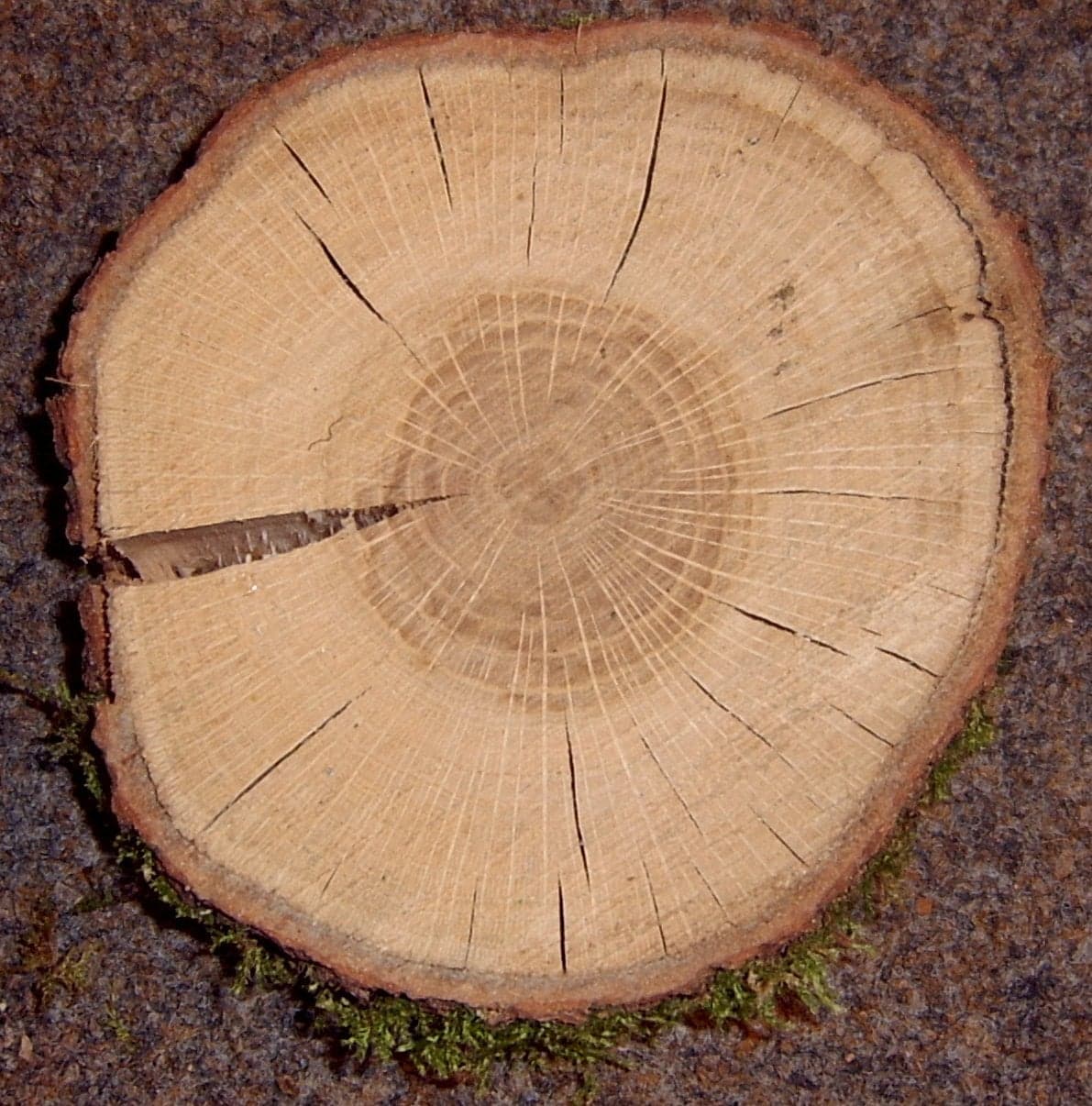
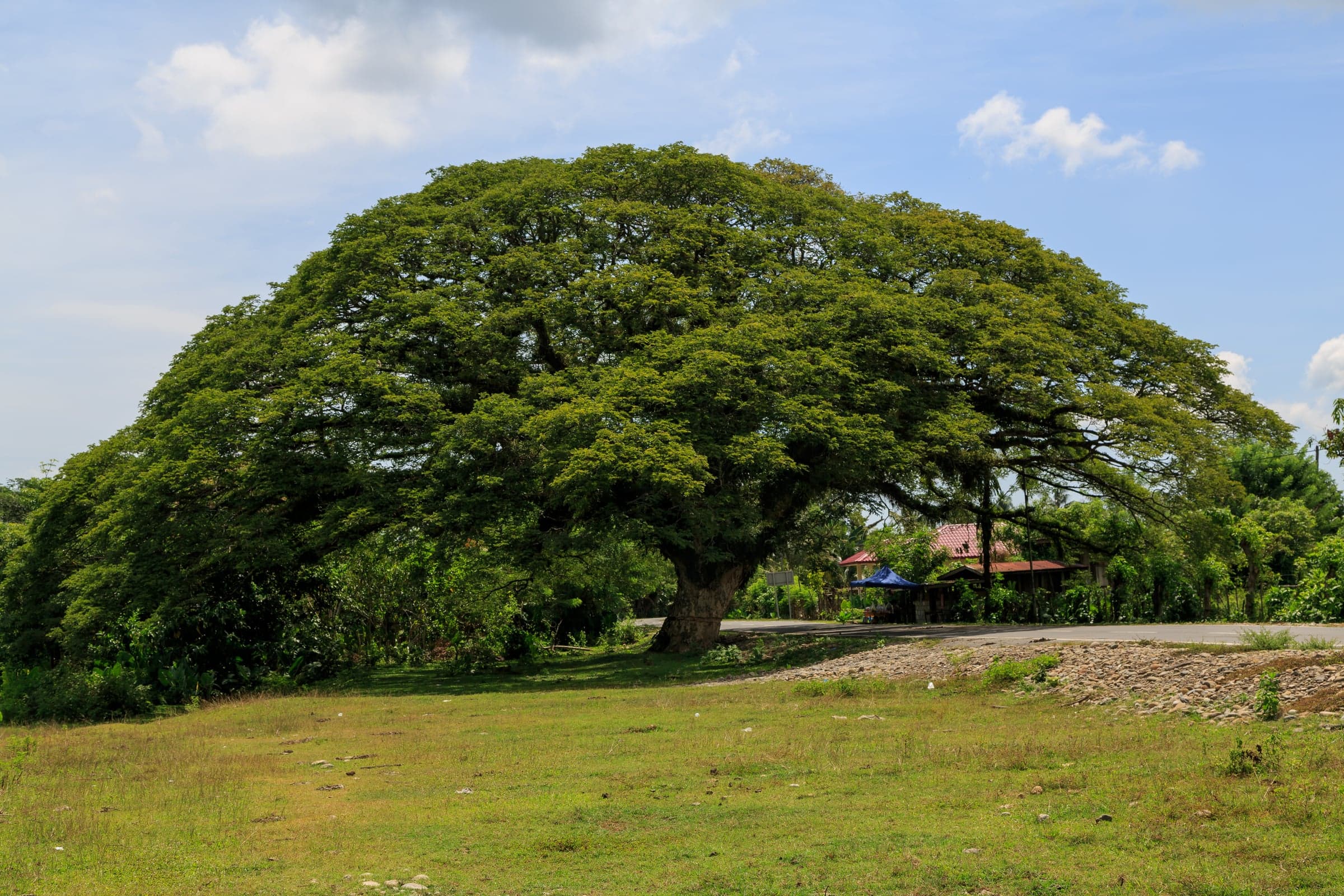
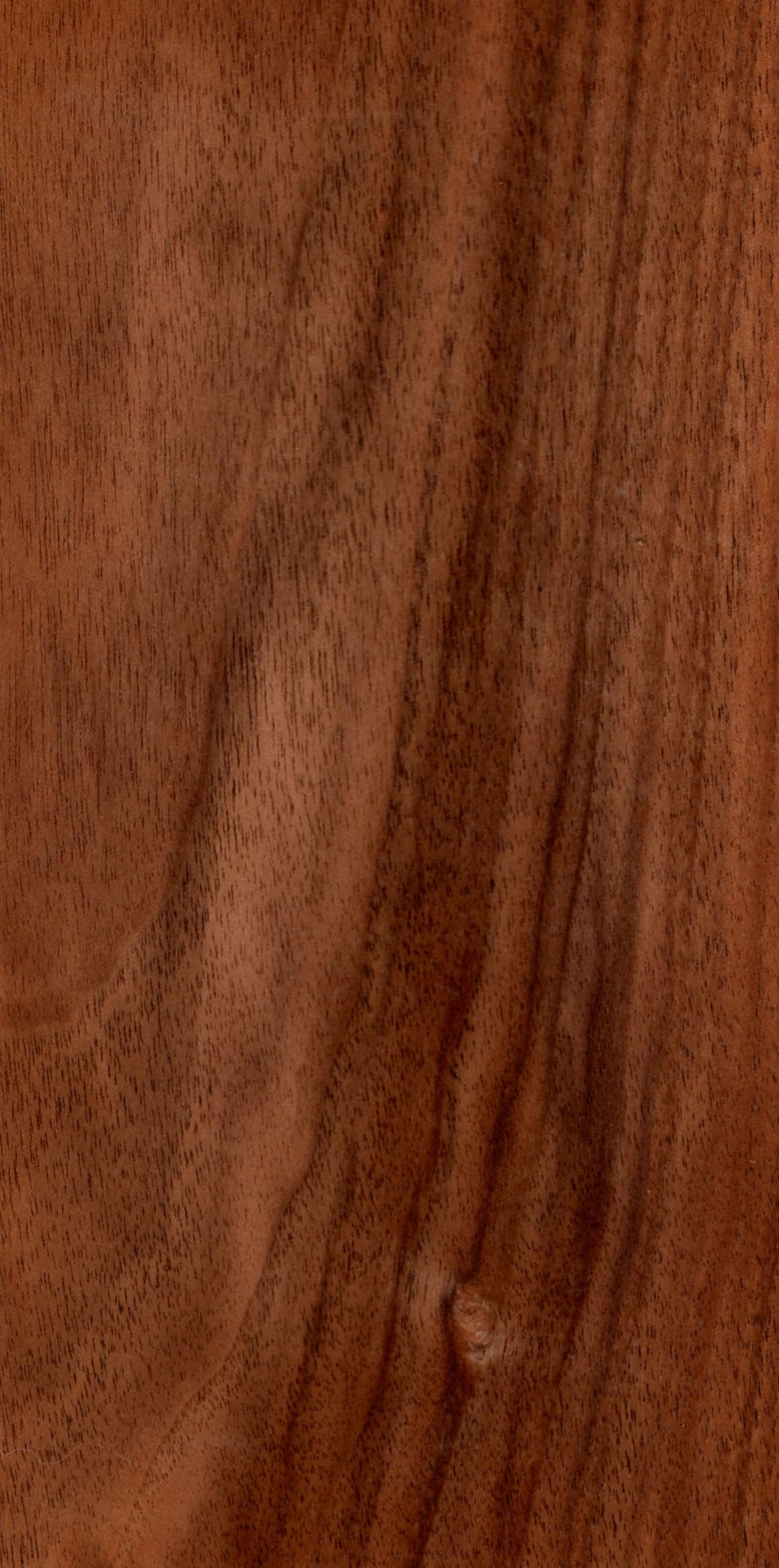
  • Fil du European Oak

    European Oak

    Quercus robur

    6 plateaux

  • Fil du Saman

    Saman

    Samanea saman

    4 plateaux

  • Fil du European Walnut

    European Walnut

    Juglans regia

    9 plateaux

Soyez informé des arrivages en English Elm

Nous vous envoyons un e-mail lorsque de nouveaux plateaux en English Elm arrivent chez KORENA. Chaque plateau est unique, mieux vaut donc être prévenu rapidement.

Quelques e-mails par mois. Aucun spam, désabonnement à tout moment.

Aspect du bois

Son aspect

Heartwood ranges from light reddish-brown to a warmer chocolate tone, often with darker streaks and a greenish or olive cast in some boards. Sapwood is paler and clearly distinct. The grain is interlocked rather than straight, which produces a wild, partridge-like figure on flat-sawn faces and a ribbon stripe on quartered cuts. Texture is coarse and open-pored. Burr and crotch sections show some of the most dramatic figure of any European hardwood.

  • Reddish-brown to warm chocolate heartwood
  • Occasional olive or greenish cast
  • Pale, clearly distinct sapwood
  • Darker streaks and mineral lines common
  • Burr sections show dense, swirling figure
  • Interlocked grain, coarse texture.

Travail du bois

Son travail en atelier

Interlocked grain is the defining challenge. Plane with very sharp blades, take light cuts, and reduce cutter angles where possible, a 20 degree bevel-up plane or a high-angle bench plane (50–55 degrees) controls tearout well. Finish with a card scraper rather than fighting the planer. Sawing and routing are reasonable with sharp tooling, but expect to climb-cut on figured sections. Turning is enjoyable. Glue-up and screwing are straightforward. Steam-bending is where elm is unmatched: Windsor-chair seats and bow-backs are traditionally elm for good reason, and tight radii hold without splitting.

Finition

The open, coarse pores benefit from grain filler if you want a glass-smooth surface; left unfilled, the texture reads as honest and tactile. Hard-wax oils and natural oils warm the colour and bring out the figure without flattening it. Water-based finishes keep the tone cooler and more contemporary. Sand methodically through the grits, interlocked grain can leave fine scratches if you skip steps. Test your finish on offcuts, as colour shift can be noticeable.

Séchage

Elm has a reputation for being awkward to dry. Tangential movement is high relative to radial, and boards can twist, cup, or distort if rushed or poorly stickered. Slow, careful drying with consistent stickering and weight on the stack pays off. Once stable at service moisture content, it behaves well in interior conditions. Acclimatise boards in the workshop before final dimensioning.

De combien va-t-il bouger ?

Le bois gonfle et se rétracte en largeur selon que l’air devient plus humide ou plus sec. Estimez le mouvement saisonnier d’un plateau en English Elm avant de concevoir les fixations.

Débit
Lieu d’utilisation

Mouvement saisonnier attendu

environ 9,1 mm

Fixez le plateau avec des taquets ou des équerres à trous oblongs, sans colle ni vis trop serrées.

Modèle de retrait linéaire : largeur × (retrait ÷ 28 % de point de saturation des fibres) × variation saisonnière d’humidité. Utilise un retrait tangentiel de 8 % pour le English Elm. Il s’agit d’une estimation de conception, pas d’une garantie.

Son prix

Sécurité et origine

  • Cultivé et récolté en Europe.
  • Statut sur la Liste rouge de l’UICN : évaluation mondiale de la conservation de cette essence.
  • Elm dust is a known sensitiser and can cause respiratory and skin irritation with repeated exposure. All hardwood dust is classified IARC Group 1 (carcinogenic to humans), so use proper extraction at the source, an FFP3 mask for sanding and routing, and keep workshop surfaces clean. The wood itself is safe for food-contact applications such as chopping boards and serving pieces once finished with a food-safe oil.

Lire le guide completNotes détaillées sur la figure, l’évolution de la couleur, le travail et la stabilité.+

What English Elm actually is#

Ulmus procera is defined by one structural property: its grain interlocks. Fibres run in alternating directions rather than parallel, layer by layer through the wood.

That single fact explains both why elm is prized and why it is difficult.

It is prized because interlocked grain resists splitting almost completely. A Windsor chair seat is bored with a dozen mortices close together and then has legs and a back driven into them; in almost any other timber it would split between the holes. Elm does not. The same property made it the traditional timber for wheel hubs, which take spokes radially under load, and for chopping blocks that are struck repeatedly.

It is difficult because the same reversing grain tears out under a plane, every few millimetres, in both directions.

The availability situation#

Dutch elm disease killed most mature elms across Europe from the 1960s onward, and the effect on supply was severe enough that a generation of makers stopped specifying it.

The IUCN lists Ulmus procera as Data Deficient, meaning there is insufficient information for a formal assessment rather than that the species is secure.

Elm has not disappeared. It regenerates vigorously from root suckers, and those regrowth trees reach modest size before the disease reaches them again. Standing dead timber and salvage continue to come to market.

Questions des acheteurs

Questions fréquentes des acheteurs

Is elm still available after Dutch elm disease?

+

Yes, but the supply picture is unusual. Dutch elm disease killed most mature elms across Europe from the 1960s onward, and the IUCN lists Ulmus procera as Data Deficient. Trees still regenerate from suckers and reach modest size before the disease takes them again, and standing dead and salvaged timber continues to reach the market. Supply is real but irregular, and large clean boards are scarce.

Why is elm used for chair seats?

+

Interlocked grain. Elm fibres run in alternating directions, which makes the wood extremely resistant to splitting. That is exactly what a Windsor chair seat needs, because it is bored with many mortices close together and any other wood would split between them. The same property makes elm the traditional wood for wheel hubs and chopping blocks.

Is elm hard to plane?

+

Yes. The interlocked grain that stops it splitting also makes it tear out badly, because the grain direction reverses every few millimetres. Light cuts, very sharp tooling and a high angle plane or scraper for the final surface are essential. A helical cutterhead makes a large difference.

Can elm be used outdoors?

Propriétés mécaniques

Données techniques

Valeurs de référence publiées. Lorsque les sources divergent, la plage est indiquée et la valeur courante sert aux échelles ci-dessus.

Densité (kg/m³)Masse par mètre cube à environ 12 % d’humidité. Un bois plus lourd est généralement plus dur et plus résistant.500–620 kg/m³valeur courante 560 kg/m³
Dureté Janka (N)Force nécessaire pour enfoncer à moitié une bille d’acier dans le bois. Mesure standard de la résistance à l’enfoncement.3,300–4,000 Nvaleur courante 3 680 N
MOR : module de rupture (MPa)Résistance à la flexion : charge à laquelle une poutre casse.65–85 MPa
MOE : module d’élasticité (GPa)Rigidité en flexion : fléchissement d’une étagère ou d’un plateau sous une charge.7.0–9.0 GPa
Retrait radialRetrait perpendiculaire aux cernes, du bois vert au bois anhydre. Les planches sur quartier travaillent dans ce sens.4.0–5.0 %
  • Coffin boards and traditional wheel hubs (heritage uses)
  • Atouts

    • Compatible avec les alimentsConvient aux planches, bols et surfaces en contact avec des aliments.
    • Se cintre bienNote de 5 sur 5 pour le cintrage à la vapeur. Accepte des courbes serrées.

    Attention

    Native across Europe, with English Elm long associated with British hedgerow landscapes. Standing populations were decimated by Dutch elm disease from the 1960s onward, and most material on the market today comes from salvaged trunks, standing-dead recovery, or estate fellings. Each board carries the history of a tree that survived, or the story of one being put to good use after disease took it.

  • Native to Europe, but wild populations have been heavily reduced by Dutch elm disease since the 1960s and the IUCN currently lists status as Data Deficient. Standing healthy material is genuinely rare. Most slabs on the market come from salvage, standing-dead recovery, storm-felled trees, or estate fellings, which makes elm one of the more circular hardwoods to specify, but also means supply is irregular and piece-by-piece. No CITES restrictions apply. EUDR due diligence is in preparation and becomes mandatory for large operators from 30 December 2026, and KORENA is building each slab passport to carry its provenance.

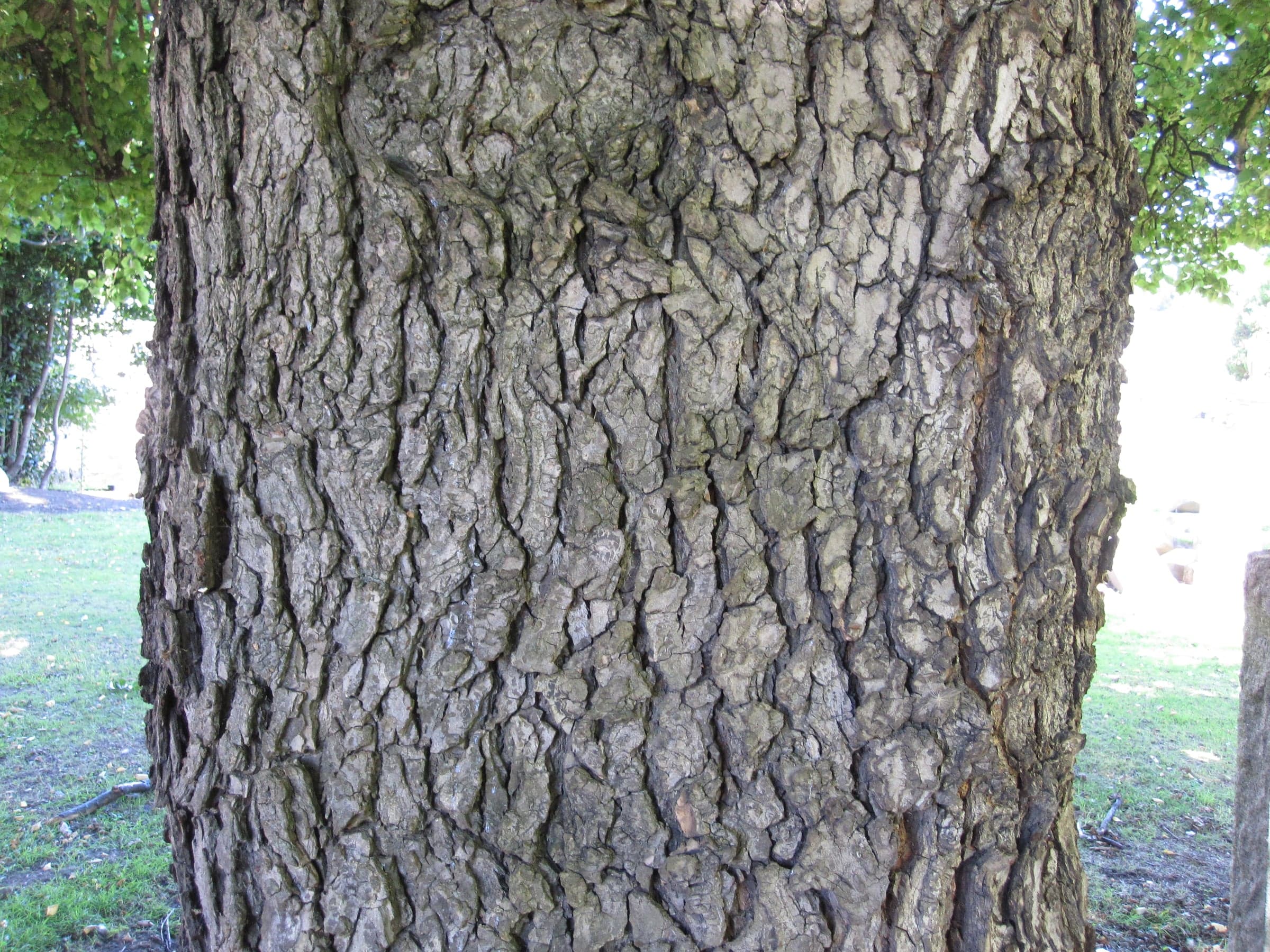
  • English Elm: Écorce
    Écorce

    What this means practically: elm is available but irregular, sizes are modest, and large clean boards are genuinely scarce. Buy when you see the right piece rather than expecting to order it.

    Reading an elm slab#

    Elm is busy. It is ring porous with strong contrast between earlywood and latewood, and the grain is frequently wild and swirling, particularly near crotches.

    Colour runs light to mid reddish brown with paler sapwood.

    Burr elm, from burls and root crowns, is among the most decorative surfaces available from any European species, dense with swirling eyes and irregular figure. It is priced accordingly.

    Even plain elm reads considerably busier than oak, which is either the attraction or the objection.

    At the bench#

    Plan for tear-out. The interlocked grain reverses direction continuously, so no single planing direction works across a whole board.

    The answer is light cuts, very sharp tooling, and a high angle plane or a card scraper for the final surface. A helical cutterhead earns its cost on this species more than on almost any other here. On burr elm, hand finishing is normal.

    At 3,680 N it is soft, softer than oak by a good margin, so it is easy on tooling in terms of blunting even while being awkward in terms of grain.

    It glues and screws well, and the split resistance means it takes fastenings close to edges better than most.

    The durability oddity#

    Elm has one of the strangest durability profiles in this catalogue.

    In ordinary exposure it is decay class 5, perishable. It rots quickly in the wetting and drying cycle of normal outdoor use.

    Permanently waterlogged, it is exceptionally durable. Elm was the standard timber for water pipes, lock gates, pile foundations and harbour works for centuries, and elm piles under medieval structures survive today.

    Permanently wet works. Permanently dry works. The cycle between them does not.

    Movement#

    Volumetric shrinkage of 12.0 percent is moderate, with tangential at 7.0 percent against radial at 4.0 percent, a reasonable differential.

    Elm dries with a marked tendency to distort, though, driven by the interlocked grain rather than by the shrinkage figures. Weighting and careful stickering matter.

    Where English Elm is the right answer#

    Chair seats and any component bored with multiple close mortices, chopping blocks, turned work, and decorative slabs and panels where the bold figure or burr is the design intent. Also anything permanently submerged.

    It is the wrong answer for ordinary exterior use, for a quiet uniform surface, and where a large matched volume is needed.

    Sourcing and EUDR#

    Not CITES listed. Listed by the IUCN as Data Deficient, which KORENA displays as-is rather than interpreting. Supply is irregular and often comes from salvage and disease felling rather than managed forestry, so the chain behind a given slab is short and non-standardised. The yard and region are recorded on every listing.

    +

    Elm has an unusual durability profile. It is rated decay class 5 in normal exposure, but it is exceptionally durable when permanently waterlogged, which is why it was used for water pipes, lock gates and pile foundations for centuries. Permanently wet or permanently dry both work; the wetting and drying cycle of ordinary outdoor use does not.

    What does the figure look like?

    +

    Bold and irregular. Elm is ring porous with strong growth ring contrast and often wild, swirling grain, particularly near crotches and burrs. Burr elm is among the most decorative surfaces available from any European species. Plain elm still reads far busier than oak.

    Retrait tangentielRetrait dans le sens des cernes. Les planches sur dosse et la plupart des plateaux travaillent dans ce sens.
    7.0–9.0 %
    Retrait volumiqueVariation totale de volume du bois vert au bois anhydre. Une valeur basse indique une meilleure stabilité.12.0–14.0 %
    Durabilité naturelle (EN 350)Norme européenne de résistance naturelle à la pourriture, de 1 (très durable) à 5 (périssable).Class 5 — Perishable

    Références

    • The Wood Database(consultée le 2026-05-09)
    • USDA FPL Wood Handbook FPL-GTR-190 (2010)(consultée le 2026-05-09)
    • Meier, E. — WOOD! Identifying and Using Hundreds of Woods Worldwide (2015)(consultée le 2026-05-09)

    En bref

    Les niveaux utilisent les mêmes plages pour toutes les essences répertoriées par KORENA, ce qui permet de les comparer directement. La valeur mesurée figure sous chaque niveau.
    DuretéRésistance aux chocs et à l’usureAssez tendre

    Dureté Janka : 3 680 N

    26 % plus tendre que le chêne européen

    PoidsPoids d’un plateau à souleverMoyen

    560 kg/m³

    StabilitéFaible mouvement au fil des saisonsMoyen

    13,0 % de retrait volumique

    TravailSciage, rabotage, ponçage, collageExigeant

    3,4 / 5 de moyenne à l’atelier

    Usage extérieurRésistance naturelle à la pourriture, EN 350Intérieur uniquement

    EN 350 classe 5

    • Sciage · BonQualité de la coupe et usure des lames.1 = difficile · 5 = excellent
    • Rabotage · BonLissage de la surface et risque d’arrachement.1 = difficile · 5 = excellent
    • Ponçage · BonRapidité du ponçage sans encrasser le papier.1 = difficile · 5 = excellent
    • Tournage · Très bonQualité de coupe et de finition au tour.1 = difficile · 5 = excellent
    • Sculpture · BonNetteté des détails obtenus à la gouge.1 = difficile · 5 = excellent
    • Collage · Très bonFiabilité des assemblages collés.1 = difficile · 5 = excellent
    • Tenue des vis / clous · Très bonTenue des vis et des clous sans fendre le bois.1 = difficile · 5 = excellent
    • Cintrage à la vapeur · Excellente aptitudeAptitude à prendre une courbe après étuvage.1 = difficile · 5 = excellent

    Prix actuel du bois de English Elm en Europe, par mètre cube hors TVA. Touchez un prix pour en voir le détail.

    • Grumes de premier choix aux enchèresGrumes de qualité supérieure sélectionnées et vendues sur soumission, principalement à des fabricants de placage et de meubles. Les plateaux sont débités dans des grumes de ce type.La plupart des prix se situent entre 244 € et 830 €.Calculé à partir de 71 prix dans 2 régions.Dernières données : 21 sept. 2026
    • Grumes courantesGrands volumes de bois rond standard vendus par des propriétaires forestiers et des organismes publics, principalement pour la construction et l’industrie.La plupart des prix se situent entre 34 € et 89 €.Calculé à partir de 43 prix dans 2 régions.Dernières données : 24 sept. 2026

    Grumes de premier choix aux enchères par pays

    • Autriche · 830 € / m³Régions : Austria27 prixDernières données : 21 sept. 2026
    • Allemagne · 336 € / m³Régions : Bavaria44 prixDernières données : 21 sept. 2026

    Pourquoi un plateau coûte-t-il plus cher ?

    Ces prix concernent le bois brut. Un plateau est la meilleure tranche d’une grume, séchée pendant au moins un an, puis contrôlée et mesurée individuellement. Seule une petite partie de chaque grume devient un plateau.

    Source : KORENA Timber Index · Dernières données : 24 sept. 2026

    Voir tous les prix régionaux
    Ne convient pas à un usage extérieur sans traitement
    Sa durabilité naturelle correspond à la classe 5 sur 5 de la norme EN 350. Gardez-le à l’intérieur ou protégez-le par une finition entretenue.
  • Poussière irritanteUtilisez un système d’aspiration et portez un masque lors du ponçage ou de l’usinage.
  • Touchez une étiquette pour afficher les détails.