KORENA
BoisFinished piecesFournituresDépôtsJournal

Recevoir les nouveautés

Chaque plateau est unique. Une fois vendu, il est parti. Nous vous écrivons lors de la publication de nouvelles pièces : arrivages, essences et pièces adaptées à un projet.

Quelques e-mails par mois. Aucun spam, désabonnement à tout moment.

KORENA, bois massif haut de gamme

Une pièce à la fois.

Du bois massif haut de gamme vérifié, vendu pièce par pièce. Chaque plateau est photographié, mesuré et expédié depuis le dépôt partenaire avec un passeport du bois.

Boutique

  • Voir les produits
  • Archives des pièces vendues
  • Suivre une commande

Découvrir

  • Journal
  • Guides des essences
  • Glossaire
  • Comparer
  • Auteurs

Aide

  • À propos
  • Fonctionnement
  • Devenir dépôt partenaire
  • Rechercher un plateau
  • Assistance
  • Modèles de documents
  • Presse

Acheter

  • Conditions de vente
  • Droit de rétractation
  • Retours et garantie
  • Expédition et livraison

Confiance

  • Politique de confidentialité
  • Politique relative aux cookies
  • Provenance du bois et EUDR
  • Accessibilité

Mentions légales

  • Mentions légales
  • Utilisation acceptable
  • Propriété intellectuelle et contenus

© 2026 KORENA. Tous droits réservés.

Exploité par Martial Labs Ltd. (BG, EIK 207453941). KORENA est un nom commercial de Martial Labs Ltd.

Nous respectons votre vie privée

Nous utilisons des cookies essentiels au fonctionnement du site. Avec votre accord, nous utilisons aussi des cookies pour les statistiques, le contenu personnalisé et la publicité. Vous pouvez modifier votre choix à tout moment sur la page des préférences de consentement. Consultez notre politique relative aux cookies et notre politique de confidentialité.

  1. Accueil
  2. /
  3. Essences
  4. /
  5. London Plane

Platanus × acerifolia

London Plane

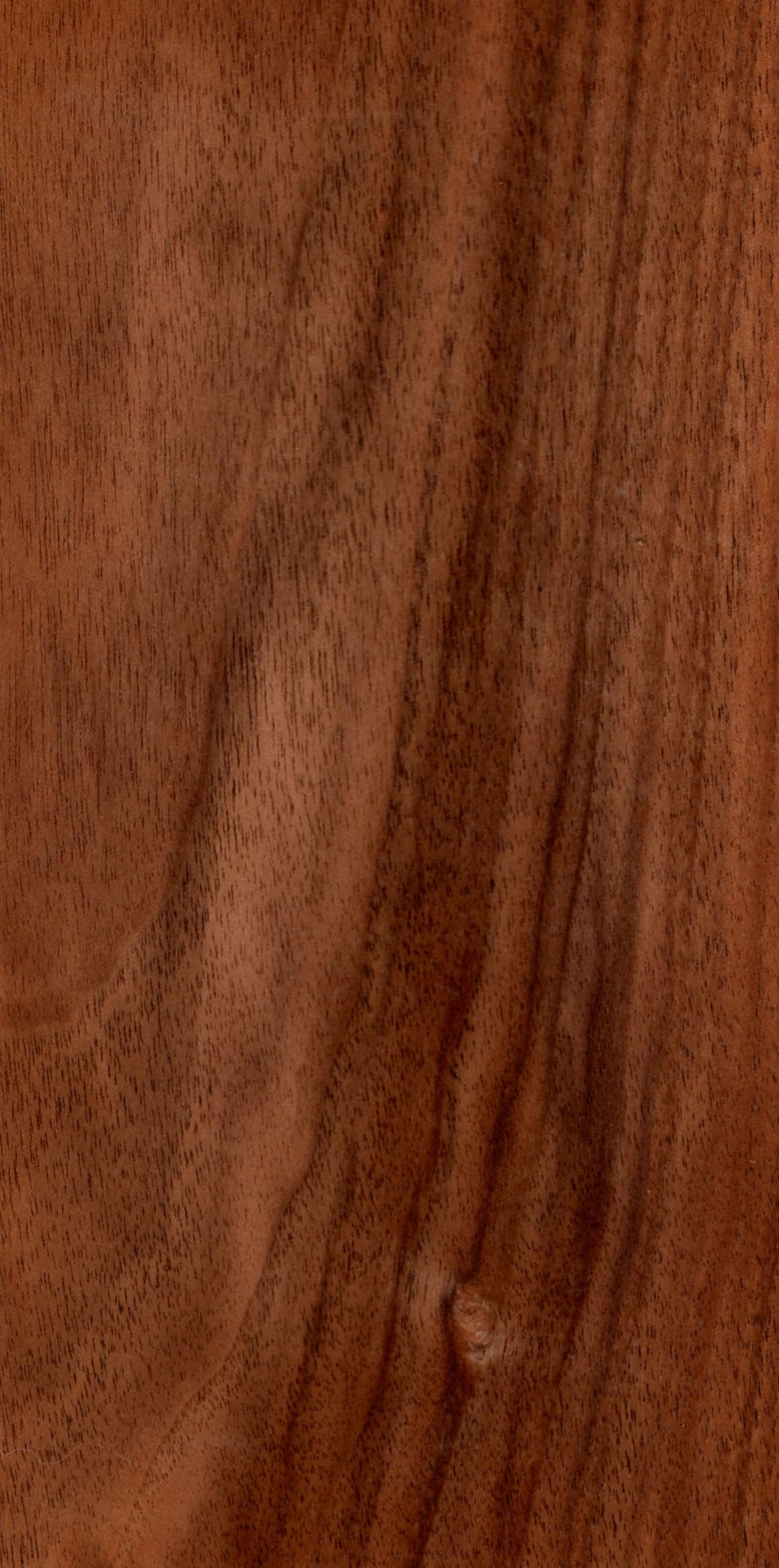
Quartersawn London Plane reveals lacewood: large medullary rays catch the light in dense, scaly flecks. The slab's signature, and its whole reason for being on this list.

  • Cultivé et récolté en Europe.
  • Groupe botanique. Les résineux sont des conifères, les feuillus sont des arbres à feuilles larges.
  • Famille botanique à laquelle appartient l’essence.
Être informé du prochain arrivageEssence de référence. Aucun plateau en stock pour le moment.
  • Adaptation au projet
  • En stock
  • Aspect
  • Travail
  • Mouvement
  • Prix
  • Sécurité et origine
  • Questions fréquentes
  • Données techniques

Convient-il à votre projet ?

Idéal pour

  • Quartersawn tabletops where the lacewood figure is the feature
  • Cabinet door panels and drawer fronts
  • Wall panelling and feature joinery
  • Turned bowls and hollow forms
  • Serving boards and kitchen pieces (interior, finished)
  • Veneer-look solid furniture

Aucun plateau en London Plane dans la sélection actuelle

Essences similaires en stock

Aucun plateau en London Plane pour le moment. Ces essences conviennent aux mêmes projets et sont disponibles.
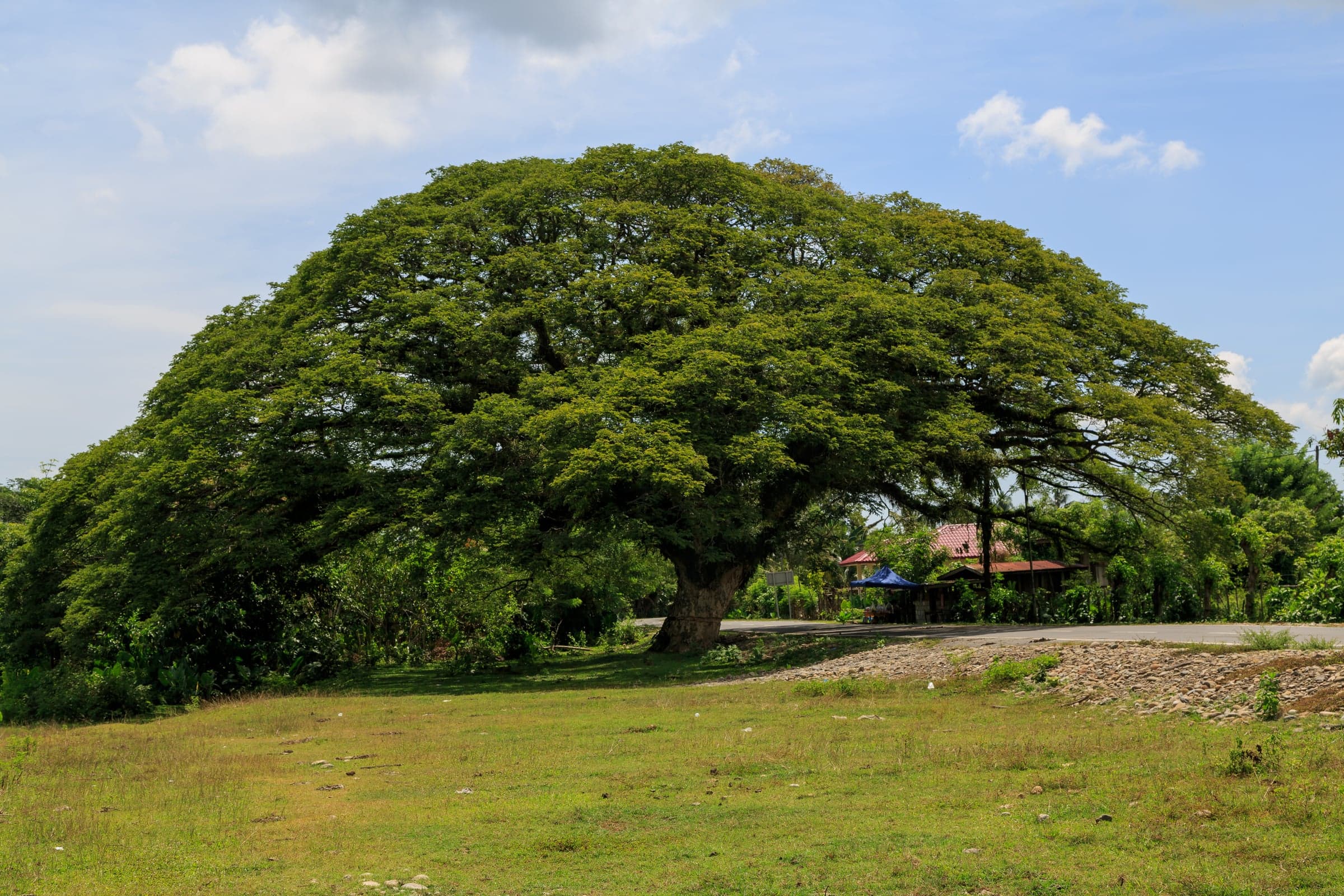
  • Fil du Saman

    Saman

    Samanea saman

    4 plateaux

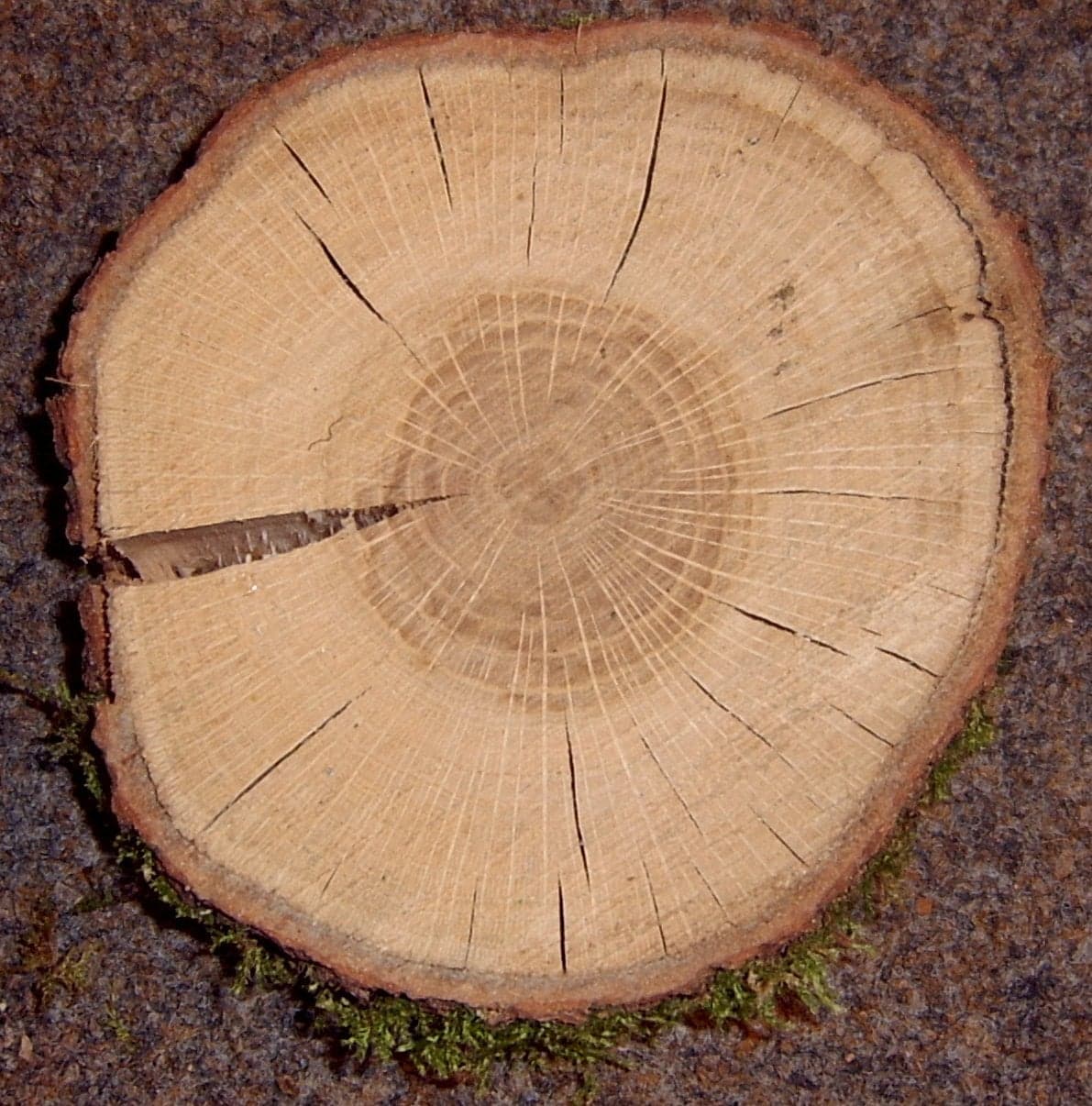
  • Fil du European Oak

    European Oak

    Quercus robur

    6 plateaux

  • Fil du European Walnut

    European Walnut

    Juglans regia

    9 plateaux

Soyez informé des arrivages en London Plane

Nous vous envoyons un e-mail lorsque de nouveaux plateaux en London Plane arrivent chez KORENA. Chaque plateau est unique, mieux vaut donc être prévenu rapidement.

Quelques e-mails par mois. Aucun spam, désabonnement à tout moment.

Aspect du bois

Son aspect

Straight grain, fine-to-medium texture, pinkish-brown heartwood that warms with age. Flatsawn faces are quiet and clean. Quartersawn is where it earns its name in the trade, lacewood, with broad ray flecks that read almost like snakeskin under finish. Two faces of the same board can look like two different woods.

  • Heartwood pinkish-brown to light reddish-tan
  • Sapwood pale cream, often left in for contrast
  • Quartersawn rays appear as darker flecks against the background
  • Warms and deepens under oil; ambers slightly with age
  • Flatsawn and quartersawn faces of one board can look like different species
  • Straight; lacewood figure on quartersawn faces.

Travail du bois

Son travail en atelier

Saws, sands, turns, and carves well. Planing is the one to watch: the medullary rays that make quartersawn faces beautiful also tear out under dull blades. Sharp tools, light cuts, and a finish scraper or 220-grit pass to clean up. Glues and screws without drama.

Finition

Takes oil and hardwax oil cleanly. The lacewood figure deepens dramatically under any clear finish. Test on an offcut before committing, because the contrast jumps. Stains can muddy the rays; we'd avoid them. Sand to 180–220 and stop.

Séchage

Tangential shrinkage is high (around 10%) and roughly twice the radial figure, so cup and distortion are real risks. Dries best slowly, well-stickered, with weight on top. Once stable it holds shape indoors, but it's not a wood to rush through a kiln.

De combien va-t-il bouger ?

Le bois gonfle et se rétracte en largeur selon que l’air devient plus humide ou plus sec. Estimez le mouvement saisonnier d’un plateau en London Plane avant de concevoir les fixations.

Débit
Lieu d’utilisation

Mouvement saisonnier attendu

environ 11,7 mm

Fixez le plateau avec des taquets ou des équerres à trous oblongs, sans colle ni vis trop serrées.

Modèle de retrait linéaire : largeur × (retrait ÷ 28 % de point de saturation des fibres) × variation saisonnière d’humidité. Utilise un retrait tangentiel de 10,25 % pour le London Plane. Il s’agit d’une estimation de conception, pas d’une garantie.

Son prix

Sécurité et origine

  • Cultivé et récolté en Europe.
  • Statut sur la Liste rouge de l’UICN : évaluation mondiale de la conservation de cette essence.
  • Not commonly flagged as a dust irritant or sensitiser. Standard shop dust extraction is enough. Food-contact safe once finished, fine for boards and serving pieces.

Lire le guide completNotes détaillées sur la figure, l’évolution de la couleur, le travail et la stabilité.+

What London Plane actually is#

Platanus x acerifolia is bought for one thing: lacewood.

The species has exceptionally large rays, the ribbons of cells that run radially through a trunk. In most timbers the rays are small enough to be barely visible, and in oak they show as the familiar silvery fleck on quartersawn faces. In London Plane they are so large that a quartersawn face is covered in a dense, regular flecked pattern across the entire surface.

That figure is called lacewood, and it exists only on the quarter. A flatsawn London Plane board is comparatively plain, a light reddish brown with modest figure. The same log cut differently is one of the most distinctive decorative surfaces in European timber.

If you are buying this species, you are buying quartersawn stock, and if you are offered flatsawn plane at a lacewood price, the cut is the thing to check.

The naming confusion#

Three species get called sycamore in different places and they are not related.

London Plane is Platanus x acerifolia, a hybrid plane. American sycamore is Platanus occidentalis, its close relative and also a source of lacewood. European Sycamore is Acer pseudoplatanus, a maple, and has nothing to do with either.

They look different, work differently and cost differently. Buy on the botanical name.

Questions des acheteurs

Questions fréquentes des acheteurs

What is lacewood?

+

Lacewood is quartersawn London Plane. The species has exceptionally large rays, and cutting on the quarter exposes them as a dense flecked pattern across the whole surface that looks like lace. It is one of the most distinctive figures available from any European species, and it exists only on the quartersawn face. Flatsawn plane is comparatively plain.

Is London Plane the same as sycamore?

+

No, and the naming is a mess. London Plane is Platanus x acerifolia, a plane tree. American sycamore is Platanus occidentalis, its close relative. European Sycamore is Acer pseudoplatanus, a maple, and unrelated to both. All three are sometimes called sycamore somewhere. Check the botanical name.

How stable is it?

+

Not very. Volumetric shrinkage of 15.0 percent is high and tangential shrinkage of 9.5 percent against radial at 5.5 percent is a wide differential, so flatsawn boards cup. Since the reason to buy this species is the quartersawn lacewood figure, and quartersawn stock is much more stable, the figure and the stability come together.

Can it be used outdoors?

+

Propriétés mécaniques

Données techniques

Valeurs de référence publiées. Lorsque les sources divergent, la plage est indiquée et la valeur courante sert aux échelles ci-dessus.

Densité (kg/m³)Masse par mètre cube à environ 12 % d’humidité. Un bois plus lourd est généralement plus dur et plus résistant.500–620 kg/m³valeur courante 560 kg/m³
Dureté Janka (N)Force nécessaire pour enfoncer à moitié une bille d’acier dans le bois. Mesure standard de la résistance à l’enfoncement.3,800–4,600 Nvaleur courante 4 180 N
MOR : module de rupture (MPa)Résistance à la flexion : charge à laquelle une poutre casse.70–80 MPa
MOE : module d’élasticité (GPa)Rigidité en flexion : fléchissement d’une étagère ou d’un plateau sous une charge.8.0–10.0 GPa
Retrait radialRetrait perpendiculaire aux cernes, du bois vert au bois anhydre. Les planches sur quartier travaillent dans ce sens.5.5–6.5 %
Fil du London Plane

Roger Culos, via Wikimedia Commons

Atouts

  • Compatible avec les alimentsConvient aux planches, bols et surfaces en contact avec des aliments.
  • Se cintre bienNote de 4 sur 5 pour le cintrage à la vapeur. Accepte des courbes serrées.

Attention

Platanus × acerifolia is the hybrid planted along avenues and squares across Europe, Paris, Milan, Sofia, every London street. KORENA sources it from urban forestry: trees removed for safety, age, or development, then milled rather than chipped. The provenance is local, traceable, and tells a story buyers respond to.

  • Decay class 5 (perishable), interior use only; it won't last outdoors. The hybrid is not IUCN-evaluated and carries no CITES listing. Sourcing is the strong story here: urban trees that would otherwise be chipped, given a second life as furniture. EUDR due diligence is in preparation and becomes mandatory for large operators from 30 December 2026, and the passport behind each slab QR is built to carry its provenance.

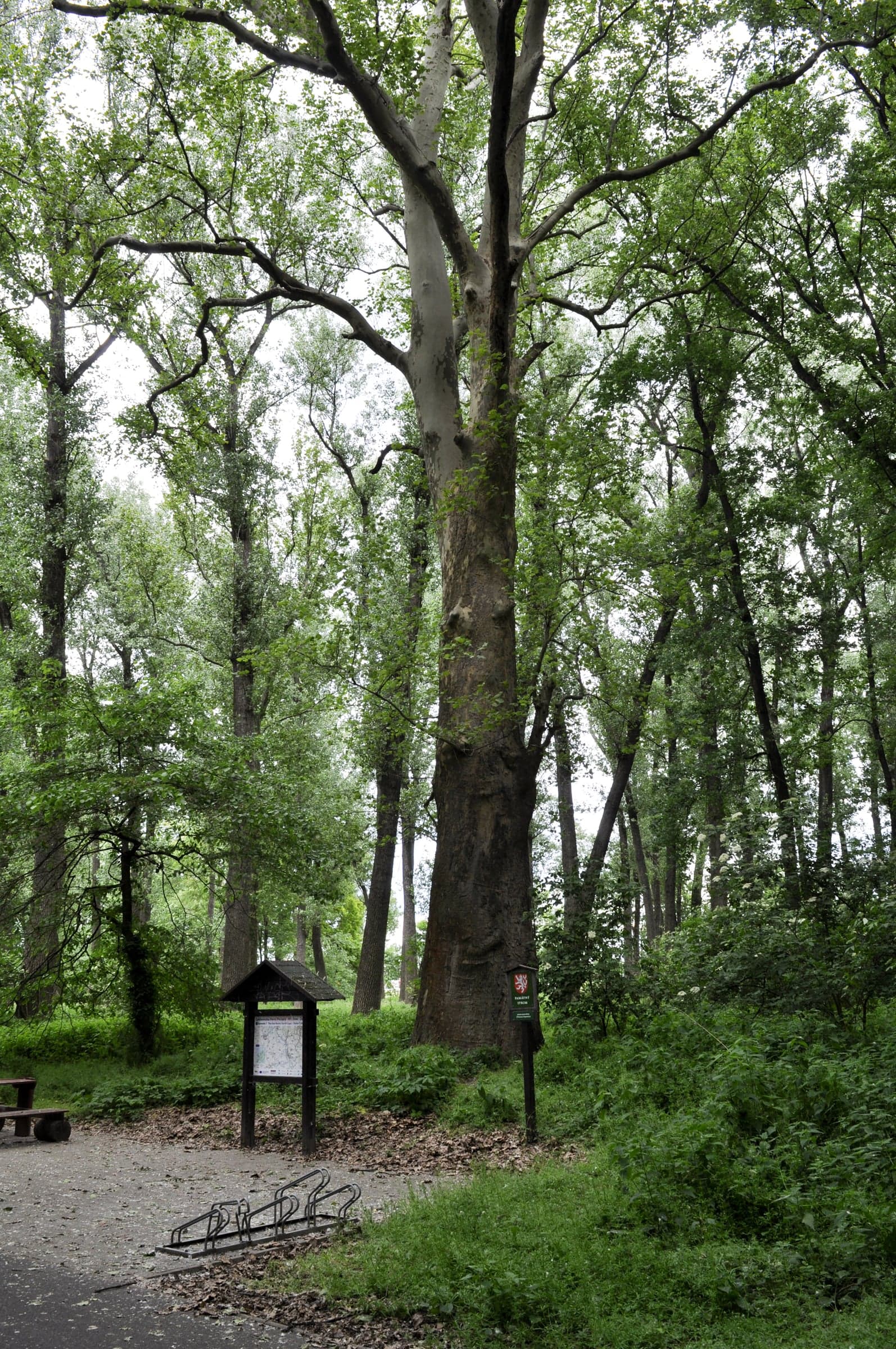
  • Arbre London Plane

    Jirka Dl, via Wikimedia Commons

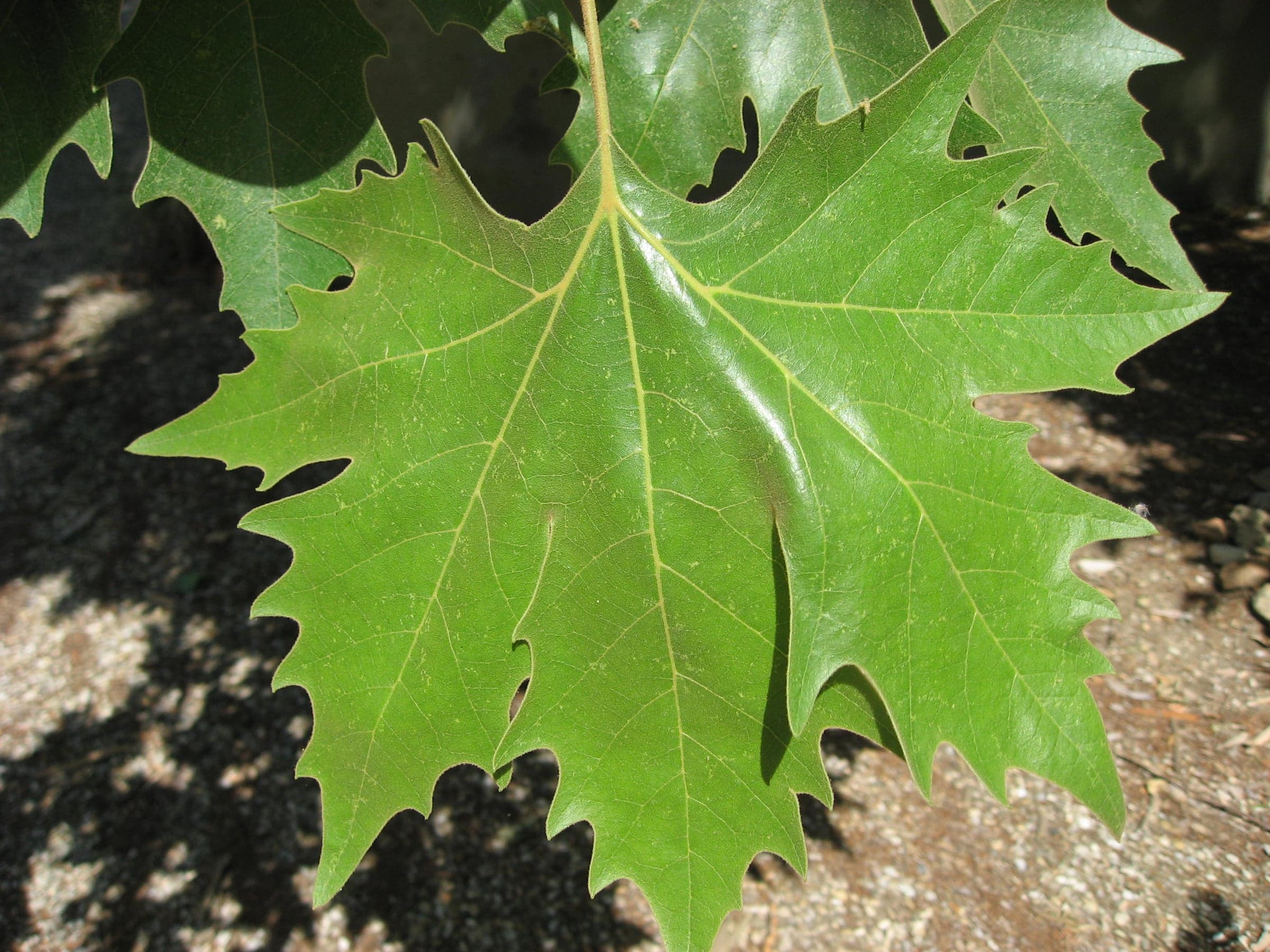
    London Plane: Feuille
    Feuille
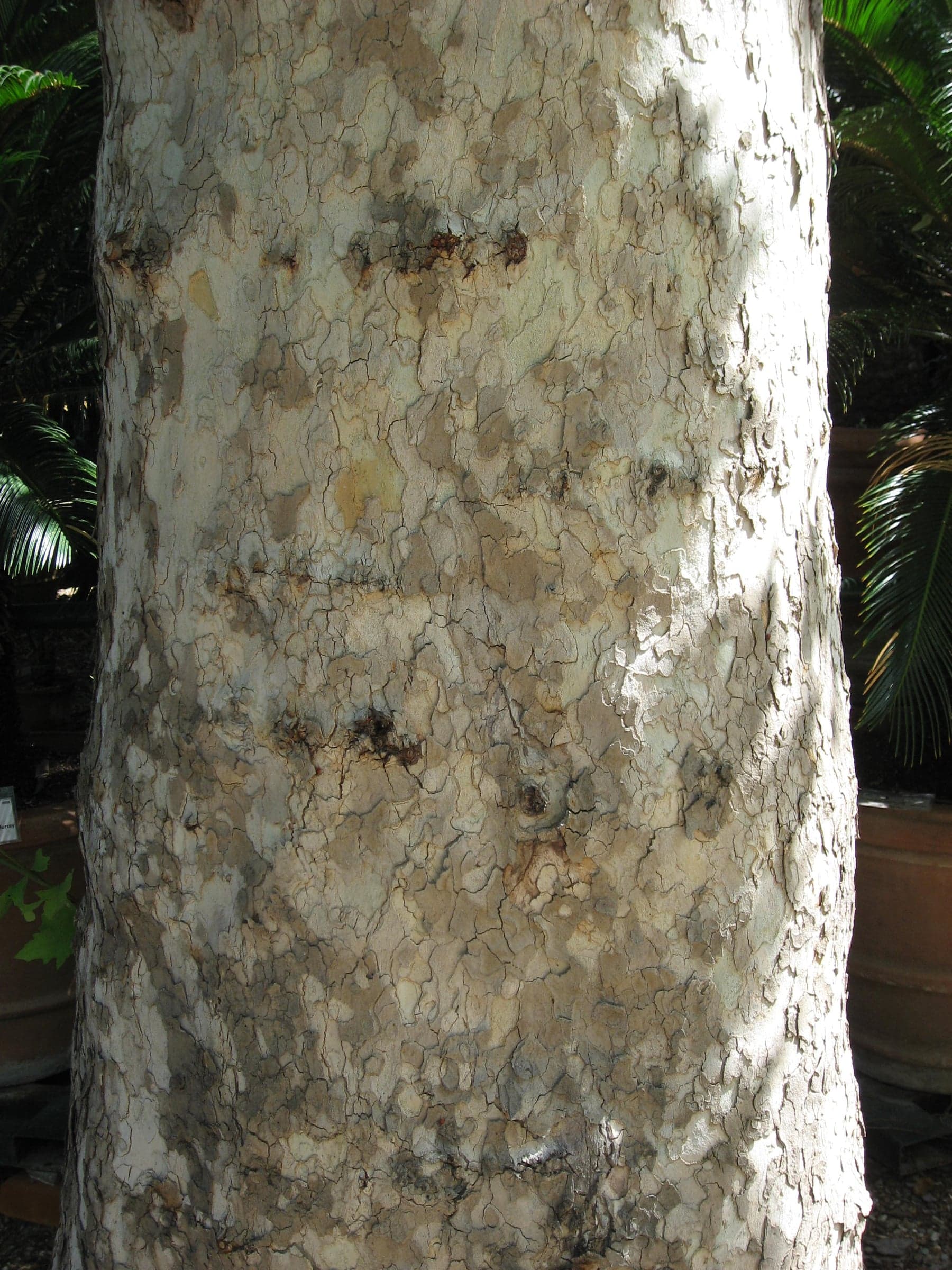
    London Plane: Écorce
    Écorce

    Urban timber#

    London Plane is the classic European street tree, planted through the nineteenth and twentieth centuries for its tolerance of air pollution and its willingness to be pruned hard.

    Almost all timber reaching the market comes from municipal felling rather than forestry, which shapes what is available. Sizes can be generous, because street trees grow large. But the wood frequently carries inclusions, bark pockets and irregular grain from decades of pruning wounds, and metal is a genuine risk in urban timber.

    That last point matters practically: a nail or a cable fragment embedded in an urban log will destroy a bandsaw blade. Reputable yards scan for metal, and it is worth asking.

    The stability problem, which resolves itself#

    Volumetric shrinkage of 15.0 percent is high, and the tangential to radial differential of 9.5 against 5.5 percent is wide. Flatsawn London Plane cups noticeably.

    This turns out to matter less than it might, because the reason to buy the species is the quartersawn figure, and quartersawn stock is substantially more stable across its width. The figure and the stability arrive together.

    It also dries with a tendency to distort and is susceptible to fungal staining if not dried promptly, so stock that sat before conversion may carry grey discolouration.

    At the bench#

    At 4,180 N it is moderately soft and easy on tooling.

    The large rays are the machining consideration. On a quartersawn face they can lift or flake under a heavy cut, taking chunks out of the very figure you are working to expose. Light cuts, sharp tooling and a scraper for the final surface.

    It glues and finishes well and turns reasonably. It sands to a good surface, though care is needed not to round over the ray flecks.

    Finishing#

    Lacewood looks best under a clear finish that lets the ray contrast do the work. An oil finish deepens the reddish brown background and increases the contrast with the pale flecks.

    Stain tends to muddy the figure, since the rays and the background absorb differently and the effect is to reduce rather than enhance the pattern.

    Where London Plane is the right answer#

    Decorative panels, veneer, cabinet fronts, box work, turned pieces and any application where quartersawn lacewood figure is the design. It is a feature timber rather than a structural one.

    It is the wrong answer outdoors at decay class 5, for anything structural, and for a wide flatsawn surface that must stay flat.

    Sourcing and EUDR#

    Not CITES listed and reported as Not Evaluated by the IUCN. Because supply comes largely from urban municipal felling rather than forestry, chains are short and local but non-standardised. KORENA records the yard and region on every listing.

    No. It is rated decay class 5, perishable, with poor insect resistance. London Plane is an interior decorative timber only.

    Where does the timber come from?

    +

    Largely from urban felling. London Plane is the classic city street tree across Europe, planted for its tolerance of pollution and hard pruning, and most timber reaching the market comes from municipal removals rather than forestry. Sizes can be large but the wood often contains inclusions and irregularities from pruning wounds.

    Retrait tangentielRetrait dans le sens des cernes. Les planches sur dosse et la plupart des plateaux travaillent dans ce sens.
    9.5–11.0 %
    Retrait volumiqueVariation totale de volume du bois vert au bois anhydre. Une valeur basse indique une meilleure stabilité.15.0–17.0 %
    Durabilité naturelle (EN 350)Norme européenne de résistance naturelle à la pourriture, de 1 (très durable) à 5 (périssable).Class 5 — Perishable

    Références

    • The Wood Database(consultée le 2026-05-09)
    • USDA FPL Wood Handbook FPL-GTR-190 (2010)(consultée le 2026-05-09)
    • Meier, E. — WOOD! Identifying and Using Hundreds of Woods Worldwide (2015)(consultée le 2026-05-09)

    En bref

    Les niveaux utilisent les mêmes plages pour toutes les essences répertoriées par KORENA, ce qui permet de les comparer directement. La valeur mesurée figure sous chaque niveau.
    DuretéRésistance aux chocs et à l’usureMi-dur

    Dureté Janka : 4 180 N

    16 % plus tendre que le chêne européen

    PoidsPoids d’un plateau à souleverMoyen

    560 kg/m³

    StabilitéFaible mouvement au fil des saisonsTravaille beaucoup

    16,0 % de retrait volumique

    TravailSciage, rabotage, ponçage, collageModéré

    3,9 / 5 de moyenne à l’atelier

    Usage extérieurRésistance naturelle à la pourriture, EN 350Intérieur uniquement

    EN 350 classe 5

    • Sciage · Très bonQualité de la coupe et usure des lames.1 = difficile · 5 = excellent
    • Rabotage · BonLissage de la surface et risque d’arrachement.1 = difficile · 5 = excellent
    • Ponçage · Très bonRapidité du ponçage sans encrasser le papier.1 = difficile · 5 = excellent
    • Tournage · Très bonQualité de coupe et de finition au tour.1 = difficile · 5 = excellent
    • Sculpture · Très bonNetteté des détails obtenus à la gouge.1 = difficile · 5 = excellent
    • Collage · Très bonFiabilité des assemblages collés.1 = difficile · 5 = excellent
    • Tenue des vis / clous · Très bonTenue des vis et des clous sans fendre le bois.1 = difficile · 5 = excellent
    • Cintrage à la vapeur · Très bonAptitude à prendre une courbe après étuvage.1 = difficile · 5 = excellent

    Aucune référence de marché n’est encore disponible pour le London Plane. Chaque plateau KORENA est tarifé individuellement par son dépôt partenaire.

    Ne convient pas à un usage extérieur sans traitement
    Sa durabilité naturelle correspond à la classe 5 sur 5 de la norme EN 350. Gardez-le à l’intérieur ou protégez-le par une finition entretenue.
  • Travaille plus que la plupart des boisLes plateaux larges nécessitent des taquets ou des fixations à trous oblongs et un espace de mouvement. Utilisez le calculateur ci-dessous.
  • Touchez une étiquette pour afficher les détails.