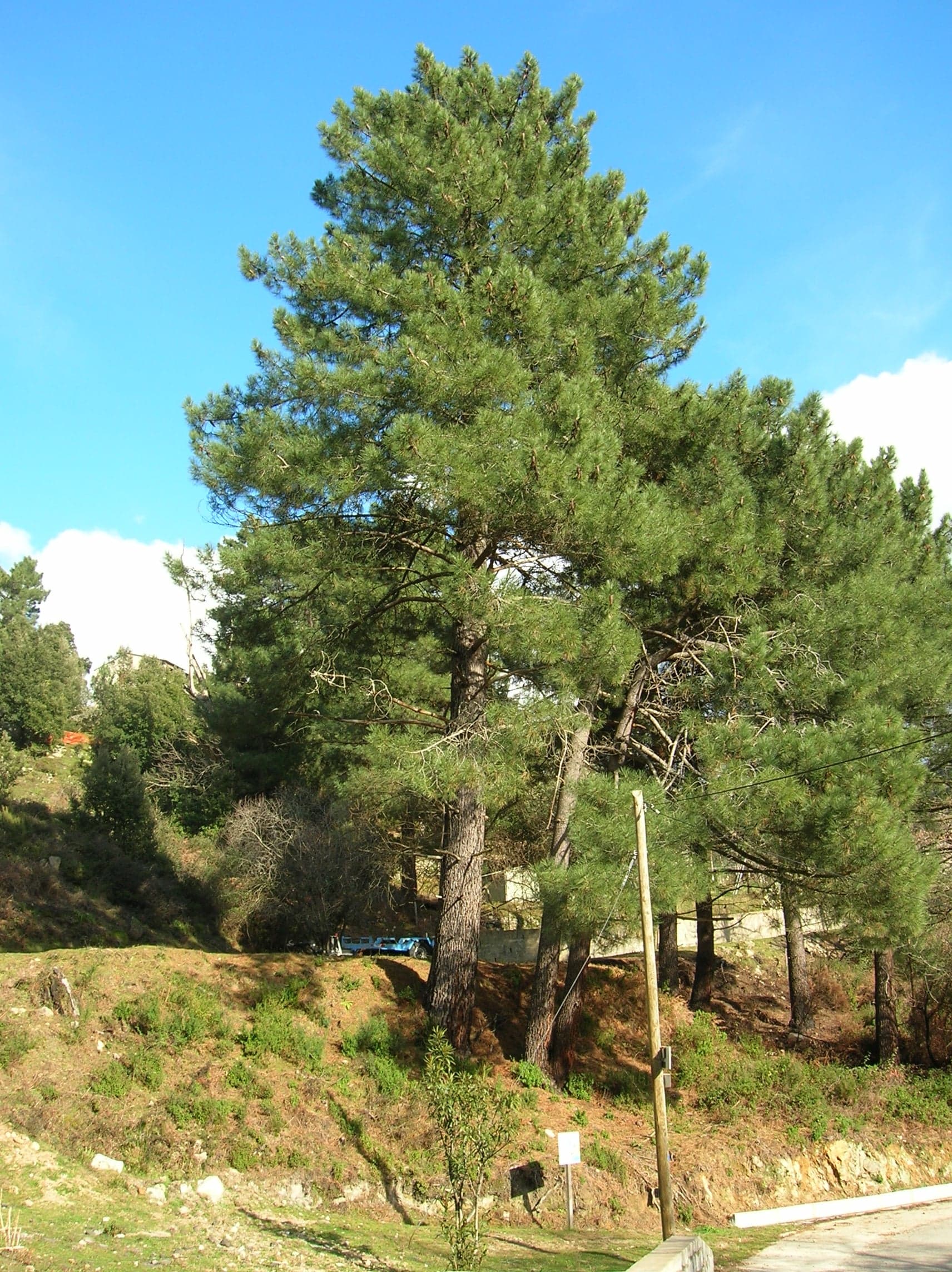
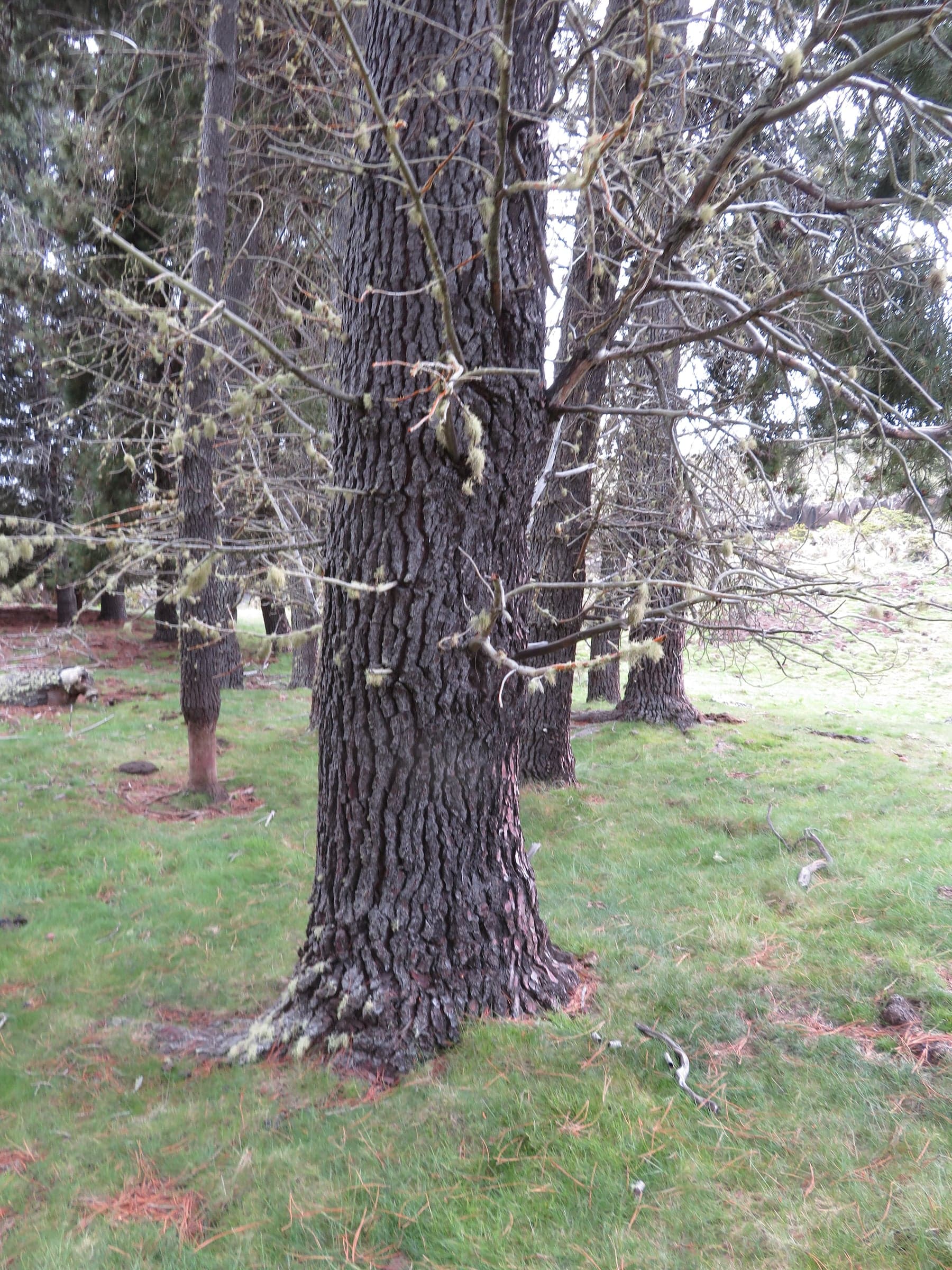
Pinus pinaster
Maritime Pine
The pine of the Atlantic coast and the Landes. The most resinous and least stable wood KORENA lists, with a bold coarse figure that suits rustic work.
- Καλλιεργείται και υλοτομείται στην Ευρώπη.
- Βοτανική ομάδα. Τα μαλακά ξύλα προέρχονται από κωνοφόρα, τα σκληρά από πλατύφυλλα δέντρα.
- Η βοτανική οικογένεια στην οποία ανήκει το είδος.
Ειδοποιήστε με όταν φτάσειΕίδος αναφοράς. Δεν υπάρχουν κομμάτια σε απόθεμα αυτήν τη στιγμή.
Είναι κατάλληλο για το έργο σας;
Ιδανικό για
- Rustic tabletops
- Panelling
- Carcass work
- Painted furniture
- Shelving
Δεν υπάρχει Maritime Pine στην τρέχουσα παρτίδα
Παρόμοια είδη σε απόθεμα
Δεν υπάρχει Maritime Pine αυτήν τη στιγμή. Αυτά τα είδη ταιριάζουν στα ίδια έργα και υπάρχουν διαθέσιμα κομμάτια.


Ειδοποιήσεις για Maritime Pine
Σας στέλνουμε email όταν φτάνουν στην KORENA νέες τάβλες Maritime Pine. Κάθε κομμάτι είναι μοναδικό, γι’ αυτό η έγκαιρη ειδοποίηση έχει σημασία.
Όψη ξυλείας
Πώς φαίνεται
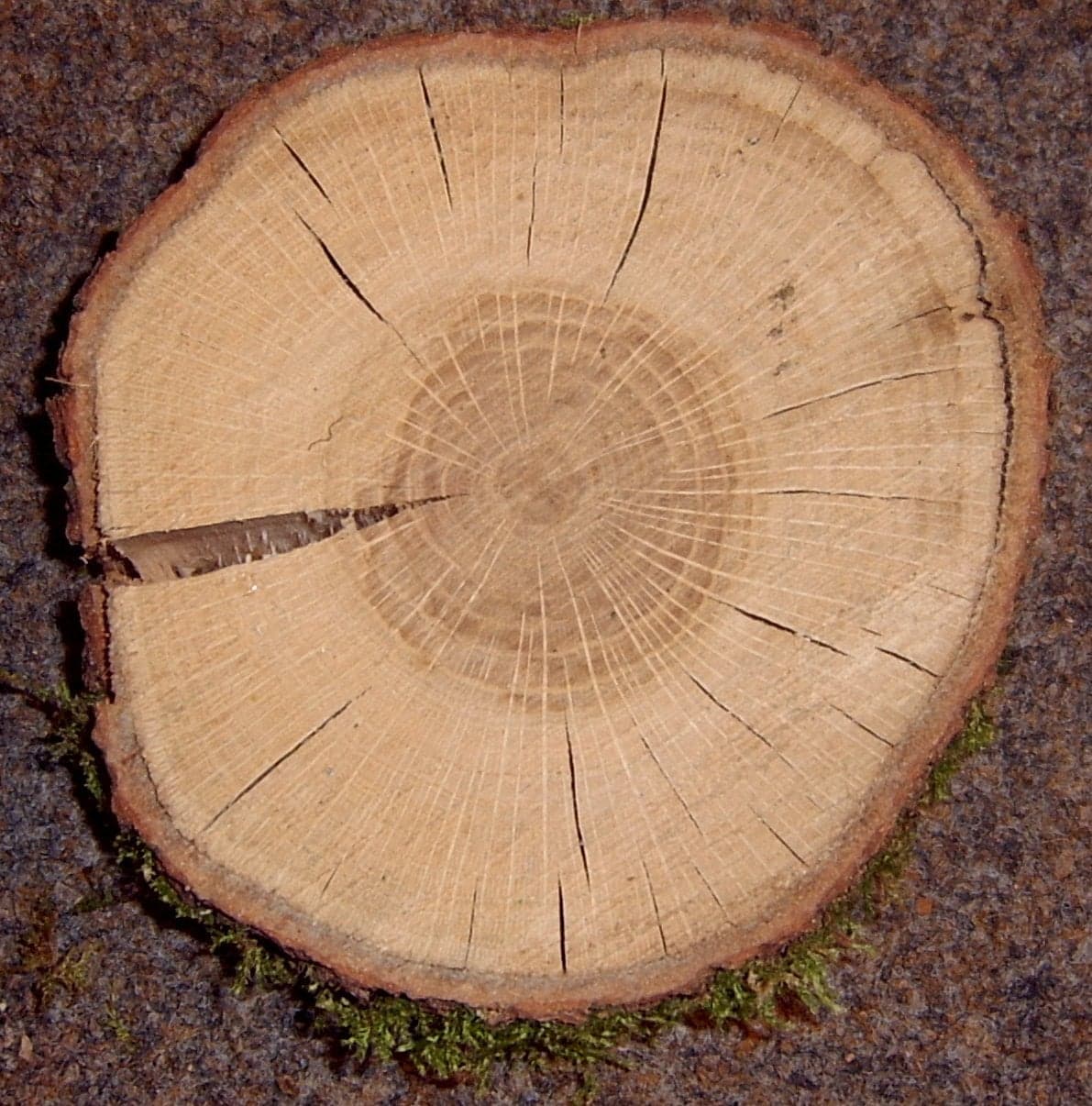
Pale yellow to reddish brown heartwood against wide pale sapwood, with very wide growth rings reflecting fast coastal growth. The ring contrast is strong, giving a bold and slightly coarse figure. It is the most resinous species KORENA lists, which is both its historical value, as the tree was tapped for turpentine for centuries, and its main working difficulty.
- Pale yellow to reddish brown heartwood
- Wide pale sapwood band
- Wide growth rings with strong earlywood to latewood contrast
- Straight grain with very wide rings and extreme earlywood to latewood contrast, giving a bold coarse figure. Pale yellow to reddish brown, highly resinous.
Κατεργασία
Κατεργασία
Works fairly well with most tools, but the resin gums up tools and clogs sandpaper more than in any other species here. Abrasives should be treated as consumable. The wide, soft earlywood bands between hard latewood bands mean the surface can wash out under sanding, leaving a rippled face, so scraping is preferable to heavy abrasive work. Sharp cutters are essential.
Φινίρισμα
Wipe down with denatured alcohol or acetone before finishing to lift surface resin, otherwise oil finishes may stay tacky in patches. Once clean it takes oil and wax well. Pigment stains blotch severely because of the extreme density contrast between earlywood and latewood, so a dye or a clear finish is much safer. Seal knots with shellac before any painted finish.
Ξήρανση
Dries reasonably quickly but is prone to distortion given the wide rings and often spiral grain of fast grown coastal stock. A hot kiln schedule drives resin to the surface where it sets sticky and interferes with finishing later. Air drying followed by a low temperature kiln finish is the sensible route. Volumetric shrinkage at around 14.4 percent is the highest of any species KORENA lists, so movement in service is substantial.
Πόσο θα κινηθεί;
Το ξύλο διογκώνεται και συρρικνώνεται κατά πλάτος καθώς ο αέρας γίνεται πιο υγρός ή πιο ξηρός. Υπολογίστε την εποχική κίνηση μιας επιφάνειας Maritime Pine πριν σχεδιάσετε τις συνδέσεις.
Αναμενόμενη εποχική κίνηση
περίπου 10,3 mm
Στερεώστε την επιφάνεια με συνδέσμους ή στηρίγματα με εγκοπές, όχι με κόλλα ή σφιχτές βίδες.
Μοντέλο γραμμικής συρρίκνωσης: πλάτος × (συρρίκνωση ÷ 28 % σημείο ινοκόρου) × εποχική μεταβολή υγρασίας. Χρησιμοποιεί 9 % εφαπτομενική συρρίκνωση για Maritime Pine. Πρόκειται για εκτίμηση σχεδιασμού, όχι εγγύηση.
Πόσο κοστίζει
Ασφάλεια και προμήθεια
- Καλλιεργείται και υλοτομείται στην Ευρώπη.
- Κατάσταση στον Κόκκινο Κατάλογο της IUCN: η παγκόσμια αξιολόγηση διατήρησης αυτού του είδους.
Working with pine has been reported to cause allergic skin reactions and asthma-like symptoms in some people. Because this species carries more resin than the others here, skin contact sensitisation is a more realistic risk over repeated exposure. Gloves when handling and good extraction while machining are worth the habit.
Διαβάστε τον πλήρη οδηγόΑναλυτικές σημειώσεις για τα σχέδια των νερών, την αλλαγή χρώματος, την κατεργασία και τη σταθερότητα.
What Maritime Pine actually is#
Pinus pinaster is the pine of the western Mediterranean and the Atlantic seaboard of Iberia and France. The Landes forest in southwest France, planted on former dunes and marsh from the nineteenth century onward, is the largest planted pine forest in western Europe and the principal commercial source of this timber.
For centuries the tree was more valuable standing than felled, because it was tapped for resin to produce turpentine and rosin. That history is the single most useful fact about the wood, because the resin that made it commercially important is also what makes it the most demanding species in this catalogue to machine and finish.
Reading a Maritime Pine slab#
Fast coastal growth produces very wide growth rings, and the contrast between the soft pale earlywood and the hard dark latewood is extreme. The result is a bold, coarse figure with a lot of visual movement, quite different from the fine even texture of spruce or fir.
That coarseness is the honest character of the wood and suits rustic work well. It does not suit a design asking for a quiet, uniform surface.
Colour runs pale yellow to reddish brown in the heartwood against a wide pale sapwood band. Spiral grain is common in fast grown coastal stock and is worth checking for, because it is the main cause of the distortion this species is prone to.
Ερωτήσεις αγοραστών
Ερωτήσεις αγοραστών
Why is Maritime Pine so much stickier to work than other pines?
It carries more resin than any other species KORENA lists, which is why it was tapped commercially for turpentine and rosin for centuries. The resin softens with cutting heat and deposits on blades, in saw gullets and across abrasives. Clean blades with a resin solvent between operations and expect sandpaper to load quickly.
How much will it move?
More than anything else in this catalogue. Volumetric shrinkage is around 14.4 percent, the highest figure KORENA lists, with tangential movement at 9.0 percent against 4.5 percent radial. A wide flatsawn top will change noticeably between seasons, so it must float on slotted fasteners and should acclimatise in its final room before flattening.
Why does the surface look rippled after sanding?
The earlywood bands are much softer than the latewood bands and abrasives cut them away faster, leaving a washboard surface. This is worse in Maritime Pine than other pines because the rings are wide and the contrast extreme. Use a card scraper or a sharp plane for the final surface rather than sanding it flat.
Is it strong enough for a table?
Μηχανικές ιδιότητες
Τεχνικά στοιχεία
Δημοσιευμένες τιμές αναφοράς. Όπου οι πηγές διαφωνούν, εμφανίζεται το εύρος και η τυπική τιμή χρησιμοποιείται στις παραπάνω κλίμακες.
| Πυκνότητα (kg/m³)Μάζα ανά κυβικό μέτρο σε υγρασία περίπου 12 %. Το βαρύτερο ξύλο είναι συνήθως σκληρότερο και ισχυρότερο. | 500 kg/m³ |
|---|---|
| Σκληρότητα Janka (N)Η δύναμη που απαιτείται για να εισχωρήσει μια χαλύβδινη σφαίρα μέχρι τη μέση στο ξύλο. Είναι το καθιερωμένο μέτρο αντοχής στα βαθουλώματα. | 1,740 N |
| MOR: μέτρο θραύσης (MPa)Αντοχή σε κάμψη: το φορτίο στο οποίο σπάει μια δοκός. | 73 MPa |
| MOE: μέτρο ελαστικότητας (GPa)Ακαμψία σε κάμψη: πόσο λυγίζει ένα ράφι ή μια επιφάνεια υπό φορτίο. | 8.5 GPa |
| Ακτινική συρρίκνωσηΣυρρίκνωση εγκάρσια προς τους αυξητικούς δακτυλίους, από χλωρό έως πλήρως ξηρό ξύλο. Έτσι κινούνται οι ακτινικά πρισμένες τάβλες. | 4.5 % |
| Εφαπτομενική συρρίκνωσηΣυρρίκνωση κατά μήκος των αυξητικών δακτυλίων. Έτσι κινούνται οι εφαπτομενικά πρισμένες τάβλες και οι περισσότερες τάβλες φυσικής ακμής. |