KORENA
ΞυλείαFinished piecesΥλικάΑποθήκεςΗμερολόγιο

Λάβετε ειδοποίηση

Κάθε τάβλα είναι μοναδική. Όταν πωληθεί, δεν υπάρχει άλλη. Σας στέλνουμε email όταν καταχωρίζονται νέα κομμάτια: νέες αφίξεις, νέα είδη και τάβλες που ταιριάζουν στην περιγραφή έργου.

Λίγα email τον μήνα. Χωρίς ανεπιθύμητα μηνύματα, απεγγραφή ανά πάσα στιγμή.

KORENA, εκλεκτή σκληρή ξυλεία

Ένα κομμάτι κάθε φορά.

Ελεγμένη εκλεκτή σκληρή ξυλεία, ένα κομμάτι κάθε φορά. Κάθε τάβλα φωτογραφίζεται, μετριέται και αποστέλλεται από τη συνεργαζόμενη αποθήκη με διαβατήριο ξυλείας.

Αγορά

  • Περιήγηση στα προϊόντα
  • Αρχείο πωλημένων
  • Παρακολούθηση παραγγελίας

Μάθετε

  • Περιοδικό
  • Οδηγοί ειδών
  • Γλωσσάρι
  • Σύγκριση
  • Συντάκτες

Βοήθεια

  • Σχετικά
  • Πώς λειτουργεί
  • Γίνετε συνεργαζόμενη αποθήκη
  • Βρείτε μια τάβλα
  • Υποστήριξη
  • Πρότυπα εγγράφων
  • Τύπος

Αγορά

  • Όροι πώλησης
  • Δικαίωμα υπαναχώρησης
  • Επιστροφές και εγγύηση
  • Αποστολή και παράδοση

Εμπιστοσύνη

  • Πολιτική απορρήτου
  • Πολιτική cookies
  • Προέλευση ξυλείας και EUDR
  • Προσβασιμότητα

Νομικά στοιχεία

  • Νομική ειδοποίηση / Στοιχεία εταιρείας
  • Αποδεκτή χρήση
  • Πνευματική ιδιοκτησία και περιεχόμενο

© 2026 KORENA. Με επιφύλαξη παντός δικαιώματος.

Τη διαχείριση έχει η Martial Labs Ltd. (BG, EIK 207453941). Η KORENA είναι εμπορική ονομασία της Martial Labs Ltd.

Σεβόμαστε το απόρρητό σας

Χρησιμοποιούμε απαραίτητα cookies για τη λειτουργία του ιστοτόπου. Με την άδειά σας θα χρησιμοποιούμε επίσης cookies για αναλύσεις, εξατομικευμένο περιεχόμενο και διαφημίσεις. Μπορείτε να αλλάξετε την επιλογή σας ανά πάσα στιγμή στη σελίδα προτιμήσεων συγκατάθεσης. Δείτε την πολιτική cookies και την πολιτική απορρήτου.

  1. Αρχική
  2. /
  3. Είδη
  4. /
  5. Black Locust / Robinia

Robinia pseudoacacia

Black Locust / Robinia

Class 1 durability from a tree that grows in Europe. One of the only EU-native options that survives outdoors untreated, and a credible domestic answer to tropical exotics like teak.

  • Καλλιεργείται και υλοτομείται στην Ευρώπη.
  • Βοτανική ομάδα. Τα μαλακά ξύλα προέρχονται από κωνοφόρα, τα σκληρά από πλατύφυλλα δέντρα.
  • Η βοτανική οικογένεια στην οποία ανήκει το είδος.
Ειδοποιήστε με όταν φτάσειΕίδος αναφοράς. Δεν υπάρχουν κομμάτια σε απόθεμα αυτήν τη στιγμή.
  • Καταλληλότητα για το έργο
  • Σε απόθεμα
  • Όψη
  • Κατεργασία
  • Κίνηση
  • Τιμή
  • Ασφάλεια και προμήθεια
  • Ερωτήσεις
  • Τεχνικά στοιχεία

Είναι κατάλληλο για το έργο σας;

Ιδανικό για

  • Outdoor benches and garden furniture that need to survive without preservative treatment
  • Thresholds, sills, and entry pieces that take weather and wear
  • Fence posts and landscape elements designed as visible objects, not buried hardware
  • High-wear interior tops, kitchen islands, workshop benches, retail counters
  • Tool handles and turned forms where toughness matters
  • Steam-bent components, chair backs, hoops, curved frames

Δεν υπάρχει Black Locust / Robinia στην τρέχουσα παρτίδα

Παρόμοια είδη σε απόθεμα

Δεν υπάρχει Black Locust / Robinia αυτήν τη στιγμή. Αυτά τα είδη ταιριάζουν στα ίδια έργα και υπάρχουν διαθέσιμα κομμάτια.
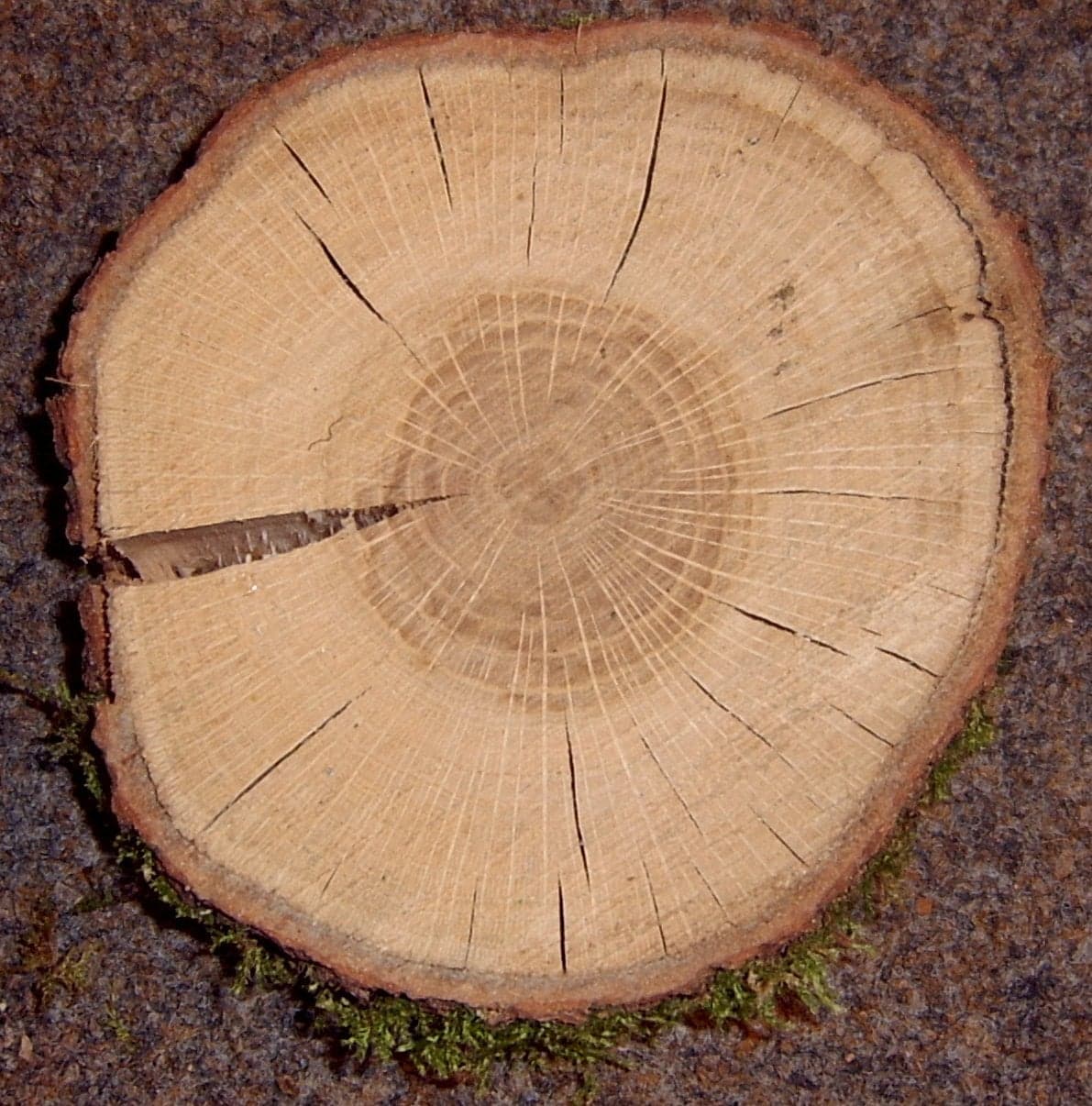

  • Νερά European Oak

    European Oak

    Quercus robur

    6 κομμάτια

  • Νερά European Walnut

    European Walnut

    Juglans regia

    9 κομμάτια

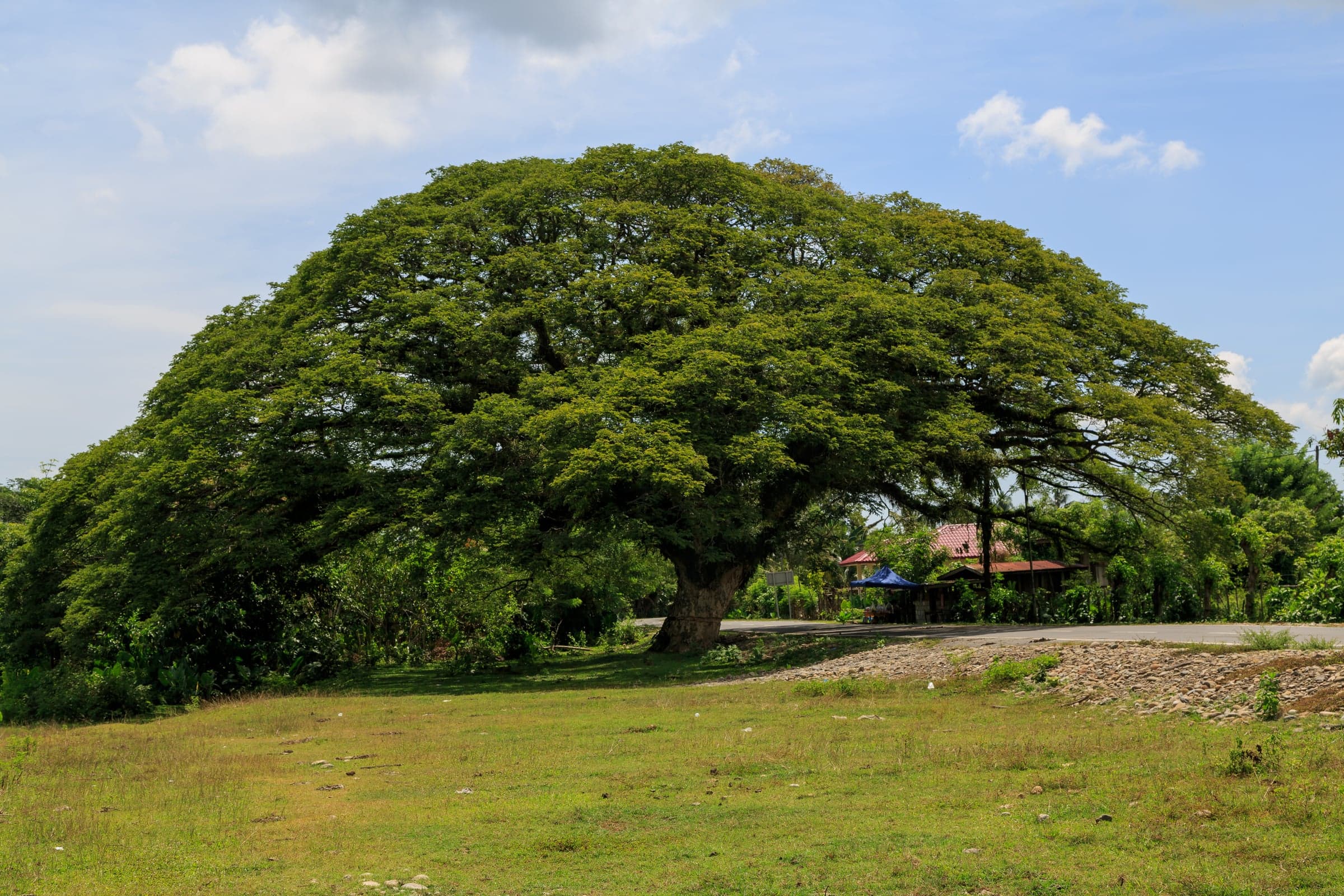
  • Νερά Saman

    Saman

    Samanea saman

    4 κομμάτια

Ειδοποιήσεις για Black Locust / Robinia

Σας στέλνουμε email όταν φτάνουν στην KORENA νέες τάβλες Black Locust / Robinia. Κάθε κομμάτι είναι μοναδικό, γι’ αυτό η έγκαιρη ειδοποίηση έχει σημασία.

Λίγα email τον μήνα. Χωρίς ανεπιθύμητα μηνύματα, απεγγραφή ανά πάσα στιγμή.

Όψη ξυλείας

Πώς φαίνεται

Straight grain, coarse open texture, and a heartwood that lands somewhere between olive-yellow and greenish-gold when freshly cut. UV does the work over the next few months, the green calms down and the wood warms into a deep amber. Sapwood is narrow and pale yellow. The contrast between the two reads cleanly on wide slabs.

  • Olive-yellow to greenish-gold heartwood when freshly milled
  • Warms to a deep amber over weeks of light exposure
  • Narrow pale yellow sapwood, cleanly demarcated from the heartwood
  • Coarse open pores read clearly under oil finishes
  • Straight grain, coarse texture; very durable.

Κατεργασία

Κατεργασία

Honest warning, this is a hard, tough wood and it will blunt edges. Carbide tooling is sensible, and HSS needs frequent sharpening. Sawing, planing, and sanding all sit around average difficulty for the effort, but tool wear is well above average. It glues and screws cleanly once you pre-drill, and it turns nicely. The standout is steam-bending. Robinia is one of the best European species for it, on a par with white oak.

Φινίρισμα

Takes oils and hardwax oils well; the open pores welcome them. The early colour shift is dramatic, so finish a test piece and leave it in daylight for a fortnight before committing, what you see on the bench is not what the client will see in a month. UV-blocking finishes slow the amber drift if a greener tone is wanted. Sanding to 180 is usually enough; finer grits can burnish the surface and fight oil uptake.

Ξήρανση

Dries slowly and benefits from patience. Surprisingly stable for its hardness once acclimatised, radial movement around 4–5% and tangential 6.5–8% are modest for a 770 kg/m³ wood. Stack with care, weight the top, and expect some end-checking if rushed. Kiln schedules should be conservative.

Πόσο θα κινηθεί;

Το ξύλο διογκώνεται και συρρικνώνεται κατά πλάτος καθώς ο αέρας γίνεται πιο υγρός ή πιο ξηρός. Υπολογίστε την εποχική κίνηση μιας επιφάνειας Black Locust / Robinia πριν σχεδιάσετε τις συνδέσεις.

Τομή
Πού θα τοποθετηθεί

Αναμενόμενη εποχική κίνηση

περίπου 8,3 mm

Στερεώστε την επιφάνεια με συνδέσμους ή στηρίγματα με εγκοπές, όχι με κόλλα ή σφιχτές βίδες.

Μοντέλο γραμμικής συρρίκνωσης: πλάτος × (συρρίκνωση ÷ 28 % σημείο ινοκόρου) × εποχική μεταβολή υγρασίας. Χρησιμοποιεί 7,25 % εφαπτομενική συρρίκνωση για Black Locust / Robinia. Πρόκειται για εκτίμηση σχεδιασμού, όχι εγγύηση.

Πόσο κοστίζει

Ασφάλεια και προμήθεια

  • Καλλιεργείται και υλοτομείται στην Ευρώπη.
  • Κατάσταση στον Κόκκινο Κατάλογο της IUCN: η παγκόσμια αξιολόγηση διατήρησης αυτού του είδους.
  • Not recommended for direct food contact. The bark, leaves, and seeds carry toxic compounds, and while the heartwood is considered the safer part of the tree, we would not specify it for cutting boards or utensils. The dust is a known irritant and sensitiser, some woodworkers report nausea from prolonged exposure. Run dust extraction and a fitted respirator, not just a paper mask.

Διαβάστε τον πλήρη οδηγόΑναλυτικές σημειώσεις για τα σχέδια των νερών, την αλλαγή χρώματος, την κατεργασία και τη σταθερότητα.+

What Robinia actually is#

Robinia pseudoacacia, black locust, is the strongest and most durable timber in this catalogue, and it grows across Europe like a weed.

The numbers are not close. At 7,560 N Janka it is the hardest measured species here. Its modulus of rupture of 130 MPa and elastic modulus of 14.0 GPa are the highest measured figures in the catalogue. And it is rated decay class 1, very durable, matched only by yew.

That combination, tropical grade durability from a fast growing European species, is unusual enough to be worth stating plainly: robinia does what teak and ipe do, without a tropical supply chain.

Why it is not more widely used#

Three reasons, none of them about performance.

It is hard to convert. At this density and hardness it blunts tooling fast and asks a great deal of machines, and small sawmills often decline it.

It grows badly for timber. Robinia is prone to twisting, forking and spiral grain, so long straight clean lengths are scarce even where the tree is abundant. Most of what is cut ends up as fence posts and stakes, applications where its durability is used and its form does not matter.

It has an image problem. In much of Europe it is regarded as an invasive nuisance rather than a timber species, which keeps demand and therefore processing infrastructure low.

Ερωτήσεις αγοραστών

Ερωτήσεις αγοραστών

Is Robinia really as durable as tropical hardwood?

+

Yes, and that is its main argument. It is rated decay class 1, very durable, the highest rating in this catalogue alongside yew, and it performs comparably to teak or ipe in ground contact. Because it grows fast across Europe it offers tropical grade durability without a tropical supply chain, which is a rare combination under EUDR.

How hard is it?

+

At 7,560 N Janka it is the hardest measured wood in this catalogue, above hornbeam at 7,260 N and half again as hard as European oak. Its modulus of rupture of 130 MPa and stiffness of 14.0 GPa are also the highest measured figures here. It is a genuinely formidable timber.

Is it toxic?

+

The bark, leaves and seeds are toxic, containing robin and robinin, and the wood is recorded here as not food safe. Dust is irritant. Do not use it for chopping boards, food contact surfaces or anything a child might chew, and run extraction when machining.

Why is it treated as invasive in some countries?

+

Robinia is native to North America and was introduced to Europe in the seventeenth century. It spreads readily by root suckers and fixes nitrogen, altering soil chemistry, and several European countries list it as invasive. That is an ecological concern about planting rather than a restriction on timber, and harvesting established stands is generally viewed favourably.

Μηχανικές ιδιότητες

Τεχνικά στοιχεία

Δημοσιευμένες τιμές αναφοράς. Όπου οι πηγές διαφωνούν, εμφανίζεται το εύρος και η τυπική τιμή χρησιμοποιείται στις παραπάνω κλίμακες.

Πυκνότητα (kg/m³)Μάζα ανά κυβικό μέτρο σε υγρασία περίπου 12 %. Το βαρύτερο ξύλο είναι συνήθως σκληρότερο και ισχυρότερο.700–830 kg/m³τυπική τιμή 770 kg/m³
Σκληρότητα Janka (N)Η δύναμη που απαιτείται για να εισχωρήσει μια χαλύβδινη σφαίρα μέχρι τη μέση στο ξύλο. Είναι το καθιερωμένο μέτρο αντοχής στα βαθουλώματα.7,000–8,200 Nτυπική τιμή 7.560 N
MOR: μέτρο θραύσης (MPa)Αντοχή σε κάμψη: το φορτίο στο οποίο σπάει μια δοκός.130–150 MPa
MOE: μέτρο ελαστικότητας (GPa)Ακαμψία σε κάμψη: πόσο λυγίζει ένα ράφι ή μια επιφάνεια υπό φορτίο.14.0–16.0 GPa
Ακτινική συρρίκνωσηΣυρρίκνωση εγκάρσια προς τους αυξητικούς δακτυλίους, από χλωρό έως πλήρως ξηρό ξύλο. Έτσι κινούνται οι ακτινικά πρισμένες τάβλες.4.0–5.0 %
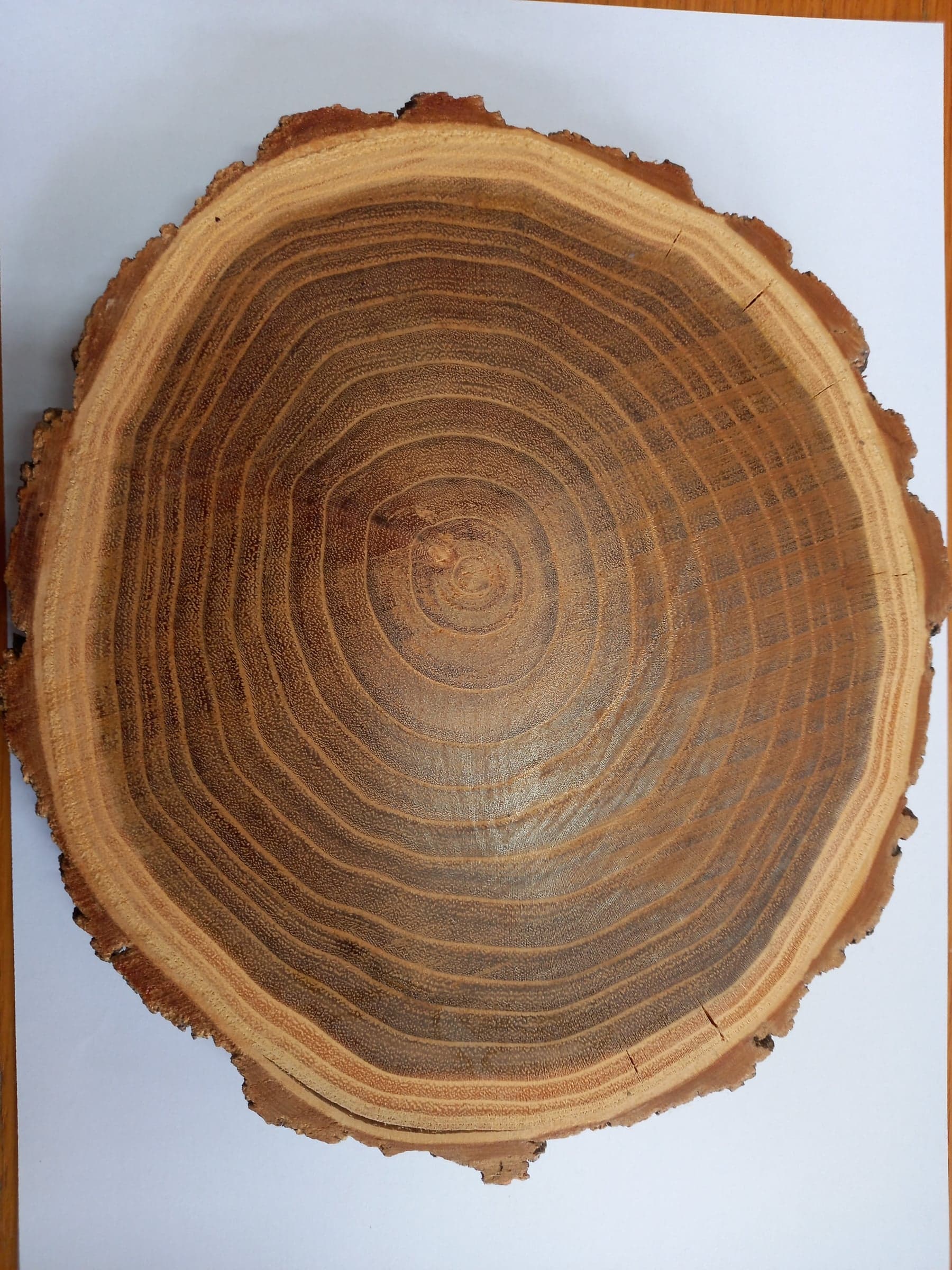
Νερά Black Locust / Robinia

Dexys-2019, via Wikimedia Commons

Πλεονεκτήματα

  • Ανθεκτικό σε εξωτερικό χώροΚατηγορία 1 από 5 κατά EN 350: αντιστέκεται στη σήψη σε εξωτερικό χώρο χωρίς επεξεργασία.
  • Πολύ σταθερόΜικρή εποχική κίνηση. Κατάλληλο για φαρδιές επιφάνειες και εφαρμοστές ενώσεις.

Originally North American, but naturalised and commercially grown across central and eastern Europe for over two centuries. Hungary, Romania, Bulgaria, and Slovakia all have working forestry programmes around it. For sourcing and EUDR purposes we treat it as European stock, the supply chain sits inside the EU and the paperwork follows.

  • IUCN Least Concern, no CITES listing. Grown commercially across central and eastern EU, often on marginal land where slower-growing natives struggle. Class 1 durability means outdoor pieces last decades without preservative chemistry, which is its own sustainability argument. EUDR-wise, the supply chain is short and EU-internal, provenance is straightforward to document.

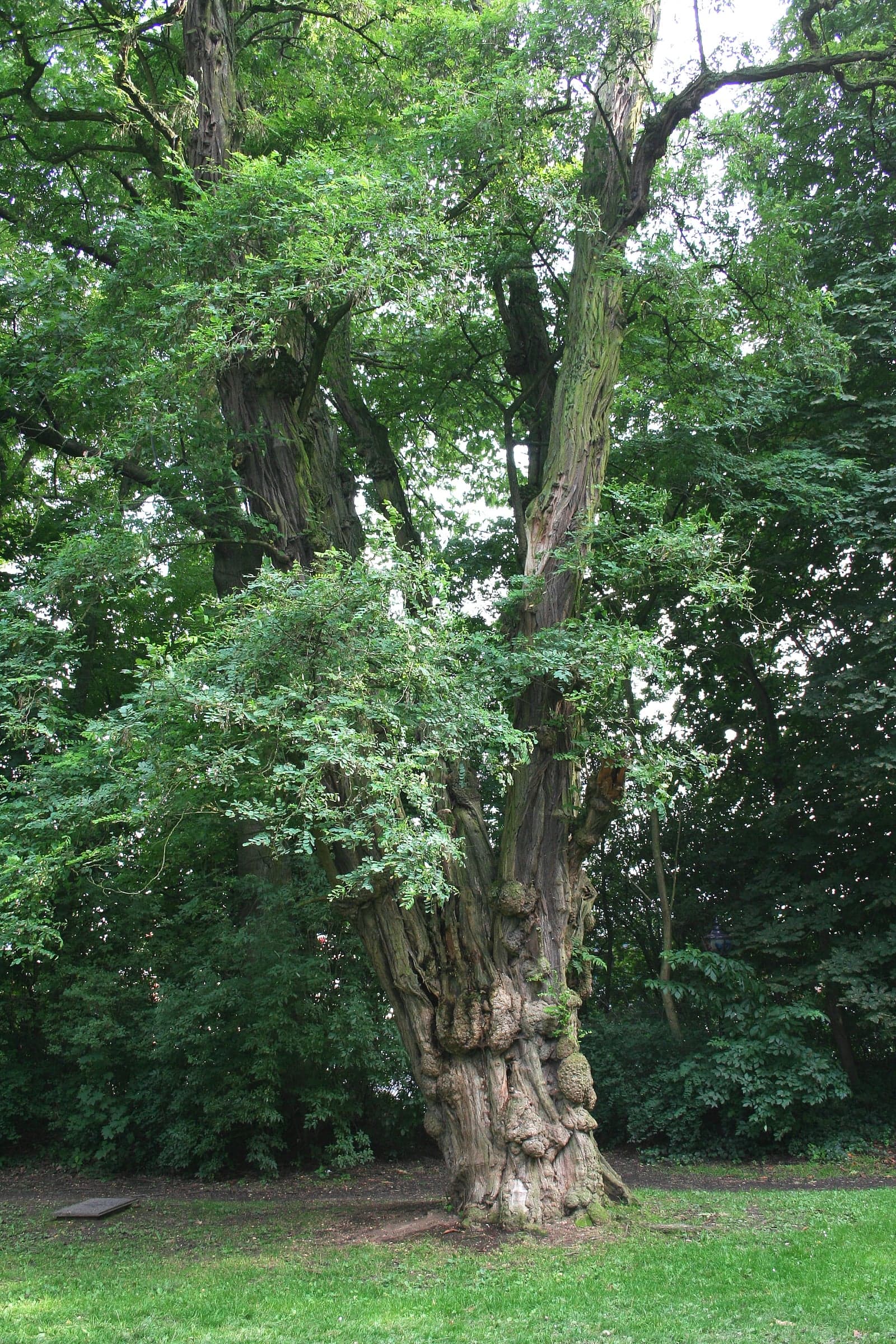
  • Δέντρο Black Locust / Robinia

    Jean-Pol GRANDMONT, via Wikimedia Commons

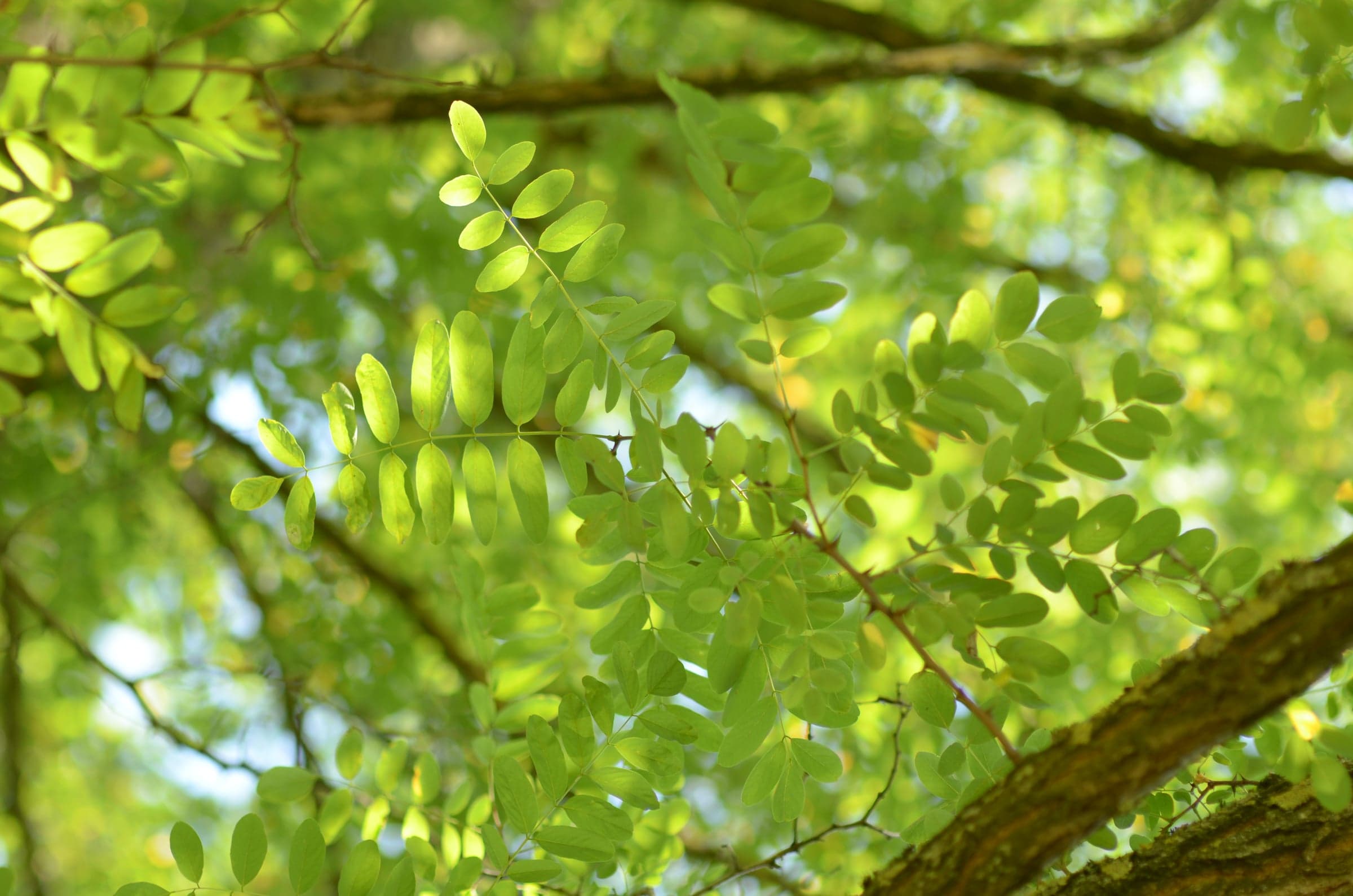
    Black Locust / Robinia: Φύλλο
    Φύλλο
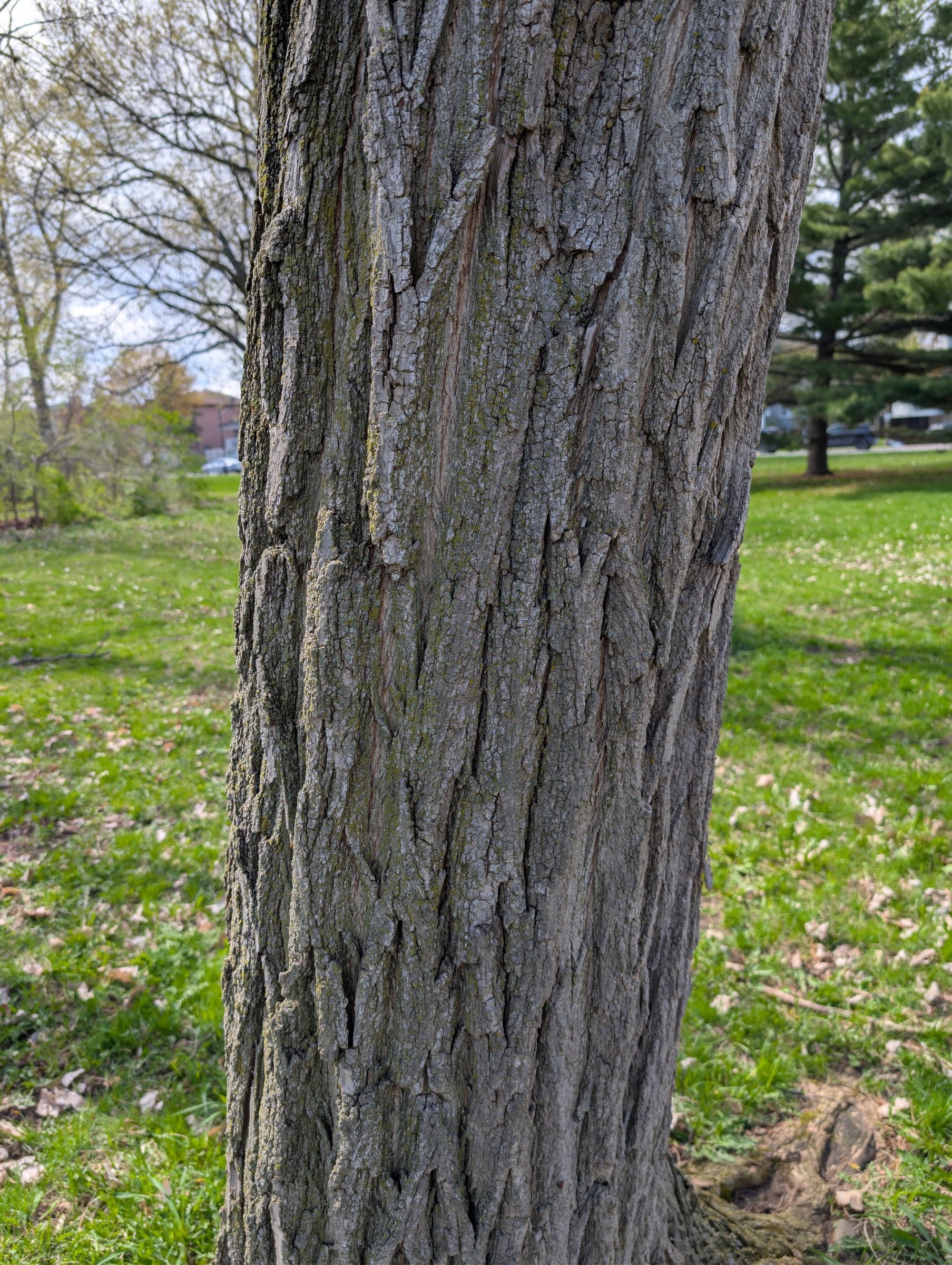
    Black Locust / Robinia: Φλοιός
    Φλοιός

    For slab work, the form problem is the main constraint. Wide clean robinia is genuinely uncommon.

    Reading a robinia slab#

    Heartwood runs greenish yellow when fresh, darkening to a warm golden brown and eventually a russet with light exposure. Sapwood is narrow and pale. The wood has a natural lustre and fluoresces under UV, which is a quick identification test.

    Grain is often wavy or interlocked, and the ring porous structure gives a bold figure not unlike ash or oak.

    Check carefully for spiral grain and twist along the length. It is the characteristic fault of the species and it will show itself after machining if it was not visible before.

    At the bench#

    Expect to work for it. At 7,560 N with frequently interlocked grain, robinia blunts cutters faster than anything else here and tears out where the grain reverses.

    Sharp tooling is not advice, it is the requirement. Light cuts, a high angle plane or a scraper for the final surface, and carbide rather than steel where you have the choice. A helical cutterhead makes a substantial difference.

    It turns nicely and it steam bends excellently, one of the best European species for it. Combined with its durability, that makes it a strong candidate for exterior curved work where oak is the conventional choice but does not last as long.

    It glues and screws well, though pilot holes are essential at this density.

    Toxicity#

    The bark, leaves and seeds are toxic, containing robin and robinin. The wood is recorded in this catalogue as not food safe and the dust is irritant.

    Do not use robinia for chopping boards, food contact surfaces, or anything a child might mouth. Run extraction when machining.

    Stability#

    Volumetric shrinkage of 10.0 percent is among the lowest in this catalogue, with tangential at 6.5 percent against radial at 4.0 percent. That is both a low total and a narrow differential, which means robinia is dimensionally well behaved once dry, unusual for a wood this dense.

    Drying it is another matter: the density and frequent spiral grain make it slow and prone to distortion.

    The invasive question#

    Robinia is native to North America and was introduced to Europe in the seventeenth century. It spreads readily by root suckers and fixes nitrogen, altering soil chemistry, and several European countries list it as invasive.

    That is an ecological concern about planting, not a restriction on timber. Harvesting established stands is generally viewed favourably, and using the wood is not in tension with the conservation position.

    Where Robinia is the right answer#

    Outdoor furniture, decking, garden structures, boat components, fence posts, and any exterior application where a European species with tropical grade durability is wanted. Also steam bent exterior work.

    It is the wrong answer for food contact, for large matched volumes, and where your tooling is not up to it.

    Sourcing and EUDR#

    Not CITES listed and assessed as Least Concern. Abundant across central and southeastern Europe, particularly Hungary, which has the largest managed robinia resource in the world. Supply is straightforward and documentation is simple.

    Can it be steam bent?

    +

    It is one of the best European species for it. Combined with its durability that makes it a strong choice for exterior curved work such as boat parts and garden structures, where oak would be the conventional answer but robinia lasts longer.

    Εφαπτομενική συρρίκνωσηΣυρρίκνωση κατά μήκος των αυξητικών δακτυλίων. Έτσι κινούνται οι εφαπτομενικά πρισμένες τάβλες και οι περισσότερες τάβλες φυσικής ακμής.
    6.5–8.0 %
    Ογκομετρική συρρίκνωσηΣυνολική μεταβολή όγκου από χλωρό έως πλήρως ξηρό ξύλο. Η χαμηλότερη τιμή σημαίνει μεγαλύτερη σταθερότητα.10.0–12.0 %
    Φυσική ανθεκτικότητα (EN 350)Ευρωπαϊκό πρότυπο φυσικής αντοχής στη σήψη, από 1 (πολύ ανθεκτικό) έως 5 (φθαρτό).Class 1 — Very durable

    Πηγές

    • The Wood Database(πρόσβαση στις 2026-05-09)
    • USDA FPL Wood Handbook FPL-GTR-190 (2010)(πρόσβαση στις 2026-05-09)
    • Meier, E. — WOOD! Identifying and Using Hundreds of Woods Worldwide (2015)(πρόσβαση στις 2026-05-09)

    Με μια ματιά

    Τα επίπεδα χρησιμοποιούν σταθερά εύρη για κάθε είδος που διαθέτει η KORENA, ώστε να συγκρίνονται άμεσα. Η μετρημένη τιμή εμφανίζεται κάτω από καθένα.
    ΣκληρότηταΑντοχή σε βαθουλώματα και φθοράΠολύ σκληρό

    Σκληρότητα Janka 7.560 N

    52 % σκληρότερο από την ευρωπαϊκή δρυ

    ΒάροςΠόσο βαριά είναι μια τάβλα κατά την ανύψωσηΠολύ βαρύ

    770 kg/m³

    ΣταθερότηταΠόσο λίγο κινείται με τις εποχέςΣταθερό

    11,0 % ογκομετρική συρρίκνωση

    ΚατεργασίαΠρίση, πλάνισμα, λείανση, κόλλησηΑπαιτητική

    3,4 / 5 μέσος όρος κατεργασίας

    Εξωτερική χρήσηΦυσική αντοχή στη σήψη, EN 350Εξωτερικός χώρος, μεγάλη διάρκεια ζωής

    Κατηγορία 1 κατά EN 350

    • Πρίση · ΚαλήΠόσο καθαρά κόβεται και πόσο καταπονεί τις λάμες.1 = δύσκολη · 5 = εξαιρετική
    • Πλάνισμα · ΚαλήΠόσο λεία επιφάνεια αφήνει και πόσο ξεφτίζει.1 = δύσκολη · 5 = εξαιρετική
    • Λείανση · ΚαλήΠόσο γρήγορα λειαίνεται χωρίς να φράζει το γυαλόχαρτο.1 = δύσκολη · 5 = εξαιρετική
    • Τόρνευση · Πολύ καλήΠώς κόβεται και φινίρεται στον τόρνο.1 = δύσκολη · 5 = εξαιρετική
    • Σκάλισμα · ΚαλήΠόσο καθαρά διατηρεί τις λεπτομέρειες κάτω από τη σμίλη.1 = δύσκολη · 5 = εξαιρετική
    • Κόλληση · Πολύ καλήΠόσο αξιόπιστα συγκρατούν οι κολλητές ενώσεις.1 = δύσκολη · 5 = εξαιρετική
    • Συγκράτηση βίδας / καρφιού · Πολύ καλήΠόσο καλά συγκρατεί βίδες και καρφιά χωρίς να σχίζεται.1 = δύσκολη · 5 = εξαιρετική
    • Κάμψη με ατμό · ΕξαιρετικήΠόσο καλά παίρνει καμπύλες μετά την κατεργασία με ατμό.1 = δύσκολη · 5 = εξαιρετική

    Οι τρέχουσες τιμές της ξυλείας Black Locust / Robinia σε όλη την Ευρώπη, ανά κυβικό μέτρο προ ΦΠΑ. Πατήστε οποιαδήποτε τιμή για λεπτομέρειες.

    • Κορυφαίοι κορμοί σε δημοπρασίαΕπιλεγμένοι κορμοί υψηλής ποιότητας που πωλούνται σε δημοπρασίες με υποβολή προσφορών, κυρίως σε κατασκευαστές καπλαμά και επίπλων. Από τέτοιους κορμούς κόβονται οι τάβλες.Οι περισσότερες τιμές βρίσκονται μεταξύ 143 € και 143 €.Βασίζεται σε 25 τιμές από 1 περιοχή.Τελευταία δεδομένα 24 Σεπ 2026
    • Κοινοί κορμοίΜεγάλες ποσότητες τυπικής στρογγυλής ξυλείας που πωλούνται από ιδιοκτήτες δασών και κρατικές δασικές υπηρεσίες, κυρίως για κατασκευές και βιομηχανική χρήση.Οι περισσότερες τιμές βρίσκονται μεταξύ 11 € και 61 €.Βασίζεται σε 17 τιμές από 1 περιοχή.Τελευταία δεδομένα 24 Σεπ 2026

    Γιατί μια τάβλα κοστίζει περισσότερο;

    Αυτές είναι τιμές ακατέργαστης ξυλείας. Η τάβλα είναι η καλύτερη τομή ενός κορμού, στεγνώνει για ένα έτος ή περισσότερο και στη συνέχεια ελέγχεται και μετριέται κομμάτι προς κομμάτι. Μόνο ένα μικρό μέρος κάθε κορμού γίνεται τάβλα.

    Πηγή: KORENA Timber Index · Τελευταία δεδομένα 24 Σεπ 2026

    Δείτε όλες τις περιφερειακές τιμές
    Κάμπτεται καλά
    Βαθμολογία 5 από 5 στην κάμψη με ατμό. Παίρνει κλειστές καμπύλες.

    Προσέξτε

    • Η σκόνη προκαλεί ερεθισμόΧρησιμοποιείτε σύστημα αναρρόφησης και φοράτε μάσκα κατά τη λείανση ή τη μηχανική κατεργασία.
    • Ξύλο ακατάλληλο για επαφή με τρόφιμαΕπιλέξτε άλλο είδος για σανίδες κοπής και σκεύη σερβιρίσματος.
    • Καταπονεί τις κόψειςΠολύ σκληρό και πυκνό. Διατηρείτε τα εργαλεία ακονισμένα και ανοίγετε οπές οδηγούς για κάθε βίδα.

    Πατήστε μια ετικέτα για λεπτομέρειες.