Abies alba
Silver Fir
Spruce without the resin. The softest species in the KORENA catalogue, and the best softwood here for a painted finish.
- Καλλιεργείται και υλοτομείται στην Ευρώπη.
- Βοτανική ομάδα. Τα μαλακά ξύλα προέρχονται από κωνοφόρα, τα σκληρά από πλατύφυλλα δέντρα.
- Η βοτανική οικογένεια στην οποία ανήκει το είδος.
Ειδοποιήστε με όταν φτάσειΕίδος αναφοράς. Δεν υπάρχουν κομμάτια σε απόθεμα αυτήν τη στιγμή.
Είναι κατάλληλο για το έργο σας;
Ιδανικό για
- Wall and ceiling panelling
- Painted furniture
- Lightweight carcass work
- Shelving
- Interior joinery
Δεν υπάρχει Silver Fir στην τρέχουσα παρτίδα
Παρόμοια είδη σε απόθεμα
Δεν υπάρχει Silver Fir αυτήν τη στιγμή. Αυτά τα είδη ταιριάζουν στα ίδια έργα και υπάρχουν διαθέσιμα κομμάτια.
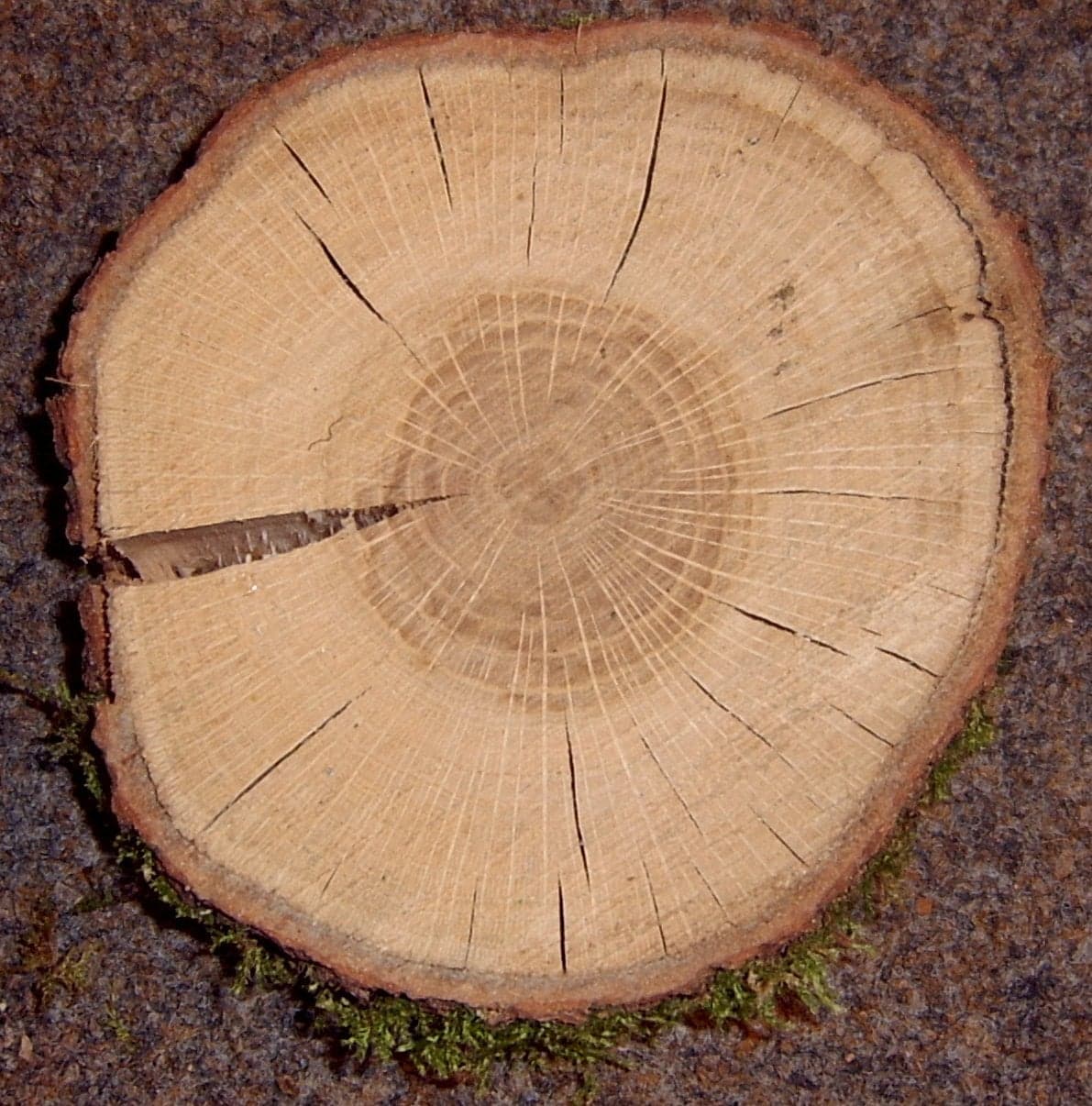
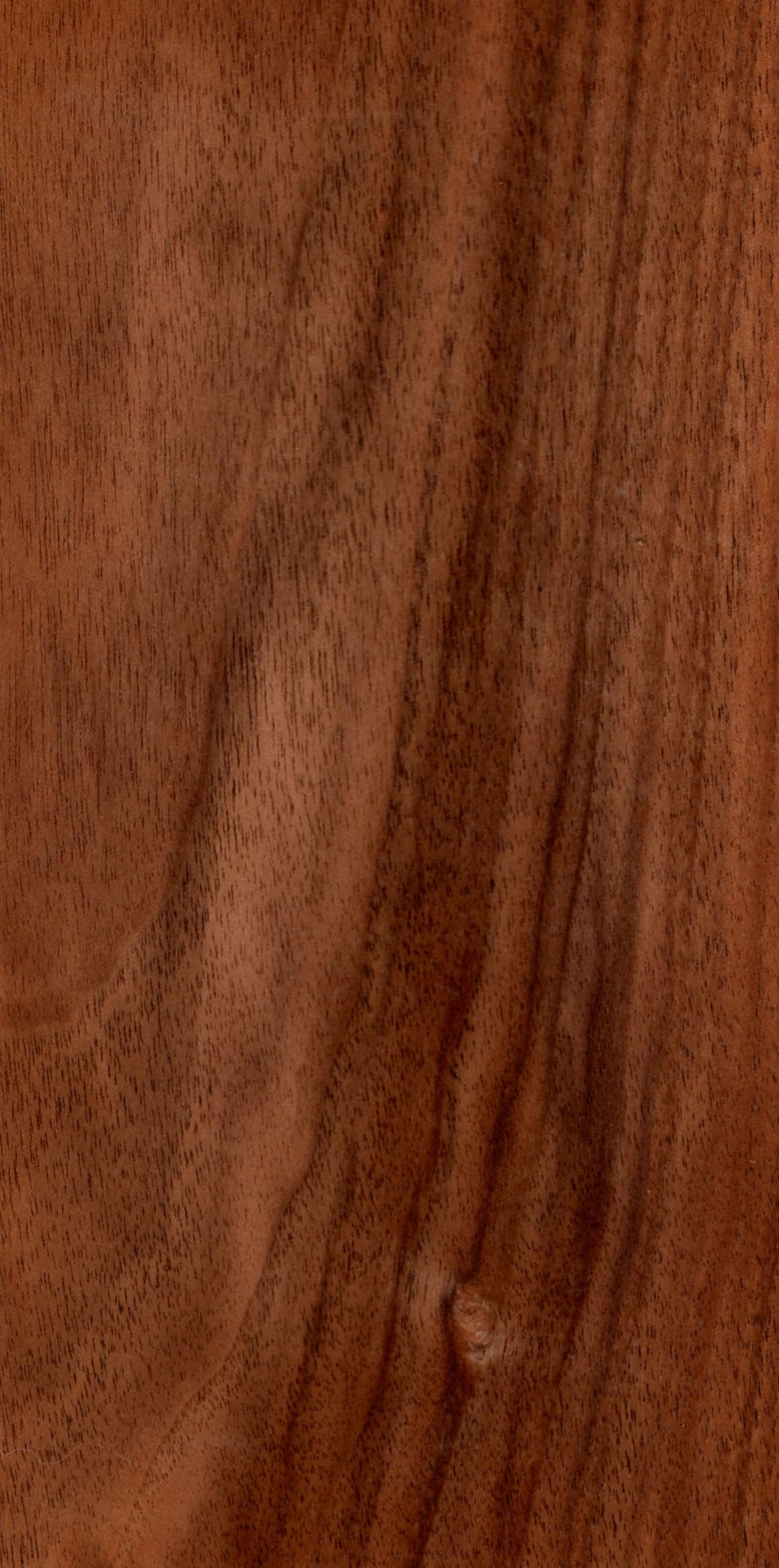
Ειδοποιήσεις για Silver Fir
Σας στέλνουμε email όταν φτάνουν στην KORENA νέες τάβλες Silver Fir. Κάθε κομμάτι είναι μοναδικό, γι’ αυτό η έγκαιρη ειδοποίηση έχει σημασία.
Όψη ξυλείας
Πώς φαίνεται
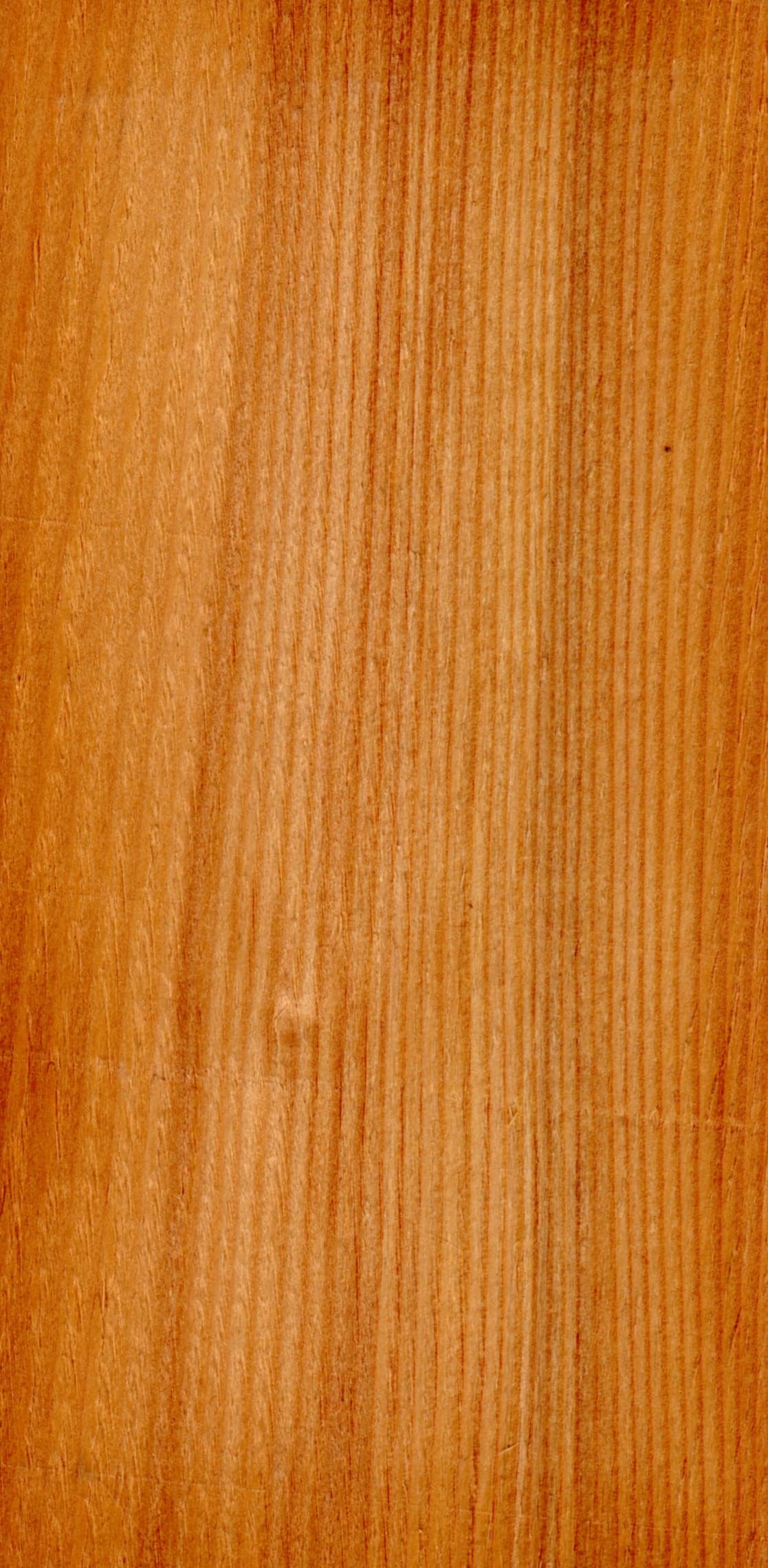
Very close to Norway Spruce in appearance and routinely sold interchangeably with it. Silver Fir is a shade duller and greyer, entirely without the resin pockets that mark spruce, because the species has no resin canals in its wood. Grain is straight, texture fine and even, and the overall impression is flatter and quieter than spruce.
- Near white to pale grey-brown, duller than spruce
- No visible heartwood boundary
- No resin pockets, the clearest way to tell it from spruce
- Pale, straight grain; almost no resin canals.
Κατεργασία
Κατεργασία
Generally easy with both hand and machine tools, and it glues, stains and finishes better than spruce because the absence of resin canals makes absorption more even. The same softness caveat applies: sharp cutters are essential or the earlywood crushes and fuzzes. It holds detail poorly under carving tools, so it is not a carving wood despite being soft.
Φινίρισμα
Takes stain and finish noticeably better than spruce, though it is still a softwood with uneven density and a conditioner remains sensible before pigment stain. It is one of the better softwood choices for a painted finish, since the fine even texture needs little grain filling. Clear finishes leave it looking pale and slightly cool.
Ξήρανση
Dries readily and without much degrade, and because there are no resin canals there is no resin bleed to manage, which is a genuine advantage over spruce in thick sections. Wet pockets of bacterially infected wood, sometimes called wetwood, occur in older trees and dry slowly and unevenly. A yard that has kilned the stock properly will have caught these. Movement in service is moderate at around 12.8 percent volumetric.
Πόσο θα κινηθεί;
Το ξύλο διογκώνεται και συρρικνώνεται κατά πλάτος καθώς ο αέρας γίνεται πιο υγρός ή πιο ξηρός. Υπολογίστε την εποχική κίνηση μιας επιφάνειας Silver Fir πριν σχεδιάσετε τις συνδέσεις.
Αναμενόμενη εποχική κίνηση
περίπου 9,9 mm
Στερεώστε την επιφάνεια με συνδέσμους ή στηρίγματα με εγκοπές, όχι με κόλλα ή σφιχτές βίδες.
Μοντέλο γραμμικής συρρίκνωσης: πλάτος × (συρρίκνωση ÷ 28 % σημείο ινοκόρου) × εποχική μεταβολή υγρασίας. Χρησιμοποιεί 8,7 % εφαπτομενική συρρίκνωση για Silver Fir. Πρόκειται για εκτίμηση σχεδιασμού, όχι εγγύηση.
Πόσο κοστίζει
Ασφάλεια και προμήθεια
- Καλλιεργείται και υλοτομείται στην Ευρώπη.
- Κατάσταση στον Κόκκινο Κατάλογο της IUCN: η παγκόσμια αξιολόγηση διατήρησης αυτού του είδους.
Species in the Abies genus have been reported to cause skin irritation, though severe reactions are uncommon. Standard dust extraction and a P2 mask for extended machining cover it.
Διαβάστε τον πλήρη οδηγόΑναλυτικές σημειώσεις για τα σχέδια των νερών, την αλλαγή χρώματος, την κατεργασία και τη σταθερότητα.
What Silver Fir actually is#
Abies alba is the tree most people have looked at without knowing it. It is a major component of central European mountain forest, it is the traditional Christmas tree across much of the continent, and its timber is sold through the trade as whitewood alongside Norway Spruce with little distinction drawn between them. For most construction purposes that conflation is harmless. For slab work it is worth separating, because the one structural difference between the two species changes how the wood behaves.
Silver Fir has no resin canals. Spruce does. Everything that follows from that, the absence of resin pockets, the cleaner behaviour under paint, the more even stain absorption, the lack of bleed in thick sections, is the reason to choose fir over spruce rather than treat them as the same board.
Reading a Silver Fir slab#
Colour range is narrow: near white through to a pale grey-brown, with no heartwood boundary to speak of. Against spruce it reads flatter and cooler, a fraction duller, and without the amber flecking that gives spruce its visual interest.
Because colour gives you so little, judge the slab on ring structure and defects. Tight rings from slow mountain growth mean a denser, stiffer, more stable board. Knots are the usual limiting factor, and fir knots are somewhat less hard and less prone to tear-out than spruce knots, which makes them slightly easier to machine through when you have no choice.
Ερωτήσεις αγοραστών
Ερωτήσεις αγοραστών
How do I tell Silver Fir from Norway Spruce?
Look for resin pockets. Spruce has resin canals and shows amber pockets and streaks; Silver Fir has none at all, so a clean pale board with no resin marks is almost certainly fir. Fir also reads slightly greyer and duller. The two are close enough that they are frequently sold interchangeably as whitewood.
Is Silver Fir better than spruce for painted work?
Yes, generally. The fine even texture needs little grain filling and the absence of resin canals means no bleed-through under paint. Spruce resin pockets can telegraph through a painted finish months later unless sealed with shellac first.
Can I use Silver Fir outdoors?
Not untreated. It is rated non-durable to perishable with little resistance to insect attack, which is the lowest durability in this group. European larch or Douglas fir are the appropriate choices for exposure.
Is it hard enough for a desk top?
At 1,420 N Janka it is the softest species KORENA lists, softer even than spruce. A desk top in fir will mark under a pen pressed through paper. It works for a light-use surface finished in a refreshable hardwax oil, but for daily writing use a harder species.
Μηχανικές ιδιότητες
Τεχνικά στοιχεία
Δημοσιευμένες τιμές αναφοράς. Όπου οι πηγές διαφωνούν, εμφανίζεται το εύρος και η τυπική τιμή χρησιμοποιείται στις παραπάνω κλίμακες.
| Πυκνότητα (kg/m³)Μάζα ανά κυβικό μέτρο σε υγρασία περίπου 12 %. Το βαρύτερο ξύλο είναι συνήθως σκληρότερο και ισχυρότερο. | 415 kg/m³ |
|---|---|
| Σκληρότητα Janka (N)Η δύναμη που απαιτείται για να εισχωρήσει μια χαλύβδινη σφαίρα μέχρι τη μέση στο ξύλο. Είναι το καθιερωμένο μέτρο αντοχής στα βαθουλώματα. | 1,420 N |
| MOR: μέτρο θραύσης (MPa)Αντοχή σε κάμψη: το φορτίο στο οποίο σπάει μια δοκός. | 66 MPa |
| MOE: μέτρο ελαστικότητας (GPa)Ακαμψία σε κάμψη: πόσο λυγίζει ένα ράφι ή μια επιφάνεια υπό φορτίο. | 8.3 GPa |
| Ακτινική συρρίκνωσηΣυρρίκνωση εγκάρσια προς τους αυξητικούς δακτυλίους, από χλωρό έως πλήρως ξηρό ξύλο. Έτσι κινούνται οι ακτινικά πρισμένες τάβλες. | 4.0 % |
| Εφαπτομενική συρρίκνωσηΣυρρίκνωση κατά μήκος των αυξητικών δακτυλίων. Έτσι κινούνται οι εφαπτομενικά πρισμένες τάβλες και οι περισσότερες τάβλες φυσικής ακμής. |