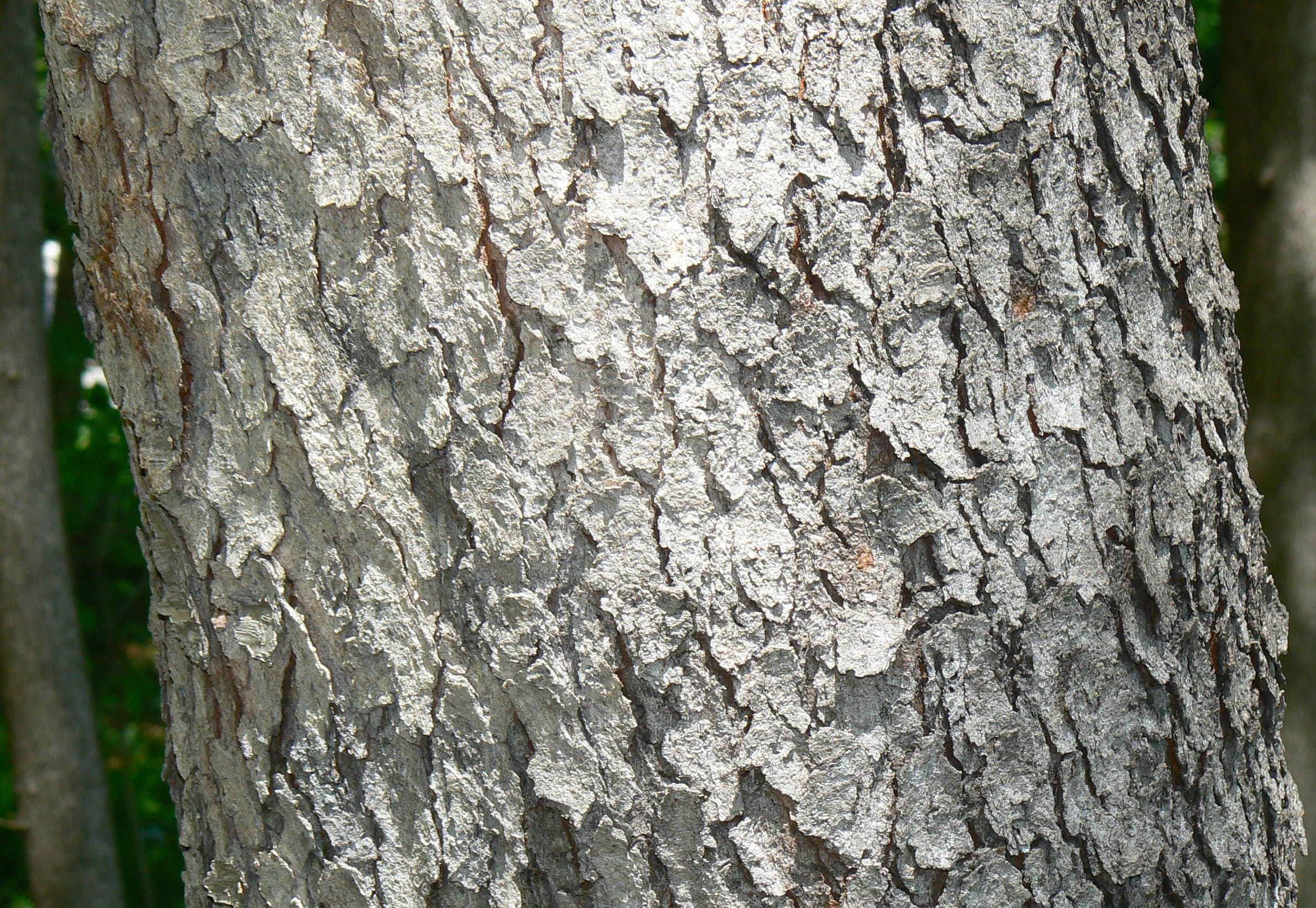
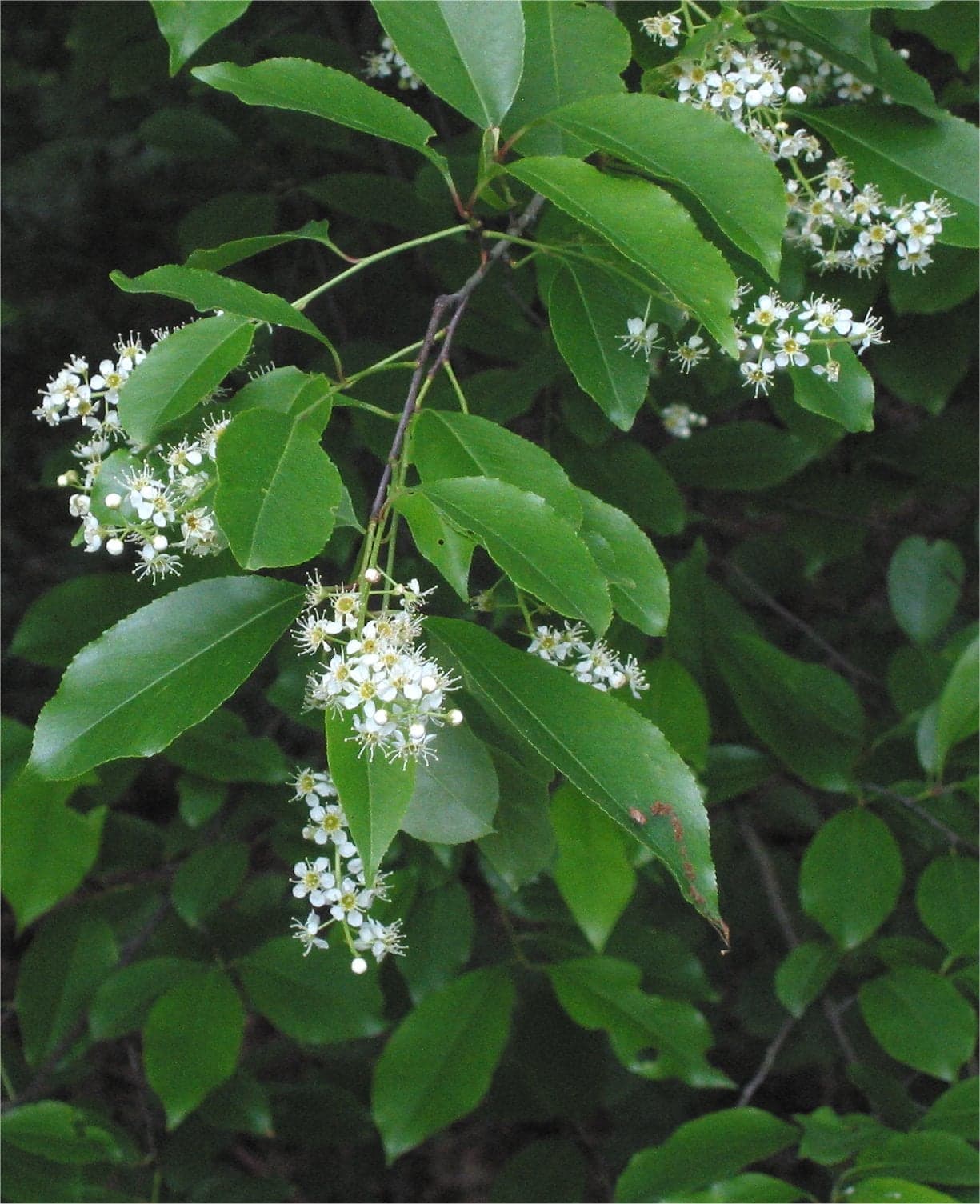
Prunus serotina
Black Cherry
The cabinet-maker's favourite. Easy to machine, ages beautifully into a deep reddish-brown.
- This species record does not establish where an individual piece was grown or harvested. Check the origin details of the piece you are considering.
- Botanical group. Softwoods are conifers; hardwoods are broadleaf trees.
- The botanical family the species belongs to.
Get notified when it landsReference species. No pieces in stock right now.
Is it right for your project?
Great for
- Kitchen and dining tables
- Cabinet doors and fronts
- Chairs and benches
- Wall panelling and built-ins
- Turned bowls and small objects
- Interior joinery
No Black Cherry in the current drop
Similar species in stock
No Black Cherry right now. These species suit the same projects and have pieces available.
Get notified about Black Cherry
We email you when fresh Black Cherry slabs land at KORENA. Each piece is one of one, so early notice matters.
Wood appearance
What it looks like
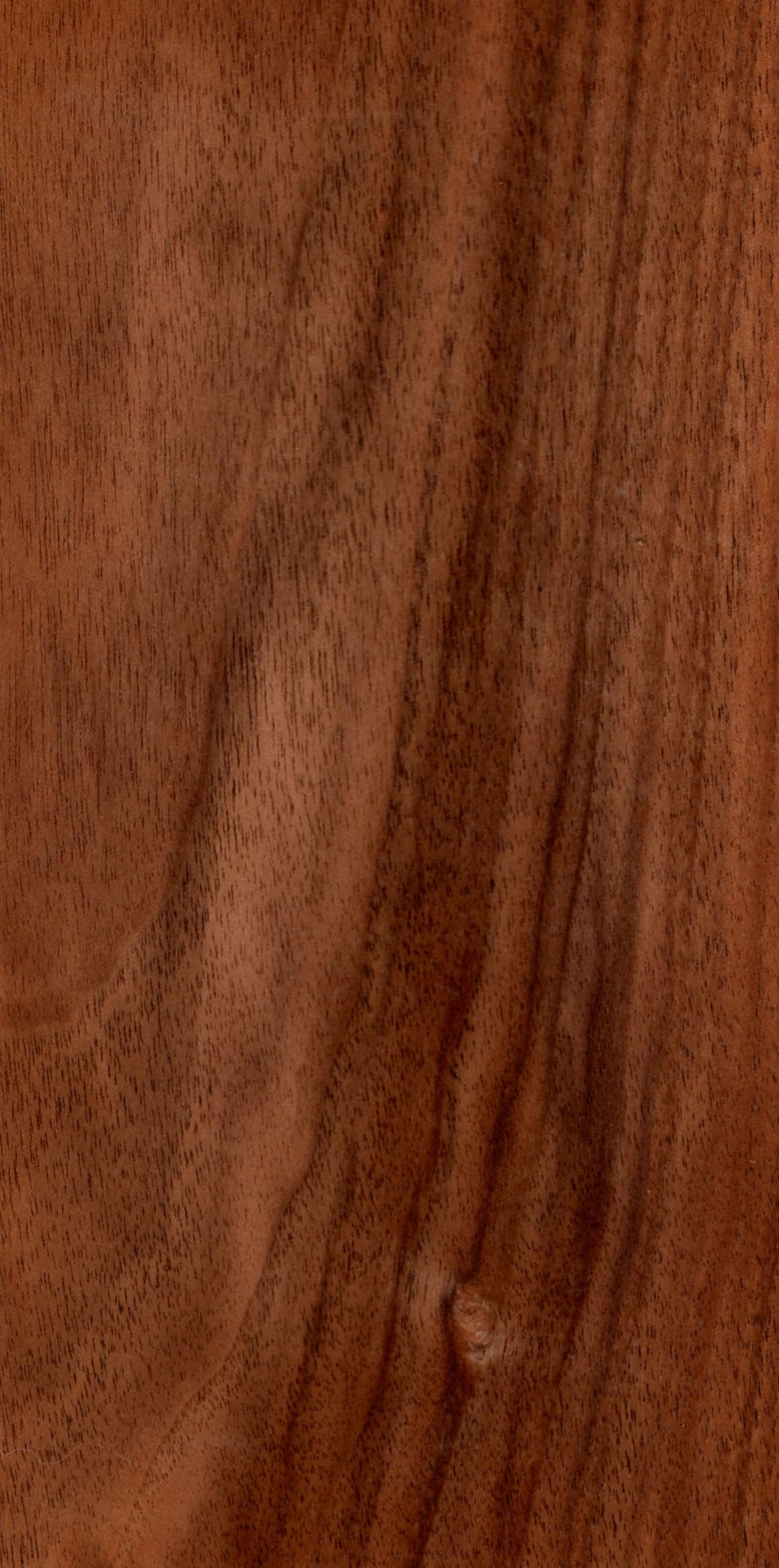
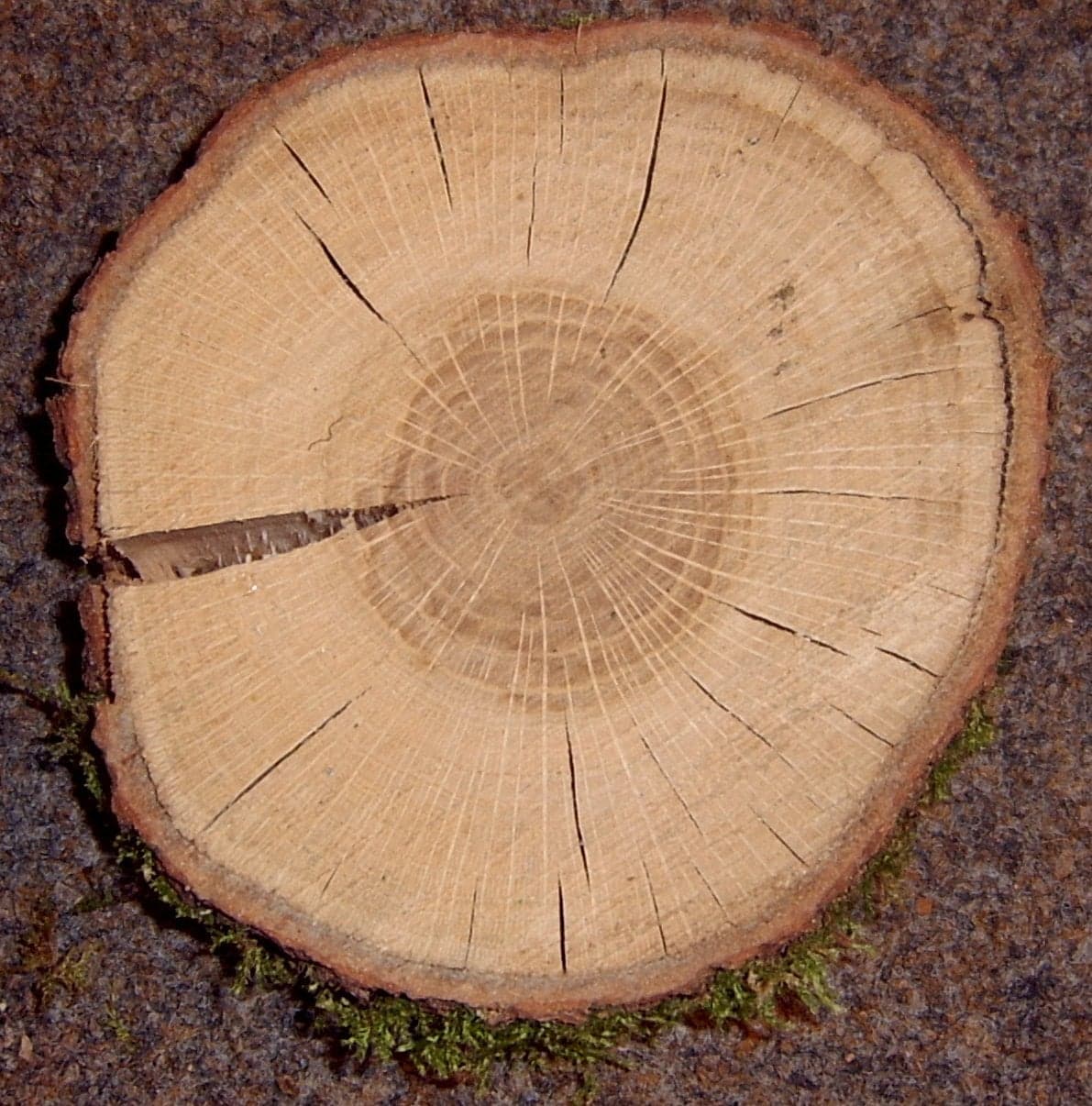
Fine, mostly straight grain with a smooth, even texture. Plain-sawn boards show a soft, flowing figure; quarter-sawn faces are calmer. Small gum pockets and pin knots are common and accepted as part of the look. Fresh-cut wood is pinkish-tan and lighter than buyers expect.
- Fresh-cut: pinkish-tan to pale salmon, lighter than most buyers expect
- After a few weeks of light: shifts to warm amber
- After 6–12 months: deep reddish-brown, the classic cherry tone
- Sapwood stays pale cream and does not darken at the same rate
- Light exposure is uneven, anything covered (rugs, books, lamps) leaves a lighter ghost on the surface for months
- Fine straight grain, smooth texture; warms with age.
Working with it
Working it
One of the most forgiving hardwoods to machine. Saws, planes and sands beautifully with sharp tooling. Turns and carves well. Glues and screws without drama, though it's softer than European cherry so pre-drill near edges. Steam-bending is workable but not a strength.
Finishing
Sands to a glassy surface with little effort. Takes oils, hard-wax oils, shellac and waterborne finishes cleanly. Stains can blotch on flat-sawn faces. Use a washcoat or gel stain if you're matching a tone. Most makers skip stain entirely and let the wood do the work, because it darkens on its own.
Drying
Dries at a moderate rate with a mild tendency to warp and surface-check if pushed. Tangential shrinkage (6.5–8.0%) is roughly twice radial, so flat-sawn wide stock moves more than quarter-sawn. Sticker carefully and let kiln-dried slabs acclimatise in the workshop before flattening.
How much will it move?
Wood swells and shrinks across its width as the air gets damper and drier. Estimate the seasonal movement of a Black Cherry top before you design the fixings.
Expected seasonal movement
about 8.3 mm
Fix the top with buttons or slotted brackets, not glue or tight screws.
Linear shrinkage model: width × (shrinkage ÷ 28 % fibre saturation) × seasonal moisture swing. Uses 7.25 % tangential shrinkage for Black Cherry. A planning estimate, not a guarantee.
What it costs
Safety and sourcing
- This species record does not establish where an individual piece was grown or harvested. Check the origin details of the piece you are considering.
- IUCN Red List status: the global conservation assessment for this species.
Food-contact safe once finished, which is why it's a long-standing choice for kitchen and dining work. Cherry dust is a known irritant and some woodworkers develop sensitisation over time. Run extraction and wear a mask when sanding.
Read the full guideIn-depth notes on figure, colour change, working and stability.
What Black Cherry actually is#
Prunus serotina is the American counterpart to European cherry, and it is the more practical of the two for large work.
Both species darken dramatically, both have the same satiny fine grain, and both are excellent to work. The difference is supply. Black cherry is grown as a forestry species across eastern North America, so it arrives in larger, straighter, more consistent sizes. European cherry is often salvaged from orchards and gardens, and matched wide boards are correspondingly harder to find.
If a project needs several wide boards that look like each other, black cherry is the easier answer.
The darkening#
This is the defining property of both cherries and it needs planning for.
Fresh black cherry is pale pinkish tan. Within six months of light exposure it has moved most of the way to a rich reddish brown, and it continues deepening more slowly for years.
Three consequences follow. Do not choose stock on its current colour, because it is a stage rather than a result. Do not leave objects sitting on a new cherry surface, because uneven exposure prints permanently lighter patches that take months to even out. And do not expect a UV inhibiting finish to hold the pale fresh colour, because it slows the change without preventing it.
The stability advantage
Buyer questions
Questions buyers ask
Does Black Cherry darken like European Cherry?
Yes, dramatically and in the same way. Fresh stock is pale pinkish tan and deepens to a rich reddish brown within a year of light exposure, with most of the change in the first six months. Uneven light exposure leaves permanent lighter patches under anything left in place, so let a new piece darken evenly before placing objects on it.
How does it compare with European Cherry?
Softer at 4,226 N against 5,120 N and slightly less dense at 560 against 600 kg per cubic metre. The main practical difference is supply: black cherry is grown as a forestry species in eastern North America and comes in larger, straighter, more consistent sizes, so matched wide boards are much easier to source than in European cherry.
Why does it burn so easily?
Cherry scorches readily under routers and dull blades, and the marks are dark and obvious on pale wood. Its fine close grain and moderate density concentrate heat at the cutting edge. Sharp tooling, correct feed rates and light final passes prevent it. Burns must be cut or scraped out rather than sanded, which usually just polishes them in.
Is it stable enough for a wide tabletop?
Mechanical properties
Technical data
Published reference values. Where sources disagree the range is shown, with the typical value used for the scales above.
| Density (kg/m³)Mass per cubic metre at about 12 % moisture. Heavier wood is usually harder and stronger. | 500–620 kg/m³typical 560 kg/m³ |
|---|---|
| Janka hardness (N)Force needed to press a steel ball halfway into the wood. The standard measure of dent resistance. | 3,800–4,500 Ntypical 4,226 N |
| MOR: modulus of rupture (MPa)Bending strength: the load at which a beam breaks. | 80–95 MPa |
| MOE: modulus of elasticity (GPa)Bending stiffness: how much a shelf or top sags under load. | 9.5–11.0 GPa |
| Radial shrinkageShrinkage across the growth rings, green to oven-dry. Quartersawn boards move by this. | 3.5–4.5 % |
| Tangential shrinkageShrinkage along the growth rings. Flatsawn boards and most slabs move by this. |