KORENA
WoodFurnitureTools & finishesTimber yardsJournal

Be first to see new slabs

Get an email when new wood arrives.

A few emails a month. No spam, unsubscribe anytime.

KORENA

Shop solid wood, handmade furniture, tools and wood finishes on KORENA.

Shop

  • Browse products
  • Sold archive
  • Track order

Learn

  • Journal
  • Species guides
  • Glossary
  • Compare
  • Authors

Help

  • About
  • How it works
  • Become a sellerNew
  • Source a slab
  • Support
  • Document templates
  • Press

Buy

  • Terms of sale
  • Right of withdrawal
  • Returns and warranty
  • Shipping and delivery

Trust

  • Privacy policy
  • Cookie policy
  • Wood provenance and EUDR
  • Accessibility

Imprint

  • Legal notice / Imprint
  • Acceptable use
  • IP and content

© 2026 KORENA. All rights reserved.

Operated by Martial Labs Ltd. (BG, EIK 207453941). KORENA is a trading name of Martial Labs Ltd.

We respect your privacy

We use essential cookies so the site works. With your permission we'd also use cookies for analytics, personalised content, and ads. You can change your mind any time on the consent preferences page. See our cookie policy and privacy policy.

  1. Home
  2. /
  3. Species
  4. /
  5. Black Poplar

Populus nigra

Black Poplar

The lightest hardwood KORENA lists, and the one most often blamed for a fault that belongs to the blade.

  • This species is recorded as commercially grown in Europe. This does not establish where an individual piece was harvested; check its origin details.
  • Botanical group. Softwoods are conifers; hardwoods are broadleaf trees.
  • The botanical family the species belongs to.
Get notified when it landsReference species. No pieces in stock right now.
  • Project fit
  • In stock
  • Looks
  • Working it
  • Movement
  • Price
  • Safety and sourcing
  • Questions
  • Technical data

Is it right for your project?

Great for

  • Painted furniture
  • Drawer sides and carcass interiors
  • Lightweight panels
  • Sculpture and carving blanks
  • Plywood core

No Black Poplar in the current drop

Similar species in stock

No Black Poplar right now. These species suit the same projects and have pieces available.
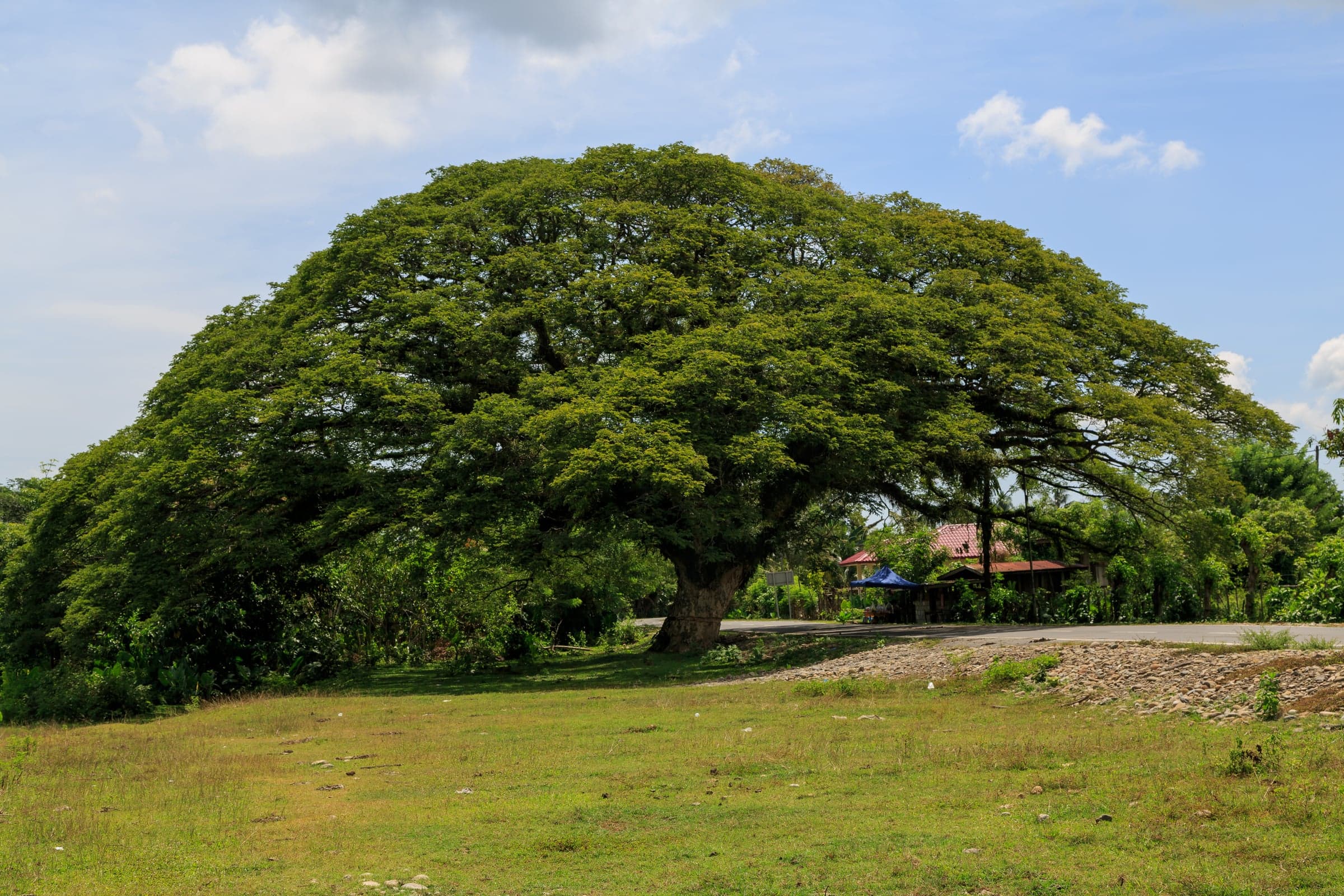
  • Saman grain

    Saman

    Samanea saman

    4 pieces

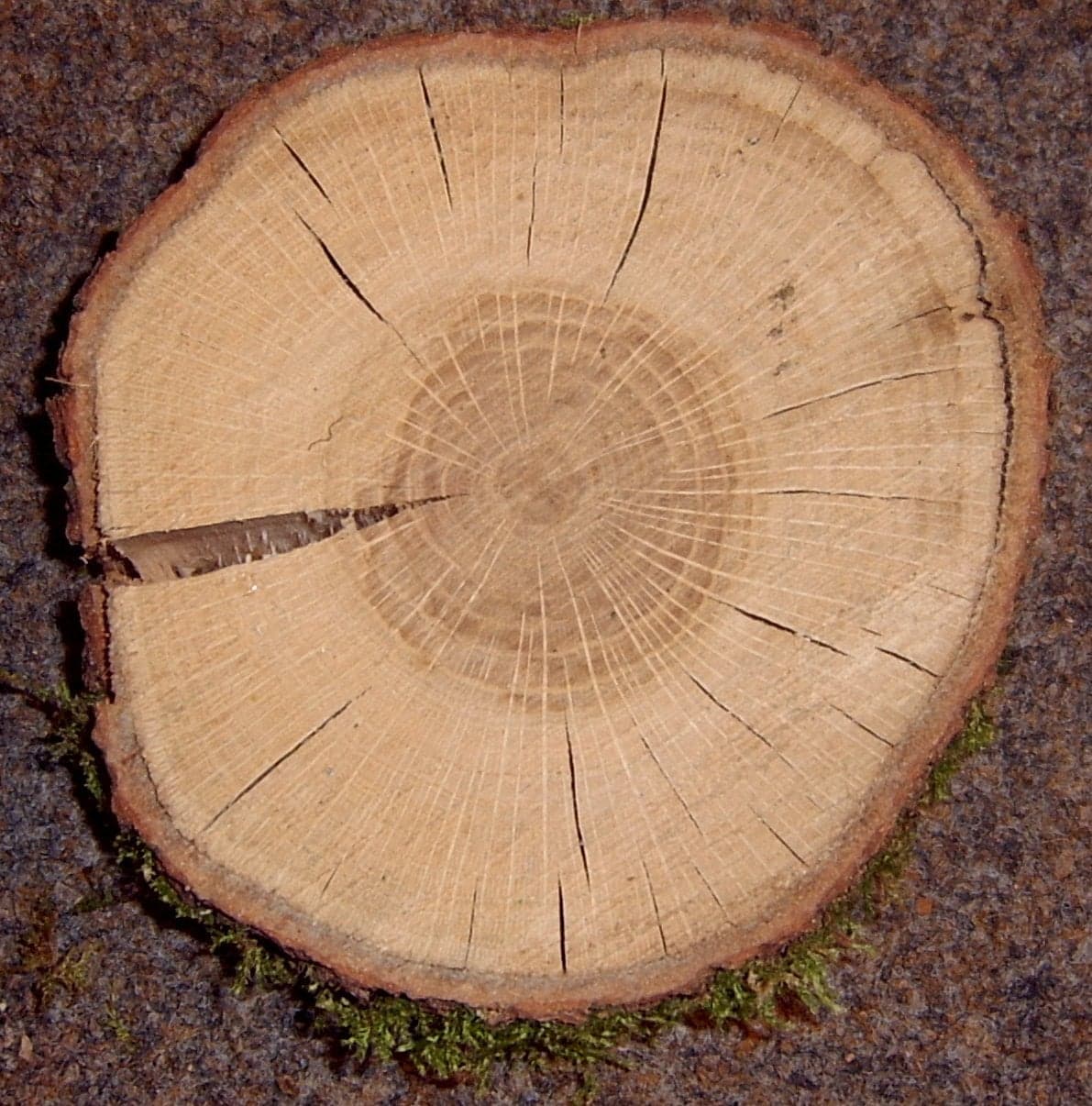
  • European Oak grain

    European Oak

    Quercus robur

    6 pieces

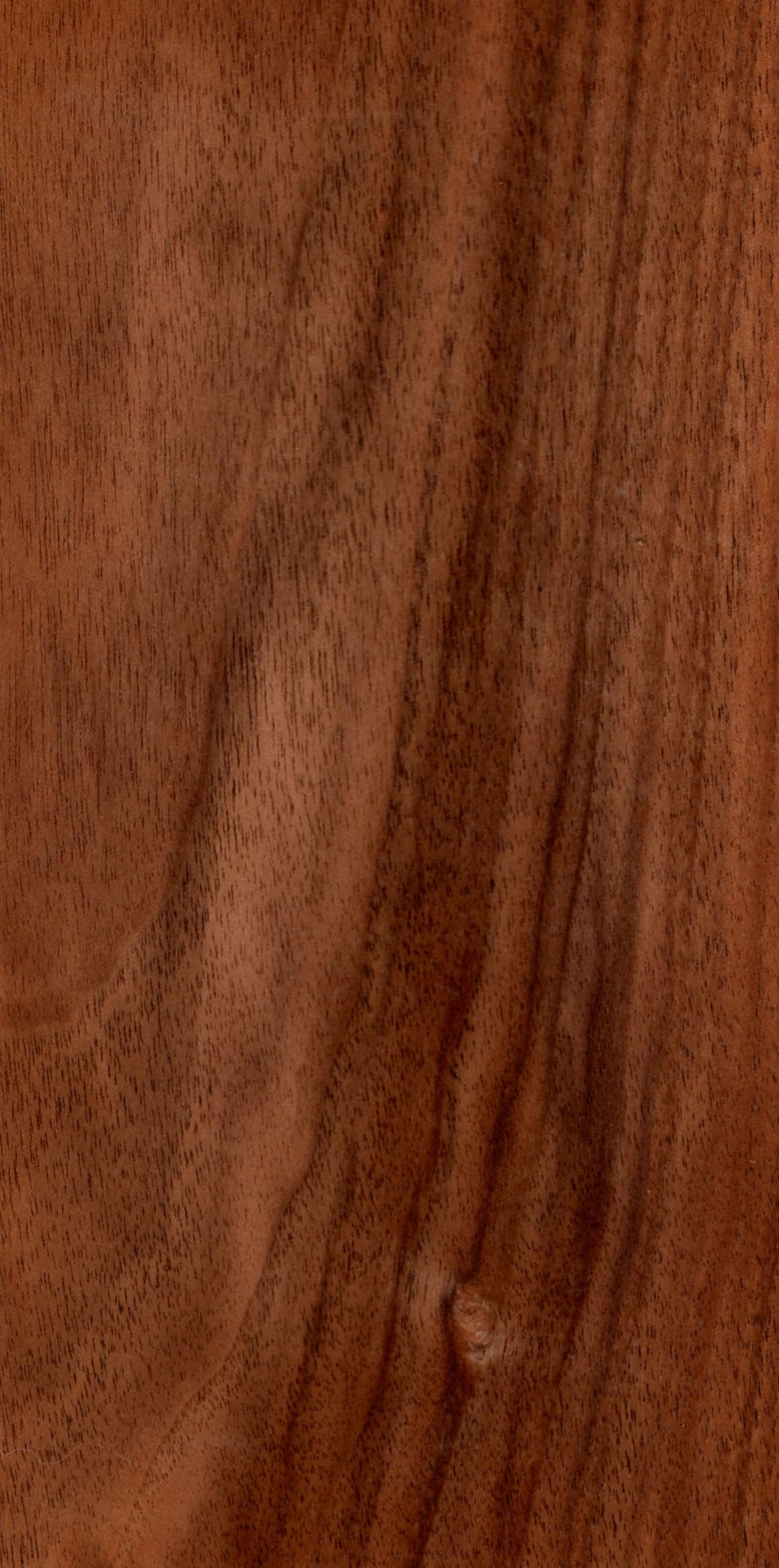
  • European Walnut grain

    European Walnut

    Juglans regia

    9 pieces

Get notified about Black Poplar

We email you when fresh Black Poplar slabs land at KORENA. Each piece is one of one, so early notice matters.

A few emails a month. No spam, unsubscribe anytime.

Wood appearance

What it looks like

Very pale, creamy white to light grey brown, sometimes with a faint greenish cast in the heartwood, and almost no figure. The texture is fine and even but the wood is notably soft and light at 385 kg per cubic metre, the lightest hardwood KORENA lists. It has a woolly quality under a dull blade that gives it an undeserved reputation for being difficult.

  • Creamy white to light grey brown
  • Occasional faint greenish cast in the heartwood
  • Fine even texture with very little figure
  • Straight grain, fine even texture, very little figure. Creamy white to light grey-brown, occasionally with a faint greenish cast in the heartwood.

Working with it

Working it

Easy to work with hand and machine tools, with one specific requirement: sharp cutters are necessary when planing to avoid fuzzy surfaces. This is the whole difficulty with poplar. The fibres are long and soft, and a dull blade drags rather than severs them, leaving a woolly face that sanding only makes worse. With a keen edge and a light cut it machines cleanly. It glues well and takes fastenings adequately for its density.

Finishing

Its natural role is under paint, and it takes paint very well given the fine even texture and absence of resin. Under a clear finish the pale colour with its occasional greenish cast is unusual rather than attractive to most eyes. Pigment stains blotch, so use a conditioner or a dye. Because the wood is soft, a hardwax oil or a film finish adds useful surface protection.

Drying

Dries readily and without much degrade, and it is dimensionally reasonable once dry, with volumetric shrinkage of 12.3 percent. The tangential to radial ratio of 9.3 against 4.0 percent is wide, so flatsawn boards will cup. Wet poplar is notably heavy and can carry very high green moisture content, so drying takes longer than the modest final density suggests.

How much will it move?

Wood swells and shrinks across its width as the air gets damper and drier. Estimate the seasonal movement of a Black Poplar top before you design the fixings.

Cut
Where it will live

Expected seasonal movement

about 10.6 mm

Fix the top with buttons or slotted brackets, not glue or tight screws.

Linear shrinkage model: width × (shrinkage ÷ 28 % fibre saturation) × seasonal moisture swing. Uses 9.3 % tangential shrinkage for Black Poplar. A planning estimate, not a guarantee.

What it costs

Safety and sourcing

  • This species is recorded as commercially grown in Europe. This does not establish where an individual piece was harvested; check its origin details.
  • Besides the standard health risks associated with any wood dust, no further health reactions are associated with Black Poplar in the source cited here. It is among the less irritating woods in this catalogue to machine.

  • Populus nigra is a floodplain tree, native along river systems across Europe, North Africa and western Asia. Its natural riverside habitat has been heavily reduced by flood control and river engineering, and the wild population is now one of the more threatened tree populations in Europe, though hybrid poplars planted for timber are abundant and unrelated to that concern.

Read the full guideIn-depth notes on figure, colour change, working and stability.+

What Black Poplar actually is#

Populus nigra is a floodplain tree. Its natural home is the riverbank, across Europe, North Africa and western Asia, in the shifting wet ground that flood control and river engineering have largely eliminated over the last century.

That has produced an unusual situation. The wild population of Black Poplar is one of the more threatened tree populations in Europe and the subject of active restoration work, while poplar timber itself is cheap and abundant, because the commercial trade runs largely on planted hybrid poplars. The two facts sit oddly together and are worth keeping separate when you read about the species.

The fuzzy surface problem, which is not the wood's fault#

Poplar has a reputation for machining badly. It plane fuzzy, people say, and the surface goes woolly no matter what you do.

The cited source puts it precisely: sharp cutters are necessary when planing to avoid fuzzy surfaces. That is the entire difficulty.

Poplar fibres are long and soft. A blade with any dullness at all drags them instead of severing them, and they lift into a woolly nap. Sanding the result makes it worse, because abrasive tears more fibre rather than cutting it. So the maker sands harder, gets a worse surface, and concludes the wood is the problem.

With a freshly honed iron, a tight mouth and a light cut, poplar machines perfectly cleanly. A card scraper produces an excellent final surface. This is a wood that is unusually honest about the state of your tooling.

Buyer questions

Questions buyers ask

Why does poplar go fuzzy when I plane it?

+

The fibres are long and soft, so a dull blade drags them rather than cutting them, leaving a woolly surface. Sanding makes it worse by tearing more fibre. The fix is a freshly honed iron, a tight mouth and a light cut, or a card scraper for the final surface. With a sharp edge poplar machines perfectly cleanly, and its reputation for being difficult is really a reputation for punishing blunt tools.

Is it strong enough to build with?

+

For its weight, yes, but it is the softest and lightest hardwood in this catalogue at 385 kg per cubic metre and 2,020 N Janka, softer than Scots Pine. It suits drawer sides, carcass interiors, lightweight panels and anything that will be painted. It is not a work surface and it is not a structural timber.

Is Black Poplar endangered?

+

The wild riverside population is genuinely threatened across Europe, having declined severely through flood control and river engineering, and it is the subject of active restoration programmes. The commercial timber trade is largely supplied by abundant hybrid poplars, which are a separate matter. It is not CITES listed and the cited source reports no IUCN assessment. Provenance is worth checking more carefully here than for most European species.

Mechanical properties

Technical data

Published reference values. Where sources disagree the range is shown, with the typical value used for the scales above.

Density (kg/m³)Mass per cubic metre at about 12 % moisture. Heavier wood is usually harder and stronger.385 kg/m³
Janka hardness (N)Force needed to press a steel ball halfway into the wood. The standard measure of dent resistance.2,020 N
MOR: modulus of rupture (MPa)Bending strength: the load at which a beam breaks.64 MPa
MOE: modulus of elasticity (GPa)Bending stiffness: how much a shelf or top sags under load.7.2 GPa
Radial shrinkageShrinkage across the growth rings, green to oven-dry. Quartersawn boards move by this.4.0 %
Tangential shrinkageShrinkage along the growth rings. Flatsawn boards and most slabs move by this.9.3 %
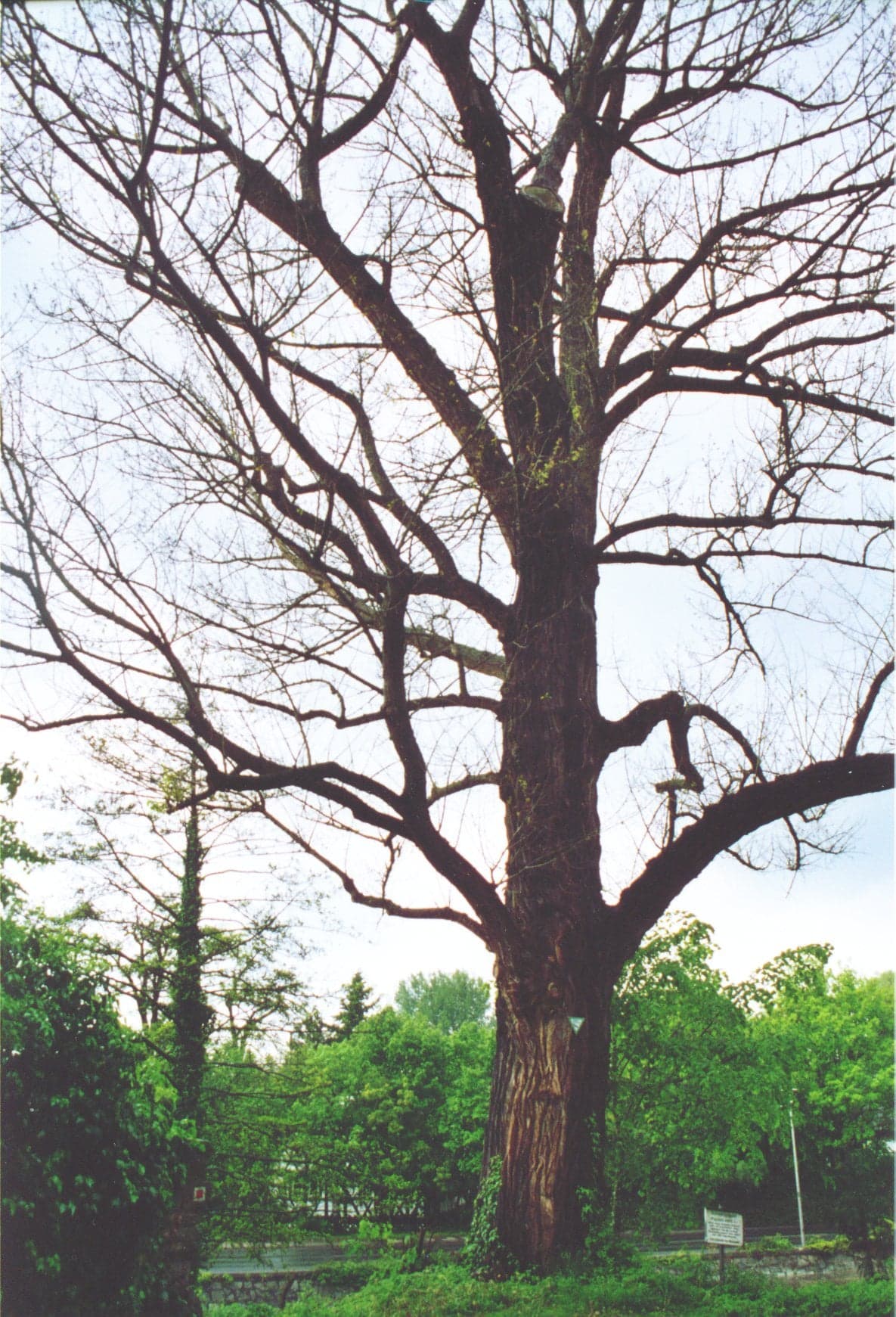
Black Poplar tree

GrieSoß, via Wikimedia Commons

Not listed in the CITES Appendices, and reported by the source KORENA cites as not assessed on the IUCN Red List. The conservation picture needs care: wild riverside Populus nigra has declined severely across Europe through flood control and river engineering and is the subject of active restoration programmes, while the hybrid poplars grown commercially for timber are abundant. Provenance matters more here than for most European species, and KORENA records the yard and region on every listing.

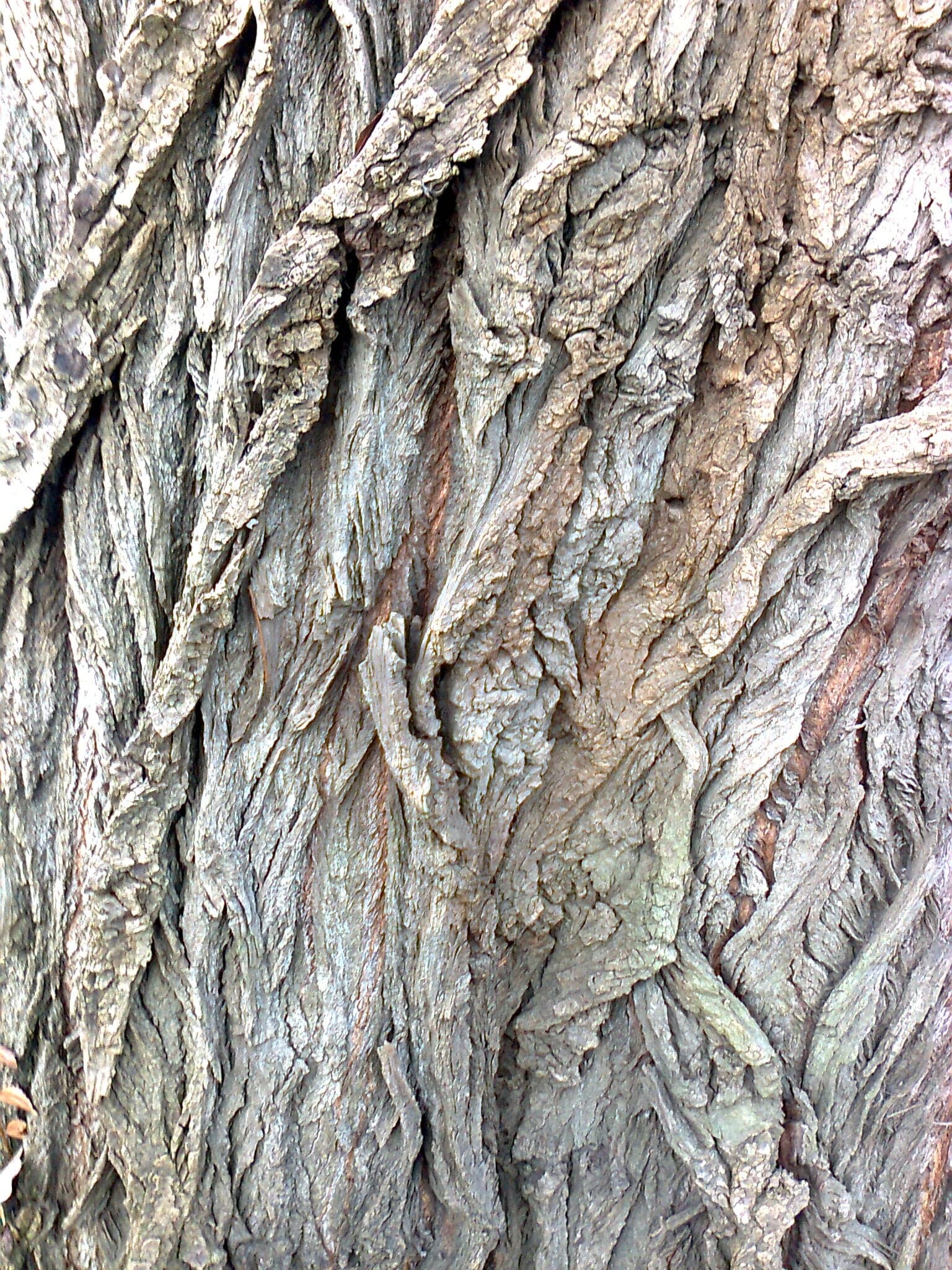
Black Poplar: Bark
Bark

Reading a Black Poplar slab#

There is not much to read. Colour runs creamy white to light grey brown, sometimes with a faint greenish cast in the heartwood that fades toward grey with light exposure. It is a natural cast rather than a fungal stain. Figure is minimal.

At 385 kg per cubic metre this is the lightest hardwood in the catalogue, lighter than Norway Spruce, and lifting a slab makes that immediately obvious.

Check for wet pockets. Green poplar carries very high moisture content and is startlingly heavy for what it becomes, and drying takes longer than the modest final density suggests.

What it is for#

Poplar is a secondary timber and it is excellent at that job.

Drawer sides, carcass interiors, web frames, backing panels, plywood core, and above all anything that will be painted. It takes paint very well: the texture is fine and even, there is no resin to bleed, and it needs almost no grain filling.

It is also a sound sculptural blank. Soft, even textured, resin free and inexpensive, it suits larger carved work where mass matters and fine detail does not. For crisp detail, small-leaved lime is the better wood in this catalogue.

What it is not is a work surface. At 2,020 N Janka it is softer than Scots Pine, and a poplar tabletop will mark under ordinary use.

Drying and movement#

It dries readily and without much degrade, which is one of its practical virtues.

Volumetric shrinkage of 12.3 percent is moderate, but the tangential to radial ratio of 9.3 against 4.0 percent is wide, well over two to one, so flatsawn boards cup meaningfully. For a wide painted panel that matters less than it would for a visible top, but it still needs allowing for.

Finishing#

Under paint, poplar is close to ideal and needs no special handling beyond a sealed surface.

Under a clear finish, the pale colour with its occasional green cast reads as unusual rather than handsome to most eyes, and it is rarely the reason anyone chooses this wood. Pigment stains blotch, as on other fine textured pale species, so use a conditioner or a dye.

Because the wood is soft, a hardwax oil or a film finish is worth applying for the surface protection alone.

The provenance question#

This is the one species in this catalogue where the conservation picture genuinely warrants a second look.

Populus nigra is not CITES listed, and the source cited here reports no IUCN assessment, so no status is displayed. But wild riverside populations across Europe have declined severely and are being actively restored, while the commercial supply comes overwhelmingly from planted hybrids that have nothing to do with that decline.

The two are not distinguishable by looking at a board. What distinguishes them is documentation, which is precisely what the KORENA passport records: the partner yard, the region, and the chain behind the slab. On most European species that record is a formality. Here it is worth reading.

Where Black Poplar is the right answer#

Painted furniture, drawer sides and carcass interiors, lightweight panels, plywood core, and sculpture blanks. Any job where low weight and low cost are the requirement and the surface will not be seen or will not be touched.

It is the wrong answer for a work surface, for anything structural, and for anything outdoors, since it is rated non-durable and susceptible to insect attack.

What is the greenish tint in some boards?

+

A natural cast that occurs in the heartwood of some poplar and is not a defect or a fungal stain. It tends to fade toward grey brown with light exposure. Under paint it is irrelevant, which is where most poplar ends up.

Can poplar be carved?

+

Yes, and it is a reasonable carving blank, being soft and even textured with no resin. It does not hold fine detail as crisply as small-leaved lime, which remains the better carving wood in this catalogue, but for larger sculptural work where mass matters and weight does not, poplar is a sound and inexpensive choice.

Volumetric shrinkageTotal volume change from green to oven-dry. Lower means more stable.
12.3 %
Natural durability (EN 350)European standard for natural decay resistance, from 1 (very durable) to 5 (perishable).Class 5 — Perishable

Sources

  • The Wood Database — Black Poplar (Populus nigra)(accessed 2026-08-12)
  • Meier, E. — WOOD! Identifying and Using Hundreds of Woods Worldwide (2015)(accessed 2026-08-12)

Watch out

  • Not for untreated outdoor useNatural durability is EN 350 class 5 of 5. Keep it indoors or under a maintained finish.

Tap a label for the detail.

At a glance

Levels use fixed bands across every species KORENA lists, so they compare directly. The measured value sits under each one.
HardnessResistance to dents and wearSoft

Janka 2,020 N

59 % softer than European oak

WeightHow heavy a slab is to liftVery light

385 kg/m³

StabilityHow little it moves with the seasonsAverage

12.3 % volumetric shrinkage

WorkingSawing, planing, sanding, gluingDemanding

3.4 / 5 bench average

Outdoor useNatural decay resistance, EN 350Indoor only

EN 350 class 5

  • Sawing · Very goodHow cleanly it cuts and how hard it is on blades.1 = difficult · 5 = excellent
  • Planing · GoodHow smooth a surface it leaves and how much it tears out.1 = difficult · 5 = excellent
  • Sanding · GoodHow quickly it sands smooth without clogging the paper.1 = difficult · 5 = excellent
  • Turning · GoodHow it cuts and finishes on the lathe.1 = difficult · 5 = excellent
  • Carving · GoodHow crisply it holds detail under a gouge.1 = difficult · 5 = excellent
  • Gluing · Very goodHow reliably glue joints hold.1 = difficult · 5 = excellent
  • Screw / nail hold · Very goodHow well it holds screws and nails without splitting.1 = difficult · 5 = excellent
  • Steam bending · GoodHow well it takes curves after steaming.1 = difficult · 5 = excellent

What Black Poplar timber sells for across Europe right now, per cubic metre before VAT. Tap any price for the detail.

  • Everyday logsLarge volumes of standard roundwood sold by forest owners and state forestry, mostly for construction and industry.Most prices are between €105 and €105.Based on 14 prices from 1 region.Latest data 31 Dec 2025

Why does a slab cost more than this?

These are prices for raw timber. A slab is the best cut of a log, dried for one year or more, then checked and measured piece by piece. Only a small part of each log becomes a slab.

Source: KORENA Timber Index · Latest data 31 Dec 2025

See all regional prices