Pinus sylvestris
Scots Pine
The most widely distributed pine on earth and the most forgiving wood in this catalogue to build with. Soft, knotty, and it ambers into something far better than it starts as.
- This species is recorded as commercially grown in Europe. This does not establish where an individual piece was harvested; check its origin details.
- Botanical group. Softwoods are conifers; hardwoods are broadleaf trees.
- The botanical family the species belongs to.
Get notified when it landsReference species. No pieces in stock right now.
Is it right for your project?
Great for
- Farmhouse tables
- Painted and waxed furniture
- Flooring
- Panelling
- Carcass and shelving work
No Scots Pine in the current drop
Similar species in stock
No Scots Pine right now. These species suit the same projects and have pieces available.
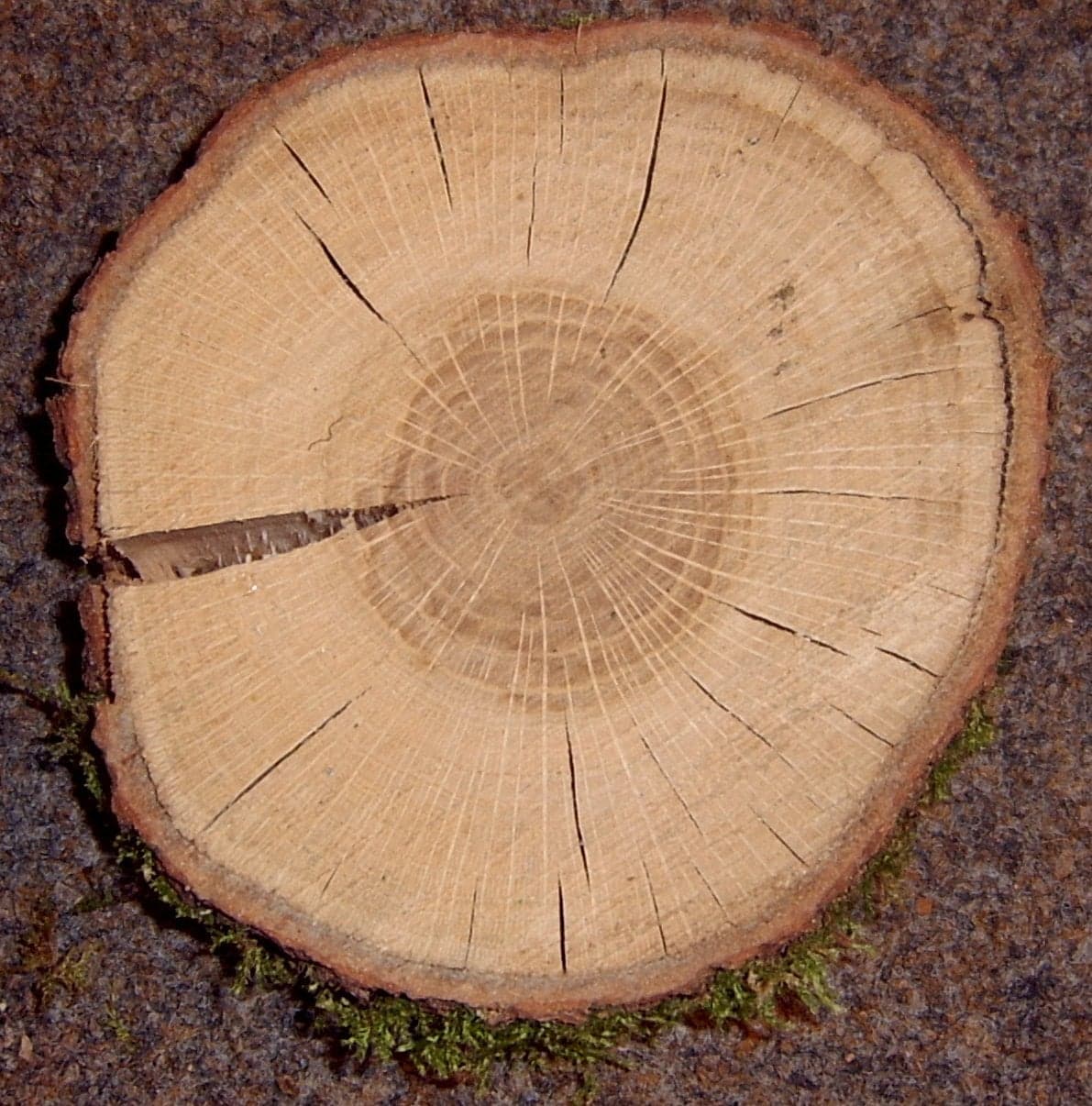
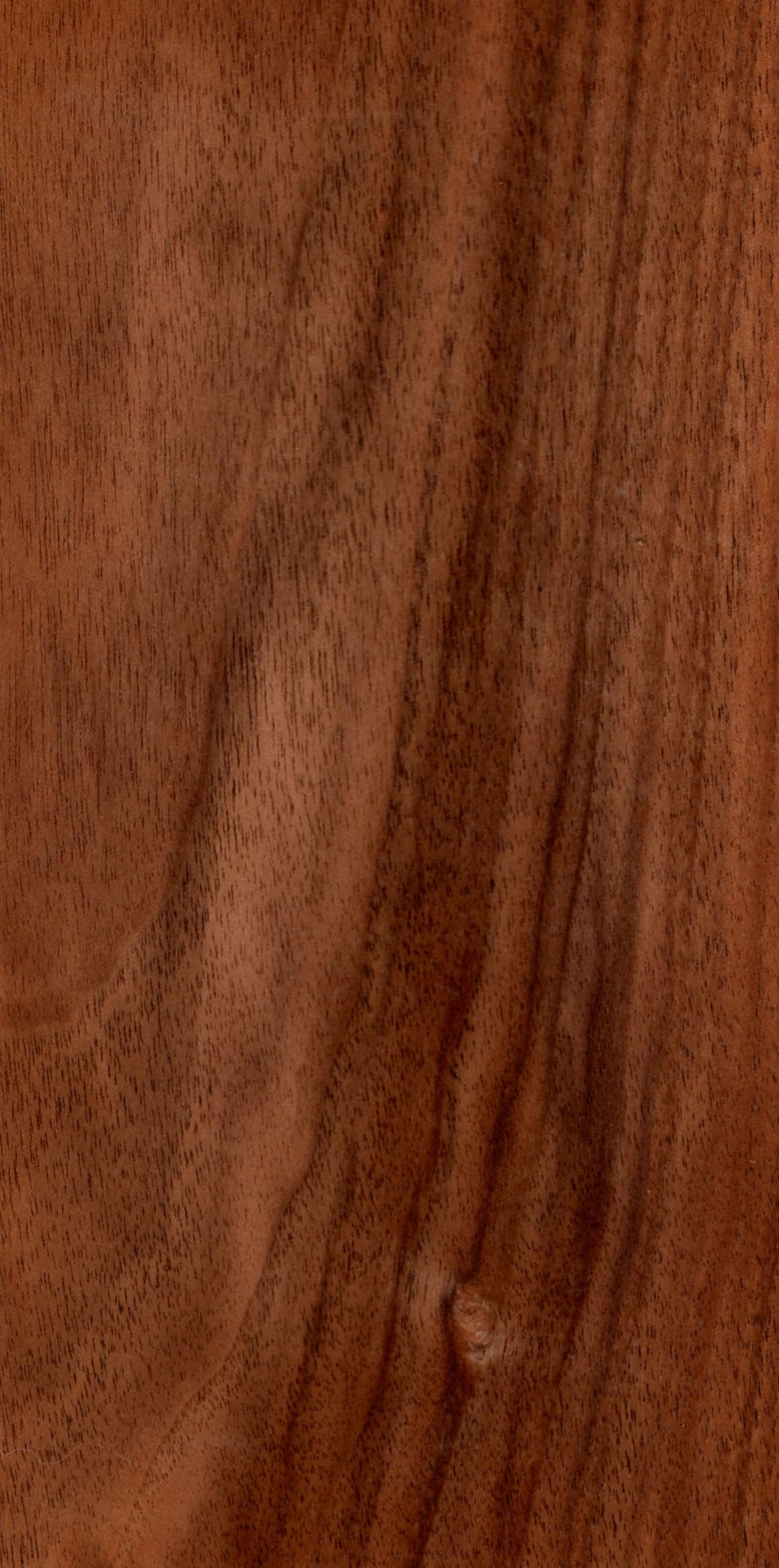
Get notified about Scots Pine
We email you when fresh Scots Pine slabs land at KORENA. Each piece is one of one, so early notice matters.
Wood appearance
What it looks like
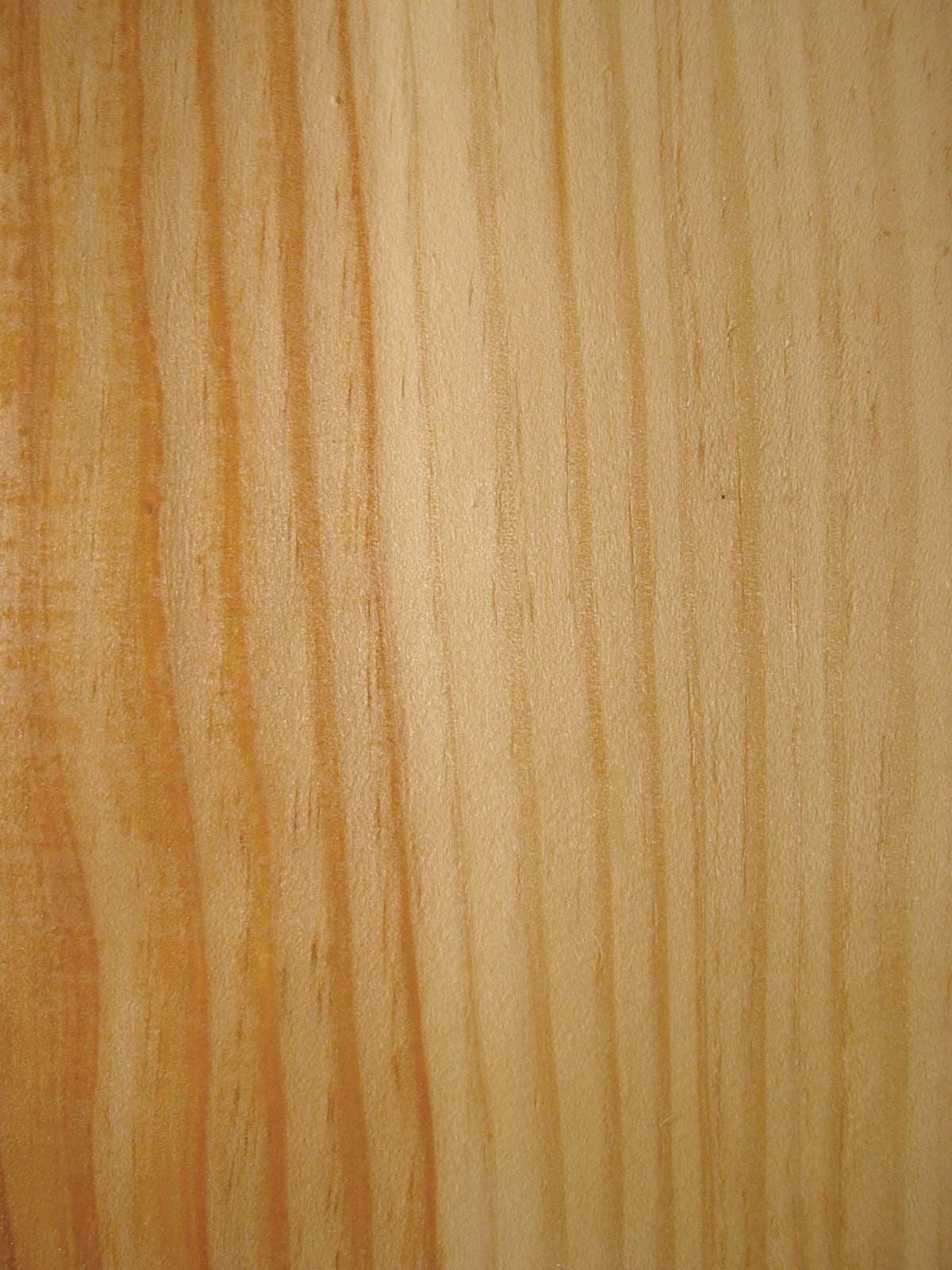
Pale yellow to light reddish brown heartwood that darkens considerably with age and light, against a wide band of near white sapwood. The ring figure is pronounced and the knots are a defining feature rather than an incidental one, since Scots Pine is naturally knotty and much of its character in furniture comes from that. Older slow grown stock develops a deep amber colour that is the reason antique pine looks nothing like new pine.
- Pale yellow to light reddish brown heartwood
- Wide near white sapwood band
- Darkens markedly with age and UV toward deep amber
- Generally straight; moderate resin.
Working with it
Working it
Easy with both hand and machine tools and it glues and finishes well, which together make it one of the most forgiving woods to build in. Resin is present but less troublesome than in larch or maritime pine. Knots are the real machining consideration: they are hard, often loose, and can tear or spit out under a planer. Around large knots, take light cuts and consider hand work.
Finishing
Takes finish well and takes wax exceptionally, which is the traditional treatment and still the best one for the look most people want from pine. Pigment stains blotch on pine as they do on spruce, so use a conditioner or choose a dye. Resin around knots should be sealed with shellac before painting or it will bleed through the film. The natural ambering with age is substantial and generally considered the point.
Drying
Dries fairly quickly and easily with a low tendency to distort, one of its practical virtues. Blue stain from fungus develops fast in warm damp conditions on freshly felled logs and unseasoned boards, so stock that has sat before processing may carry grey blue discolouration through the sapwood. It does not weaken the wood. Volumetric shrinkage is around 13.6 percent, on the higher side for this group.
How much will it move?
Wood swells and shrinks across its width as the air gets damper and drier. Estimate the seasonal movement of a Scots Pine top before you design the fixings.
Expected seasonal movement
about 9.5 mm
Fix the top with buttons or slotted brackets, not glue or tight screws.
Linear shrinkage model: width × (shrinkage ÷ 28 % fibre saturation) × seasonal moisture swing. Uses 8.3 % tangential shrinkage for Scots Pine. A planning estimate, not a guarantee.
What it costs
Safety and sourcing
- This species is recorded as commercially grown in Europe. This does not establish where an individual piece was harvested; check its origin details.
- IUCN Red List status: the global conservation assessment for this species.
Working with pine has been reported to cause allergic skin reactions and asthma-like symptoms in some people. Resin contact sensitises some individuals over time. Normal extraction, a P2 mask for extended sanding, and gloves when handling resinous stock are appropriate.
Read the full guideIn-depth notes on figure, colour change, working and stability.
What Scots Pine actually is#
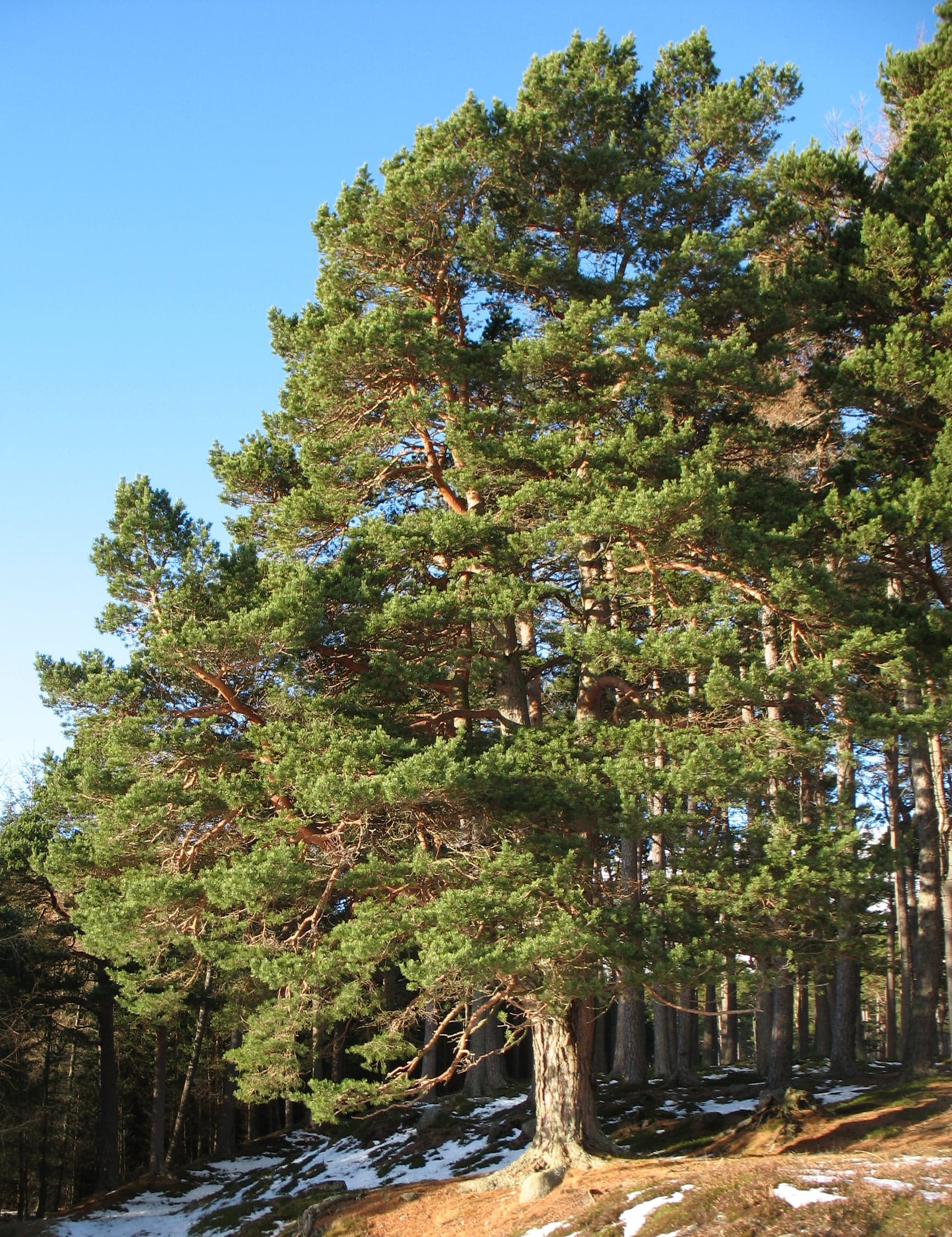
Pinus sylvestris has the largest natural range of any pine species anywhere, stretching from the west of Scotland and the Iberian mountains across the whole of Eurasia to the Pacific coast. It is sold under several names that confuse buyers comparing quotes: redwood in the British trade, deal in older usage, and simply pine almost everywhere. They are the same species.
Its ubiquity has the same effect on its reputation as spruce suffers from. This is the wood of construction studs and cheap furniture, and that association hides the fact that Scots Pine is one of the most pleasant woods to build in that exists, and that it ages into a colour no finish can imitate.
Reading a Scots Pine slab#
Fresh Scots Pine is pale, a light yellow heartwood against a wide near-white sapwood band. What you are actually buying is what that will become. The species ambers dramatically under light and time, moving to a deep honey brown over years and decades. Stripped antique pine holds a colour that new pine stained to match will never quite reach, because the change is oxidation and resin migration through the whole thickness rather than pigment on the surface.
Knots are the second thing to read, and on this species they are not a defect to be tolerated so much as the material's defining texture. Scots Pine is naturally knotty. The question is whether the knots on a given slab are sound and tight, or loose and ringed with checking. Sound knots are a feature. Loose knots will eventually fall out and need filling or plugging.
Buyer questions
Questions buyers ask
Why does old pine furniture look so different from new pine?
Scots Pine ambers dramatically with age and light exposure. A freshly machined board is pale yellow; the same board after decades of daylight and wax is a deep honey brown. That colour is not a stain, it is oxidation and resin change through the wood, which is why stripped antique pine keeps its colour while new pine stained to match does not age the same way.
Is Scots Pine hard enough for flooring?
At 2,420 N Janka it is soft for a floor and will dent, which is precisely the look traditional pine flooring has. It has been used for floors across northern Europe for centuries on that understanding. If dents are unacceptable, oak or ash are the right answer; if a floor that records its use is wanted, pine does it honestly.
What causes the grey blue staining in the sapwood?
Blue stain fungus, which colonises freshly felled pine in warm damp conditions. It discolours the sapwood without weakening it structurally. Some makers avoid it and some feature it. It is a cosmetic grade issue, and any KORENA listing showing it will show it in the slab photography rather than describing it away.
Mechanical properties
Technical data
Published reference values. Where sources disagree the range is shown, with the typical value used for the scales above.
| Density (kg/m³)Mass per cubic metre at about 12 % moisture. Heavier wood is usually harder and stronger. | 550 kg/m³ |
|---|---|
| Janka hardness (N)Force needed to press a steel ball halfway into the wood. The standard measure of dent resistance. | 2,420 N |
| MOR: modulus of rupture (MPa)Bending strength: the load at which a beam breaks. | 83 MPa |
| MOE: modulus of elasticity (GPa)Bending stiffness: how much a shelf or top sags under load. | 10.1 GPa |
| Radial shrinkageShrinkage across the growth rings, green to oven-dry. Quartersawn boards move by this. | 5.2 % |
| Tangential shrinkageShrinkage along the growth rings. Flatsawn boards and most slabs move by this. | 8.3 % |