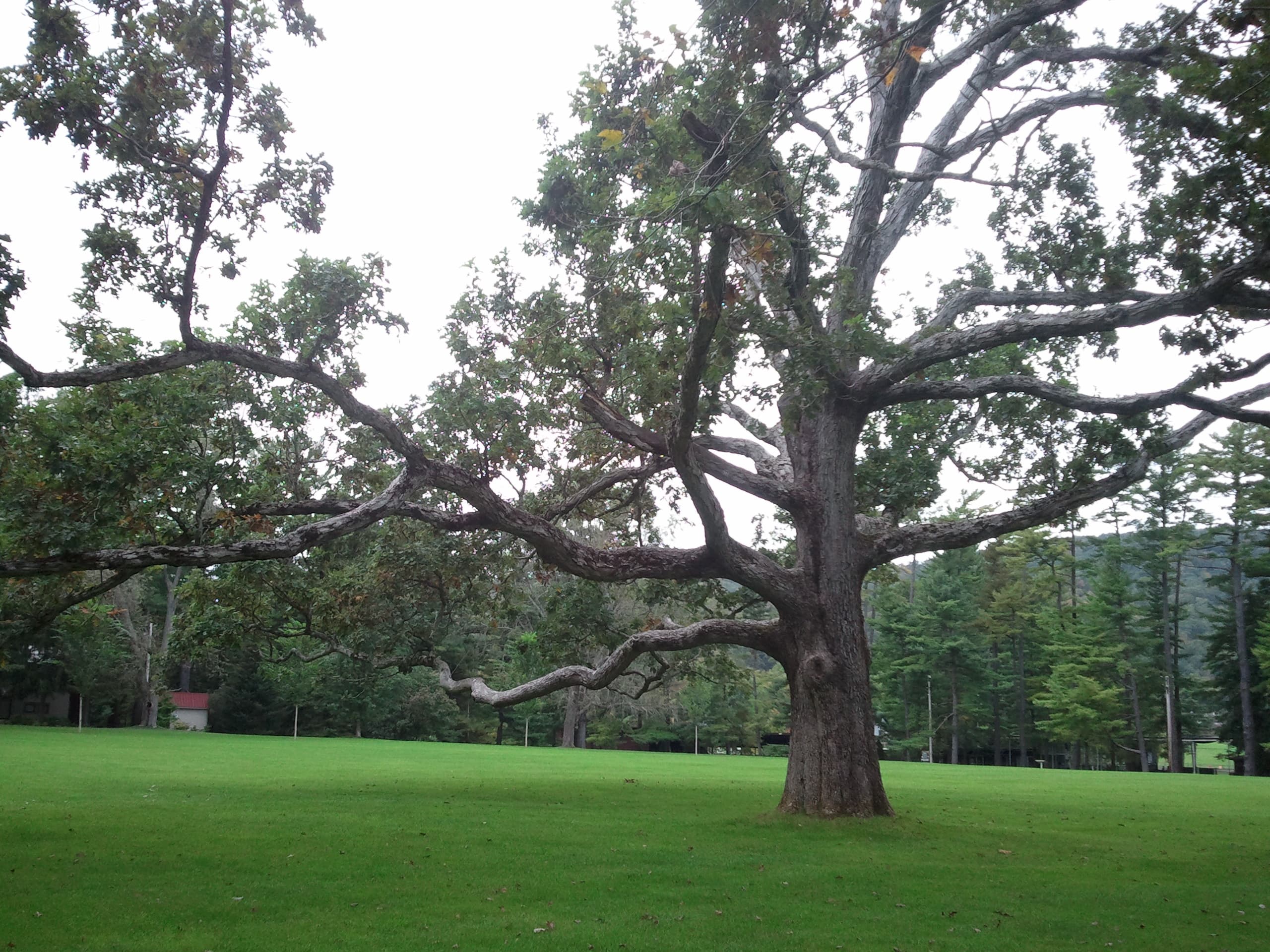
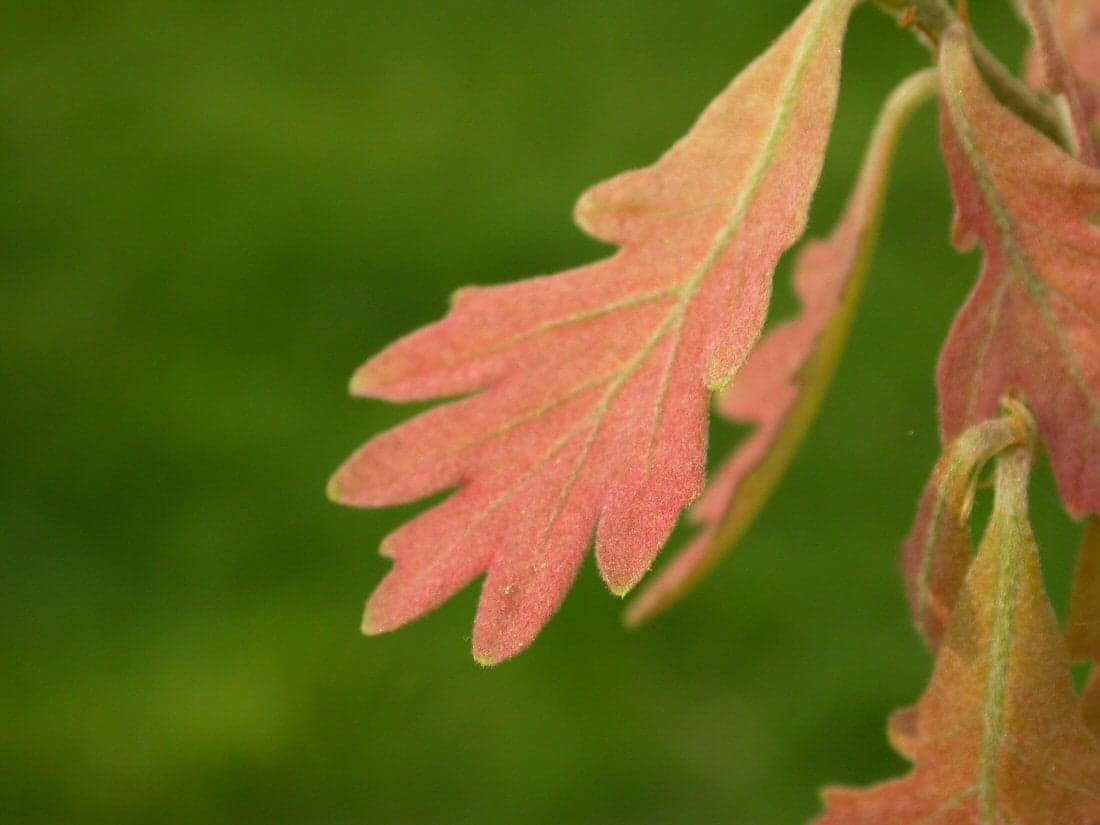
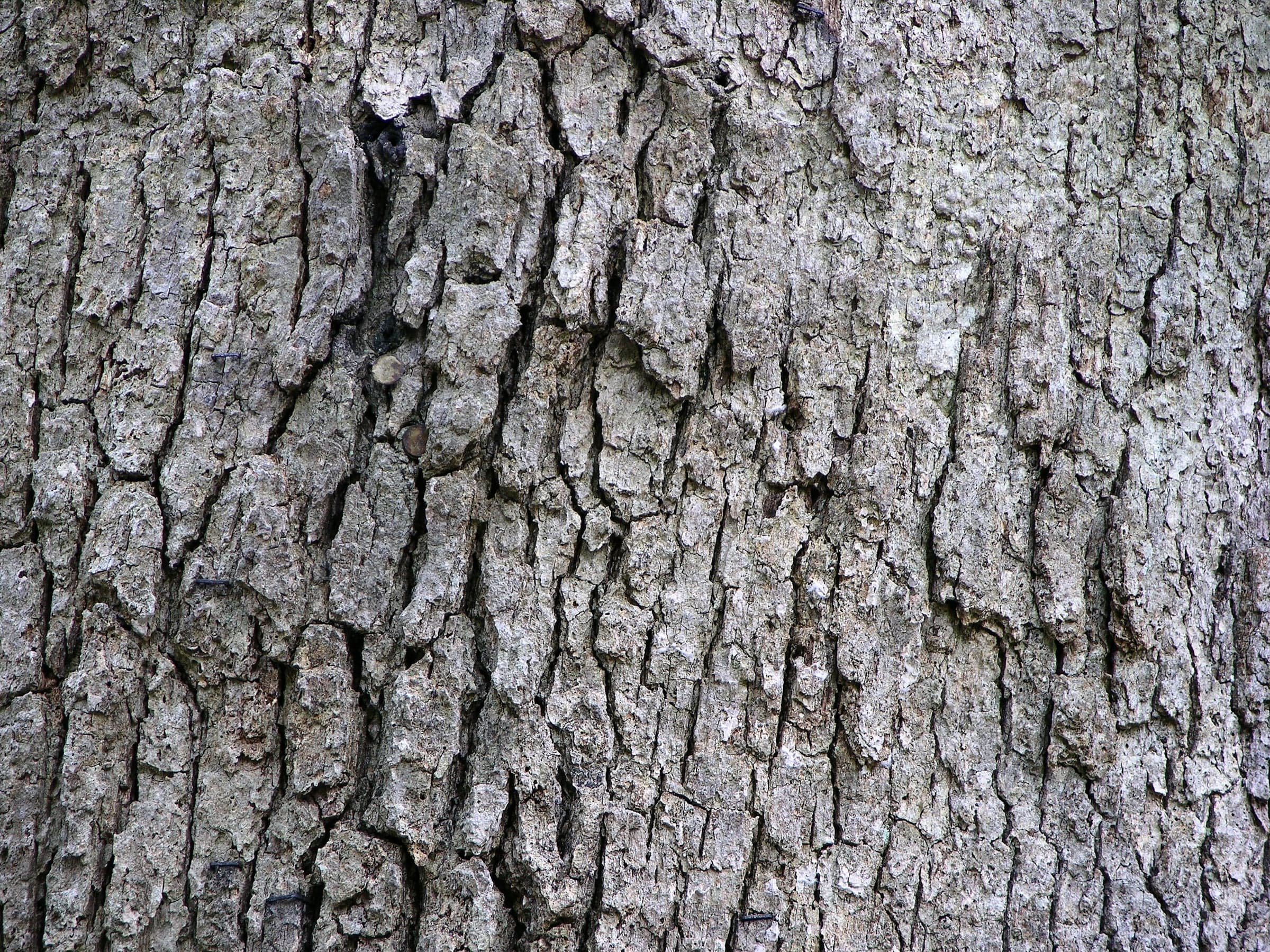
Quercus alba
White Oak
American white oak (Quercus alba) is a closed-pore hardwood with straight grain, coarse texture, and one of the best steam-bending records of any commercial species.
- This species record does not establish where an individual piece was grown or harvested. Check the origin details of the piece you are considering.
- Botanical group. Softwoods are conifers; hardwoods are broadleaf trees.
- The botanical family the species belongs to.
Get notified when it landsReference species. No pieces in stock right now.
Is it right for your project?
Great for
- Kitchen islands and worktops where water resistance matters
- Bar tops and counter tops
- Steam-bent chair backs, rockers, and curved rails
- Cooperage-inspired pieces and cask-stave projects
- Quartersawn panels and doors with visible ray fleck
- Flooring and stair treads in heavy-traffic interiors
No White Oak in the current drop
Similar species in stock
No White Oak right now. These species suit the same projects and have pieces available.



Get notified about White Oak
We email you when fresh White Oak slabs land at KORENA. Each piece is one of one, so early notice matters.
Wood appearance
What it looks like
Light to medium brown heartwood with an olive cast, sometimes drifting toward pale grey-brown. Sapwood is near-white and usually trimmed off furniture stock. Grain is straight with occasional irregular figure around knots. Texture is coarse but even, and the rays are unusually long, quartersawn faces show pronounced ray fleck (silver figure), a defining look in Arts and Crafts and Mission furniture. The single most useful feature is closed pores: tyloses plug the heartwood vessels, which is why white oak holds liquid and resists water ingress where European and red oak do not.
- Heartwood: light to medium brown, often with an olive or greenish-grey cast
- Sapwood: pale cream to near-white, sharply demarcated
- Quartersawn faces: pronounced silver ray fleck
- Ambers and deepens with UV and oil finishes over the first months
- Fumes to deep chocolate-brown under ammonia; ebonises black with iron acetate
- Straight grain, coarse uneven texture.
Working with it
Working it
Machines cleanly with sharp tooling, sawing, sanding, gluing, and screwing all rate well. Planing tearout can show up around interlocked grain near knots; back off the cut and skew the blade. Pre-drill for screws near ends and edges to avoid splitting. Steam bending is where white oak earns its reputation: it is one of the most reliable bending species in the world, used historically for boat ribs, Windsor chair backs, and barrel staves. Quartersawn stock bends most predictably.
Finishing
Takes oils, hardwax oils, water-based lacquers, and solvent finishes well. Reacts strongly with iron, wet steel wool, pipe clamps, or ferrous swarf will leave blue-black stains, so use stainless or brass and wipe spills fast. The same iron reaction is used deliberately for fumed and ebonised looks (ammonia fuming, iron-acetate). Tannin can bleed through pale finishes; seal first if you want a clean white or grey. Pores are tight enough that grain filling is optional for most furniture work.
Drying
Dries slowly and is prone to honeycomb, surface checking, and ring failure if pushed. Tangential shrinkage runs roughly twice radial, so flatsawn boards cup more than quartersawn. Slabs need patient kiln schedules and good sticker discipline. Once at service moisture (8–10% for interior EU use) it is dimensionally well-behaved, but full equilibration takes weeks for thick stock.
How much will it move?
Wood swells and shrinks across its width as the air gets damper and drier. Estimate the seasonal movement of a White Oak top before you design the fixings.
Expected seasonal movement
about 12.0 mm
Large. Use buttons or slotted brackets, leave clearance at the ends of any breadboard, and let the slab acclimatise before assembly.
Linear shrinkage model: width × (shrinkage ÷ 28 % fibre saturation) × seasonal moisture swing. Uses 10.5 % tangential shrinkage for White Oak. A planning estimate, not a guarantee.
What it costs
Safety and sourcing
- This species record does not establish where an individual piece was grown or harvested. Check the origin details of the piece you are considering.
- IUCN Red List status: the global conservation assessment for this species.
White oak dust is classified by IARC as a Group 1 carcinogen (hardwood dust, sino-nasal risk on long exposure) and can cause respiratory and skin sensitisation. Run extraction at the tool, wear an FFP3 mask for sanding, and keep the shop clean. The wood itself is food-contact safe once cured, it is the classic species for wine and whisky casks, cutting boards, and butcher blocks.
Read the full guideIn-depth notes on figure, colour change, working and stability.
What makes White Oak different#
Quercus alba looks like oak and works like oak. What separates it from red oak, and from most of this catalogue, is invisible without a lens.
In white oak the large earlywood pores are plugged with tyloses, balloon like ingrowths that grow into and seal the vessels. In red oak they are open. That one anatomical fact decides almost everything practical about the species.
Because the pores are sealed, white oak holds liquid, which is why every wine and whisky barrel is made from it and none are made from red oak. Because water cannot travel freely along the vessels, it resists decay, which is why it has been the traditional boatbuilding and exterior joinery timber of the western world.
Reading a White Oak slab#
Colour runs light to mid brown, often with an olive or greenish cast, against narrow pale sapwood. It reads slightly cooler and more grey than European oak, without the pink of red oak.
The rays are long, considerably longer than in red oak, and on a quartersawn face they produce a dramatic silvery fleck that is the most prized figure the species offers. If you are paying for quartersawn white oak, that fleck is what you are paying for.
To confirm identity, look at the end grain under a lens: pores plugged with tyloses mean white oak, open pores mean red oak. If a label and the end grain disagree, believe the end grain.
Buyer questions
Questions buyers ask
Why is White Oak used for barrels when Red Oak is not?
Tyloses. In white oak the large earlywood pores are plugged with balloon like ingrowths that seal the vessels, so the wood holds liquid. In red oak they are open and it does not. That single anatomical difference is why every wine and whisky barrel is white oak, and it is also why white oak is durable outdoors and red oak is not.
How does White Oak compare with European Oak?
Harder and denser. White oak is 750 kg per cubic metre and 6,049 N Janka against 675 and 4,980 for Quercus robur, and it is stiffer at 11.5 GPa. It is also more dimensionally active, with volumetric shrinkage of 15.5 percent against 12.5 percent. The figure is broadly similar though white oak tends to have longer rays and a more dramatic quartersawn fleck.
Is it good for outdoor furniture?
It is one of the best choices in this catalogue. Decay class 2 plus tyloses blocking the pores gives genuine weather resistance, and it has been the traditional boatbuilding and exterior joinery oak for centuries. Use stainless or brass fixings, because the tannin and iron reaction is worse in wet conditions.
Does it move a lot?
Mechanical properties
Technical data
Published reference values. Where sources disagree the range is shown, with the typical value used for the scales above.
| Density (kg/m³)Mass per cubic metre at about 12 % moisture. Heavier wood is usually harder and stronger. | 690–790 kg/m³typical 750 kg/m³ |
|---|---|
| Janka hardness (N)Force needed to press a steel ball halfway into the wood. The standard measure of dent resistance. | 5,500–6,500 Ntypical 6,049 N |
| MOR: modulus of rupture (MPa)Bending strength: the load at which a beam breaks. | 100–115 MPa |
| MOE: modulus of elasticity (GPa)Bending stiffness: how much a shelf or top sags under load. | 11.5–13.0 GPa |
| Radial shrinkageShrinkage across the growth rings, green to oven-dry. Quartersawn boards move by this. | 5.5–6.5 % |
| Tangential shrinkageShrinkage along the growth rings. Flatsawn boards and most slabs move by this. |