KORENA
HoutFinished piecesBenodigdhedenPartnerwervenArtikelen

Blijf op de hoogte

Elk boomstamblad is uniek. Zodra het verkocht is, is het weg. We mailen u wanneer nieuwe stukken online komen: nieuwe voorraad, nieuwe houtsoorten en planken die bij een projectomschrijving passen.

Enkele e-mails per maand. Geen spam, op elk moment afmelden.

KORENA, hoogwaardig hardhout

Eén stuk tegelijk.

Geverifieerd hoogwaardig hardhout, per stuk verkocht. Elk boomstamblad wordt gefotografeerd, gemeten en met een houtpaspoort verzonden vanaf de partnerwerf.

Winkel

  • Producten bekijken
  • Verkocht archief
  • Bestelling volgen

Ontdekken

  • Artikelen
  • Houtsoortengidsen
  • Woordenlijst
  • Vergelijken
  • Auteurs

Hulp

  • Over ons
  • Zo werkt het
  • Partnerwerf worden
  • Boomstamblad aanvragen
  • Klantenservice
  • Documentsjablonen
  • Pers

Kopen

  • Verkoopvoorwaarden
  • Herroepingsrecht
  • Retourneren en garantie
  • Verzending en bezorging

Vertrouwen

  • Privacybeleid
  • Cookiebeleid
  • Herkomst van hout en EUDR
  • Toegankelijkheid

Colofon

  • Juridische kennisgeving / colofon
  • Aanvaardbaar gebruik
  • Intellectueel eigendom en content

© 2026 KORENA. Alle rechten voorbehouden.

Uitgevoerd door Martial Labs Ltd. (BG, EIK 207453941). KORENA is een handelsnaam van Martial Labs Ltd.

We respecteren je privacy

We gebruiken essentiële cookies om de site te laten werken. Met jouw toestemming gebruiken we ook cookies voor analyse, gepersonaliseerde inhoud en advertenties. Je kunt je keuze op elk moment wijzigen op de pagina toestemmingsvoorkeuren. Bekijk ons cookiebeleid en privacybeleid.

  1. Startpagina
  2. /
  3. Houtsoorten
  4. /
  5. Black Pine

Pinus nigra

Black Pine

A pale timber from a dark tree. Works like Scots Pine, stays lighter with age, and moves less than any pine here.

  • Geteeld en geoogst in Europa.
  • Botanische groep. Naaldhout komt van coniferen en loofhout van loofbomen.
  • De botanische familie waartoe de houtsoort behoort.
Ontvang bericht zodra het binnenkomtReferentiehoutsoort. Momenteel geen stukken op voorraad.
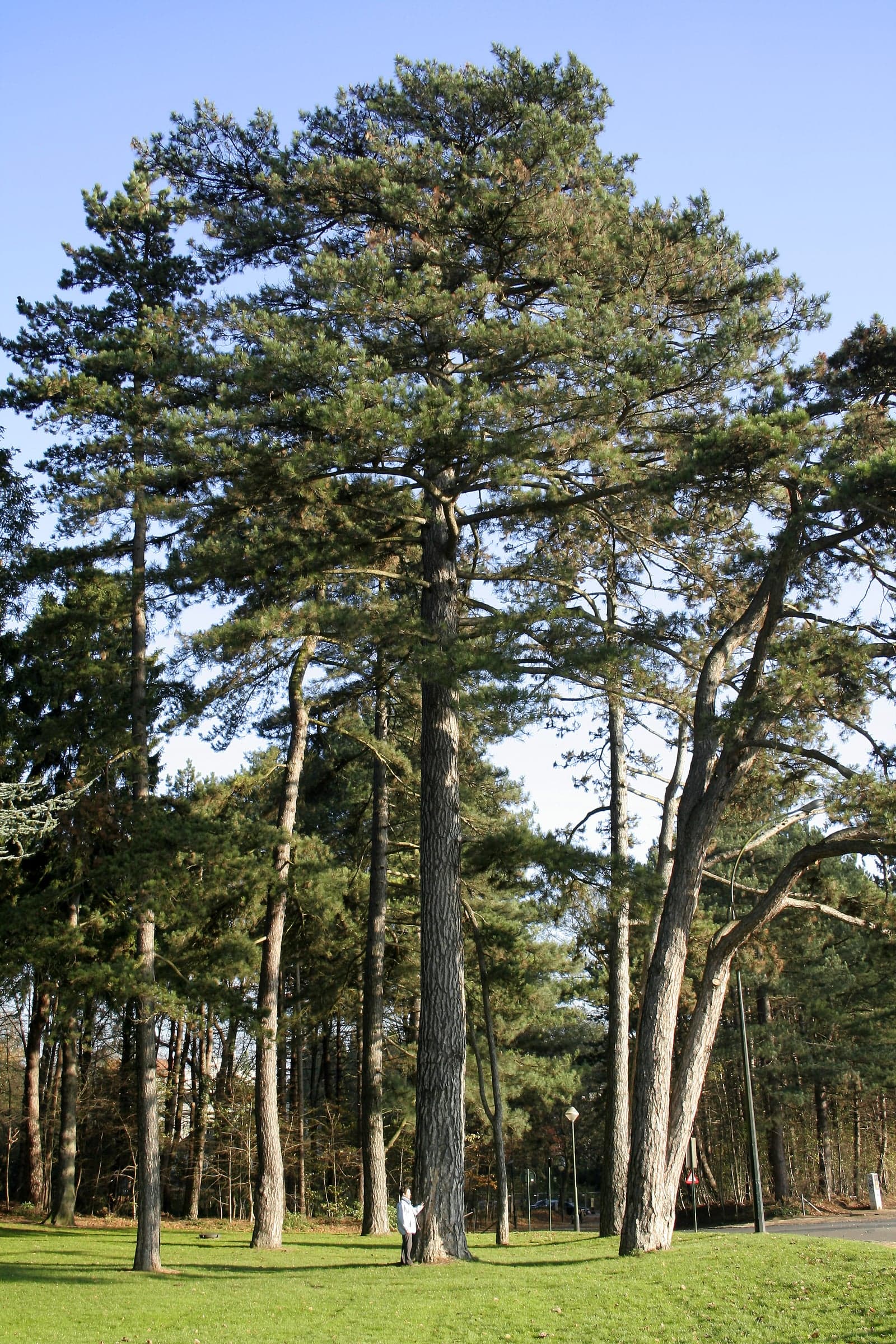
Boom van Black Pine
  • Geschiktheid voor projecten
  • Op voorraad
  • Uiterlijk
  • Bewerking
  • Werking
  • Prijs
  • Veiligheid en herkomst
  • Vragen
  • Technische gegevens

Is dit geschikt voor uw project?

Zeer geschikt voor

  • Painted furniture
  • Panelling
  • Carcass work
  • Shelving
  • Interior joinery

Geen Black Pine in de huidige uitgifte

Vergelijkbare houtsoorten op voorraad

Momenteel is er geen Black Pine. Deze houtsoorten zijn geschikt voor dezelfde projecten en zijn wel beschikbaar.
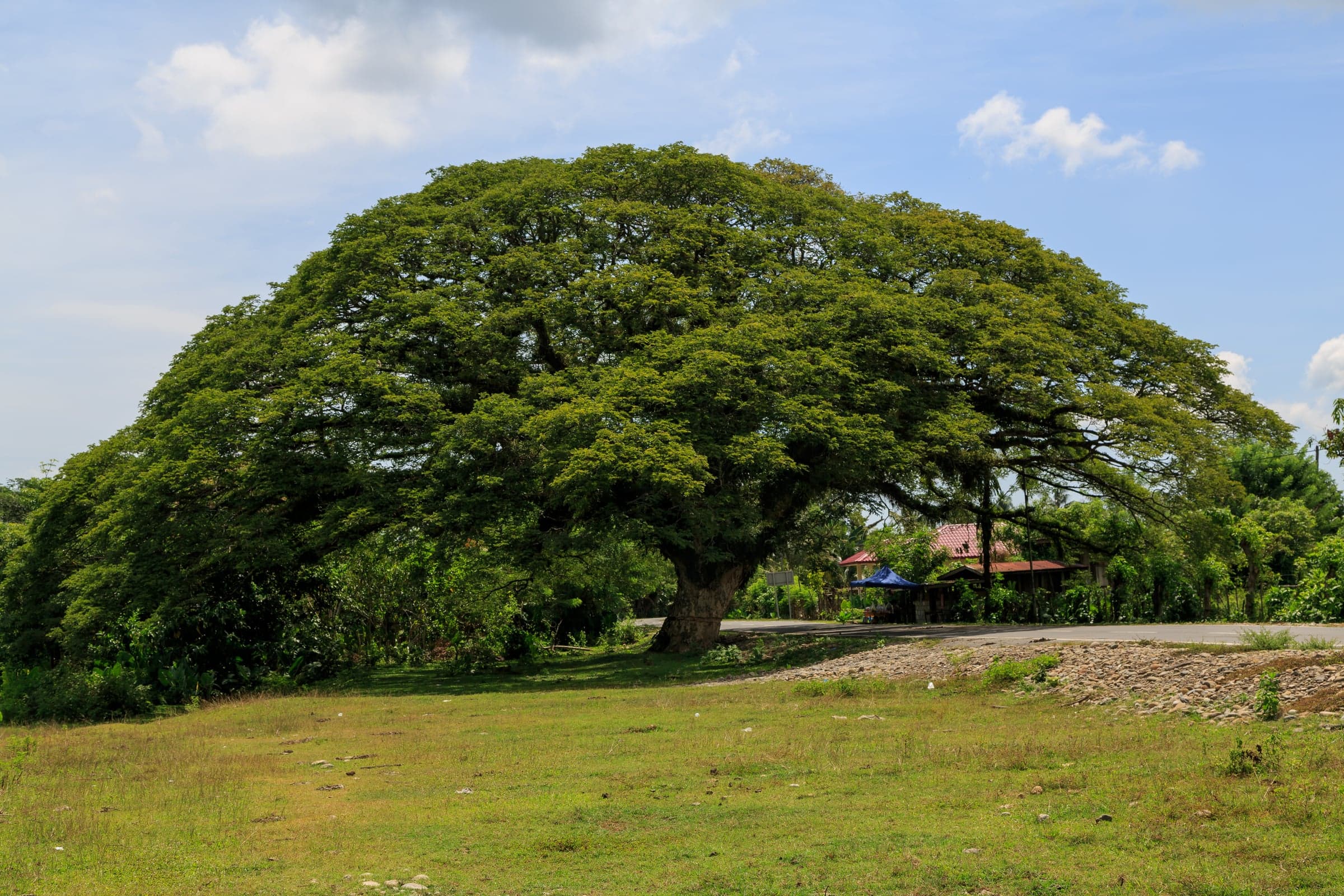
  • Nerf van Saman

    Saman

    Samanea saman

    4 stukken

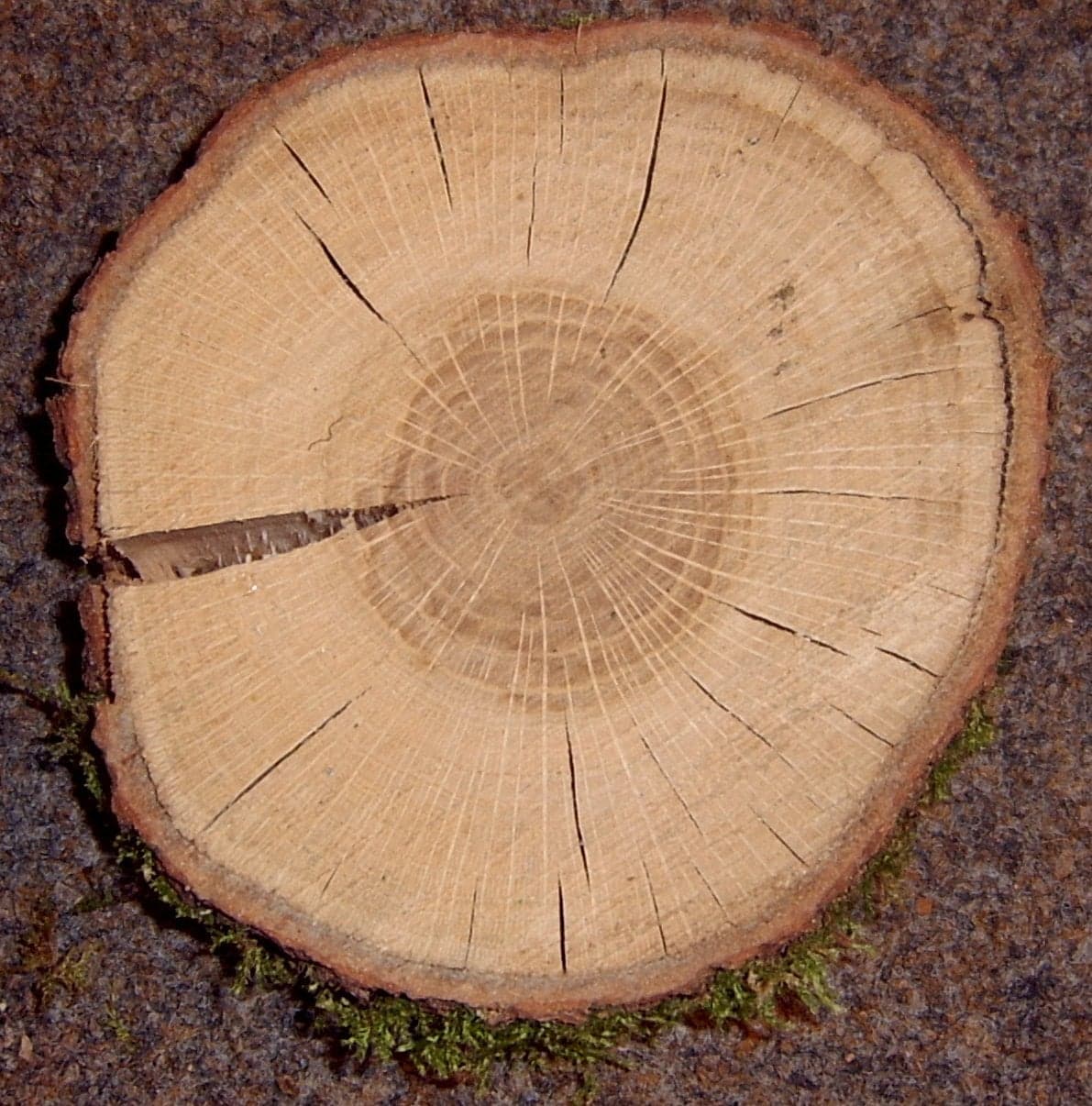
  • Nerf van European Oak

    European Oak

    Quercus robur

    6 stukken

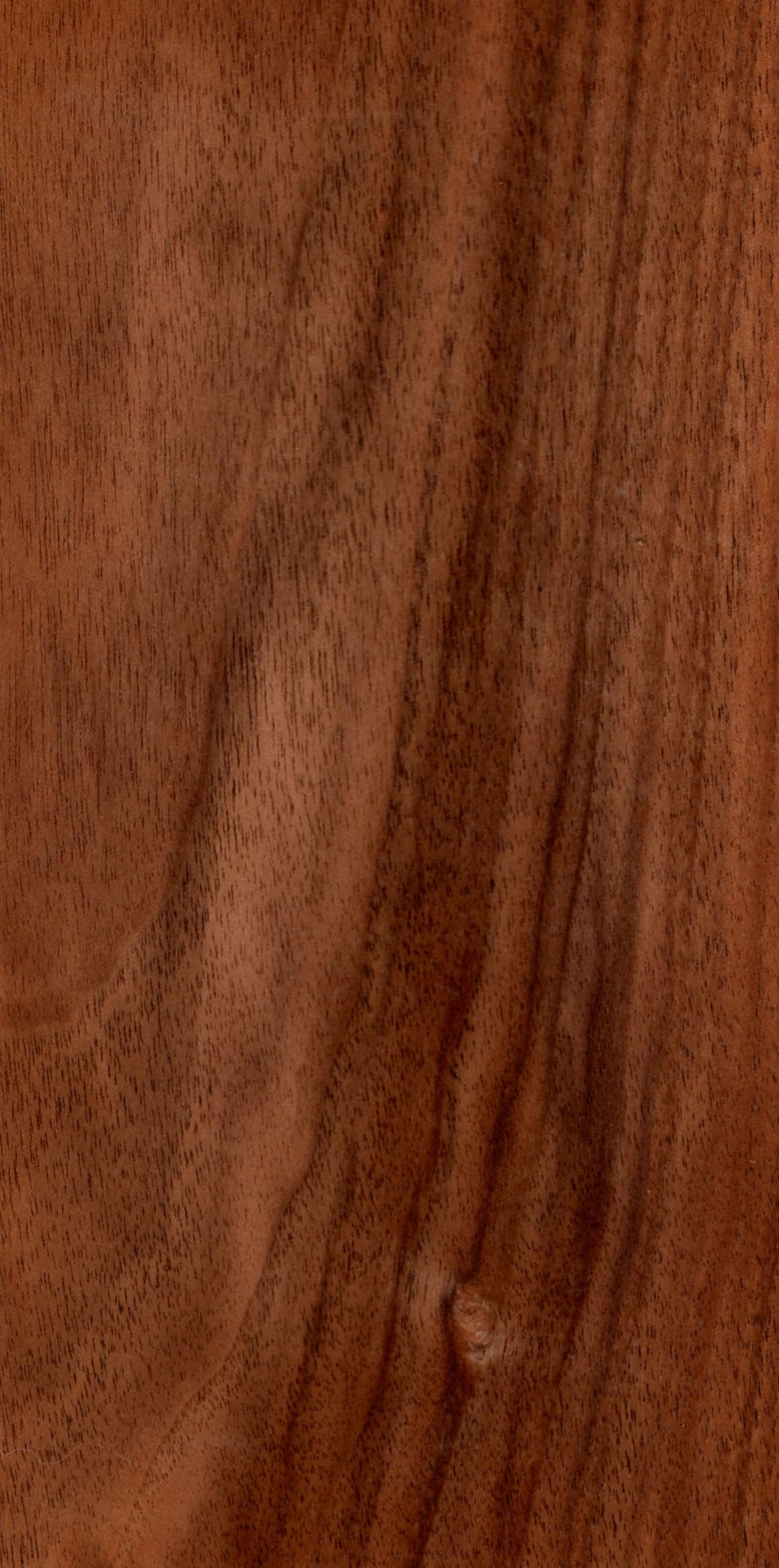
  • Nerf van European Walnut

    European Walnut

    Juglans regia

    9 stukken

Bericht ontvangen over Black Pine

We sturen u een e-mail wanneer nieuwe boomstambladen van Black Pine bij KORENA binnenkomen. Elk stuk is uniek, dus tijdig bericht is belangrijk.

Enkele e-mails per maand. Geen spam, op elk moment afmelden.

Uiterlijk van het hout

Hoe het eruitziet

Pale yellow to light brown heartwood against wide pale sapwood, closely resembling Scots Pine but generally a shade paler and with tighter, more regular growth rings. Knots tend to be smaller and more evenly distributed than in Scots Pine, which gives a calmer overall surface. The name refers to the dark bark and foliage of the tree, not to the timber, which regularly surprises buyers.

  • Pale yellow to light brown, slightly paler than Scots Pine
  • Wide pale sapwood with modest heartwood contrast
  • Ambers with age, though less dramatically than Scots Pine
  • Straight, regular grain with tighter and more even rings than Scots Pine. Pale yellow to light brown, with smaller and more evenly distributed knots.

Bewerking

Bewerking

Easy with both hand and machine tools, and it glues and finishes well. It behaves almost identically to Scots Pine at the bench, which makes it an easy substitution. Resin is present and blades will need periodic cleaning. Its slightly lower density than Scots Pine means edges bruise a little more readily, so sharp tools and light finishing cuts matter.

Afwerking

Takes finish well and takes wax as well as Scots Pine does. The same blotching caution applies to pigment stains, so use a conditioner or a dye. Seal knots with shellac before painting to stop resin bleeding through the film. Because it ambers less than Scots Pine, it holds a pale finished colour more faithfully over time, which is useful when a design depends on staying light.

Drogen

Dries without much difficulty and with a low tendency to distort. Volumetric shrinkage is around 11.4 percent, the second lowest in this group after Douglas Fir, and the tangential to radial ratio at 7.3 against 4.1 percent is comparatively favourable. Properly dried Black Pine is more dimensionally stable in service than Scots Pine, which is its quiet advantage.

Hoeveel zal het werken?

Hout zwelt en krimpt over de breedte wanneer de lucht vochtiger en droger wordt. Schat de seizoenswerking van een blad van Black Pine voordat u de bevestigingen ontwerpt.

Zaagwijze
Waar het komt te staan

Verwachte seizoenswerking

ongeveer 8,3 mm

Bevestig het blad met bladwervels of sleufbeugels, niet met lijm of strak aangedraaide schroeven.

Lineair krimpmodel: breedte × (krimp ÷ 28 % vezelverzadiging) × seizoensverschil in vochtgehalte. Gebruikt 7,3 % tangentiële krimp voor Black Pine. Dit is een planningsschatting, geen garantie.

Wat het kost

Veiligheid en herkomst

  • Geteeld en geoogst in Europa.
  • Status op de Rode Lijst van IUCN: de wereldwijde beoordeling van de beschermingsstatus van deze houtsoort.
  • Working with pine has been reported to cause allergic skin reactions and asthma-like symptoms in some people. Normal extraction, a P2 mask during extended sanding, and gloves when handling resinous stock are appropriate.

Lees de volledige gidsUitgebreide informatie over tekening, kleurverandering, bewerking en stabiliteit.+

What Black Pine actually is#

Pinus nigra is named for the tree, not the wood. The bark is dark and the foliage almost black-green, and buyers ordering by name regularly expect something like walnut and receive a pale yellow board. The timber is light, close in appearance to Scots Pine, and frequently a shade paler still.

The species grows across southern Europe and Asia Minor in several regional subspecies, from Spain and Corsica through the Alps and Balkans into Turkey, and it has been planted far outside that range as a tough reforestation species tolerant of poor soil and drought. Slab stock reaching the EU market is usually Balkan or Austrian grown.

Why it is worth choosing over Scots Pine#

These two are genuinely close substitutes, so the case for Black Pine rests on two measurable differences.

The first is stability. Volumetric shrinkage is around 11.4 percent against 13.6 percent for Scots Pine, and the tangential to radial ratio at 7.3 against 4.1 percent is more favourable. In practice that means a flatsawn Black Pine panel cups less across a humidity swing than the equivalent Scots Pine or spruce board. For a wide panel or a door, that is the difference that matters.

The second is colour stability. Scots Pine ambers dramatically, which is its charm in a farmhouse table and a problem in a design that needs to stay pale. Black Pine ambers noticeably less. If a piece is specified light and must still read light in a decade, this is the better pine.

Vragen van kopers

Vragen van kopers

Why is it called Black Pine when the wood is pale?

+

The name describes the tree, not the timber. Pinus nigra has notably dark bark and very dark green foliage, which is what earned it the name. The wood itself is pale yellow to light brown and is often slightly lighter than Scots Pine, which regularly catches out buyers ordering by name alone.

How does it compare with Scots Pine?

+

Very closely at the bench, and the two are reasonable substitutes. Black Pine is a little harder at 2,920 N against 2,420 N Janka, slightly lower in density at 475 kg per cubic metre, and noticeably more dimensionally stable with volumetric shrinkage of 11.4 percent against 13.6 percent. It also ambers less with age, so it holds a pale finish better.

Is it stable enough for a wide panel?

+

It is one of the better softwood choices here for that. Its volumetric shrinkage of 11.4 percent is second only to Douglas Fir in this group, and the tangential to radial ratio is comparatively favourable, so flatsawn boards cup less than the equivalent in spruce or Scots Pine. A wide top should still float on slotted fasteners.

Can it be used outdoors?

+

Mechanische eigenschappen

Technische gegevens

Gepubliceerde referentiewaarden. Als bronnen uiteenlopen, wordt het bereik getoond en wordt de gebruikelijke waarde gebruikt voor de bovenstaande schalen.

Dichtheid (kg/m³)Massa per kubieke meter bij ongeveer 12 % vochtgehalte. Zwaarder hout is meestal harder en sterker.475 kg/m³
Janka-hardheid (N)De kracht die nodig is om een stalen kogel tot de helft in het hout te drukken. Dit is de standaardmaat voor weerstand tegen deuken.2,920 N
MOR: breukmodulus (MPa)Buigsterkte: de belasting waarbij een balk breekt.64 MPa
MOE: elasticiteitsmodulus (GPa)Buigstijfheid: hoeveel een plank of blad onder belasting doorbuigt.10.8 GPa
Radiale krimpKrimp dwars op de groeiringen, van vers tot ovendroog. Kwartiers gezaagde planken werken volgens deze waarde.4.1 %
Tangentiële krimpKrimp langs de groeiringen. Dosse gezaagde planken en de meeste boomstambladen werken volgens deze waarde.

Jean-Pol GRANDMONT, via Wikimedia Commons

Pinus nigra grows across southern Europe and Asia Minor in several regional subspecies, from Spain and Corsica through the Alps and Balkans to Turkey. It has also been planted widely outside that range as a hardy reforestation species. Slab stock reaching KORENA is usually Balkan or Austrian grown.

  • Not listed in the CITES Appendices and assessed by the IUCN as Least Concern. It is widely planted for reforestation and erosion control across southern Europe, so supply is stable and certification coverage is reasonable. Balkan sourced material is common in the EU market and documentation is generally straightforward.

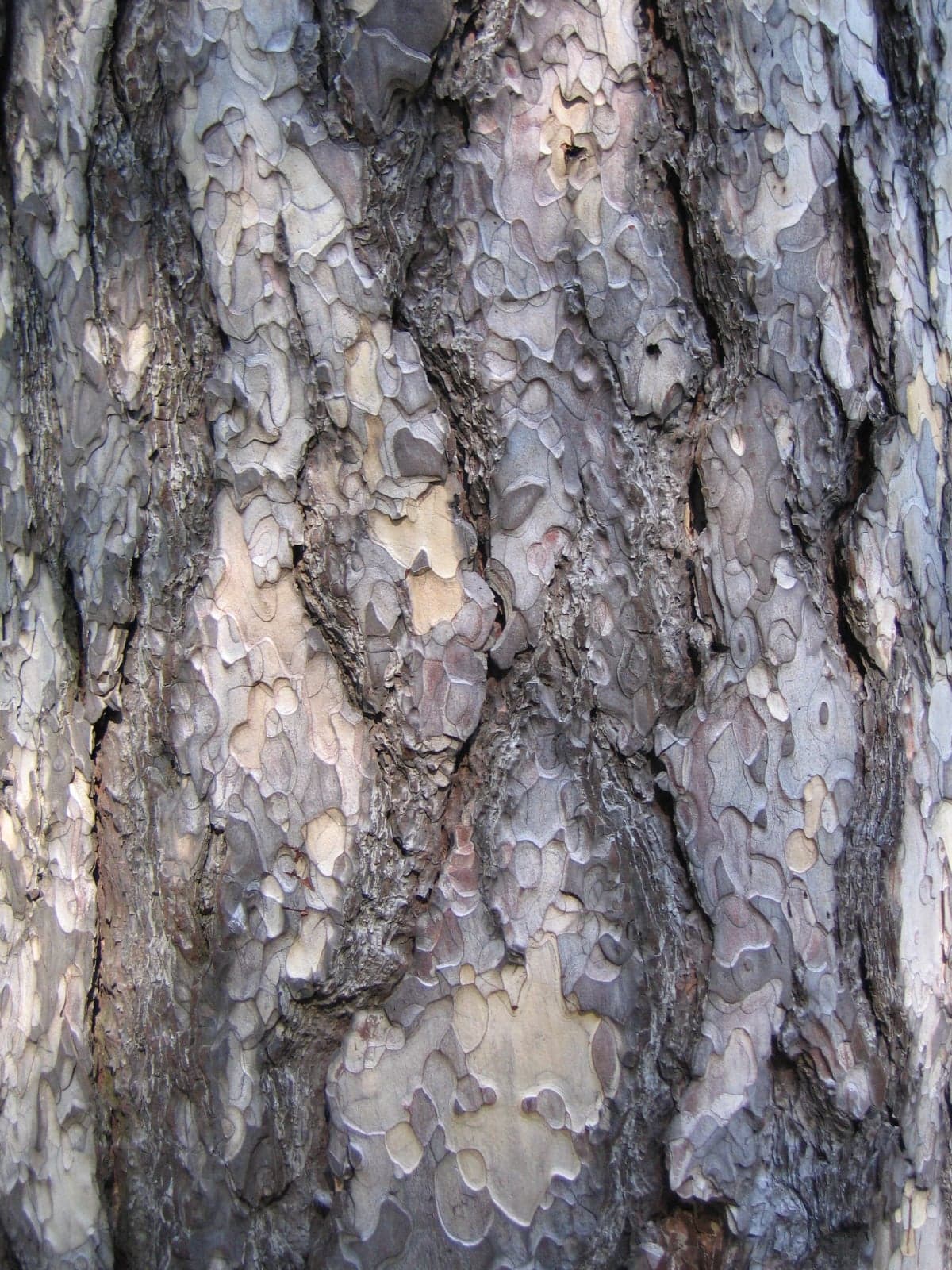
  • Black Pine: Schors
    Schors

    It is also slightly harder, at 2,920 N against 2,420 N on the Janka scale, though both are soft enough that the difference rarely decides anything.

    Reading a Black Pine slab#

    Colour range is narrow: pale yellow to light brown heartwood against a wide band of pale sapwood, with modest contrast between them. As with the other pale conifers, structure carries more information than colour.

    The knots are the pleasant surprise. Black Pine tends to produce smaller and more evenly distributed knots than Scots Pine, which gives a calmer, more regular surface across a wide slab. Fewer large knots also means fewer of the weak points that move independently of the board around them.

    Ring spacing follows the usual rule. Tighter rings from slower growth mean a denser, stiffer, more stable board.

    At the bench#

    If you have worked Scots Pine you already know how this behaves. It cuts cleanly with hand and machine tools, glues reliably, and finishes without argument.

    Its density is slightly lower than Scots Pine at 475 kg per cubic metre, and the practical consequence is that arrises bruise a little more easily. Sharp tools and light finishing cuts are worth the discipline, and a card scraper produces a better surface than aggressive sanding.

    Resin is present at roughly the level of Scots Pine, which is to say noticeable but manageable. Blades want periodic cleaning rather than constant attention.

    Knots remain the one place to slow down. They are hard and resinous, and a planer knife meeting one at speed can tear or spit it out.

    Finishing#

    It takes oil, wax and clear finishes readily, and wax over bare timber gives the same honest result it gives on Scots Pine.

    Two cautions carry over unchanged from the other pines. Pigment stains blotch because of the density difference between earlywood and latewood, so use a conditioner or switch to a dye. And every knot must be sealed with shellac before priming for a painted finish, because resin stays mobile for years and will migrate through ordinary primer to appear as brown rings long after the work looked finished.

    Where Black Pine is the right answer#

    Painted furniture, panelling, carcass work, shelving and interior joinery, particularly where a wide flat panel has to stay flat, or where the finished colour needs to stay pale rather than warming into honey.

    It is the wrong answer outdoors without treatment, since it is rated moderately durable to non-durable, and it is the wrong answer where the deep amber of aged Scots Pine is actually the effect being sought.

    Sourcing and EUDR#

    Not CITES listed and assessed as Least Concern. Black Pine is planted extensively for reforestation and erosion control across southern Europe, so supply is stable rather than scarce and certification coverage through Balkan and Austrian sources is reasonable. Documentation for EUDR purposes is generally straightforward, and KORENA listings record the originating yard and region on the passport.

    Not untreated. The heartwood is rated moderately durable to non-durable, similar to Scots Pine, so exterior use requires preservative treatment or a maintained finish. European Larch is the species in this group to reach for when the piece is exposed.

    Are the knots a problem?

    +

    Less so than in Scots Pine. Black Pine knots tend to be smaller and more evenly spread, which gives a calmer surface and fewer large weak points. They are still hard and resinous, so approach them with light cuts and seal them with shellac before any painted finish.

    7.3 %
    Volumetrische krimpTotale volumeverandering van vers tot ovendroog. Een lagere waarde betekent stabieler hout.11.4 %
    Natuurlijke duurzaamheid (EN 350)Europese norm voor natuurlijke weerstand tegen aantasting, van 1 (zeer duurzaam) tot 5 (niet duurzaam).Class 4 — Slightly durable

    Bronnen

    • The Wood Database — Austrian Pine (Pinus nigra)(geraadpleegd op 2026-08-12)
    • USDA FPL Wood Handbook FPL-GTR-190 (2010)(geraadpleegd op 2026-08-12)
    • Meier, E. — WOOD! Identifying and Using Hundreds of Woods Worldwide (2015)(geraadpleegd op 2026-08-12)

    Sterke punten

    • Zeer stabielWeinig seizoenswerking. Geschikt voor brede bladen en nauwsluitende verbindingen.
    • Geschikt voor beginnersGemakkelijk te bewerken en niet zo hard dat het gereedschap zwaar belast.

    Let op

    • Niet voor onbehandeld buitengebruikDe natuurlijke duurzaamheid is klasse 4 van 5 volgens EN 350. Gebruik het binnen of houd de afwerklaag buiten goed bij.
    • Irriterend stofGebruik stofafzuiging en draag een masker tijdens het schuren of machinaal bewerken.

    Tik op een label voor de details.

    In het kort

    De niveaus gebruiken vaste schalen voor elke houtsoort die KORENA aanbiedt, zodat u ze rechtstreeks kunt vergelijken. Onder elk niveau staat de gemeten waarde.
    HardheidWeerstand tegen deuken en slijtageVrij zacht

    Janka-hardheid 2.920 N

    41 % zachter dan Europese eik

    GewichtHoe zwaar een boomstamblad is om op te tillenLicht

    475 kg/m³

    StabiliteitHoe weinig het hout met de seizoenen werktStabiel

    11,4 % volumetrische krimp

    BewerkingZagen, schaven, schuren en lijmenGemakkelijk

    4,0 / 5 gemiddeld bij bewerking

    BuitengebruikNatuurlijke weerstand tegen aantasting, EN 350Alleen binnen

    EN 350-klasse 4

    • Zagen · Zeer goedHoe zuiver het zaagt en hoe zwaar het zaagbladen belast.1 = moeilijk · 5 = uitstekend
    • Schaven · Zeer goedHoe glad het geschaafde oppervlak wordt en hoeveel uitbreken er optreedt.1 = moeilijk · 5 = uitstekend
    • Schuren · Zeer goedHoe snel het glad schuurt zonder het schuurpapier te verstoppen.1 = moeilijk · 5 = uitstekend
    • Draaien · Zeer goedHoe het zich op de draaibank laat snijden en afwerken.1 = moeilijk · 5 = uitstekend
    • Snijden · GoedHoe scherp details onder een guts blijven.1 = moeilijk · 5 = uitstekend
    • Lijmen · UitstekendHoe betrouwbaar lijmverbindingen houden.1 = moeilijk · 5 = uitstekend
    • Houvast van schroef / spijker · Zeer goedHoe goed het schroeven en spijkers vasthoudt zonder te splijten.1 = moeilijk · 5 = uitstekend
    • Stoombuigen · GoedHoe goed het na stomen in gebogen vormen kan worden gebracht.1 = moeilijk · 5 = uitstekend

    Wat hout van Black Pine momenteel in Europa kost per kubieke meter, exclusief btw. Tik op een prijs voor de details.

    • Topstammen op een veilingGeselecteerde stammen van hoge kwaliteit die op inschrijvingsveilingen worden verkocht, vooral aan fineerproducenten en meubelmakers. Uit zulke stammen worden boomstambladen gezaagd.De meeste prijzen liggen tussen € 180 en € 180.Gebaseerd op 25 prijzen uit 1 regio.Meest recente gegevens: 24 sep 2026
    • Gangbare stammenGrote hoeveelheden standaardrondhout die door boseigenaren en staatsbosbeheer worden verkocht, vooral voor de bouw en industrie.De meeste prijzen liggen tussen € 36 en € 77.Gebaseerd op 34 prijzen uit 3 regio's.Meest recente gegevens: 23 sep 2026

    Gangbare stammen per land

    • Frankrijk · € 77 / m³Regio's: Bourgogne-Franche-Comté4 prijzenMeest recente gegevens: 31 dec 2025
    • Bulgarije · € 47 / m³Regio's: North-West Bulgaria en South-East Bulgaria30 prijzenMeest recente gegevens: 23 sep 2026

    Waarom kost een boomstamblad meer?

    Dit zijn prijzen voor onbewerkt hout. Een boomstamblad is de beste zaagsnede uit een stam, wordt minstens een jaar gedroogd en daarna stuk voor stuk gecontroleerd en opgemeten. Slechts een klein deel van elke stam wordt een boomstamblad.

    Bron: KORENA Timber Index · Meest recente gegevens: 24 sep 2026

    Bekijk alle regionale prijzen