Fagus sylvatica
European Beech
The workshop workhorse. Pale, dense, fine-textured hardwood with straight grain, and the wood that bends.
- Geteeld en geoogst in Europa.
- Botanische groep. Naaldhout komt van coniferen en loofhout van loofbomen.
- De botanische familie waartoe de houtsoort behoort.
Ontvang bericht zodra het binnenkomtReferentiehoutsoort. Momenteel geen stukken op voorraad.
In het kort
De niveaus gebruiken vaste schalen voor elke houtsoort die KORENA aanbiedt, zodat u ze rechtstreeks kunt vergelijken. Onder elk niveau staat de gemeten waarde.HardheidWeerstand tegen deuken en slijtageHoge hardheid
Janka-hardheid 6.460 N
30 % harder dan Europese eik
GewichtHoe zwaar een boomstamblad is om op te tillenZwaar
710 kg/m³
StabiliteitHoe weinig het hout met de seizoenen werktWerkt veel
18,0 % volumetrische krimp
BewerkingZagen, schaven, schuren en lijmenGemakkelijk
4,0 / 5 gemiddeld bij bewerking
BuitengebruikNatuurlijke weerstand tegen aantasting, EN 350Alleen binnen
EN 350-klasse 5
Is dit geschikt voor uw project?
Zeer geschikt voor
- Steam-bent chair frames and curved components
- Workbenches, jigs, and shop fixtures
- Chopping boards, butcher blocks, and kitchen utensils
- Interior joinery and cabinet carcasses
- Turned legs, handles, and tool components
- Children's furniture and toys
- Stair treads and interior flooring in stable rooms
Sterke punten
- VoedselveiligGeschikt voor planken, kommen en oppervlakken die met voedsel in aanraking komen.
- Goed buigbaarScore 5 van 5 voor stoombuigen. Geschikt voor scherpe bochten.
- Geschikt voor beginnersGemakkelijk te bewerken en niet zo hard dat het gereedschap zwaar belast.
Let op
- Niet voor onbehandeld buitengebruikDe natuurlijke duurzaamheid is klasse 5 van 5 volgens EN 350. Gebruik het binnen of houd de afwerklaag buiten goed bij.
- Werkt meer dan de meeste houtsoortenBrede bladen hebben bladwervels of sleufbevestigingen en ruimte om te werken nodig. Gebruik de onderstaande calculator.
- Irriterend stofGebruik stofafzuiging en draag een masker tijdens het schuren of machinaal bewerken.
Tik op een label voor de details.
Geen European Beech in de huidige uitgifte
Vergelijkbare houtsoorten op voorraad
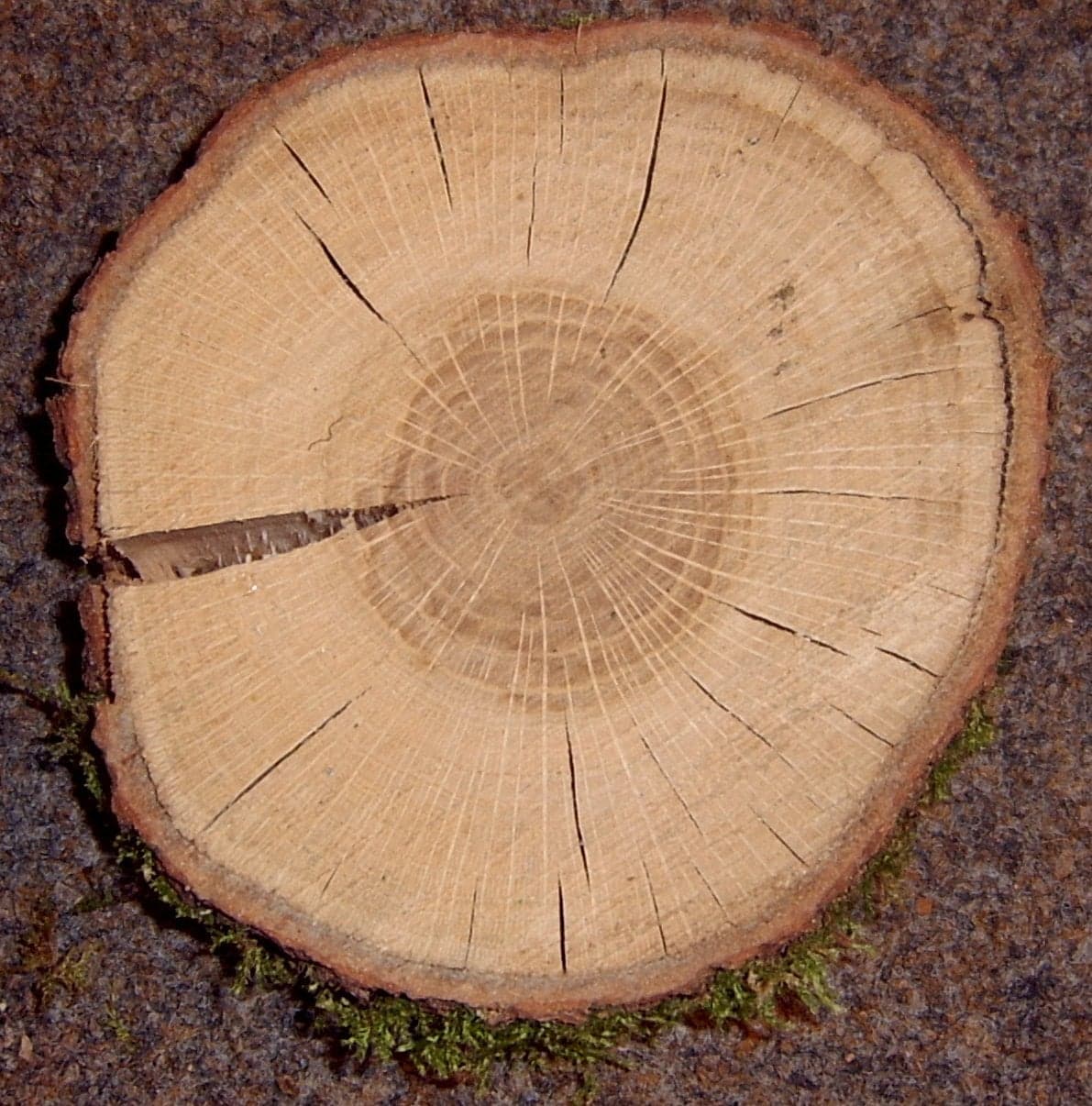
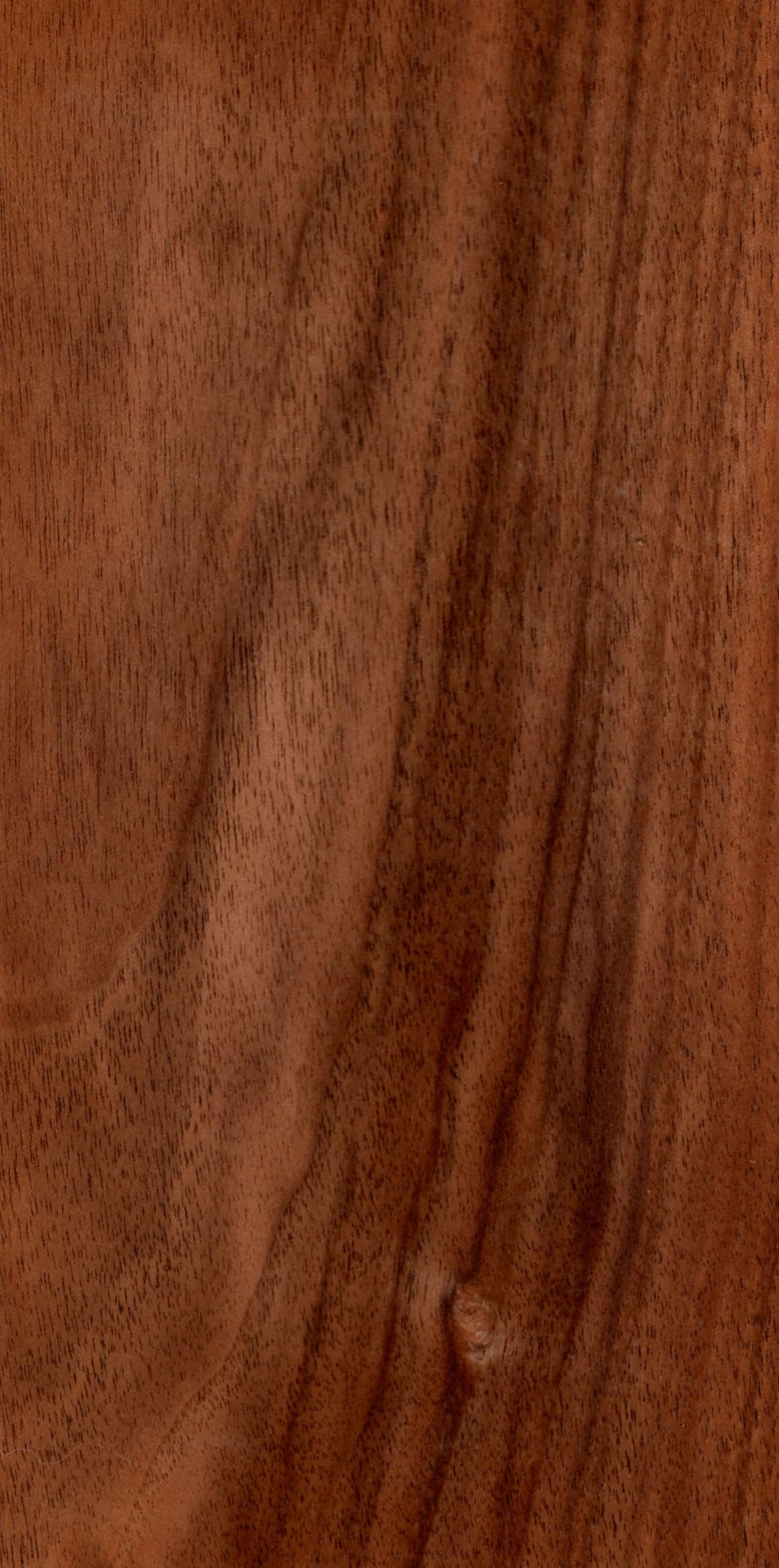
Momenteel is er geen European Beech. Deze houtsoorten zijn geschikt voor dezelfde projecten en zijn wel beschikbaar.
Bericht ontvangen over European Beech
We sturen u een e-mail wanneer nieuwe boomstambladen van European Beech bij KORENA binnenkomen. Elk stuk is uniek, dus tijdig bericht is belangrijk.
Uiterlijk van het hout
Hoe het eruitziet
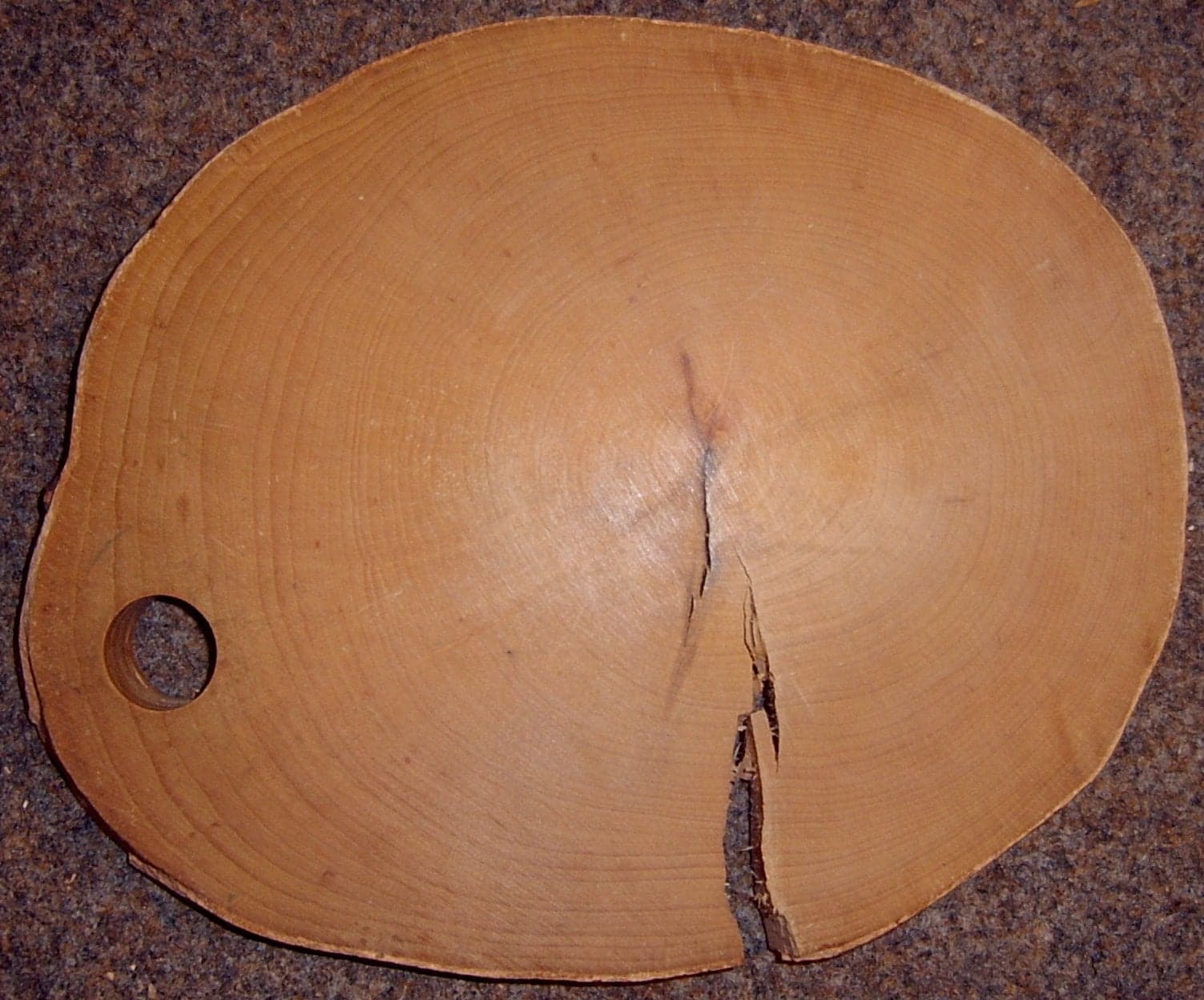
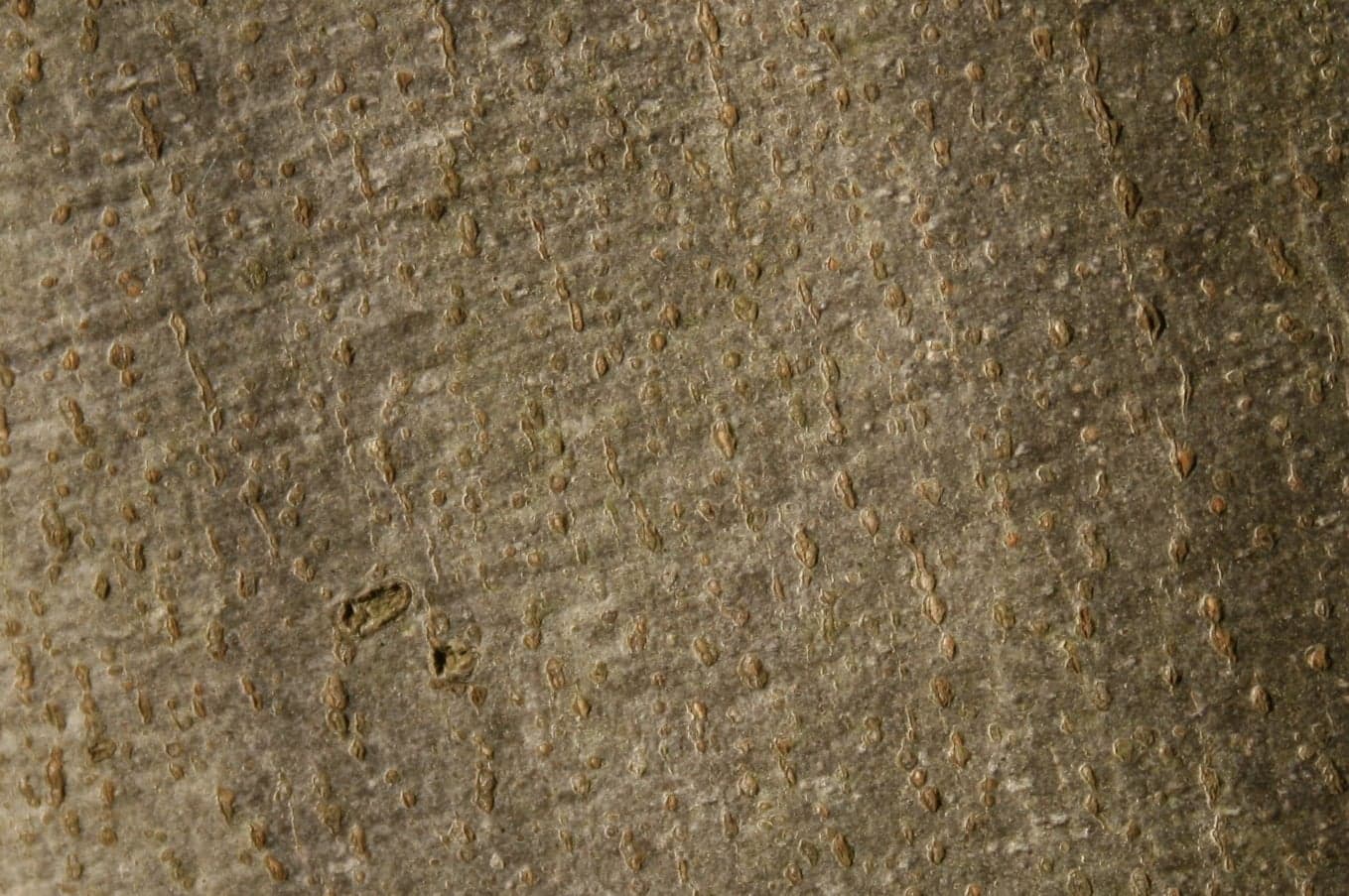
A clean, light surface in cream to pale pinkish-brown, often with a subtle salmon cast when freshly cut. Grain is straight; texture is fine and even with small, tight rays that show as faint flecks on the quarter. Steamed beech goes warmer and pinker, that familiar Thonet tone. Visually quiet rather than dramatic, which is why it pairs well with bolder species and finishes.
- Cream to pale pinkish-brown when air-dried
- Warmer salmon-pink tone after steaming
- Fine ray fleck on quarter-sawn faces
- Yellows gradually under UV exposure
- Cool, neutral surface under water-based finishes; warmer under oils
- Straight grain, fine even texture.
Bewerking
Bewerking
- Zagen · Zeer goedHoe zuiver het zaagt en hoe zwaar het zaagbladen belast.1 = moeilijk · 5 = uitstekend
- Schaven · Zeer goedHoe glad het geschaafde oppervlak wordt en hoeveel uitbreken er optreedt.1 = moeilijk · 5 = uitstekend
- Schuren · Zeer goedHoe snel het glad schuurt zonder het schuurpapier te verstoppen.1 = moeilijk · 5 = uitstekend
- Draaien · UitstekendHoe het zich op de draaibank laat snijden en afwerken.1 = moeilijk · 5 = uitstekend
- Snijden · Zeer goedHoe scherp details onder een guts blijven.1 = moeilijk · 5 = uitstekend
- Lijmen · Zeer goedHoe betrouwbaar lijmverbindingen houden.1 = moeilijk · 5 = uitstekend
- Houvast van schroef / spijker · GoedHoe goed het schroeven en spijkers vasthoudt zonder te splijten.1 = moeilijk · 5 = uitstekend
- Stoombuigen · UitstekendHoe goed het na stomen in gebogen vormen kan worden gebracht.1 = moeilijk · 5 = uitstekend
Works well across the bench. Saws, planes, and sands cleanly; turns and carves crisply. Glues reliably. Screws need pilot holes, it is dense and can split near edges. Where beech really earns its keep is steam bending: it is the benchmark species for it, and the reason Thonet's bentwood chairs are still made from it more than 150 years on.
Afwerking
Sands to a smooth, almost glassy surface and takes finishes evenly thanks to the fine texture. Stains apply uniformly without much blotching. Oils and hardwax oils keep the pale tone; water-based finishes hold the cool cast best, while oil-based products will warm it noticeably. Beech yellows over time under UV, worth flagging to clients who want it to stay pale.
Drogen
This is where beech demands respect. Volumetric shrinkage of 17–19% puts it among the more movement-prone European hardwoods, and the gap between radial and tangential shrinkage drives cupping and checking if it is rushed. Slow, controlled kiln schedules and proper acclimatisation in the workshop are non-negotiable. Once stable and used in interior conditions, it behaves, but it will react to swings in humidity, so avoid wide unbroken panels in rooms that are not climate-stable.
Hoeveel zal het werken?
Hout zwelt en krimpt over de breedte wanneer de lucht vochtiger en droger wordt. Schat de seizoenswerking van een blad van European Beech voordat u de bevestigingen ontwerpt.
Verwachte seizoenswerking
ongeveer 13,4 mm
Groot. Gebruik bladwervels of sleufbeugels, laat ruimte aan de uiteinden van eventuele kopregels en laat het boomstamblad vóór de montage acclimatiseren.
Lineair krimpmodel: breedte × (krimp ÷ 28 % vezelverzadiging) × seizoensverschil in vochtgehalte. Gebruikt 11,75 % tangentiële krimp voor European Beech. Dit is een planningsschatting, geen garantie.
Wat het kost
Wat hout van European Beech momenteel in Europa kost per kubieke meter, exclusief btw. Tik op een prijs voor de details.
- Topstammen op een veilingGeselecteerde stammen van hoge kwaliteit die op inschrijvingsveilingen worden verkocht, vooral aan fineerproducenten en meubelmakers. Uit zulke stammen worden boomstambladen gezaagd.De meeste prijzen liggen tussen € 135 en € 232.Gebaseerd op 55 prijzen uit 2 regio's.Meest recente gegevens: 24 sep 2026
- Gangbare stammenGrote hoeveelheden standaardrondhout die door boseigenaren en staatsbosbeheer worden verkocht, vooral voor de bouw en industrie.De meeste prijzen liggen tussen € 23 en € 112.Gebaseerd op 729 prijzen uit 9 regio's.Meest recente gegevens: 24 sep 2026
Topstammen op een veiling per land
- Oostenrijk · € 232 / m³Regio's: Austria30 prijzenMeest recente gegevens: 24 sep 2026
- Duitsland · € 135 / m³Regio's: Bavaria25 prijzenMeest recente gegevens: 24 sep 2026
Gangbare stammen per land
- Italië · € 87 / m³Regio's: Veneto162 prijzenMeest recente gegevens: 23 jul 2025
- Roemenië · € 72 / m³Regio's: Banat / Crișana, Moldavia (Romania), Transylvania en Wallachia489 prijzenMeest recente gegevens: 24 sep 2026
- Frankrijk · € 67 / m³Regio's: Bourgogne-Franche-Comté en Grand Est / Alsace30 prijzenMeest recente gegevens: 15 sep 2026
- Bulgarije · € 59 / m³Regio's: North-West Bulgaria en South-East Bulgaria48 prijzenMeest recente gegevens: 24 sep 2026
Waarom kost een boomstamblad meer?
Dit zijn prijzen voor onbewerkt hout. Een boomstamblad is de beste zaagsnede uit een stam, wordt minstens een jaar gedroogd en daarna stuk voor stuk gecontroleerd en opgemeten. Slechts een klein deel van elke stam wordt een boomstamblad.
Bron: KORENA Timber Index · Meest recente gegevens: 24 sep 2026
Bekijk alle regionale prijzenVeiligheid en herkomst
- Geteeld en geoogst in Europa.
- Status op de Rode Lijst van IUCN: de wereldwijde beoordeling van de beschermingsstatus van deze houtsoort.
Food-contact safe and a long-standing choice for chopping boards, butcher blocks, spoons, and kitchen utensils. The flip side: beech dust is a documented respiratory sensitiser and is classified by IARC as a Group 1 hardwood dust. Use proper extraction, a fitted P3/FFP3 mask, and keep the shop clean, especially during sanding.
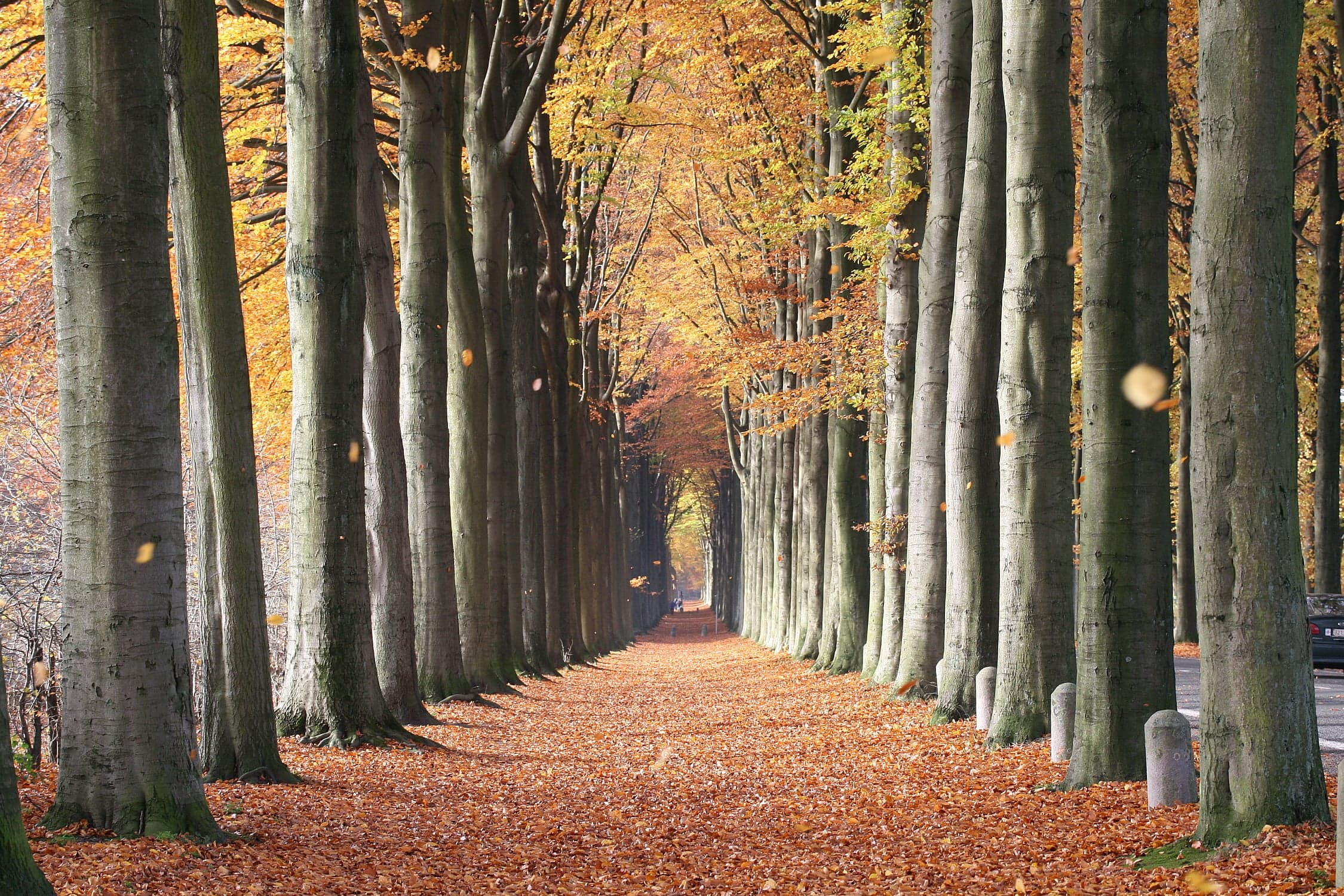
Native across most of Europe, from southern Sweden down to the Balkans, with strong supply from Germany, Romania, France, and the Carpathians. One of the most plentiful hardwoods on the continent, which keeps pricing honest and stock predictable.
IUCN Least Concern, no CITES listing, and managed under long-established European forestry regimes. Broad native range means short supply chains within the EU and lower transport footprint than imported pale hardwoods. Decay class 5, perishable, so this is an interior-only timber; do not specify it for anything that will see weather or ground contact.
Lees de volledige gidsUitgebreide informatie over tekening, kleurverandering, bewerking en stabiliteit.
What European Beech actually is#
Fagus sylvatica is the workshop timber of Europe. It is dense at 710 kg per cubic metre, hard at 6,460 N, stiff at 13.0 GPa, fine textured, straight grained, cheap and everywhere.
It is also, by the numbers, the least dimensionally stable wood in this catalogue. Volumetric shrinkage of 17.0 percent ties it with hornbeam for the highest figure here, and its tangential to radial differential of 11.0 against 5.0 percent is the widest of any species listed.
Both facts are true at once, and understanding how they coexist is the whole of working with beech well.
The bending wood#
Fine even texture, straight grain and high stiffness are exactly the properties that make a timber bend rather than break.
Under steam, beech compresses on the inside of a curve without buckling and stretches on the outside without splitting, more reliably than oak or ash. Michael Thonet built an entire furniture industry on that single property in the nineteenth century, and the bentwood chair remains the most produced furniture design in history.
If a project involves a curve, beech is the first thing to reach for in this catalogue.
The movement problem#
The same responsiveness that lets beech bend makes it react to humidity.
At 11.0 percent tangential against 5.0 percent radial, a wide flatsawn beech board will cup hard as a room dries out. In a modern interior with underfloor heating and winter humidity dropping below 30 percent, a beech tabletop that was flat in September will not be flat in February.
This is not a defect and it is not avoidable by better drying. It is what the species does.
The practical consequences are specific. Beech is excellent where movement is either restrained or irrelevant: bent components, chair frames, workshop benches and jigs, tool handles, drawer sides, and laminated or engineered constructions. It is a poor choice for a wide solid top in an uncontrolled environment, which is precisely the application people most often want a slab for.
If you do build a wide beech top, quartersawn stock roughly halves the across width movement, and the top must float on slotted fasteners rather than being fixed.
Steamed and unsteamed#
Most European commercial beech is steamed during drying. This evens the colour to a warm pink brown and relieves some drying stress.
Unsteamed beech is paler, closer to cream, and more variable in tone. Both are the same species and the colour difference is permanent, so match your stock at the outset rather than hoping to blend later.
At the bench#
Beech is straightforward and rewarding. It machines cleanly thanks to the fine even texture, turns very well, glues reliably and takes fastenings securely.
At 6,460 N it blunts tooling at a decent rate but nothing exceptional. It sands to a fine surface and takes finish evenly, without the blotching that troubles pale softwoods, because the density is uniform.
The fine texture also means it holds a crisp edge and a clean profile, which is why it is a standard for moulding planes, tool bodies and machine parts.
Kitchen use#
Beech is rated food safe and its closed fine texture is easier to keep clean than open pored oak, which is why it has been the traditional butcher block and worktop timber.
The movement caveat applies with force in a kitchen, where wet and dry cycling is constant. Keep it oiled, never leave standing water on it, and accept more seasonal change than hard maple would give.
Where beech is the right answer#
Steam bent work above all, plus chair frames, workshop benches and fixtures, tool handles, drawer sides, turned work, kitchen worktops and butcher blocks.
It is the wrong answer for a wide solid top in a variable environment, and wrong outdoors in any form, being decay class 5 and highly attractive to furniture beetle.
Sourcing and EUDR#
Not CITES listed and assessed as Least Concern. Beech is one of the most abundant hardwoods in Europe with mature certified supply across Germany, France, Austria and eastern Europe, and it is among the cheapest and best documented hardwoods available.
Vragen van kopers
Vragen van kopers
Why does beech move so much?
Volumetric shrinkage of 17.0 percent is the joint highest in this catalogue, and tangential shrinkage of 11.0 percent against 5.0 percent radial is a differential of better than two to one. That combination makes beech notoriously unstable in changing humidity. It is why beech is superb for steam bent chair parts and workshop fixtures in a controlled environment, and a poor choice for a wide tabletop in a room with underfloor heating.
Why is beech the classic steam bending wood?
Fine even texture, straight grain and high stiffness at 13.0 GPa let it compress on the inside of a bend without buckling and stretch on the outside without splitting. Thonet built an entire furniture industry on that property. It bends more reliably than oak or ash and holds the curve once dry.
Is beech good for kitchen worktops and chopping boards?
It is rated food safe and its fine closed texture is easier to keep clean than open pored oak, which is why it is traditional for butcher blocks and worktops. The caveat is movement: beech responds strongly to the wet and dry cycling a kitchen imposes. Keep it oiled, avoid standing water, and expect more seasonal change than in maple.
What is steamed beech and how is it different?
Beech that has been steamed during drying, which evens the colour to a warm pink brown and relieves some drying stress. Unsteamed beech is paler and more variable. Steamed stock is the European commercial standard and is generally more predictable to work; the colour difference is permanent.
Can beech be used outdoors?
No. It is rated decay class 5, perishable, and it is also highly attractive to furniture beetle. Beech is strictly an interior timber and even indoors it should not stay damp. For exterior work use oak, sweet chestnut or robinia.
Mechanische eigenschappen
Technische gegevens
Gepubliceerde referentiewaarden. Als bronnen uiteenlopen, wordt het bereik getoond en wordt de gebruikelijke waarde gebruikt voor de bovenstaande schalen.
| Dichtheid (kg/m³)Massa per kubieke meter bij ongeveer 12 % vochtgehalte. Zwaarder hout is meestal harder en sterker. | 680–780 kg/m³gebruikelijk 710 kg/m³ |
|---|---|
| Janka-hardheid (N)De kracht die nodig is om een stalen kogel tot de helft in het hout te drukken. Dit is de standaardmaat voor weerstand tegen deuken. | 6,000–6,900 Ngebruikelijk 6.460 N |
| MOR: breukmodulus (MPa)Buigsterkte: de belasting waarbij een balk breekt. | 100–130 MPa |
| MOE: elasticiteitsmodulus (GPa)Buigstijfheid: hoeveel een plank of blad onder belasting doorbuigt. | 13.0–15.0 GPa |
| Radiale krimpKrimp dwars op de groeiringen, van vers tot ovendroog. Kwartiers gezaagde planken werken volgens deze waarde. | 5.0–6.5 % |
| Tangentiële krimpKrimp langs de groeiringen. Dosse gezaagde planken en de meeste boomstambladen werken volgens deze waarde. | 11.0–12.5 % |
| Volumetrische krimpTotale volumeverandering van vers tot ovendroog. Een lagere waarde betekent stabieler hout. | 17.0–19.0 % |
| Natuurlijke duurzaamheid (EN 350)Europese norm voor natuurlijke weerstand tegen aantasting, van 1 (zeer duurzaam) tot 5 (niet duurzaam). | Class 5 — Perishable |
Bronnen
- The Wood Database(geraadpleegd op 2026-05-09)
- USDA FPL Wood Handbook FPL-GTR-190 (2010)(geraadpleegd op 2026-05-09)
- Meier, E. — WOOD! Identifying and Using Hundreds of Woods Worldwide (2015)(geraadpleegd op 2026-05-09)