Tilia cordata
Small-leaved Lime
The carving wood of Europe since the Gothic period. Uniform to the point of having no character at all, which is exactly the point.
- Geteeld en geoogst in Europa.
- Botanische groep. Naaldhout komt van coniferen en loofhout van loofbomen.
- De botanische familie waartoe de houtsoort behoort.
Ontvang bericht zodra het binnenkomtReferentiehoutsoort. Momenteel geen stukken op voorraad.
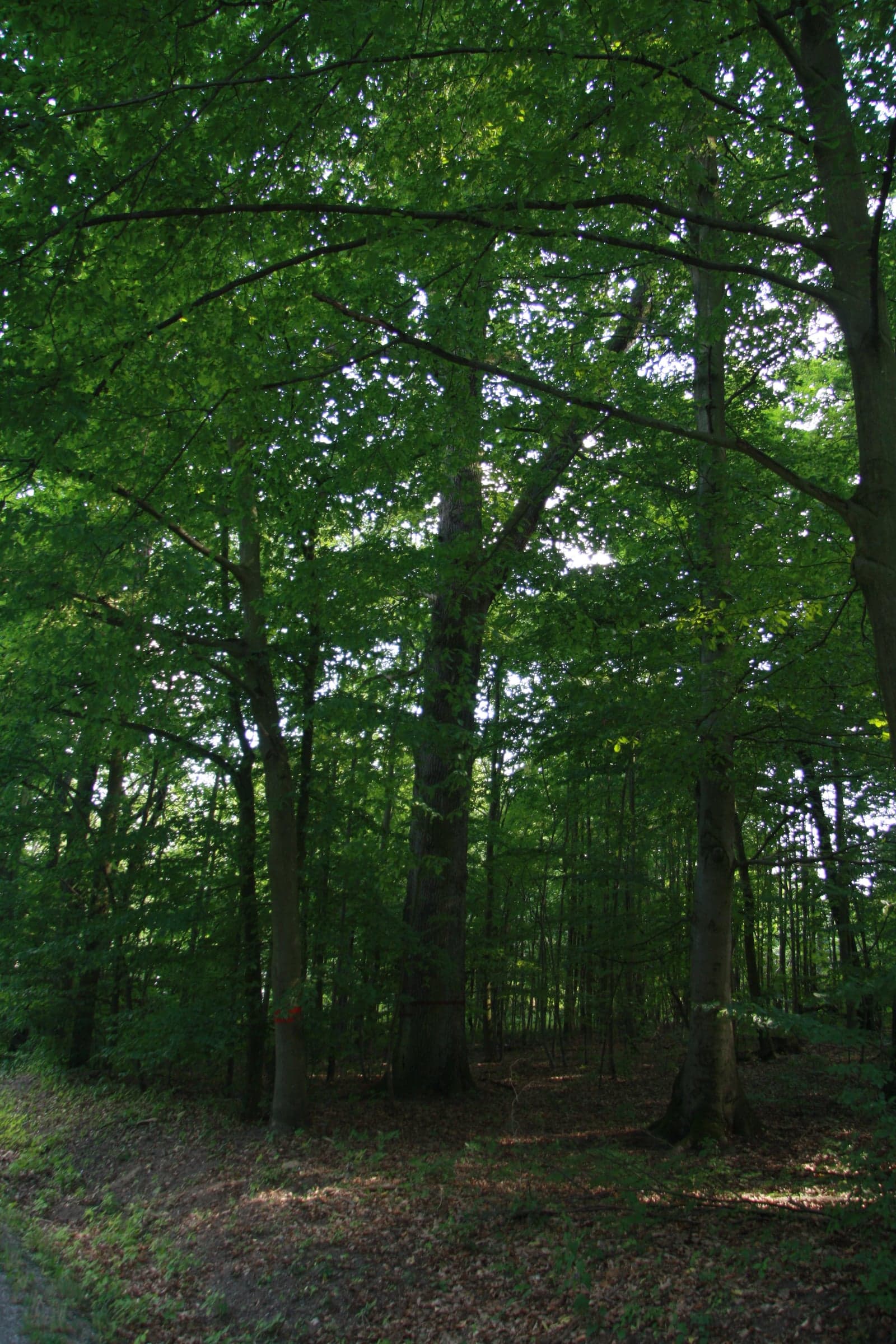
In het kort
De niveaus gebruiken vaste schalen voor elke houtsoort die KORENA aanbiedt, zodat u ze rechtstreeks kunt vergelijken. Onder elk niveau staat de gemeten waarde.HardheidWeerstand tegen deuken en slijtageVrij zacht
Janka-hardheid 3.100 N
38 % zachter dan Europese eik
GewichtHoe zwaar een boomstamblad is om op te tillenLicht
535 kg/m³
StabiliteitHoe weinig het hout met de seizoenen werktGemiddeld
12,0 % volumetrische krimp
BewerkingZagen, schaven, schuren en lijmenGemiddeld
3,9 / 5 gemiddeld bij bewerking
BuitengebruikNatuurlijke weerstand tegen aantasting, EN 350Alleen binnen
EN 350-klasse 5
Is dit geschikt voor uw project?
Zeer geschikt voor
- Carving and sculpture
- Musical instrument parts
- Pattern making
- Painted furniture
- Turned work
Let op
- Niet voor onbehandeld buitengebruikDe natuurlijke duurzaamheid is klasse 5 van 5 volgens EN 350. Gebruik het binnen of houd de afwerklaag buiten goed bij.
Tik op een label voor de details.
Geen Small-leaved Lime in de huidige uitgifte
Vergelijkbare houtsoorten op voorraad
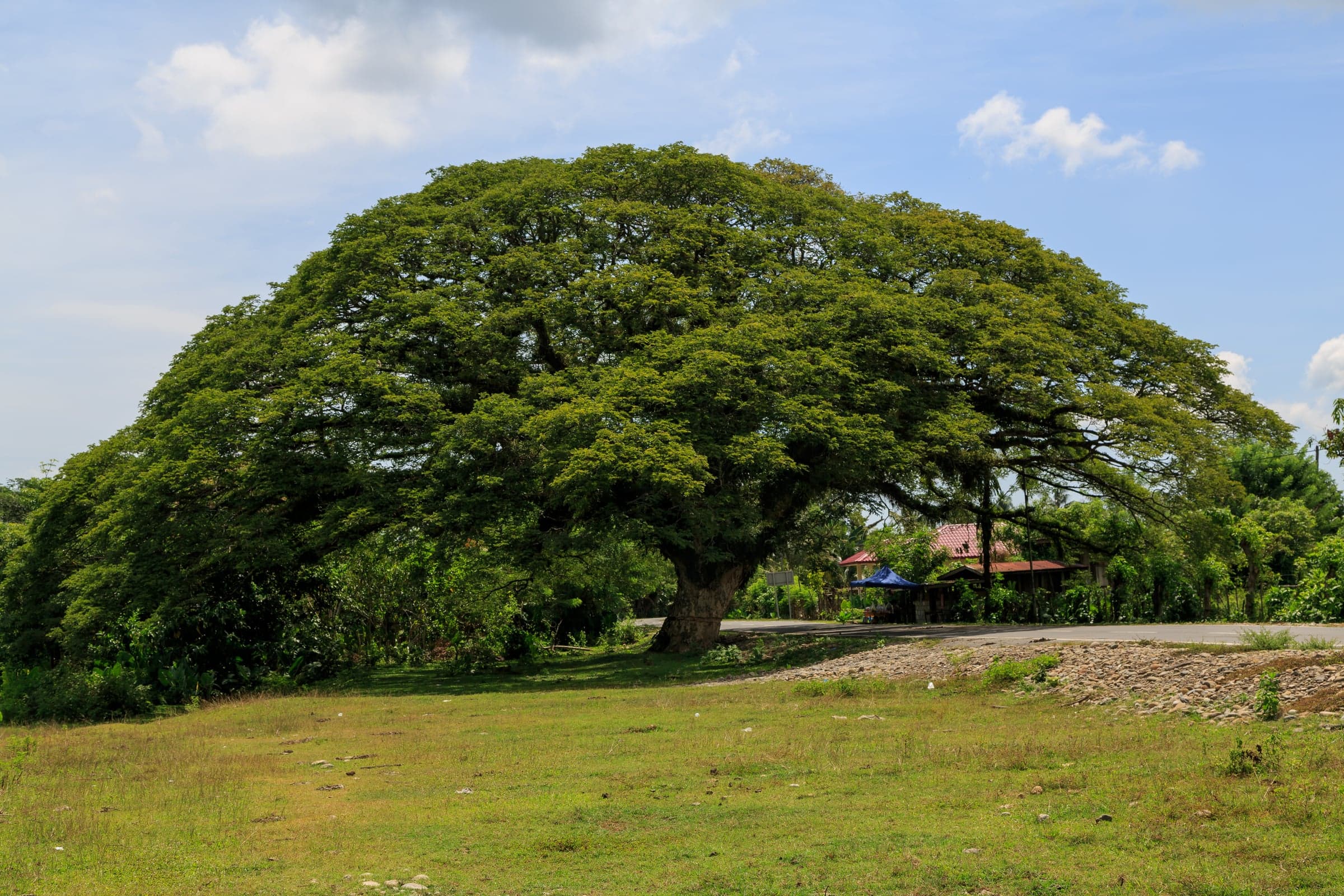
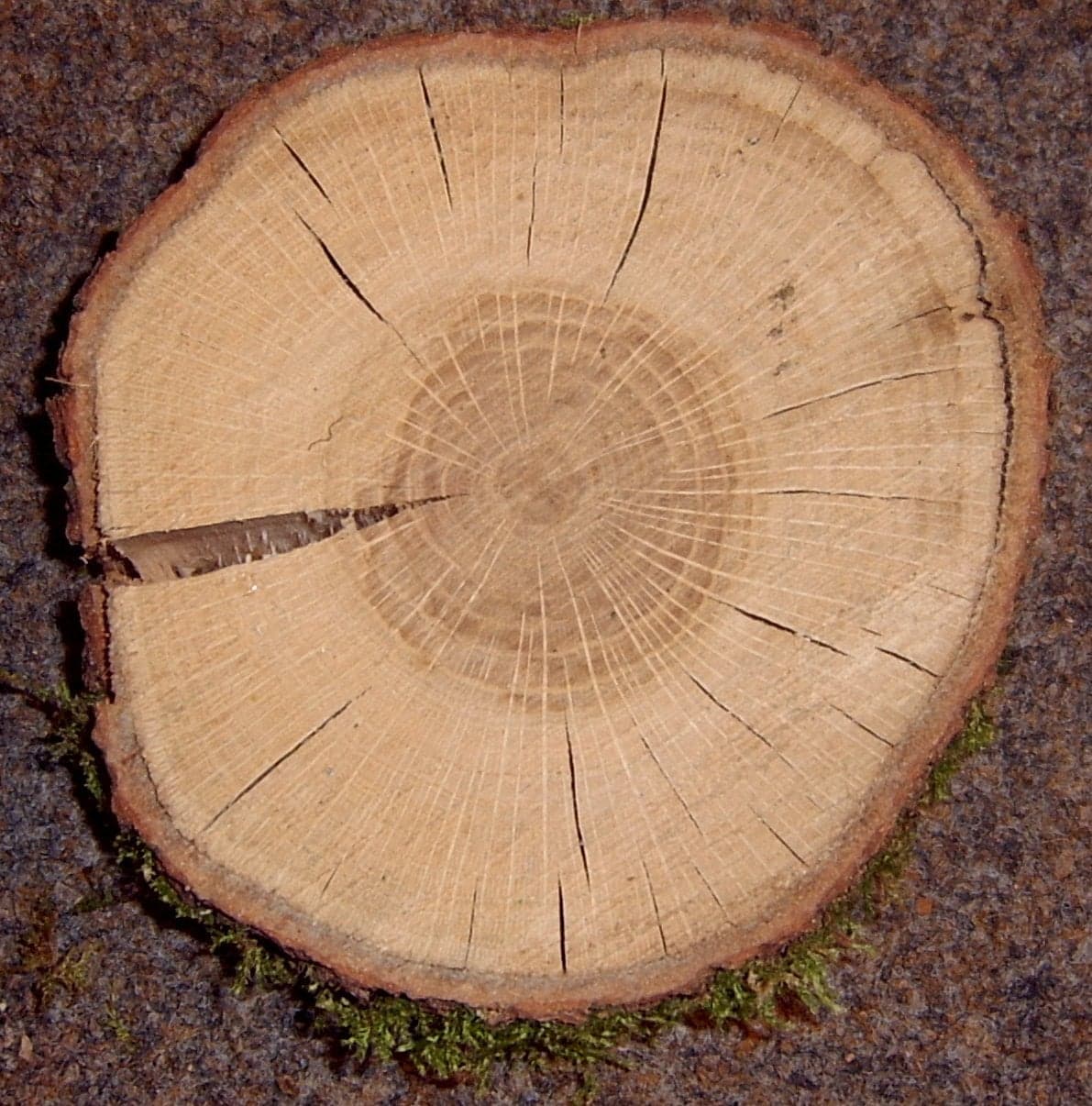
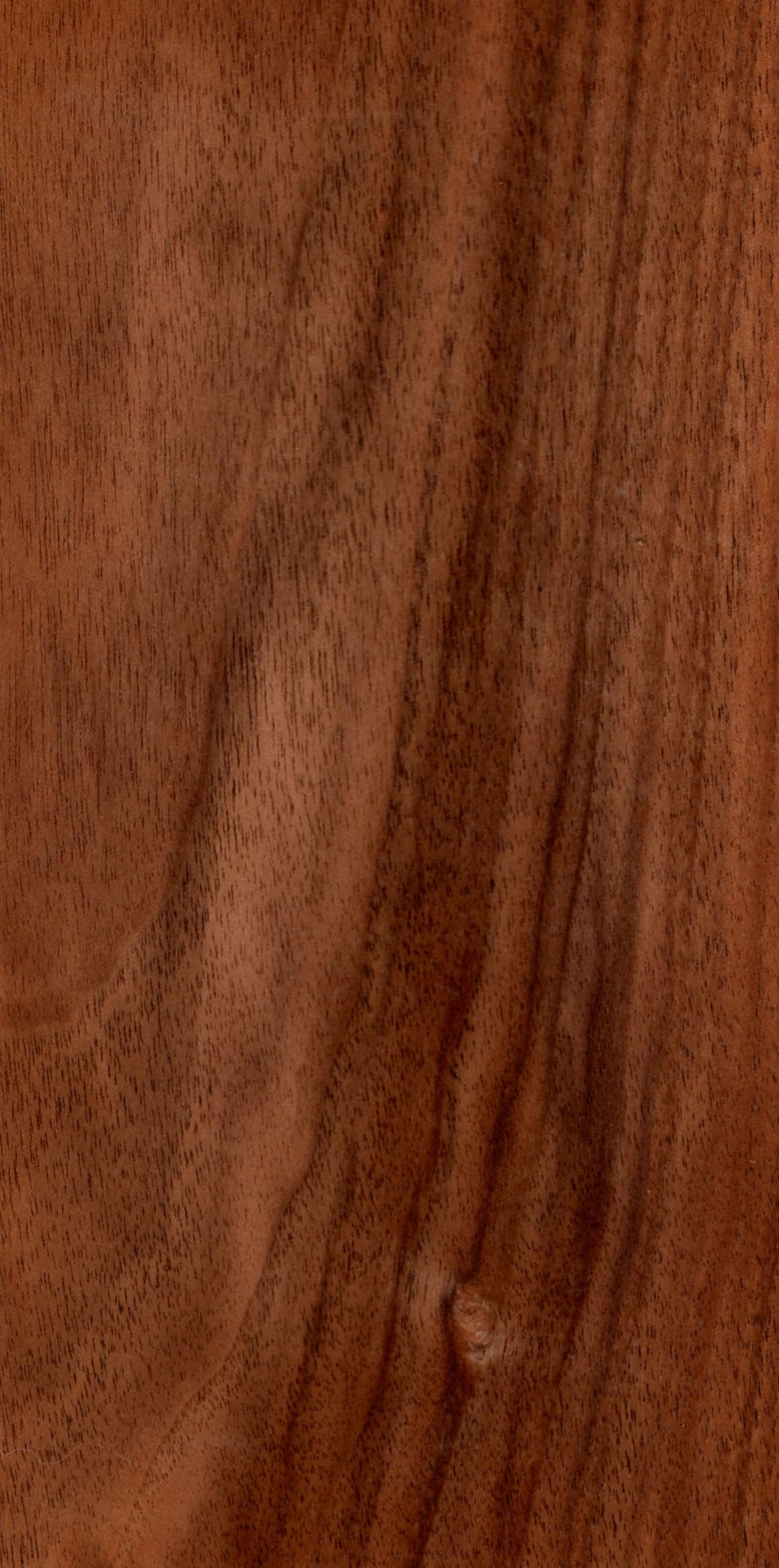
Momenteel is er geen Small-leaved Lime. Deze houtsoorten zijn geschikt voor dezelfde projecten en zijn wel beschikbaar.
Bericht ontvangen over Small-leaved Lime
We sturen u een e-mail wanneer nieuwe boomstambladen van Small-leaved Lime bij KORENA binnenkomen. Elk stuk is uniek, dus tijdig bericht is belangrijk.
Uiterlijk van het hout
Hoe het eruitziet
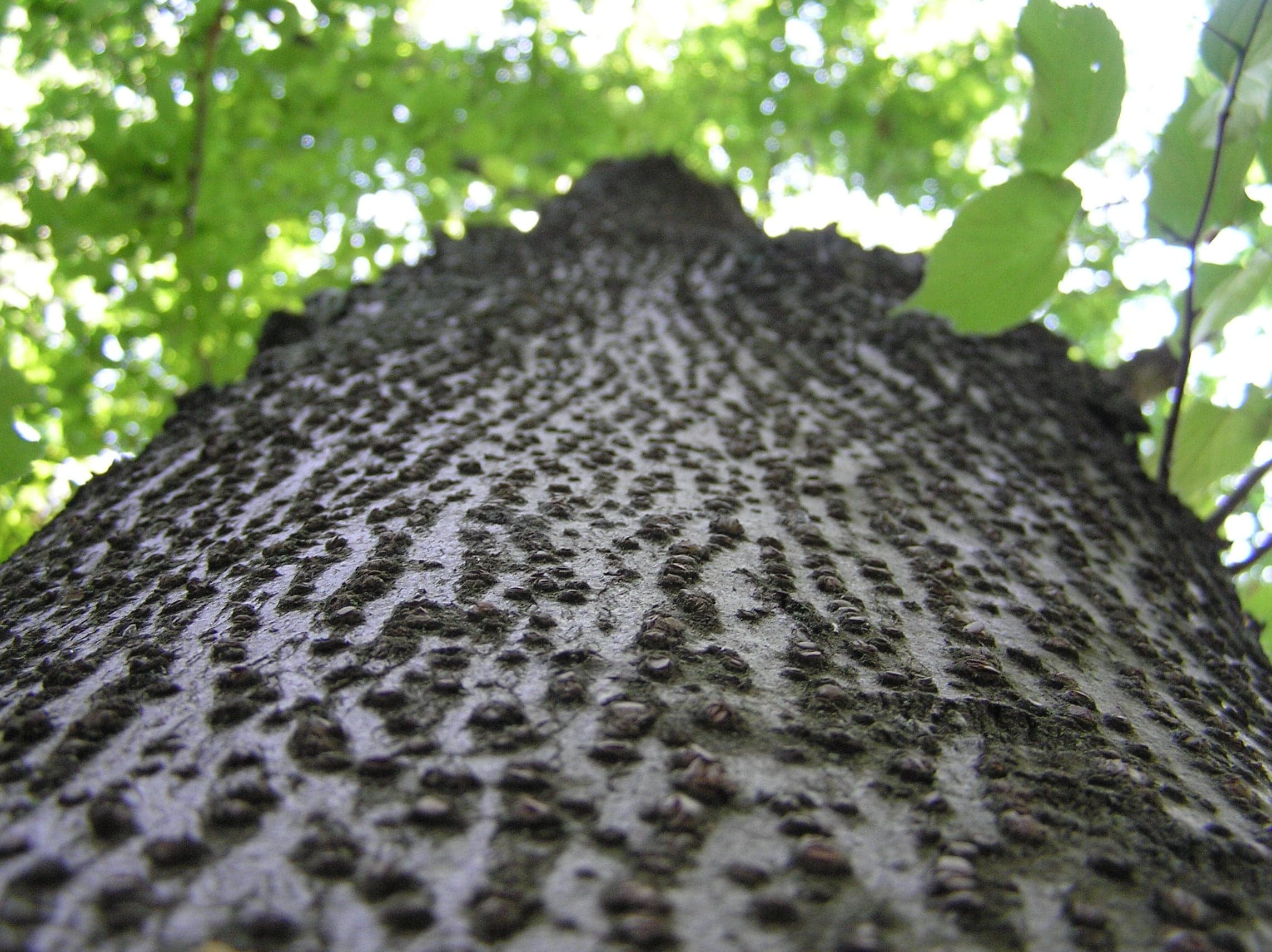
Pale creamy white to very light brown, sometimes with a faint pinkish or greenish tinge, and almost no figure at all. The texture is exceptionally fine, even and uniform, with no perceptible difference between earlywood and latewood. That uniformity, combined with moderate softness, is what makes it the carving wood of Europe and has done since the Gothic period.
- Creamy white to very light brown
- Occasional faint pink or green tinge
- Exceptionally uniform texture with essentially no figure
- Straight grain with exceptionally fine, uniform texture and no perceptible difference between earlywood and latewood. Creamy white to very light brown.
Bewerking
Bewerking
- Zagen · Zeer goedHoe zuiver het zaagt en hoe zwaar het zaagbladen belast.1 = moeilijk · 5 = uitstekend
- Schaven · GoedHoe glad het geschaafde oppervlak wordt en hoeveel uitbreken er optreedt.1 = moeilijk · 5 = uitstekend
- Schuren · Zeer goedHoe snel het glad schuurt zonder het schuurpapier te verstoppen.1 = moeilijk · 5 = uitstekend
- Draaien · Zeer goedHoe het zich op de draaibank laat snijden en afwerken.1 = moeilijk · 5 = uitstekend
- Snijden · UitstekendHoe scherp details onder een guts blijven.1 = moeilijk · 5 = uitstekend
- Lijmen · Zeer goedHoe betrouwbaar lijmverbindingen houden.1 = moeilijk · 5 = uitstekend
- Houvast van schroef / spijker · GoedHoe goed het schroeven en spijkers vasthoudt zonder te splijten.1 = moeilijk · 5 = uitstekend
- Stoombuigen · GoedHoe goed het na stomen in gebogen vormen kan worden gebracht.1 = moeilijk · 5 = uitstekend
Easy to work, being soft and light, though sharp cutters are needed during planing to prevent fuzzy surfaces in the same way poplar demands them. It is described in the cited source as one of the most suitable wood species for hand carving, and that is its defining property: the fine uniform texture takes a cut in any direction and holds a crisp edge on fine detail that no other European species matches.
Afwerking
Takes paint and gilding exceptionally well, which is the historical treatment for carved limewood altarpieces and frames. Under a clear finish the pale colour is quiet and slightly waxy in appearance. It blotches badly under pigment stain given the uniform absorbency, so a dye or a clear finish is much safer. Carved work is often left bare or waxed so the tool marks read.
Drogen
Dries fairly readily with a moderate tendency to distort. Volumetric shrinkage of 12.0 percent is unremarkable, and the tangential to radial ratio of 7.5 against 5.0 percent is one of the narrower ratios in this catalogue, which means flatsawn boards cup less than most. That relative stability is part of why it suits pattern making, where dimensional reliability matters.
Hoeveel zal het werken?
Hout zwelt en krimpt over de breedte wanneer de lucht vochtiger en droger wordt. Schat de seizoenswerking van een blad van Small-leaved Lime voordat u de bevestigingen ontwerpt.
Verwachte seizoenswerking
ongeveer 8,6 mm
Bevestig het blad met bladwervels of sleufbeugels, niet met lijm of strak aangedraaide schroeven.
Lineair krimpmodel: breedte × (krimp ÷ 28 % vezelverzadiging) × seizoensverschil in vochtgehalte. Gebruikt 7,5 % tangentiële krimp voor Small-leaved Lime. Dit is een planningsschatting, geen garantie.
Wat het kost
Wat hout van Small-leaved Lime momenteel in Europa kost per kubieke meter, exclusief btw. Tik op een prijs voor de details.
- Topstammen op een veilingGeselecteerde stammen van hoge kwaliteit die op inschrijvingsveilingen worden verkocht, vooral aan fineerproducenten en meubelmakers. Uit zulke stammen worden boomstambladen gezaagd.De meeste prijzen liggen tussen € 96 en € 145.Gebaseerd op 71 prijzen uit 2 regio's.Meest recente gegevens: 21 sep 2026
- Gangbare stammenGrote hoeveelheden standaardrondhout die door boseigenaren en staatsbosbeheer worden verkocht, vooral voor de bouw en industrie.De meeste prijzen liggen tussen € 24 en € 66.Gebaseerd op 33 prijzen uit 1 regio.Meest recente gegevens: 24 aug 2026
Topstammen op een veiling per land
- Oostenrijk · € 145 / m³Regio's: Austria27 prijzenMeest recente gegevens: 21 sep 2026
- Duitsland · € 104 / m³Regio's: Bavaria44 prijzenMeest recente gegevens: 21 sep 2026
Waarom kost een boomstamblad meer?
Dit zijn prijzen voor onbewerkt hout. Een boomstamblad is de beste zaagsnede uit een stam, wordt minstens een jaar gedroogd en daarna stuk voor stuk gecontroleerd en opgemeten. Slechts een klein deel van elke stam wordt een boomstamblad.
Bron: KORENA Timber Index · Meest recente gegevens: 21 sep 2026
Bekijk alle regionale prijzenVeiligheid en herkomst
- Geteeld en geoogst in Europa.
Besides the standard health risks associated with any wood dust, no further health reactions are associated with European Lime in the source cited here. It is one of the least irritating woods in this catalogue to work, which is another reason it suits long carving sessions.
Tilia cordata grows across Europe from Britain to the Urals and is a common street and park tree as well as a forest species. Commercial supply comes largely from central and eastern European forestry. In the trade it is sold as lime in Britain, linden in continental Europe and basswood in North America, where the related Tilia americana takes the same role.
Not listed in the CITES Appendices, and reported by the source KORENA cites as not assessed on the IUCN Red List, so no IUCN status is displayed rather than one being assumed. It is common and widely distributed across Europe with no supply concerns, and documentation for EUDR purposes is straightforward.
Lees de volledige gidsUitgebreide informatie over tekening, kleurverandering, bewerking en stabiliteit.
What Small-leaved Lime actually is#
Tilia cordata grows from Britain to the Urals, as a forest tree and as one of the most planted street and park trees in Europe. In the timber trade it is lime in Britain, linden across continental Europe, and its close North American relative Tilia americana is basswood. Carvers treat all of them as the same material.
It has been the carving wood of Europe since the Gothic period. Limewood altarpieces, choir stalls and picture frames survive across the continent, and the reason they were carved in this species rather than oak is not that it was cheaper or more available. It is that lime does something no other European timber does.
The uniformity, which is the whole point#
Most woods have structure. Oak has coarse open pores and hard latewood bands. Spruce has soft earlywood and hard latewood in obvious alternation. Even a fine textured wood like birch has some directional character.
Lime has essentially none. The texture is exceptionally fine and completely uniform, with no perceptible difference between earlywood and latewood.
The consequence at the tool is that a cut behaves identically in any direction through the wood. There is no hard band waiting to deflect a gouge, no soft zone that crumbles under fine detail. An undercut, a pierced section, a face carved across the grain: all of them hold a crisp edge.
That is the property that made Tilman Riemenschneider's work possible, and it is unchanged today. The cited source describes lime as one of the most suitable wood species for hand carving, which understates it. For fine detail there is no European alternative.
A note on the property figures#
The density, hardness and strength figures on the species record are labelled as coming from European Lime, Tilia x europaea, rather than from Tilia cordata specifically.
Tilia x europaea is the natural hybrid of T. platyphyllos and T. cordata. It shares the trade name, it is not separated from its parent species in commerce, and the woods are effectively interchangeable at the bench. Using its measurements for T. cordata is reasonable. Presenting them as though they were measured on T. cordata would not be, so the source is labelled for what it is.
Reading a lime slab#
There is deliberately little to read. Colour runs creamy white to very light brown, occasionally with a faint pink or green tinge. Figure is close to absent.
For carving stock, what matters is not appearance but clear working volume: an absence of knots, no shake, and consistent moisture through the thickness. A large clean block is worth considerably more than a figured one, which is the opposite of how most of this catalogue is priced.
At the bench#
It is soft and light and cuts easily. It shares one requirement with poplar: sharp cutters when planing, or the long soft fibres drag and leave a fuzzy surface. A keen edge and a light cut solve it entirely.
It turns well, holds fine detail in turning as it does in carving, and glues without difficulty.
At 3,100 N Janka it is soft, roughly level with European Larch. That softness is a feature in a carved panel and a liability in anything handled. A limewood wall panel lasts centuries; a limewood tabletop marks in the first week.
Drying and movement#
It dries fairly readily with a moderate tendency to distort.
The interesting figure is the ratio rather than the total. Volumetric shrinkage of 12.0 percent is unremarkable, but tangential at 7.5 percent against radial at 5.0 percent is one of the narrower ratios in this catalogue. Cupping is driven by that differential, so flatsawn lime stays flatter than flatsawn oak or maritime pine.
That relative dimensional reliability is part of why lime became the standard pattern making timber as well as the standard carving one.
Finishing#
Paint and gilding are the historical treatments, and lime takes both exceptionally. The fine uniform surface needs almost no preparation and holds gesso and gold leaf cleanly, which is why so much European gilded carving is limewood underneath.
Carved work is often simply waxed or left bare so the tool marks read as intended.
Pigment stain is the thing to avoid. The uniform absorbency that makes the wood carve well makes it take pigment patchily, and the result is blotchy. Use a dye, or seal with a thin shellac washcoat first.
Where Small-leaved Lime is the right answer#
Carving and sculpture above everything else. Also musical instrument parts, pattern making, turned work, and painted or gilded furniture.
It is the wrong answer for any work surface, for structural use, and for anything outdoors, being rated non-durable.
Sourcing and EUDR#
Not listed in the CITES Appendices, and reported by the cited source as not assessed on the IUCN Red List, so no status is shown rather than one assumed. The species is common and widely distributed across Europe with no supply constraint, and documentation for EUDR purposes is straightforward.
Vragen van kopers
Vragen van kopers
Why is lime the traditional carving wood?
Because its texture is exceptionally fine and completely uniform, with no perceptible difference between earlywood and latewood. That means a cut behaves the same in any direction through the wood, so fine detail holds a crisp edge instead of crumbling where the tool crosses a hard band. It is soft enough to cut comfortably for hours and stable enough that carved detail does not move afterwards. European altarpieces and frames have been carved in it since the Gothic period.
Are the listed properties measured on Tilia cordata specifically?
No, and KORENA records that on the species page. The cited figures come from European Lime, Tilia x europaea, which is the natural hybrid of T. platyphyllos and T. cordata and shares the same trade name. The two are not separated in commerce and the woods are effectively interchangeable, but the source is labelled honestly rather than presented as a T. cordata specific measurement.
Is lime the same as basswood?
Not the same species, but the same role. Basswood is Tilia americana, the North American member of the same genus, and it is used for identical purposes. Lime, linden and basswood are regional names for closely related woods that carvers treat as equivalent. European lime is generally slightly denser and harder than American basswood.
How hard is it compared with other carving woods?
At 3,100 N Janka it is soft, roughly level with European Larch and well below oak at 4,980 N. That softness is a feature for carving and a liability for anything that gets handled. A carved limewood panel on a wall lasts indefinitely; a limewood tabletop marks the first week.
Why does my lime look blotchy after staining?
The uniform texture that makes it carve well also makes it absorb stain very evenly in some areas and greedily in others where the grain rises, producing patchy colour. Use a dye rather than a pigment stain, or seal first with a thin shellac washcoat. Most carved limewood is painted, gilded, waxed or left bare rather than stained, which is a reasonable clue.
Mechanische eigenschappen
Technische gegevens
Gepubliceerde referentiewaarden. Als bronnen uiteenlopen, wordt het bereik getoond en wordt de gebruikelijke waarde gebruikt voor de bovenstaande schalen.
| Dichtheid (kg/m³)Massa per kubieke meter bij ongeveer 12 % vochtgehalte. Zwaarder hout is meestal harder en sterker. | 535 kg/m³ |
|---|---|
| Janka-hardheid (N)De kracht die nodig is om een stalen kogel tot de helft in het hout te drukken. Dit is de standaardmaat voor weerstand tegen deuken. | 3,100 N |
| MOR: breukmodulus (MPa)Buigsterkte: de belasting waarbij een balk breekt. | 85 MPa |
| MOE: elasticiteitsmodulus (GPa)Buigstijfheid: hoeveel een plank of blad onder belasting doorbuigt. | 11.7 GPa |
| Radiale krimpKrimp dwars op de groeiringen, van vers tot ovendroog. Kwartiers gezaagde planken werken volgens deze waarde. | 5.0 % |
| Tangentiële krimpKrimp langs de groeiringen. Dosse gezaagde planken en de meeste boomstambladen werken volgens deze waarde. | 7.5 % |
| Volumetrische krimpTotale volumeverandering van vers tot ovendroog. Een lagere waarde betekent stabieler hout. | 12.0 % |
| Natuurlijke duurzaamheid (EN 350)Europese norm voor natuurlijke weerstand tegen aantasting, van 1 (zeer duurzaam) tot 5 (niet duurzaam). | Class 5 — Perishable |
Bronnen
- The Wood Database — European Lime (Tilia x europaea), the T. platyphyllos x T. cordata hybrid traded interchangeably with T. cordata.(geraadpleegd op 2026-08-12)
- Meier, E. — WOOD! Identifying and Using Hundreds of Woods Worldwide (2015)(geraadpleegd op 2026-08-12)