Platanus × acerifolia
Ahornblättrige Platane
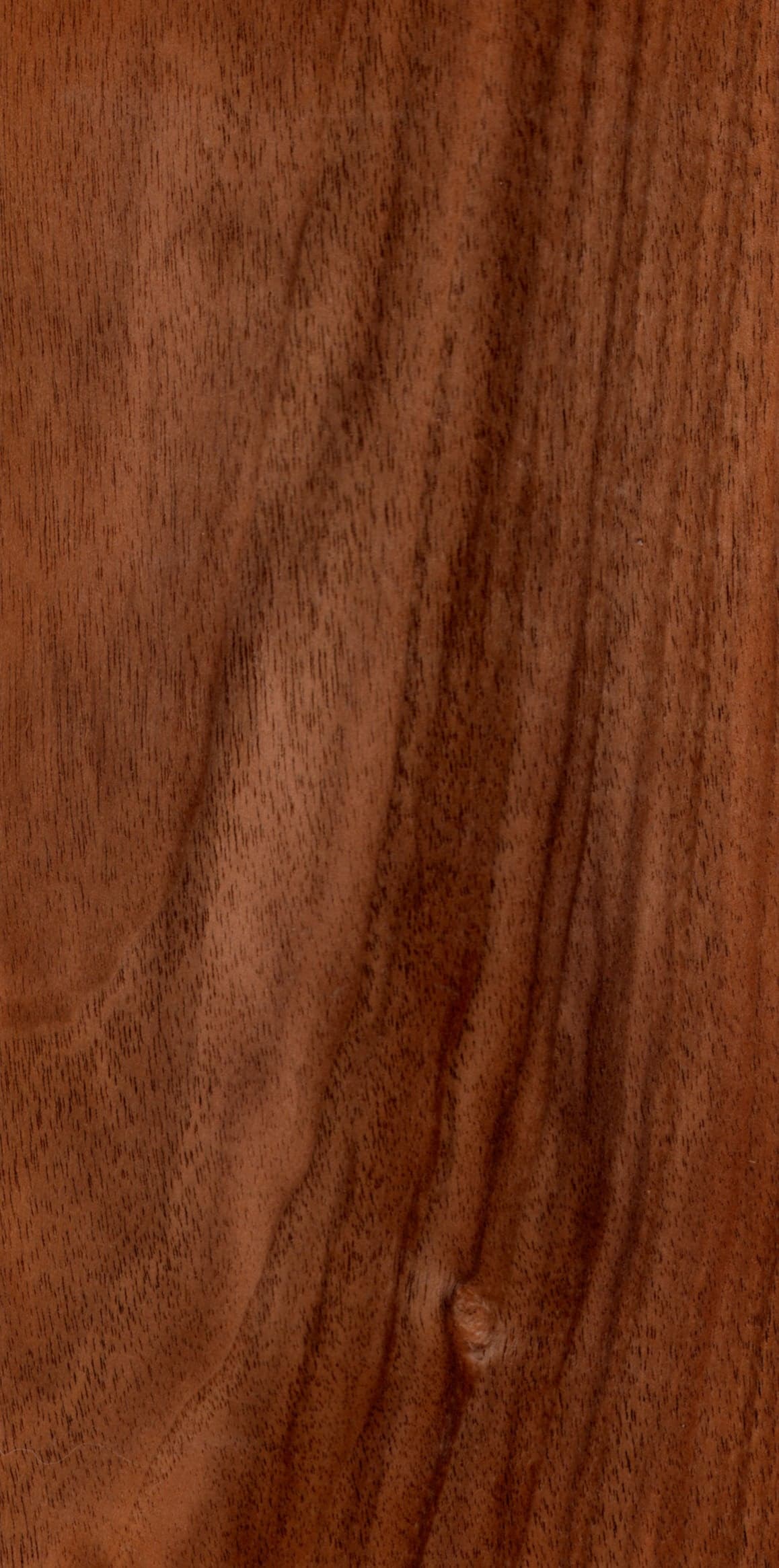
Quartersawn London Plane reveals lacewood: large medullary rays catch the light in dense, scaly flecks. The slab's signature, and its whole reason for being on this list.
- This species is recorded as commercially grown in Europe. This does not establish where an individual piece was harvested; check its origin details.
- Botanische Gruppe. Nadelhölzer sind Koniferen, Laubhölzer stammen von Laubbäumen.
- Die botanische Familie, zu der die Holzart gehört.
Benachrichtigen, wenn verfügbarReferenzholzart. Derzeit keine Stücke auf Lager.
Passt es zu Ihrem Projekt?
Ideal für
- Quartersawn tabletops where the lacewood figure is the feature
- Cabinet door panels and drawer fronts
- Wall panelling and feature joinery
- Turned bowls and hollow forms
- Serving boards and kitchen pieces (interior, finished)
- Veneer-look solid furniture
Kein Ahornblättrige Platane im aktuellen Drop
Ähnliche Holzarten auf Lager
Derzeit kein Ahornblättrige Platane. Diese Holzarten eignen sich für dieselben Projekte und sind verfügbar.
Benachrichtigung zu Ahornblättrige Platane
Wir benachrichtigen Sie per E-Mail, wenn neue Ahornblättrige Platane-Bohlen bei KORENA eintreffen. Jedes Stück ist ein Unikat, deshalb zählt eine frühe Nachricht.
Holzbild
So sieht es aus
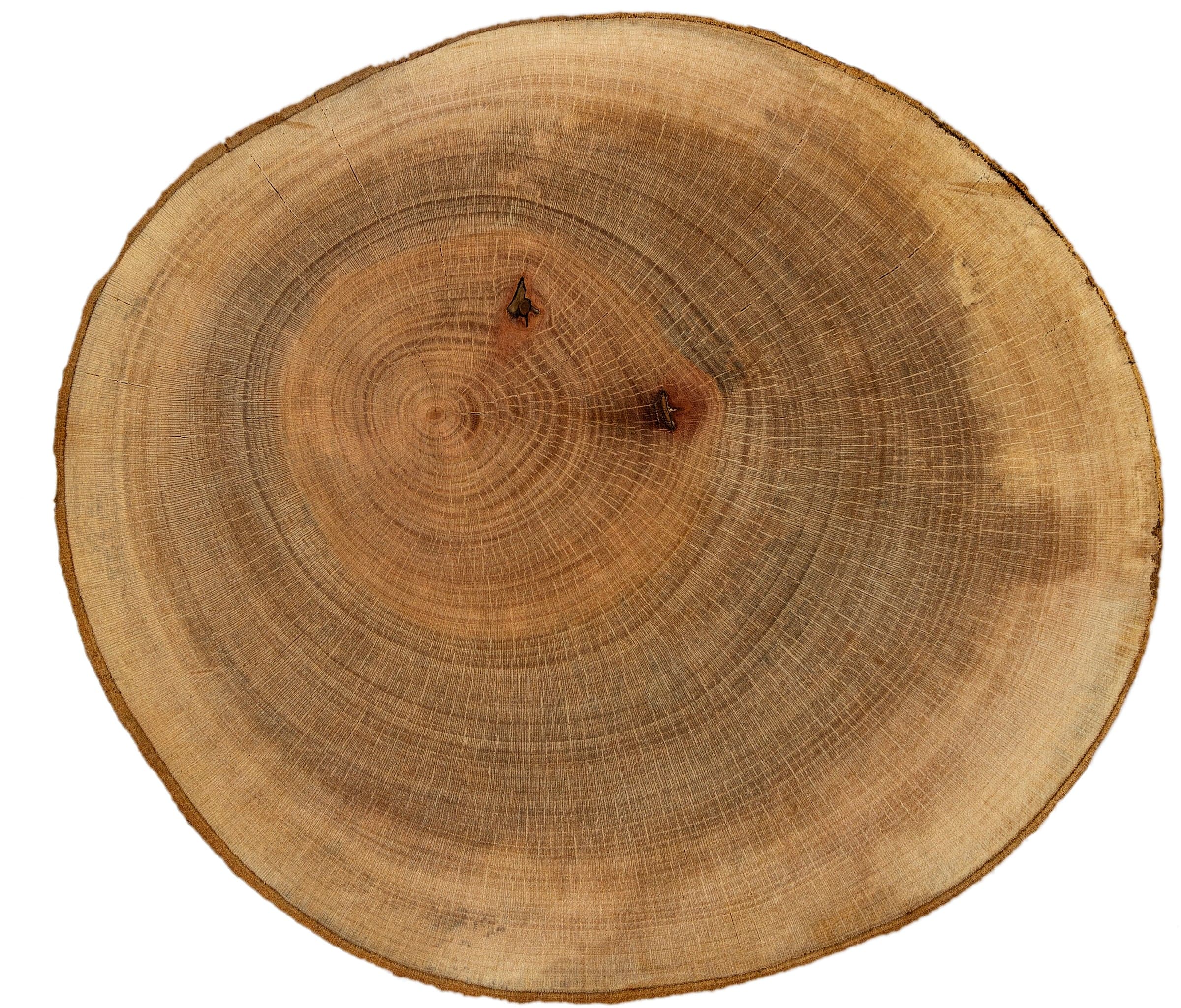
Straight grain, fine-to-medium texture, pinkish-brown heartwood that warms with age. Flatsawn faces are quiet and clean. Quartersawn is where it earns its name in the trade, lacewood, with broad ray flecks that read almost like snakeskin under finish. Two faces of the same board can look like two different woods.
- Heartwood pinkish-brown to light reddish-tan
- Sapwood pale cream, often left in for contrast
- Quartersawn rays appear as darker flecks against the background
- Warms and deepens under oil; ambers slightly with age
- Flatsawn and quartersawn faces of one board can look like different species
- Gerader Faserverlauf; Spiegelzeichnung auf radial geschnittenen Flächen.
Arbeiten mit dieser Holzart
Verarbeitung
Saws, sands, turns, and carves well. Planing is the one to watch: the medullary rays that make quartersawn faces beautiful also tear out under dull blades. Sharp tools, light cuts, and a finish scraper or 220-grit pass to clean up. Glues and screws without drama.
Finish
Takes oil and hardwax oil cleanly. The lacewood figure deepens dramatically under any clear finish. Test on an offcut before committing, because the contrast jumps. Stains can muddy the rays; we'd avoid them. Sand to 180–220 and stop.
Trocknung
Tangential shrinkage is high (around 10%) and roughly twice the radial figure, so cup and distortion are real risks. Dries best slowly, well-stickered, with weight on top. Once stable it holds shape indoors, but it's not a wood to rush through a kiln.
Wie stark arbeitet es?
Holz quillt und schwindet in der Breite, wenn die Luft feuchter und trockener wird. Schätzen Sie das saisonale Arbeiten einer Ahornblättrige Platane-Platte, bevor Sie die Befestigung planen.
Erwartetes saisonales Arbeiten
etwa 11,7 mm
Platte mit Tischplattenhaltern oder Langlochwinkeln befestigen, nicht verleimen oder fest verschrauben.
Lineares Schwindmodell: Breite × (Schwindmaß ÷ 28 % Fasersättigung) × saisonale Feuchteschwankung. Verwendet 10,25 % Schwindmaß in Tangentialrichtung für Ahornblättrige Platane. Eine Planungsschätzung, keine Garantie.
Was es kostet
Sicherheit und Herkunft
- This species is recorded as commercially grown in Europe. This does not establish where an individual piece was harvested; check its origin details.
- Status auf der Roten Liste der IUCN: die weltweite Schutzbewertung dieser Art.
Not commonly flagged as a dust irritant or sensitiser. Standard shop dust extraction is enough. Food-contact safe once finished, fine for boards and serving pieces.
Den vollständigen Leitfaden lesenAusführliche Hinweise zu Maserung, Farbveränderung, Verarbeitung und Formstabilität.
What London Plane actually is#
Platanus x acerifolia is bought for one thing: lacewood.
The species has exceptionally large rays, the ribbons of cells that run radially through a trunk. In most timbers the rays are small enough to be barely visible, and in oak they show as the familiar silvery fleck on quartersawn faces. In London Plane they are so large that a quartersawn face is covered in a dense, regular flecked pattern across the entire surface.
That figure is called lacewood, and it exists only on the quarter. A flatsawn London Plane board is comparatively plain, a light reddish brown with modest figure. The same log cut differently is one of the most distinctive decorative surfaces in European timber.
If you are buying this species, you are buying quartersawn stock, and if you are offered flatsawn plane at a lacewood price, the cut is the thing to check.
The naming confusion#
Three species get called sycamore in different places and they are not related.
London Plane is Platanus x acerifolia, a hybrid plane. American sycamore is Platanus occidentalis, its close relative and also a source of lacewood. European Sycamore is Acer pseudoplatanus, a maple, and has nothing to do with either.
They look different, work differently and cost differently. Buy on the botanical name.
Käuferfragen
Häufige Fragen von Käufern
What is lacewood?
Lacewood is quartersawn London Plane. The species has exceptionally large rays, and cutting on the quarter exposes them as a dense flecked pattern across the whole surface that looks like lace. It is one of the most distinctive figures available from any European species, and it exists only on the quartersawn face. Flatsawn plane is comparatively plain.
Is London Plane the same as sycamore?
No, and the naming is a mess. London Plane is Platanus x acerifolia, a plane tree. American sycamore is Platanus occidentalis, its close relative. European Sycamore is Acer pseudoplatanus, a maple, and unrelated to both. All three are sometimes called sycamore somewhere. Check the botanical name.
How stable is it?
Not very. Volumetric shrinkage of 15.0 percent is high and tangential shrinkage of 9.5 percent against radial at 5.5 percent is a wide differential, so flatsawn boards cup. Since the reason to buy this species is the quartersawn lacewood figure, and quartersawn stock is much more stable, the figure and the stability come together.
Can it be used outdoors?
No. It is rated decay class 5, perishable, with poor insect resistance. London Plane is an interior decorative timber only.
Mechanische Eigenschaften
Technische Daten
Veröffentlichte Referenzwerte. Wo Quellen abweichen, steht die Spanne; der typische Wert wird für die Stufen oben verwendet.
| Dichte (kg/m³)Masse pro Kubikmeter bei etwa 12 % Holzfeuchte. Schwereres Holz ist meist härter und fester. | 500–620 kg/m³typisch 560 kg/m³ |
|---|---|
| Janka-Härte (N)Kraft, um eine Stahlkugel zur Hälfte ins Holz zu drücken. Das Standardmaß für Eindruckfestigkeit. | 3,800–4,600 Ntypisch 4.180 N |
| MOR: Biegebruchmodul (MPa)Biegefestigkeit: die Last, bei der ein Balken bricht. | 70–80 MPa |
| MOE: Elastizitätsmodul (GPa)Biegesteifigkeit: wie stark ein Regalboden oder eine Platte unter Last durchhängt. | 8.0–10.0 GPa |
| Radiales SchwindenSchwindmaß quer zu den Jahrringen, von frisch bis darrtrocken. Riftbretter arbeiten in diesem Maß. | 5.5–6.5 % |
| Tangentiales SchwindenSchwindmaß entlang der Jahrringe. Fladerbretter und die meisten Bohlen arbeiten in diesem Maß. |