KORENA
HolzMöbelWerkstattPartnerJournal

Entdecke neue Bohlen als Erstes

Erhalte eine E-Mail, wenn neues Holz eintrifft.

Ein paar E-Mails pro Monat. Kein Spam, jederzeit abmeldbar.

KORENA

Entdecke Massivholz, handgefertigte Möbel, Werkzeuge und Produkte zur Holzbehandlung auf KORENA.

Einkaufen

  • Produkte ansehen
  • Archiv verkaufter Bohlen
  • Bestellung verfolgen

Lernen

  • KORENA-Journal
  • Holzartenführer
  • Glossar
  • Pflanzenpässe und Befallsgebiete
  • Vergleichen
  • Autoren

Hilfe

  • Über uns
  • So funktioniert es
  • Verkäufer werdenNeu
  • Bohle anfragen
  • Kundenservice
  • Dokumentvorlagen
  • Presse

Kaufen

  • Verkaufsbedingungen
  • Widerrufsrecht
  • Rückgaben und Gewährleistung
  • Versand und Lieferung

Vertrauen

  • Datenschutzerklärung
  • Cookie-Richtlinie
  • Holzherkunft und EUDR
  • Barrierefreiheit

Impressum

  • Rechtlicher Hinweis / Impressum
  • Zulässige Nutzung
  • Geistiges Eigentum und Inhalte

© 2026 KORENA. Alle Rechte vorbehalten.

Betrieben von der Martial Labs Ltd. (BG, EIK 207453941). KORENA ist ein Handelsname der Martial Labs Ltd.

Wir respektieren Ihre Privatsphäre

Wir verwenden notwendige Cookies, damit die Website funktioniert. Mit Ihrer Einwilligung würden wir auch Cookies für Analyse, personalisierte Inhalte und Werbung verwenden. Sie können Ihre Entscheidung jederzeit auf der Seite Einwilligungseinstellungen ändern. Sehen Sie unsere Cookie-Richtlinie und Datenschutzerklärung.

  1. Startseite
  2. /
  3. Holzarten
  4. /
  5. Amerikanische Kirsche

Prunus serotina

Amerikanische Kirsche

The cabinet-maker's favourite. Easy to machine, ages beautifully into a deep reddish-brown.

  • This species record does not establish where an individual piece was grown or harvested. Check the origin details of the piece you are considering.
  • Botanische Gruppe. Nadelhölzer sind Koniferen, Laubhölzer stammen von Laubbäumen.
  • Die botanische Familie, zu der die Holzart gehört.
Benachrichtigen, wenn verfügbarReferenzholzart. Derzeit keine Stücke auf Lager.
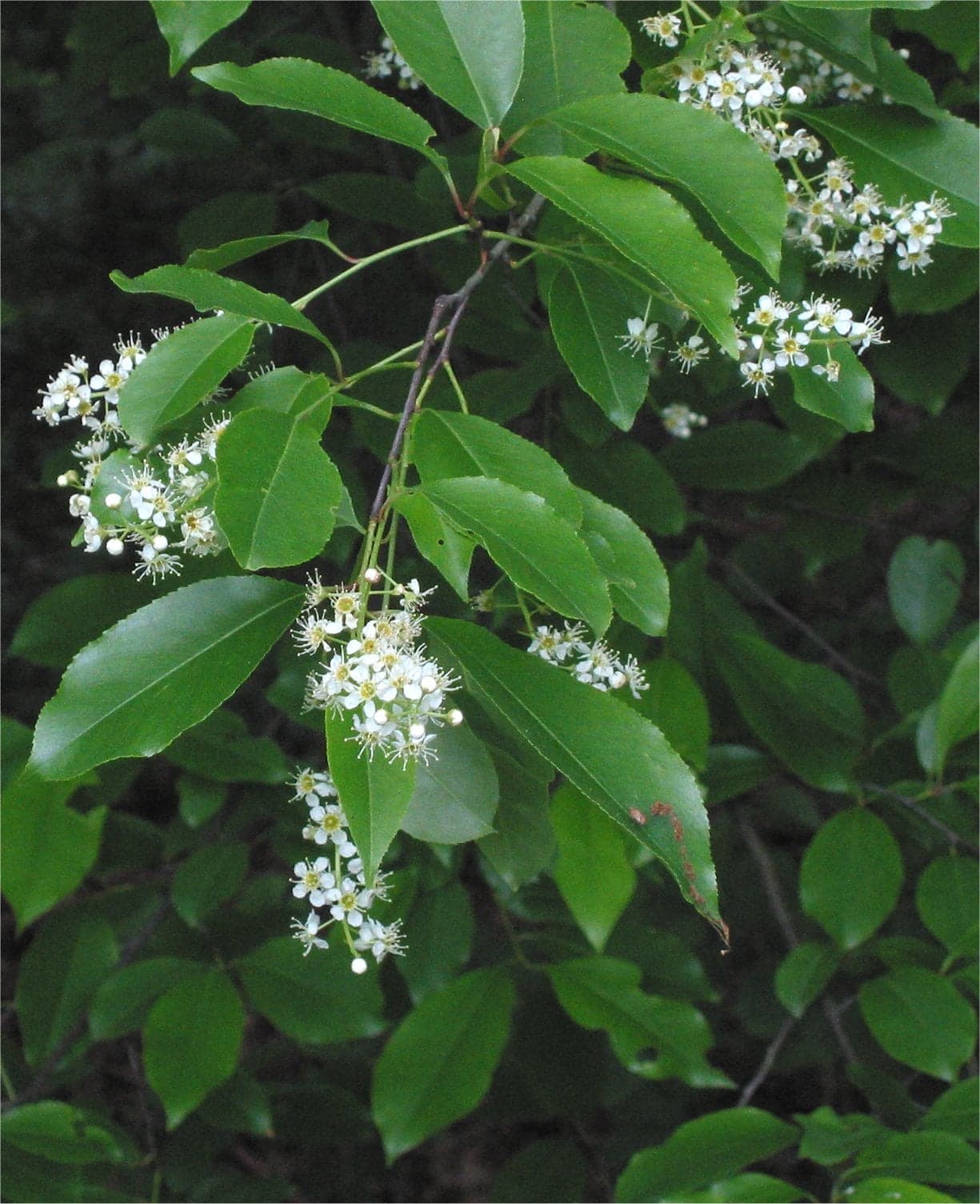
Amerikanische Kirsche: Baum
  • Projekteignung
  • Auf Lager
  • Aussehen
  • Verarbeitung
  • Quellen und Schwinden
  • Preis
  • Sicherheit und Herkunft
  • Fragen
  • Technische Daten

Passt es zu Ihrem Projekt?

Ideal für

  • Kitchen and dining tables
  • Cabinet doors and fronts
  • Chairs and benches
  • Wall panelling and built-ins
  • Turned bowls and small objects
  • Interior joinery

Kein Amerikanische Kirsche im aktuellen Drop

Ähnliche Holzarten auf Lager

Derzeit kein Amerikanische Kirsche. Diese Holzarten eignen sich für dieselben Projekte und sind verfügbar.
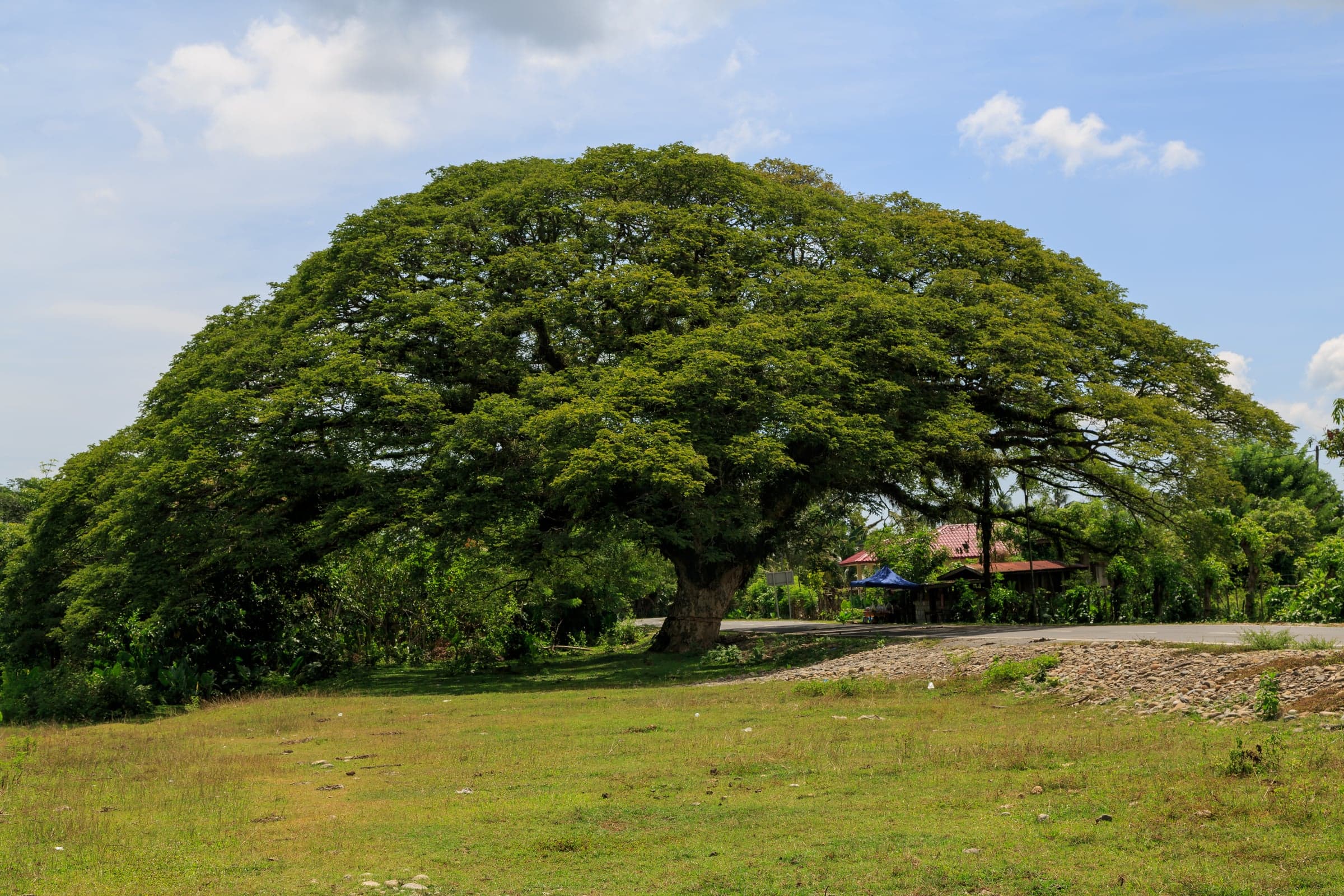
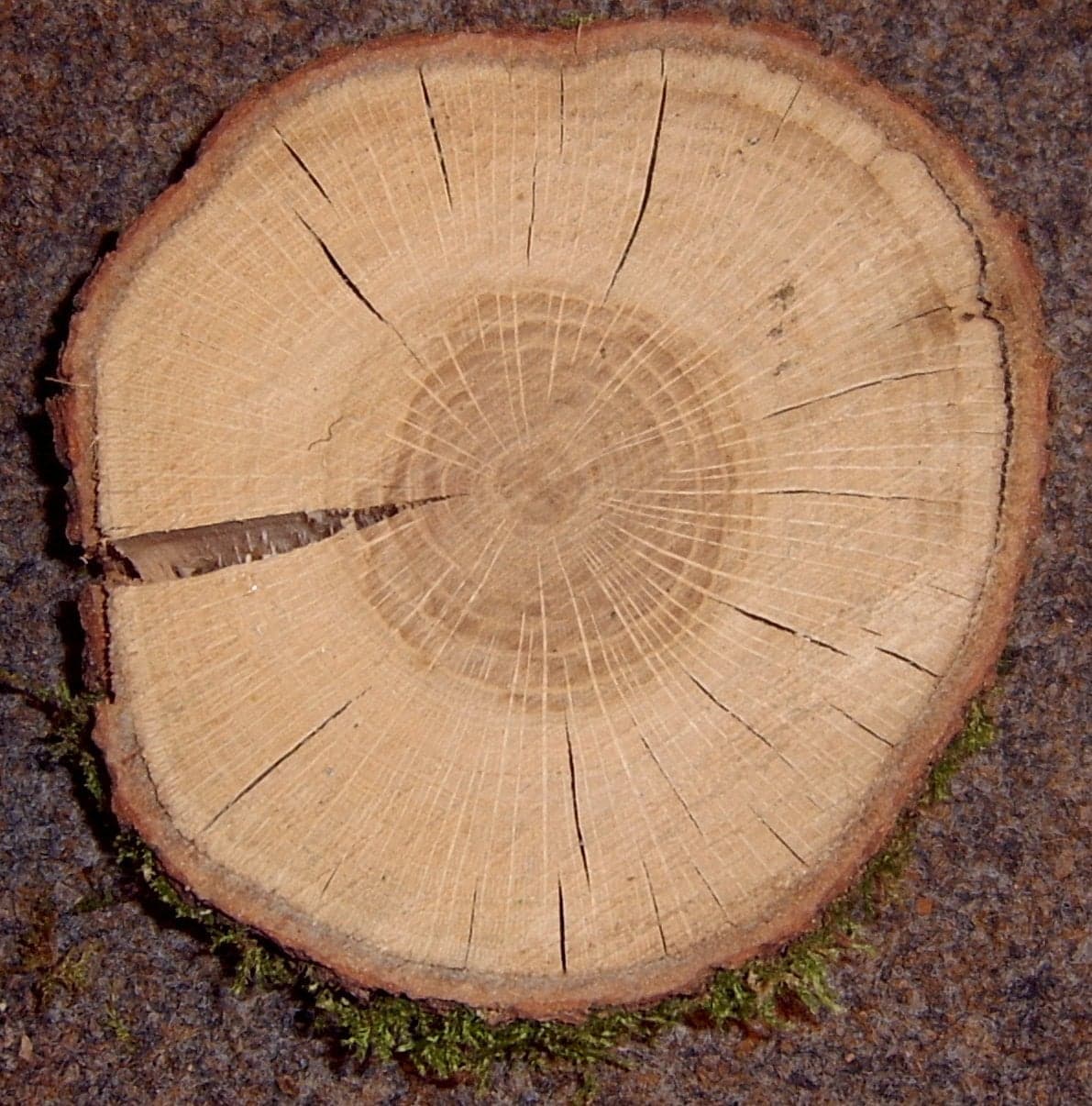
  • Saman: Holzmaserung

    Saman

    Samanea saman

    4 Stücke

  • Europäische Eiche: Holzmaserung

    Europäische Eiche

    Quercus robur

    6 Stücke

  • Europäischer Nussbaum: Holzmaserung

    Europäischer Nussbaum

    Juglans regia

    12 Stücke

Benachrichtigung zu Amerikanische Kirsche

Wir benachrichtigen Sie per E-Mail, wenn neue Amerikanische Kirsche-Bohlen bei KORENA eintreffen. Jedes Stück ist ein Unikat, deshalb zählt eine frühe Nachricht.

Ein paar E-Mails pro Monat. Kein Spam, jederzeit abmeldbar.

Holzbild

So sieht es aus

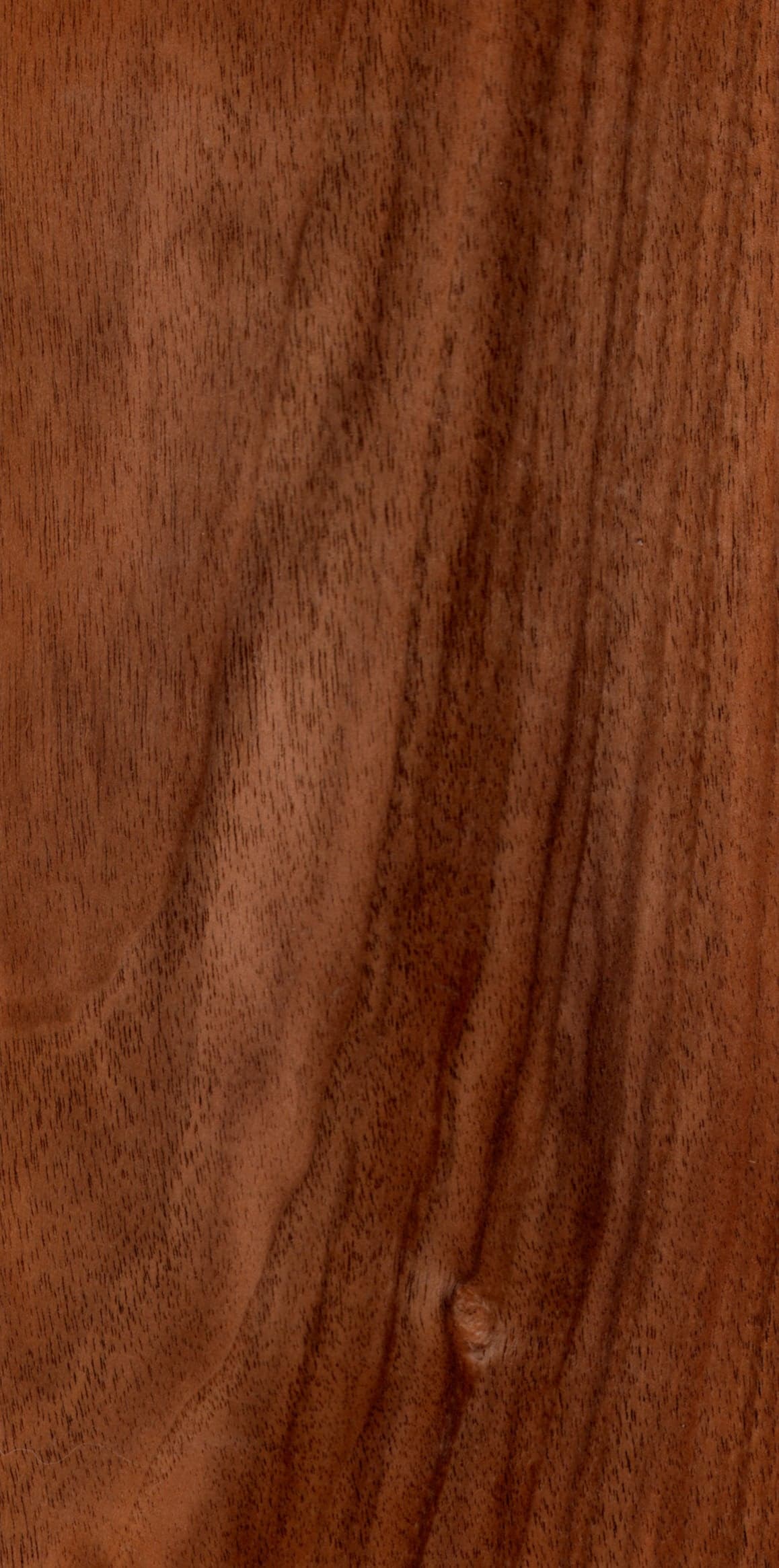
Fine, mostly straight grain with a smooth, even texture. Plain-sawn boards show a soft, flowing figure; quarter-sawn faces are calmer. Small gum pockets and pin knots are common and accepted as part of the look. Fresh-cut wood is pinkish-tan and lighter than buyers expect.

  • Fresh-cut: pinkish-tan to pale salmon, lighter than most buyers expect
  • After a few weeks of light: shifts to warm amber
  • After 6–12 months: deep reddish-brown, the classic cherry tone
  • Sapwood stays pale cream and does not darken at the same rate
  • Light exposure is uneven, anything covered (rugs, books, lamps) leaves a lighter ghost on the surface for months
  • Feine, gerade Maserung, glatte Textur; dunkelt mit der Zeit nach.

Arbeiten mit dieser Holzart

Verarbeitung

One of the most forgiving hardwoods to machine. Saws, planes and sands beautifully with sharp tooling. Turns and carves well. Glues and screws without drama, though it's softer than European cherry so pre-drill near edges. Steam-bending is workable but not a strength.

Finish

Sands to a glassy surface with little effort. Takes oils, hard-wax oils, shellac and waterborne finishes cleanly. Stains can blotch on flat-sawn faces. Use a washcoat or gel stain if you're matching a tone. Most makers skip stain entirely and let the wood do the work, because it darkens on its own.

Trocknung

Dries at a moderate rate with a mild tendency to warp and surface-check if pushed. Tangential shrinkage (6.5–8.0%) is roughly twice radial, so flat-sawn wide stock moves more than quarter-sawn. Sticker carefully and let kiln-dried slabs acclimatise in the workshop before flattening.

Wie stark arbeitet es?

Holz quillt und schwindet in der Breite, wenn die Luft feuchter und trockener wird. Schätzen Sie das saisonale Arbeiten einer Amerikanische Kirsche-Platte, bevor Sie die Befestigung planen.

Einschnitt
Einsatzort

Erwartetes saisonales Arbeiten

etwa 8,3 mm

Platte mit Tischplattenhaltern oder Langlochwinkeln befestigen, nicht verleimen oder fest verschrauben.

Lineares Schwindmodell: Breite × (Schwindmaß ÷ 28 % Fasersättigung) × saisonale Feuchteschwankung. Verwendet 7,25 % Schwindmaß in Tangentialrichtung für Amerikanische Kirsche. Eine Planungsschätzung, keine Garantie.

Was es kostet

Sicherheit und Herkunft

  • This species record does not establish where an individual piece was grown or harvested. Check the origin details of the piece you are considering.
  • Status auf der Roten Liste der IUCN: die weltweite Schutzbewertung dieser Art.
  • Food-contact safe once finished, which is why it's a long-standing choice for kitchen and dining work. Cherry dust is a known irritant and some woodworkers develop sensitisation over time. Run extraction and wear a mask when sanding.

Den vollständigen Leitfaden lesenAusführliche Hinweise zu Maserung, Farbveränderung, Verarbeitung und Formstabilität.+

What Black Cherry actually is#

Prunus serotina is the American counterpart to European cherry, and it is the more practical of the two for large work.

Both species darken dramatically, both have the same satiny fine grain, and both are excellent to work. The difference is supply. Black cherry is grown as a forestry species across eastern North America, so it arrives in larger, straighter, more consistent sizes. European cherry is often salvaged from orchards and gardens, and matched wide boards are correspondingly harder to find.

If a project needs several wide boards that look like each other, black cherry is the easier answer.

The darkening#

This is the defining property of both cherries and it needs planning for.

Fresh black cherry is pale pinkish tan. Within six months of light exposure it has moved most of the way to a rich reddish brown, and it continues deepening more slowly for years.

Three consequences follow. Do not choose stock on its current colour, because it is a stage rather than a result. Do not leave objects sitting on a new cherry surface, because uneven exposure prints permanently lighter patches that take months to even out. And do not expect a UV inhibiting finish to hold the pale fresh colour, because it slows the change without preventing it.

Käuferfragen

Häufige Fragen von Käufern

Does Black Cherry darken like European Cherry?

+

Yes, dramatically and in the same way. Fresh stock is pale pinkish tan and deepens to a rich reddish brown within a year of light exposure, with most of the change in the first six months. Uneven light exposure leaves permanent lighter patches under anything left in place, so let a new piece darken evenly before placing objects on it.

How does it compare with European Cherry?

+

Softer at 4,226 N against 5,120 N and slightly less dense at 560 against 600 kg per cubic metre. The main practical difference is supply: black cherry is grown as a forestry species in eastern North America and comes in larger, straighter, more consistent sizes, so matched wide boards are much easier to source than in European cherry.

Why does it burn so easily?

+

Cherry scorches readily under routers and dull blades, and the marks are dark and obvious on pale wood. Its fine close grain and moderate density concentrate heat at the cutting edge. Sharp tooling, correct feed rates and light final passes prevent it. Burns must be cut or scraped out rather than sanded, which usually just polishes them in.

Is it stable enough for a wide tabletop?

Mechanische Eigenschaften

Technische Daten

Veröffentlichte Referenzwerte. Wo Quellen abweichen, steht die Spanne; der typische Wert wird für die Stufen oben verwendet.

Dichte (kg/m³)Masse pro Kubikmeter bei etwa 12 % Holzfeuchte. Schwereres Holz ist meist härter und fester.500–620 kg/m³typisch 560 kg/m³
Janka-Härte (N)Kraft, um eine Stahlkugel zur Hälfte ins Holz zu drücken. Das Standardmaß für Eindruckfestigkeit.3,800–4,500 Ntypisch 4.226 N
MOR: Biegebruchmodul (MPa)Biegefestigkeit: die Last, bei der ein Balken bricht.80–95 MPa
MOE: Elastizitätsmodul (GPa)Biegesteifigkeit: wie stark ein Regalboden oder eine Platte unter Last durchhängt.9.5–11.0 GPa
Radiales SchwindenSchwindmaß quer zu den Jahrringen, von frisch bis darrtrocken. Riftbretter arbeiten in diesem Maß.3.5–4.5 %
Tangentiales SchwindenSchwindmaß entlang der Jahrringe. Fladerbretter und die meisten Bohlen arbeiten in diesem Maß.

Wikimedia Commons contributor, via Wikimedia Commons

Native to eastern North America, not Europe. Imported in volume into EU furniture-grade channels for decades, where it sits alongside European cherry as a familiar, well-stocked hardwood.

  • IUCN Least Concern, no CITES listing. Supply from US hardwood forests is well-established and FSC-certified stock is widely available. As a North American import it carries shipping miles a European species doesn't, worth weighing if low-carbon sourcing matters to your client.

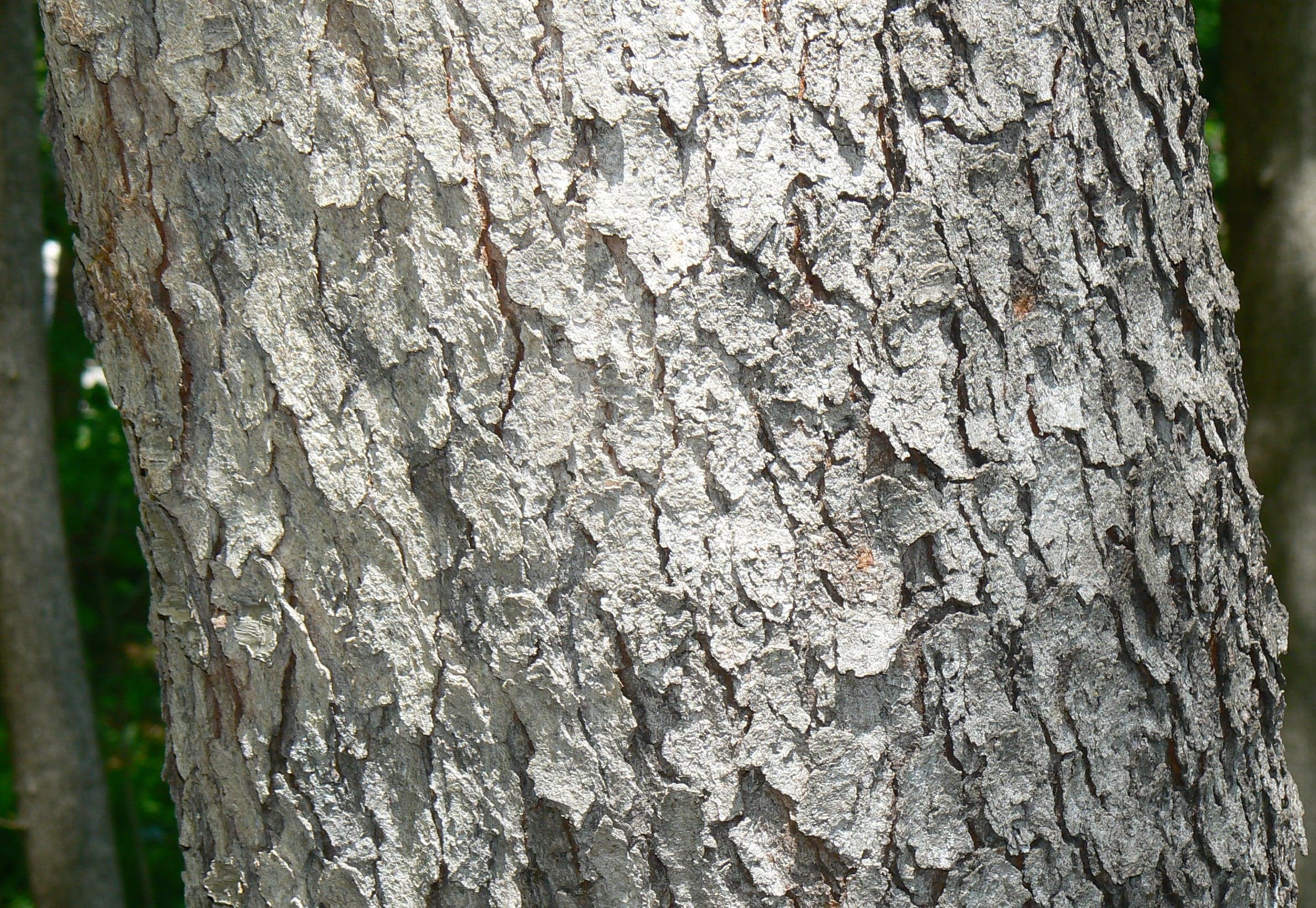
  • Amerikanische Kirsche: Rinde
    Rinde

    The stability advantage#

    Black cherry is one of the better behaved woods in this catalogue dimensionally.

    Volumetric shrinkage of 11.0 percent is low, and more importantly the tangential to radial differential of 6.5 against 3.5 percent is narrow. Cupping in a flatsawn board is driven by that differential, so a wide flatsawn cherry top stays flatter than the equivalent in oak, ash, beech or maple.

    Combine that with the species' availability in wide boards and it becomes a strong candidate for a large solid tabletop, which is exactly what many buyers want a slab for.

    At the bench#

    Cherry is a pleasure to work. At 4,226 N it is moderately soft, easy on tooling, and it machines cleanly, turns and carves well, glues reliably and sands to an excellent surface.

    The one real difficulty is burning. Cherry scorches under routers and dull blades more readily than most species, and on pale wood the marks are dark and obvious.

    Worse, burns cannot be sanded out easily. Sanding tends to polish the scorched fibres rather than remove them. The mark has to be cut or scraped away, which on a finished surface means removing more material than you wanted to.

    Sharp tooling, correct feed rates, and light final passes are the prevention, and they are worth the discipline.

    Finishing#

    Black cherry blotches under pigment stain exactly as European cherry does. Use a dye, a gel stain, or a washcoat first, and test on an offcut.

    The better approach in most cases is no stain at all. The wood will reach a rich reddish brown on its own, and staining to accelerate that usually produces a muddier and less luminous colour than waiting would.

    Gum pockets occur, though less frequently than in European cherry. They are characteristic rather than defective.

    Where Black Cherry is the right answer#

    Wide solid tabletops, fine furniture, cabinetry, turned work, and interior joinery. It is among the best combinations in this catalogue of good looks, easy working, wide availability and genuine dimensional stability.

    It is the wrong answer where a pale colour must be maintained, and wrong outdoors beyond protected joinery.

    Sourcing and EUDR#

    Not CITES listed and assessed as Least Concern. Native to eastern North America, so European buyers are usually importing, with the longer documentation chain and higher transport carbon that implies. Where a European alternative is acceptable, Prunus avium covers the same appearance with a shorter chain, at the cost of harder-to-match sizes.

    Gum pockets and pith flecks#

    Two features turn up in almost every cherry board and neither is a fault.

    Gum pockets are small resin filled cavities, usually a few millimetres long, appearing as dark flecks or short streaks. They are characteristic of Prunus species. Small ones are simply part of the surface; larger ones can be filled with epoxy or a matching filler if they will catch on a work surface.

    Pith flecks are short irregular streaks caused by insect larvae tunnelling in the growing tree, later grown over. They read as fine darker lines and are purely cosmetic.

    Both are more common in orchard grown material than in forest grown, and both are among the reasons cherry is graded on appearance rather than strength.

    Matching cherry across a project#

    Because cherry darkens so fast and so far, matching boards is a moving target.

    Two boards that look different when freshly machined often converge as they darken, because the darkening tends to compress the range. Two boards that match on the bench may diverge if one is a different age or was stored in light.

    The practical approach for a multi board top is to lay the boards out, leave them exposed to daylight together for a week, and then decide the arrangement. A week of exposure reveals more about how they will look together than any amount of inspection on day one.

    +

    Yes, unusually so. Volumetric shrinkage of 11.0 percent is among the lower figures in this catalogue and the tangential to radial differential of 6.5 against 3.5 percent is narrow. Combined with its availability in wide boards, that makes black cherry one of the better choices here for a large solid top.

    Can it be used outdoors?

    +

    Not for exposure. At decay class 3 it is moderately durable, which suits protected exterior joinery under a maintained finish but not weather or ground contact.

    6.5–8.0 %
    Volumetrisches SchwindenGesamte Volumenänderung von frisch bis darrtrocken. Niedriger heißt formstabiler.11.0–12.5 %
    Natürliche Dauerhaftigkeit (EN 350)Europäische Norm für natürliche Dauerhaftigkeit, von 1 (sehr dauerhaft) bis 5 (nicht dauerhaft).Class 3 — Moderately durable

    Quellen

    • The Wood Database(abgerufen am 2026-05-09)
    • USDA FPL Wood Handbook FPL-GTR-190 (2010)(abgerufen am 2026-05-09)
    • Meier, E. — WOOD! Identifying and Using Hundreds of Woods Worldwide (2015)(abgerufen am 2026-05-09)

    Stärken

    • LebensmittelechtGeeignet für Bretter, Schalen und Flächen mit Lebensmittelkontakt.
    • EinsteigerfreundlichLeicht zu bearbeiten und nicht so hart, dass es Werkzeuge strapaziert.

    Achtung

    • Nicht unbehandelt für außenDie natürliche Dauerhaftigkeit ist EN 350 Klasse 3 von 5. Innen verwenden oder unter gepflegter Oberfläche.
    • Staub reiztBeim Schleifen und Maschinenarbeiten Absaugung und Maske verwenden.

    Für Details auf ein Etikett tippen.

    Auf einen Blick

    Die Stufen verwenden feste Grenzen für alle Holzarten bei KORENA und sind daher direkt vergleichbar. Der gemessene Wert steht unter jeder Stufe.
    HärteWiderstand gegen Dellen und AbnutzungMittelhart

    Janka-Härte 4.226 N

    15 % weicher als Europäische Eiche

    GewichtWie schwer eine Bohle zu heben istMittel

    560 kg/m³

    StabilitätWie wenig es mit den Jahreszeiten arbeitetDurchschnittlich

    11,8 % Volumenschwindung

    BearbeitungSägen, Hobeln, Schleifen, LeimenSehr leicht

    4,4 / 5 Werkbank-Durchschnitt

    AußeneinsatzNatürliche Fäulnisresistenz, EN 350Außen überdacht

    EN 350 Klasse 3

    • Sägen · AusgezeichnetWie sauber es schneidet und wie stark es Sägeblätter beansprucht.1 = schwierig · 5 = ausgezeichnet
    • Hobeln · AusgezeichnetWie glatt die Oberfläche wird und wie stark es ausreißt.1 = schwierig · 5 = ausgezeichnet
    • Schleifen · AusgezeichnetWie schnell es glatt schleift, ohne das Papier zuzusetzen.1 = schwierig · 5 = ausgezeichnet
    • Drechseln · Sehr gutWie es sich an der Drechselbank schneiden und finishen lässt.1 = schwierig · 5 = ausgezeichnet
    • Schnitzen · Sehr gutWie scharf es Details unter dem Hohleisen hält.1 = schwierig · 5 = ausgezeichnet
    • Verleimen · Sehr gutWie zuverlässig Leimverbindungen halten.1 = schwierig · 5 = ausgezeichnet
    • Schraub- / Nagelhalt · Sehr gutWie gut es Schrauben und Nägel hält, ohne zu spalten.1 = schwierig · 5 = ausgezeichnet
    • Dampfbiegen · GutWie gut es nach dem Dämpfen Rundungen annimmt.1 = schwierig · 5 = ausgezeichnet

    Für Amerikanische Kirsche gibt es noch keine Marktreferenz. Jedes KORENA Stück wird einzeln vom Partner-Holzplatz bepreist.