KORENA
HolzMöbelWerkstattPartnerJournal

Entdecke neue Bohlen als Erstes

Erhalte eine E-Mail, wenn neues Holz eintrifft.

Ein paar E-Mails pro Monat. Kein Spam, jederzeit abmeldbar.

KORENA

Entdecke Massivholz, handgefertigte Möbel, Werkzeuge und Produkte zur Holzbehandlung auf KORENA.

Einkaufen

  • Produkte ansehen
  • Archiv verkaufter Bohlen
  • Bestellung verfolgen

Lernen

  • KORENA-Journal
  • Holzartenführer
  • Glossar
  • Pflanzenpässe und Befallsgebiete
  • Vergleichen
  • Autoren

Hilfe

  • Über uns
  • So funktioniert es
  • Verkäufer werdenNeu
  • Bohle anfragen
  • Kundenservice
  • Dokumentvorlagen
  • Presse

Kaufen

  • Verkaufsbedingungen
  • Widerrufsrecht
  • Rückgaben und Gewährleistung
  • Versand und Lieferung

Vertrauen

  • Datenschutzerklärung
  • Cookie-Richtlinie
  • Holzherkunft und EUDR
  • Barrierefreiheit

Impressum

  • Rechtlicher Hinweis / Impressum
  • Zulässige Nutzung
  • Geistiges Eigentum und Inhalte

© 2026 KORENA. Alle Rechte vorbehalten.

Betrieben von der Martial Labs Ltd. (BG, EIK 207453941). KORENA ist ein Handelsname der Martial Labs Ltd.

Wir respektieren Ihre Privatsphäre

Wir verwenden notwendige Cookies, damit die Website funktioniert. Mit Ihrer Einwilligung würden wir auch Cookies für Analyse, personalisierte Inhalte und Werbung verwenden. Sie können Ihre Entscheidung jederzeit auf der Seite Einwilligungseinstellungen ändern. Sehen Sie unsere Cookie-Richtlinie und Datenschutzerklärung.

  1. Startseite
  2. /
  3. Holzarten
  4. /
  5. Hängebirke

Betula pendula

Hängebirke

Harder than oak and stiffer than anything else KORENA lists, hiding behind a plain pale face. The best turning wood here.

  • This species is recorded as commercially grown in Europe. This does not establish where an individual piece was harvested; check its origin details.
  • Botanische Gruppe. Nadelhölzer sind Koniferen, Laubhölzer stammen von Laubbäumen.
  • Die botanische Familie, zu der die Holzart gehört.
Benachrichtigen, wenn verfügbarReferenzholzart. Derzeit keine Stücke auf Lager.
  • Projekteignung
  • Auf Lager
  • Aussehen
  • Verarbeitung
  • Preis
  • Sicherheit und Herkunft
  • Fragen
  • Technische Daten

Passt es zu Ihrem Projekt?

Ideal für

  • Turned work
  • Painted furniture
  • Cabinetry and carcass work
  • Veneer and plywood
  • Interior joinery

Kein Hängebirke im aktuellen Drop

Ähnliche Holzarten auf Lager

Derzeit kein Hängebirke. Diese Holzarten eignen sich für dieselben Projekte und sind verfügbar.
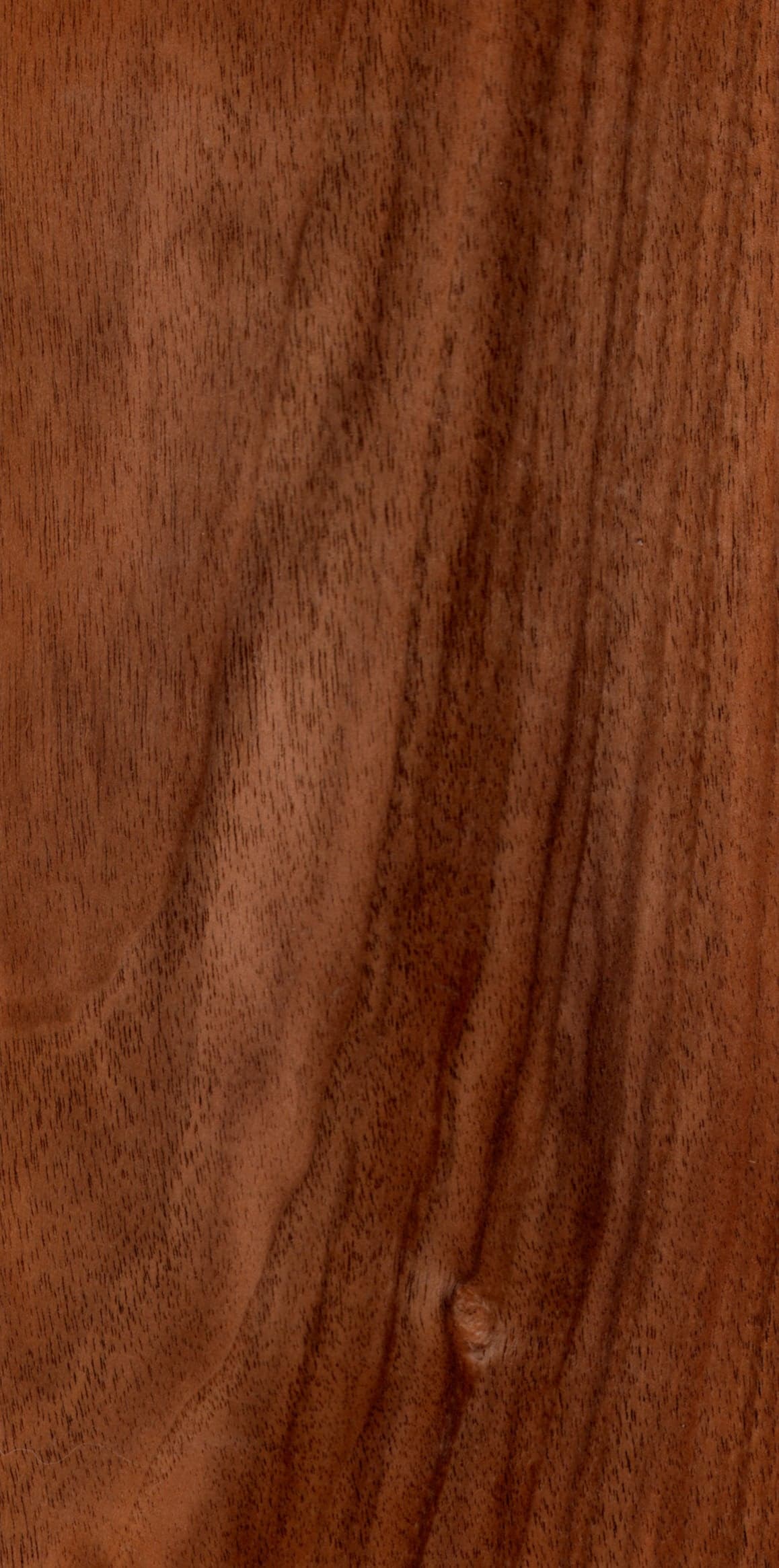
  • Europäischer Nussbaum: Holzmaserung

    Europäischer Nussbaum

    Juglans regia

    12 Stücke

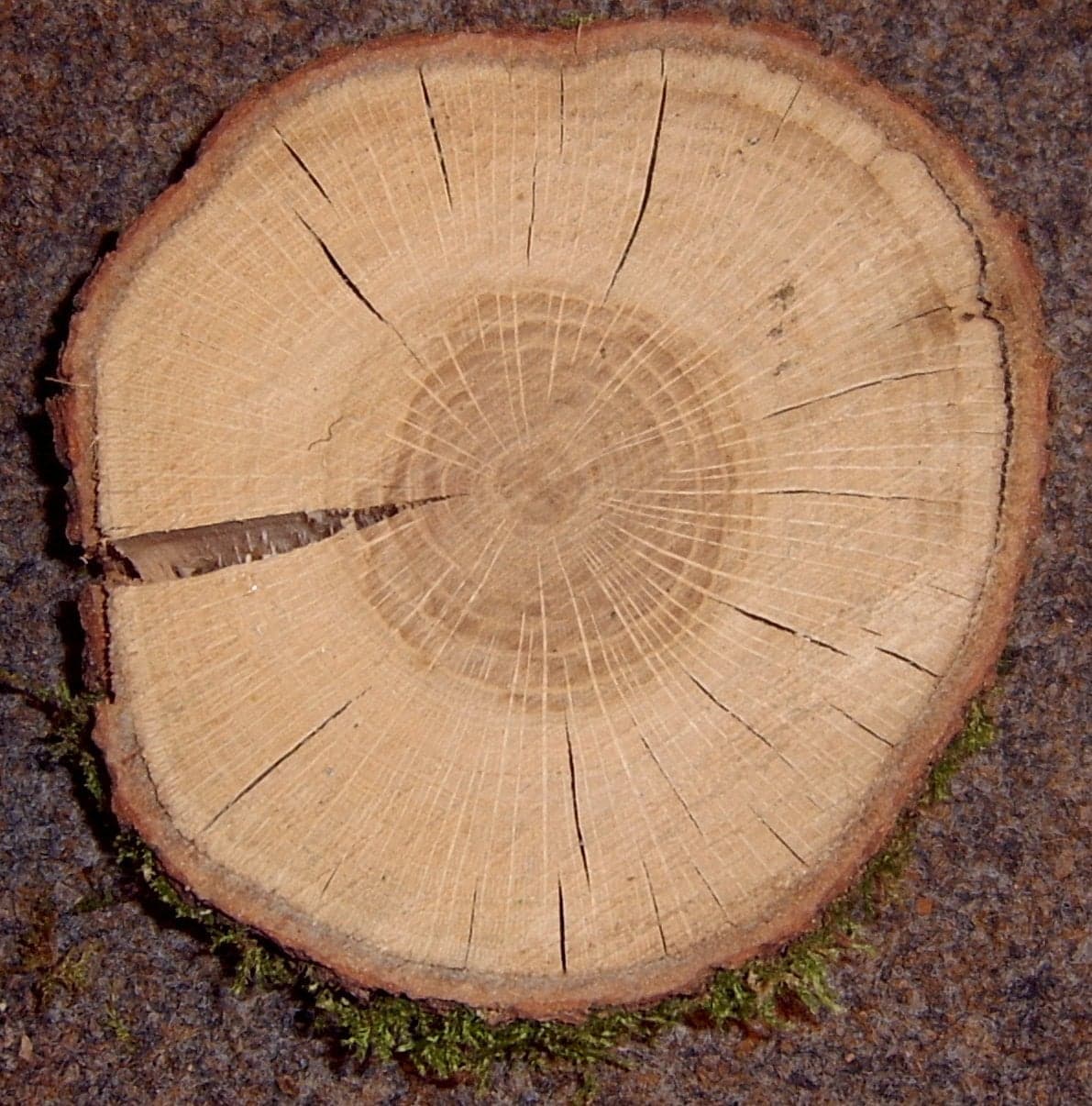
  • Europäische Eiche: Holzmaserung

    Europäische Eiche

    Quercus robur

    6 Stücke

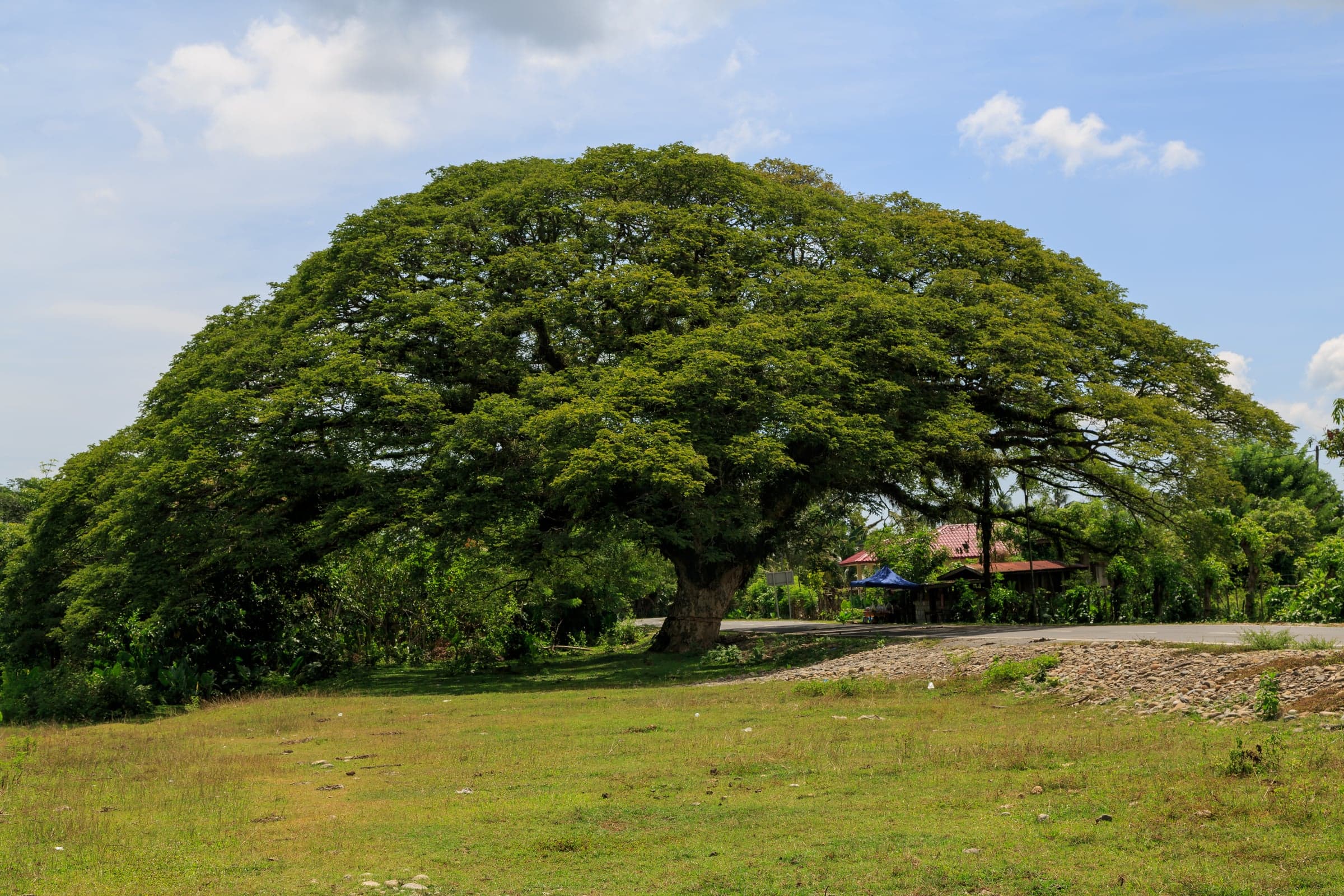
  • Saman: Holzmaserung

    Saman

    Samanea saman

    4 Stücke

Benachrichtigung zu Hängebirke

Wir benachrichtigen Sie per E-Mail, wenn neue Hängebirke-Bohlen bei KORENA eintreffen. Jedes Stück ist ein Unikat, deshalb zählt eine frühe Nachricht.

Ein paar E-Mails pro Monat. Kein Spam, jederzeit abmeldbar.

Holzbild

So sieht es aus

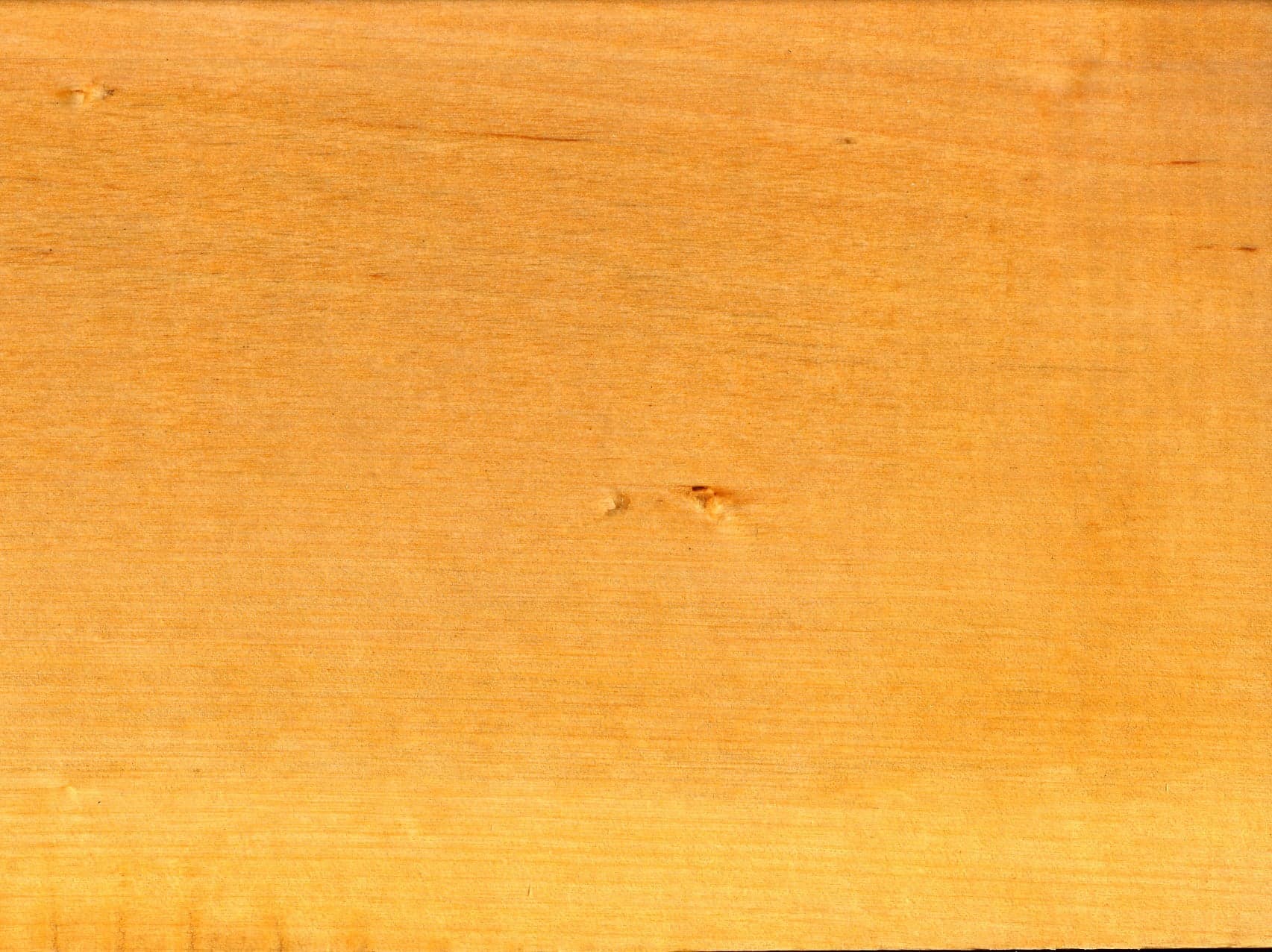
Pale, almost white to light cream, with very little colour separation between heartwood and sapwood and a fine even texture. Plain birch is quiet to the point of being featureless, which is exactly why it is prized for painted work and for veneer. The exceptions are the figured forms, curly and flame birch and the burred masur birch, which are among the most decorative surfaces available from any European species.

  • Near white to pale cream with almost no heartwood contrast
  • Fine even texture, plain in most boards
  • Curly, flame and masur figured forms occur and are highly prized

Arbeiten mit dieser Holzart

Verarbeitung

Generally easy with hand and machine tools, and it turns, glues and finishes well. It is one of the best turning woods in this catalogue because the fine even texture holds crisp detail. Boards with wild or figured grain tear out during machining, so figured stock wants light cuts, sharp tooling and a scraper for the final surface. Density of 640 kg per cubic metre gives it more substance than its pale appearance suggests.

Finish

Takes finish well and takes paint exceptionally, which is its traditional role. Like other pale fine textured woods it blotches under pigment stain, so use a conditioner or a dye. The pale colour is the point for most applications, and a clear water based finish preserves it better than an oil, which will pull it toward yellow.

Trocknung

The source KORENA cites reports no shrinkage data for this species, so no radial, tangential or volumetric figures are shown rather than values being borrowed from another birch. Practically, birch is known to dry with a marked tendency to warp and requires weighting and careful stickering. It is also highly susceptible to fungal attack and staining while drying, so it must be dried promptly after conversion rather than left in log or board.

Was es kostet

Sicherheit und Herkunft

  • This species is recorded as commercially grown in Europe. This does not establish where an individual piece was harvested; check its origin details.
  • Birch in the Betula genus is reported as a sensitiser, with reactions typically including skin and respiratory irritation. Extraction and a P2 mask during extended sanding are appropriate, particularly given how fine birch dust is.

  • Betula pendula ranges across the whole of northern Europe and into Siberia, and it is the pioneer tree that colonises cleared and burnt ground before slower species establish. Finland, the Baltic states, Sweden and Russia are the main commercial sources, and Baltic birch plywood built on this species is one of the best known engineered timbers in the world.

Den vollständigen Leitfaden lesenAusführliche Hinweise zu Maserung, Farbveränderung, Verarbeitung und Formstabilität.+

What Silver Birch actually is#

Betula pendula is the pioneer. It colonises cleared, burnt and abandoned ground across the whole of northern Europe and into Siberia, growing fast and establishing where slower species cannot. Finland, the Baltic states, Sweden and Russia are the main commercial sources, and Baltic birch plywood, built from this species, is among the best known engineered timbers in the world.

Its plainness works against it. A typical birch board is near white, almost featureless, with barely any distinction between heartwood and sapwood. It looks like a wood you would choose because you could not afford another one.

The numbers say otherwise.

The numbers are the surprise#

At 5,360 N on the Janka scale, Silver Birch is harder than European oak at 4,980 N.

Its elastic modulus of 13.96 GPa is the highest of any species in this catalogue, hardwood or softwood, above red oak at 12.14 and Douglas Fir at 12.17. Stiffness is what resists sag, so for a long shelf or an unsupported span, birch outperforms every other option here.

Modulus of rupture at 114.3 MPa matches Turkey Oak and beats sessile oak.

This is a genuinely strong, stiff, hard timber that happens to be pale and quiet. Choosing it is not a compromise.

Käuferfragen

Häufige Fragen von Käufern

Why are no shrinkage figures shown for Silver Birch?

+

The reference KORENA cites reports no shrinkage data for this species, and rather than borrow numbers from a different birch and label them Betula pendula, the fields are left empty. What is known practically is that birch warps readily in drying and needs weighting and careful stickering. Each KORENA slab carries its own measured moisture value, which is the reliable figure for the board in front of you.

Is birch hard enough for furniture?

+

Yes. At 5,360 N Janka it is harder than European oak at 4,980 N, and its elastic modulus of 13.96 GPa is the highest of any species in this catalogue. It is considerably more substantial than its pale, plain appearance suggests, and it is a genuinely good furniture timber.

What is masur birch?

+

A figured form of Betula pendula in which the grain is disrupted into dark flecked, swirling patterns, historically attributed to insect damage or genetic factors. It is among the most decorative surfaces available from any European species and is priced accordingly. Curly and flame birch are separate figured forms of the same species.

Can birch be used outdoors?

Mechanische Eigenschaften

Technische Daten

Veröffentlichte Referenzwerte. Wo Quellen abweichen, steht die Spanne; der typische Wert wird für die Stufen oben verwendet.

Dichte (kg/m³)Masse pro Kubikmeter bei etwa 12 % Holzfeuchte. Schwereres Holz ist meist härter und fester.640 kg/m³
Janka-Härte (N)Kraft, um eine Stahlkugel zur Hälfte ins Holz zu drücken. Das Standardmaß für Eindruckfestigkeit.5,360 N
MOR: Biegebruchmodul (MPa)Biegefestigkeit: die Last, bei der ein Balken bricht.114 MPa
MOE: Elastizitätsmodul (GPa)Biegesteifigkeit: wie stark ein Regalboden oder eine Platte unter Last durchhängt.14.0 GPa
Natürliche Dauerhaftigkeit (EN 350)Europäische Norm für natürliche Dauerhaftigkeit, von 1 (sehr dauerhaft) bis 5 (nicht dauerhaft).Class 5 — Perishable

Quellen

  • The Wood Database — Silver Birch (Betula pendula). Shrinkage reported as no data available.
Hängebirke: Holzmaserung

Beentree, via Wikimedia Commons

Not listed in the CITES Appendices, and reported by the source KORENA cites as not assessed on the IUCN Red List, so no IUCN status is displayed rather than one being assumed. Birch is abundant, fast growing and a pioneer species, so supply is plentiful and well certified across Finland, the Baltics and Scandinavia. It is among the easier species to document for EUDR purposes.

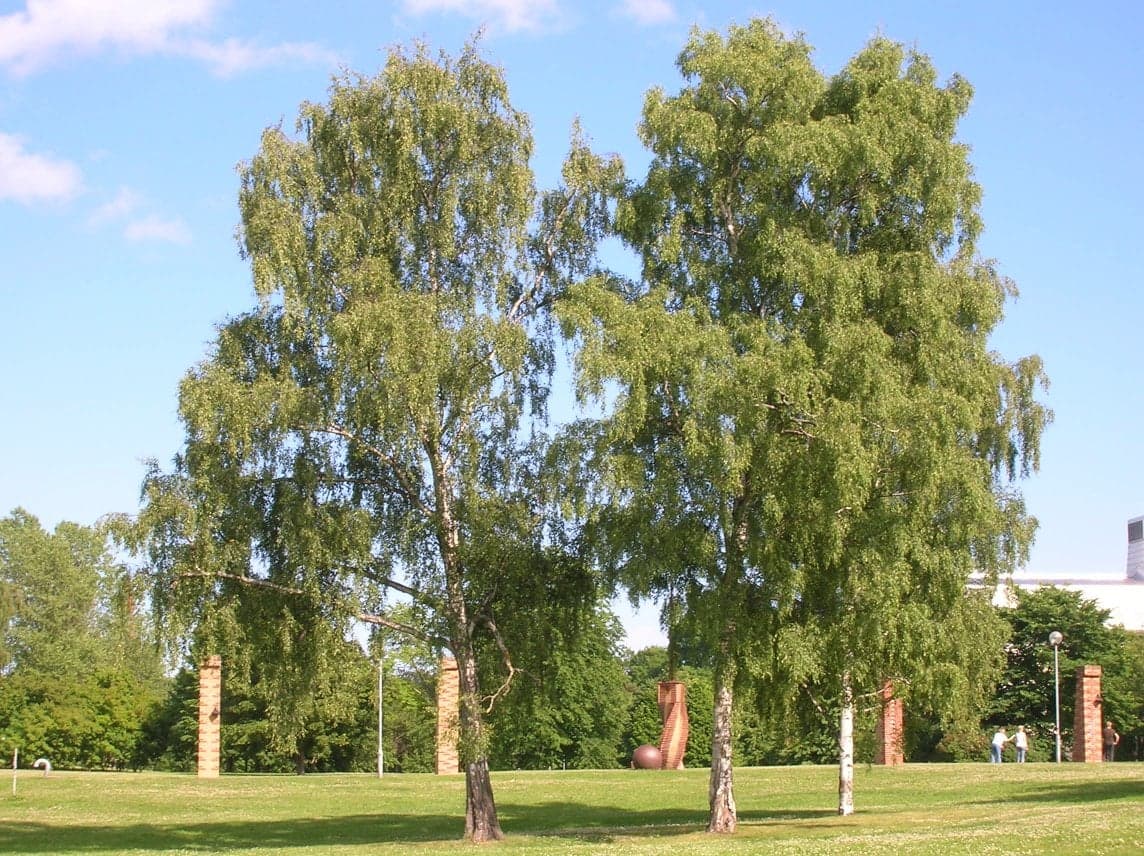
Hängebirke: Baum

Jordgubbe, via Wikimedia Commons

What the catalogue cannot tell you#

No shrinkage figures are shown for this species, and that gap is deliberate.

The reference KORENA cites reports no shrinkage data for Betula pendula. Borrowing figures from paper birch or yellow birch and presenting them under this name would produce a page that looks complete and specifies a wood that was never measured, so the fields stay empty.

What is known practically is that birch warps readily in drying and needs weighting and careful stickering to come out flat. It is also unusually susceptible to fungal attack and staining while wet, which means it must be dried promptly after conversion rather than left sitting in log or board. Stock that sat too long shows grey or brown discolouration through the wood.

Each KORENA slab carries its own measured moisture reading, which tells you about that board specifically rather than about the species in general.

Reading a Silver Birch slab#

Most birch is plain, and for painted work or a quiet interior that is the point.

The exceptions are worth knowing because they are dramatic. Curly and flame birch show rippling chatoyant figure across the grain. Masur birch carries dark flecked swirling disruption through the wood, historically attributed to insect damage or genetic factors, and it is among the most decorative surfaces available from any European species. All three are the same tree, priced very differently.

On plain stock, look for the grey or brown staining that indicates the log sat before conversion, and for warp along the length, which is the species' characteristic drying fault.

At the bench#

Birch works easily with hand and machine tools and glues without difficulty.

It is the best turning wood in this catalogue. The fine even texture holds crisp detail in a way that oak, with its coarse open pores, simply cannot, and it takes a burnished finish straight off the tool.

Figured stock is the exception to the easy working. Curly and masur grain tears out under a planer, and the answer is light cuts, sharp tooling and a scraper or a high angle plane for the final surface. On expensive figured material, that patience is cheap insurance.

Finishing, and the yellowing trap#

Birch takes paint exceptionally, which is its traditional role, and it takes clear finishes well.

The trap is that oil finishes amber pale woods, and birch shows it more than almost anything because it starts so close to white. A slab chosen specifically for its pale, cool colour will go distinctly yellow under a standard oil, and the change is permanent.

If the pale colour is the reason for the choice, use a clear water based finish or a low yellowing hardwax oil, and test on an offcut first.

Pigment stains blotch on birch as they do on other fine textured pale woods, so use a conditioner or switch to a dye.

Where Silver Birch is the right answer#

Turned work above all. Also painted furniture, cabinetry and carcass work, veneer and plywood, and any interior application where stiffness matters more than appearance, such as long shelving.

It is the wrong answer outdoors in every form, since it is rated perishable with poor insect resistance, and it is the wrong answer anywhere it will stay damp, because it stains and rots faster than most.

Sourcing and EUDR#

Not listed in the CITES Appendices, and reported by the cited source as not assessed on the IUCN Red List, so no status is displayed rather than one assumed.

As a fast growing pioneer species, birch is abundant and certification coverage through Finland, the Baltics and Scandinavia is mature. It is among the more straightforward species in this catalogue to document to EUDR standard.

+

No. It is rated perishable and will rot readily if exposed, and it is also susceptible to insect attack. Birch is strictly an interior timber. It is also unusually vulnerable to fungal staining even indoors if it stays damp, which is why it must be dried promptly after conversion.

Why does my birch look yellow after oiling?

+

Oil finishes amber pale woods, and birch shows it more than most because it starts so close to white. If the pale colour is the reason you chose the species, use a clear water based finish or a low yellowing hardwax oil instead. Test on an offcut, because the shift is permanent.

(abgerufen am 2026-08-12)
  • Meier, E. — WOOD! Identifying and Using Hundreds of Woods Worldwide (2015)(abgerufen am 2026-08-12)
  • Achtung

    • Nicht unbehandelt für außenDie natürliche Dauerhaftigkeit ist EN 350 Klasse 5 von 5. Innen verwenden oder unter gepflegter Oberfläche.
    • Staub reiztBeim Schleifen und Maschinenarbeiten Absaugung und Maske verwenden.

    Für Details auf ein Etikett tippen.

    Auf einen Blick

    Die Stufen verwenden feste Grenzen für alle Holzarten bei KORENA und sind daher direkt vergleichbar. Der gemessene Wert steht unter jeder Stufe.
    HärteWiderstand gegen Dellen und AbnutzungMittelhart

    Janka-Härte 5.360 N

    8 % härter als Europäische Eiche

    GewichtWie schwer eine Bohle zu heben istMittel

    640 kg/m³

    BearbeitungSägen, Hobeln, Schleifen, LeimenMäßig

    3,9 / 5 Werkbank-Durchschnitt

    AußeneinsatzNatürliche Fäulnisresistenz, EN 350Nur innen

    EN 350 Klasse 5

    • Sägen · Sehr gutWie sauber es schneidet und wie stark es Sägeblätter beansprucht.1 = schwierig · 5 = ausgezeichnet
    • Hobeln · GutWie glatt die Oberfläche wird und wie stark es ausreißt.1 = schwierig · 5 = ausgezeichnet
    • Schleifen · Sehr gutWie schnell es glatt schleift, ohne das Papier zuzusetzen.1 = schwierig · 5 = ausgezeichnet
    • Drechseln · AusgezeichnetWie es sich an der Drechselbank schneiden und finishen lässt.1 = schwierig · 5 = ausgezeichnet
    • Schnitzen · GutWie scharf es Details unter dem Hohleisen hält.1 = schwierig · 5 = ausgezeichnet
    • Verleimen · Sehr gutWie zuverlässig Leimverbindungen halten.1 = schwierig · 5 = ausgezeichnet
    • Schraub- / Nagelhalt · Sehr gutWie gut es Schrauben und Nägel hält, ohne zu spalten.1 = schwierig · 5 = ausgezeichnet
    • Dampfbiegen · GutWie gut es nach dem Dämpfen Rundungen annimmt.1 = schwierig · 5 = ausgezeichnet

    Was Hängebirke als Rohholz in Europa gerade kostet, je Kubikmeter netto. Tippen Sie auf einen Preis für Details.

    • Wertholz auf SubmissionAusgewählte hochwertige Stämme, auf Submissionen vor allem an Furnier- und Möbelhersteller versteigert. Aus solchen Stämmen werden Bohlen geschnitten.Die meisten Preise liegen zwischen 194 € und 200 €.Auf Basis von 44 Preisen aus 1 Region.Letzte Daten 21. Sept. 2026
    • Standard-RundholzGroße Mengen Standard-Rundholz von Waldbesitzern und Staatsforsten, überwiegend für Bau und Industrie.Die meisten Preise liegen zwischen 49 € und 49 €.Auf Basis von 11 Preisen aus 1 Region.Letzte Daten 30. Sept. 2026

    Warum kostet eine Bohle mehr?

    Das sind Preise für Rohholz. Eine Bohle ist der beste Teil eines Stamms, ein Jahr oder länger getrocknet, dann Stück für Stück geprüft und vermessen. Nur ein kleiner Teil jedes Stamms wird zur Bohle.

    Quelle: KORENA Timber Index · Letzte Daten 30. Sept. 2026

    Alle Regionalpreise