KORENA
HolzMöbelWerkstattPartnerJournal

Entdecke neue Bohlen als Erstes

Erhalte eine E-Mail, wenn neues Holz eintrifft.

Ein paar E-Mails pro Monat. Kein Spam, jederzeit abmeldbar.

KORENA

Entdecke Massivholz, handgefertigte Möbel, Werkzeuge und Produkte zur Holzbehandlung auf KORENA.

Einkaufen

  • Produkte ansehen
  • Archiv verkaufter Bohlen
  • Bestellung verfolgen

Lernen

  • KORENA-Journal
  • Holzartenführer
  • Glossar
  • Pflanzenpässe und Befallsgebiete
  • Vergleichen
  • Autoren

Hilfe

  • Über uns
  • So funktioniert es
  • Verkäufer werdenNeu
  • Bohle anfragen
  • Kundenservice
  • Dokumentvorlagen
  • Presse

Kaufen

  • Verkaufsbedingungen
  • Widerrufsrecht
  • Rückgaben und Gewährleistung
  • Versand und Lieferung

Vertrauen

  • Datenschutzerklärung
  • Cookie-Richtlinie
  • Holzherkunft und EUDR
  • Barrierefreiheit

Impressum

  • Rechtlicher Hinweis / Impressum
  • Zulässige Nutzung
  • Geistiges Eigentum und Inhalte

© 2026 KORENA. Alle Rechte vorbehalten.

Betrieben von der Martial Labs Ltd. (BG, EIK 207453941). KORENA ist ein Handelsname der Martial Labs Ltd.

Wir respektieren Ihre Privatsphäre

Wir verwenden notwendige Cookies, damit die Website funktioniert. Mit Ihrer Einwilligung würden wir auch Cookies für Analyse, personalisierte Inhalte und Werbung verwenden. Sie können Ihre Entscheidung jederzeit auf der Seite Einwilligungseinstellungen ändern. Sehen Sie unsere Cookie-Richtlinie und Datenschutzerklärung.

  1. Startseite
  2. /
  3. Holzarten
  4. /
  5. Weißtanne

Abies alba

Weißtanne

Spruce without the resin. The softest species in the KORENA catalogue, and the best softwood here for a painted finish.

  • This species is recorded as commercially grown in Europe. This does not establish where an individual piece was harvested; check its origin details.
  • Botanische Gruppe. Nadelhölzer sind Koniferen, Laubhölzer stammen von Laubbäumen.
  • Die botanische Familie, zu der die Holzart gehört.
Benachrichtigen, wenn verfügbarReferenzholzart. Derzeit keine Stücke auf Lager.
  • Projekteignung
  • Auf Lager
  • Aussehen
  • Verarbeitung
  • Quellen und Schwinden
  • Preis
  • Sicherheit und Herkunft
  • Fragen
  • Technische Daten

Passt es zu Ihrem Projekt?

Ideal für

  • Wall and ceiling panelling
  • Painted furniture
  • Lightweight carcass work
  • Shelving
  • Interior joinery

Kein Weißtanne im aktuellen Drop

Ähnliche Holzarten auf Lager

Derzeit kein Weißtanne. Diese Holzarten eignen sich für dieselben Projekte und sind verfügbar.
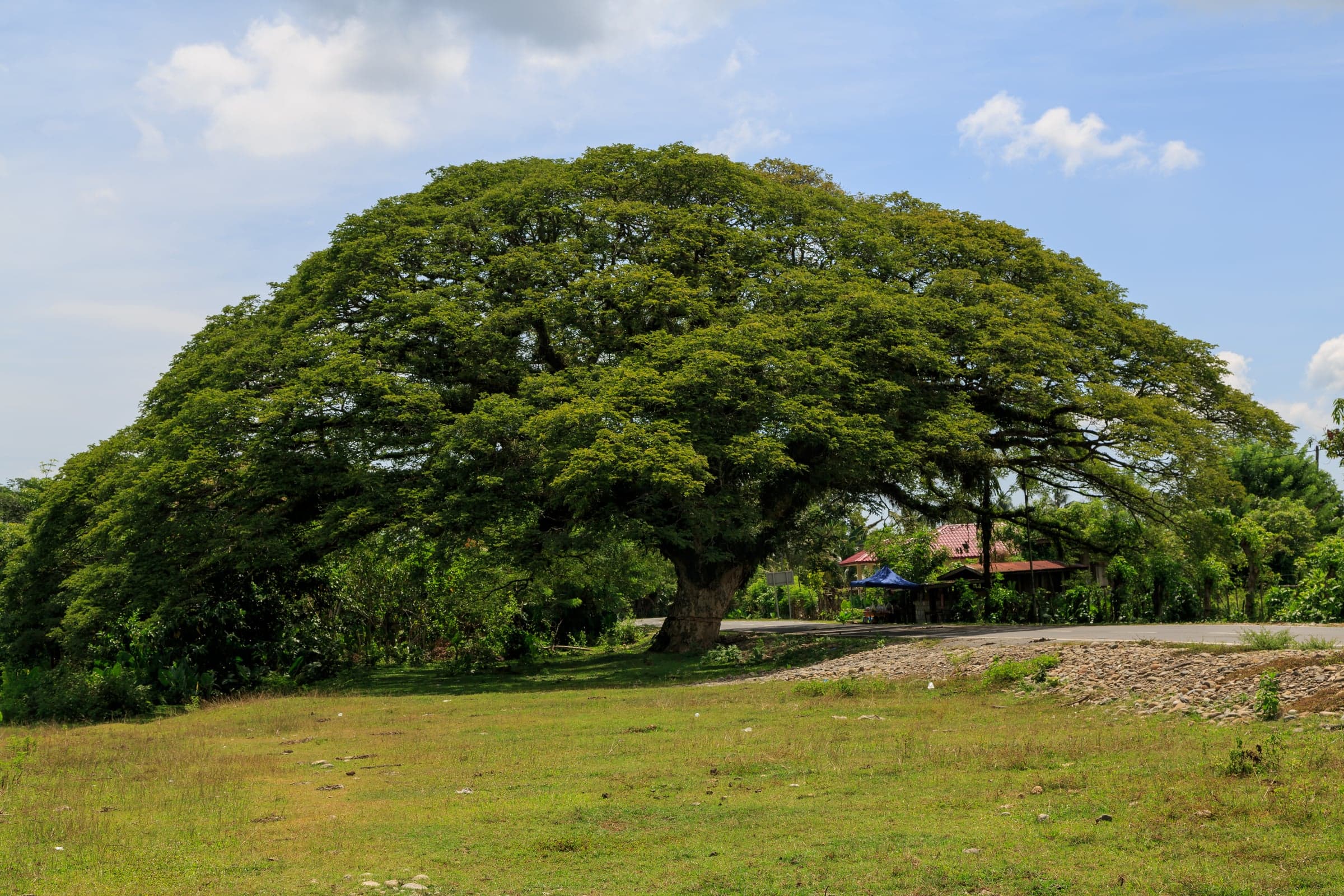
  • Saman: Holzmaserung

    Saman

    Samanea saman

    4 Stücke

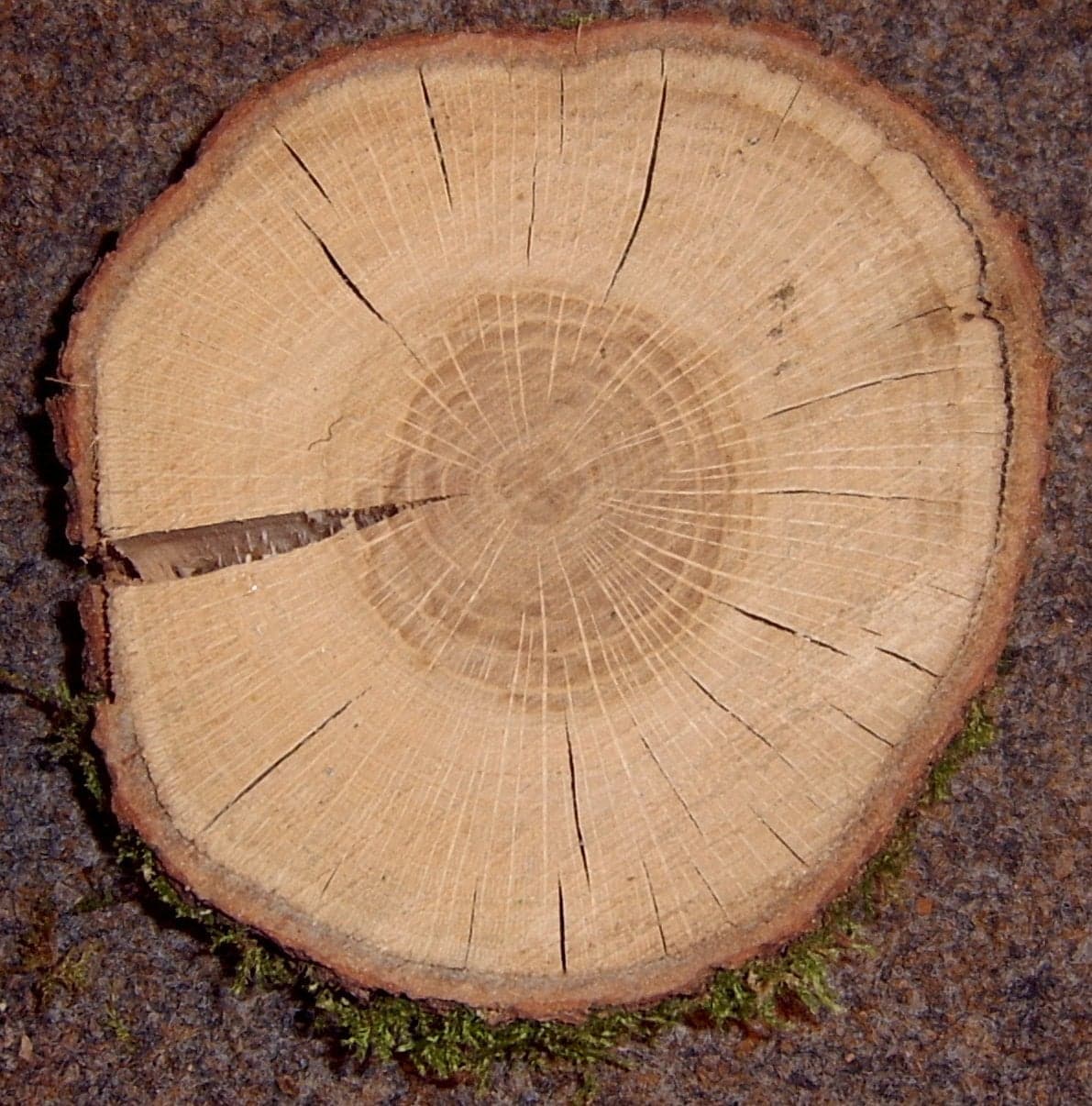
  • Europäische Eiche: Holzmaserung

    Europäische Eiche

    Quercus robur

    6 Stücke

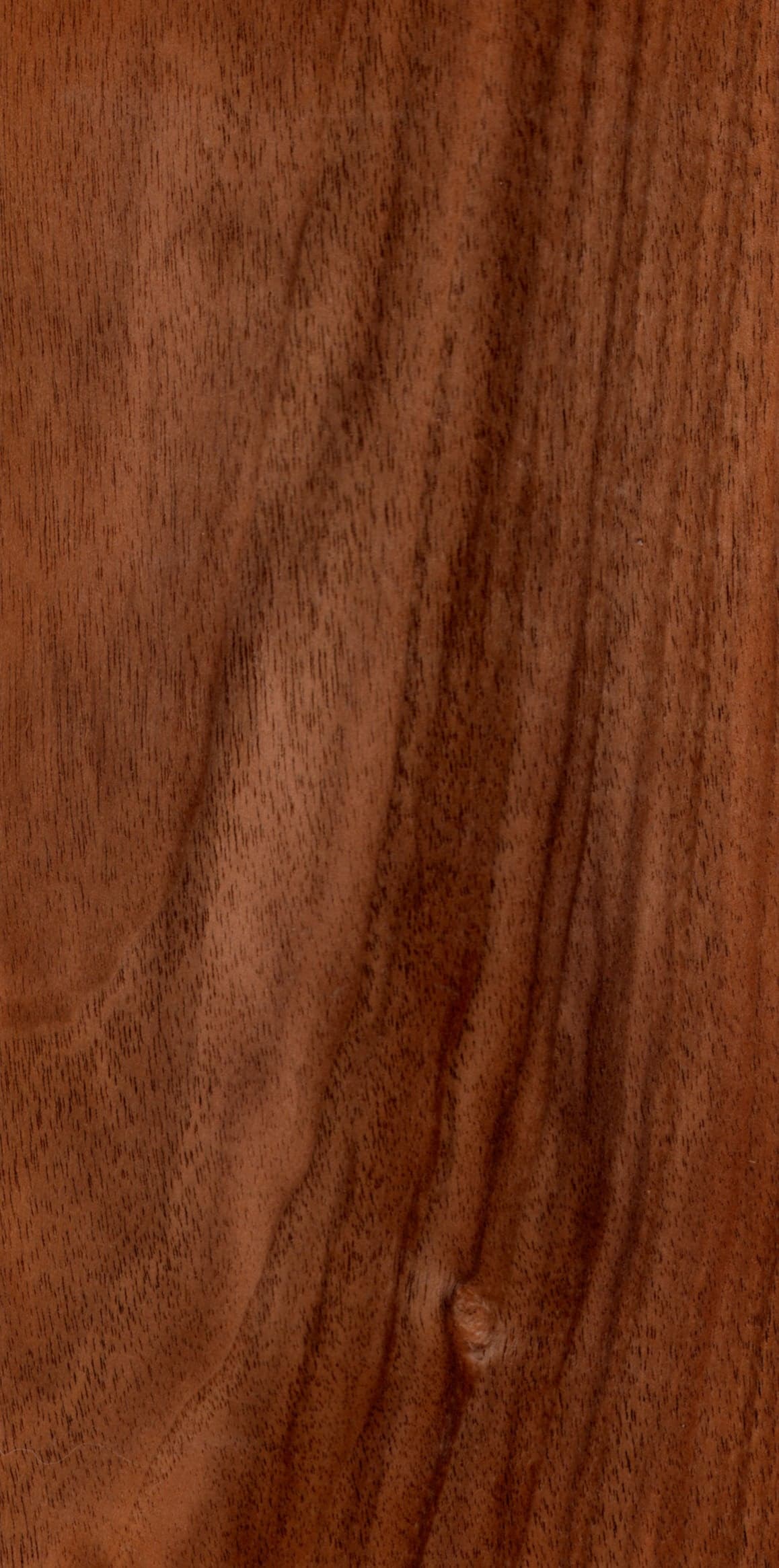
  • Europäischer Nussbaum: Holzmaserung

    Europäischer Nussbaum

    Juglans regia

    12 Stücke

Benachrichtigung zu Weißtanne

Wir benachrichtigen Sie per E-Mail, wenn neue Weißtanne-Bohlen bei KORENA eintreffen. Jedes Stück ist ein Unikat, deshalb zählt eine frühe Nachricht.

Ein paar E-Mails pro Monat. Kein Spam, jederzeit abmeldbar.

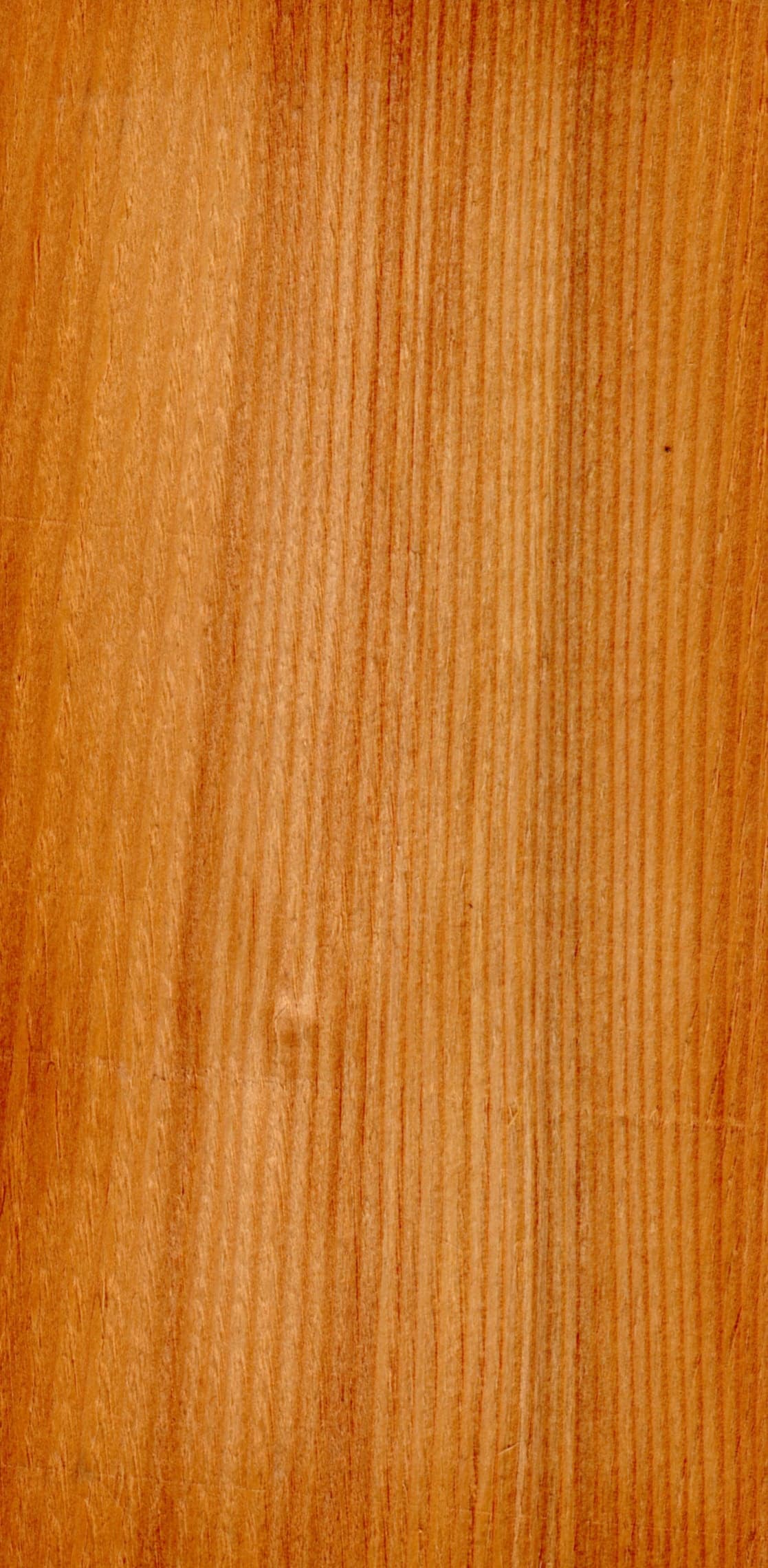
Holzbild

So sieht es aus

Very close to Norway Spruce in appearance and routinely sold interchangeably with it. Silver Fir is a shade duller and greyer, entirely without the resin pockets that mark spruce, because the species has no resin canals in its wood. Grain is straight, texture fine and even, and the overall impression is flatter and quieter than spruce.

  • Near white to pale grey-brown, duller than spruce
  • No visible heartwood boundary
  • No resin pockets, the clearest way to tell it from spruce
  • Helle, gerade Faserung; kaum Harzkanäle.

Arbeiten mit dieser Holzart

Verarbeitung

Generally easy with both hand and machine tools, and it glues, stains and finishes better than spruce because the absence of resin canals makes absorption more even. The same softness caveat applies: sharp cutters are essential or the earlywood crushes and fuzzes. It holds detail poorly under carving tools, so it is not a carving wood despite being soft.

Finish

Takes stain and finish noticeably better than spruce, though it is still a softwood with uneven density and a conditioner remains sensible before pigment stain. It is one of the better softwood choices for a painted finish, since the fine even texture needs little grain filling. Clear finishes leave it looking pale and slightly cool.

Trocknung

Dries readily and without much degrade, and because there are no resin canals there is no resin bleed to manage, which is a genuine advantage over spruce in thick sections. Wet pockets of bacterially infected wood, sometimes called wetwood, occur in older trees and dry slowly and unevenly. A yard that has kilned the stock properly will have caught these. Movement in service is moderate at around 12.8 percent volumetric.

Wie stark arbeitet es?

Holz quillt und schwindet in der Breite, wenn die Luft feuchter und trockener wird. Schätzen Sie das saisonale Arbeiten einer Weißtanne-Platte, bevor Sie die Befestigung planen.

Einschnitt
Einsatzort

Erwartetes saisonales Arbeiten

etwa 9,9 mm

Platte mit Tischplattenhaltern oder Langlochwinkeln befestigen, nicht verleimen oder fest verschrauben.

Lineares Schwindmodell: Breite × (Schwindmaß ÷ 28 % Fasersättigung) × saisonale Feuchteschwankung. Verwendet 8,7 % Schwindmaß in Tangentialrichtung für Weißtanne. Eine Planungsschätzung, keine Garantie.

Was es kostet

Sicherheit und Herkunft

  • This species is recorded as commercially grown in Europe. This does not establish where an individual piece was harvested; check its origin details.
  • Status auf der Roten Liste der IUCN: die weltweite Schutzbewertung dieser Art.
  • Species in the Abies genus have been reported to cause skin irritation, though severe reactions are uncommon. Standard dust extraction and a P2 mask for extended machining cover it.

Den vollständigen Leitfaden lesenAusführliche Hinweise zu Maserung, Farbveränderung, Verarbeitung und Formstabilität.+

What Silver Fir actually is#

Abies alba is the tree most people have looked at without knowing it. It is a major component of central European mountain forest, it is the traditional Christmas tree across much of the continent, and its timber is sold through the trade as whitewood alongside Norway Spruce with little distinction drawn between them. For most construction purposes that conflation is harmless. For slab work it is worth separating, because the one structural difference between the two species changes how the wood behaves.

Silver Fir has no resin canals. Spruce does. Everything that follows from that, the absence of resin pockets, the cleaner behaviour under paint, the more even stain absorption, the lack of bleed in thick sections, is the reason to choose fir over spruce rather than treat them as the same board.

Reading a Silver Fir slab#

Colour range is narrow: near white through to a pale grey-brown, with no heartwood boundary to speak of. Against spruce it reads flatter and cooler, a fraction duller, and without the amber flecking that gives spruce its visual interest.

Because colour gives you so little, judge the slab on ring structure and defects. Tight rings from slow mountain growth mean a denser, stiffer, more stable board. Knots are the usual limiting factor, and fir knots are somewhat less hard and less prone to tear-out than spruce knots, which makes them slightly easier to machine through when you have no choice.

Käuferfragen

Häufige Fragen von Käufern

How do I tell Silver Fir from Norway Spruce?

+

Look for resin pockets. Spruce has resin canals and shows amber pockets and streaks; Silver Fir has none at all, so a clean pale board with no resin marks is almost certainly fir. Fir also reads slightly greyer and duller. The two are close enough that they are frequently sold interchangeably as whitewood.

Is Silver Fir better than spruce for painted work?

+

Yes, generally. The fine even texture needs little grain filling and the absence of resin canals means no bleed-through under paint. Spruce resin pockets can telegraph through a painted finish months later unless sealed with shellac first.

Can I use Silver Fir outdoors?

+

Not untreated. It is rated non-durable to perishable with little resistance to insect attack, which is the lowest durability in this group. European larch or Douglas fir are the appropriate choices for exposure.

Is it hard enough for a desk top?

+

At 1,420 N Janka it is the softest species KORENA lists, softer even than spruce. A desk top in fir will mark under a pen pressed through paper. It works for a light-use surface finished in a refreshable hardwax oil, but for daily writing use a harder species.

Mechanische Eigenschaften

Technische Daten

Veröffentlichte Referenzwerte. Wo Quellen abweichen, steht die Spanne; der typische Wert wird für die Stufen oben verwendet.

Dichte (kg/m³)Masse pro Kubikmeter bei etwa 12 % Holzfeuchte. Schwereres Holz ist meist härter und fester.415 kg/m³
Janka-Härte (N)Kraft, um eine Stahlkugel zur Hälfte ins Holz zu drücken. Das Standardmaß für Eindruckfestigkeit.1,420 N
MOR: Biegebruchmodul (MPa)Biegefestigkeit: die Last, bei der ein Balken bricht.66 MPa
MOE: Elastizitätsmodul (GPa)Biegesteifigkeit: wie stark ein Regalboden oder eine Platte unter Last durchhängt.8.3 GPa
Radiales SchwindenSchwindmaß quer zu den Jahrringen, von frisch bis darrtrocken. Riftbretter arbeiten in diesem Maß.4.0 %
Tangentiales SchwindenSchwindmaß entlang der Jahrringe. Fladerbretter und die meisten Bohlen arbeiten in diesem Maß.8.7 %
Weißtanne: Holzmaserung

Achim Raschka (talk), via Wikimedia Commons

Abies alba grows through the mountain systems of central and southern Europe, from the Pyrenees across the Alps to the Carpathians and the Balkans. Most slab stock comes from managed mixed forests where it grows alongside beech and spruce, and EU certification coverage is good.

  • Not listed in the CITES Appendices and assessed by the IUCN as Least Concern. Silver Fir declined across parts of its range during the twentieth century from air pollution and heavy browsing pressure, and it is now recovering under managed forestry. Certified supply is readily available.

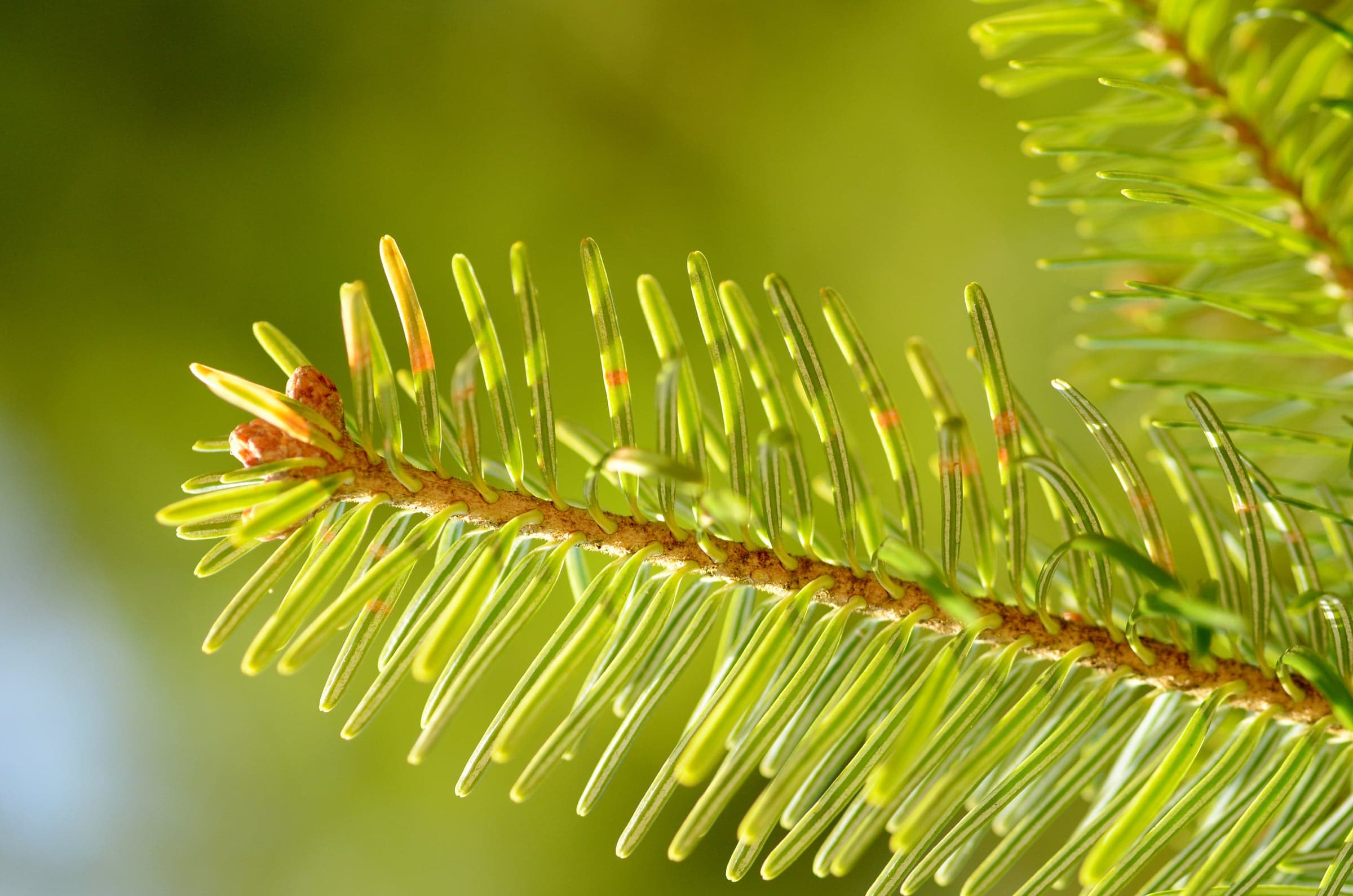
  • Weißtanne: Blatt
    Blatt
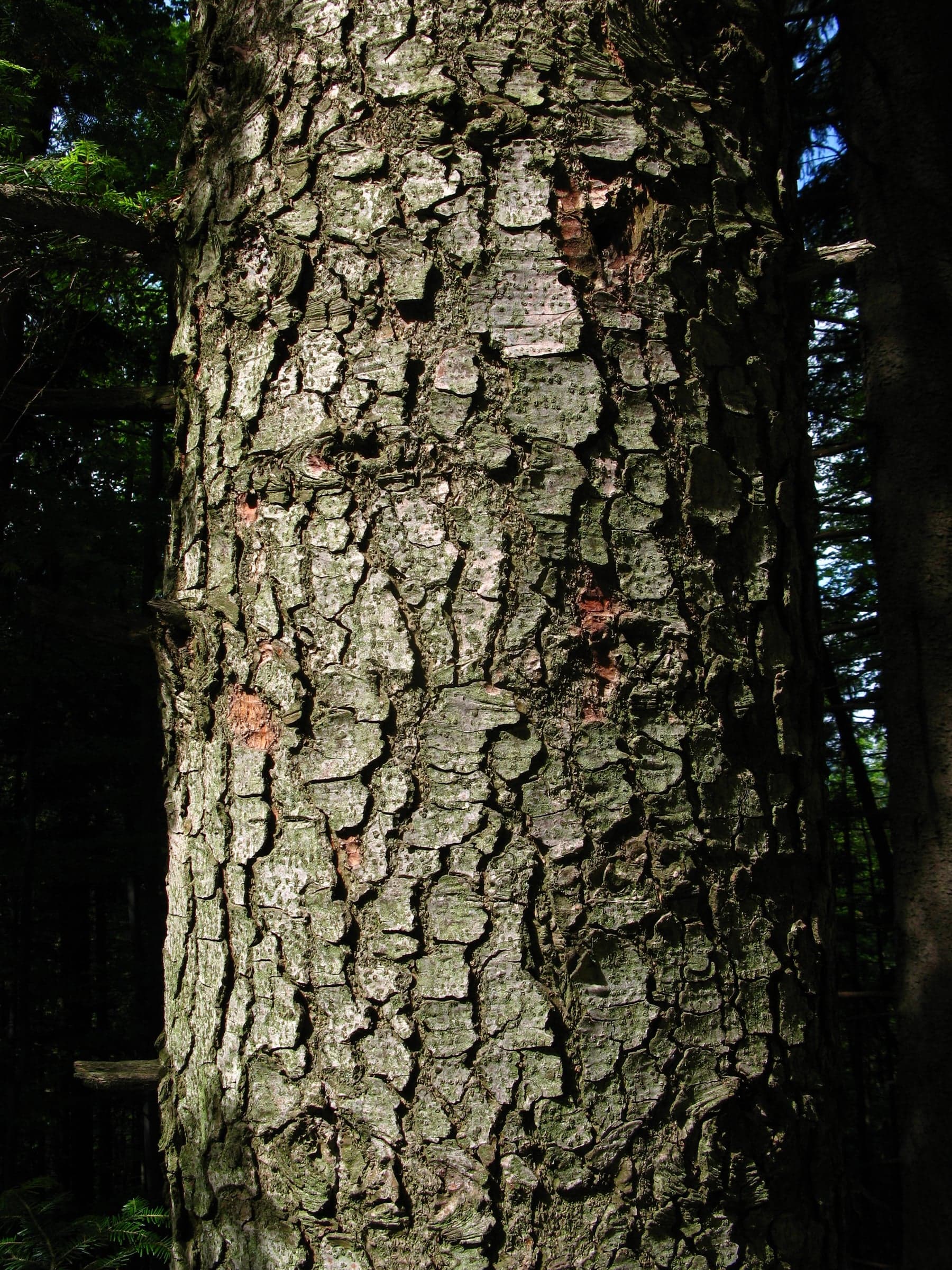
    Weißtanne: Rinde
    Rinde

    The specific thing to look for is wetwood, a bacterially affected zone carrying abnormally high moisture that occurs in some older trees. It dries slowly and unevenly and can leave a localised darker stain or a collapsed area. Properly dried stock has already revealed any of it. Since every KORENA slab carries a measured moisture value rather than an assurance, an unevenly dried board shows up in the data.

    At the bench#

    Fir works easily with hand and machine tools, and it glues, stains and finishes better than spruce for the reason given above. The softness caveat that governs all of this group still applies, and applies here hardest, because at 1,420 N on the Janka scale Silver Fir is the softest wood KORENA lists.

    Sharp cutters are not optional. A dull plane iron will crush the earlywood rather than cut it, and the crushed fibres lift when finish goes on. Light cuts and a card scraper produce a far better surface than heavy cuts and sandpaper. Stop sanding at 180 grit.

    One thing fir does not do well is hold carved detail. Softness suggests it should be a carving wood, but the fibre is stringy rather than crisp and fine detail tears out at the edges. Small-leaved lime is the species in the KORENA catalogue built for that job.

    Gluing is reliable with moderate clamping pressure. Screws hold adequately with pilot holes and coarse threads, though as with all light softwoods, through-bolts and washers are better wherever the load is real.

    Drying and movement#

    Fir dries readily and without much degrade. The absence of resin canals is a practical advantage in thick sections, because there is no resin to bleed when a slab warms in sunlight or over underfloor heating. Spruce in the same position may weep at the pockets years after finishing.

    Volumetric shrinkage sits around 12.8 percent, close to spruce, with tangential movement at 8.7 percent against 4.0 percent radial. That ratio, better than two to one, means flatsawn boards want to cup as humidity swings. Quartersawn stock is meaningfully more stable and worth paying for in a wide top.

    Let a slab acclimatise in its final room for a couple of weeks before final flattening. This matters more for softwoods than hardwoods because the movement is faster.

    Where Silver Fir is the right answer#

    Painted work is where fir clearly beats the alternatives here. The fine even texture needs almost no grain filling, and with no resin canals there is nothing to telegraph through the paint film later. A painted fir carcass will still look right in ten years, where a painted spruce one may show resin ghosting at the pockets.

    It also suits wall and ceiling panelling, lightweight carcass work, and shelving where the span is short or supported. Its stiffness to weight ratio is decent, but at this density long unsupported shelves will sag.

    It is the wrong answer for any working surface that must resist marking, for anything outdoors, and for carving.

    Sourcing and EUDR#

    Not CITES listed and assessed as Least Concern. Silver Fir declined across parts of its range through the twentieth century under air pollution and heavy deer browsing, and current populations are recovering under active management. Certified supply from Alpine and Carpathian sources is readily available, and the documentation path for EUDR is the same short one that applies to the other managed European conifers in this catalogue.

    What is wetwood and does it matter?

    +

    Wetwood is a bacterially affected zone of abnormally high moisture found in some older firs. It dries slowly and unevenly and can leave localised staining or collapse. Properly kilned stock will have revealed it already. Every KORENA slab carries a measured moisture reading, so a slab that dried unevenly is visible in the data rather than a surprise at the bench.

    Volumetrisches SchwindenGesamte Volumenänderung von frisch bis darrtrocken. Niedriger heißt formstabiler.12.8 %
    Natürliche Dauerhaftigkeit (EN 350)Europäische Norm für natürliche Dauerhaftigkeit, von 1 (sehr dauerhaft) bis 5 (nicht dauerhaft).Class 5 — Perishable

    Quellen

    • The Wood Database — European Silver Fir (Abies alba)(abgerufen am 2026-08-12)
    • USDA FPL Wood Handbook FPL-GTR-190 (2010)(abgerufen am 2026-08-12)
    • Meier, E. — WOOD! Identifying and Using Hundreds of Woods Worldwide (2015)(abgerufen am 2026-08-12)

    Achtung

    • Nicht unbehandelt für außenDie natürliche Dauerhaftigkeit ist EN 350 Klasse 5 von 5. Innen verwenden oder unter gepflegter Oberfläche.
    • Staub reiztBeim Schleifen und Maschinenarbeiten Absaugung und Maske verwenden.
    • Schlecht zum DampfbiegenRundungen lieber verleimen als dämpfen.

    Für Details auf ein Etikett tippen.

    Auf einen Blick

    Die Stufen verwenden feste Grenzen für alle Holzarten bei KORENA und sind daher direkt vergleichbar. Der gemessene Wert steht unter jeder Stufe.
    HärteWiderstand gegen Dellen und AbnutzungWeich

    Janka-Härte 1.420 N

    71 % weicher als Europäische Eiche

    GewichtWie schwer eine Bohle zu heben istSehr leicht

    415 kg/m³

    StabilitätWie wenig es mit den Jahreszeiten arbeitetDurchschnittlich

    12,8 % Volumenschwindung

    BearbeitungSägen, Hobeln, Schleifen, LeimenMäßig

    3,9 / 5 Werkbank-Durchschnitt

    AußeneinsatzNatürliche Fäulnisresistenz, EN 350Nur innen

    EN 350 Klasse 5

    • Sägen · Sehr gutWie sauber es schneidet und wie stark es Sägeblätter beansprucht.1 = schwierig · 5 = ausgezeichnet
    • Hobeln · Sehr gutWie glatt die Oberfläche wird und wie stark es ausreißt.1 = schwierig · 5 = ausgezeichnet
    • Schleifen · Sehr gutWie schnell es glatt schleift, ohne das Papier zuzusetzen.1 = schwierig · 5 = ausgezeichnet
    • Drechseln · GutWie es sich an der Drechselbank schneiden und finishen lässt.1 = schwierig · 5 = ausgezeichnet
    • Schnitzen · GutWie scharf es Details unter dem Hohleisen hält.1 = schwierig · 5 = ausgezeichnet
    • Verleimen · AusgezeichnetWie zuverlässig Leimverbindungen halten.1 = schwierig · 5 = ausgezeichnet
    • Schraub- / Nagelhalt · Sehr gutWie gut es Schrauben und Nägel hält, ohne zu spalten.1 = schwierig · 5 = ausgezeichnet
    • Dampfbiegen · MäßigWie gut es nach dem Dämpfen Rundungen annimmt.1 = schwierig · 5 = ausgezeichnet

    Was Weißtanne als Rohholz in Europa gerade kostet, je Kubikmeter netto. Tippen Sie auf einen Preis für Details.

    • Wertholz auf SubmissionAusgewählte hochwertige Stämme, auf Submissionen vor allem an Furnier- und Möbelhersteller versteigert. Aus solchen Stämmen werden Bohlen geschnitten.Die meisten Preise liegen zwischen 200 € und 201 €.Auf Basis von 68 Preisen aus 1 Region.Letzte Daten 14. Nov. 2026
    • Standard-RundholzGroße Mengen Standard-Rundholz von Waldbesitzern und Staatsforsten, überwiegend für Bau und Industrie.Die meisten Preise liegen zwischen 38 € und 158 €.Auf Basis von 6.660 Preisen aus 7 Regionen.Letzte Daten 14. Nov. 2026

    Standard-Rundholz nach Land

    • Rumänien · 87 € / m³Regionen: Banat / Crișana, Moldavia (Romania), Transylvania und Wallachia6.378 PreiseLetzte Daten 14. Nov. 2026
    • Italien · 85 € / m³Regionen: Veneto78 PreiseLetzte Daten 23. Juli 2025
    • Frankreich · 76 € / m³Regionen: Bourgogne-Franche-Comté und Grand Est / Alsace204 PreiseLetzte Daten 14. Nov. 2026

    Warum kostet eine Bohle mehr?

    Das sind Preise für Rohholz. Eine Bohle ist der beste Teil eines Stamms, ein Jahr oder länger getrocknet, dann Stück für Stück geprüft und vermessen. Nur ein kleiner Teil jedes Stamms wird zur Bohle.

    Quelle: KORENA Timber Index · Letzte Daten 14. Nov. 2026

    Alle Regionalpreise