KORENA
HolzFertige StückeZubehörLagerJournal

Benachrichtigen lassen

Jede Bohle ist ein Einzelstück. Wenn sie verkauft ist, ist sie weg. Wir senden Ihnen E-Mails, wenn neue Stücke gelistet werden: frische Eingänge, neue Holzarten und Bretter passend zu einem Projektbriefing.

Ein paar E-Mails pro Monat. Kein Spam, jederzeit abmeldbar.

KORENA — Premium Hardwood

Ein Stück nach dem anderen.

Geprüftes Premium-Hartholz, Stück für Stück verkauft. Jede Bohle wird fotografiert, vermessen und mit Holzpass aus dem Partnerlager versandt.

Shop

  • Produkte ansehen
  • Archiv verkaufter Bohlen
  • Bestellung verfolgen

Lernen

  • Journal
  • Holzartenführer
  • Glossar
  • Vergleichen
  • Autoren

Hilfe

  • Über uns
  • So funktioniert es
  • Partnerlager werden
  • Platte anfragen
  • Support
  • Document templates
  • Presse

Kaufen

  • Verkaufsbedingungen
  • Widerrufsrecht
  • Rückgaben und Gewährleistung
  • Versand und Lieferung

Vertrauen

  • Datenschutzerklärung
  • Cookie-Richtlinie
  • Holzherkunft und EUDR
  • Barrierefreiheit

Impressum

  • Rechtlicher Hinweis / Impressum
  • Zulässige Nutzung
  • Geistiges Eigentum und Inhalte

© 2026 KORENA. Alle Rechte vorbehalten.

Betrieben von der Martial Labs Ltd. (BG, EIK 207453941). KORENA ist ein Handelsname der Martial Labs Ltd.

Wir respektieren Ihre Privatsphäre

Wir verwenden notwendige Cookies, damit die Website funktioniert. Mit Ihrer Einwilligung würden wir auch Cookies für Analyse, personalisierte Inhalte und Werbung verwenden. Sie können Ihre Entscheidung jederzeit auf der Seite Einwilligungseinstellungen ändern. Sehen Sie unsere Cookie-Richtlinie und Datenschutzerklärung.

  1. Startseite
  2. /
  3. Holzarten
  4. /
  5. European Walnut

Juglans regia

European Walnut

Warm chocolate-brown hardwood with straight to wavy grain. Works cleanly, finishes beautifully, and reads as the maker's wood across European studios.

Kommerziell in Europa angebautFamilie: Juglandaceae
European Walnut

Achim Raschka (talk), via Wikimedia Commons

Baum

Juglans regia grows across central and southern Europe, France, Italy, the Balkans, and into Anatolia. EU yards source it from managed orchards and woodland thinnings, with French and Italian stock the most common at trade.

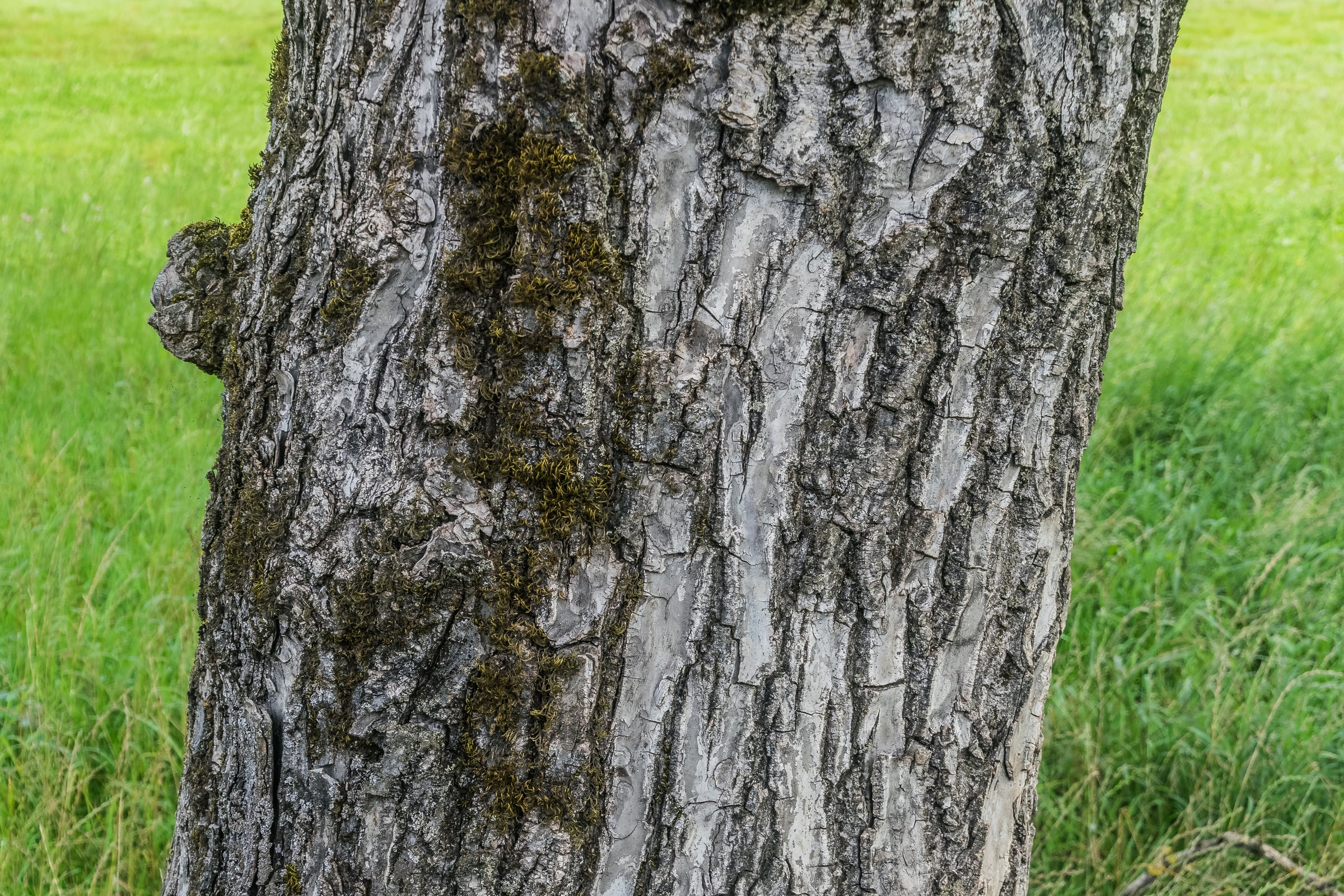
European Walnut rinde
Rinde

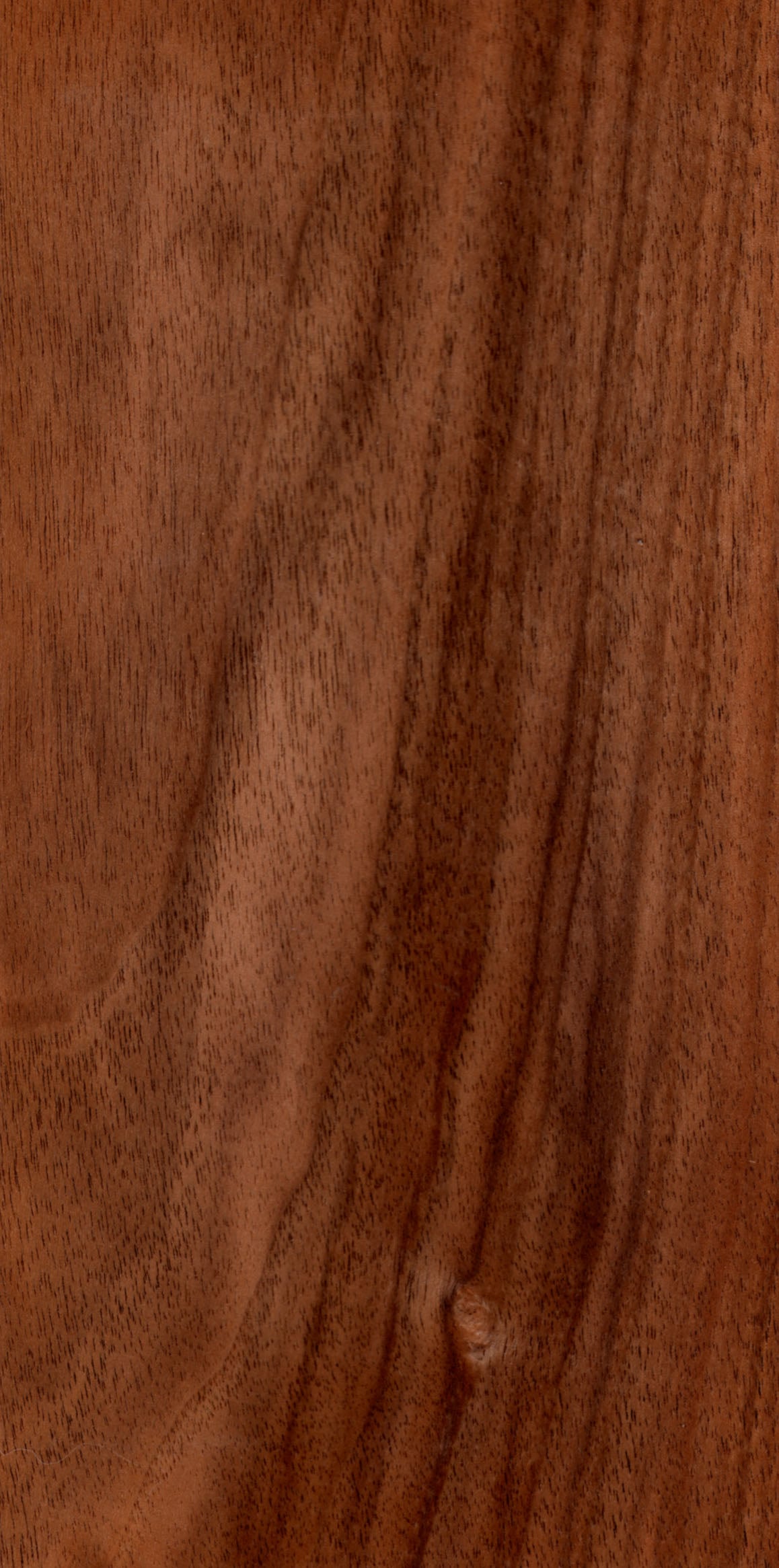
Holzbild

Grain runs mostly straight, with wavy or curly figure where branches and crotches meet. Texture is coarse and uneven, and at around 640 kg/m³ it feels solid in the hand without being heavy on the bench.

  • Warm chocolate to greyed brown
  • Purple and violet undertones in fresh stock
  • Pale sapwood contrast at the edges
  • Lightens slightly with UV over the first year
  • Straight grain, sometimes wavy or curly. Coarse uneven texture.
  • European Walnut grain

    Achim Raschka (talk), via Wikimedia Commons

    Mechanische Eigenschaften

    Dichte (kg/m³)590–680 kg/m³
    Janka-Härte (N)4,900–5,800 N
    MOR: Biegebruchmodul (MPa)100–130 MPa
    MOE: Elastizitätsmodul (GPa)9.0–12.0 GPa
    Radiales Schwinden4.5–5.5 %
    Tangentiales Schwinden7.0–8.5 %
    Volumetrisches Schwinden11.0–13.0 %
    Natürliche Dauerhaftigkeit (EN 350)Class 3 — Moderately durable

    Arbeiten mit dieser Holzart

    1 = schwierig · 5 = ausgezeichnet

    Saws, planes, sands, and turns at 4/5, a cooperative wood on hand and machine tools. Wavy or curly sections want sharp irons and a light cut to avoid tear-out; steam-bending is workable but middling at 3/5.

    Sägen
    Hobeln
    Schleifen
    Drechseln
    Schnitzen
    Verleimen
    Schraub- / Nagelhalt
    Dampfbiegen

    Trocknung

    Dries at a moderate rate with a tendency to check and honeycomb if pushed. Most EU yards air-dry then finish in the kiln; ask for moisture content and any sticker stain before you commit.

    Finish

    Takes oils, hardwax, and shellac without fuss, a thinned oil coat deepens the brown and lifts any figure. Sands to a fine surface; avoid heavy stain, the natural colour does the work.

    Dauerhaftigkeit und Sicherheit

    • Class 3 — Moderately durable
    • Für Lebensmittelkontakt geeignet
    • Staub reizend: PSA tragen

    Dust contains juglone and can irritate skin and airways. Wear a mask and run extraction; finished surfaces are food-contact safe.

    Beste Anwendungen

    • Live-edge dining and conference tables
    • Bookmatched desk and console tops
    • Carved chair seats and stool tops
    • Cabinet doors and drawer fronts
    • Turned bowls and lidded vessels

    Kombinationen und Ersatz

    Passt gut zu

    • hard-maple
    • european-oak
    • european-ash

    Wird oft ersetzt durch

    • black-walnut
    • walnut-claro

    Beschaffung und Nachhaltigkeit

    • Kommerziell in Europa angebaut
    • IUCN: LC — Least Concern

    Native to Europe, IUCN Least Concern, and not CITES-listed. Supply is steady from orchard thinnings and managed woodland, though wide single-board slabs in the 80 cm+ range move fast.

    What European Walnut actually is#

    Juglans regia is the premium furniture timber of Europe and has been for four centuries. It combines a colour and figure nothing else here matches with genuinely good working properties and better than average stability, and it is expensive because all three are true at once.

    It is grown as much for nuts as for wood. A great deal of slab stock comes from orchard and garden trees felled at the end of their productive life rather than from managed forestry, which is why widths and lengths are irregular and why provenance varies more than for a plantation species.

    Reading a walnut slab#

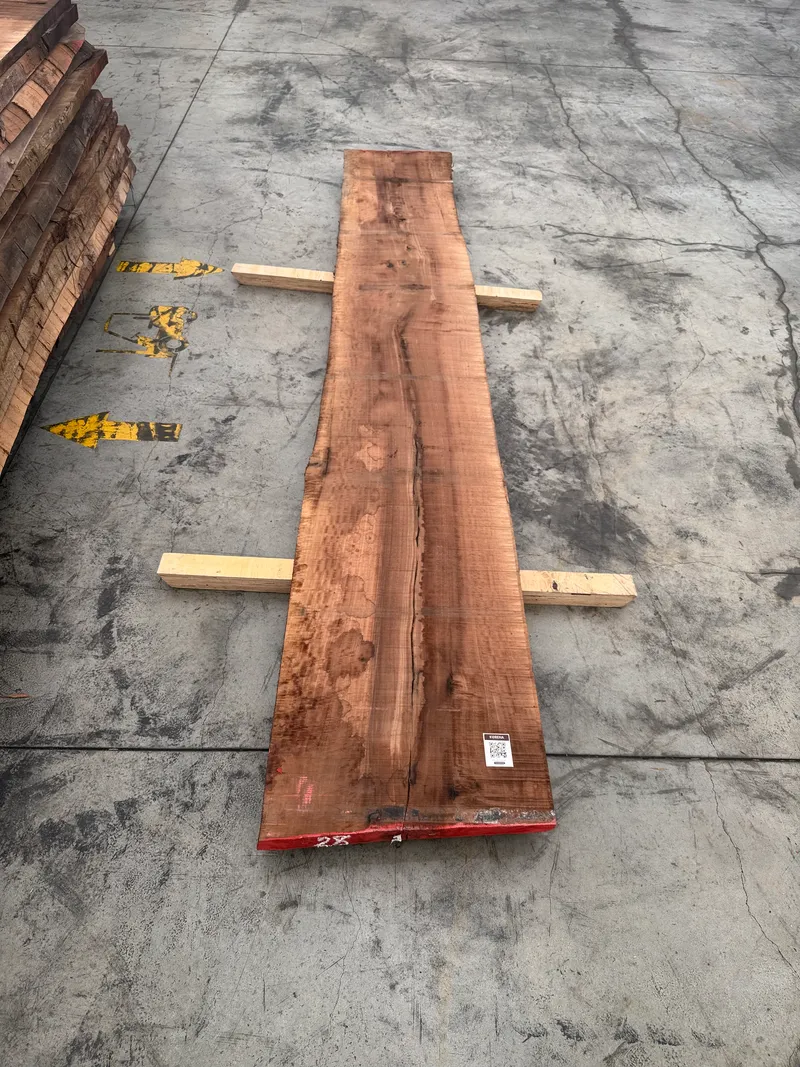
    Colour runs grey brown to mid brown, warmer and lighter than American black walnut, with pronounced streaking and marbling. Sapwood is pale cream and sharply demarcated, and on a live edge slab it is usually left in place as a feature.

    Figure is where the value concentrates. Crotch sections, where a trunk divides, produce feather and flame patterns. Stump and root material gives burl. Curly and quilted grain occurs. A plain walnut board and a figured one from the same tree can differ in price by a factor of five.

    Look for the streaking pattern, the sapwood line, and any check running from a crotch, which is where drying stress concentrates.

    The fading question#

    Almost every wood in this catalogue darkens with light. Walnut is the significant exception: it lightens.

    Fresh machined walnut carries purple and grey notes that mellow over months and years toward a warmer, lighter honey brown. The dramatic contrast between dark heartwood and pale sapwood softens as the heartwood lightens.

    This catches buyers out regularly. If you choose a slab for the deep, almost purple brown it shows on the day it was surfaced, you are choosing a colour that will not persist. A UV inhibiting finish slows the change but does not stop it.

    Working it#

    Walnut is a pleasure. At 5,410 N it is hard enough to be substantial without punishing tooling, it machines cleanly, turns well, carves well, glues reliably and takes finish beautifully.

    Figured stock is the exception. Crotch and burl grain tears out under a planer, and the answer is light cuts, sharp tooling and a scraper or high angle plane for the final surface. On material this expensive that patience is cheap.

    It takes oil finishes particularly well, and a thinned oil coat deepens the brown and lifts the chatoyance in figured sections more effectively than a film finish.

    The juglone issue#

    Walnut contains juglone, and the species is a documented sensitiser. Skin and respiratory irritation are reported, and repeated exposure sensitises some people over time. Extraction and a mask matter more here than with most species.

    Juglone is also allelopathic, toxic to many plants. Walnut shavings and sawdust should not go into garden mulch or compost, and they should never be used as animal bedding, particularly for horses, where walnut shavings are associated with laminitis.

    Stability#

    Volumetric shrinkage of 11.0 percent is among the lower figures in this catalogue, with tangential at 7.0 percent against radial at 4.5 percent.

    That is a comparatively narrow differential, and it means walnut behaves better in a wide flatsawn top than oak, ash or beech would. Combined with its appearance, that stability is a large part of why walnut is the premium choice rather than merely the prettiest one.

    Decay class 3 makes it moderately durable, which is adequate for protected exterior joinery but not for exposure.

    Where European Walnut is the right answer#

    Fine furniture, tabletops, cabinetry, turned and carved work, gunstocks, and any piece where appearance carries the design. It is the species in this catalogue that most rewards a live edge treatment, because the sapwood contrast and the figure are the point.

    It is the wrong answer where budget is the constraint and where a large volume of matched material is needed, since consistency across many boards is hard to achieve.

    Sourcing and EUDR#

    Not CITES listed and assessed as Least Concern. Supply is genuine but limited, and because much of it comes from orchard and garden felling rather than forestry, the chain behind a given slab is shorter and less standardised than for a commodity species. KORENA records the partner yard and region on every listing, which on this species is worth reading.
    Käuferfragen

    How is European Walnut different from Black Walnut?

    Colour and figure. European walnut, Juglans regia, is lighter and warmer, running grey brown to mid brown with pronounced streaking and marbling. American black walnut, Juglans nigra, is darker and more uniformly chocolate. European is slightly harder at 5,410 N against 4,490 N but slightly less stiff. Most makers choose on appearance, and European walnut is the more variable and figured of the two.

    Does walnut fade?

    Yes, and it moves in the opposite direction to most woods. Where oak and cherry darken with light, walnut lightens and mellows, losing some of the purple and grey notes toward a warmer honey brown. A UV inhibiting finish slows it. Buying walnut on the strength of its freshly machined colour is a common mistake.

    Is walnut dust harmful?

    Walnut contains juglone and is a documented sensitiser, with skin and respiratory irritation reported. Extraction and a mask matter here more than with most species. Juglone is also toxic to some plants, so walnut shavings should not go into garden mulch or animal bedding, particularly for horses.

    Why is walnut so expensive?

    Slow growth, limited size and high demand. Juglans regia is grown as much for nuts as for timber, trees are often felled from orchards and gardens rather than forestry, and clean wide boards are genuinely scarce. Figured material from crotches, stumps and burls commands multiples of plain stock.

    How stable is it?

    Good. Volumetric shrinkage of 11.0 percent is among the lower figures in this catalogue, with tangential at 7.0 percent against radial at 4.5 percent. That relative stability, combined with its appearance, is a large part of why walnut is the premium furniture timber of Europe.

    Aktueller Bestand

    European Walnut-Stücke jetzt verfügbar

    Katalog durchsuchen

    Markt-Referenzpreis

    HandelsangebotAngebot

    €104 – €780 – €2288/ m³

    1 EU-Region · beste verfügbare Stufe je Region · KORENA Timber Index

    WertholzsubmissionAuktion

    €363 – €390 – €423/ m³

    2 EU-Regionen · beste verfügbare Stufe je Region · KORENA Timber Index

    Die Marktsegmente werden getrennt ausgewiesen, weil Massenrundholz, Wertholzsubmissionen und Handelsangebote unterschiedliche Märkte sind. Ein Vergleich über die Segmente hinweg ist nicht aussagekräftig.

    Regionale Preise ansehen
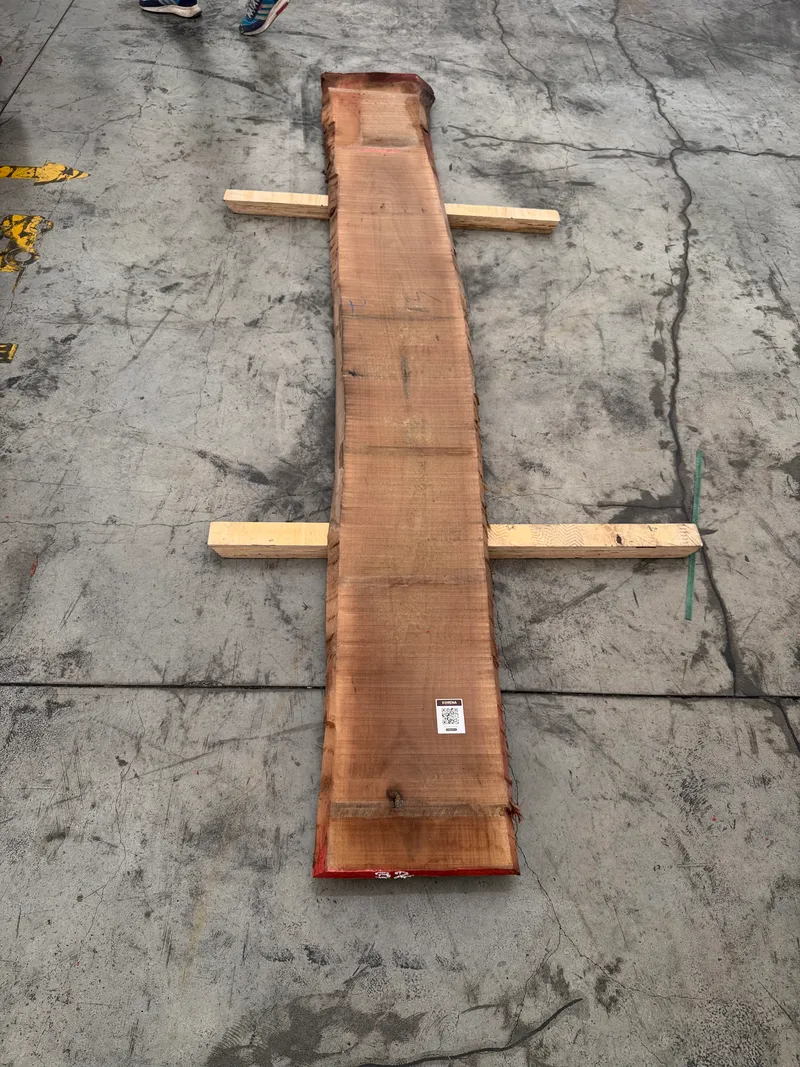
    European Walnut Live-Edge Slab — 3.10 m, Warm Straight Grain
    Geprüfter Pass3.099 × 635 × 50 mm
    Einzelstück·KRN-2026-00036

    European Walnut Live-Edge Slab — 3.10 m, Warm Straight Grain

    European Walnut

    312,00 €

    Inkl. 20% MwSt.

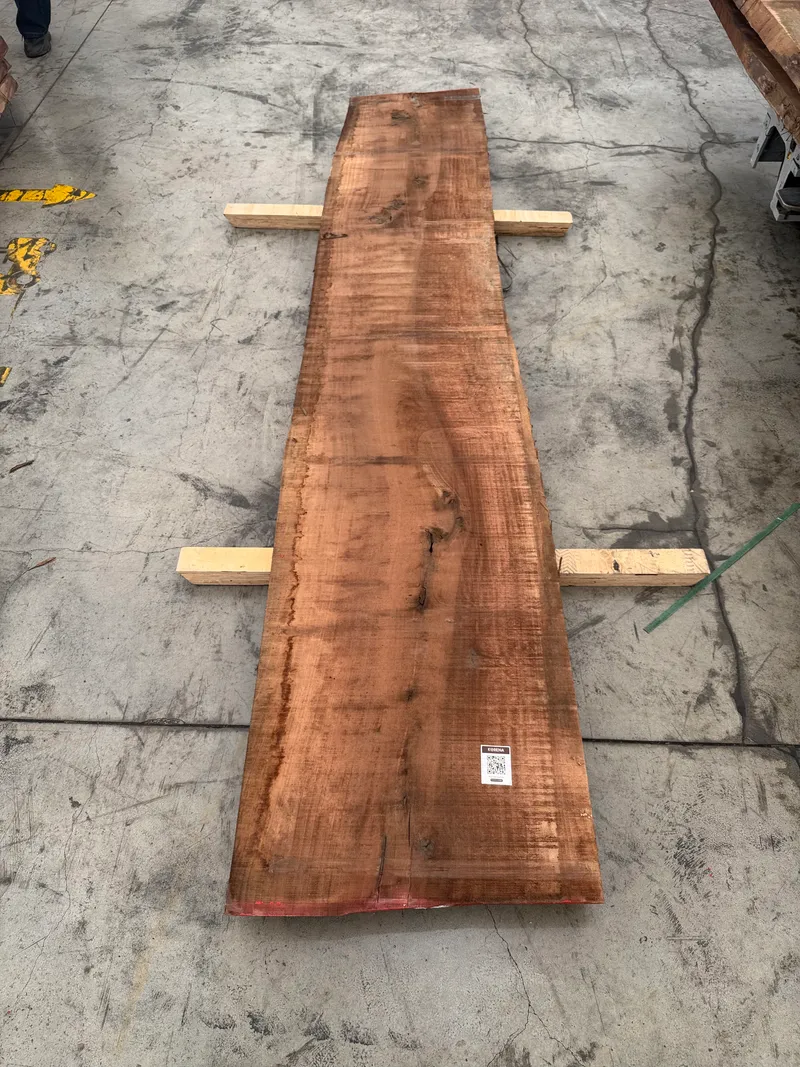
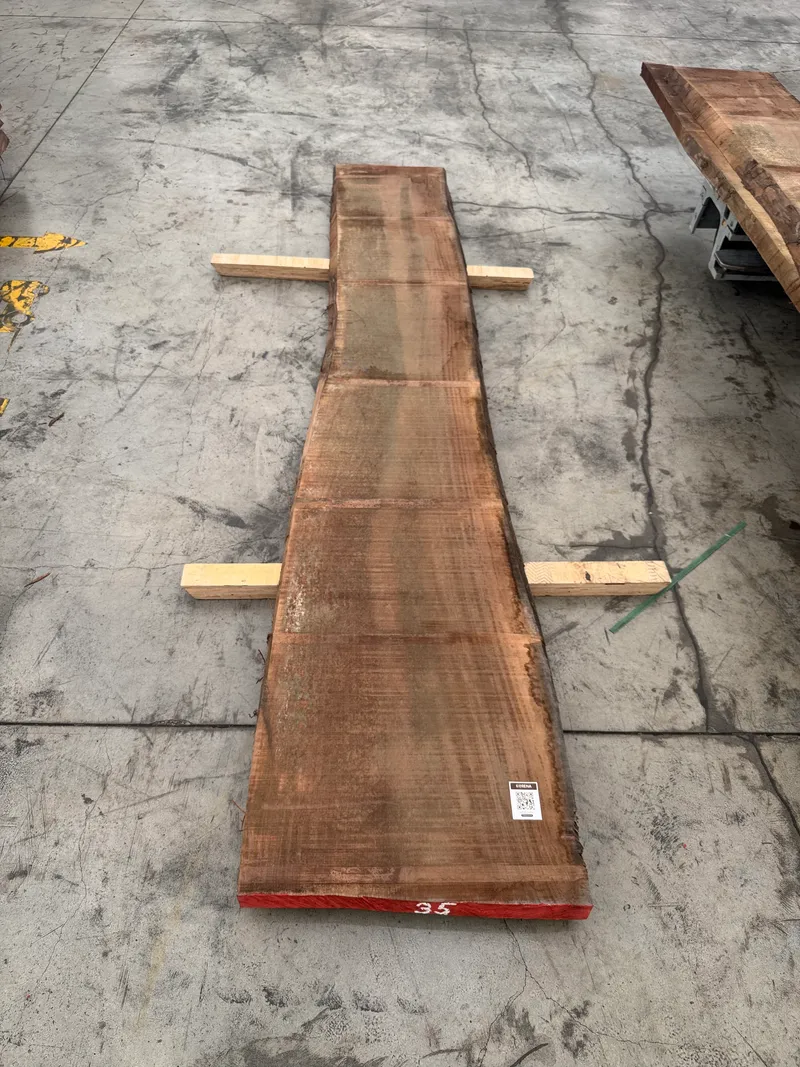
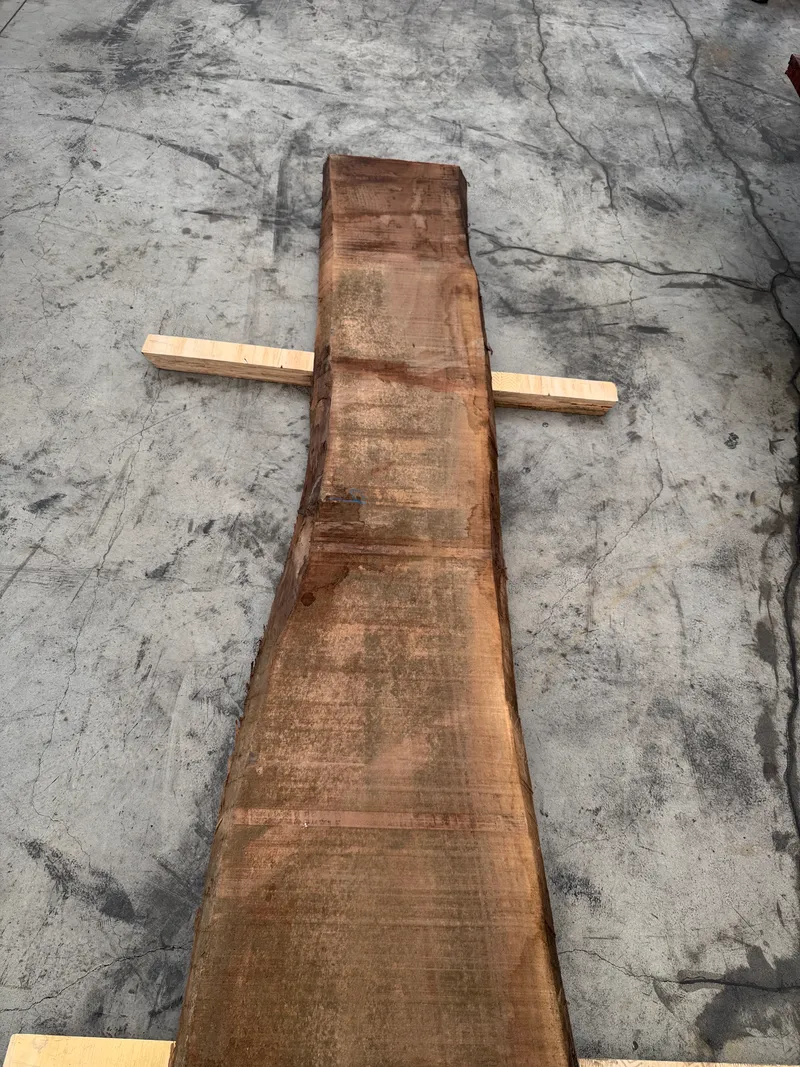
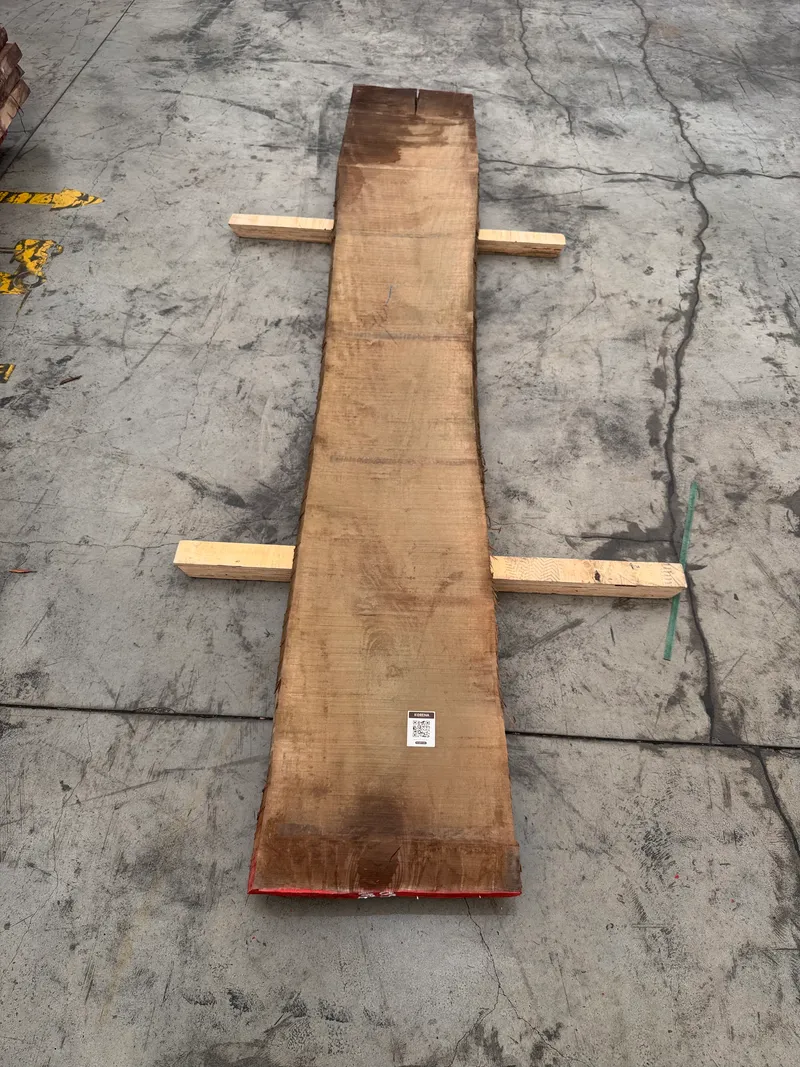
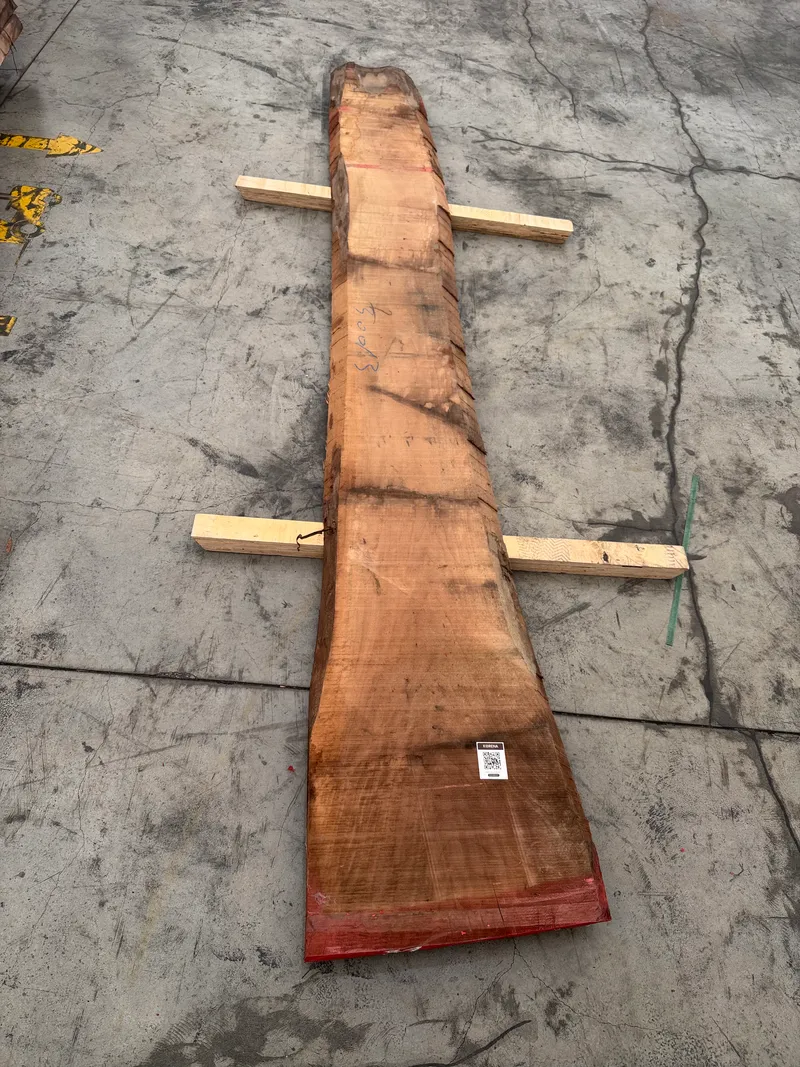
    Dining Table Slab — 3.06 m European Walnut, Straight Grain
    Geprüfter Pass3.055 × 645 × 50 mm
    Einzelstück·KRN-2026-00035

    Dining Table Slab — 3.06 m European Walnut, Straight Grain

    European Walnut

    264,00 €

    Inkl. 20% MwSt.

    Benachrichtigung zu European Walnut

    Wir benachrichtigen Sie per E-Mail, wenn neue European Walnut-Platten bei KORENA eintreffen. Jedes Stück ist ein Unikat, deshalb zählt eine frühe Nachricht.

    Ein paar E-Mails pro Monat. Kein Spam, jederzeit abmeldbar.

    Quellen

    • The Wood Database(abgerufen am 2026-05-09)
    • USDA FPL Wood Handbook FPL-GTR-190 (2010)(abgerufen am 2026-05-09)
    • Meier, E. — WOOD! Identifying and Using Hundreds of Woods Worldwide (2015)(abgerufen am 2026-05-09)
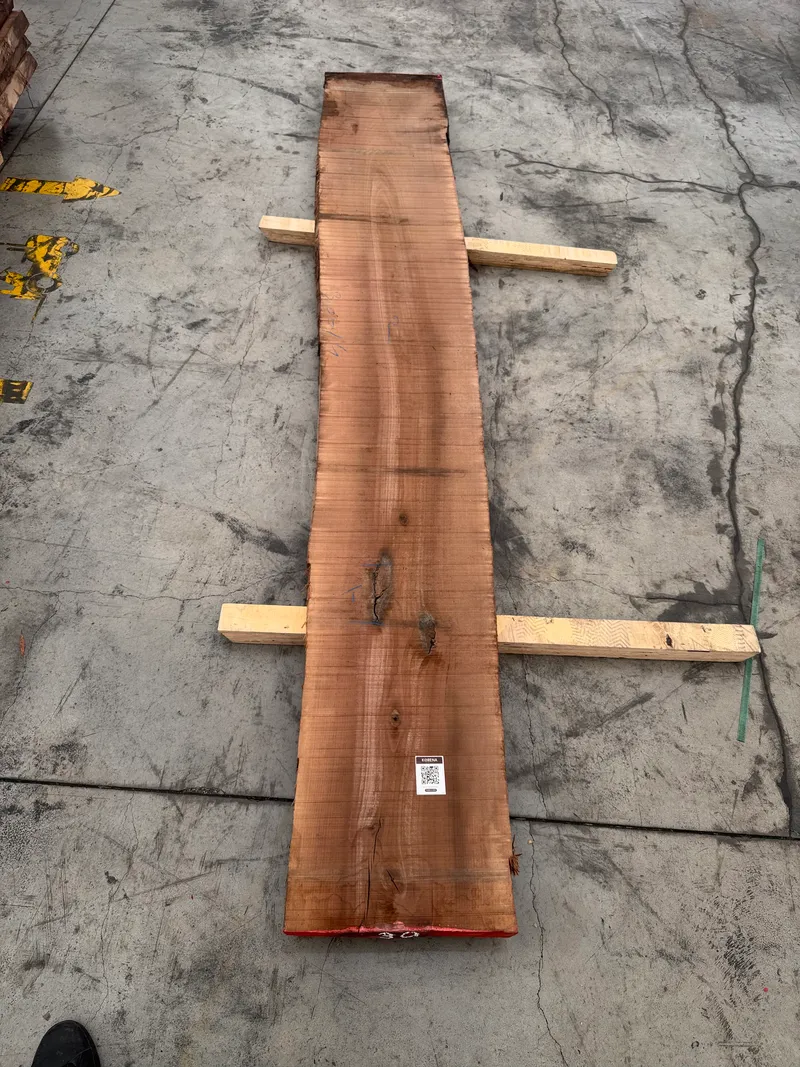
    Dining Table Live-Edge Slab — 3.02 m, Warm European Walnut Grain
    Geprüfter Pass3.024 × 628 × 50 mm
    Einzelstück·KRN-2026-00034

    Dining Table Live-Edge Slab — 3.02 m, Warm European Walnut Grain

    European Walnut

    252,00 €

    Inkl. 20% MwSt.

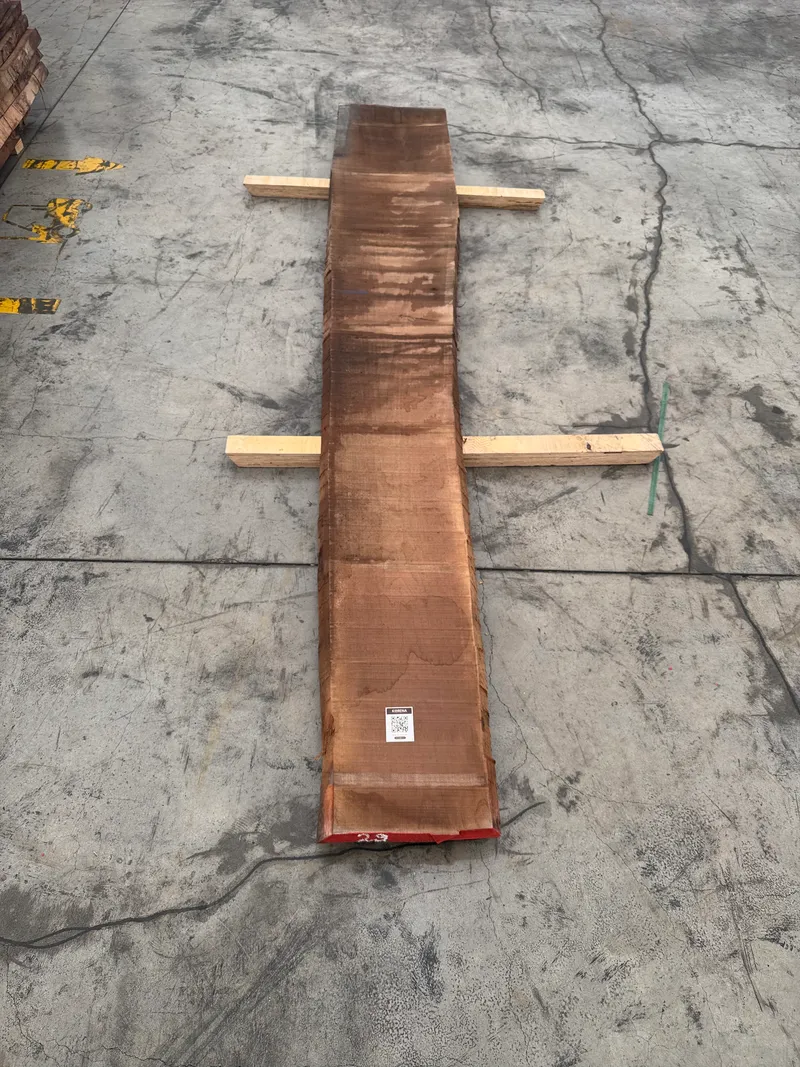
    Dining Table Slab — 3.22 m European Walnut, Warm Straight Grain
    Geprüfter Pass3.218 × 515 × 50 mm
    Einzelstück·KRN-2026-00033

    Dining Table Slab — 3.22 m European Walnut, Warm Straight Grain

    European Walnut

    240,00 €

    Inkl. 20% MwSt.

    European Walnut Dining Slab — 3.25 m, Straight-Grain Character
    Geprüfter Pass3.251 × 571 × 50 mm
    Einzelstück·KRN-2026-00032

    European Walnut Dining Slab — 3.25 m, Straight-Grain Character

    European Walnut

    228,00 €

    Inkl. 20% MwSt.

    European Walnut Live-Edge Slab — 3.36 m, Straight Grain Dining Table Blank
    Geprüfter Pass3.361 × 546 × 50 mm
    Einzelstück·KRN-2026-00031

    European Walnut Live-Edge Slab — 3.36 m, Straight Grain Dining Table Blank

    European Walnut

    240,00 €

    Inkl. 20% MwSt.

    Walnut Live-Edge Dining Slab — 3.20 m, Warm Straight Grain
    Geprüfter Pass3.196 × 501 × 50 mm
    Einzelstück·KRN-2026-00030

    Walnut Live-Edge Dining Slab — 3.20 m, Warm Straight Grain

    European Walnut

    240,00 €

    Inkl. 20% MwSt.

    European Walnut Dining Slab — 3.24 m, Straight Grain Character
    Geprüfter Pass3.238 × 490 × 50 mm
    Einzelstück·KRN-2026-00029

    European Walnut Dining Slab — 3.24 m, Straight Grain Character

    European Walnut

    213,84 €

    Inkl. 20% MwSt.

    European Walnut Dining Slab — 3.35 m, Straight Grain Character
    Geprüfter Pass3.348 × 582 × 50 mm
    Einzelstück·KRN-2026-00028

    European Walnut Dining Slab — 3.35 m, Straight Grain Character

    European Walnut

    312,00 €

    Inkl. 20% MwSt.