KORENA
HolzMöbelWerkstattPartnerJournal

Entdecke neue Bohlen als Erstes

Erhalte eine E-Mail, wenn neues Holz eintrifft.

Ein paar E-Mails pro Monat. Kein Spam, jederzeit abmeldbar.

KORENA

Entdecke Massivholz, handgefertigte Möbel, Werkzeuge und Produkte zur Holzbehandlung auf KORENA.

Einkaufen

  • Produkte ansehen
  • Archiv verkaufter Bohlen
  • Bestellung verfolgen

Lernen

  • KORENA-Journal
  • Holzartenführer
  • Glossar
  • Pflanzenpässe und Befallsgebiete
  • Vergleichen
  • Autoren

Hilfe

  • Über uns
  • So funktioniert es
  • Verkäufer werdenNeu
  • Bohle anfragen
  • Kundenservice
  • Dokumentvorlagen
  • Presse

Kaufen

  • Verkaufsbedingungen
  • Widerrufsrecht
  • Rückgaben und Gewährleistung
  • Versand und Lieferung

Vertrauen

  • Datenschutzerklärung
  • Cookie-Richtlinie
  • Holzherkunft und EUDR
  • Barrierefreiheit

Impressum

  • Rechtlicher Hinweis / Impressum
  • Zulässige Nutzung
  • Geistiges Eigentum und Inhalte

© 2026 KORENA. Alle Rechte vorbehalten.

Betrieben von der Martial Labs Ltd. (BG, EIK 207453941). KORENA ist ein Handelsname der Martial Labs Ltd.

Wir respektieren Ihre Privatsphäre

Wir verwenden notwendige Cookies, damit die Website funktioniert. Mit Ihrer Einwilligung würden wir auch Cookies für Analyse, personalisierte Inhalte und Werbung verwenden. Sie können Ihre Entscheidung jederzeit auf der Seite Einwilligungseinstellungen ändern. Sehen Sie unsere Cookie-Richtlinie und Datenschutzerklärung.

  1. Startseite
  2. /
  3. Holzarten
  4. /
  5. Zuckerahorn

Acer saccharum

Zuckerahorn

The canonical butcher-block and kitchen-island wood. Pale, dense, food-safe, and hard-wearing. North American import, long established as a furniture-grade species through European channels.

  • This species record does not establish where an individual piece was grown or harvested. Check the origin details of the piece you are considering.
  • Botanische Gruppe. Nadelhölzer sind Koniferen, Laubhölzer stammen von Laubbäumen.
  • Die botanische Familie, zu der die Holzart gehört.
Benachrichtigen, wenn verfügbarReferenzholzart. Derzeit keine Stücke auf Lager.
  • Projekteignung
  • Auf Lager
  • Aussehen
  • Verarbeitung
  • Quellen und Schwinden
  • Preis
  • Sicherheit und Herkunft
  • Fragen
  • Technische Daten

Passt es zu Ihrem Projekt?

Ideal für

  • Butcher blocks, chopping boards, and kitchen islands
  • Worktops and heavy-use table tops
  • Stair treads and flooring in high-traffic rooms
  • Cabinet interiors, drawer sides, and shaker-style fronts
  • Turned bowls, handles, and tool components
  • Instrument backs, necks, and sides, especially curly or bird's-eye stock

Kein Zuckerahorn im aktuellen Drop

Ähnliche Holzarten auf Lager

Derzeit kein Zuckerahorn. Diese Holzarten eignen sich für dieselben Projekte und sind verfügbar.
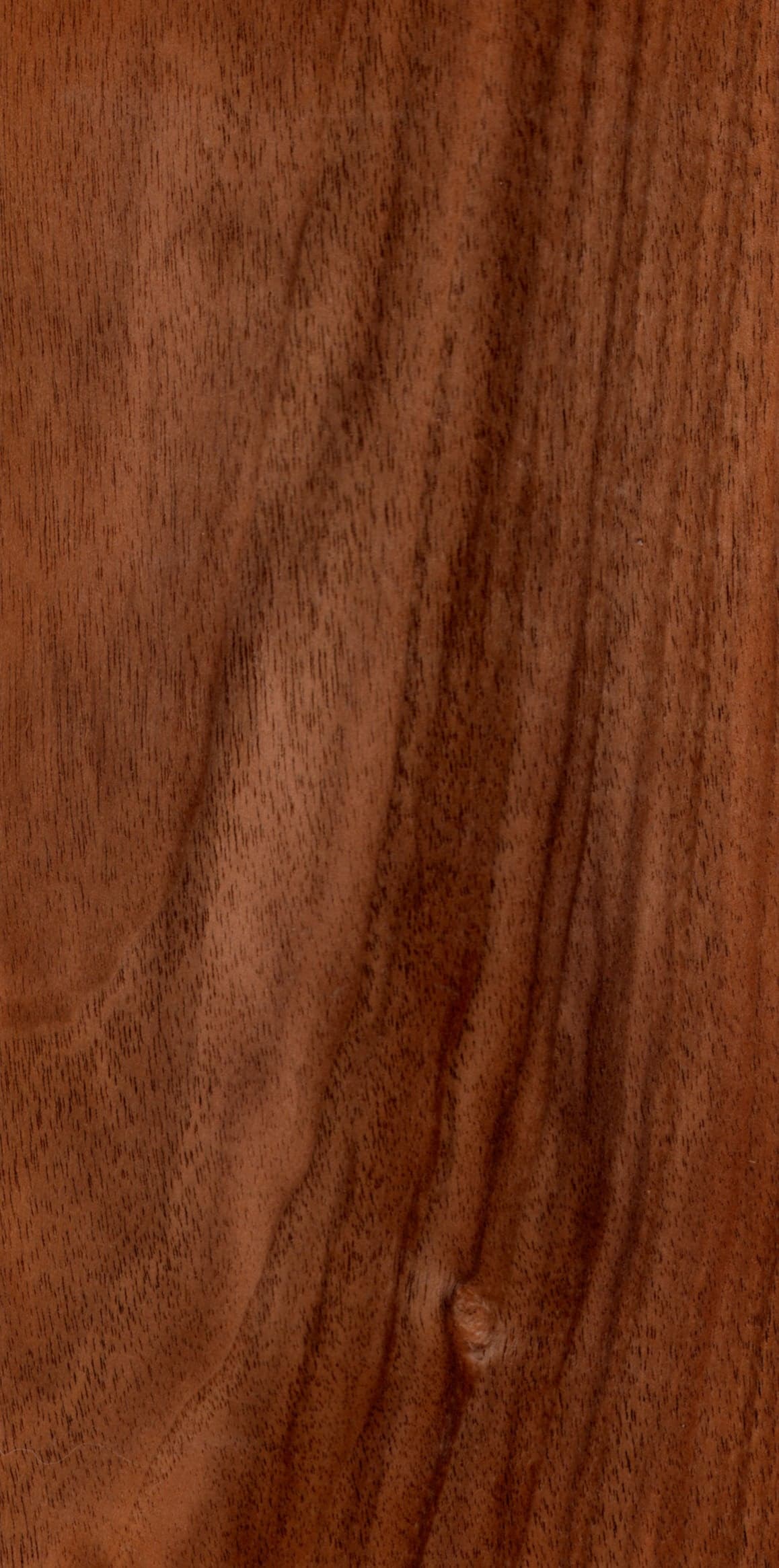
  • Europäischer Nussbaum: Holzmaserung

    Europäischer Nussbaum

    Juglans regia

    12 Stücke

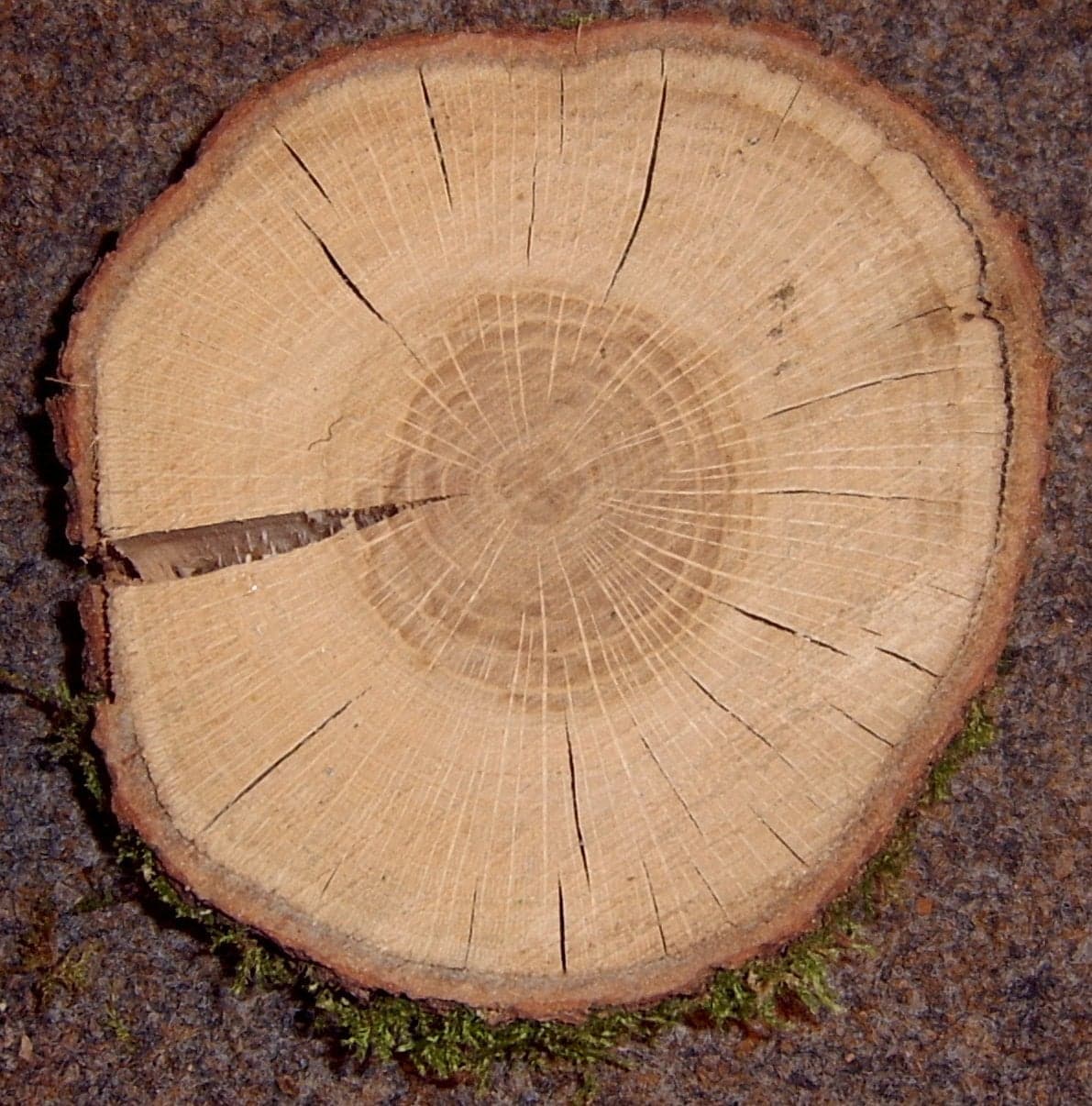
  • Europäische Eiche: Holzmaserung

    Europäische Eiche

    Quercus robur

    6 Stücke

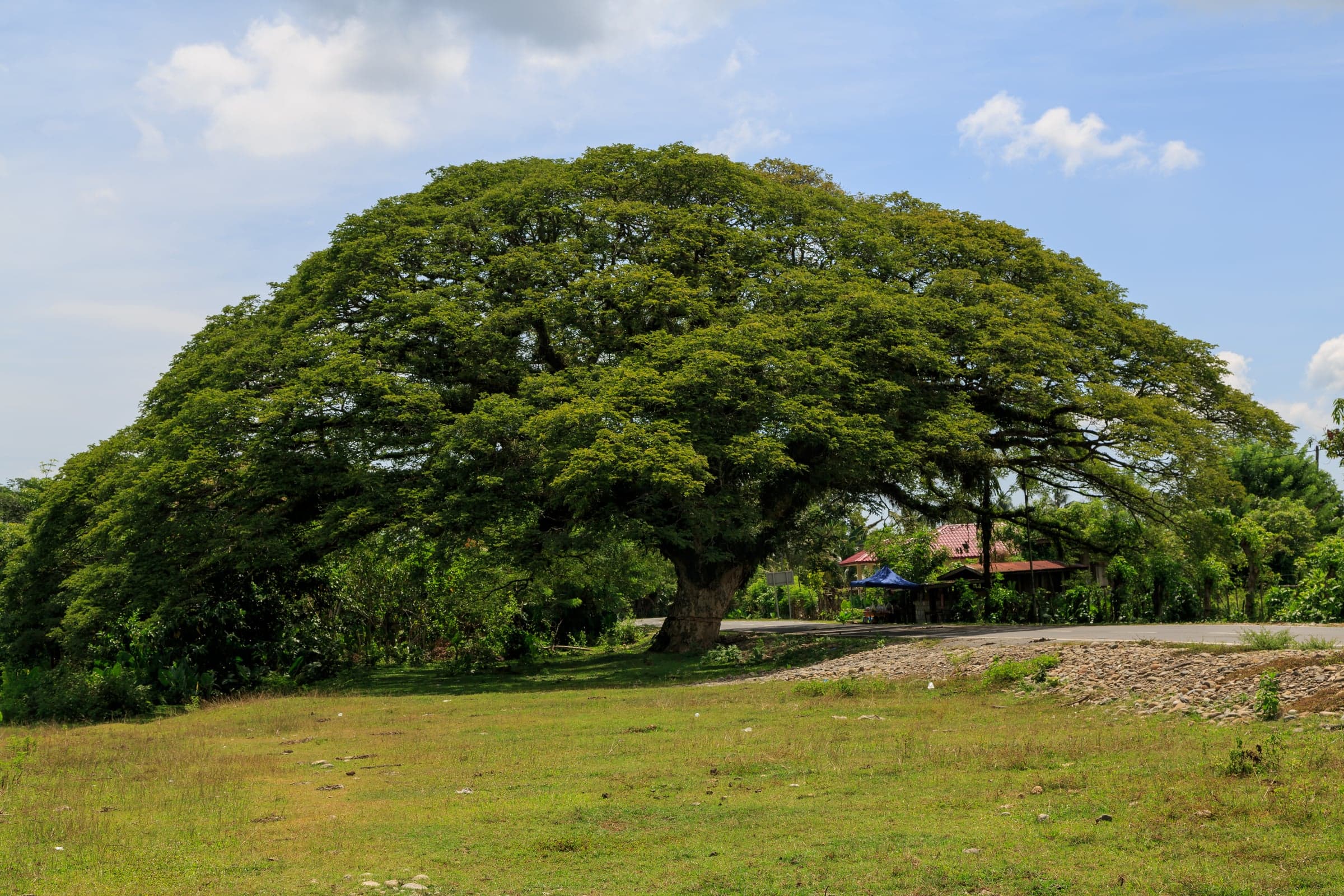
  • Saman: Holzmaserung

    Saman

    Samanea saman

    4 Stücke

Benachrichtigung zu Zuckerahorn

Wir benachrichtigen Sie per E-Mail, wenn neue Zuckerahorn-Bohlen bei KORENA eintreffen. Jedes Stück ist ein Unikat, deshalb zählt eine frühe Nachricht.

Ein paar E-Mails pro Monat. Kein Spam, jederzeit abmeldbar.

Holzbild

So sieht es aus

Creamy white sapwood, often with a slight reddish-brown heart. Grain is usually straight and fine, with an even texture that takes detail crisply. A small share of logs throw figure: tight curl (fiddleback) or scattered bird's-eye dots, both highly sought for furniture fronts and instrument backs, including the classic Stradivari violin back. The pale surface yellows gently under UV over time.

  • Creamy white to pale off-white sapwood, the commercial face of the species
  • Light reddish or golden-brown heartwood, usually trimmed out for uniform pale stock
  • Yellows slightly and warmly under UV over months and years
  • Bird's-eye figure: scattered dark dots across a pale field
  • Curly figure: tight chatoyant ripples that shift under raking light
  • Meist geradfaserig, gelegentlich mit Riegel- oder Vogelaugenmaserung.

Arbeiten mit dieser Holzart

Verarbeitung

Hard and dense, so plan tooling accordingly. Saws and planes cleanly with sharp carbide; dull edges burn quickly, especially on router cuts and end-grain work. Turns superbly, one of the finest turning hardwoods available. Sands well once flat. Curly and bird's-eye stock is prone to tear-out under straight knives; use a high cutting angle or finish with a scraper or sander. Glues and screws reliably; pre-drill near edges. Steam-bends adequately, not as freely as Ash or Beech.

Finish

Sands to a glassy surface and finishes beautifully under clear oil, hardwax oil, or lacquer, which lets the figure read. Be honest about stain: Hard Maple is famously blotchy. The dense, tight grain absorbs pigment unevenly, so dye stains and oil stains often land patchy. If you must stain, use a pre-stain conditioner or gel stain and test on offcuts. Most makers leave it clear or lightly toned. A water-pop before finishing helps consistency on figured stock.

Trocknung

Tangential shrinkage is high (roughly 9.5–10.5%) against modest radial movement, so the wood is dimensionally lively and prone to cup if rushed. Dry slowly, sticker carefully, and weigh the top of the stack. Once at EMC it stays put well in conditioned interiors. Acclimatise boards for at least a week in the shop before machining.

Wie stark arbeitet es?

Holz quillt und schwindet in der Breite, wenn die Luft feuchter und trockener wird. Schätzen Sie das saisonale Arbeiten einer Zuckerahorn-Platte, bevor Sie die Befestigung planen.

Einschnitt
Einsatzort

Erwartetes saisonales Arbeiten

etwa 11,4 mm

Platte mit Tischplattenhaltern oder Langlochwinkeln befestigen, nicht verleimen oder fest verschrauben.

Lineares Schwindmodell: Breite × (Schwindmaß ÷ 28 % Fasersättigung) × saisonale Feuchteschwankung. Verwendet 10 % Schwindmaß in Tangentialrichtung für Zuckerahorn. Eine Planungsschätzung, keine Garantie.

Was es kostet

Sicherheit und Herkunft

  • This species record does not establish where an individual piece was grown or harvested. Check the origin details of the piece you are considering.
  • Status auf der Roten Liste der IUCN: die weltweite Schutzbewertung dieser Art.
  • Food-contact safe, this is the wood butcher blocks and chopping boards are built from, and it has no known toxicity in service. Dust is the real concern: maple dust is a documented respiratory sensitiser, and all hardwood dust is IARC Group 1. Run extraction at the source, wear a fitted P3 mask when sanding or routing, and keep the shop clean.

Den vollständigen Leitfaden lesenAusführliche Hinweise zu Maserung, Farbveränderung, Verarbeitung und Formstabilität.+

What Hard Maple actually is#

Acer saccharum is the sugar maple, and it is the wood most kitchen and workshop surfaces should be made from.

The reasoning is specific. It is dense at 705 kg per cubic metre and hard at 6,450 N. It is closed grained, meaning no open pores for moisture and residue to lodge in. It is rated food safe. And it is essentially odourless and tasteless, so it does not transfer flavour.

No other species in this catalogue combines all four. Oak is food safe but open pored. Beech is food safe and closed grained but moves far more. Maple is the reason butchers blocks look the way they do.

Hard maple and soft maple#

This is the most common confusion in maple buying and it matters.

Hard maple is Acer saccharum specifically. Soft maple is a trade term covering several other Acer species, typically around 4,000 N Janka against hard maple's 6,450 N. They look broadly similar and are regularly conflated in listings.

For a decorative panel the difference is minor. For a chopping board, a workbench top or a floor, buying soft maple when you specified hard is a real downgrade. Check the botanical name rather than the trade name.

European Sycamore, Acer pseudoplatanus, is a third relative also sold as maple in some markets, and at 4,680 N it sits between the two.

Käuferfragen

Häufige Fragen von Käufern

Why is Hard Maple the standard for chopping boards?

+

It is dense at 705 kg per cubic metre, hard at 6,450 N, closed grained with no open pores for residue to lodge in, food safe, and almost odourless and tasteless. That combination is why it is the industry standard for butchers blocks and cutting boards, and why it is preferred over oak, which is open pored.

What is the difference between hard and soft maple?

+

Hard maple is Acer saccharum, the sugar maple. Soft maple covers several other Acer species that are lighter and softer, typically around 4,000 N Janka against 6,450 N. They look similar and are frequently confused in sale listings. For a work surface the difference matters a great deal.

What causes curly and birdseye figure?

+

Curly or flame figure is a wave in the grain that produces a rippling chatoyance across the board. Birdseye is a pattern of small swirled eyes whose cause is still not fully explained. Neither is predictable from the standing tree, both occur in a small proportion of trees, and both command large premiums over plain maple.

Does maple stain well?

+

Mechanische Eigenschaften

Technische Daten

Veröffentlichte Referenzwerte. Wo Quellen abweichen, steht die Spanne; der typische Wert wird für die Stufen oben verwendet.

Dichte (kg/m³)Masse pro Kubikmeter bei etwa 12 % Holzfeuchte. Schwereres Holz ist meist härter und fester.640–755 kg/m³typisch 705 kg/m³
Janka-Härte (N)Kraft, um eine Stahlkugel zur Hälfte ins Holz zu drücken. Das Standardmaß für Eindruckfestigkeit.6,000–7,000 Ntypisch 6.450 N
MOR: Biegebruchmodul (MPa)Biegefestigkeit: die Last, bei der ein Balken bricht.100–115 MPa
MOE: Elastizitätsmodul (GPa)Biegesteifigkeit: wie stark ein Regalboden oder eine Platte unter Last durchhängt.11.5–13.0 GPa
Radiales SchwindenSchwindmaß quer zu den Jahrringen, von frisch bis darrtrocken. Riftbretter arbeiten in diesem Maß.4.5–5.5 %
Tangentiales SchwindenSchwindmaß entlang der Jahrringe. Fladerbretter und die meisten Bohlen arbeiten in diesem Maß.
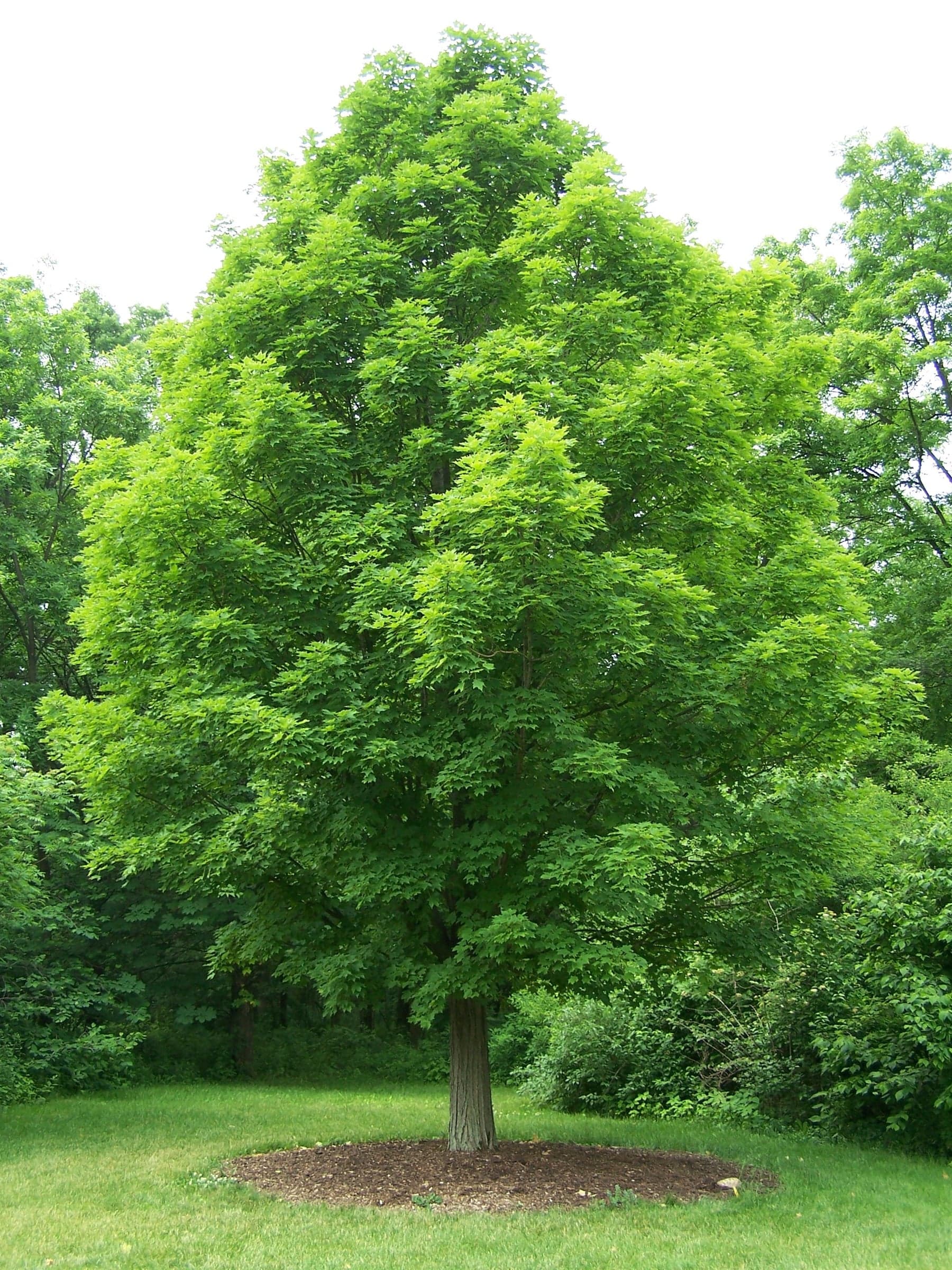
Zuckerahorn: Baum

Bruce Marlin, via Wikimedia Commons

  • Sports goods: bowling pins, baseball bats, gym floors
  • Stärken

    • LebensmittelechtGeeignet für Bretter, Schalen und Flächen mit Lebensmittelkontakt.
    • Gut biegbarMit 4 von 5 fürs Dampfbiegen bewertet. Nimmt enge Radien an.

    Achtung

    Native to eastern North America, Canada and the northern United States, not to Europe. Imported as a furniture-grade hardwood with a long, well-established trade route into the EU. Sometimes sold as Sugar Maple or Rock Maple; all are Acer saccharum.

  • IUCN Least Concern, no CITES listing. Managed commercially across Canada and the northeastern US under long-standing forestry regimes. As a non-EU import it carries longer transport miles than European species and a fuller EUDR due-diligence trail through the supply chain. FSC and PEFC certified stock is widely available. Ask for it.

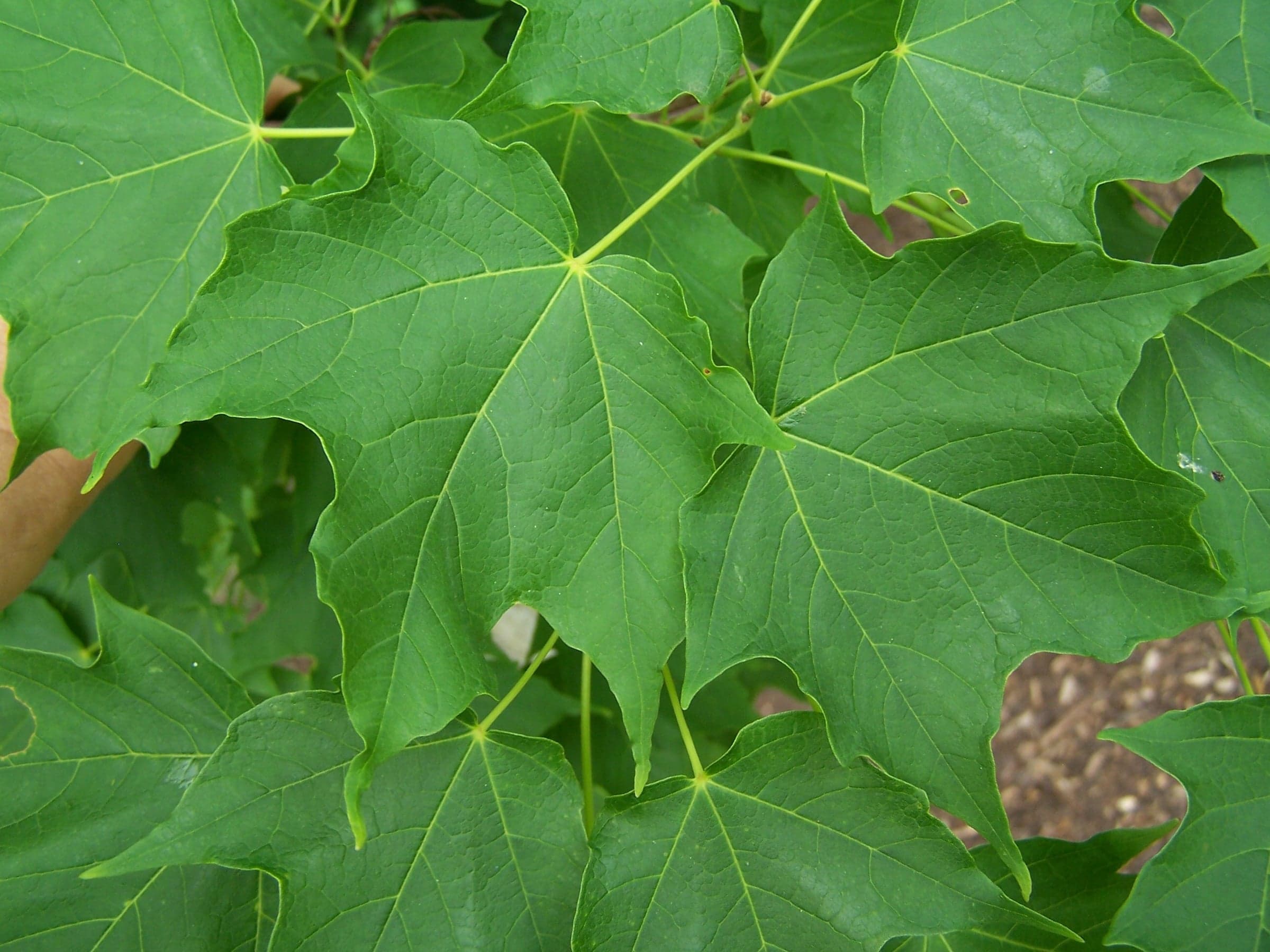
  • Zuckerahorn: Blatt
    Blatt
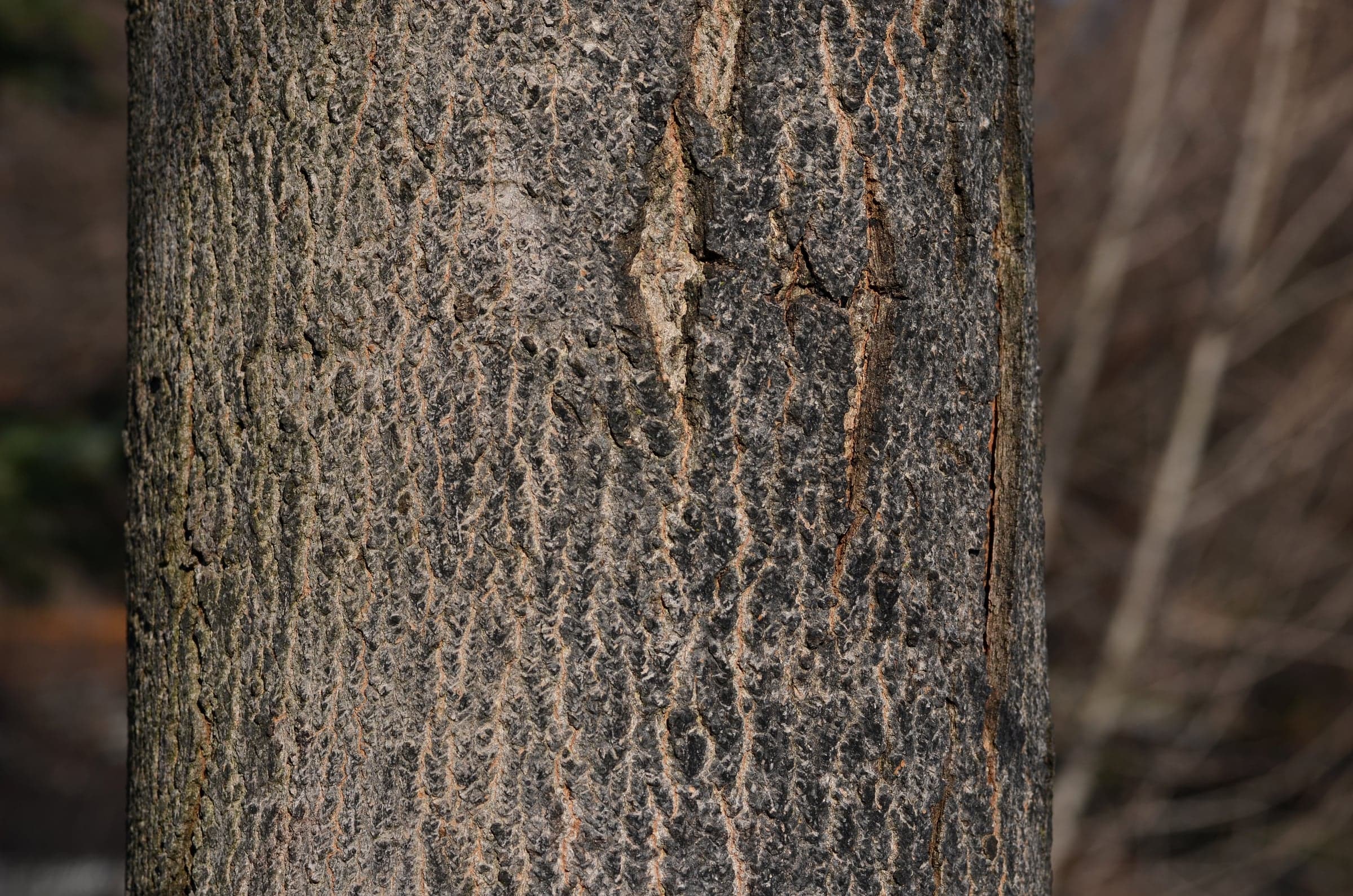
    Zuckerahorn: Rinde
    Rinde

    The figure premium#

    Plain hard maple is a quiet, pale, almost featureless wood. A small proportion of trees produce figure, and it is priced very differently.

    Curly or flame maple carries a wave in the grain that produces rippling chatoyance shifting with viewing angle. Birdseye maple shows a pattern of small swirled eyes across the surface, and its cause is still not fully explained.

    Neither is predictable from the standing tree, which is why figured maple is expensive: it is found rather than grown.

    The staining problem#

    Maple's main weakness is finishing. The dense closed grain that makes it hygienic makes it absorb stain unevenly, and it blotches badly, particularly on flatsawn faces and in figured stock where the grain wave changes absorption from millimetre to millimetre.

    Pigment stain on curly maple will produce a muddy, patchy result that obscures the very figure you paid for.

    Use a dye rather than a pigment stain, or a gel stain that sits on the surface, or seal first with a thin washcoat. Test on an offcut from the same board every time, because behaviour varies between boards of the same species.

    Most figured maple is best finished clear, with an oil or a water based finish, letting the chatoyance carry the surface.

    At the bench#

    It works cleanly with sharp tools and blunts them at a fair rate. It turns very well, holds crisp detail, glues reliably and takes fastenings securely with pilot holes.

    Figured stock tears out and wants light cuts, a high angle plane or a scraper.

    It sands to a very fine surface, which suits its usual clear finish.

    Movement#

    Volumetric shrinkage of 14.5 percent is on the high side, with tangential at 9.5 percent against radial at 4.5 percent, a wide differential. Flatsawn maple cups.

    For a chopping block this matters less than it sounds, because blocks are usually built as laminated end grain or edge grain constructions where movement is distributed and restrained. For a wide solid top, quartersawn is worth the cost.

    Where Hard Maple is the right answer#

    Chopping boards and butchers blocks, kitchen worktops, workbench tops, flooring, and any decorative work where curly or birdseye figure is the design.

    It is the wrong answer outdoors, being decay class 5, and wrong wherever a rich stained colour is the goal.

    Sourcing and EUDR#

    Not CITES listed and assessed as Least Concern. Native to eastern North America, so European buyers are usually importing, with the longer documentation chain that implies. Where a pale dense European alternative is acceptable, European Sycamore or beech cover similar ground with a shorter chain, though neither matches hard maple for a food surface.

    Spalted maple#

    Because maple is pale and perishable, it spalts readily, and spalted maple is a category in its own right.

    Spalting is the early stage of fungal decay. Different fungi competing within a log lay down black zone lines where their territories meet, producing fine dark tracery across a pale background. The effect is unlike any grain figure and cannot be imitated.

    The difficulty is that spalting is decay, and it does not stop by itself. Timber left too long goes soft, punky and structurally useless. Usable spalted maple is caught at a specific moment and then dried to kill the fungus.

    Buying spalted stock means checking soundness rather than just admiring the pattern. Press a fingernail into the palest zones: if it sinks easily the wood has gone too far. Punky areas can be stabilised with resin for turning but are not suitable for a work surface.

    Spalted dust also carries a higher fungal spore load than sound timber, so extraction and a mask matter more than usual.

    End grain against edge grain blocks#

    For a chopping block, the construction matters as much as the species.

    End grain blocks present the cut fibre ends upward, so a knife edge parts the fibres rather than severing them and the surface closes behind the cut. They are kinder to knives and self healing, but they absorb more moisture and need more maintenance.

    Edge grain blocks are simpler to build, more dimensionally stable and easier to keep dry, at the cost of showing knife marks sooner.

    Both work in hard maple. End grain is the traditional butchers block and the better performing surface if you will look after it.

    Poorly, and this is its main finishing weakness. The dense closed grain absorbs pigment unevenly and blotches badly, particularly on flatsawn faces and in figured stock. Use a dye, a gel stain, or a conditioner first, and always test on an offcut from the same board.

    Can it be used outdoors?

    +

    No. It is rated decay class 5, perishable, and offers no meaningful resistance to rot or insect attack. Maple is strictly interior. For exterior work choose robinia, oak or sweet chestnut.

    9.5–10.5 %
    Volumetrisches SchwindenGesamte Volumenänderung von frisch bis darrtrocken. Niedriger heißt formstabiler.14.5–16.0 %
    Natürliche Dauerhaftigkeit (EN 350)Europäische Norm für natürliche Dauerhaftigkeit, von 1 (sehr dauerhaft) bis 5 (nicht dauerhaft).Class 5 — Perishable

    Quellen

    • The Wood Database(abgerufen am 2026-05-09)
    • USDA FPL Wood Handbook FPL-GTR-190 (2010)(abgerufen am 2026-05-09)
    • Meier, E. — WOOD! Identifying and Using Hundreds of Woods Worldwide (2015)(abgerufen am 2026-05-09)

    Auf einen Blick

    Die Stufen verwenden feste Grenzen für alle Holzarten bei KORENA und sind daher direkt vergleichbar. Der gemessene Wert steht unter jeder Stufe.
    HärteWiderstand gegen Dellen und AbnutzungHart

    Janka-Härte 6.450 N

    30 % härter als Europäische Eiche

    GewichtWie schwer eine Bohle zu heben istSchwer

    705 kg/m³

    StabilitätWie wenig es mit den Jahreszeiten arbeitetArbeitet stark

    15,3 % Volumenschwindung

    BearbeitungSägen, Hobeln, Schleifen, LeimenMäßig

    3,7 / 5 Werkbank-Durchschnitt

    AußeneinsatzNatürliche Fäulnisresistenz, EN 350Nur innen

    EN 350 Klasse 5

    • Sägen · GutWie sauber es schneidet und wie stark es Sägeblätter beansprucht.1 = schwierig · 5 = ausgezeichnet
    • Hobeln · GutWie glatt die Oberfläche wird und wie stark es ausreißt.1 = schwierig · 5 = ausgezeichnet
    • Schleifen · Sehr gutWie schnell es glatt schleift, ohne das Papier zuzusetzen.1 = schwierig · 5 = ausgezeichnet
    • Drechseln · AusgezeichnetWie es sich an der Drechselbank schneiden und finishen lässt.1 = schwierig · 5 = ausgezeichnet
    • Schnitzen · GutWie scharf es Details unter dem Hohleisen hält.1 = schwierig · 5 = ausgezeichnet
    • Verleimen · Sehr gutWie zuverlässig Leimverbindungen halten.1 = schwierig · 5 = ausgezeichnet
    • Schraub- / Nagelhalt · Sehr gutWie gut es Schrauben und Nägel hält, ohne zu spalten.1 = schwierig · 5 = ausgezeichnet
    • Dampfbiegen · Sehr gutWie gut es nach dem Dämpfen Rundungen annimmt.1 = schwierig · 5 = ausgezeichnet

    Für Zuckerahorn gibt es noch keine Marktreferenz. Jedes KORENA Stück wird einzeln vom Partner-Holzplatz bepreist.

    Nicht unbehandelt für außen
    Die natürliche Dauerhaftigkeit ist EN 350 Klasse 5 von 5. Innen verwenden oder unter gepflegter Oberfläche.
  • Arbeitet stärker als die meistenBreite Platten brauchen Tischplattenhalter oder Langlochbefestigung und Raum zum Arbeiten. Nutzen Sie den Rechner unten.
  • Staub reiztBeim Schleifen und Maschinenarbeiten Absaugung und Maske verwenden.
  • Für Details auf ein Etikett tippen.