KORENA
WoodFinished piecesSuppliesYardsJournal

Get notified

Every slab is one of one. When it sells, it's gone. We email you as new pieces are listed: fresh arrivals, new species, and boards matched to a project brief.

A few emails a month. No spam, unsubscribe anytime.

KORENA — Premium Hardwood

One piece at a time.

Verified premium hardwood, sold piece by piece. Every slab is photographed, measured, and shipped from the partner yard with a wood passport.

Shop

  • Browse products
  • Sold archive
  • Track order

Learn

  • Journal
  • Species guides
  • Glossary
  • Compare
  • Authors

Help

  • About
  • How it works
  • Become a partner yard
  • Source a slab
  • Support
  • Press

Buy

  • Terms of sale
  • Right of withdrawal
  • Returns and warranty
  • Shipping and delivery

Trust

  • Privacy policy
  • Cookie policy
  • Wood provenance and EUDR
  • Accessibility

Imprint

  • Legal notice / Imprint
  • Acceptable use
  • IP and content

© 2026 KORENA. All rights reserved.

Operated by Martial Labs Ltd. (BG, EIK 207453941). KORENA is a trading name of Martial Labs Ltd.

We respect your privacy

We use essential cookies so the site works. With your permission we'd also use cookies for analytics, personalised content, and ads. You can change your mind any time on the consent preferences page. See our cookie policy and privacy policy.

  1. Home
  2. /
  3. Species
  4. /
  5. Sycamore Maple

Acer pseudoplatanus

Sycamore Maple

Pale, lustrous European hardwood with a creamy near-white surface. Often quartersawn to bring out ray fleck, and prized in curly form for violin and cello backs.

Grown commercially in EuropeFamily: Sapindaceae
Sycamore Maple

Achim Raschka (talk), via Wikimedia Commons

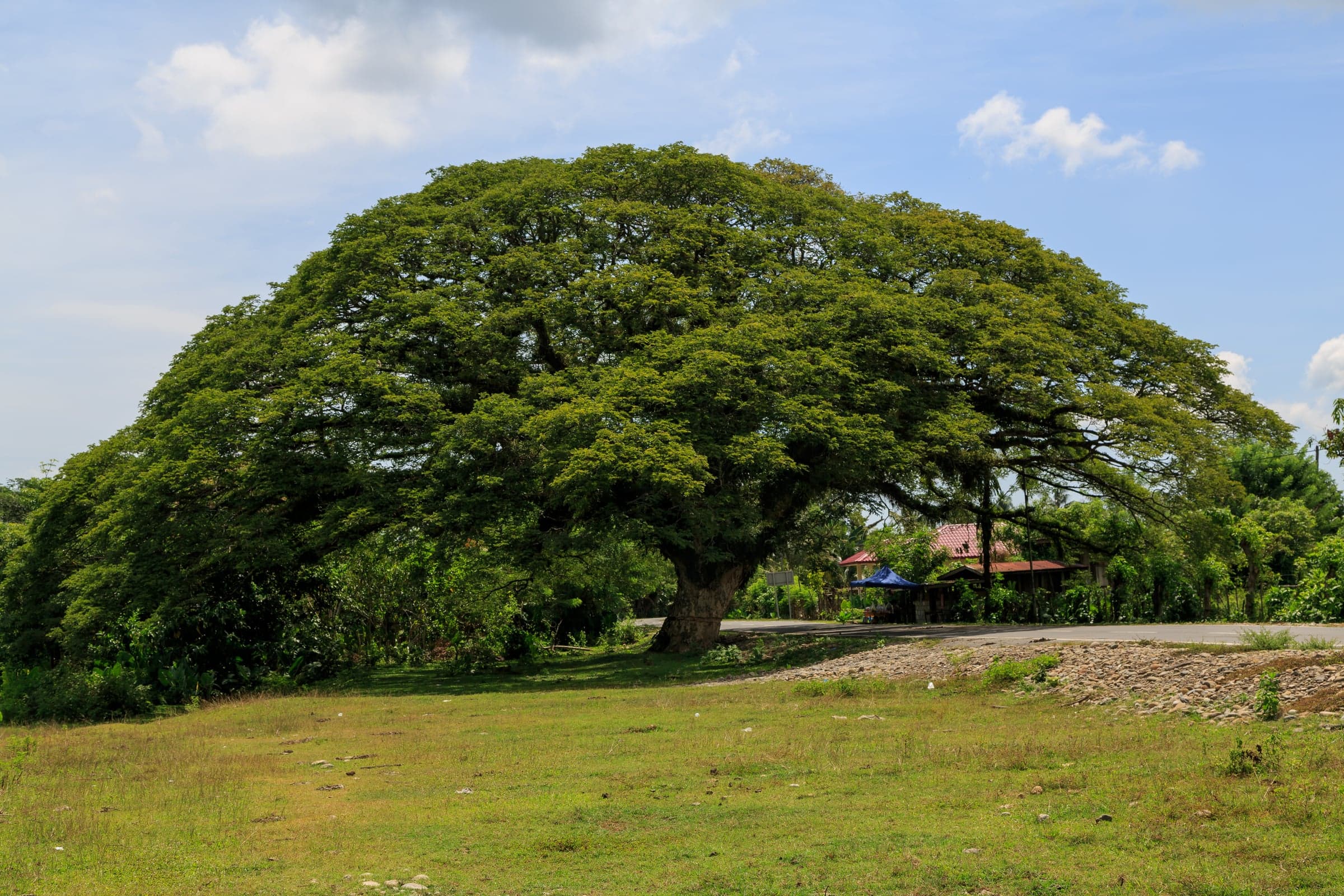
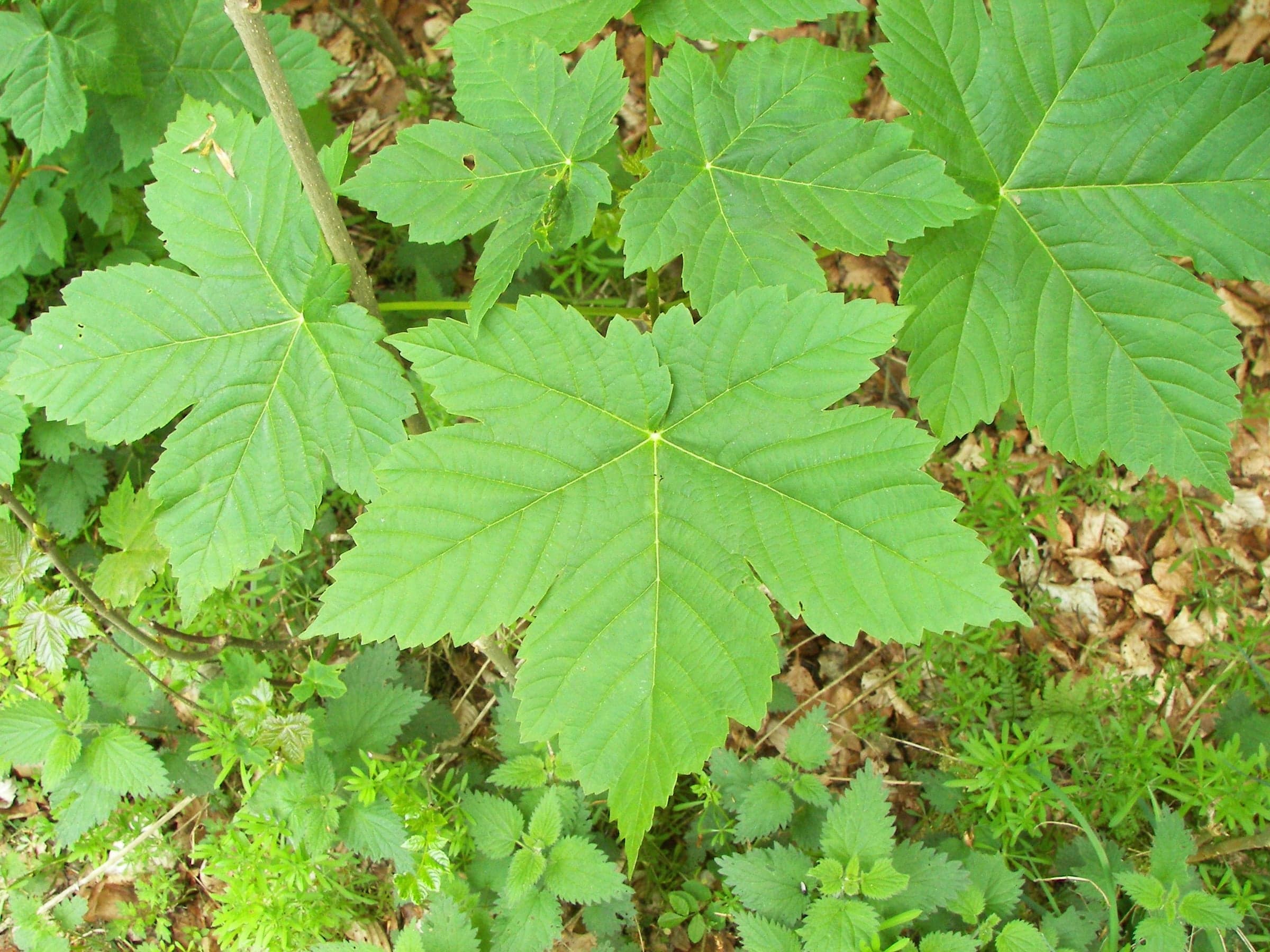
Sycamore Maple tree

Willow, via Wikimedia Commons

Tree

Native to central and southern European mountain regions and broadly available across the EU. Acer pseudoplatanus is the species behind 'European sycamore' and 'great maple', and is the same tree sold in the UK timber trade as English sycamore. It is not related to American sycamore (Platanus).

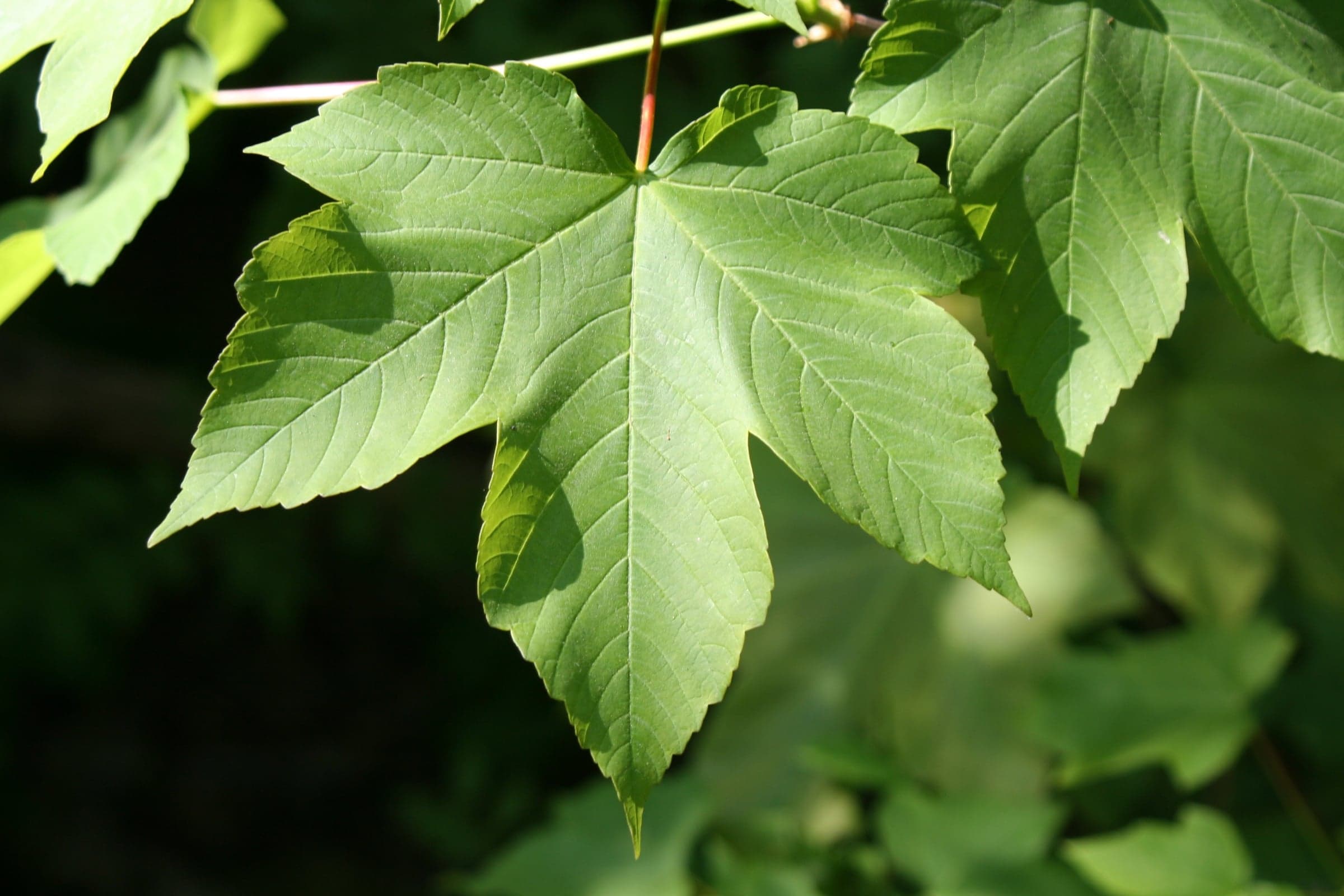
Sycamore Maple leaf
Leaf
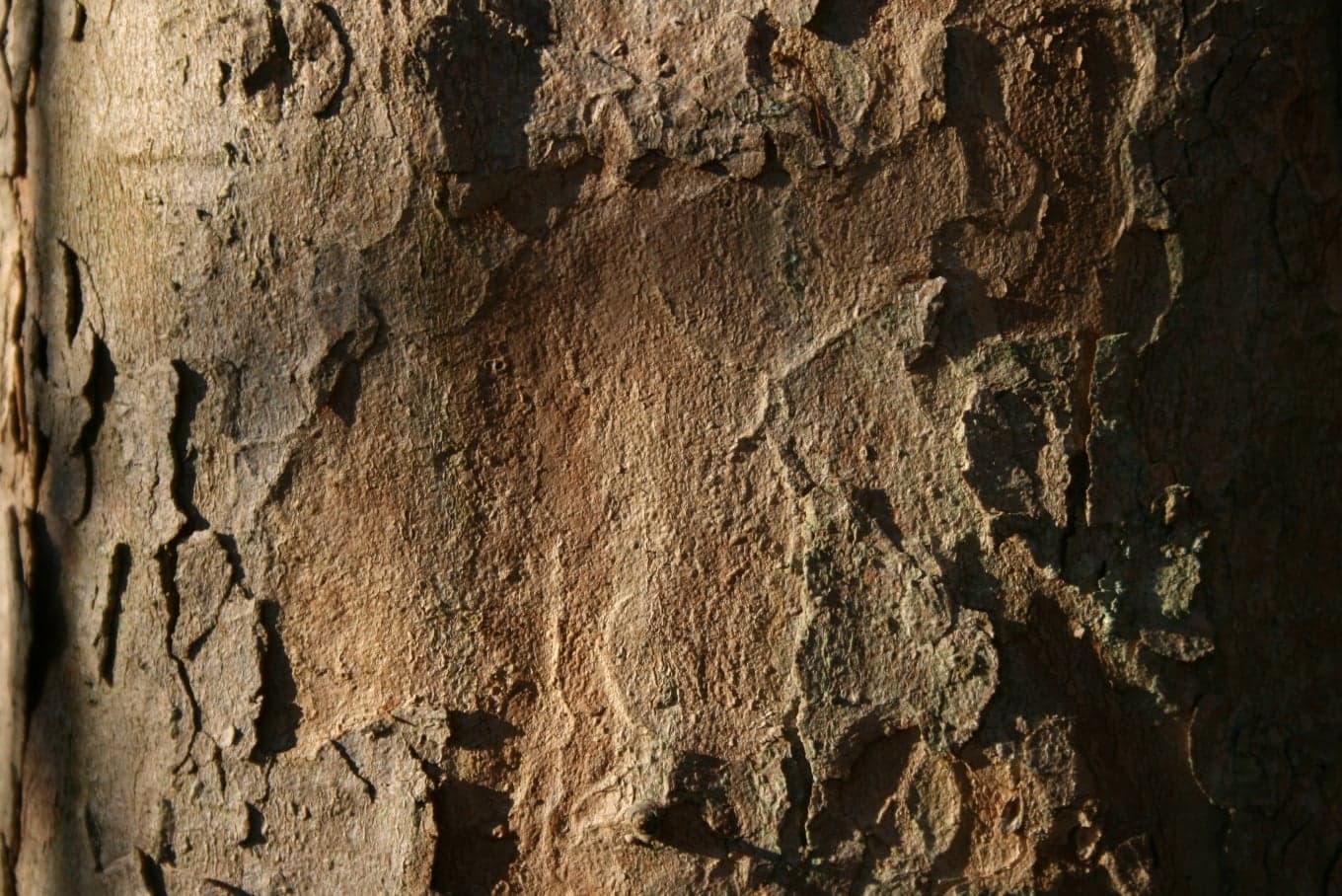
Sycamore Maple bark
Bark

Wood appearance

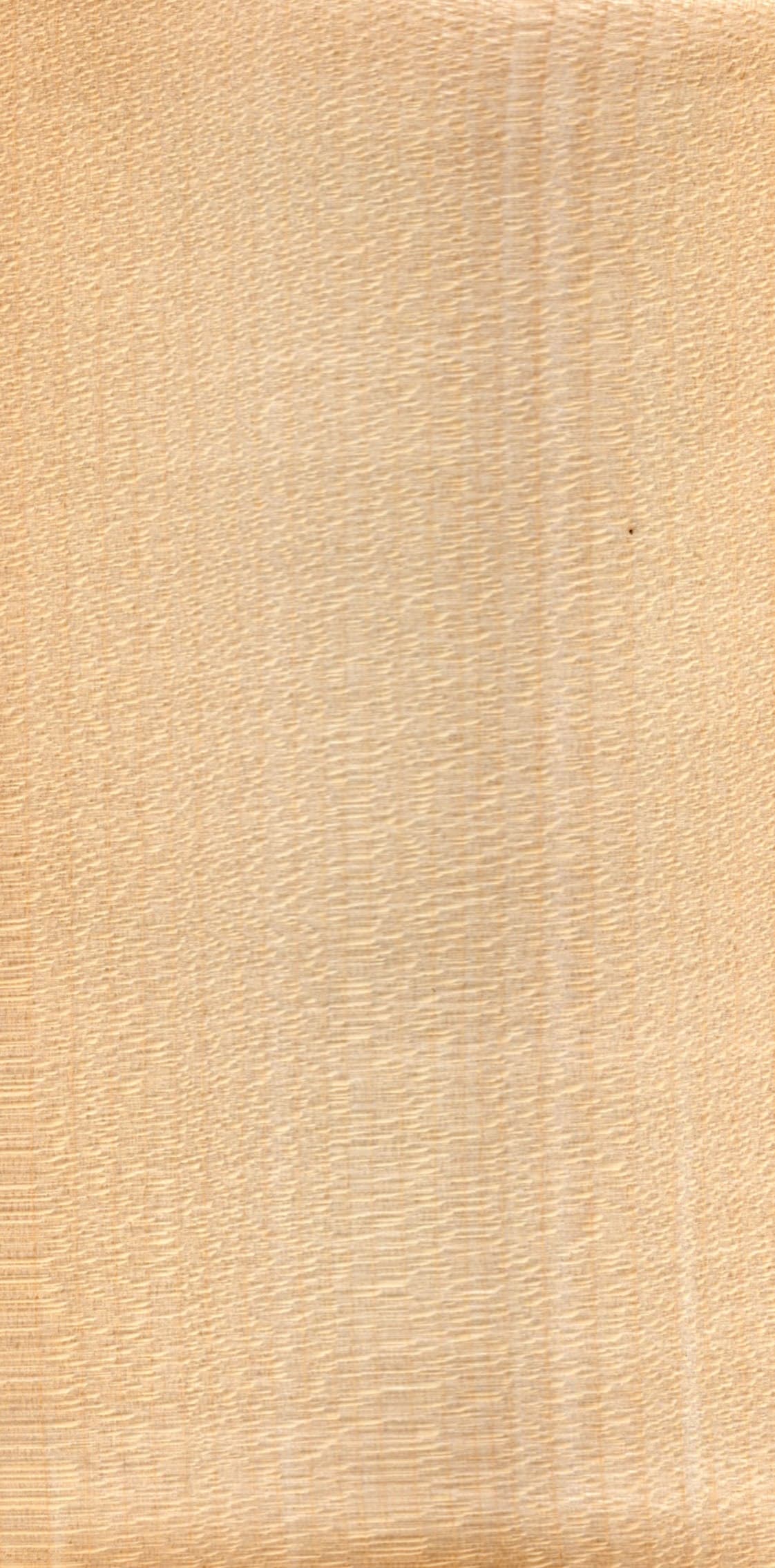
Sycamore maple runs creamy white to pale yellow with a fine, even texture and a soft natural sheen. Grain is usually straight, with occasional wavy or interlocked sections. Quartersawn boards show small ray fleck. The most sought-after cut is fiddleback, a tight, rippled curl that catches light across the board and has been used for violin, viola and cello backs since the Cremonese workshops of Stradivari and Guarneri.

  • Creamy white to pale yellow when freshly machined
  • Soft natural lustre, especially on quartersawn faces
  • Small ray fleck on quartersawn boards
  • Fiddleback or curly figure in select boards, three-dimensional ripple under light
  • Ambers gently toward warm straw under UV exposure
  • Pale, lustrous; often quartersawn for ray fleck.
Sycamore Maple grain

Achim Raschka (talk), via Wikimedia Commons

Mechanical properties

Density (kg/m³)570–660 kg/m³
Janka hardness (N)4,400–5,000 N
MOR: modulus of rupture (MPa)95–115 MPa
MOE: modulus of elasticity (GPa)9.5–11.5 GPa
Radial shrinkage4.0–5.5 %
Tangential shrinkage7.5–9.0 %
Volumetric shrinkage11.5–13.5 %
Natural durability (EN 350)Class 5 — Perishable

Working with it

1 = difficult · 5 = excellent

Works well across the board. Saws, planes, sands and glues cleanly, and turns excellently, it is a long-standing choice for treen, bowls and tool handles. Curly and fiddleback stock will tear out under straight blades; use sharp tooling, light cuts and a high cutting angle, or sand through grits. Screws and holds fastenings without splitting at sensible pilot sizes.

Sawing
Planing
Sanding
Turning
Carving
Gluing
Screw / nail hold
Steam bending

Drying

Dries fairly quickly but is prone to fungal staining and grey discolouration if left in stick during warm, humid weather. The traditional remedy is to fell in winter and end-rack boards vertically so air moves across both faces. Tangential shrinkage of 7.5–9.0% against radial 4.0–5.5% gives a moderate T/R ratio, so quartersawn stock stays flatter in service. Acclimatise indoors before machining final dimensions.

Finishing

The pale colour is part of the appeal, so most makers stay with water-based or hardwax oil finishes that keep the surface near-white. Oil-based and polyurethane finishes warm the wood toward straw yellow. Expect a slow ambering shift under UV regardless, pieces stored in shade stay paler for longer. Sands cleanly to a high polish. On figured stock, a thin coat of dilute shellac before the topcoat lifts the chatoyance.

Durability and safety

  • Class 5 — Perishable
  • Food contact safe
  • Dust irritant: wear PPE

Food-contact safe and a classic European choice for butcher blocks, chopping boards and kitchen treen. Maple dust is a known respiratory sensitiser and is listed as a carcinogen in some jurisdictions, extract at the tool and wear a fitted P3 mask when sanding or routing.

Best uses

  • Violin, viola and cello backs, sides and necks (fiddleback stock)
  • Kitchen worktops, butcher blocks and chopping boards
  • Light-toned furniture, cabinetry and shelving
  • Turned bowls, treen and tool handles
  • Interior joinery, stair parts and panelling
  • Marquetry and inlay where a near-white ground is needed

Pairs and substitutes

Pairs well with

  • European Walnut
  • Black Walnut
  • European Oak
  • European Cherry
  • European Pear

Often substituted for

  • Hard Maple
  • Hornbeam
  • European Beech

Sourcing and sustainability

  • Grown commercially in Europe
  • IUCN: LC — Least Concern

IUCN Least Concern, no CITES listing, and grown across European managed forests, so FSC or PEFC stock is straightforward to source. Decay class 5 under EN 350 means it is perishable and strictly an interior timber, no exterior joinery, no ground contact, no wet rooms without a sealed assembly.

What European Sycamore actually is#

Acer pseudoplatanus is a maple, despite the name. It is the whitest timber in this catalogue and the traditional European choice wherever a pale, clean, food-safe surface is wanted.

The naming causes real confusion. European Sycamore is a maple. American sycamore is Platanus occidentalis, a plane tree. London Plane, which KORENA also lists, is Platanus x acerifolia and is the European plane. The three are unrelated and work differently. Buy on the botanical name.

Keeping it white#

The pale colour is the whole point of this species and it is fragile.

Freshly converted sycamore stains easily. If boards are flat stacked and left, fungal staining greys them within weeks. The traditional handling is end rearing, standing the boards on end so air moves freely and moisture drains, and prompt drying after conversion.

A greyed or blue stained sycamore board is not structurally damaged but it has lost the property you were buying.

In use, the threat is the finish. Oil finishes amber pale woods, and sycamore starts whiter than anything else here so it shows the shift most. A clear water based finish or a low yellowing hardwax oil preserves the colour; a standard oil turns it distinctly yellow, permanently.

The figure#

Rippled or fiddleback sycamore carries a wave in the grain that produces strong horizontal chatoyance shifting with viewing angle. It is the same phenomenon as curly maple.

It occurs in a minority of trees, cannot be predicted before felling, and carries a substantial premium.

This is the timber of violin backs, ribs and necks, and has been since the Cremonese makers. Fiddleback sycamore is still sold under that name specifically for instrument work, where the combination of acoustic properties and appearance has never been bettered.

At the bench#

Sycamore works cleanly and pleasantly. At 4,680 N it is moderately hard, sitting just below European oak at 4,980 N, and it blunts tooling at a modest rate.

The fine even texture takes crisp detail and it turns very well. It glues reliably and takes fastenings securely.

Figured stock tears out readily. Light cuts, sharp tooling and a scraper or high angle plane for the final surface, particularly on fiddleback where the grain reverses continuously.

It sands to a very fine surface.

Finishing#

The staining behaviour is the same trap that maple sets. The dense closed grain absorbs pigment unevenly and blotches, worse on figured stock.

Use a dye or a gel stain, or leave it clear, which is what most sycamore work calls for anyway given that the colour is the reason for choosing it.

Kitchen and dairy use#

Sycamore is rated food safe, closed grained, and has been the traditional European dairy and kitchen timber, used for butter pats, bowls, spoons and worktops because it does not taint food and cleans well.

It is softer than hard maple at 4,680 N against 6,450 N, so it scars more readily under a knife, and at decay class 5 it must be kept dry.

Movement#

Volumetric shrinkage of 11.5 percent is moderate, with tangential at 7.5 percent against radial at 4.0 percent. That is a reasonable differential and sycamore behaves acceptably in wide boards, better than maple or beech.

Where European Sycamore is the right answer#

Instrument work, particularly violin backs and ribs. Also pale furniture, kitchen and dairy ware, turned work, marquetry and inlay, and decorative panels where fiddleback figure is the design.

It is the wrong answer outdoors, and wrong under an oil finish if the white colour is what you are paying for.

Sourcing and EUDR#

Not CITES listed and assessed as Least Concern. Common across central and northern Europe and widely planted, with straightforward supply and documentation.

Drying sycamore, which is where most of it is lost#

More sycamore is spoiled in the first three weeks after felling than at any other stage, and the cause is always the same: it was stacked flat and left.

Freshly converted sycamore is wet, pale and full of sugars, which makes it ideal food for the fungi that cause blue and grey staining. Flat stacked in still air, boards discolour from the inside out within weeks, and the grey never comes out.

The traditional answer is end rearing. Boards are stood on end, leaning, so air moves across both faces and moisture drains rather than pooling. It looks like an odd way to treat timber and it is the difference between white sycamore and grey sycamore.

If you are buying sycamore, ask how it was dried. If you are drying it yourself, get it standing within days of conversion.

What figured sycamore is worth checking for#

Rippled figure is not uniform through a log. It is usually strongest near the base and can fade out entirely further up, so a slab cut from the same tree as a strongly figured one may be plain.

Look at the figure in raking light from two directions before committing. Ripple that reads strongly from one angle and disappears from another is shallow and may not survive final thicknessing.

Buyer questions

Is European Sycamore the same as American sycamore?

No, and the naming is genuinely confusing. European Sycamore is Acer pseudoplatanus, a maple. American sycamore is Platanus occidentalis, a plane tree, and its European counterpart is London Plane, Platanus x acerifolia, which KORENA also lists. The three are unrelated and behave differently. Check the botanical name.

Why is sycamore used for violin backs?

Its fine even texture, good stiffness and frequent curly figure suit it acoustically and visually, and it has been the traditional back, ribs and neck timber for violins since the Cremonese makers. Figured sycamore with strong flame is still sold specifically as fiddleback for this purpose.

How do I keep it white?

Sycamore is prized for being one of the whitest European timbers and it discolours easily. It must be dried promptly and end reared rather than flat stacked, or fungal staining greys it. In use, avoid oil finishes, which pull it yellow, and use a clear water based finish or a low yellowing hardwax oil instead.

What is rippled or fiddleback sycamore?

A wave in the grain producing strong horizontal rippling chatoyance across the board, the same phenomenon as curly maple. It occurs in a minority of trees, cannot be predicted from the standing tree, and commands a substantial premium. It is the most sought after form of the species.

Is it suitable for kitchen surfaces?

It is rated food safe, closed grained and traditionally used for dairy and kitchen ware precisely because it does not taint food and cleans well. It is softer than hard maple at 4,680 N against 6,450 N, so it will scar more readily, and at decay class 5 it must be kept dry.

Current stock

Sycamore Maple pieces available now

Browse catalogue

Market reference price

€153 – €319 – €485/ m³

1 EU region · sawlog reference · KORENA Timber Index

See regional prices
Walnut Studio Desk, 1.80 m Single-Piece Top

Walnut Studio Desk, 1.80 m Single-Piece Top

€1,298.00

Incl. 20% VAT

PrevNext

Get notified about Sycamore Maple

We email you when fresh Sycamore Maple slabs land at KORENA. Each piece is one of one, so early notice matters.

A few emails a month. No spam, unsubscribe anytime.

Sources

  • The Wood Database(accessed 2026-05-09)
  • USDA FPL Wood Handbook FPL-GTR-190 (2010)(accessed 2026-05-09)
  • Meier, E. — WOOD! Identifying and Using Hundreds of Woods Worldwide (2015)(accessed 2026-05-09)
Osmo TopOil — Hardwax Worktop & Table Oil

Osmo TopOil — Hardwax Worktop & Table Oil

€31.20

Incl. 20% VAT

Hacksmith The Smith Blade Pro (21-in-1 Titanium Multi-Tool)

Hacksmith The Smith Blade Pro (21-in-1 Titanium Multi-Tool)

€468.00

Incl. 20% VAT

Baofeng UV-5RM Multi-Band Handheld Two-Way Radio

Baofeng UV-5RM Multi-Band Handheld Two-Way Radio

€42.00

Incl. 20% VAT

European Walnut Live-Edge Slab — 3.10 m, Warm Straight Grain
Verified passport3,099 × 635 × 50 mm
One of one·KRN-2026-00036

European Walnut Live-Edge Slab — 3.10 m, Warm Straight Grain

European Walnut

€312.00

Incl. 20% VAT

Dining Table Slab — 3.06 m European Walnut, Straight Grain
Verified passport3,055 × 645 × 50 mm
One of one·KRN-2026-00035

Dining Table Slab — 3.06 m European Walnut, Straight Grain

European Walnut

€264.00

Incl. 20% VAT

Dining Table Live-Edge Slab — 3.02 m, Warm European Walnut Grain
Verified passport3,024 × 628 × 50 mm
One of one·KRN-2026-00034

Dining Table Live-Edge Slab — 3.02 m, Warm European Walnut Grain

European Walnut

€252.00

Incl. 20% VAT

Dining Table Slab — 3.22 m European Walnut, Warm Straight Grain
Verified passport3,218 × 515 × 50 mm
One of one·KRN-2026-00033

Dining Table Slab — 3.22 m European Walnut, Warm Straight Grain

European Walnut

€240.00

Incl. 20% VAT

European Walnut Dining Slab — 3.25 m, Straight-Grain Character
Verified passport3,251 × 571 × 50 mm
One of one·KRN-2026-00032

European Walnut Dining Slab — 3.25 m, Straight-Grain Character

European Walnut

€228.00

Incl. 20% VAT

European Walnut Live-Edge Slab — 3.36 m, Straight Grain Dining Table Blank
Verified passport3,361 × 546 × 50 mm
One of one·KRN-2026-00031

European Walnut Live-Edge Slab — 3.36 m, Straight Grain Dining Table Blank

European Walnut

€240.00

Incl. 20% VAT

Walnut Live-Edge Dining Slab — 3.20 m, Warm Straight Grain
Verified passport3,196 × 501 × 50 mm
One of one·KRN-2026-00030

Walnut Live-Edge Dining Slab — 3.20 m, Warm Straight Grain

European Walnut

€240.00

Incl. 20% VAT

European Walnut Dining Slab — 3.24 m, Straight Grain Character
Verified passport3,238 × 490 × 50 mm
One of one·KRN-2026-00029

European Walnut Dining Slab — 3.24 m, Straight Grain Character

European Walnut

€213.84

Incl. 20% VAT