Species playbook
Choose the wood before you choose the slab.
What each wood looks like, how hard and stable it is, how it behaves at the bench, and what is in stock now. Filter by your project, then open a species for the detail.
KORENA lists 19 verified hardwood slabs, each photographed and measured before listing, with confirmed species, dimensions, and provenance, shipped from EU partner yards.
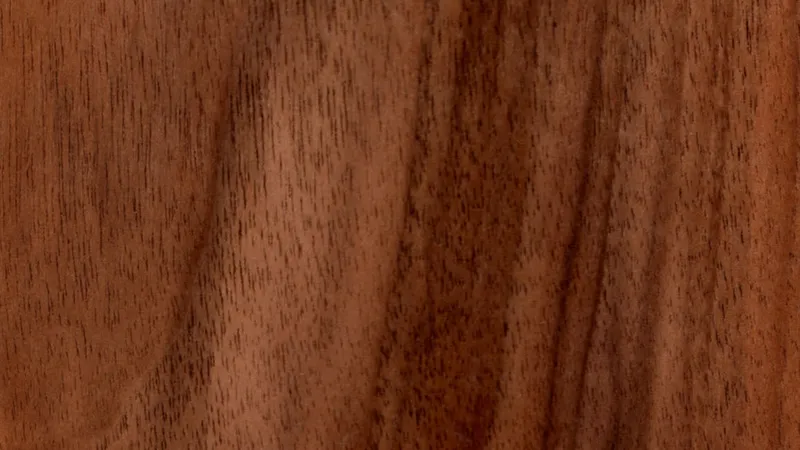 Grows commercially in Europe9 in stock
Juglans regia
European Walnut
Warm chocolate-brown hardwood with straight to wavy grain. Works cleanly, finishes beautifully, and reads as the maker's wood across European studios.
Hardness
Medium-hard
Stability
Average
Working
Easy
9 in stock · from €213.84
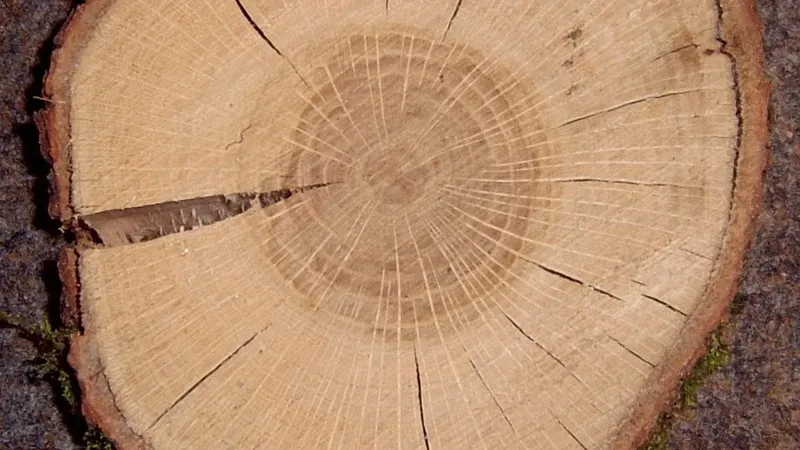 Grows commercially in Europe6 in stock
Quercus robur
European Oak
The default European hardwood for furniture, joinery and architectural slabs. Open grain, calm colour, predictable behaviour at the bench.
Hardness
Medium-hard
Stability
Average
Working
Moderate
6 in stock · from €384.00
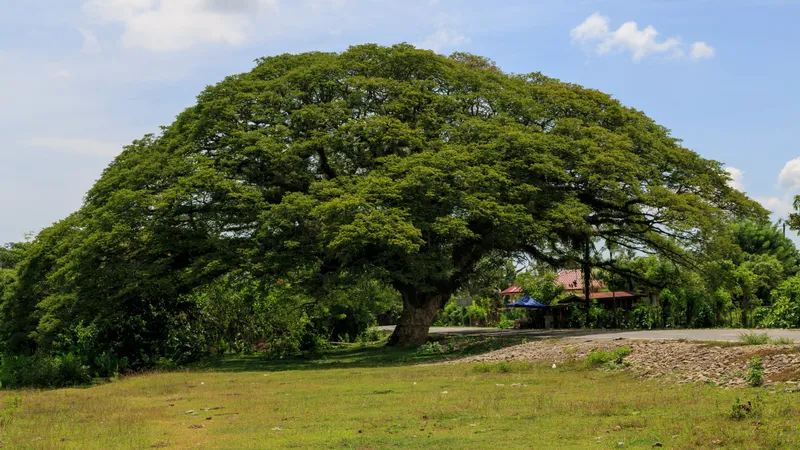 4 in stock
Samanea saman
Saman
Metre wide single piece slabs that stay flat, because it moves less than half as much as oak. The one tropical species KORENA lists.
Hardness
Medium-hard
Stability
Very stable
Working
Easy
4 in stock · from €1,200.00
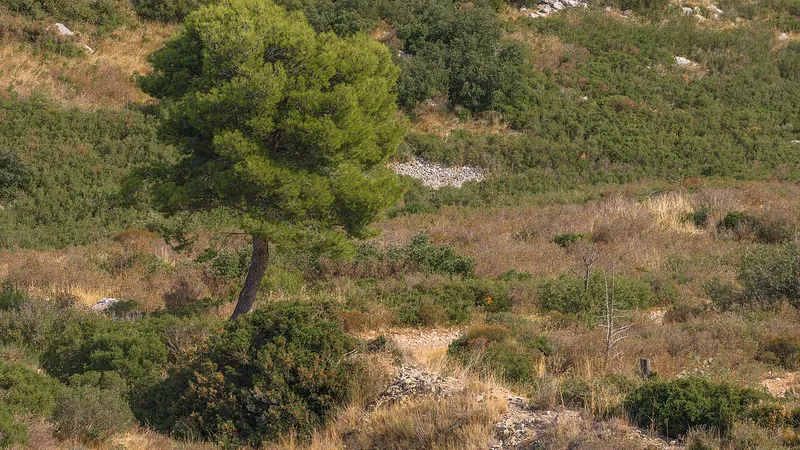 Grows commercially in Europe
Pinus halepensis
Aleppo Pine
The pine of dry Mediterranean coasts. Irregular, resinous and awkward to machine, with the lowest measured shrinkage of anything KORENA lists.
Stability
Very stable
Working
Demanding
Reference
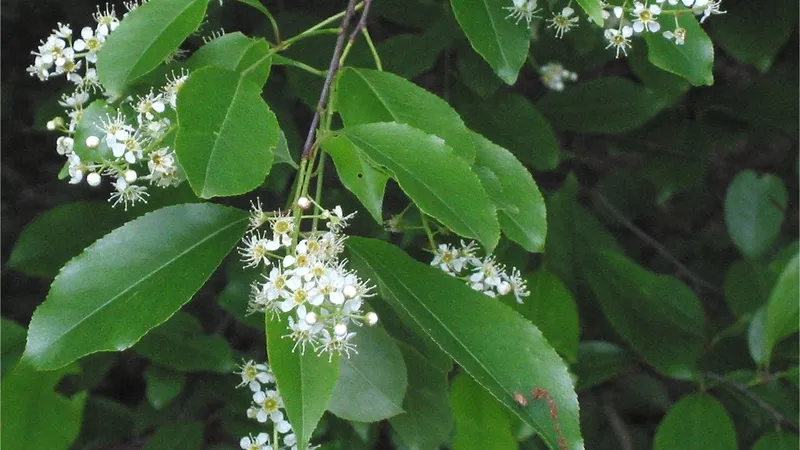
Prunus serotina
Black Cherry
The cabinet-maker's favourite. Easy to machine, ages beautifully into a deep reddish-brown.
Hardness
Medium-hard
Stability
Average
Working
Very easy
Reference
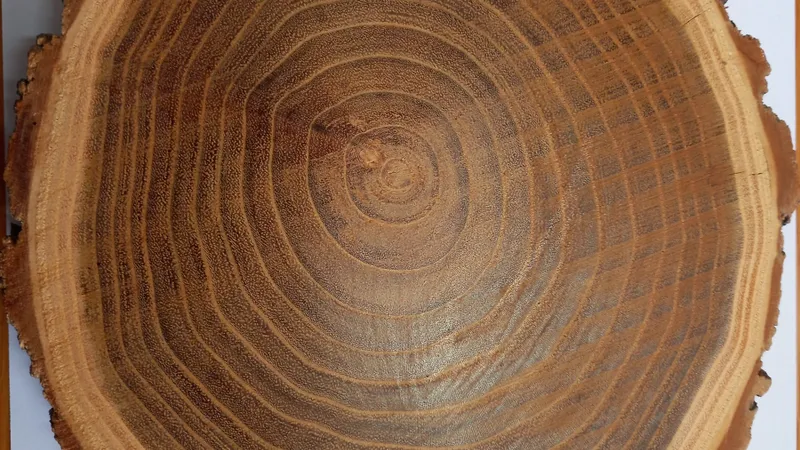 Grows commercially in Europe
Robinia pseudoacacia
Black Locust / Robinia
Class 1 durability from a tree that grows in Europe. One of the only EU-native options that survives outdoors untreated, and a credible domestic answer to tropical exotics like teak.
Hardness
Very hard
Stability
Stable
Working
Demanding
Reference
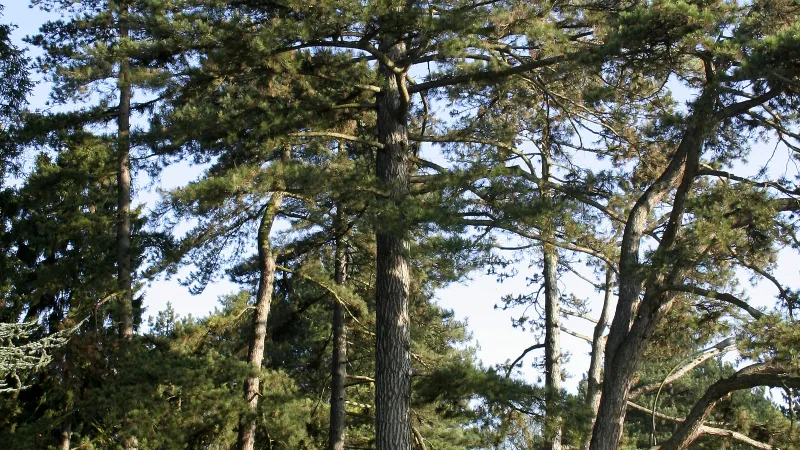 Grows commercially in Europe
Pinus nigra
Black Pine
A pale timber from a dark tree. Works like Scots Pine, stays lighter with age, and moves less than any pine here.
Hardness
Fairly soft
Stability
Stable
Working
Easy
Reference
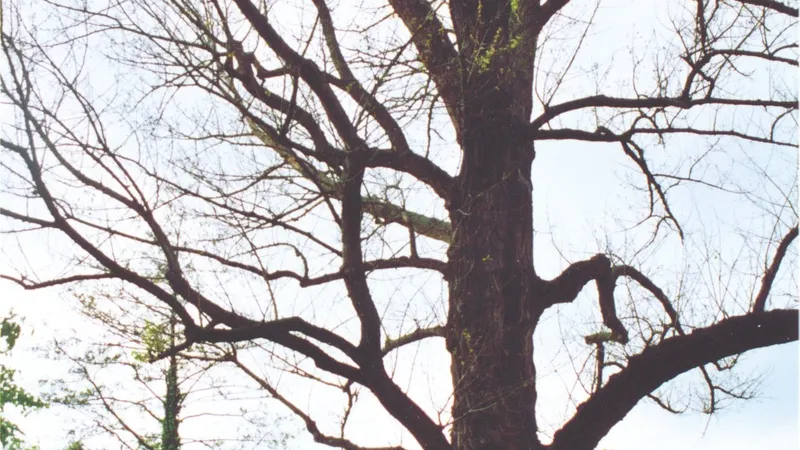 Grows commercially in Europe
Populus nigra
Black Poplar
The lightest hardwood KORENA lists, and the one most often blamed for a fault that belongs to the blade.
Hardness
Soft
Stability
Average
Working
Demanding
Reference
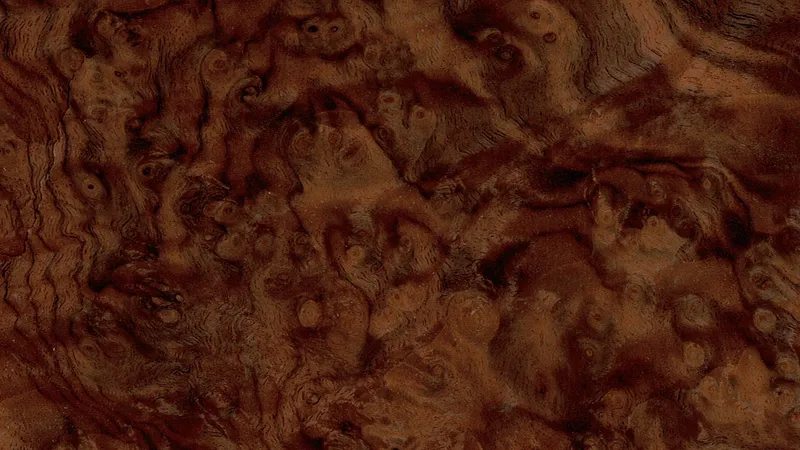
Juglans nigra
Black Walnut
American Black Walnut is the chocolate-brown hardwood that built mid-century furniture. Imported into European yards as kiln-dried slabs, it works cleanly and finishes to a deep, warm tone that ages well.
Hardness
Medium-hard
Stability
Average
Working
Easy
Reference
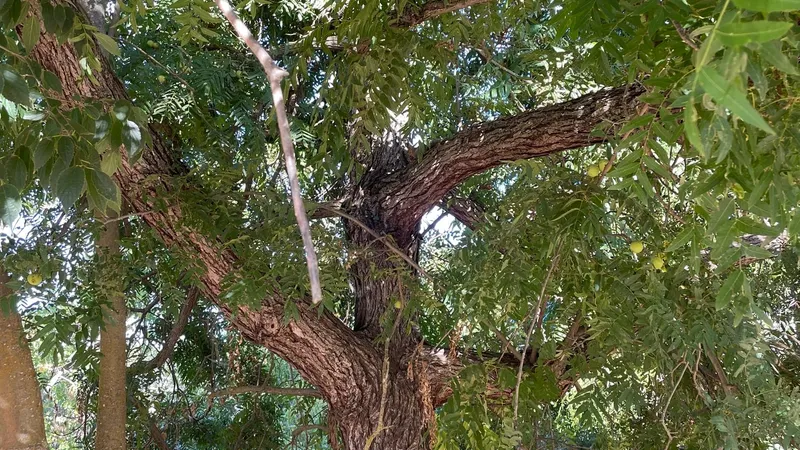
Juglans hindsii
Claro Walnut
California's figured walnut, and the wildest figure in the walnut family. Graft unions between English walnut and Hinds rootstock produce violet, gold and marbled patterns no other walnut can match.
Hardness
Medium-hard
Stability
Stable
Working
Easy
Reference
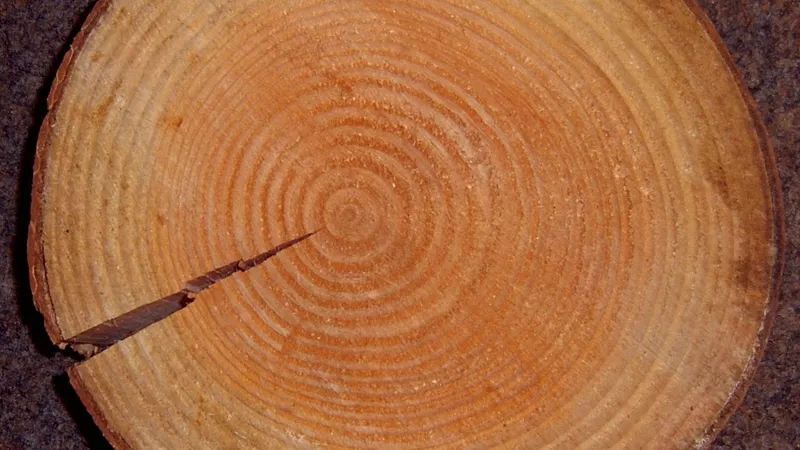
Pseudotsuga menziesii
Douglas Fir
Not a fir, and the stiffest softwood KORENA lists. Bold orange ring figure, structural strength, and a splinter you do not want to ignore.
Hardness
Fairly soft
Stability
Average
Working
Moderate
Reference
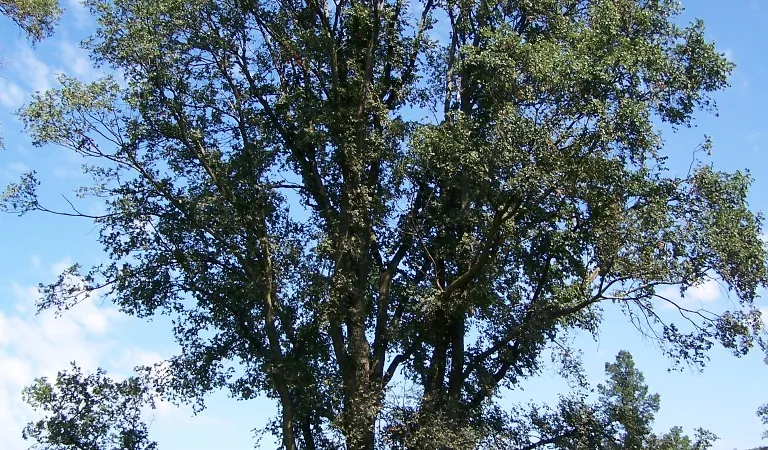 Grows commercially in Europe
Ulmus procera
English Elm
Rare salvaged hardwood with interlocked grain, wild figure, and exceptional steam-bending behaviour. Hard-won material with genuine craft heritage.
Hardness
Fairly soft
Stability
Average
Working
Demanding
Reference
Hardness against stability
All species on one chart. Further right is harder, higher up moves less with the seasons. Filled dots have pieces in stock.
- In stock
- Reference only