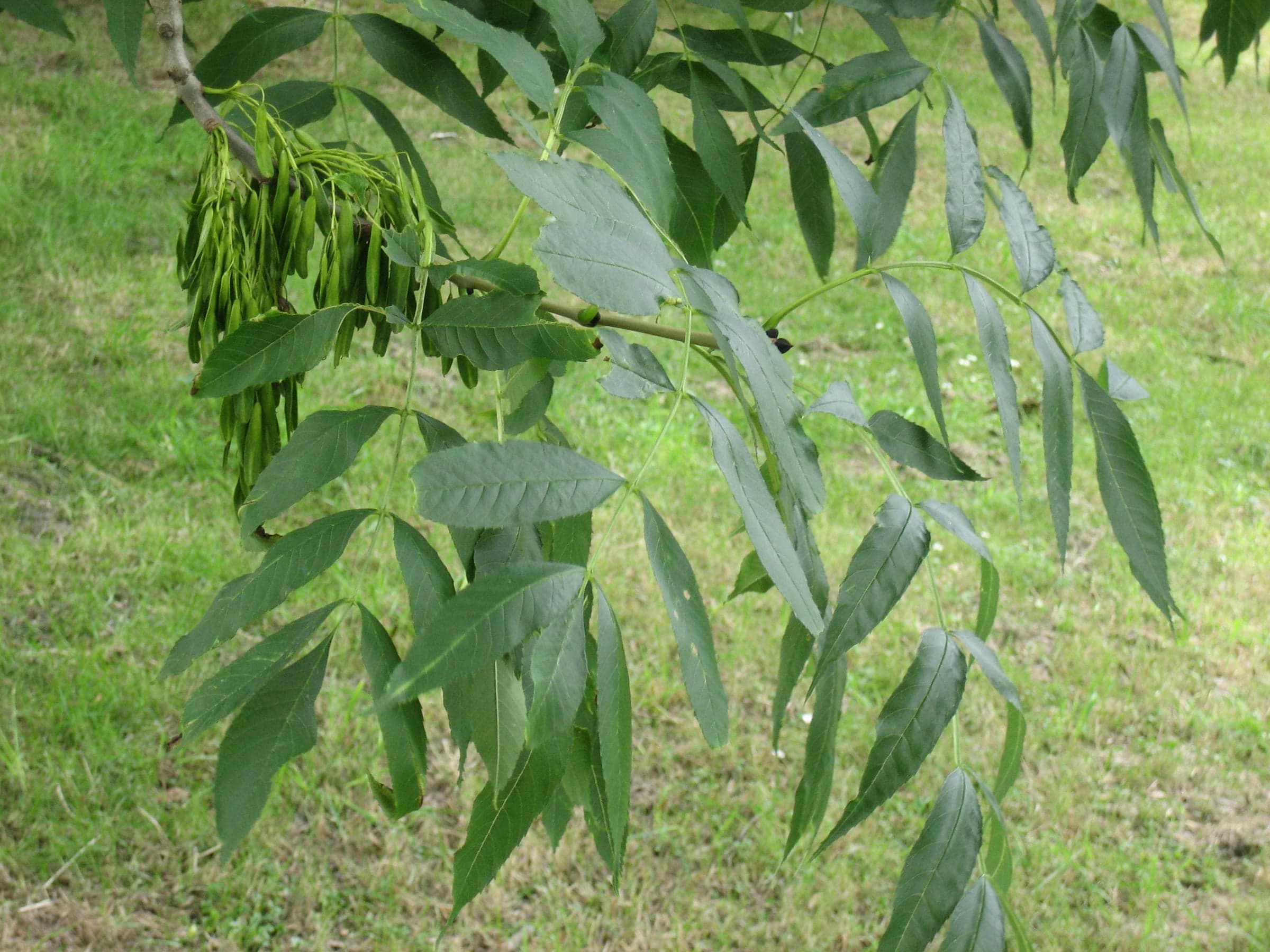
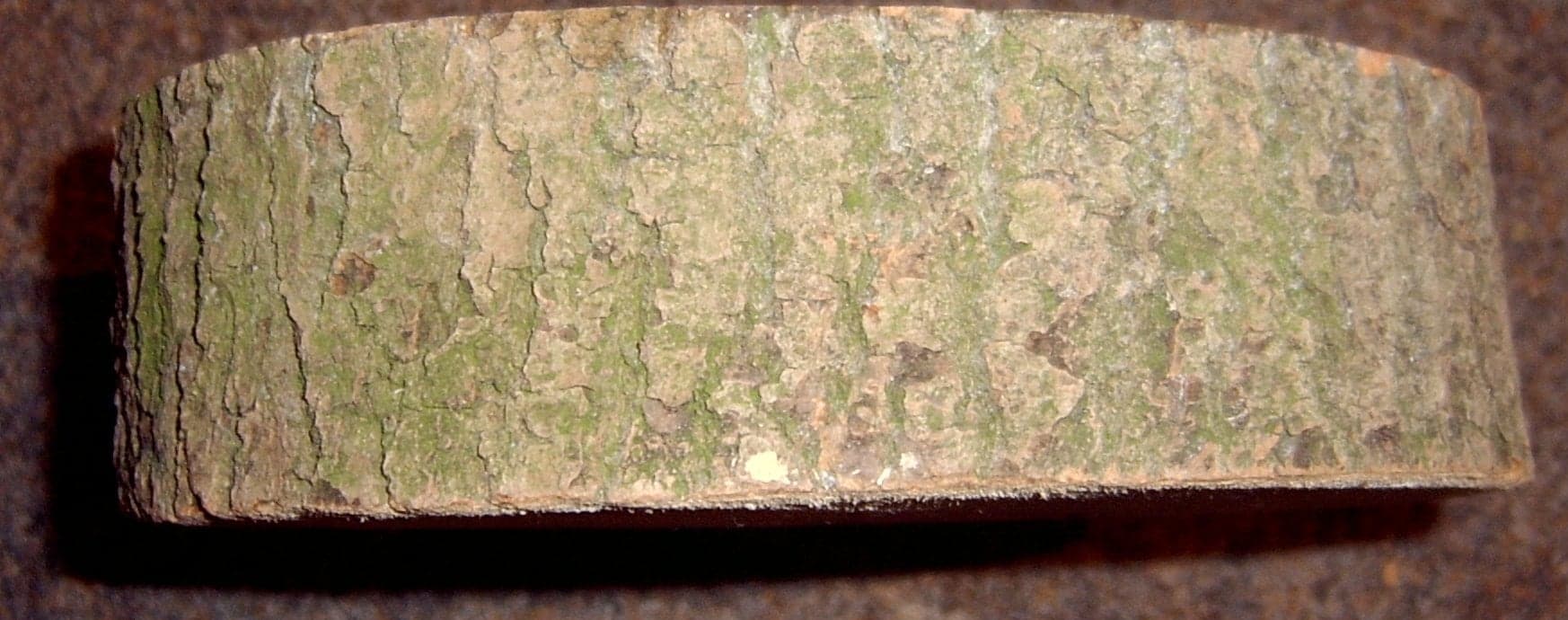
Fraxinus excelsior
European Ash
Pale, ring-porous hardwood with bold grain and the best steam-bending behaviour in Europe. Strong and tough, but strictly interior use.
- Odlat och avverkat i Europa.
- Botanisk grupp. Barrträ kommer från barrträd, lövträ från bredbladiga träd.
- Den botaniska familj som träslaget tillhör.
Få besked när det kommer inReferensträslag. Inga plankor i lager just nu.
Passar det ditt projekt?
Passar bra för
- Steam-bent chair frames and stools
- Dining tables and desks for interior use
- Cabinetry doors and drawer fronts
- Tool handles, sports equipment and shop fittings
- Wall panelling and architectural millwork
- Turned components and lighter-toned table legs
Ingen European Ash i det aktuella släppet
Liknande träslag i lager
Ingen European Ash just nu. De här träslagen passar samma projekt och finns i lager.
Få besked om European Ash
Vi skickar e-post när nya plankor i European Ash kommer till KORENA. Varje exemplar är unikt, så det är bra att få besked tidigt.
Träets utseende
Så ser det ut
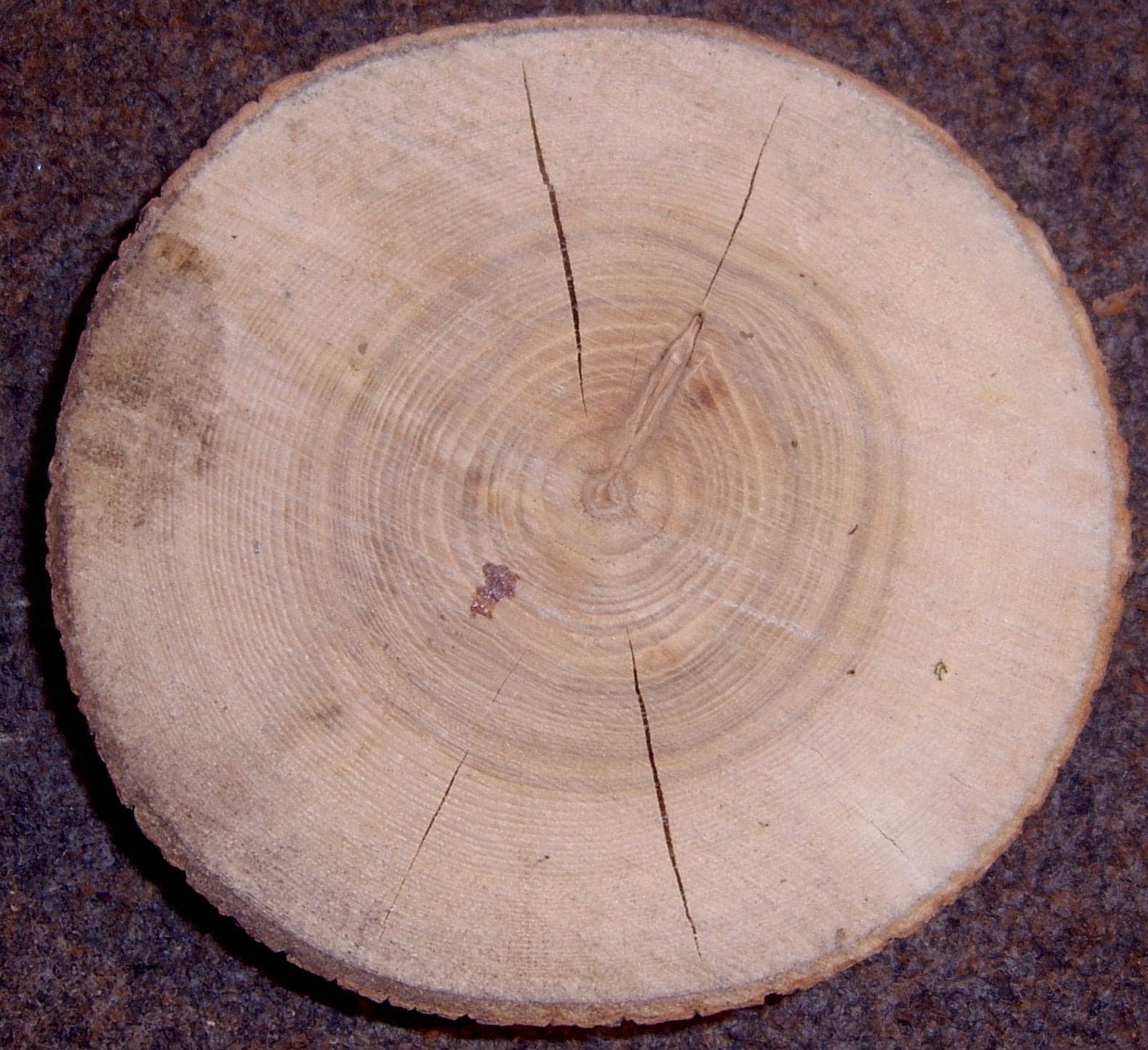
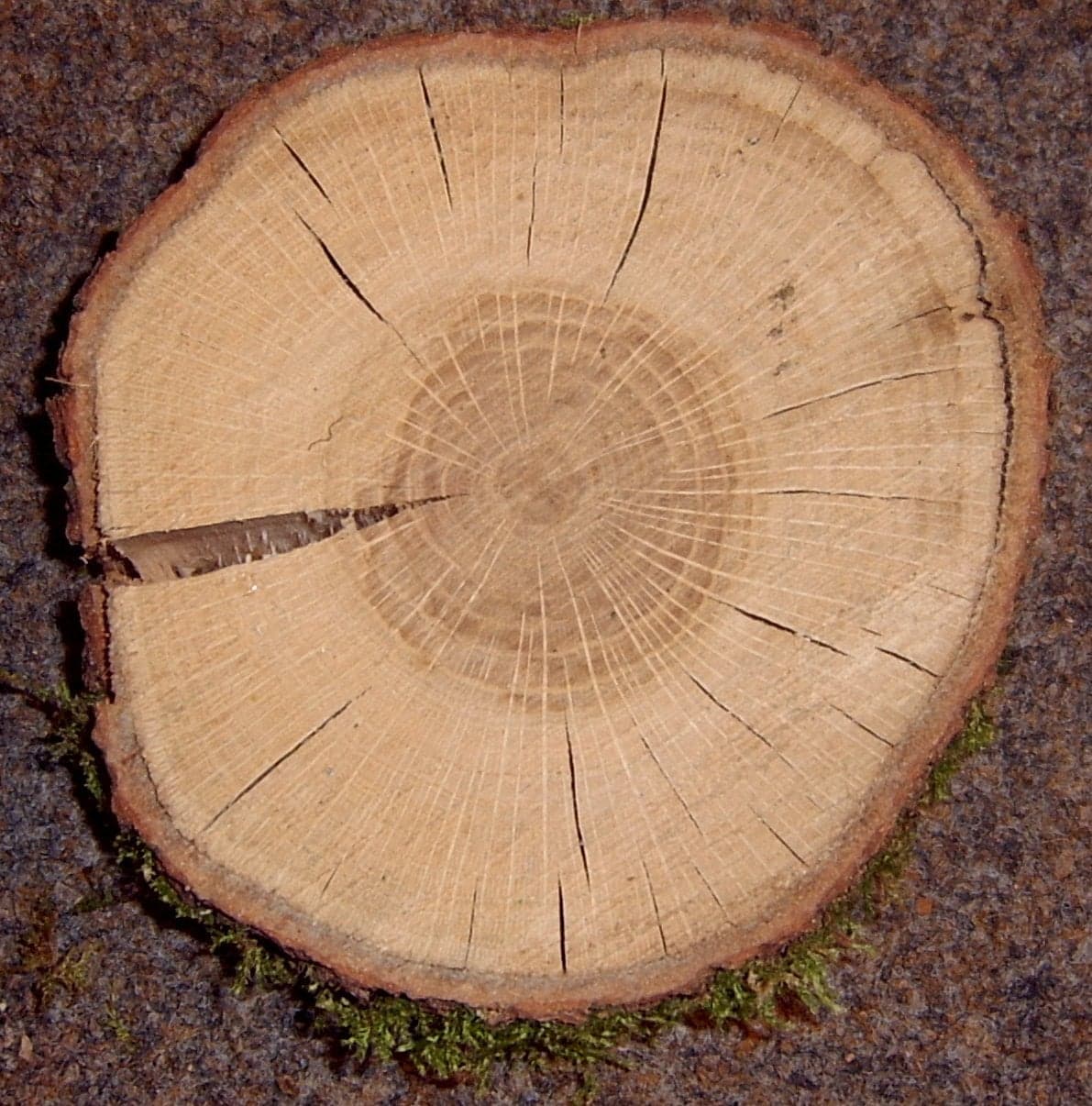
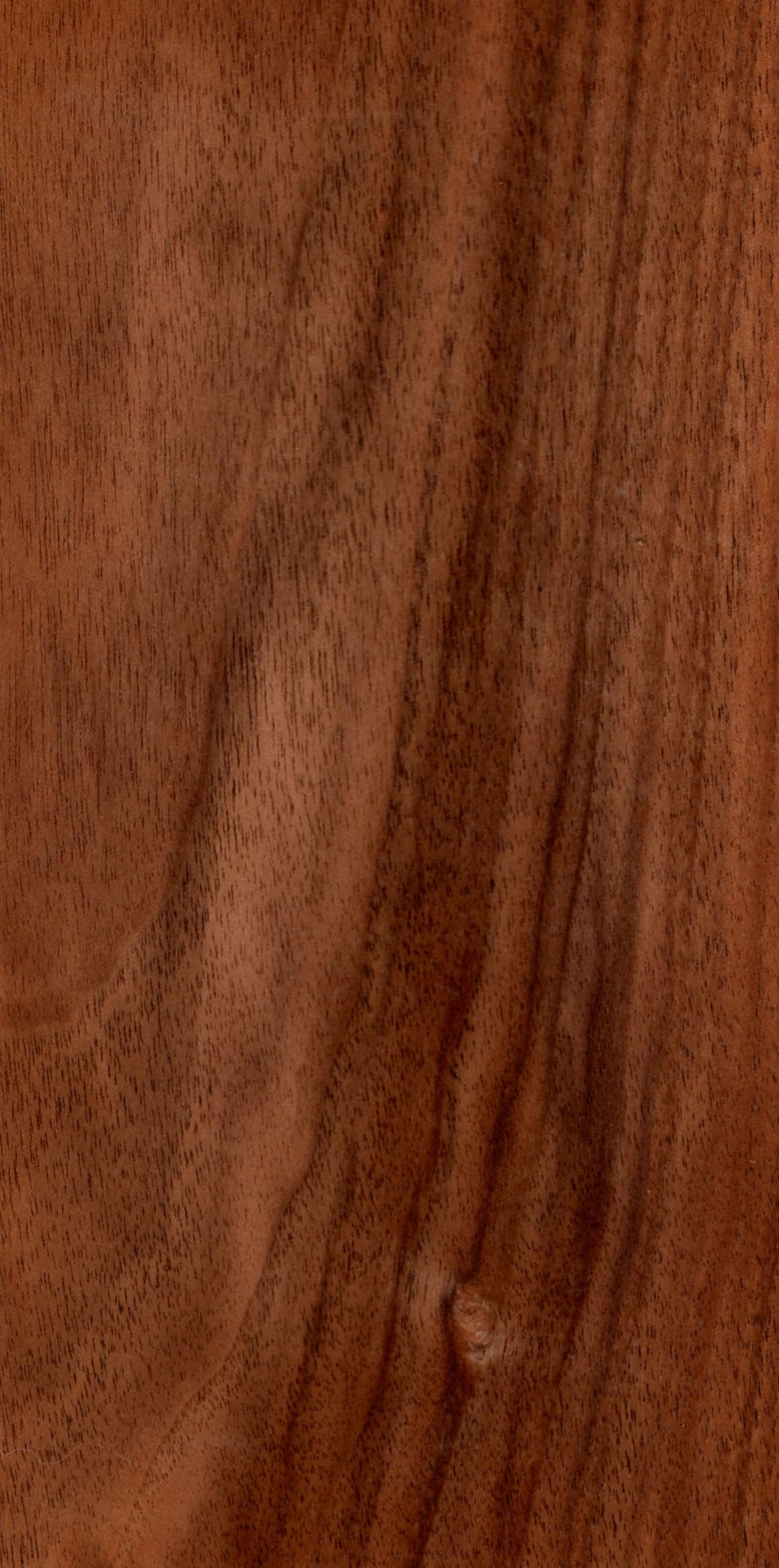
A pale hardwood with a creamy-white sapwood that blends into a light brown heartwood. Grain is straight and the texture coarse and uneven, with strong contrast between earlywood and latewood pores. Growth rings read clearly across a flat-sawn face, giving ash a bold, graphic look that suits modern furniture as much as traditional joinery. A lighter, more open-grained alternative to European oak, and a far cleaner, paler option than walnut.
- Creamy white to pale straw sapwood
- Light brown to olive-tinged heartwood
- Bold dark latewood lines against pale earlywood
- Mellows to a warmer honey tone with UV exposure
- Bleaches well for very pale, Nordic-style surfaces
- Straight grain, coarse uneven texture.
Bearbetning
Så bearbetas det
Works well with both hand and machine tools. Glues, screws and finishes predictably. Pre-drilling is sensible near edges given the density. Ash is one of the great steam-bending species, chair frames, tool handles and sports goods have relied on it for centuries, and it holds curves reliably once set. Sharp tooling matters: the coarse texture can tear out around knots and interlocked patches if blades are dull.
Ytbehandling
Takes oils, hardwax, water-based and solvent finishes well. The open ring-porous structure benefits from grain filler if you want a glass-smooth surface, otherwise the texture stays visible and tactile. Stains evenly, but the porous earlywood drinks pigment faster than the dense latewood, which can exaggerate ring contrast. Test on offcuts before committing. Bleaches cleanly for very pale Scandinavian looks.
Torkning
Dries at a moderate rate with a moderate risk of checking and minor distortion. Tangential shrinkage is roughly 1.6 times radial, so quarter-sawn stock stays flatter in service. Acclimatise to the workshop for at least two weeks before machining, and condition again before final assembly in heated interiors.
Hur mycket kommer det att röra sig?
Trä sväller och krymper över bredden när luften blir fuktigare och torrare. Beräkna årstidsrörelsen hos en skiva i European Ash innan du utformar infästningarna.
Förväntad årstidsrörelse
cirka 9,7 mm
Fäst skivan med sargar eller beslag med spår, inte med lim eller hårt åtdragna skruvar.
Linjär krympningsmodell: bredd × (krympning ÷ 28 % fibermättnad) × årstidsvariation i fuktkvot. Använder 8,5 % tangentiell krympning för European Ash. Ett planeringsvärde, inte en garanti.
Vad det kostar
Säkerhet och inköp
- Odlat och avverkat i Europa.
- Status på IUCN:s rödlista: den globala bedömningen av träslagets bevarandestatus.
Ash dust is a documented respiratory and skin sensitiser. Repeated exposure can trigger asthma-like symptoms and dermatitis in sensitive individuals. Use a P2/P3 mask, dust extraction at the tool, and long sleeves when sanding or routing. The wood itself is food-contact safe once cured and finished appropriately.
Läs hela guidenFördjupning om ådring, färgförändring, bearbetning och stabilitet.
What European Ash actually is#
Fraxinus excelsior is the tough one. At 6,580 N on the Janka scale it is harder than European oak by a third, and it combines that hardness with an elasticity that lets it absorb impact and spring back rather than splitting.
That combination is why ash became the handle wood of Europe. Hammer and axe handles, oars, hurleys, tennis racquets, cart frames and early aircraft structures were all ash, and the reason is a property that no single number captures: shock resistance.
The dieback situation#
Ash is the only species in this catalogue carrying an elevated IUCN status. It is assessed as Near Threatened, and the cause is Hymenoscyphus fraxineus, the fungus behind ash dieback, which has spread across Europe since the 1990s and killed a very large proportion of the standing population.
For a buyer today the effect is counterintuitive. Salvage felling has pushed volumes up and prices down, so ash is currently good value and widely available. The uncertainty is in the coming decades rather than this year.
The disease affects the living tree. Sound timber cut from an affected tree is sound timber, and there is no quality penalty in buying salvage ash provided it was converted and dried properly rather than left standing dead and allowed to spalt.
Reading an ash slab
Köparnas frågor
Frågor som köpare ställer
Is ash affected by ash dieback, and does that matter for slabs?
Yes. Hymenoscyphus fraxineus has spread across Europe since the 1990s and the IUCN now assesses Fraxinus excelsior as Near Threatened, the only species in this catalogue with an elevated status. For buyers the practical effect is a lot of salvage felling: volumes are currently high and prices soft, but supply over the coming decades is uncertain. The disease affects the living tree, not the quality of sound timber cut from it.
Why is ash used for tool handles?
Shock resistance. Ash combines high hardness at 6,580 N with elasticity, so it absorbs impact and returns rather than splitting or shattering. That combination is why it has been the standard timber for hammer and axe handles, oars, hurleys and sports equipment for centuries, and why it steam bends so well.
Can ash be used outdoors?
No, not untreated. It is rated decay class 5, perishable, which is the lowest durability of any hardwood in this catalogue and a surprise given how tough it is mechanically. Strength and durability are unrelated properties. For exterior work choose oak, robinia or sweet chestnut.
What is olive ash?
Mekaniska egenskaper
Tekniska data
Publicerade referensvärden. När källorna skiljer sig åt visas intervallet och det typiska värdet används i skalorna ovan.
| Densitet (kg/m³)Massa per kubikmeter vid cirka 12 % fuktkvot. Tyngre trä är oftast hårdare och starkare. | 620–740 kg/m³typiskt 680 kg/m³ |
|---|---|
| Janka-hårdhet (N)Kraften som krävs för att pressa in en stålkula halvvägs i träet. Standardmåttet på motstånd mot märken. | 6,200–7,000 Ntypiskt 6 580 N |
| MOR: böjhållfasthet (MPa)Böjhållfasthet: belastningen då en balk går av. | 105–130 MPa |
| MOE: elasticitetsmodul (GPa)Böjstyvhet: hur mycket en hylla eller skiva böjer ned under belastning. | 11.5–13.5 GPa |
| Radiell krympningKrympning tvärs årsringarna, från rått till ugnstorrt. Kvartssågade brädor rör sig så här. | 4.5–6.0 % |
| Tangentiell krympningKrympning längs årsringarna. Plainsågade brädor och de flesta plankor rör sig så här. |