KORENA
TräFinished piecesTillbehörPartnerlagerTräjournal

Få besked

Varje planka är unik. När den säljs är den borta. Vi skickar e-post när nya exemplar läggs ut: nya leveranser, nya träslag och brädor som matchar en projektbeskrivning.

Några e-postmeddelanden i månaden. Ingen skräppost, avregistrera dig när som helst.

KORENA, förstklassigt lövträ

Ett stycke i taget.

Verifierat förstklassigt lövträ, sålt stycke för stycke. Varje planka fotograferas, mäts och skickas från partnerlagret med ett träpass.

Handla

  • Bläddra bland produkter
  • Sålda plankor
  • Spåra beställning

Lär dig

  • Artiklar
  • Guider om träslag
  • Ordlista
  • Jämför
  • Författare

Hjälp

  • Om oss
  • Så fungerar det
  • Bli partnerlager
  • Hitta en planka
  • Kundtjänst
  • Dokumentmallar
  • För press

Köp

  • Köpvillkor
  • Ångerrätt
  • Returer och garanti
  • Frakt och leverans

Trygghet

  • Integritetspolicy
  • Kakpolicy
  • Träets ursprung och EUDR
  • Tillgänglighet

Företagsuppgifter

  • Juridisk information / Företagsuppgifter
  • Tillåten användning
  • Immateriella rättigheter och innehåll

© 2026 KORENA. Alla rättigheter förbehållna.

Drivs av Martial Labs Ltd. (BG, EIK 207453941). KORENA är ett handelsnamn som tillhör Martial Labs Ltd.

Vi respekterar din integritet

Vi använder nödvändiga kakor för att webbplatsen ska fungera. Med ditt tillstånd använder vi också kakor för analys, personanpassat innehåll och annonser. Du kan när som helst ändra dig på sidan samtyckesinställningar. Se vår kakpolicy och integritetspolicy.

  1. Hem
  2. /
  3. Träslag
  4. /
  5. Red Oak

Quercus rubra

Red Oak

Harder than European oak and cheaper, with pores open enough to blow air through. An interior wood, and only an interior wood.

  • Odlat utanför Europa och importerat via europeiska partnerlager.
  • Botanisk grupp. Barrträ kommer från barrträd, lövträ från bredbladiga träd.
  • Den botaniska familj som träslaget tillhör.
Få besked när det kommer inReferensträslag. Inga plankor i lager just nu.
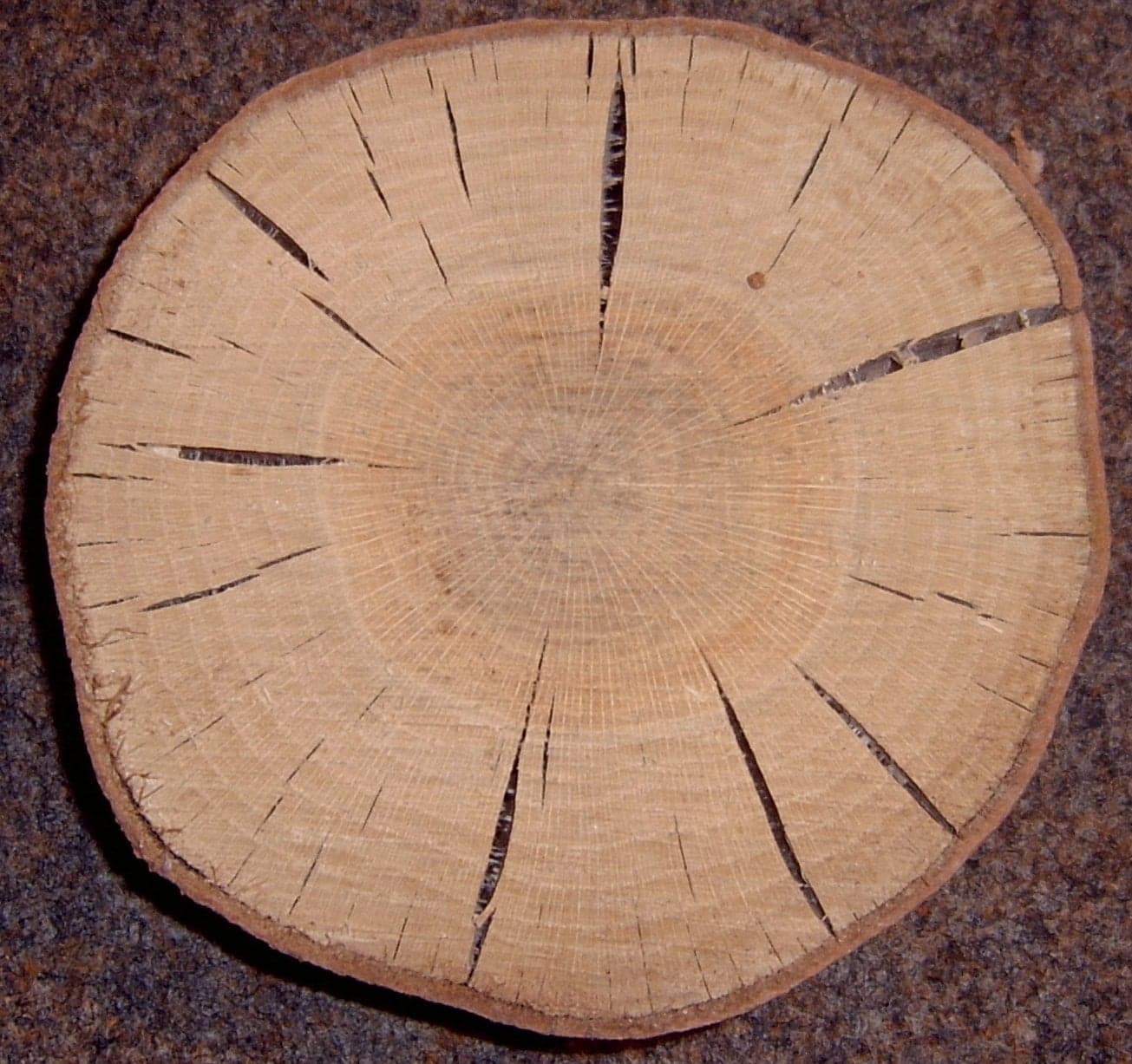
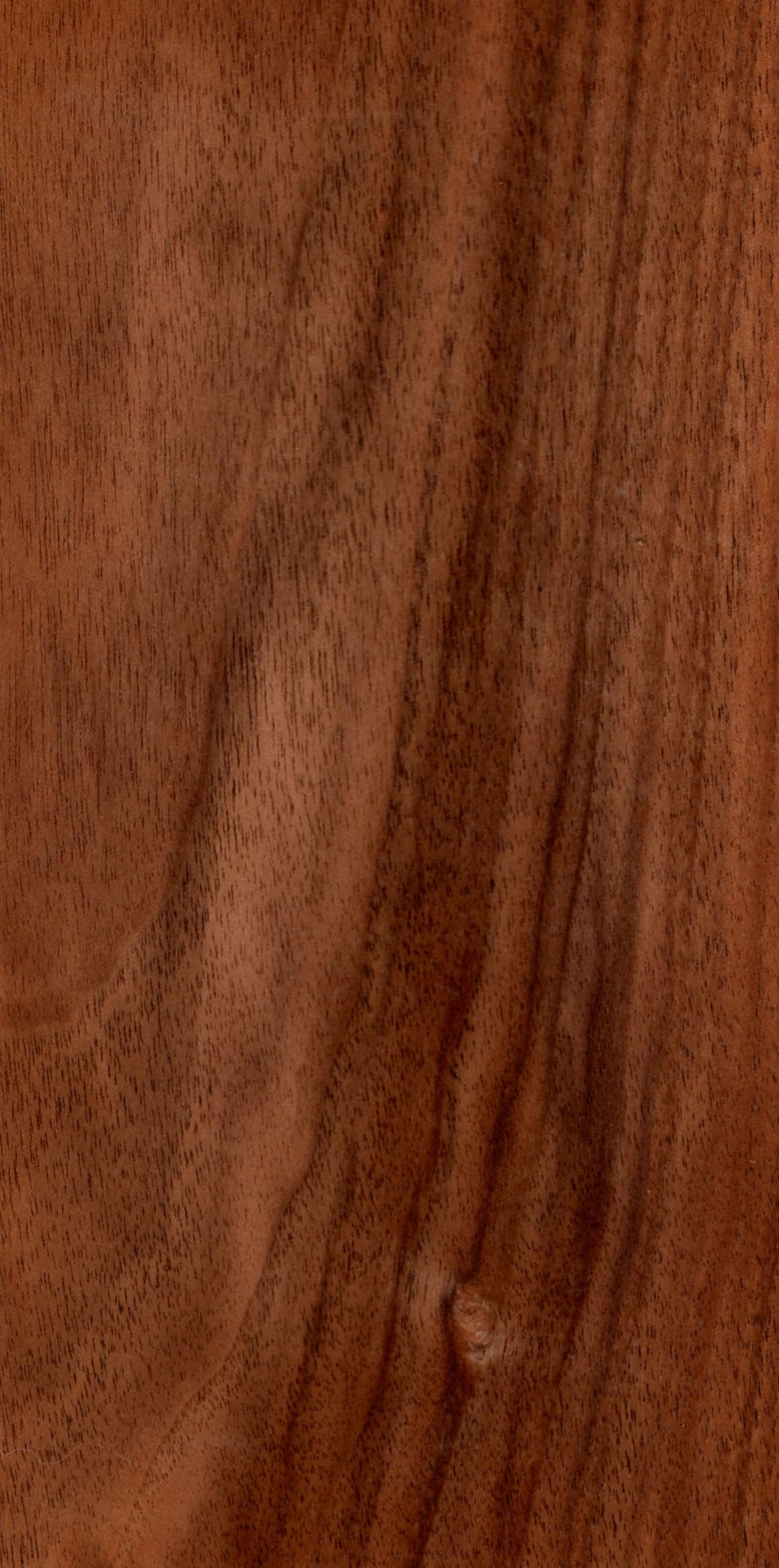
Ådring i Red Oak
  • Passar projektet
  • I lager
  • Utseende
  • Bearbetning
  • Rörelse
  • Pris
  • Säkerhet och inköp
  • Frågor
  • Tekniska data

Passar det ditt projekt?

Passar bra för

  • Interior furniture
  • Flooring
  • Cabinetry
  • Painted and stained joinery
  • Shelving

Ingen Red Oak i det aktuella släppet

Liknande träslag i lager

Ingen Red Oak just nu. De här träslagen passar samma projekt och finns i lager.
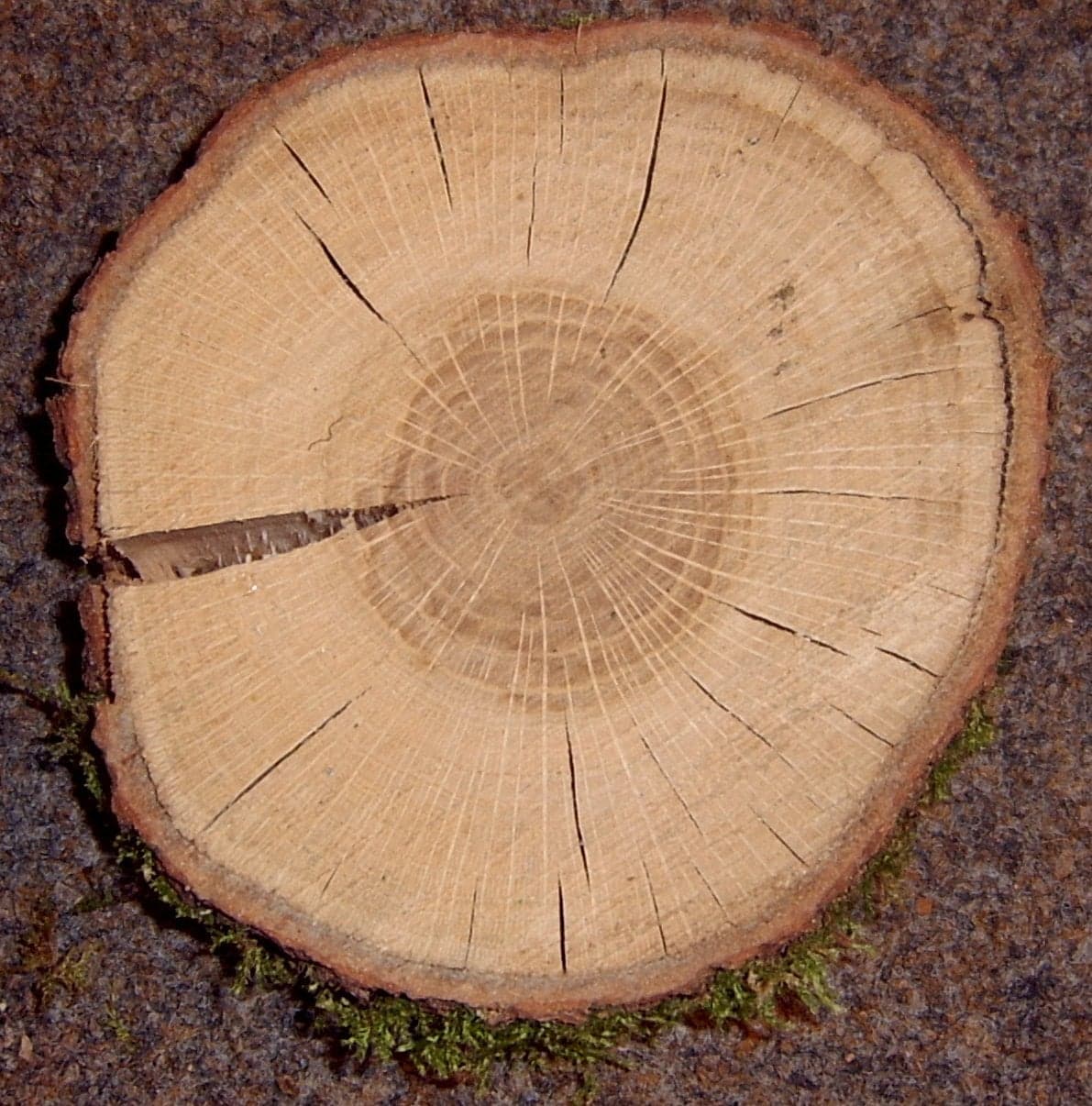
  • Ådring i European Oak

    European Oak

    Quercus robur

    6 exemplar

  • Ådring i European Walnut

    European Walnut

    Juglans regia

    9 exemplar

  • Ådring i Saman

    Saman

    Samanea saman

    4 exemplar

Få besked om Red Oak

Vi skickar e-post när nya plankor i Red Oak kommer till KORENA. Varje exemplar är unikt, så det är bra att få besked tidigt.

Några e-postmeddelanden i månaden. Ingen skräppost, avregistrera dig när som helst.

Träets utseende

Så ser det ut

Light to mid brown with a distinct reddish or pinkish cast that separates it clearly from the European oaks. Grain is straight and the texture coarse, with very large open pores in the earlywood. Those pores are the defining practical fact about this wood: they run continuously along the grain and are open enough that the species will not hold liquid, which is why red oak was never used for barrels.

  • Light to mid brown with a reddish or pinkish cast
  • Very large open pores in the earlywood
  • Ray fleck present on quartersawn faces but finer than white oak
  • Straight grain, coarse texture, very large open earlywood pores that run continuously along the grain. Light to mid brown with a distinct reddish cast.

Bearbetning

Så bearbetas det

Produces good results with hand and machine tools and it glues and finishes well. It blunts cutters moderately as all oaks do. The dimensional stability is described in the cited source as mediocre, so it moves more than its numbers alone suggest. The very large open pores require substantial grain filling for any smooth finish, more than European oak needs.

Ytbehandling

Takes stain and finish well and is frequently stained to imitate more expensive species, which it does convincingly. The large open pores need heavy grain filling for a smooth surface. The reddish cast can fight a warm stain and go orange, so test on an offcut. Tannins react with iron exactly as in the European oaks, so brass or stainless fittings only.

Torkning

Dries reasonably but shares the oak family requirement for a slow schedule, and it is prone to checking and honeycomb if pushed. Volumetric shrinkage of 13.7 percent with tangential at 8.6 against radial at 4.0 percent gives a wide ratio, so flatsawn boards cup. The cited source specifically notes mediocre dimensional stability in service, which is worth weighing against European oak for anything that must stay flat.

Hur mycket kommer det att röra sig?

Trä sväller och krymper över bredden när luften blir fuktigare och torrare. Beräkna årstidsrörelsen hos en skiva i Red Oak innan du utformar infästningarna.

Sågsätt
Miljön där den ska stå

Förväntad årstidsrörelse

cirka 9,8 mm

Fäst skivan med sargar eller beslag med spår, inte med lim eller hårt åtdragna skruvar.

Linjär krympningsmodell: bredd × (krympning ÷ 28 % fibermättnad) × årstidsvariation i fuktkvot. Använder 8,6 % tangentiell krympning för Red Oak. Ett planeringsvärde, inte en garanti.

Vad det kostar

Säkerhet och inköp

  • Odlat utanför Europa och importerat via europeiska partnerlager.
  • Status på IUCN:s rödlista: den globala bedömningen av träslagets bevarandestatus.
  • Oak is a documented sensitiser and reactions usually include eye and skin irritation. Severe reactions are rare. Repeated exposure to oak dust carries elevated nasal cancer risk, so extraction is not optional in a production setting.

Läs hela guidenFördjupning om ådring, färgförändring, bearbetning och stabilitet.+

What Red Oak actually is#

Quercus rubra is the most commercially important hardwood in the United States and has been planted across Europe since the eighteenth century. European grown material is now common enough in the EU market that buying it does not necessarily mean importing from North America, which matters for both documentation and carbon.

It is harder than European oak, stiffer than European oak, and cheaper than European oak. It is also, in one specific and consequential way, a fundamentally different material.

The pores, which decide everything#

In white oak and the European oaks, the large earlywood pores are plugged with tyloses, balloon like ingrowths that seal the vessels. In red oak they are not. The pores run open and continuous along the grain.

The old demonstration is to take a short length of red oak, dip one end in soapy water and blow through the other. Bubbles come out. You cannot do that with white oak.

Everything practical about this species follows from that:

It was never used for barrels, because it will not hold liquid. It is rated non-durable to perishable with poor insect resistance, so it has no business outdoors. It is recorded in this catalogue as not food safe, unlike the European oaks, because open pores hold moisture and residue that a closed grain wood does not. And it needs far more grain filler than European oak to reach a smooth finish.

Köparnas frågor

Frågor som köpare ställer

Why is Red Oak not suitable for outdoor use or barrels?

+

Its earlywood pores are very large and run continuously along the grain, so the wood behaves like a bundle of straws. Liquid passes straight through it, which is why white oak was always the cooperage timber and red oak never was. Combined with a decay rating of non-durable to perishable and poor insect resistance, it should be treated as an interior wood only.

Is Red Oak harder than European Oak?

+

Yes, measurably. It is 5,430 N on the Janka scale against 4,980 N for European oak, and its elastic modulus of 12.14 GPa is higher too. Hardness is not the reason to prefer European oak; durability, stability and colour are.

Is it safe for a cutting board?

+

KORENA records it as not food safe, and that is a deliberate distinction from the European oaks. The very large open pores hold moisture and food residue in a way closed grain species do not, and the wood is rated non-durable. For food contact choose hard maple or a similarly dense closed grain species.

How do I tell it from European Oak?

+

Mekaniska egenskaper

Tekniska data

Publicerade referensvärden. När källorna skiljer sig åt visas intervallet och det typiska värdet används i skalorna ovan.

Densitet (kg/m³)Massa per kubikmeter vid cirka 12 % fuktkvot. Tyngre trä är oftast hårdare och starkare.700 kg/m³
Janka-hårdhet (N)Kraften som krävs för att pressa in en stålkula halvvägs i träet. Standardmåttet på motstånd mot märken.5,430 N
MOR: böjhållfasthet (MPa)Böjhållfasthet: belastningen då en balk går av.99 MPa
MOE: elasticitetsmodul (GPa)Böjstyvhet: hur mycket en hylla eller skiva böjer ned under belastning.12.1 GPa
Radiell krympningKrympning tvärs årsringarna, från rått till ugnstorrt. Kvartssågade brädor rör sig så här.4.0 %
Tangentiell krympningKrympning längs årsringarna. Plainsågade brädor och de flesta plankor rör sig så här.8.6 %

No machine-readable author provided. Lumbar~commonswiki assumed (based on copyright claims)., via Wikimedia Commons

Quercus rubra is native to eastern North America and is the most commercially important hardwood in the United States. It has also been planted widely across Europe since the eighteenth century and European grown material is increasingly common in the EU market, which shortens the supply chain considerably compared with imported American stock.

  • Not listed in the CITES Appendices and assessed by the IUCN as Least Concern. It is abundant and among the most heavily harvested hardwoods in North America. For EUDR purposes, European grown Quercus rubra offers a considerably shorter and simpler supply chain than imported American material, and it is increasingly available.

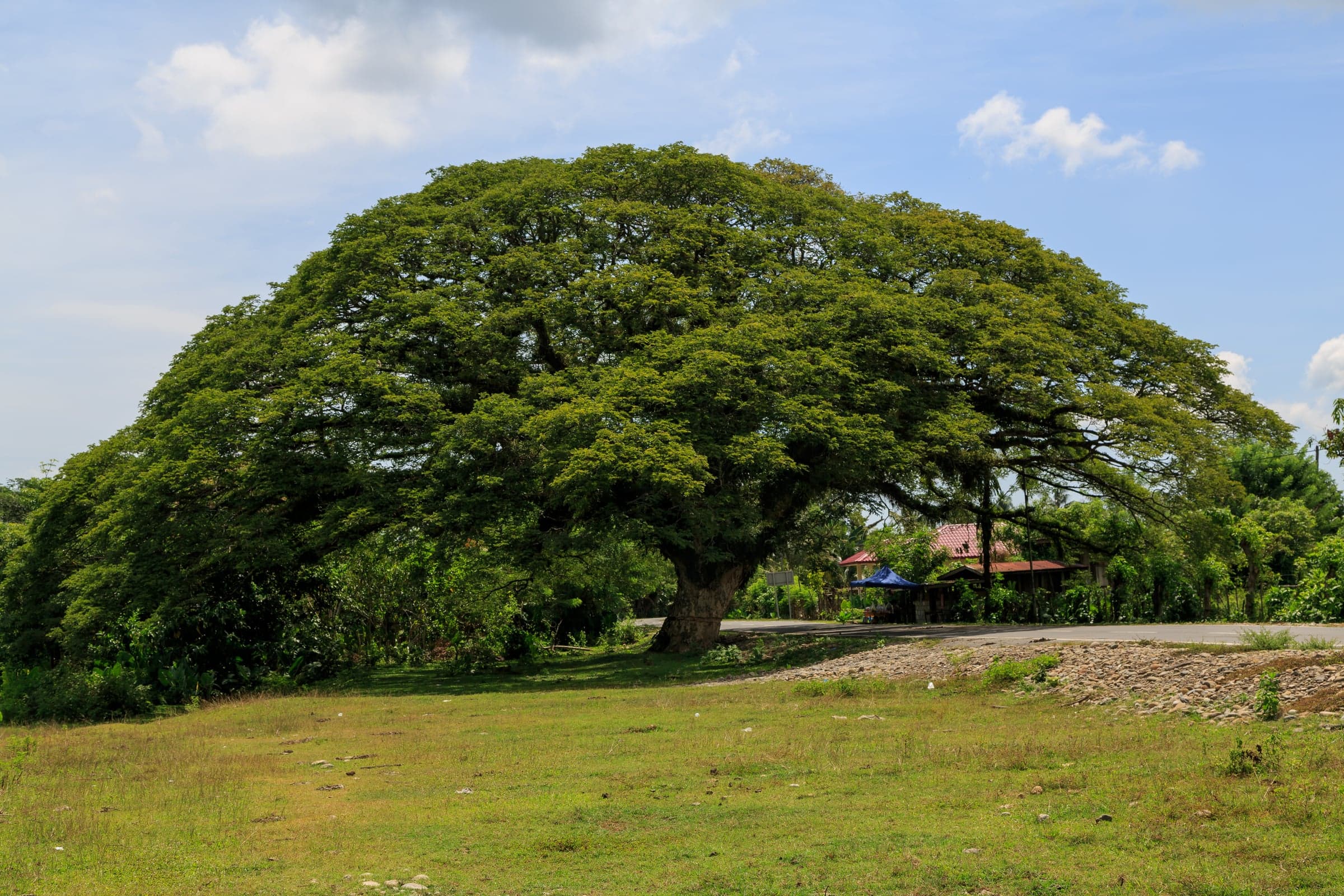
  • Träd av arten Red Oak

    Crusier, via Wikimedia Commons

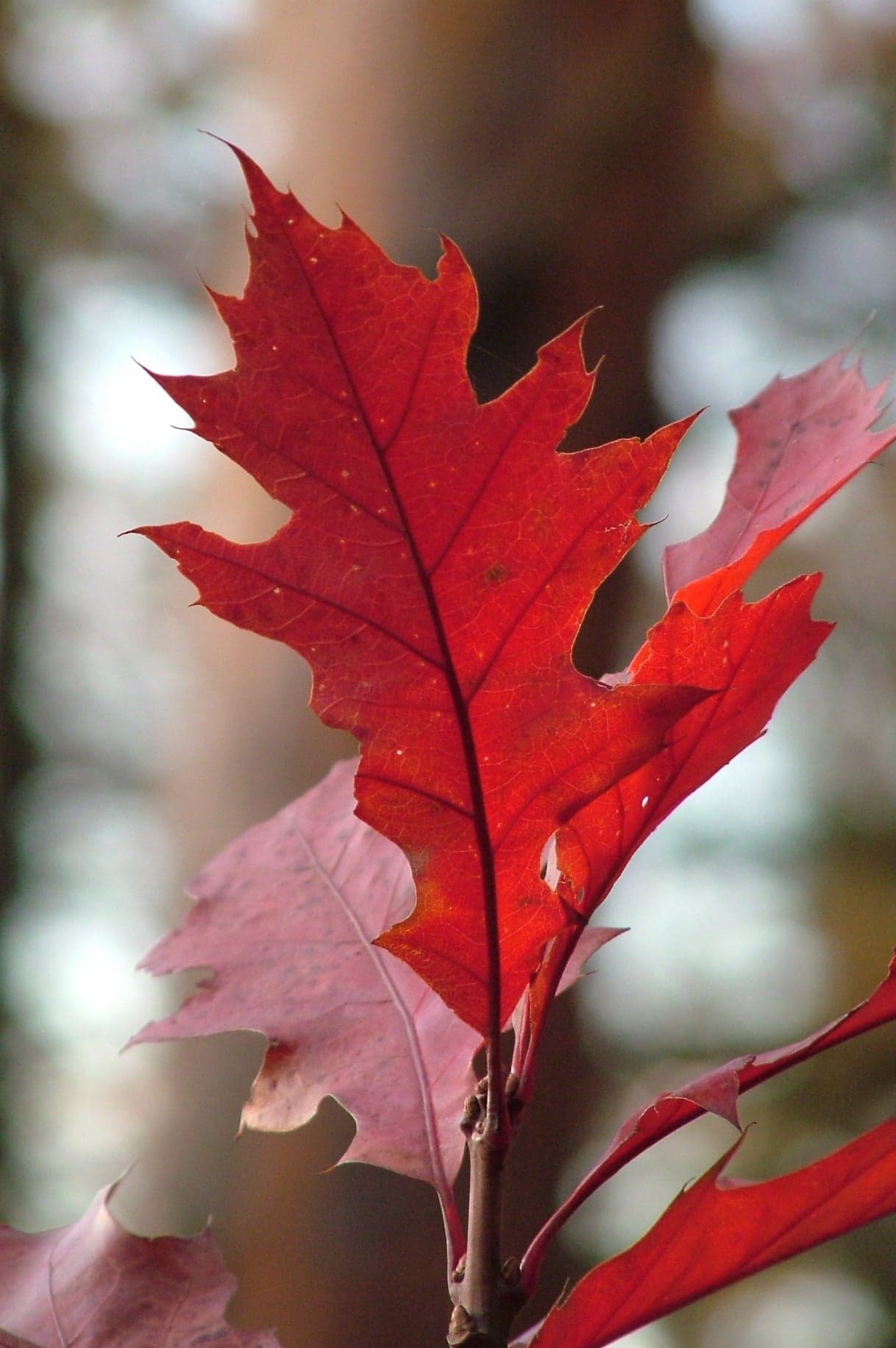
    Red Oak: Blad
    Blad

    None of that makes it a bad wood. It makes it an interior wood, and within that boundary it is an excellent and economical one.

    Reading a Red Oak slab#

    The colour is the quick identifier: a distinct pink or reddish cast through the light to mid brown, clearly different from the tan and olive of European oak.

    The reliable identifier is the end grain under a lens. Open earlywood pores mean red oak; pores plugged with tyloses mean white or European oak. If a supplier's label and the end grain disagree, believe the end grain.

    Ray fleck appears on quartersawn faces but is finer and less dramatic than in white oak or sessile oak. Buyers hoping for bold silvery fleck should look elsewhere.

    At the bench#

    It produces good results with hand and machine tools, glues well, and finishes well. It blunts cutters moderately, like all oaks.

    The cited source describes its dimensional stability as mediocre, and that word is worth taking seriously. Volumetric shrinkage of 13.7 percent is not extreme, but the tangential to radial ratio of 8.6 against 4.0 percent is wide, and red oak has a reputation for moving more in service than its figures predict. For a wide top that must stay flat, European oak quartersawn is the safer specification.

    Grain filling is more work here than on European oak. Those large open pores swallow filler and often need two applications for a genuinely smooth surface. Many makers simply leave the texture, which suits the wood.

    Finishing, and one trap#

    Red oak takes stain and finish readily and is very commonly stained to imitate more expensive species, which it does convincingly.

    The trap is its own colour. The natural pink cast fights warm stains and can push a finish orange, particularly with amber toned oils. Test on an offcut from the same slab before committing, and consider a cooler toned stain to counteract it.

    The tannin and iron reaction applies here as in every oak. Steel screws, steel wool and steel clamp bars all produce blue black staining on contact with damp oak. Use brass or stainless throughout.

    Where Red Oak is the right answer#

    Interior furniture, flooring, cabinetry, shelving and joinery that will be stained or painted. It is hard at 5,430 N, stiff at 12.14 GPa, widely available and inexpensive relative to European oak.

    It is the wrong answer outdoors in any form, for food contact surfaces, for cooperage or anything holding liquid, and for a wide panel where dimensional stability is the governing requirement.

    Sourcing and EUDR#

    Not listed in the CITES Appendices and assessed by the IUCN as Least Concern. The species is abundant and heavily harvested across eastern North America.

    The EUDR consideration is the same one that applies to Douglas Fir in this catalogue: European grown plantation material offers a much shorter and simpler documentation path than imported North American stock, along with lower transport carbon. It is increasingly available. KORENA listings record the partner yard and region, so which one you are buying is visible on the passport.

    Colour is the quick check: red oak carries a distinct pink or red cast where European oak runs tan to olive brown. The reliable check is the end grain. Look at the large earlywood pores with a lens; in red oak they are open, in white and European oak they are plugged with tyloses, which is exactly why one holds liquid and the other does not.

    Is European grown Red Oak different from American?

    +

    It is the same species and the working properties are comparable. The meaningful difference is the supply chain. European grown material has a much shorter and simpler documentation path under EUDR and lower transport carbon than imported American stock, and it is increasingly available in the EU market.

    VolymkrympningTotal volymförändring från rått till ugnstorrt. Lägre värde betyder högre stabilitet.
    13.7 %
    Naturlig beständighet (EN 350)Europeisk standard för naturlig beständighet mot röta, från 1 (mycket beständigt) till 5 (inte beständigt).Class 5 — Perishable

    Källor

    • The Wood Database — Red Oak (Quercus rubra)(hämtad 2026-08-12)
    • USDA FPL Wood Handbook FPL-GTR-190 (2010)(hämtad 2026-08-12)
    • Meier, E. — WOOD! Identifying and Using Hundreds of Woods Worldwide (2015)(hämtad 2026-08-12)

    Styrkor

    • Böjs välBetyg 4 av 5 för ångböjning. Klarar snäva kurvor.

    Tänk på

    • Inte för obehandlat utomhusbrukDen naturliga beständigheten är klass 5 av 5 enligt EN 350. Använd det inomhus eller med en ytbehandling som underhålls.
    • Rör sig mer än de flestaBreda skivor behöver sargar eller beslag med spår och utrymme att röra sig. Använd rörelsekalkylatorn nedan.
    • Dammet irriterarAnvänd utsug och munskydd vid slipning och maskinbearbetning.
    • Inte lämpligt för kontakt med livsmedelVälj ett annat träslag för skärbrädor och serveringsföremål.

    Tryck på en etikett för mer information.

    I korthet

    Nivåerna använder samma fasta intervall för alla träslag som KORENA listar, så att de går att jämföra direkt. Det uppmätta värdet står under varje nivå.
    HårdhetMotstånd mot märken och slitageMedelhårt

    Janka: 5 430 N

    9 % hårdare än europeisk ek

    ViktHur tung en planka är att lyftaTung

    700 kg/m³

    StabilitetHur lite det rör sig med årstidernaRörligt

    13,7 % volymkrympning

    BearbetningSågning, hyvling, slipning och limningMåttligt

    3,9 / 5 i genomsnitt vid bänken

    UtomhusbrukNaturlig beständighet mot röta, EN 350Endast inomhus

    EN 350 klass 5

    • Sågning · Mycket braHur rent det sågas och hur mycket det sliter på klingor.1 = svår · 5 = utmärkt
    • Hyvling · Mycket braHur slät yta det ger och hur lätt fibrerna rivs upp.1 = svår · 5 = utmärkt
    • Slipning · Mycket braHur snabbt det kan slipas slätt utan att slippappret sätts igen.1 = svår · 5 = utmärkt
    • Svarvning · Mycket braHur det skär och får yta i svarven.1 = svår · 5 = utmärkt
    • Snidning · BraHur skarpa detaljer det håller under ett stämjärn.1 = svår · 5 = utmärkt
    • Limning · Mycket braHur tillförlitligt limfogarna håller.1 = svår · 5 = utmärkt
    • Fäste för skruv / spik · Mycket braHur väl det håller skruv och spik utan att spricka.1 = svår · 5 = utmärkt
    • Ångböjning · Mycket braHur väl det kan böjas efter ångning.1 = svår · 5 = utmärkt

    Det finns ännu inget marknadsreferenspris för Red Oak. Varje KORENA-planka prissätts individuellt av sitt partnerlager.