KORENA
WoodFinished piecesSuppliesYardsJournal

Get notified

Every slab is one of one. When it sells, it's gone. We email you as new pieces are listed: fresh arrivals, new species, and boards matched to a project brief.

A few emails a month. No spam, unsubscribe anytime.

KORENA — Premium Hardwood

One piece at a time.

Verified premium hardwood, sold piece by piece. Every slab is photographed, measured, and shipped from the partner yard with a wood passport.

Shop

  • Browse products
  • Sold archive
  • Track order

Learn

  • Journal
  • Species guides
  • Glossary
  • Compare
  • Authors

Help

  • About
  • How it works
  • Become a partner yard
  • Source a slab
  • Support
  • Press

Buy

  • Terms of sale
  • Right of withdrawal
  • Returns and warranty
  • Shipping and delivery

Trust

  • Privacy policy
  • Cookie policy
  • Wood provenance and EUDR
  • Accessibility

Imprint

  • Legal notice / Imprint
  • Acceptable use
  • IP and content

© 2026 KORENA. All rights reserved.

Operated by Martial Labs Ltd. (BG, EIK 207453941). KORENA is a trading name of Martial Labs Ltd.

We respect your privacy

We use essential cookies so the site works. With your permission we'd also use cookies for analytics, personalised content, and ads. You can change your mind any time on the consent preferences page. See our cookie policy and privacy policy.

  1. Home
  2. /
  3. Species
  4. /
  5. Maritime Pine

Pinus pinaster

Maritime Pine

The pine of the Atlantic coast and the Landes. The most resinous and least stable wood KORENA lists, with a bold coarse figure that suits rustic work.

Grown commercially in EuropeFamily: Pinaceae
Maritime Pine

Laurent Gallet, via Wikimedia Commons

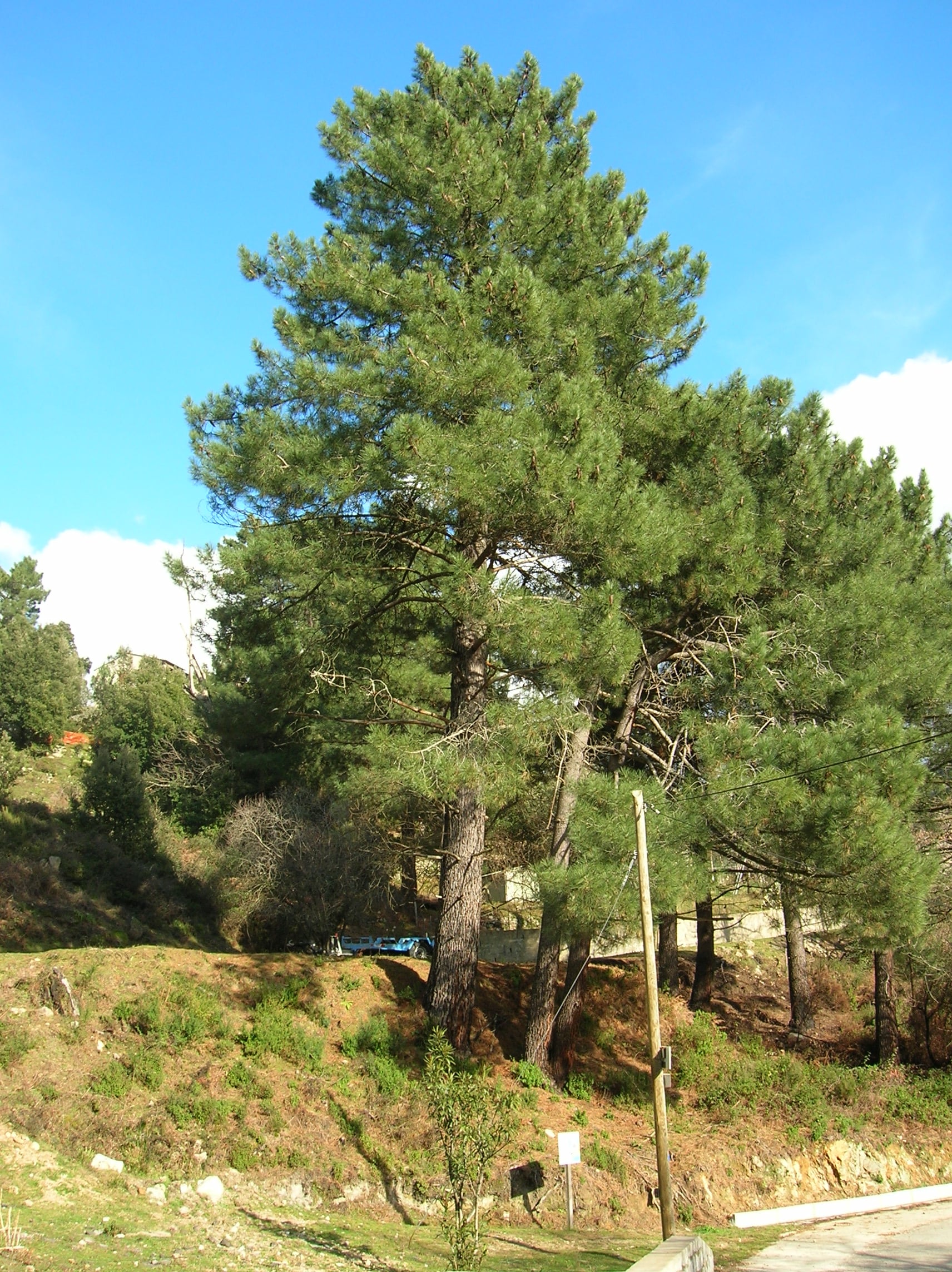
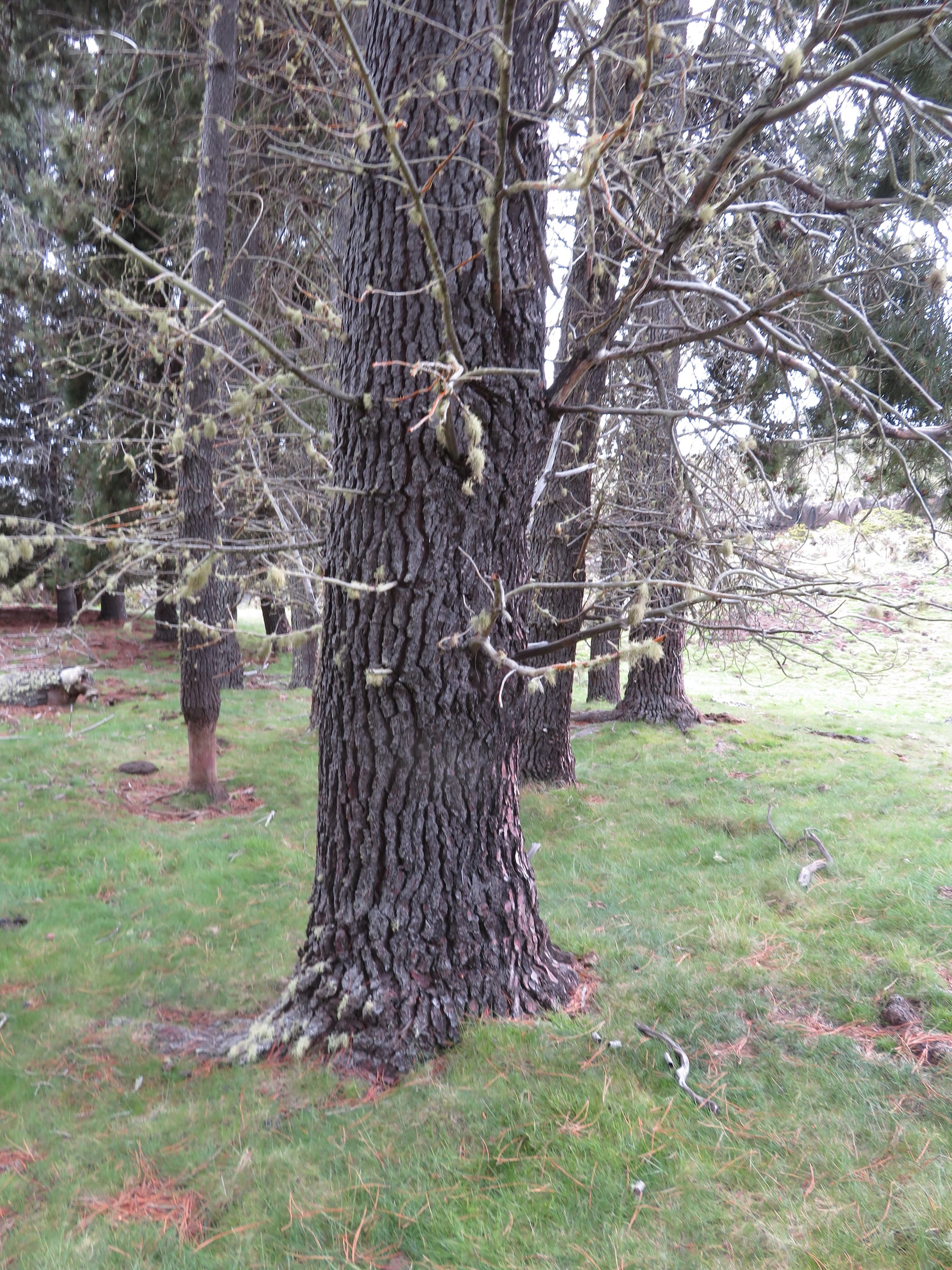
Maritime Pine tree

Laurent Gallet, via Wikimedia Commons

Tree

Pinus pinaster is the pine of the western Mediterranean and the Atlantic coast of Iberia and France. The Landes forest in southwest France is the largest planted pine forest in western Europe and the main commercial source. Portuguese and Spanish material is also common in the EU market.

Maritime Pine bark
Bark

Wood appearance

Pale yellow to reddish brown heartwood against wide pale sapwood, with very wide growth rings reflecting fast coastal growth. The ring contrast is strong, giving a bold and slightly coarse figure. It is the most resinous species KORENA lists, which is both its historical value, as the tree was tapped for turpentine for centuries, and its main working difficulty.

  • Pale yellow to reddish brown heartwood
  • Wide pale sapwood band
  • Wide growth rings with strong earlywood to latewood contrast
  • Straight grain with very wide rings and extreme earlywood to latewood contrast, giving a bold coarse figure. Pale yellow to reddish brown, highly resinous.

Mechanical properties

Density (kg/m³)500 kg/m³
Janka hardness (N)1,740 N
MOR: modulus of rupture (MPa)73 MPa
MOE: modulus of elasticity (GPa)8.5 GPa
Radial shrinkage4.5 %
Tangential shrinkage9.0 %
Volumetric shrinkage14.4 %
Natural durability (EN 350)Class 4 — Slightly durable

Working with it

1 = difficult · 5 = excellent

Works fairly well with most tools, but the resin gums up tools and clogs sandpaper more than in any other species here. Abrasives should be treated as consumable. The wide, soft earlywood bands between hard latewood bands mean the surface can wash out under sanding, leaving a rippled face, so scraping is preferable to heavy abrasive work. Sharp cutters are essential.

Sawing
Planing
Sanding
Turning
Carving
Gluing
Screw / nail hold
Steam bending

Drying

Dries reasonably quickly but is prone to distortion given the wide rings and often spiral grain of fast grown coastal stock. A hot kiln schedule drives resin to the surface where it sets sticky and interferes with finishing later. Air drying followed by a low temperature kiln finish is the sensible route. Volumetric shrinkage at around 14.4 percent is the highest of any species KORENA lists, so movement in service is substantial.

Finishing

Wipe down with denatured alcohol or acetone before finishing to lift surface resin, otherwise oil finishes may stay tacky in patches. Once clean it takes oil and wax well. Pigment stains blotch severely because of the extreme density contrast between earlywood and latewood, so a dye or a clear finish is much safer. Seal knots with shellac before any painted finish.

Durability and safety

  • Class 4 — Slightly durable
  • Dust irritant: wear PPE

Working with pine has been reported to cause allergic skin reactions and asthma-like symptoms in some people. Because this species carries more resin than the others here, skin contact sensitisation is a more realistic risk over repeated exposure. Gloves when handling and good extraction while machining are worth the habit.

Best uses

  • Rustic tabletops
  • Panelling
  • Carcass work
  • Painted furniture
  • Shelving

Pairs and substitutes

Pairs well with

  • Scots Pine
  • Black Pine
  • Aleppo Pine

Often substituted for

  • Scots Pine

Sourcing and sustainability

  • Grown commercially in Europe
  • IUCN: LC — Least Concern

Not listed in the CITES Appendices and assessed by the IUCN as Least Concern. The Landes plantations are intensively managed and certified supply is readily available, which makes documentation straightforward. Fire is the significant risk to supply in this species range, and large burn events periodically push salvage volumes into the market.

What Maritime Pine actually is#

Pinus pinaster is the pine of the western Mediterranean and the Atlantic seaboard of Iberia and France. The Landes forest in southwest France, planted on former dunes and marsh from the nineteenth century onward, is the largest planted pine forest in western Europe and the principal commercial source of this timber.

For centuries the tree was more valuable standing than felled, because it was tapped for resin to produce turpentine and rosin. That history is the single most useful fact about the wood, because the resin that made it commercially important is also what makes it the most demanding species in this catalogue to machine and finish.

Reading a Maritime Pine slab#

Fast coastal growth produces very wide growth rings, and the contrast between the soft pale earlywood and the hard dark latewood is extreme. The result is a bold, coarse figure with a lot of visual movement, quite different from the fine even texture of spruce or fir.

That coarseness is the honest character of the wood and suits rustic work well. It does not suit a design asking for a quiet, uniform surface.

Colour runs pale yellow to reddish brown in the heartwood against a wide pale sapwood band. Spiral grain is common in fast grown coastal stock and is worth checking for, because it is the main cause of the distortion this species is prone to.

At the bench, and the resin problem#

Maritime Pine works fairly well with most tools, and then the resin asserts itself.

It gums blades faster than larch, which is saying something. It loads abrasives so quickly that sandpaper should be budgeted as a consumable rather than a tool. Saw gullets pack. Plane soles need clearing. None of this is difficult, but all of it is constant, and a schedule built on pine machining speeds will run over.

There is a second, subtler machining problem. Because the earlywood bands are wide and much softer than the latewood, abrasives cut the soft bands away faster than the hard ones. Sand a Maritime Pine face flat and you get a washboard: a rippled surface that catches light unevenly. The fix is to produce the final surface with a sharp plane or a card scraper and use abrasives only lightly, if at all.

Drying and movement#

This species moves more than anything else KORENA lists. Volumetric shrinkage is around 14.4 percent, with tangential movement at 9.0 percent against 4.5 percent radial, a ratio of two to one that guarantees flatsawn boards will want to cup.

It also dries with a tendency to distort, driven by the wide rings and frequent spiral grain of fast grown stock. A hot kiln schedule compounds the problem by drawing resin to the surface, where it sets sticky and sabotages the finish months later.

Air drying under cover followed by a low temperature kiln finish is the route that works. Ask the yard what schedule was used, and let any slab acclimatise in its final room for a couple of weeks before final flattening. On a KORENA listing the drying method and measured moisture are recorded, so this is checkable rather than a matter of trust.

Finishing#

Start with a solvent wipe. Denatured alcohol or acetone across the surface, allowed to flash off, lifts the mobile surface resin. Skip this and an oil finish will cure unevenly and stay tacky in patches, which is a fault that only appears after the work is otherwise done.

Once clean it takes oil and wax well. Pigment stains blotch severely here, worse than on any other pine, because the density contrast is so extreme. Use a dye or leave it clear. Seal knots with shellac before any painted finish.

Where Maritime Pine is the right answer#

Rustic tabletops, panelling, carcass work and shelving where the bold coarse figure is wanted and the movement can be designed around. It is inexpensive, widely available and honest about what it is.

It is the wrong answer for fine work, for anything requiring dimensional precision across a wide panel, for a surface that must stay unmarked at 1,740 N Janka, and for any project where the finishing schedule cannot absorb the extra solvent and cleaning steps.

Sourcing and EUDR#

Not CITES listed and assessed as Least Concern. The Landes plantations are intensively managed with good certification coverage, so documentation is straightforward and supply is reliable. The one thing to be aware of is fire. Large burn events in southwest France and Iberia periodically push significant salvage volumes into the market, and salvage material is legitimate but should be identified as such rather than discovered on arrival.
Buyer questions

Why is Maritime Pine so much stickier to work than other pines?

It carries more resin than any other species KORENA lists, which is why it was tapped commercially for turpentine and rosin for centuries. The resin softens with cutting heat and deposits on blades, in saw gullets and across abrasives. Clean blades with a resin solvent between operations and expect sandpaper to load quickly.

How much will it move?

More than anything else in this catalogue. Volumetric shrinkage is around 14.4 percent, the highest figure KORENA lists, with tangential movement at 9.0 percent against 4.5 percent radial. A wide flatsawn top will change noticeably between seasons, so it must float on slotted fasteners and should acclimatise in its final room before flattening.

Why does the surface look rippled after sanding?

The earlywood bands are much softer than the latewood bands and abrasives cut them away faster, leaving a washboard surface. This is worse in Maritime Pine than other pines because the rings are wide and the contrast extreme. Use a card scraper or a sharp plane for the final surface rather than sanding it flat.

Is it strong enough for a table?

At 1,740 N Janka it is soft, close to Norway Spruce and well below Scots Pine at 2,420 N. It makes a rustic tabletop that will dent and record use. For a surface expected to stay unmarked, choose a hardwood.

Is my oil finish going to stay tacky?

It will if you skip the solvent wipe. Clean the surface with denatured alcohol or acetone and let it flash off before applying any oil, and be more thorough about it than you would with Scots Pine. Kiln dried stock that was pushed hot carries the most surface resin.

Current stock

Maritime Pine pieces available now

Browse catalogue
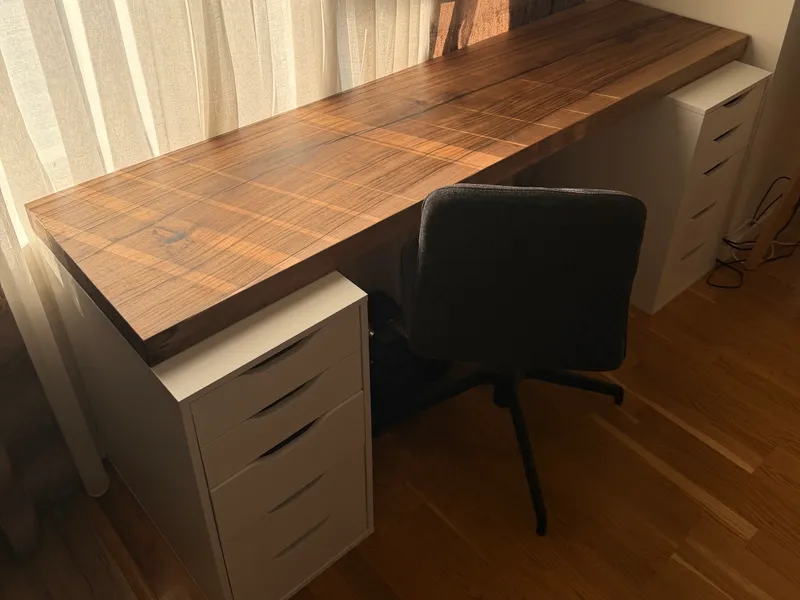
Walnut Studio Desk, 1.80 m Single-Piece Top

Walnut Studio Desk, 1.80 m Single-Piece Top

€1,298.00

Incl. 20% VAT

PrevNext

Get notified about Maritime Pine

We email you when fresh Maritime Pine slabs land at KORENA. Each piece is one of one, so early notice matters.

A few emails a month. No spam, unsubscribe anytime.

Sources

  • The Wood Database — Maritime Pine (Pinus pinaster)(accessed 2026-08-12)
  • USDA FPL Wood Handbook FPL-GTR-190 (2010)(accessed 2026-08-12)
  • Meier, E. — WOOD! Identifying and Using Hundreds of Woods Worldwide (2015)(accessed 2026-08-12)
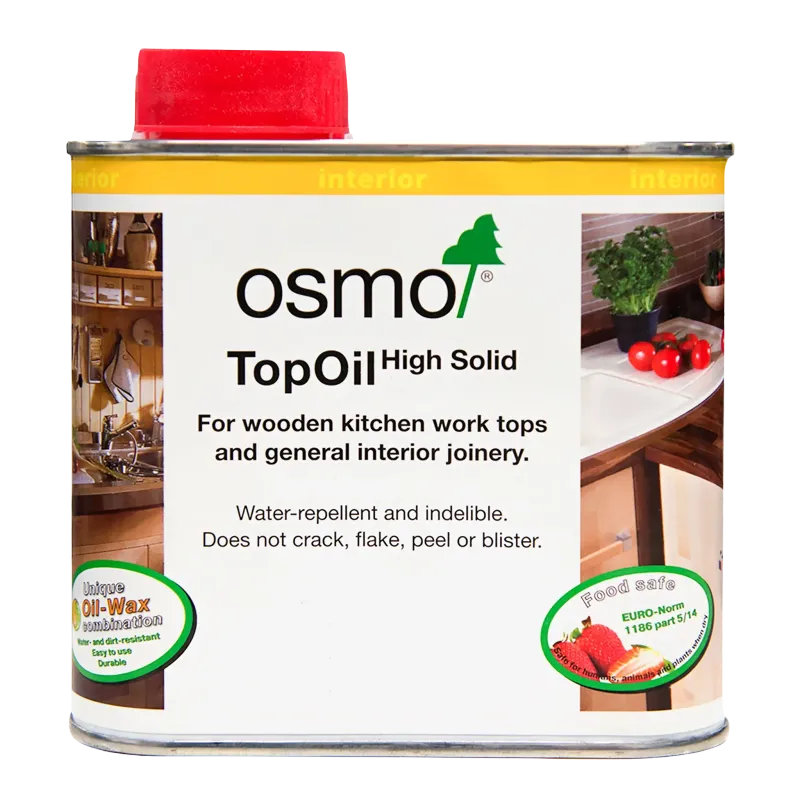
Osmo TopOil — Hardwax Worktop & Table Oil

Osmo TopOil — Hardwax Worktop & Table Oil

€31.20

Incl. 20% VAT

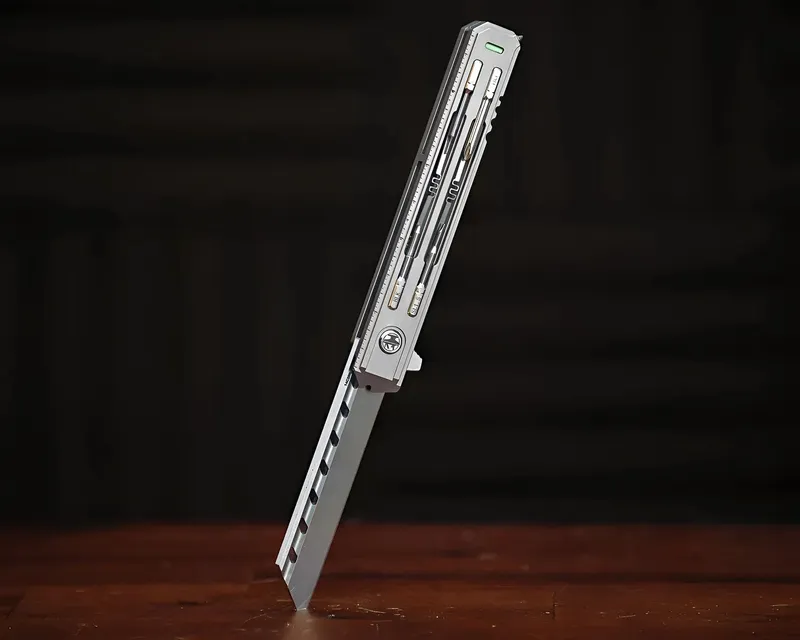
Hacksmith The Smith Blade Pro (21-in-1 Titanium Multi-Tool)

Hacksmith The Smith Blade Pro (21-in-1 Titanium Multi-Tool)

€468.00

Incl. 20% VAT

Baofeng UV-5RM Multi-Band Handheld Two-Way Radio

Baofeng UV-5RM Multi-Band Handheld Two-Way Radio

€42.00

Incl. 20% VAT

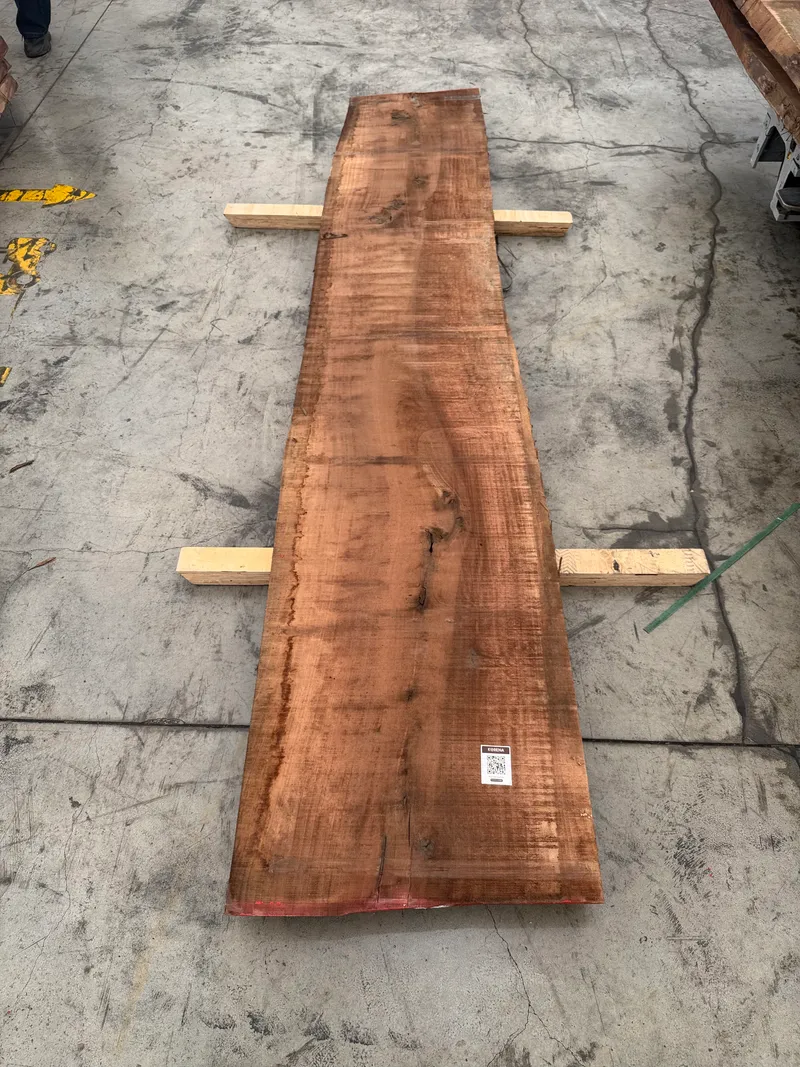
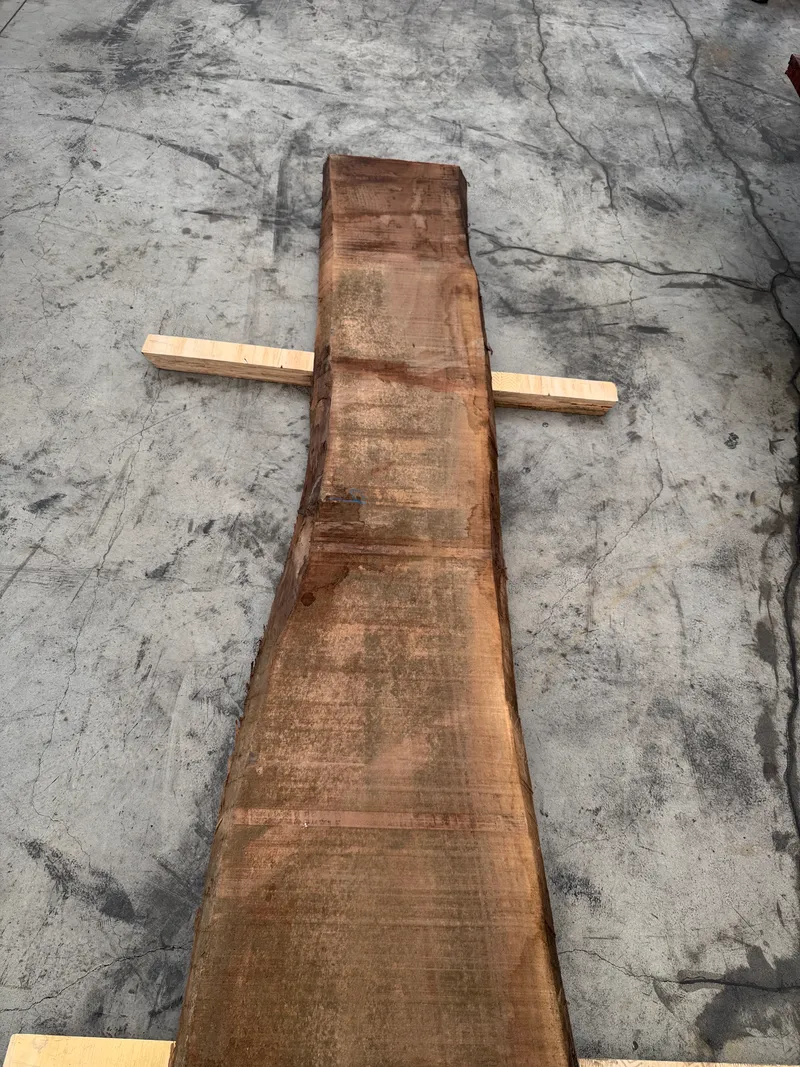
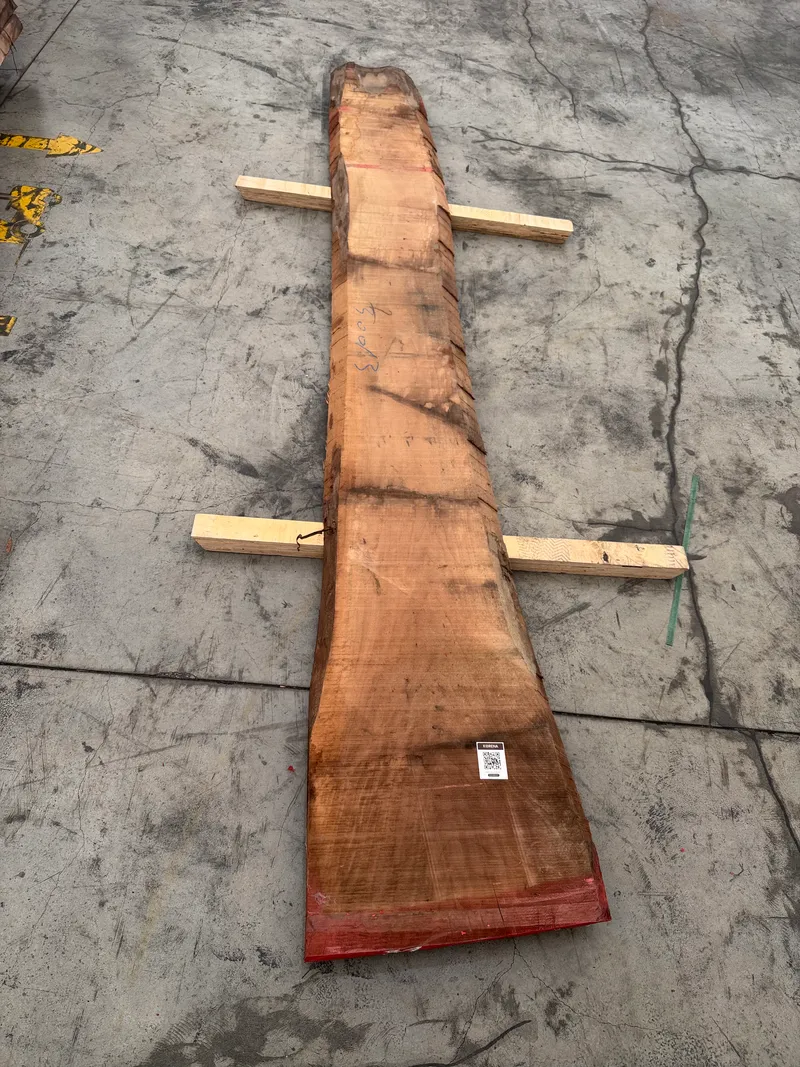
European Walnut Live-Edge Slab — 3.10 m, Warm Straight Grain
Verified passport3,099 × 635 × 50 mm
One of one·KRN-2026-00036

European Walnut Live-Edge Slab — 3.10 m, Warm Straight Grain

European Walnut

€312.00

Incl. 20% VAT

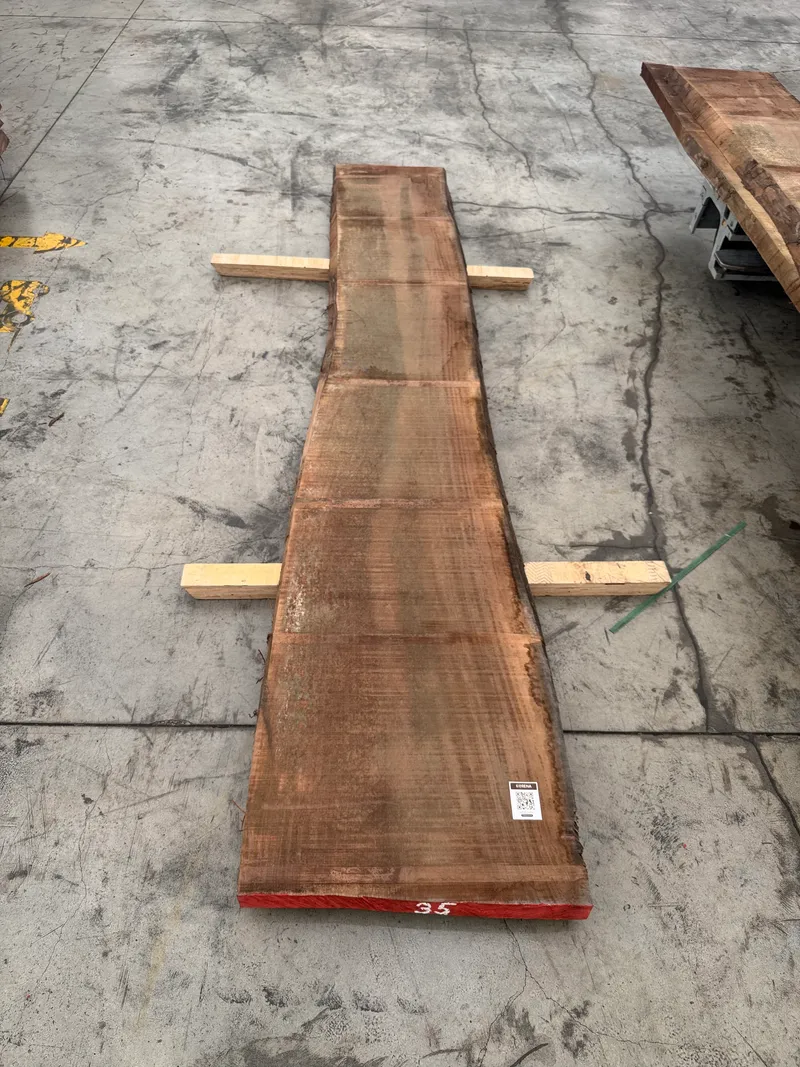
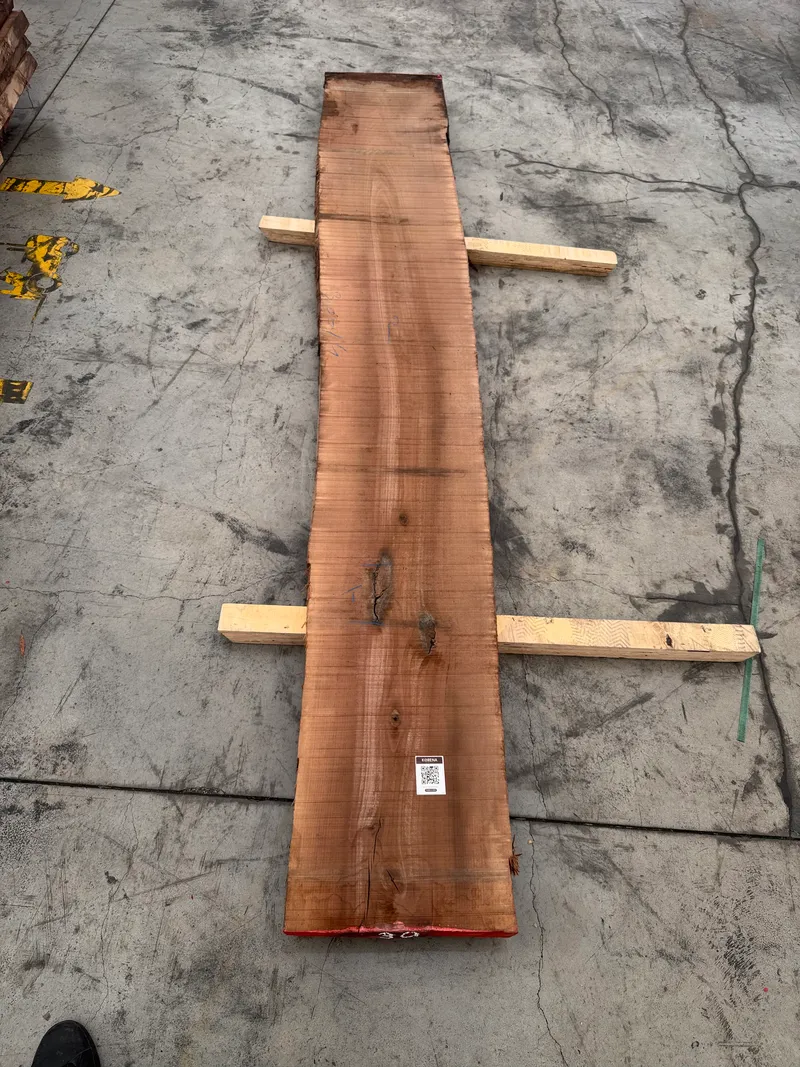
Dining Table Slab — 3.06 m European Walnut, Straight Grain
Verified passport3,055 × 645 × 50 mm
One of one·KRN-2026-00035

Dining Table Slab — 3.06 m European Walnut, Straight Grain

European Walnut

€264.00

Incl. 20% VAT

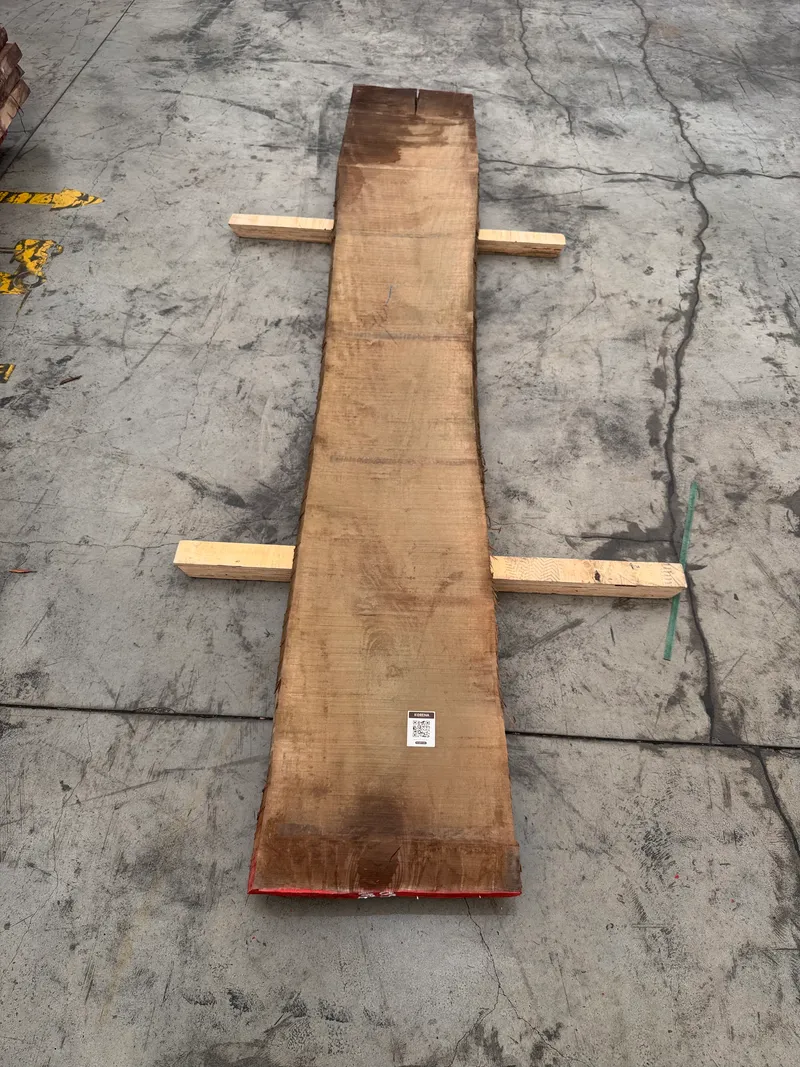
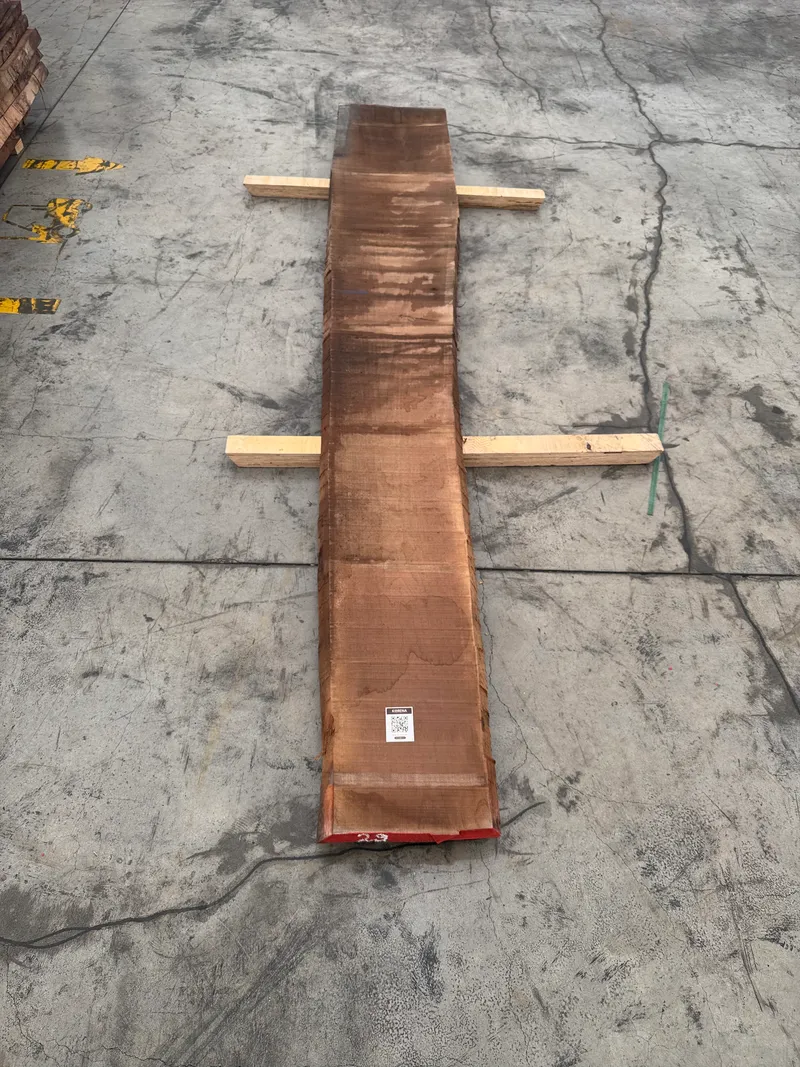
Dining Table Live-Edge Slab — 3.02 m, Warm European Walnut Grain
Verified passport3,024 × 628 × 50 mm
One of one·KRN-2026-00034

Dining Table Live-Edge Slab — 3.02 m, Warm European Walnut Grain

European Walnut

€252.00

Incl. 20% VAT

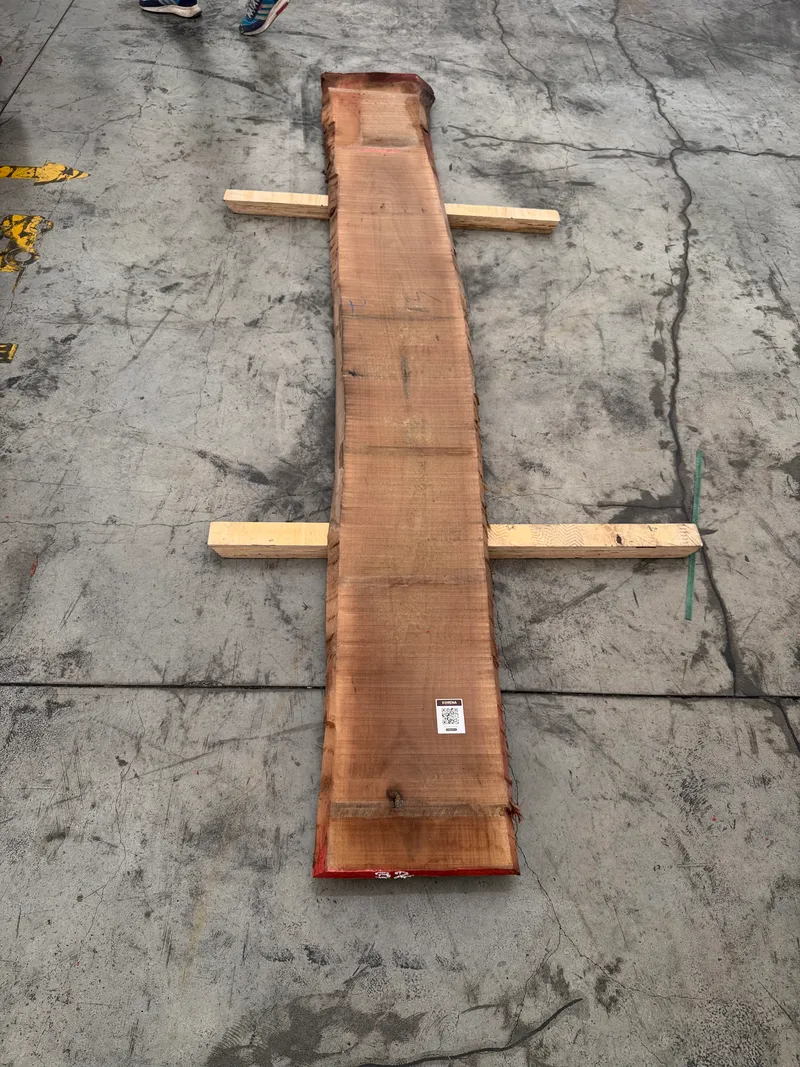
Dining Table Slab — 3.22 m European Walnut, Warm Straight Grain
Verified passport3,218 × 515 × 50 mm
One of one·KRN-2026-00033

Dining Table Slab — 3.22 m European Walnut, Warm Straight Grain

European Walnut

€240.00

Incl. 20% VAT

European Walnut Dining Slab — 3.25 m, Straight-Grain Character
Verified passport3,251 × 571 × 50 mm
One of one·KRN-2026-00032

European Walnut Dining Slab — 3.25 m, Straight-Grain Character

European Walnut

€228.00

Incl. 20% VAT

European Walnut Live-Edge Slab — 3.36 m, Straight Grain Dining Table Blank
Verified passport3,361 × 546 × 50 mm
One of one·KRN-2026-00031

European Walnut Live-Edge Slab — 3.36 m, Straight Grain Dining Table Blank

European Walnut

€240.00

Incl. 20% VAT

Walnut Live-Edge Dining Slab — 3.20 m, Warm Straight Grain
Verified passport3,196 × 501 × 50 mm
One of one·KRN-2026-00030

Walnut Live-Edge Dining Slab — 3.20 m, Warm Straight Grain

European Walnut

€240.00

Incl. 20% VAT

European Walnut Dining Slab — 3.24 m, Straight Grain Character
Verified passport3,238 × 490 × 50 mm
One of one·KRN-2026-00029

European Walnut Dining Slab — 3.24 m, Straight Grain Character

European Walnut

€213.84

Incl. 20% VAT