KORENA
WoodFinished piecesSuppliesYardsJournal

Get notified

Every slab is one of one. When it sells, it's gone. We email you as new pieces are listed: fresh arrivals, new species, and boards matched to a project brief.

A few emails a month. No spam, unsubscribe anytime.

KORENA — Premium Hardwood

One piece at a time.

Verified premium hardwood, sold piece by piece. Every slab is photographed, measured, and shipped from the partner yard with a wood passport.

Shop

  • Browse products
  • Sold archive
  • Track order

Learn

  • Journal
  • Species guides
  • Glossary
  • Compare
  • Authors

Help

  • About
  • How it works
  • Become a partner yard
  • Source a slab
  • Support
  • Press

Buy

  • Terms of sale
  • Right of withdrawal
  • Returns and warranty
  • Shipping and delivery

Trust

  • Privacy policy
  • Cookie policy
  • Wood provenance and EUDR
  • Accessibility

Imprint

  • Legal notice / Imprint
  • Acceptable use
  • IP and content

© 2026 KORENA. All rights reserved.

Operated by Martial Labs Ltd. (BG, EIK 207453941). KORENA is a trading name of Martial Labs Ltd.

We respect your privacy

We use essential cookies so the site works. With your permission we'd also use cookies for analytics, personalised content, and ads. You can change your mind any time on the consent preferences page. See our cookie policy and privacy policy.

  1. Home
  2. /
  3. Species
  4. /
  5. Silver Fir

Abies alba

Silver Fir

Spruce without the resin. The softest species in the KORENA catalogue, and the best softwood here for a painted finish.

Grown commercially in EuropeFamily: Pinaceae
Silver Fir

Achim Raschka (talk), via Wikimedia Commons

Tree

Abies alba grows through the mountain systems of central and southern Europe, from the Pyrenees across the Alps to the Carpathians and the Balkans. Most slab stock comes from managed mixed forests where it grows alongside beech and spruce, and EU certification coverage is good.

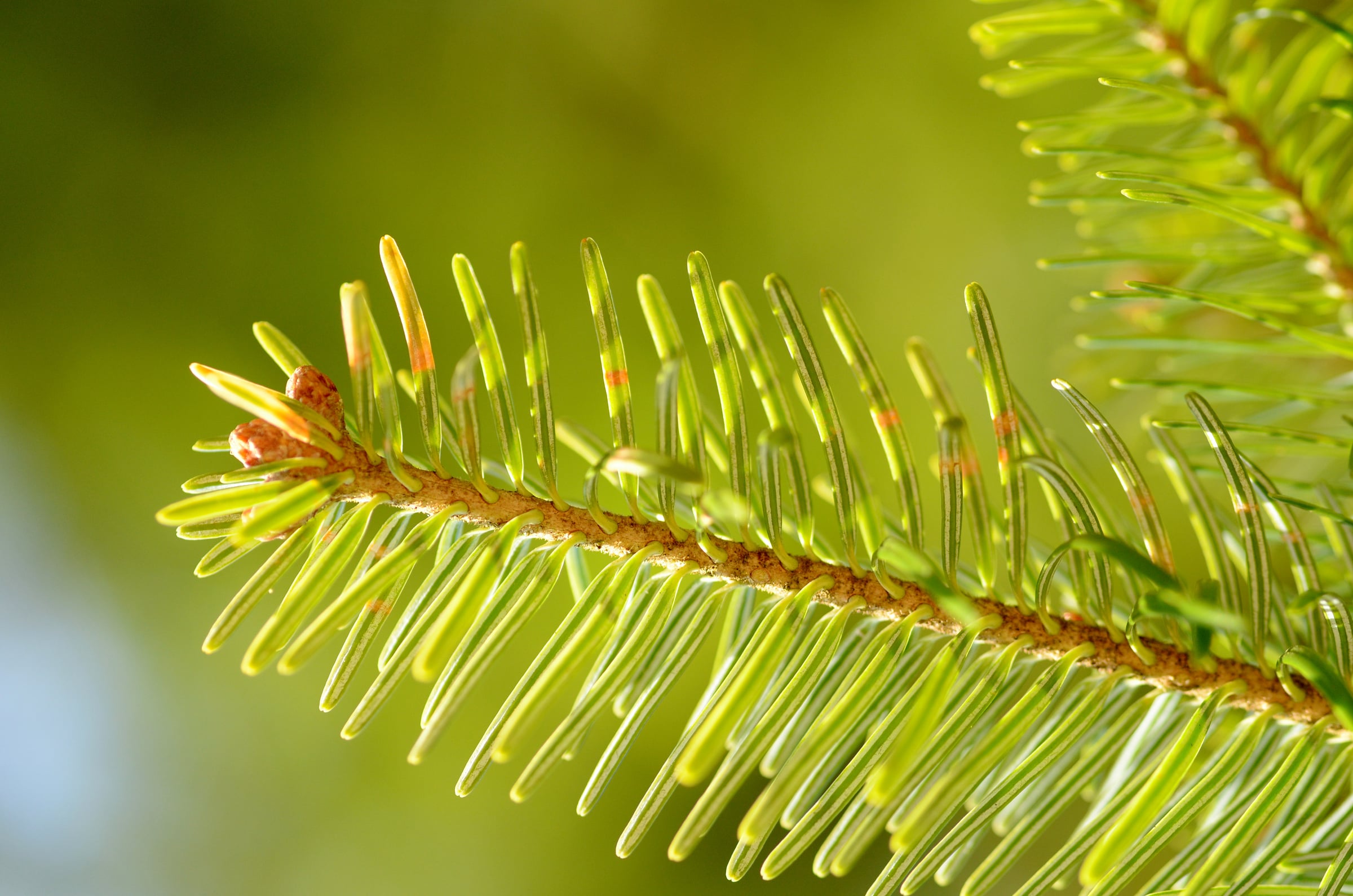
Silver Fir leaf
Leaf
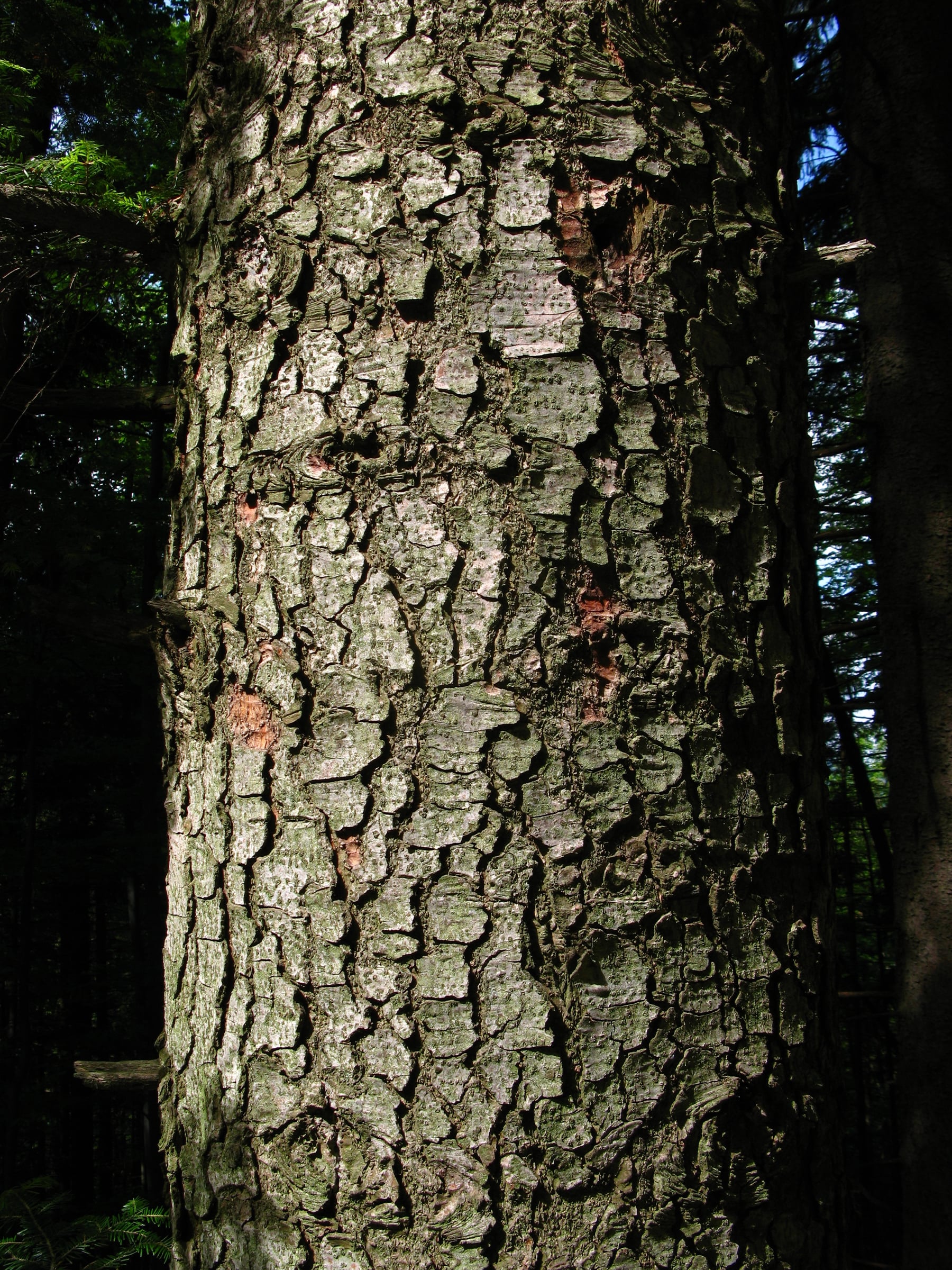
Silver Fir bark
Bark

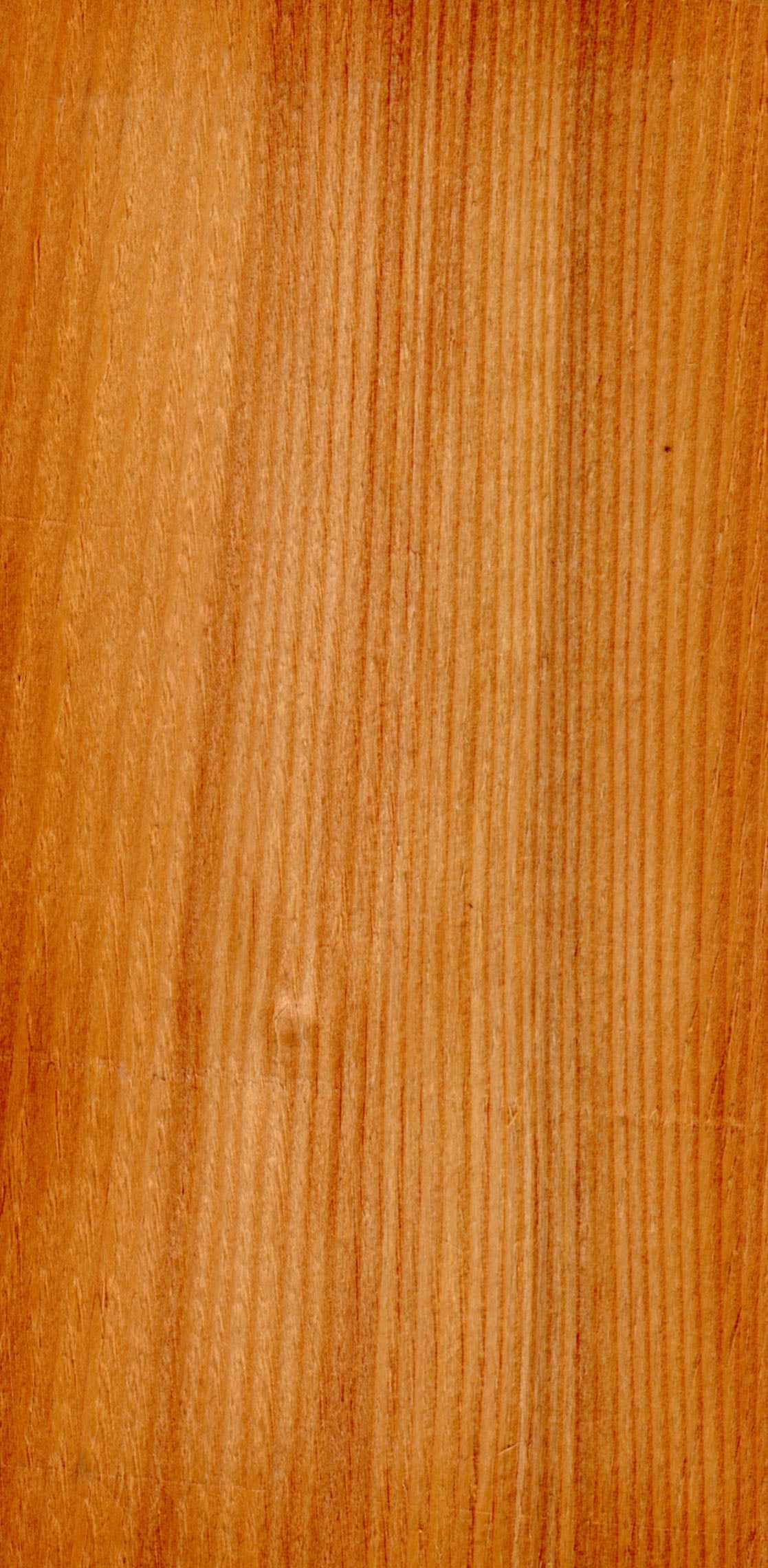
Wood appearance

Very close to Norway Spruce in appearance and routinely sold interchangeably with it. Silver Fir is a shade duller and greyer, entirely without the resin pockets that mark spruce, because the species has no resin canals in its wood. Grain is straight, texture fine and even, and the overall impression is flatter and quieter than spruce.

  • Near white to pale grey-brown, duller than spruce
  • No visible heartwood boundary
  • No resin pockets, the clearest way to tell it from spruce
  • Pale, straight grain; almost no resin canals.
Silver Fir grain

Achim Raschka (talk), via Wikimedia Commons

Mechanical properties

Density (kg/m³)415 kg/m³
Janka hardness (N)1,420 N
MOR: modulus of rupture (MPa)66 MPa
MOE: modulus of elasticity (GPa)8.3 GPa
Radial shrinkage4.0 %
Tangential shrinkage8.7 %
Volumetric shrinkage12.8 %
Natural durability (EN 350)Class 5 — Perishable

Working with it

1 = difficult · 5 = excellent

Generally easy with both hand and machine tools, and it glues, stains and finishes better than spruce because the absence of resin canals makes absorption more even. The same softness caveat applies: sharp cutters are essential or the earlywood crushes and fuzzes. It holds detail poorly under carving tools, so it is not a carving wood despite being soft.

Sawing
Planing
Sanding
Turning
Carving
Gluing
Screw / nail hold
Steam bending

Drying

Dries readily and without much degrade, and because there are no resin canals there is no resin bleed to manage, which is a genuine advantage over spruce in thick sections. Wet pockets of bacterially infected wood, sometimes called wetwood, occur in older trees and dry slowly and unevenly. A yard that has kilned the stock properly will have caught these. Movement in service is moderate at around 12.8 percent volumetric.

Finishing

Takes stain and finish noticeably better than spruce, though it is still a softwood with uneven density and a conditioner remains sensible before pigment stain. It is one of the better softwood choices for a painted finish, since the fine even texture needs little grain filling. Clear finishes leave it looking pale and slightly cool.

Durability and safety

  • Class 5 — Perishable
  • Dust irritant: wear PPE

Species in the Abies genus have been reported to cause skin irritation, though severe reactions are uncommon. Standard dust extraction and a P2 mask for extended machining cover it.

Best uses

  • Wall and ceiling panelling
  • Painted furniture
  • Lightweight carcass work
  • Shelving
  • Interior joinery

Pairs and substitutes

Pairs well with

  • Norway Spruce
  • European Larch
  • Swiss Stone Pine

Often substituted for

  • Norway Spruce

Sourcing and sustainability

  • Grown commercially in Europe
  • IUCN: LC — Least Concern

Not listed in the CITES Appendices and assessed by the IUCN as Least Concern. Silver Fir declined across parts of its range during the twentieth century from air pollution and heavy browsing pressure, and it is now recovering under managed forestry. Certified supply is readily available.

What Silver Fir actually is#

Abies alba is the tree most people have looked at without knowing it. It is a major component of central European mountain forest, it is the traditional Christmas tree across much of the continent, and its timber is sold through the trade as whitewood alongside Norway Spruce with little distinction drawn between them. For most construction purposes that conflation is harmless. For slab work it is worth separating, because the one structural difference between the two species changes how the wood behaves.

Silver Fir has no resin canals. Spruce does. Everything that follows from that, the absence of resin pockets, the cleaner behaviour under paint, the more even stain absorption, the lack of bleed in thick sections, is the reason to choose fir over spruce rather than treat them as the same board.

Reading a Silver Fir slab#

Colour range is narrow: near white through to a pale grey-brown, with no heartwood boundary to speak of. Against spruce it reads flatter and cooler, a fraction duller, and without the amber flecking that gives spruce its visual interest.

Because colour gives you so little, judge the slab on ring structure and defects. Tight rings from slow mountain growth mean a denser, stiffer, more stable board. Knots are the usual limiting factor, and fir knots are somewhat less hard and less prone to tear-out than spruce knots, which makes them slightly easier to machine through when you have no choice.

The specific thing to look for is wetwood, a bacterially affected zone carrying abnormally high moisture that occurs in some older trees. It dries slowly and unevenly and can leave a localised darker stain or a collapsed area. Properly dried stock has already revealed any of it. Since every KORENA slab carries a measured moisture value rather than an assurance, an unevenly dried board shows up in the data.

At the bench#

Fir works easily with hand and machine tools, and it glues, stains and finishes better than spruce for the reason given above. The softness caveat that governs all of this group still applies, and applies here hardest, because at 1,420 N on the Janka scale Silver Fir is the softest wood KORENA lists.

Sharp cutters are not optional. A dull plane iron will crush the earlywood rather than cut it, and the crushed fibres lift when finish goes on. Light cuts and a card scraper produce a far better surface than heavy cuts and sandpaper. Stop sanding at 180 grit.

One thing fir does not do well is hold carved detail. Softness suggests it should be a carving wood, but the fibre is stringy rather than crisp and fine detail tears out at the edges. Small-leaved lime is the species in the KORENA catalogue built for that job.

Gluing is reliable with moderate clamping pressure. Screws hold adequately with pilot holes and coarse threads, though as with all light softwoods, through-bolts and washers are better wherever the load is real.

Drying and movement#

Fir dries readily and without much degrade. The absence of resin canals is a practical advantage in thick sections, because there is no resin to bleed when a slab warms in sunlight or over underfloor heating. Spruce in the same position may weep at the pockets years after finishing.

Volumetric shrinkage sits around 12.8 percent, close to spruce, with tangential movement at 8.7 percent against 4.0 percent radial. That ratio, better than two to one, means flatsawn boards want to cup as humidity swings. Quartersawn stock is meaningfully more stable and worth paying for in a wide top.

Let a slab acclimatise in its final room for a couple of weeks before final flattening. This matters more for softwoods than hardwoods because the movement is faster.

Where Silver Fir is the right answer#

Painted work is where fir clearly beats the alternatives here. The fine even texture needs almost no grain filling, and with no resin canals there is nothing to telegraph through the paint film later. A painted fir carcass will still look right in ten years, where a painted spruce one may show resin ghosting at the pockets.

It also suits wall and ceiling panelling, lightweight carcass work, and shelving where the span is short or supported. Its stiffness to weight ratio is decent, but at this density long unsupported shelves will sag.

It is the wrong answer for any working surface that must resist marking, for anything outdoors, and for carving.

Sourcing and EUDR#

Not CITES listed and assessed as Least Concern. Silver Fir declined across parts of its range through the twentieth century under air pollution and heavy deer browsing, and current populations are recovering under active management. Certified supply from Alpine and Carpathian sources is readily available, and the documentation path for EUDR is the same short one that applies to the other managed European conifers in this catalogue.
Buyer questions

How do I tell Silver Fir from Norway Spruce?

Look for resin pockets. Spruce has resin canals and shows amber pockets and streaks; Silver Fir has none at all, so a clean pale board with no resin marks is almost certainly fir. Fir also reads slightly greyer and duller. The two are close enough that they are frequently sold interchangeably as whitewood.

Is Silver Fir better than spruce for painted work?

Yes, generally. The fine even texture needs little grain filling and the absence of resin canals means no bleed-through under paint. Spruce resin pockets can telegraph through a painted finish months later unless sealed with shellac first.

Can I use Silver Fir outdoors?

Not untreated. It is rated non-durable to perishable with little resistance to insect attack, which is the lowest durability in this group. European larch or Douglas fir are the appropriate choices for exposure.

Is it hard enough for a desk top?

At 1,420 N Janka it is the softest species KORENA lists, softer even than spruce. A desk top in fir will mark under a pen pressed through paper. It works for a light-use surface finished in a refreshable hardwax oil, but for daily writing use a harder species.

What is wetwood and does it matter?

Wetwood is a bacterially affected zone of abnormally high moisture found in some older firs. It dries slowly and unevenly and can leave localised staining or collapse. Properly kilned stock will have revealed it already. Every KORENA slab carries a measured moisture reading, so a slab that dried unevenly is visible in the data rather than a surprise at the bench.

Current stock

Silver Fir pieces available now

Browse catalogue

Market reference price

€200 – €201 – €203/ m³

1 EU region · sawlog reference · KORENA Timber Index

See regional prices
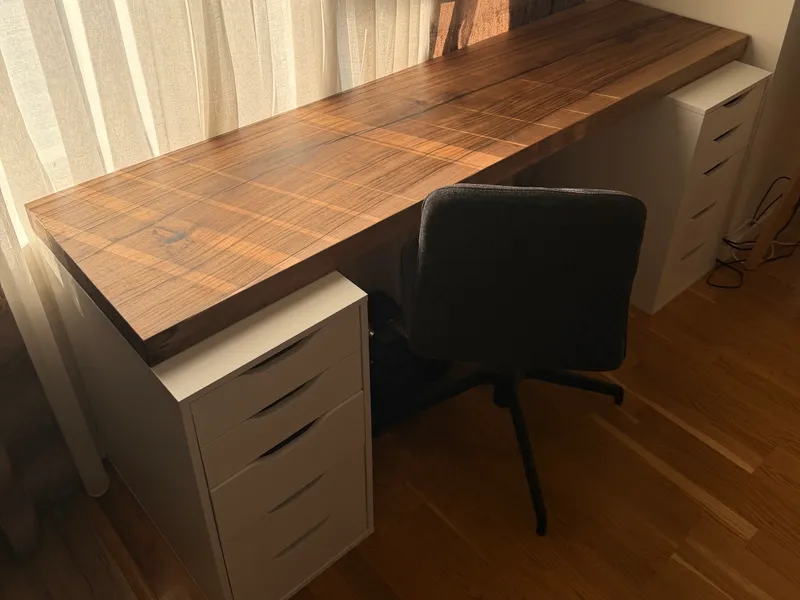
Walnut Studio Desk, 1.80 m Single-Piece Top

Walnut Studio Desk, 1.80 m Single-Piece Top

€1,298.00

Incl. 20% VAT

PrevNext

Get notified about Silver Fir

We email you when fresh Silver Fir slabs land at KORENA. Each piece is one of one, so early notice matters.

A few emails a month. No spam, unsubscribe anytime.

Sources

  • The Wood Database — European Silver Fir (Abies alba)(accessed 2026-08-12)
  • USDA FPL Wood Handbook FPL-GTR-190 (2010)(accessed 2026-08-12)
  • Meier, E. — WOOD! Identifying and Using Hundreds of Woods Worldwide (2015)(accessed 2026-08-12)
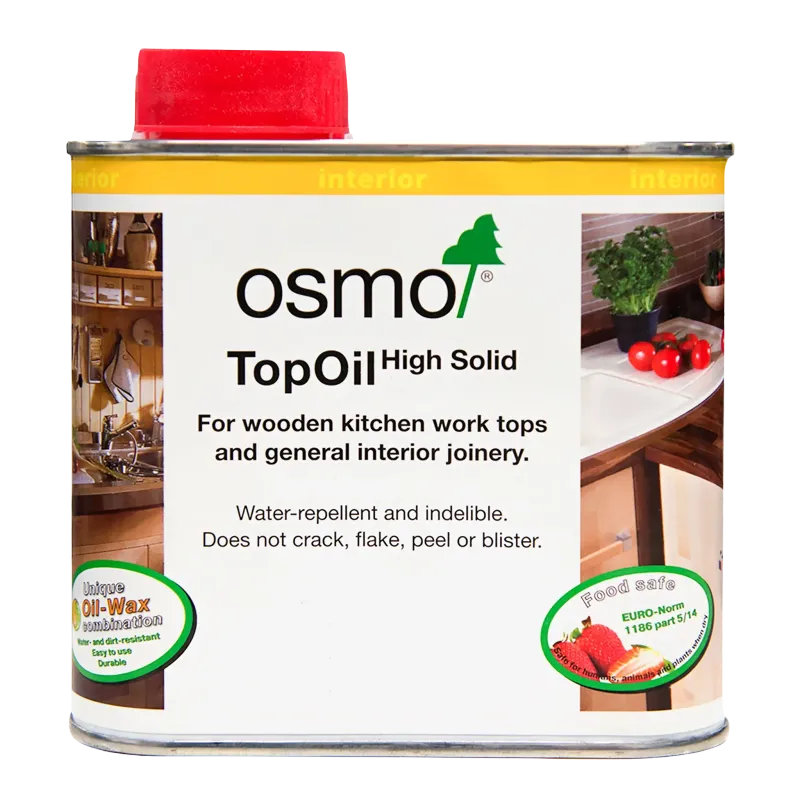
Osmo TopOil — Hardwax Worktop & Table Oil

Osmo TopOil — Hardwax Worktop & Table Oil

€31.20

Incl. 20% VAT

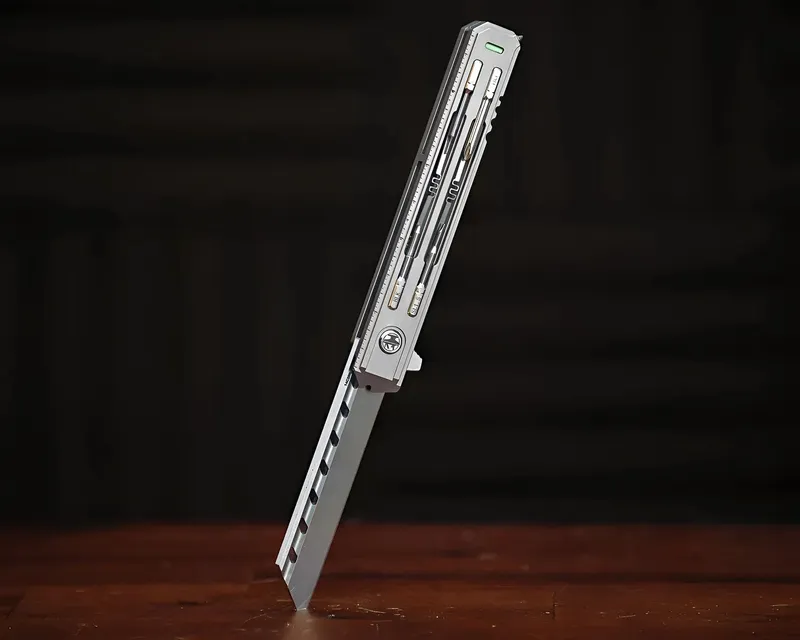
Hacksmith The Smith Blade Pro (21-in-1 Titanium Multi-Tool)

Hacksmith The Smith Blade Pro (21-in-1 Titanium Multi-Tool)

€468.00

Incl. 20% VAT

Baofeng UV-5RM Multi-Band Handheld Two-Way Radio

Baofeng UV-5RM Multi-Band Handheld Two-Way Radio

€42.00

Incl. 20% VAT

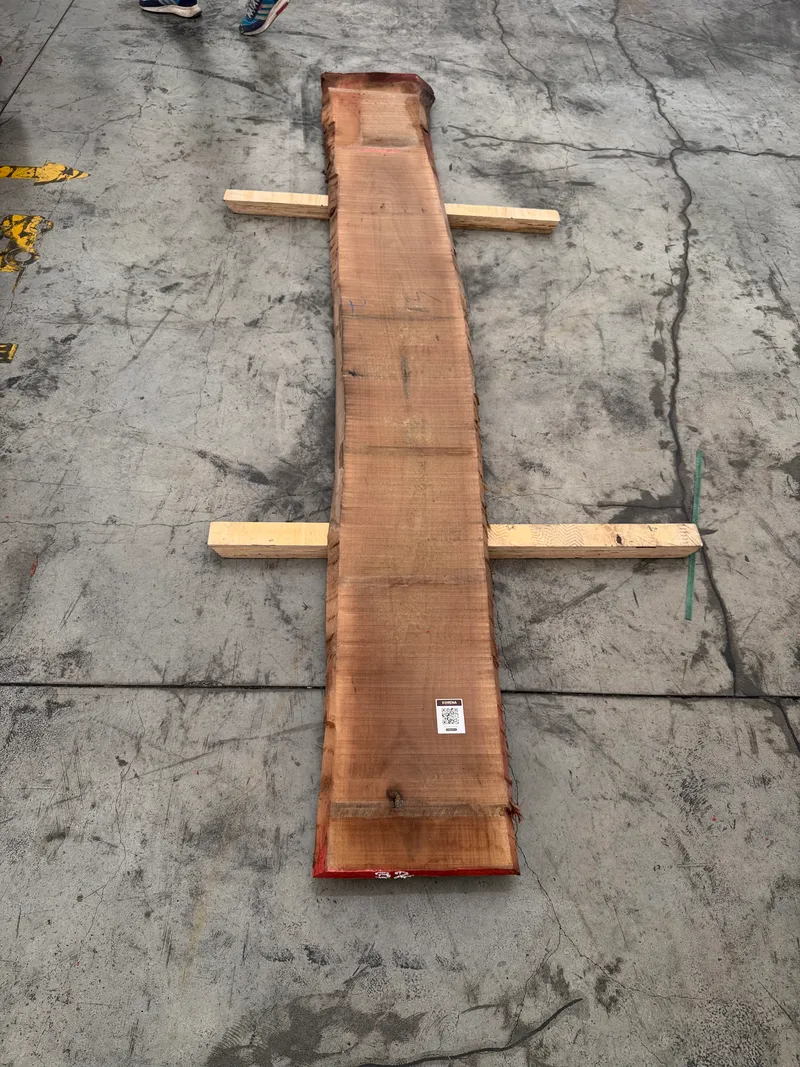
European Walnut Live-Edge Slab — 3.10 m, Warm Straight Grain
Verified passport3,099 × 635 × 50 mm
One of one·KRN-2026-00036

European Walnut Live-Edge Slab — 3.10 m, Warm Straight Grain

European Walnut

€312.00

Incl. 20% VAT

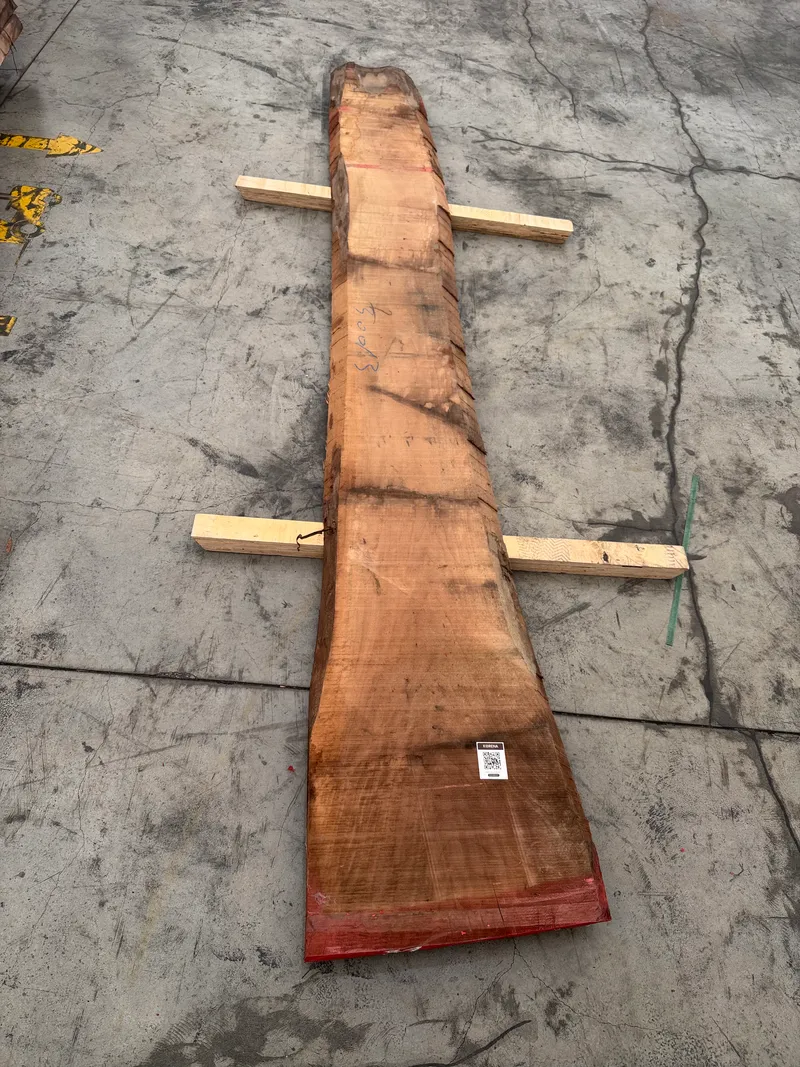
Dining Table Slab — 3.06 m European Walnut, Straight Grain
Verified passport3,055 × 645 × 50 mm
One of one·KRN-2026-00035

Dining Table Slab — 3.06 m European Walnut, Straight Grain

European Walnut

€264.00

Incl. 20% VAT

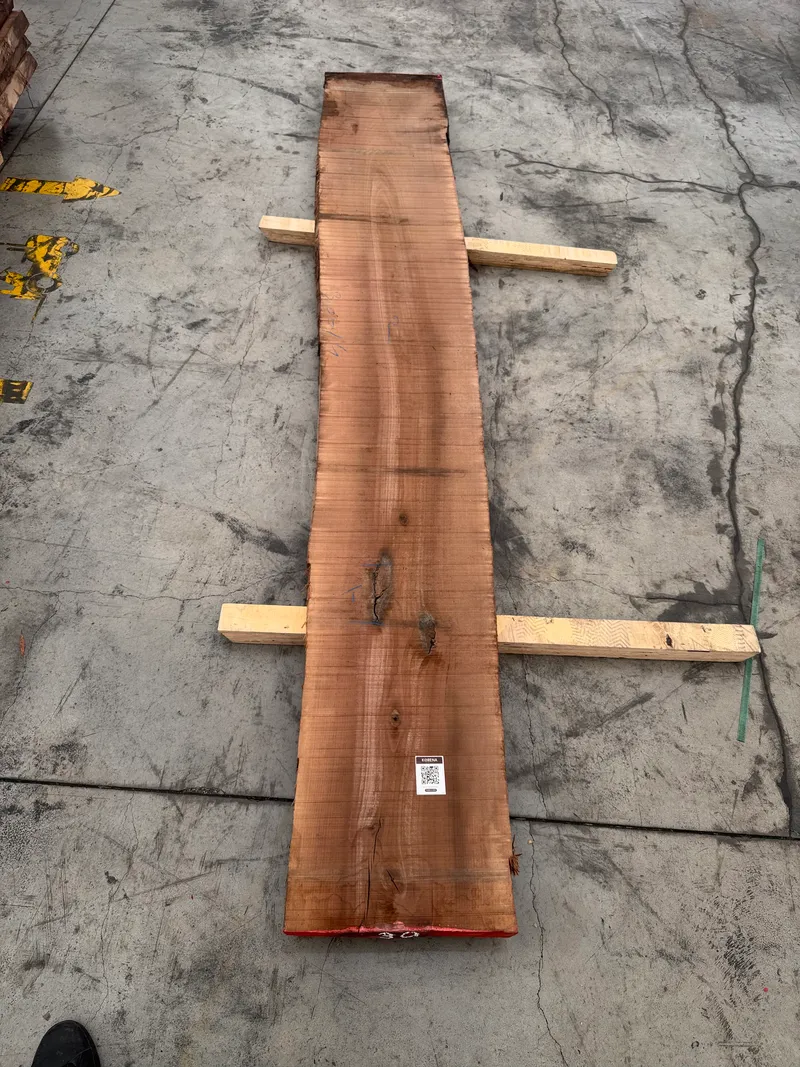
Dining Table Live-Edge Slab — 3.02 m, Warm European Walnut Grain
Verified passport3,024 × 628 × 50 mm
One of one·KRN-2026-00034

Dining Table Live-Edge Slab — 3.02 m, Warm European Walnut Grain

European Walnut

€252.00

Incl. 20% VAT

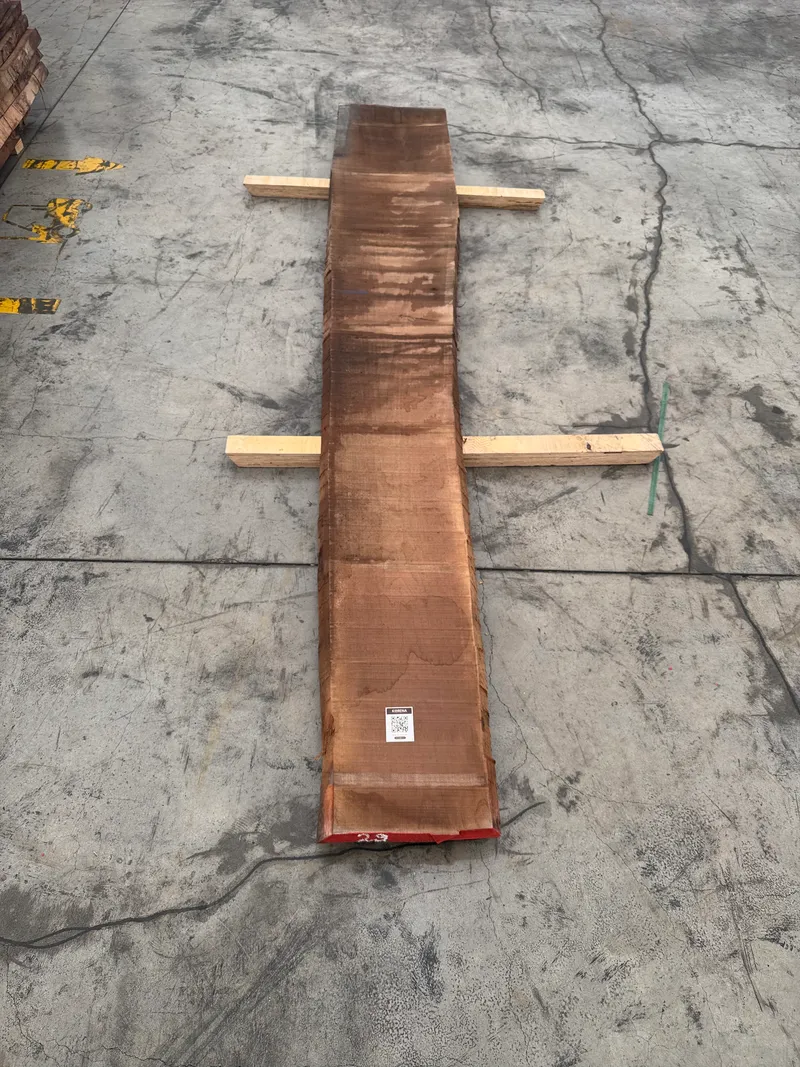
Dining Table Slab — 3.22 m European Walnut, Warm Straight Grain
Verified passport3,218 × 515 × 50 mm
One of one·KRN-2026-00033

Dining Table Slab — 3.22 m European Walnut, Warm Straight Grain

European Walnut

€240.00

Incl. 20% VAT

European Walnut Dining Slab — 3.25 m, Straight-Grain Character
Verified passport3,251 × 571 × 50 mm
One of one·KRN-2026-00032

European Walnut Dining Slab — 3.25 m, Straight-Grain Character

European Walnut

€228.00

Incl. 20% VAT

European Walnut Live-Edge Slab — 3.36 m, Straight Grain Dining Table Blank
Verified passport3,361 × 546 × 50 mm
One of one·KRN-2026-00031

European Walnut Live-Edge Slab — 3.36 m, Straight Grain Dining Table Blank

European Walnut

€240.00

Incl. 20% VAT

Walnut Live-Edge Dining Slab — 3.20 m, Warm Straight Grain
Verified passport3,196 × 501 × 50 mm
One of one·KRN-2026-00030

Walnut Live-Edge Dining Slab — 3.20 m, Warm Straight Grain

European Walnut

€240.00

Incl. 20% VAT

European Walnut Dining Slab — 3.24 m, Straight Grain Character
Verified passport3,238 × 490 × 50 mm
One of one·KRN-2026-00029

European Walnut Dining Slab — 3.24 m, Straight Grain Character

European Walnut

€213.84

Incl. 20% VAT