Pinus nigra
Black Pine
A pale timber from a dark tree. Works like Scots Pine, stays lighter with age, and moves less than any pine here.
- This species is recorded as commercially grown in Europe. This does not establish where an individual piece was harvested; check its origin details.
- Botanical group. Softwoods are conifers; hardwoods are broadleaf trees.
- The botanical family the species belongs to.
Get notified when it landsReference species. No pieces in stock right now.
Is it right for your project?
Great for
- Painted furniture
- Panelling
- Carcass work
- Shelving
- Interior joinery
No Black Pine in the current drop
Similar species in stock
No Black Pine right now. These species suit the same projects and have pieces available.
Get notified about Black Pine
We email you when fresh Black Pine slabs land at KORENA. Each piece is one of one, so early notice matters.
Wood appearance
What it looks like
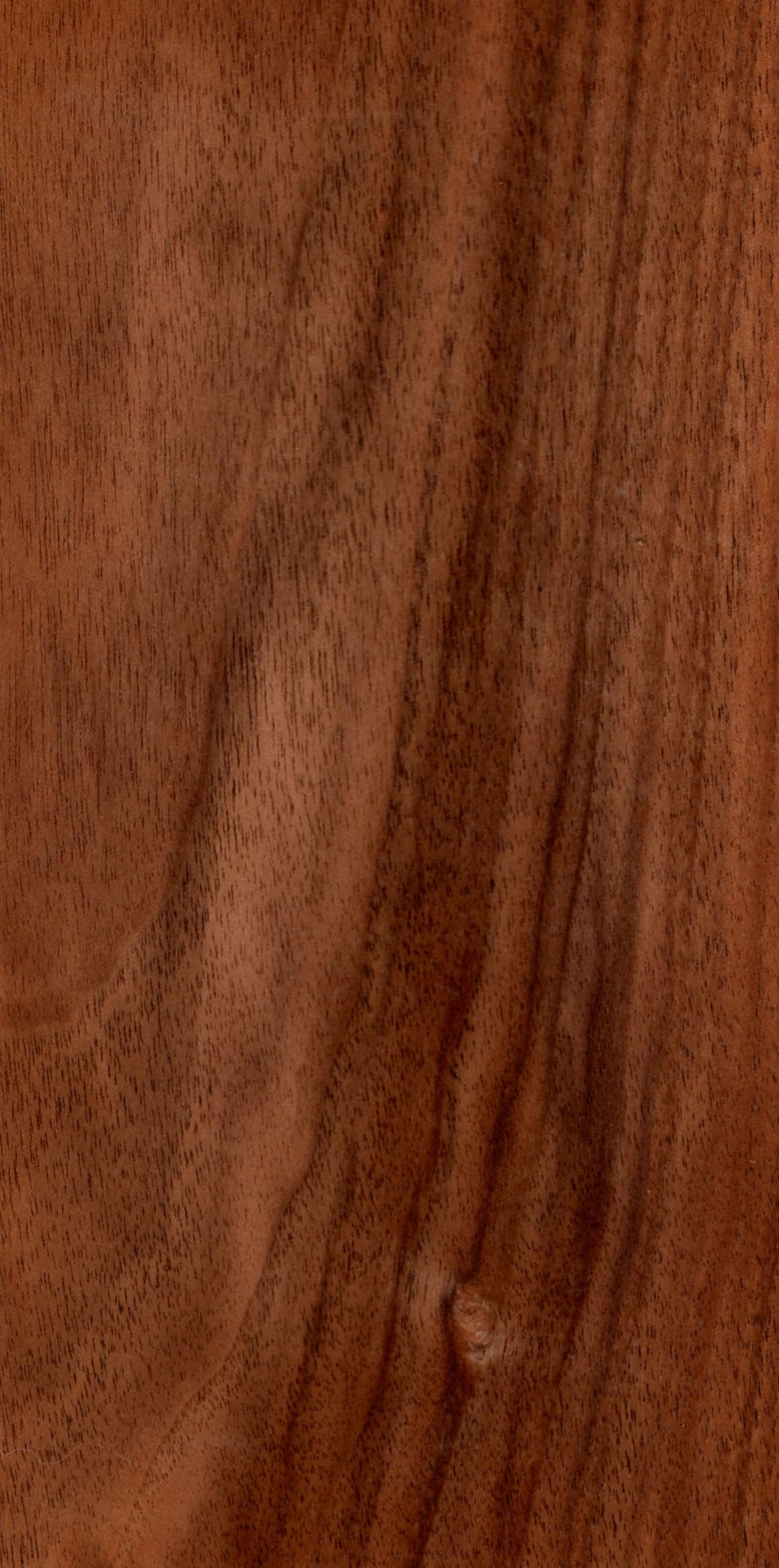
Pale yellow to light brown heartwood against wide pale sapwood, closely resembling Scots Pine but generally a shade paler and with tighter, more regular growth rings. Knots tend to be smaller and more evenly distributed than in Scots Pine, which gives a calmer overall surface. The name refers to the dark bark and foliage of the tree, not to the timber, which regularly surprises buyers.
- Pale yellow to light brown, slightly paler than Scots Pine
- Wide pale sapwood with modest heartwood contrast
- Ambers with age, though less dramatically than Scots Pine
- Straight, regular grain with tighter and more even rings than Scots Pine. Pale yellow to light brown, with smaller and more evenly distributed knots.
Working with it
Working it
Easy with both hand and machine tools, and it glues and finishes well. It behaves almost identically to Scots Pine at the bench, which makes it an easy substitution. Resin is present and blades will need periodic cleaning. Its slightly lower density than Scots Pine means edges bruise a little more readily, so sharp tools and light finishing cuts matter.
Finishing
Takes finish well and takes wax as well as Scots Pine does. The same blotching caution applies to pigment stains, so use a conditioner or a dye. Seal knots with shellac before painting to stop resin bleeding through the film. Because it ambers less than Scots Pine, it holds a pale finished colour more faithfully over time, which is useful when a design depends on staying light.
Drying
Dries without much difficulty and with a low tendency to distort. Volumetric shrinkage is around 11.4 percent, the second lowest in this group after Douglas Fir, and the tangential to radial ratio at 7.3 against 4.1 percent is comparatively favourable. Properly dried Black Pine is more dimensionally stable in service than Scots Pine, which is its quiet advantage.
How much will it move?
Wood swells and shrinks across its width as the air gets damper and drier. Estimate the seasonal movement of a Black Pine top before you design the fixings.
Expected seasonal movement
about 8.3 mm
Fix the top with buttons or slotted brackets, not glue or tight screws.
Linear shrinkage model: width × (shrinkage ÷ 28 % fibre saturation) × seasonal moisture swing. Uses 7.3 % tangential shrinkage for Black Pine. A planning estimate, not a guarantee.
What it costs
Safety and sourcing
- This species is recorded as commercially grown in Europe. This does not establish where an individual piece was harvested; check its origin details.
- IUCN Red List status: the global conservation assessment for this species.
Working with pine has been reported to cause allergic skin reactions and asthma-like symptoms in some people. Normal extraction, a P2 mask during extended sanding, and gloves when handling resinous stock are appropriate.
Read the full guideIn-depth notes on figure, colour change, working and stability.
What Black Pine actually is#
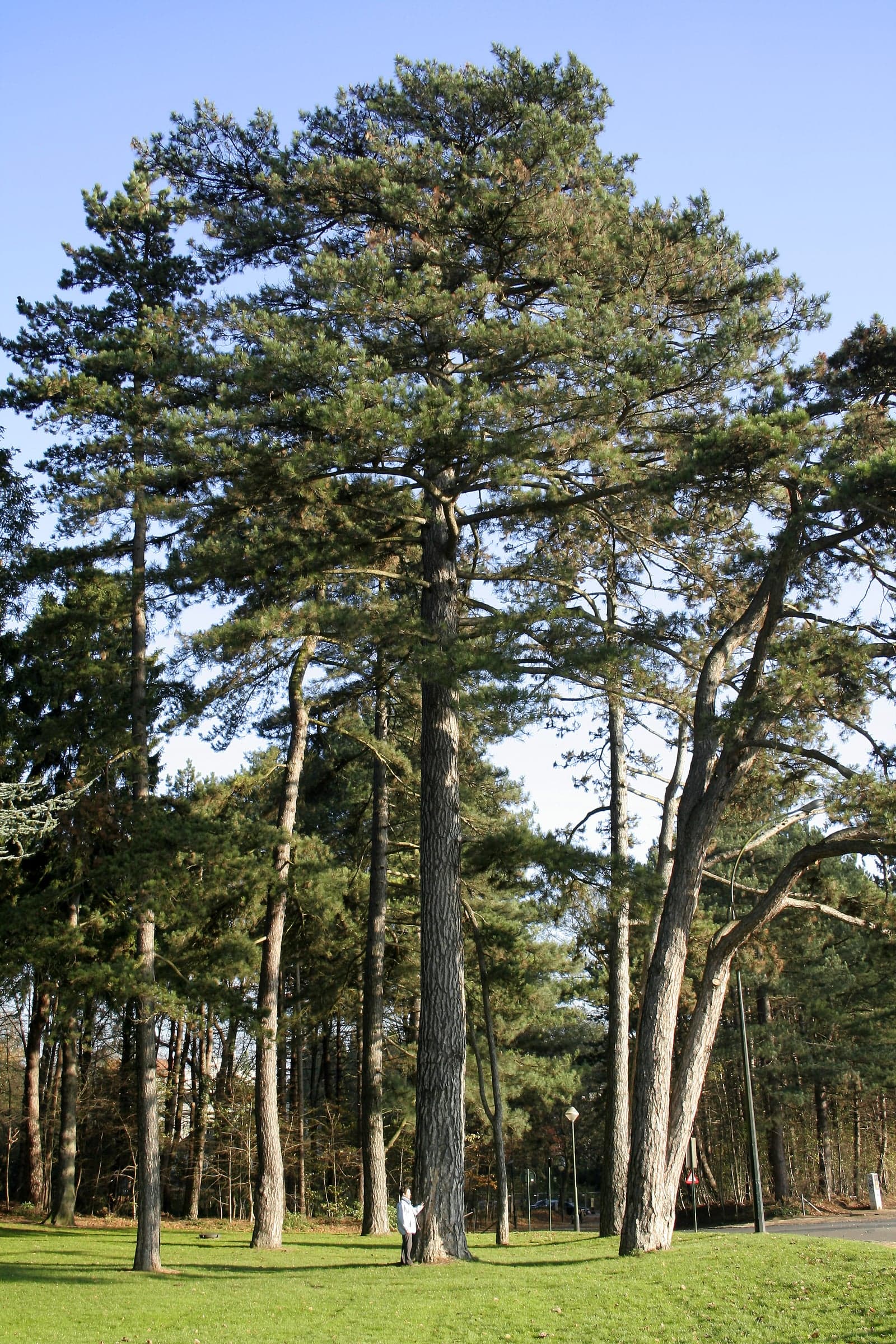
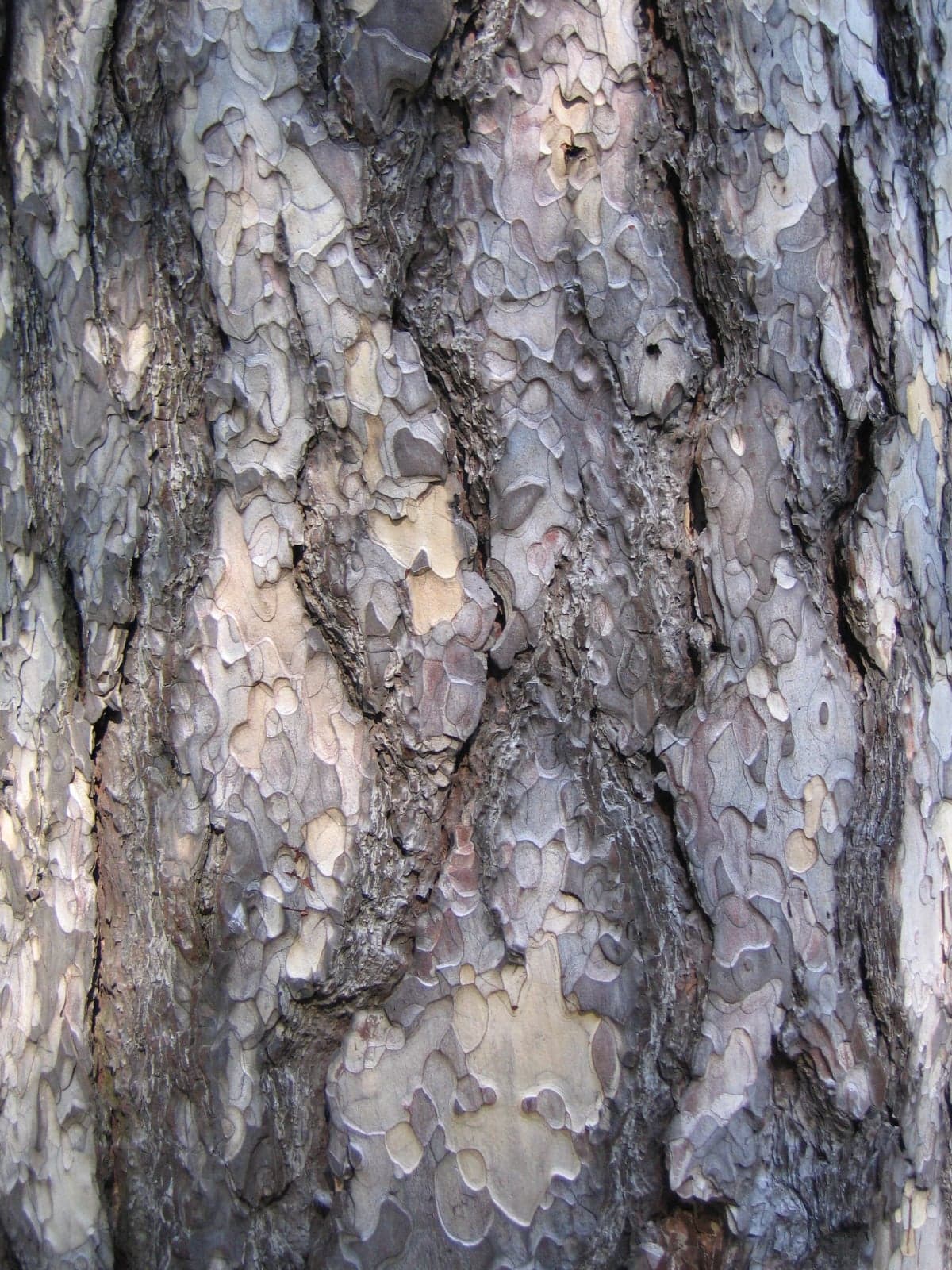
Pinus nigra is named for the tree, not the wood. The bark is dark and the foliage almost black-green, and buyers ordering by name regularly expect something like walnut and receive a pale yellow board. The timber is light, close in appearance to Scots Pine, and frequently a shade paler still.
The species grows across southern Europe and Asia Minor in several regional subspecies, from Spain and Corsica through the Alps and Balkans into Turkey, and it has been planted far outside that range as a tough reforestation species tolerant of poor soil and drought. Slab stock reaching the EU market is usually Balkan or Austrian grown.
Why it is worth choosing over Scots Pine#
These two are genuinely close substitutes, so the case for Black Pine rests on two measurable differences.
The first is stability. Volumetric shrinkage is around 11.4 percent against 13.6 percent for Scots Pine, and the tangential to radial ratio at 7.3 against 4.1 percent is more favourable. In practice that means a flatsawn Black Pine panel cups less across a humidity swing than the equivalent Scots Pine or spruce board. For a wide panel or a door, that is the difference that matters.
The second is colour stability. Scots Pine ambers dramatically, which is its charm in a farmhouse table and a problem in a design that needs to stay pale. Black Pine ambers noticeably less. If a piece is specified light and must still read light in a decade, this is the better pine.
Buyer questions
Questions buyers ask
Why is it called Black Pine when the wood is pale?
The name describes the tree, not the timber. Pinus nigra has notably dark bark and very dark green foliage, which is what earned it the name. The wood itself is pale yellow to light brown and is often slightly lighter than Scots Pine, which regularly catches out buyers ordering by name alone.
How does it compare with Scots Pine?
Very closely at the bench, and the two are reasonable substitutes. Black Pine is a little harder at 2,920 N against 2,420 N Janka, slightly lower in density at 475 kg per cubic metre, and noticeably more dimensionally stable with volumetric shrinkage of 11.4 percent against 13.6 percent. It also ambers less with age, so it holds a pale finish better.
Is it stable enough for a wide panel?
It is one of the better softwood choices here for that. Its volumetric shrinkage of 11.4 percent is second only to Douglas Fir in this group, and the tangential to radial ratio is comparatively favourable, so flatsawn boards cup less than the equivalent in spruce or Scots Pine. A wide top should still float on slotted fasteners.
Can it be used outdoors?
Mechanical properties
Technical data
Published reference values. Where sources disagree the range is shown, with the typical value used for the scales above.
| Density (kg/m³)Mass per cubic metre at about 12 % moisture. Heavier wood is usually harder and stronger. | 475 kg/m³ |
|---|---|
| Janka hardness (N)Force needed to press a steel ball halfway into the wood. The standard measure of dent resistance. | 2,920 N |
| MOR: modulus of rupture (MPa)Bending strength: the load at which a beam breaks. | 64 MPa |
| MOE: modulus of elasticity (GPa)Bending stiffness: how much a shelf or top sags under load. | 10.8 GPa |
| Radial shrinkageShrinkage across the growth rings, green to oven-dry. Quartersawn boards move by this. | 4.1 % |
| Tangential shrinkageShrinkage along the growth rings. Flatsawn boards and most slabs move by this. | 7.3 % |