KORENA
WoodFinished piecesSuppliesYardsJournal

Get notified

Every slab is one of one. When it sells, it's gone. We email you as new pieces are listed: fresh arrivals, new species, and boards matched to a project brief.

A few emails a month. No spam, unsubscribe anytime.

KORENA — Premium Hardwood

One piece at a time.

Verified premium hardwood, sold piece by piece. Every slab is photographed, measured, and shipped from the partner yard with a wood passport.

Shop

  • Browse products
  • Sold archive
  • Track order

Learn

  • Journal
  • Species guides
  • Glossary
  • Compare
  • Authors

Help

  • About
  • How it works
  • Become a partner yard
  • Source a slab
  • Support
  • Press

Buy

  • Terms of sale
  • Right of withdrawal
  • Returns and warranty
  • Shipping and delivery

Trust

  • Privacy policy
  • Cookie policy
  • Wood provenance and EUDR
  • Accessibility

Imprint

  • Legal notice / Imprint
  • Acceptable use
  • IP and content

© 2026 KORENA. All rights reserved.

Operated by Martial Labs Ltd. (BG, EIK 207453941). KORENA is a trading name of Martial Labs Ltd.

We respect your privacy

We use essential cookies so the site works. With your permission we'd also use cookies for analytics, personalised content, and ads. You can change your mind any time on the consent preferences page. See our cookie policy and privacy policy.

  1. Home
  2. /
  3. Species
  4. /
  5. Silver Birch

Betula pendula

Silver Birch

Harder than oak and stiffer than anything else KORENA lists, hiding behind a plain pale face. The best turning wood here.

Grown commercially in EuropeFamily: Betulaceae
Silver Birch

Beentree, via Wikimedia Commons

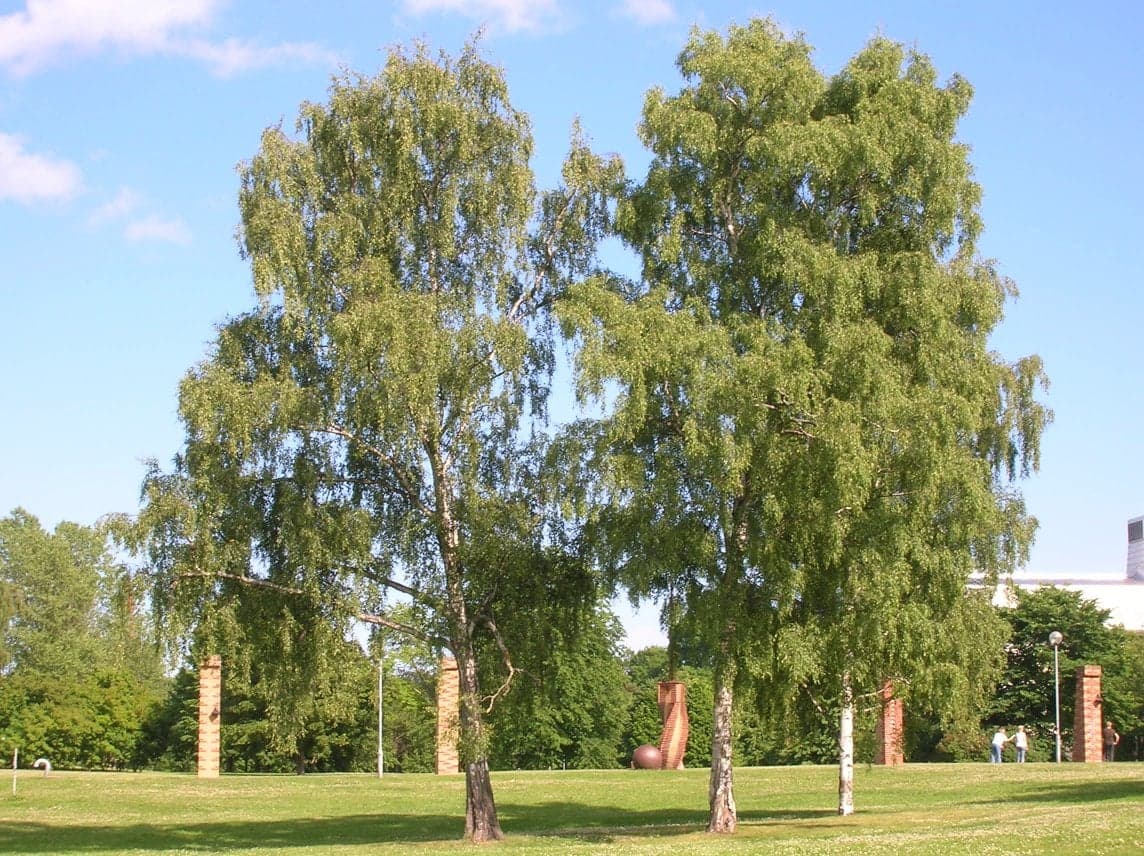
Silver Birch tree

Jordgubbe, via Wikimedia Commons

Tree

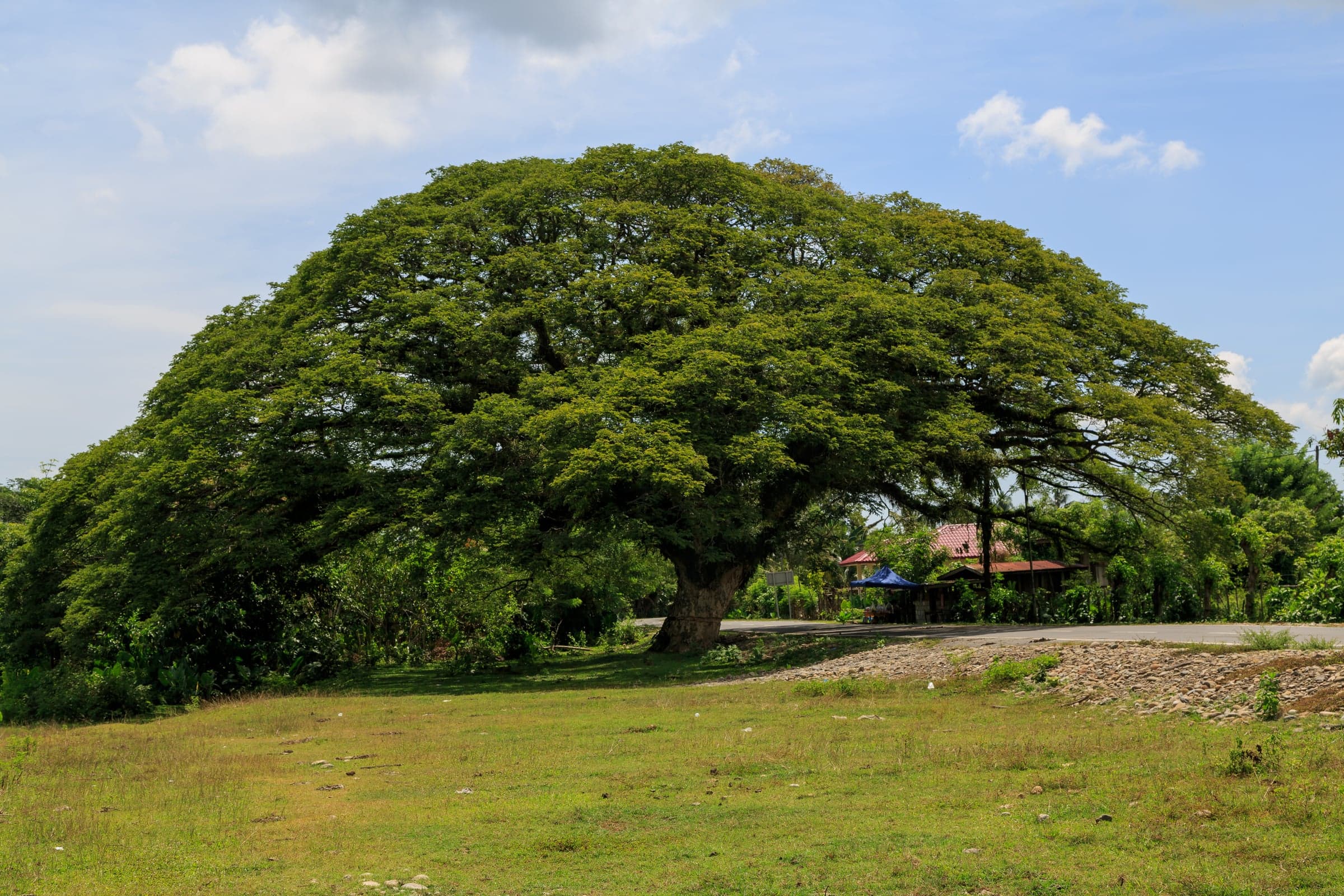
Betula pendula ranges across the whole of northern Europe and into Siberia, and it is the pioneer tree that colonises cleared and burnt ground before slower species establish. Finland, the Baltic states, Sweden and Russia are the main commercial sources, and Baltic birch plywood built on this species is one of the best known engineered timbers in the world.

Wood appearance

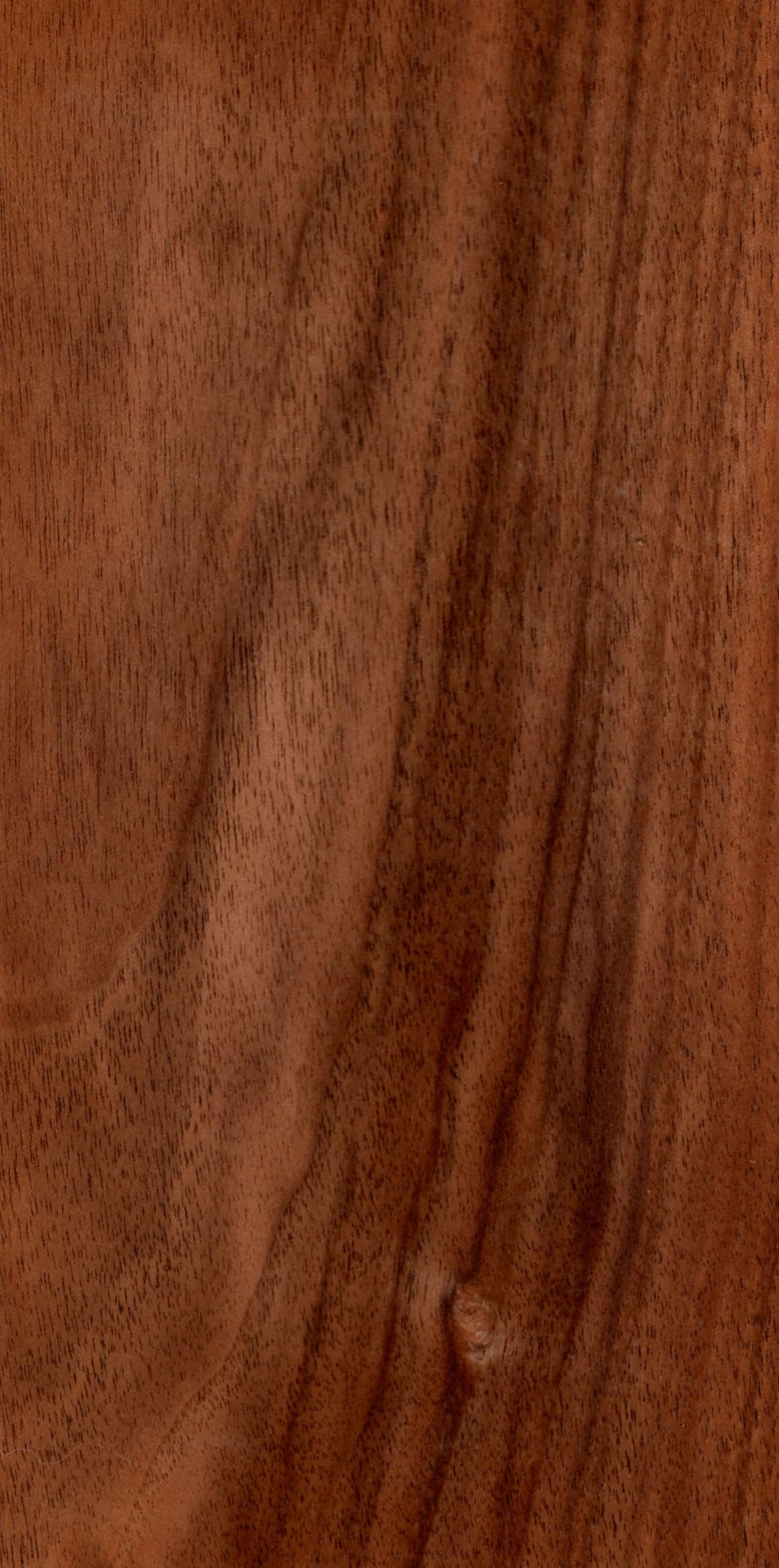
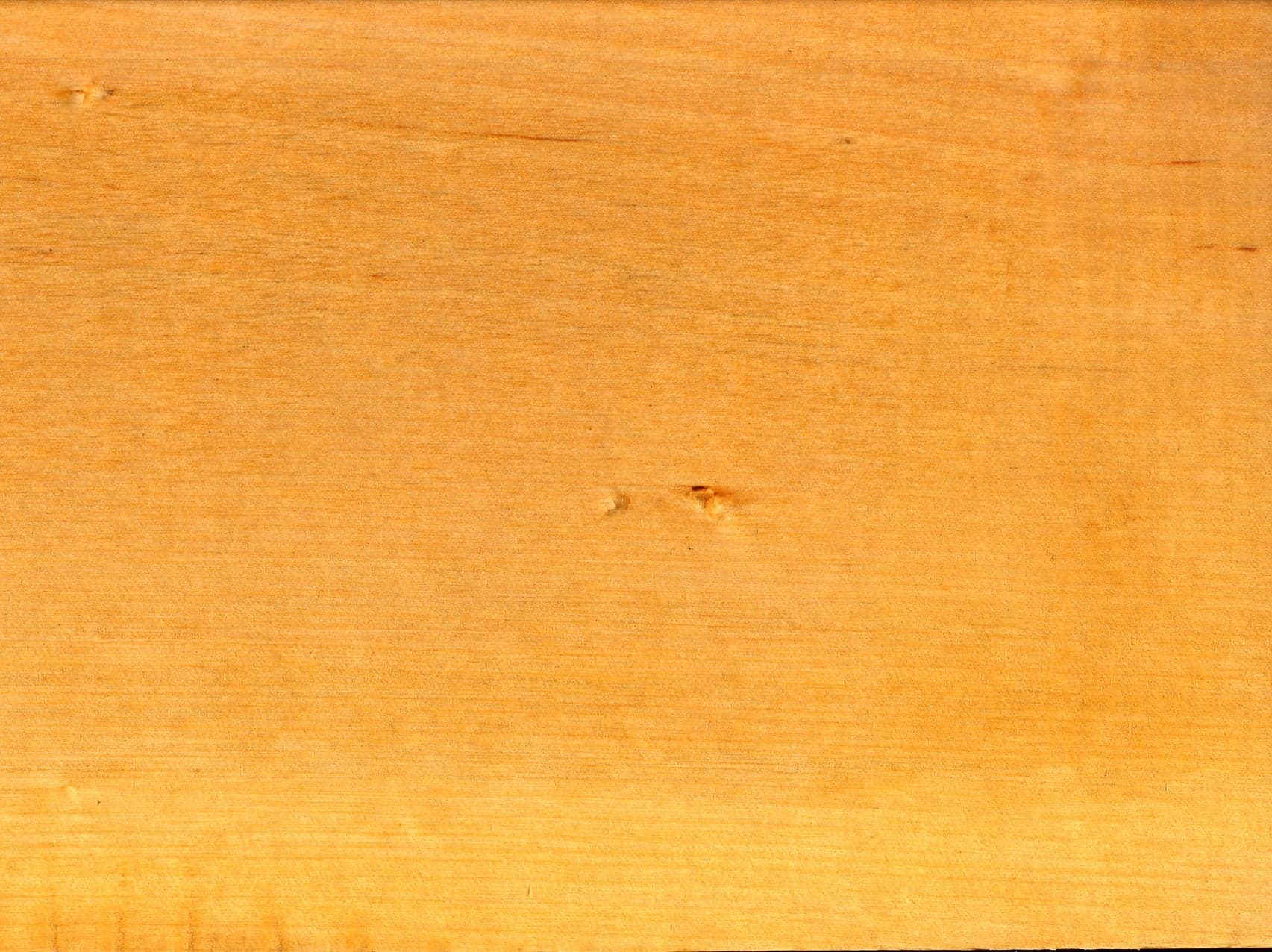
Pale, almost white to light cream, with very little colour separation between heartwood and sapwood and a fine even texture. Plain birch is quiet to the point of being featureless, which is exactly why it is prized for painted work and for veneer. The exceptions are the figured forms, curly and flame birch and the burred masur birch, which are among the most decorative surfaces available from any European species.

  • Near white to pale cream with almost no heartwood contrast
  • Fine even texture, plain in most boards
  • Curly, flame and masur figured forms occur and are highly prized
  • Straight to wavy grain, fine even texture. Near white to pale cream with almost no heartwood contrast. Curly, flame and masur figured forms occur and are highly prized.
Silver Birch grain

Beentree, via Wikimedia Commons

Mechanical properties

Density (kg/m³)640 kg/m³
Janka hardness (N)5,360 N
MOR: modulus of rupture (MPa)114 MPa
MOE: modulus of elasticity (GPa)14.0 GPa
Natural durability (EN 350)Class 5 — Perishable

Working with it

1 = difficult · 5 = excellent

Generally easy with hand and machine tools, and it turns, glues and finishes well. It is one of the best turning woods in this catalogue because the fine even texture holds crisp detail. Boards with wild or figured grain tear out during machining, so figured stock wants light cuts, sharp tooling and a scraper for the final surface. Density of 640 kg per cubic metre gives it more substance than its pale appearance suggests.

Sawing
Planing
Sanding
Turning
Carving
Gluing
Screw / nail hold
Steam bending

Drying

The source KORENA cites reports no shrinkage data for this species, so no radial, tangential or volumetric figures are shown rather than values being borrowed from another birch. Practically, birch is known to dry with a marked tendency to warp and requires weighting and careful stickering. It is also highly susceptible to fungal attack and staining while drying, so it must be dried promptly after conversion rather than left in log or board.

Finishing

Takes finish well and takes paint exceptionally, which is its traditional role. Like other pale fine textured woods it blotches under pigment stain, so use a conditioner or a dye. The pale colour is the point for most applications, and a clear water based finish preserves it better than an oil, which will pull it toward yellow.

Durability and safety

  • Class 5 — Perishable
  • Dust irritant: wear PPE

Birch in the Betula genus is reported as a sensitiser, with reactions typically including skin and respiratory irritation. Extraction and a P2 mask during extended sanding are appropriate, particularly given how fine birch dust is.

Best uses

  • Turned work
  • Painted furniture
  • Cabinetry and carcass work
  • Veneer and plywood
  • Interior joinery

Pairs and substitutes

Pairs well with

  • Sycamore Maple
  • Small-leaved Lime
  • Hard Maple

Often substituted for

  • Sycamore Maple
  • Hard Maple

Sourcing and sustainability

  • Grown commercially in Europe

Not listed in the CITES Appendices, and reported by the source KORENA cites as not assessed on the IUCN Red List, so no IUCN status is displayed rather than one being assumed. Birch is abundant, fast growing and a pioneer species, so supply is plentiful and well certified across Finland, the Baltics and Scandinavia. It is among the easier species to document for EUDR purposes.

What Silver Birch actually is#

Betula pendula is the pioneer. It colonises cleared, burnt and abandoned ground across the whole of northern Europe and into Siberia, growing fast and establishing where slower species cannot. Finland, the Baltic states, Sweden and Russia are the main commercial sources, and Baltic birch plywood, built from this species, is among the best known engineered timbers in the world.

Its plainness works against it. A typical birch board is near white, almost featureless, with barely any distinction between heartwood and sapwood. It looks like a wood you would choose because you could not afford another one.

The numbers say otherwise.

The numbers are the surprise#

At 5,360 N on the Janka scale, Silver Birch is harder than European oak at 4,980 N.

Its elastic modulus of 13.96 GPa is the highest of any species in this catalogue, hardwood or softwood, above red oak at 12.14 and Douglas Fir at 12.17. Stiffness is what resists sag, so for a long shelf or an unsupported span, birch outperforms every other option here.

Modulus of rupture at 114.3 MPa matches Turkey Oak and beats sessile oak.

This is a genuinely strong, stiff, hard timber that happens to be pale and quiet. Choosing it is not a compromise.

What the catalogue cannot tell you#

No shrinkage figures are shown for this species, and that gap is deliberate.

The reference KORENA cites reports no shrinkage data for Betula pendula. Borrowing figures from paper birch or yellow birch and presenting them under this name would produce a page that looks complete and specifies a wood that was never measured, so the fields stay empty.

What is known practically is that birch warps readily in drying and needs weighting and careful stickering to come out flat. It is also unusually susceptible to fungal attack and staining while wet, which means it must be dried promptly after conversion rather than left sitting in log or board. Stock that sat too long shows grey or brown discolouration through the wood.

Each KORENA slab carries its own measured moisture reading, which tells you about that board specifically rather than about the species in general.

Reading a Silver Birch slab#

Most birch is plain, and for painted work or a quiet interior that is the point.

The exceptions are worth knowing because they are dramatic. Curly and flame birch show rippling chatoyant figure across the grain. Masur birch carries dark flecked swirling disruption through the wood, historically attributed to insect damage or genetic factors, and it is among the most decorative surfaces available from any European species. All three are the same tree, priced very differently.

On plain stock, look for the grey or brown staining that indicates the log sat before conversion, and for warp along the length, which is the species' characteristic drying fault.

At the bench#

Birch works easily with hand and machine tools and glues without difficulty.

It is the best turning wood in this catalogue. The fine even texture holds crisp detail in a way that oak, with its coarse open pores, simply cannot, and it takes a burnished finish straight off the tool.

Figured stock is the exception to the easy working. Curly and masur grain tears out under a planer, and the answer is light cuts, sharp tooling and a scraper or a high angle plane for the final surface. On expensive figured material, that patience is cheap insurance.

Finishing, and the yellowing trap#

Birch takes paint exceptionally, which is its traditional role, and it takes clear finishes well.

The trap is that oil finishes amber pale woods, and birch shows it more than almost anything because it starts so close to white. A slab chosen specifically for its pale, cool colour will go distinctly yellow under a standard oil, and the change is permanent.

If the pale colour is the reason for the choice, use a clear water based finish or a low yellowing hardwax oil, and test on an offcut first.

Pigment stains blotch on birch as they do on other fine textured pale woods, so use a conditioner or switch to a dye.

Where Silver Birch is the right answer#

Turned work above all. Also painted furniture, cabinetry and carcass work, veneer and plywood, and any interior application where stiffness matters more than appearance, such as long shelving.

It is the wrong answer outdoors in every form, since it is rated perishable with poor insect resistance, and it is the wrong answer anywhere it will stay damp, because it stains and rots faster than most.

Sourcing and EUDR#

Not listed in the CITES Appendices, and reported by the cited source as not assessed on the IUCN Red List, so no status is displayed rather than one assumed.

As a fast growing pioneer species, birch is abundant and certification coverage through Finland, the Baltics and Scandinavia is mature. It is among the more straightforward species in this catalogue to document to EUDR standard.

Buyer questions

Why are no shrinkage figures shown for Silver Birch?

The reference KORENA cites reports no shrinkage data for this species, and rather than borrow numbers from a different birch and label them Betula pendula, the fields are left empty. What is known practically is that birch warps readily in drying and needs weighting and careful stickering. Each KORENA slab carries its own measured moisture value, which is the reliable figure for the board in front of you.

Is birch hard enough for furniture?

Yes. At 5,360 N Janka it is harder than European oak at 4,980 N, and its elastic modulus of 13.96 GPa is the highest of any species in this catalogue. It is considerably more substantial than its pale, plain appearance suggests, and it is a genuinely good furniture timber.

What is masur birch?

A figured form of Betula pendula in which the grain is disrupted into dark flecked, swirling patterns, historically attributed to insect damage or genetic factors. It is among the most decorative surfaces available from any European species and is priced accordingly. Curly and flame birch are separate figured forms of the same species.

Can birch be used outdoors?

No. It is rated perishable and will rot readily if exposed, and it is also susceptible to insect attack. Birch is strictly an interior timber. It is also unusually vulnerable to fungal staining even indoors if it stays damp, which is why it must be dried promptly after conversion.

Why does my birch look yellow after oiling?

Oil finishes amber pale woods, and birch shows it more than most because it starts so close to white. If the pale colour is the reason you chose the species, use a clear water based finish or a low yellowing hardwax oil instead. Test on an offcut, because the shift is permanent.

Current stock

Silver Birch pieces available now

Browse catalogue

Market reference price

€194 – €197 – €200/ m³

1 EU region · sawlog reference · KORENA Timber Index

See regional prices
Walnut Studio Desk, 1.80 m Single-Piece Top

Walnut Studio Desk, 1.80 m Single-Piece Top

€1,298.00

Incl. 20% VAT

Osmo TopOil — Hardwax Worktop & Table Oil

Osmo TopOil — Hardwax Worktop & Table Oil

€31.20

Incl. 20% VAT

Hacksmith The Smith Blade Pro (21-in-1 Titanium Multi-Tool)

Hacksmith The Smith Blade Pro (21-in-1 Titanium Multi-Tool)

€468.00

Incl. 20% VAT

Baofeng UV-5RM Multi-Band Handheld Two-Way Radio

Baofeng UV-5RM Multi-Band Handheld Two-Way Radio

€42.00

Incl. 20% VAT

European Walnut Live-Edge Slab — 3.10 m, Warm Straight Grain
Verified passport3,099 × 635 × 50 mm
One of one·KRN-2026-00036

European Walnut Live-Edge Slab — 3.10 m, Warm Straight Grain

European Walnut

€312.00

Incl. 20% VAT

Dining Table Slab — 3.06 m European Walnut, Straight Grain
Verified passport3,055 × 645 × 50 mm
One of one·KRN-2026-00035

Dining Table Slab — 3.06 m European Walnut, Straight Grain

European Walnut

€264.00

Incl. 20% VAT

Dining Table Live-Edge Slab — 3.02 m, Warm European Walnut Grain
Verified passport3,024 × 628 × 50 mm
One of one·KRN-2026-00034

Dining Table Live-Edge Slab — 3.02 m, Warm European Walnut Grain

European Walnut

€252.00

Incl. 20% VAT

Dining Table Slab — 3.22 m European Walnut, Warm Straight Grain
Verified passport3,218 × 515 × 50 mm
One of one·KRN-2026-00033

Dining Table Slab — 3.22 m European Walnut, Warm Straight Grain

European Walnut

€240.00

Incl. 20% VAT

European Walnut Dining Slab — 3.25 m, Straight-Grain Character
Verified passport3,251 × 571 × 50 mm
One of one·KRN-2026-00032

European Walnut Dining Slab — 3.25 m, Straight-Grain Character

European Walnut

€228.00

Incl. 20% VAT

European Walnut Live-Edge Slab — 3.36 m, Straight Grain Dining Table Blank
Verified passport3,361 × 546 × 50 mm
One of one·KRN-2026-00031

European Walnut Live-Edge Slab — 3.36 m, Straight Grain Dining Table Blank

European Walnut

€240.00

Incl. 20% VAT

Walnut Live-Edge Dining Slab — 3.20 m, Warm Straight Grain
Verified passport3,196 × 501 × 50 mm
One of one·KRN-2026-00030

Walnut Live-Edge Dining Slab — 3.20 m, Warm Straight Grain

European Walnut

€240.00

Incl. 20% VAT

European Walnut Dining Slab — 3.24 m, Straight Grain Character
Verified passport3,238 × 490 × 50 mm
One of one·KRN-2026-00029

European Walnut Dining Slab — 3.24 m, Straight Grain Character

European Walnut

€213.84

Incl. 20% VAT

PrevNext

Get notified about Silver Birch

We email you when fresh Silver Birch slabs land at KORENA. Each piece is one of one, so early notice matters.

A few emails a month. No spam, unsubscribe anytime.

Sources

  • The Wood Database — Silver Birch (Betula pendula). Shrinkage reported as no data available.(accessed 2026-08-12)
  • Meier, E. — WOOD! Identifying and Using Hundreds of Woods Worldwide (2015)(accessed 2026-08-12)