KORENA
BoisMeublesAtelierPartenairesJournal

Découvrez les nouveaux plateaux en premier

Recevez un e-mail à l’arrivée de nouveau bois.

Quelques e-mails par mois. Aucun spam, désabonnement à tout moment.

KORENA

Trouvez du bois massif, des meubles artisanaux, des outils et des produits de finition pour le bois sur KORENA.

Boutique

  • Voir les produits
  • Archives des pièces vendues
  • Suivre une commande

Découvrir

  • Journal
  • Guides des essences
  • Glossaire
  • Passeports phytosanitaires et zones réglementées
  • Comparer
  • Auteurs

Aide

  • À propos
  • Fonctionnement
  • Devenir vendeurNouveau
  • Rechercher un plateau
  • Assistance
  • Modèles de documents
  • Presse

Acheter

  • Conditions de vente
  • Droit de rétractation
  • Retours et garantie
  • Expédition et livraison

Confiance

  • Politique de confidentialité
  • Politique relative aux cookies
  • Provenance du bois et EUDR
  • Accessibilité

Mentions légales

  • Mentions légales
  • Utilisation acceptable
  • Propriété intellectuelle et contenus

© 2026 KORENA. Tous droits réservés.

Exploité par Martial Labs Ltd. (BG, EIK 207453941). KORENA est un nom commercial de Martial Labs Ltd.

Nous respectons votre vie privée

Nous utilisons des cookies essentiels au fonctionnement du site. Avec votre accord, nous utilisons aussi des cookies pour les statistiques, le contenu personnalisé et la publicité. Vous pouvez modifier votre choix à tout moment sur la page des préférences de consentement. Consultez notre politique relative aux cookies et notre politique de confidentialité.

  1. Accueil
  2. /
  3. Essences
  4. /
  5. Sapin pectiné

Abies alba

Sapin pectiné

Spruce without the resin. The softest species in the KORENA catalogue, and the best softwood here for a painted finish.

  • This species is recorded as commercially grown in Europe. This does not establish where an individual piece was harvested; check its origin details.
  • Groupe botanique. Les résineux sont des conifères, les feuillus sont des arbres à feuilles larges.
  • Famille botanique à laquelle appartient l’essence.
Être informé du prochain arrivageEssence de référence. Aucun plateau en stock pour le moment.
  • Adaptation au projet
  • En stock
  • Aspect
  • Travail
  • Mouvement
  • Prix
  • Sécurité et origine
  • Questions fréquentes
  • Données techniques

Convient-il à votre projet ?

Idéal pour

  • Wall and ceiling panelling
  • Painted furniture
  • Lightweight carcass work
  • Shelving
  • Interior joinery

Aucun plateau en Sapin pectiné dans la sélection actuelle

Essences similaires en stock

Aucun plateau en Sapin pectiné pour le moment. Ces essences conviennent aux mêmes projets et sont disponibles.
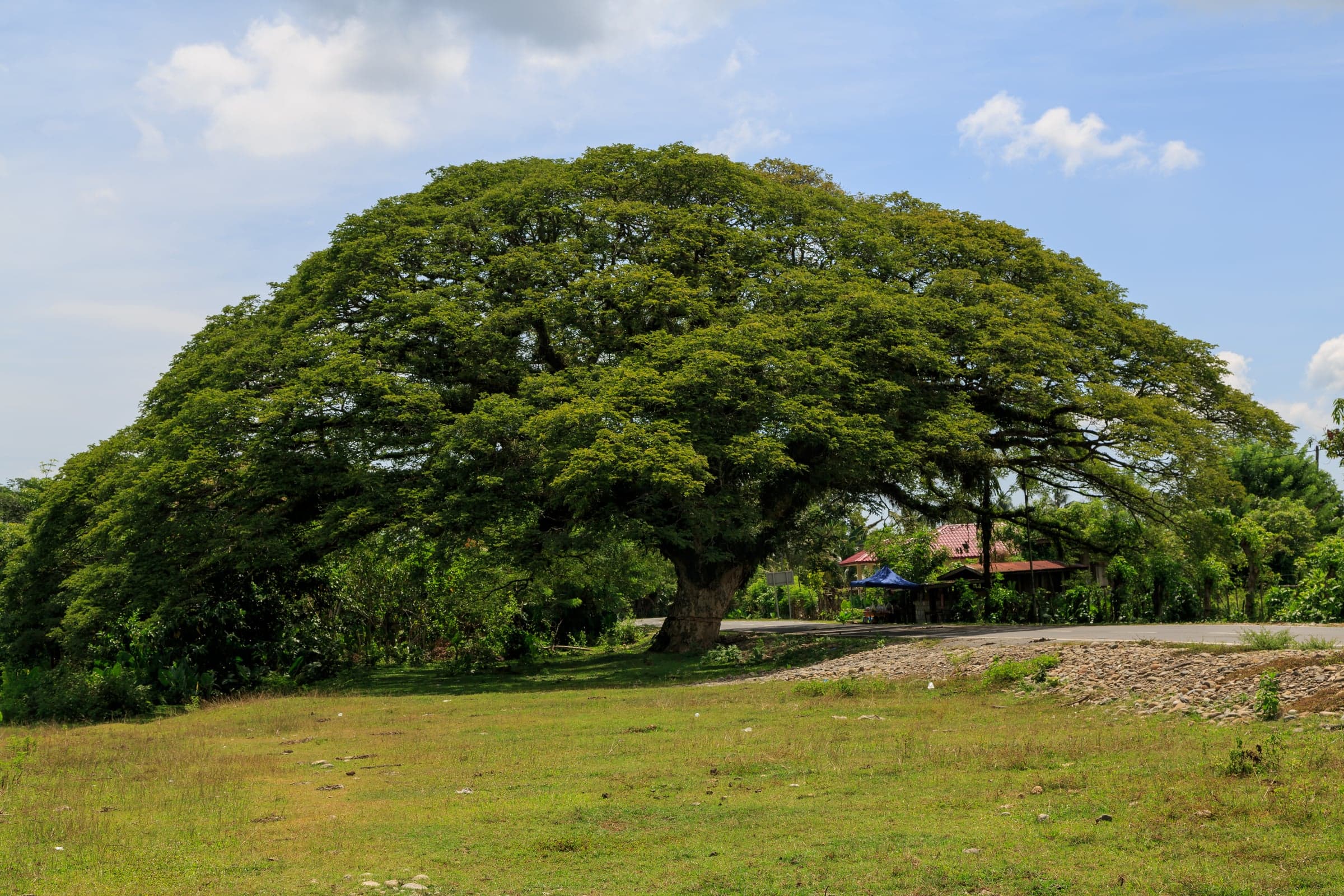
  • Fil du Suar

    Suar

    Samanea saman

    4 plateaux

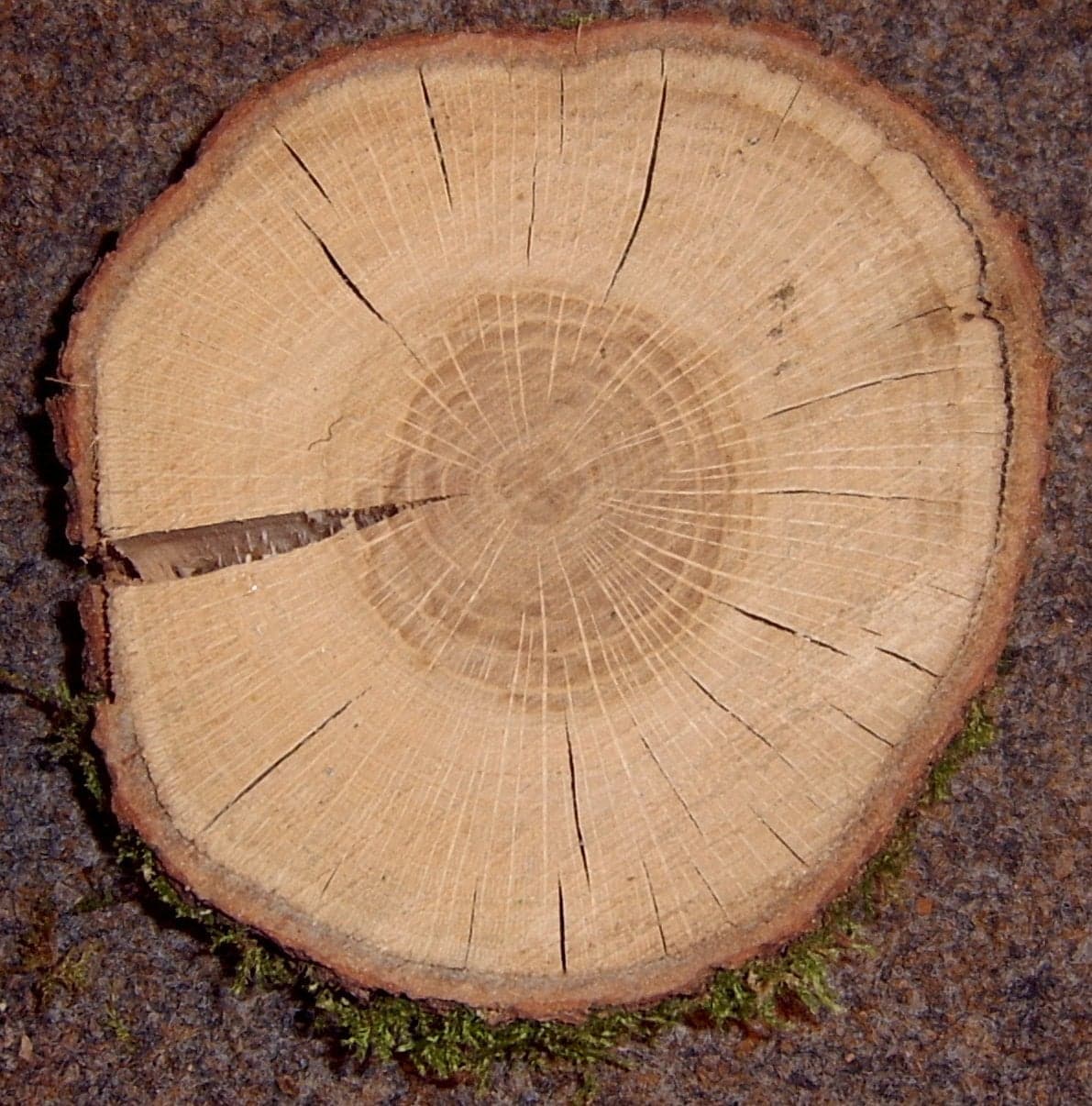
  • Fil du Chêne européen

    Chêne européen

    Quercus robur

    6 plateaux

  • Fil du Noyer européen

    Noyer européen

    Juglans regia

    12 plateaux

Soyez informé des arrivages en Sapin pectiné

Nous vous envoyons un e-mail lorsque de nouveaux plateaux en Sapin pectiné arrivent chez KORENA. Chaque plateau est unique, mieux vaut donc être prévenu rapidement.

Quelques e-mails par mois. Aucun spam, désabonnement à tout moment.

Aspect du bois

Son aspect

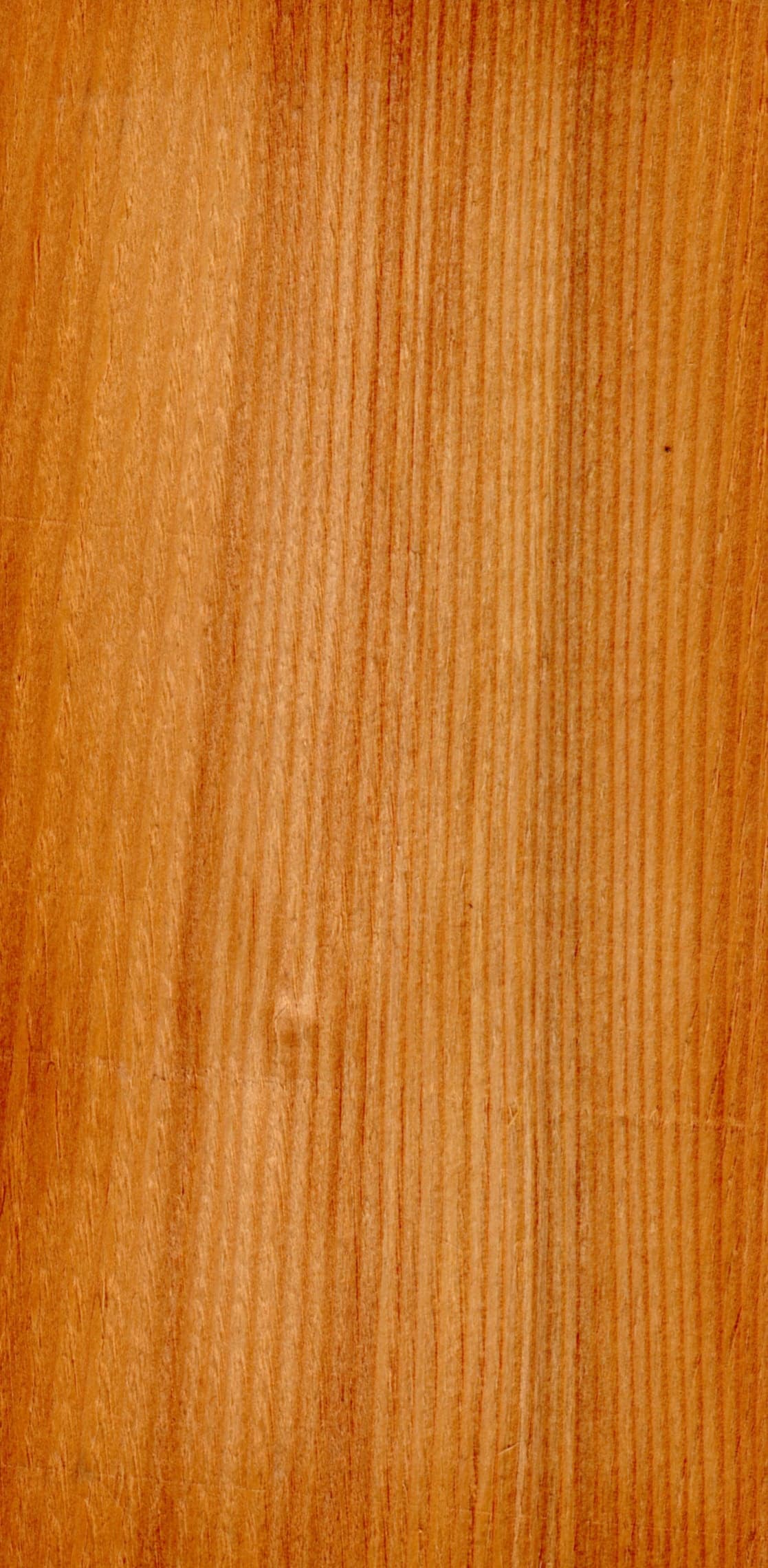
Very close to Norway Spruce in appearance and routinely sold interchangeably with it. Silver Fir is a shade duller and greyer, entirely without the resin pockets that mark spruce, because the species has no resin canals in its wood. Grain is straight, texture fine and even, and the overall impression is flatter and quieter than spruce.

  • Near white to pale grey-brown, duller than spruce
  • No visible heartwood boundary
  • No resin pockets, the clearest way to tell it from spruce
  • Bois clair au fil droit ; presque aucun canal résinifère.

Travail du bois

Son travail en atelier

Generally easy with both hand and machine tools, and it glues, stains and finishes better than spruce because the absence of resin canals makes absorption more even. The same softness caveat applies: sharp cutters are essential or the earlywood crushes and fuzzes. It holds detail poorly under carving tools, so it is not a carving wood despite being soft.

Finition

Takes stain and finish noticeably better than spruce, though it is still a softwood with uneven density and a conditioner remains sensible before pigment stain. It is one of the better softwood choices for a painted finish, since the fine even texture needs little grain filling. Clear finishes leave it looking pale and slightly cool.

Séchage

Dries readily and without much degrade, and because there are no resin canals there is no resin bleed to manage, which is a genuine advantage over spruce in thick sections. Wet pockets of bacterially infected wood, sometimes called wetwood, occur in older trees and dry slowly and unevenly. A yard that has kilned the stock properly will have caught these. Movement in service is moderate at around 12.8 percent volumetric.

De combien va-t-il bouger ?

Le bois gonfle et se rétracte en largeur selon que l’air devient plus humide ou plus sec. Estimez le mouvement saisonnier d’un plateau en Sapin pectiné avant de concevoir les fixations.

Débit
Lieu d’utilisation

Mouvement saisonnier attendu

environ 9,9 mm

Fixez le plateau avec des taquets ou des équerres à trous oblongs, sans colle ni vis trop serrées.

Modèle de retrait linéaire : largeur × (retrait ÷ 28 % de point de saturation des fibres) × variation saisonnière d’humidité. Utilise un retrait tangentiel de 8,7 % pour le Sapin pectiné. Il s’agit d’une estimation de conception, pas d’une garantie.

Son prix

Sécurité et origine

  • This species is recorded as commercially grown in Europe. This does not establish where an individual piece was harvested; check its origin details.
  • Statut sur la Liste rouge de l’UICN : évaluation mondiale de la conservation de cette essence.
  • Species in the Abies genus have been reported to cause skin irritation, though severe reactions are uncommon. Standard dust extraction and a P2 mask for extended machining cover it.

Lire le guide completNotes détaillées sur la figure, l’évolution de la couleur, le travail et la stabilité.+

What Silver Fir actually is#

Abies alba is the tree most people have looked at without knowing it. It is a major component of central European mountain forest, it is the traditional Christmas tree across much of the continent, and its timber is sold through the trade as whitewood alongside Norway Spruce with little distinction drawn between them. For most construction purposes that conflation is harmless. For slab work it is worth separating, because the one structural difference between the two species changes how the wood behaves.

Silver Fir has no resin canals. Spruce does. Everything that follows from that, the absence of resin pockets, the cleaner behaviour under paint, the more even stain absorption, the lack of bleed in thick sections, is the reason to choose fir over spruce rather than treat them as the same board.

Reading a Silver Fir slab#

Colour range is narrow: near white through to a pale grey-brown, with no heartwood boundary to speak of. Against spruce it reads flatter and cooler, a fraction duller, and without the amber flecking that gives spruce its visual interest.

Because colour gives you so little, judge the slab on ring structure and defects. Tight rings from slow mountain growth mean a denser, stiffer, more stable board. Knots are the usual limiting factor, and fir knots are somewhat less hard and less prone to tear-out than spruce knots, which makes them slightly easier to machine through when you have no choice.

Questions des acheteurs

Questions fréquentes des acheteurs

How do I tell Silver Fir from Norway Spruce?

+

Look for resin pockets. Spruce has resin canals and shows amber pockets and streaks; Silver Fir has none at all, so a clean pale board with no resin marks is almost certainly fir. Fir also reads slightly greyer and duller. The two are close enough that they are frequently sold interchangeably as whitewood.

Is Silver Fir better than spruce for painted work?

+

Yes, generally. The fine even texture needs little grain filling and the absence of resin canals means no bleed-through under paint. Spruce resin pockets can telegraph through a painted finish months later unless sealed with shellac first.

Can I use Silver Fir outdoors?

+

Not untreated. It is rated non-durable to perishable with little resistance to insect attack, which is the lowest durability in this group. European larch or Douglas fir are the appropriate choices for exposure.

Is it hard enough for a desk top?

+

At 1,420 N Janka it is the softest species KORENA lists, softer even than spruce. A desk top in fir will mark under a pen pressed through paper. It works for a light-use surface finished in a refreshable hardwax oil, but for daily writing use a harder species.

Propriétés mécaniques

Données techniques

Valeurs de référence publiées. Lorsque les sources divergent, la plage est indiquée et la valeur courante sert aux échelles ci-dessus.

Densité (kg/m³)Masse par mètre cube à environ 12 % d’humidité. Un bois plus lourd est généralement plus dur et plus résistant.415 kg/m³
Dureté Janka (N)Force nécessaire pour enfoncer à moitié une bille d’acier dans le bois. Mesure standard de la résistance à l’enfoncement.1,420 N
MOR : module de rupture (MPa)Résistance à la flexion : charge à laquelle une poutre casse.66 MPa
MOE : module d’élasticité (GPa)Rigidité en flexion : fléchissement d’une étagère ou d’un plateau sous une charge.8.3 GPa
Retrait radialRetrait perpendiculaire aux cernes, du bois vert au bois anhydre. Les planches sur quartier travaillent dans ce sens.4.0 %
Retrait tangentielRetrait dans le sens des cernes. Les planches sur dosse et la plupart des plateaux travaillent dans ce sens.
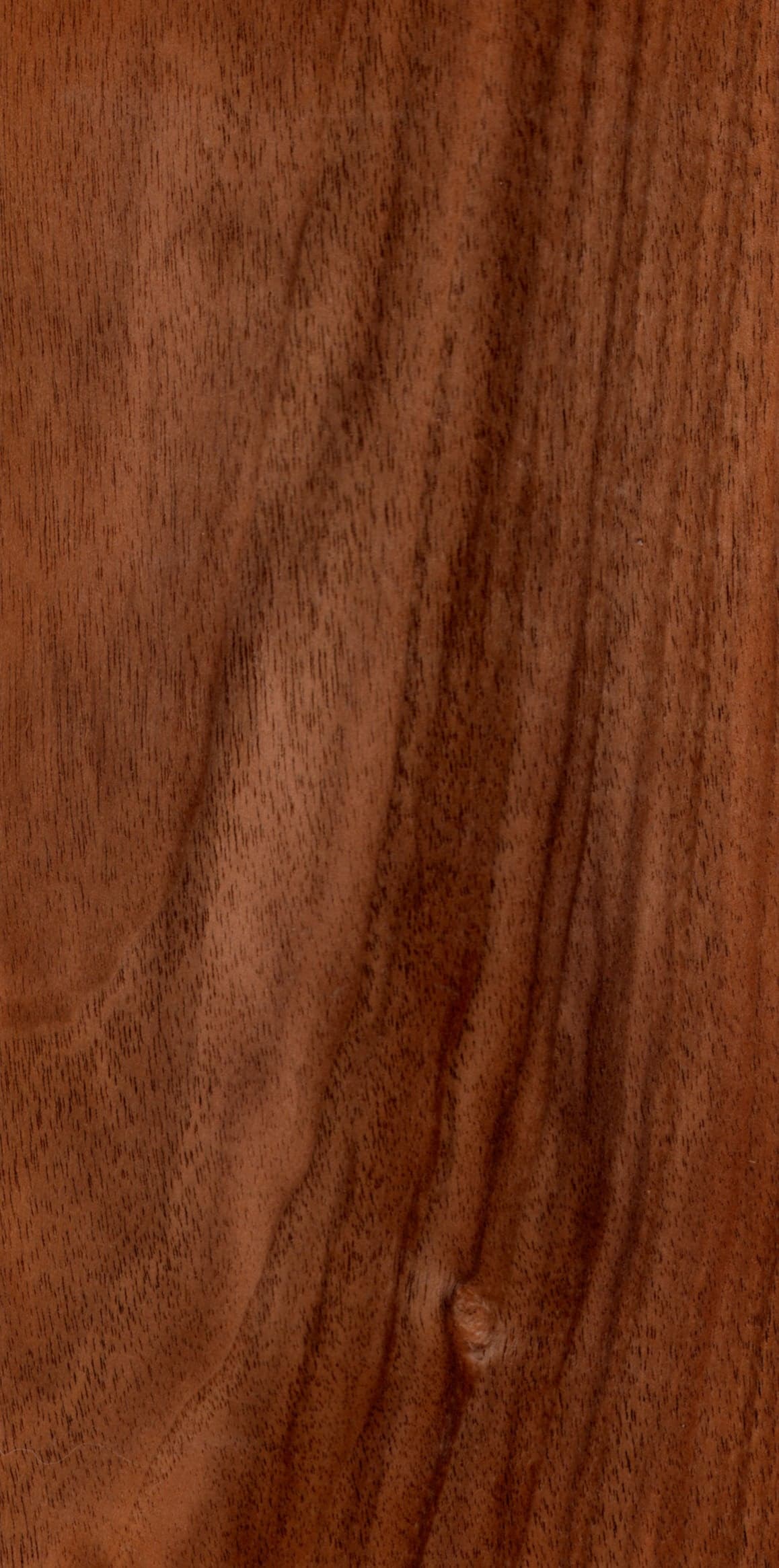
Fil du Sapin pectiné

Achim Raschka (talk), via Wikimedia Commons

Abies alba grows through the mountain systems of central and southern Europe, from the Pyrenees across the Alps to the Carpathians and the Balkans. Most slab stock comes from managed mixed forests where it grows alongside beech and spruce, and EU certification coverage is good.

  • Not listed in the CITES Appendices and assessed by the IUCN as Least Concern. Silver Fir declined across parts of its range during the twentieth century from air pollution and heavy browsing pressure, and it is now recovering under managed forestry. Certified supply is readily available.

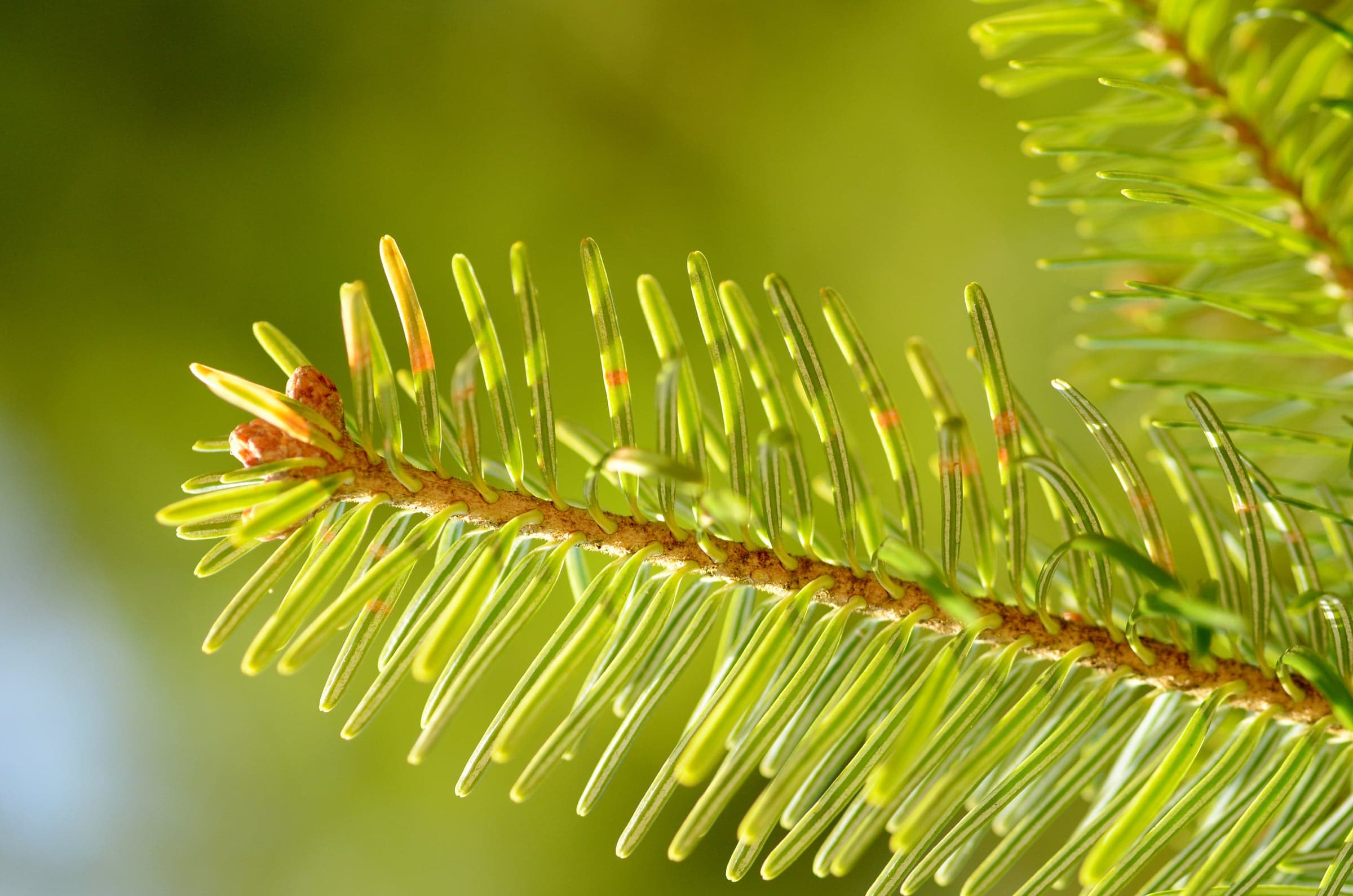
  • Sapin pectiné: Feuille
    Feuille
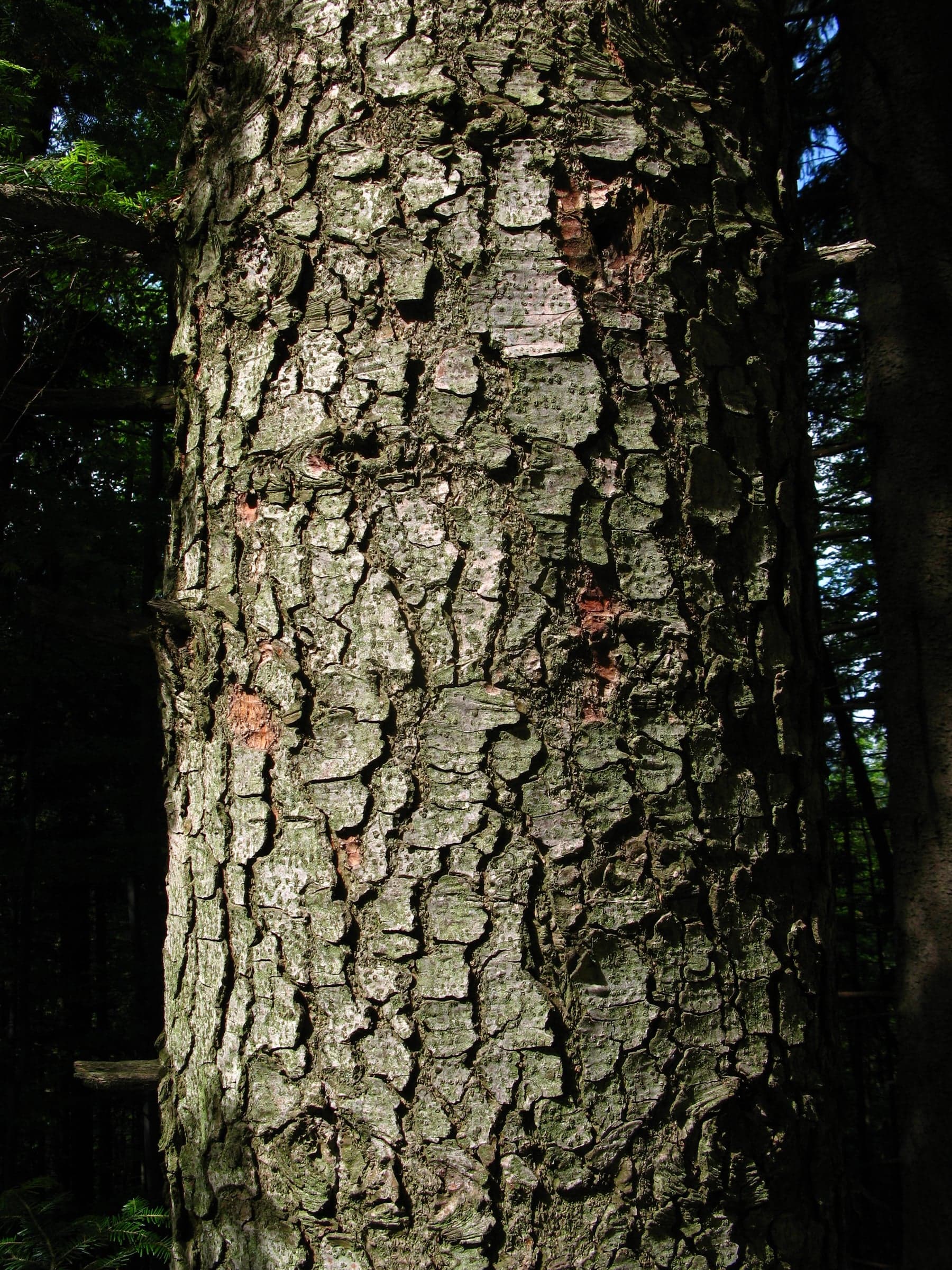
    Sapin pectiné: Écorce
    Écorce

    The specific thing to look for is wetwood, a bacterially affected zone carrying abnormally high moisture that occurs in some older trees. It dries slowly and unevenly and can leave a localised darker stain or a collapsed area. Properly dried stock has already revealed any of it. Since every KORENA slab carries a measured moisture value rather than an assurance, an unevenly dried board shows up in the data.

    At the bench#

    Fir works easily with hand and machine tools, and it glues, stains and finishes better than spruce for the reason given above. The softness caveat that governs all of this group still applies, and applies here hardest, because at 1,420 N on the Janka scale Silver Fir is the softest wood KORENA lists.

    Sharp cutters are not optional. A dull plane iron will crush the earlywood rather than cut it, and the crushed fibres lift when finish goes on. Light cuts and a card scraper produce a far better surface than heavy cuts and sandpaper. Stop sanding at 180 grit.

    One thing fir does not do well is hold carved detail. Softness suggests it should be a carving wood, but the fibre is stringy rather than crisp and fine detail tears out at the edges. Small-leaved lime is the species in the KORENA catalogue built for that job.

    Gluing is reliable with moderate clamping pressure. Screws hold adequately with pilot holes and coarse threads, though as with all light softwoods, through-bolts and washers are better wherever the load is real.

    Drying and movement#

    Fir dries readily and without much degrade. The absence of resin canals is a practical advantage in thick sections, because there is no resin to bleed when a slab warms in sunlight or over underfloor heating. Spruce in the same position may weep at the pockets years after finishing.

    Volumetric shrinkage sits around 12.8 percent, close to spruce, with tangential movement at 8.7 percent against 4.0 percent radial. That ratio, better than two to one, means flatsawn boards want to cup as humidity swings. Quartersawn stock is meaningfully more stable and worth paying for in a wide top.

    Let a slab acclimatise in its final room for a couple of weeks before final flattening. This matters more for softwoods than hardwoods because the movement is faster.

    Where Silver Fir is the right answer#

    Painted work is where fir clearly beats the alternatives here. The fine even texture needs almost no grain filling, and with no resin canals there is nothing to telegraph through the paint film later. A painted fir carcass will still look right in ten years, where a painted spruce one may show resin ghosting at the pockets.

    It also suits wall and ceiling panelling, lightweight carcass work, and shelving where the span is short or supported. Its stiffness to weight ratio is decent, but at this density long unsupported shelves will sag.

    It is the wrong answer for any working surface that must resist marking, for anything outdoors, and for carving.

    Sourcing and EUDR#

    Not CITES listed and assessed as Least Concern. Silver Fir declined across parts of its range through the twentieth century under air pollution and heavy deer browsing, and current populations are recovering under active management. Certified supply from Alpine and Carpathian sources is readily available, and the documentation path for EUDR is the same short one that applies to the other managed European conifers in this catalogue.

    What is wetwood and does it matter?

    +

    Wetwood is a bacterially affected zone of abnormally high moisture found in some older firs. It dries slowly and unevenly and can leave localised staining or collapse. Properly kilned stock will have revealed it already. Every KORENA slab carries a measured moisture reading, so a slab that dried unevenly is visible in the data rather than a surprise at the bench.

    8.7 %
    Retrait volumiqueVariation totale de volume du bois vert au bois anhydre. Une valeur basse indique une meilleure stabilité.12.8 %
    Durabilité naturelle (EN 350)Norme européenne de résistance naturelle à la pourriture, de 1 (très durable) à 5 (périssable).Class 5 — Perishable

    Références

    • The Wood Database — European Silver Fir (Abies alba)(consultée le 2026-08-12)
    • USDA FPL Wood Handbook FPL-GTR-190 (2010)(consultée le 2026-08-12)
    • Meier, E. — WOOD! Identifying and Using Hundreds of Woods Worldwide (2015)(consultée le 2026-08-12)

    Attention

    • Ne convient pas à un usage extérieur sans traitementSa durabilité naturelle correspond à la classe 5 sur 5 de la norme EN 350. Gardez-le à l’intérieur ou protégez-le par une finition entretenue.
    • Poussière irritanteUtilisez un système d’aspiration et portez un masque lors du ponçage ou de l’usinage.
    • Peu adapté au cintrage à la vapeurRéalisez les courbes par lamellé-collé plutôt que par étuvage.

    Touchez une étiquette pour afficher les détails.

    En bref

    Les niveaux utilisent les mêmes plages pour toutes les essences répertoriées par KORENA, ce qui permet de les comparer directement. La valeur mesurée figure sous chaque niveau.
    DuretéRésistance aux chocs et à l’usureTendre

    Dureté Janka : 1 420 N

    71 % plus tendre que le chêne européen

    PoidsPoids d’un plateau à souleverTrès léger

    415 kg/m³

    StabilitéFaible mouvement au fil des saisonsMoyen

    12,8 % de retrait volumique

    TravailSciage, rabotage, ponçage, collageModéré

    3,9 / 5 de moyenne à l’atelier

    Usage extérieurRésistance naturelle à la pourriture, EN 350Intérieur uniquement

    EN 350 classe 5

    • Sciage · Très bonQualité de la coupe et usure des lames.1 = difficile · 5 = excellent
    • Rabotage · Très bonLissage de la surface et risque d’arrachement.1 = difficile · 5 = excellent
    • Ponçage · Très bonRapidité du ponçage sans encrasser le papier.1 = difficile · 5 = excellent
    • Tournage · BonQualité de coupe et de finition au tour.1 = difficile · 5 = excellent
    • Sculpture · BonNetteté des détails obtenus à la gouge.1 = difficile · 5 = excellent
    • Collage · Excellente aptitudeFiabilité des assemblages collés.1 = difficile · 5 = excellent
    • Tenue des vis / clous · Très bonTenue des vis et des clous sans fendre le bois.1 = difficile · 5 = excellent
    • Cintrage à la vapeur · PassableAptitude à prendre une courbe après étuvage.1 = difficile · 5 = excellent

    Prix actuel du bois de Sapin pectiné en Europe, par mètre cube hors TVA. Touchez un prix pour en voir le détail.

    • Grumes de premier choix aux enchèresGrumes de qualité supérieure sélectionnées et vendues sur soumission, principalement à des fabricants de placage et de meubles. Les plateaux sont débités dans des grumes de ce type.La plupart des prix se situent entre 200 € et 201 €.Calculé à partir de 68 prix dans 1 région.Dernières données : 14 nov. 2026
    • Grumes courantesGrands volumes de bois rond standard vendus par des propriétaires forestiers et des organismes publics, principalement pour la construction et l’industrie.La plupart des prix se situent entre 38 € et 158 €.Calculé à partir de 6 660 prix dans 7 régions.Dernières données : 14 nov. 2026

    Grumes courantes par pays

    • Roumanie · 87 € / m³Régions : Banat / Crișana, Moldavia (Romania), Transylvania et Wallachia6 378 prixDernières données : 14 nov. 2026
    • Italie · 85 € / m³Régions : Veneto78 prixDernières données : 23 juil. 2025
    • France · 76 € / m³Régions : Bourgogne-Franche-Comté et Grand Est / Alsace204 prixDernières données : 14 nov. 2026

    Pourquoi un plateau coûte-t-il plus cher ?

    Ces prix concernent le bois brut. Un plateau est la meilleure tranche d’une grume, séchée pendant au moins un an, puis contrôlée et mesurée individuellement. Seule une petite partie de chaque grume devient un plateau.

    Source : KORENA Timber Index · Dernières données : 14 nov. 2026

    Voir tous les prix régionaux