KORENA
BoisFinished piecesFournituresDépôtsJournal

Recevoir les nouveautés

Chaque plateau est unique. Une fois vendu, il est parti. Nous vous écrivons lors de la publication de nouvelles pièces : arrivages, essences et pièces adaptées à un projet.

Quelques e-mails par mois. Aucun spam, désabonnement à tout moment.

KORENA, bois massif haut de gamme

Une pièce à la fois.

Du bois massif haut de gamme vérifié, vendu pièce par pièce. Chaque plateau est photographié, mesuré et expédié depuis le dépôt partenaire avec un passeport du bois.

Boutique

  • Voir les produits
  • Archives des pièces vendues
  • Suivre une commande

Découvrir

  • Journal
  • Guides des essences
  • Glossaire
  • Comparer
  • Auteurs

Aide

  • À propos
  • Fonctionnement
  • Devenir dépôt partenaire
  • Rechercher un plateau
  • Assistance
  • Modèles de documents
  • Presse

Acheter

  • Conditions de vente
  • Droit de rétractation
  • Retours et garantie
  • Expédition et livraison

Confiance

  • Politique de confidentialité
  • Politique relative aux cookies
  • Provenance du bois et EUDR
  • Accessibilité

Mentions légales

  • Mentions légales
  • Utilisation acceptable
  • Propriété intellectuelle et contenus

© 2026 KORENA. Tous droits réservés.

Exploité par Martial Labs Ltd. (BG, EIK 207453941). KORENA est un nom commercial de Martial Labs Ltd.

Nous respectons votre vie privée

Nous utilisons des cookies essentiels au fonctionnement du site. Avec votre accord, nous utilisons aussi des cookies pour les statistiques, le contenu personnalisé et la publicité. Vous pouvez modifier votre choix à tout moment sur la page des préférences de consentement. Consultez notre politique relative aux cookies et notre politique de confidentialité.

  1. Accueil
  2. /
  3. Essences
  4. /
  5. Silver Birch

Betula pendula

Silver Birch

Harder than oak and stiffer than anything else KORENA lists, hiding behind a plain pale face. The best turning wood here.

  • Cultivé et récolté en Europe.
  • Groupe botanique. Les résineux sont des conifères, les feuillus sont des arbres à feuilles larges.
  • Famille botanique à laquelle appartient l’essence.
Être informé du prochain arrivageEssence de référence. Aucun plateau en stock pour le moment.
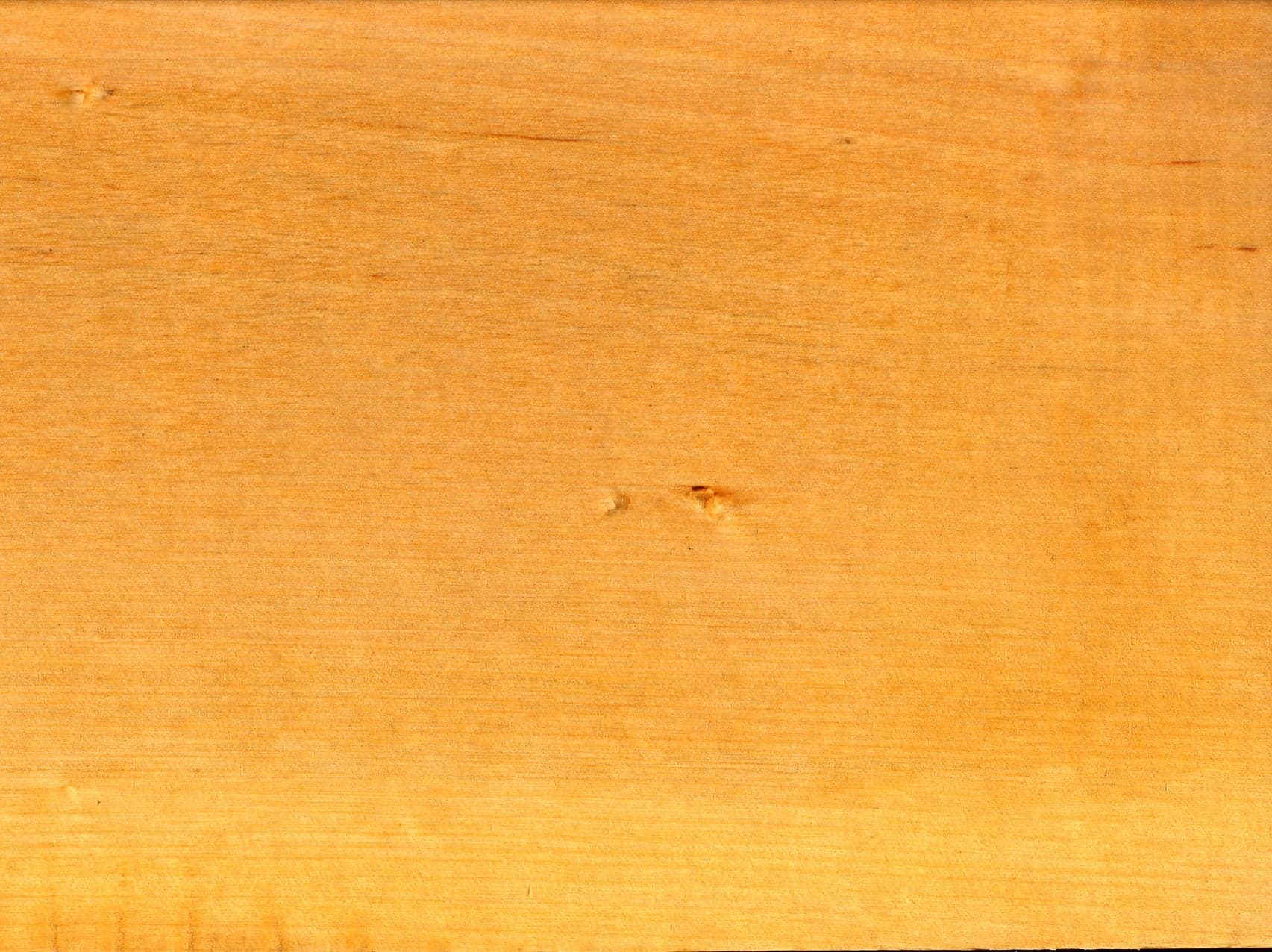
Fil du Silver Birch
  • Adaptation au projet
  • En stock
  • Aspect
  • Travail
  • Prix
  • Sécurité et origine
  • Questions fréquentes
  • Données techniques

Convient-il à votre projet ?

Idéal pour

  • Turned work
  • Painted furniture
  • Cabinetry and carcass work
  • Veneer and plywood
  • Interior joinery

Aucun plateau en Silver Birch dans la sélection actuelle

Essences similaires en stock

Aucun plateau en Silver Birch pour le moment. Ces essences conviennent aux mêmes projets et sont disponibles.
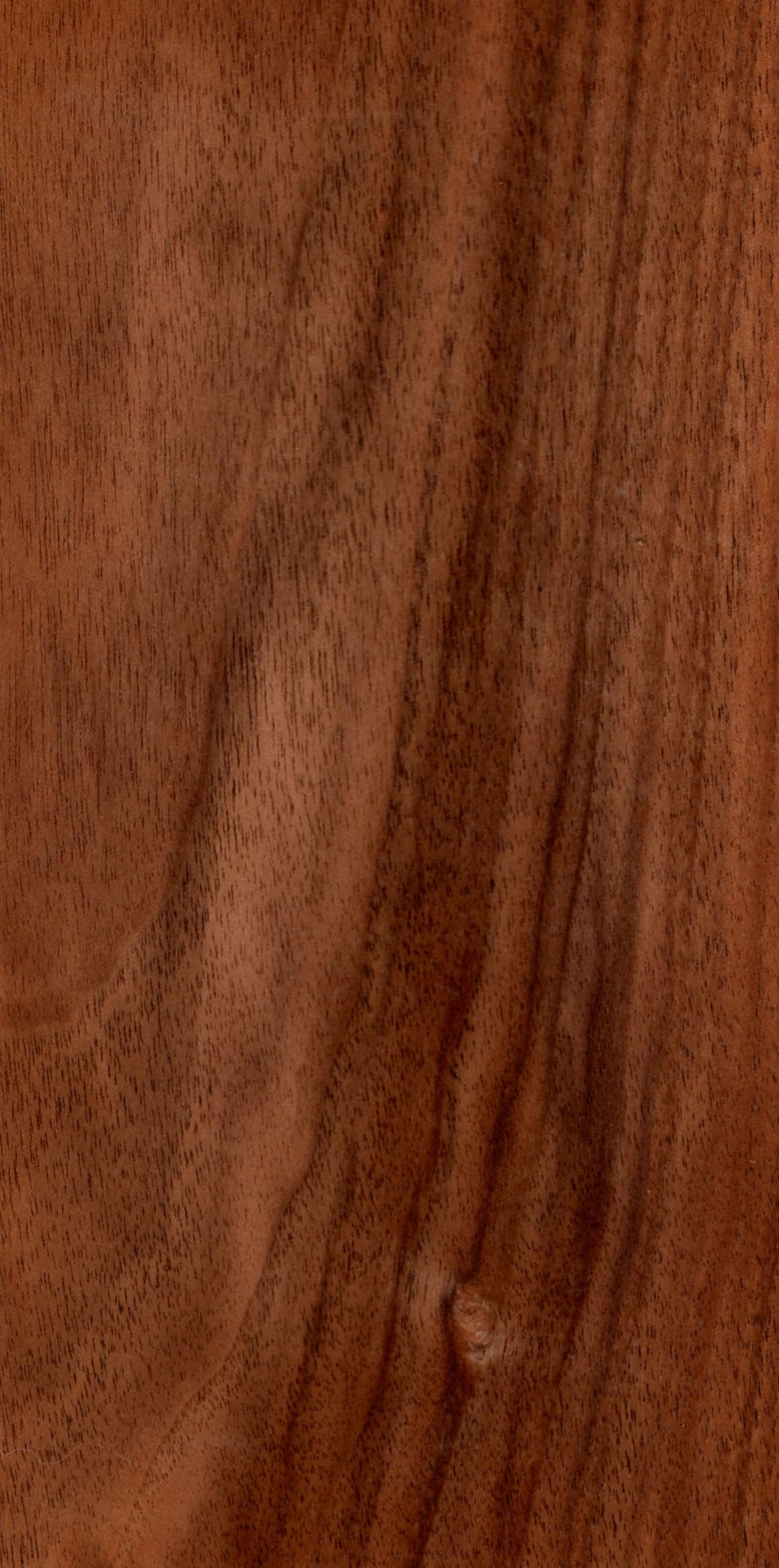
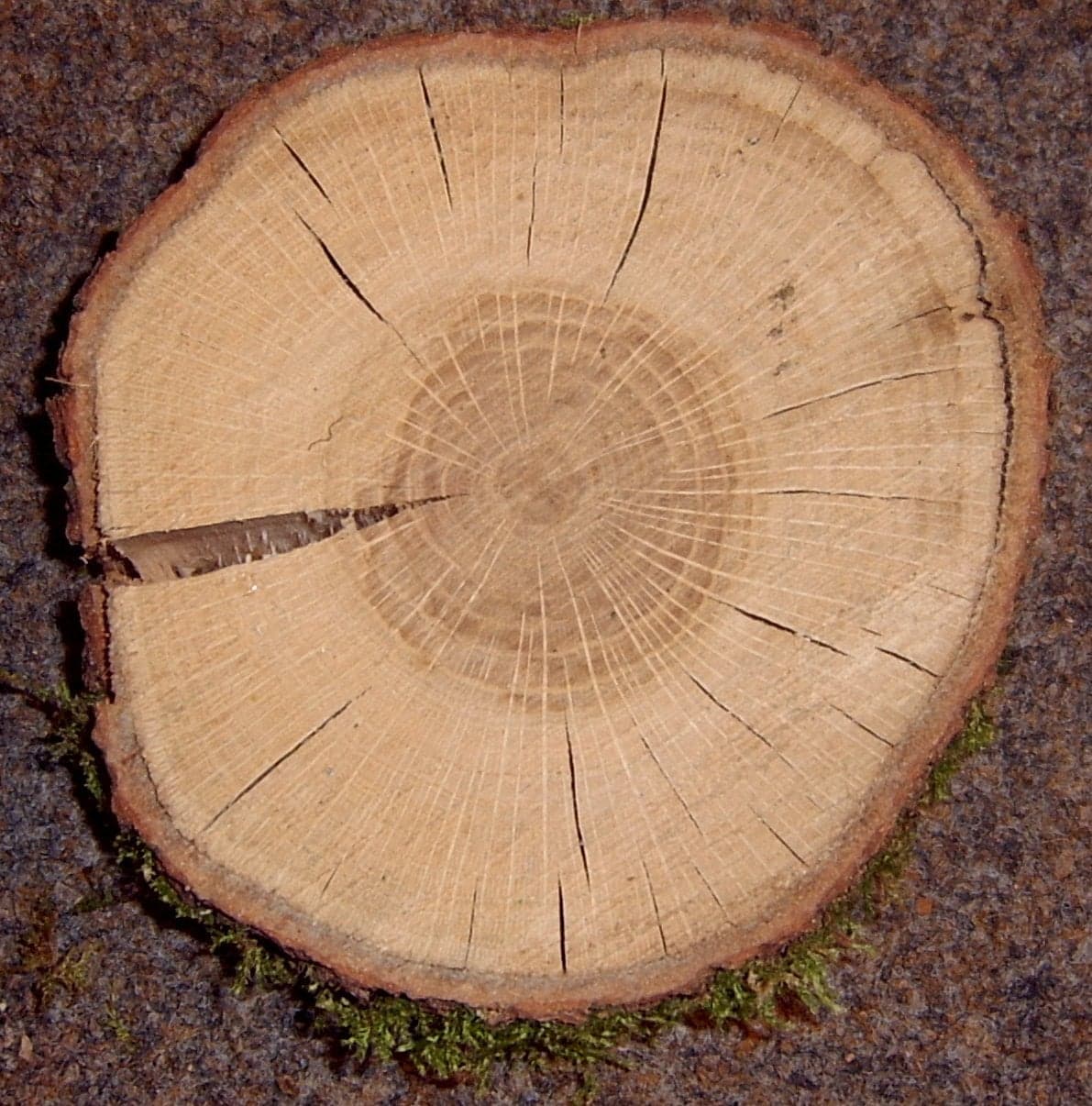
  • Fil du European Walnut

    European Walnut

    Juglans regia

    9 plateaux

  • Fil du European Oak

    European Oak

    Quercus robur

    6 plateaux

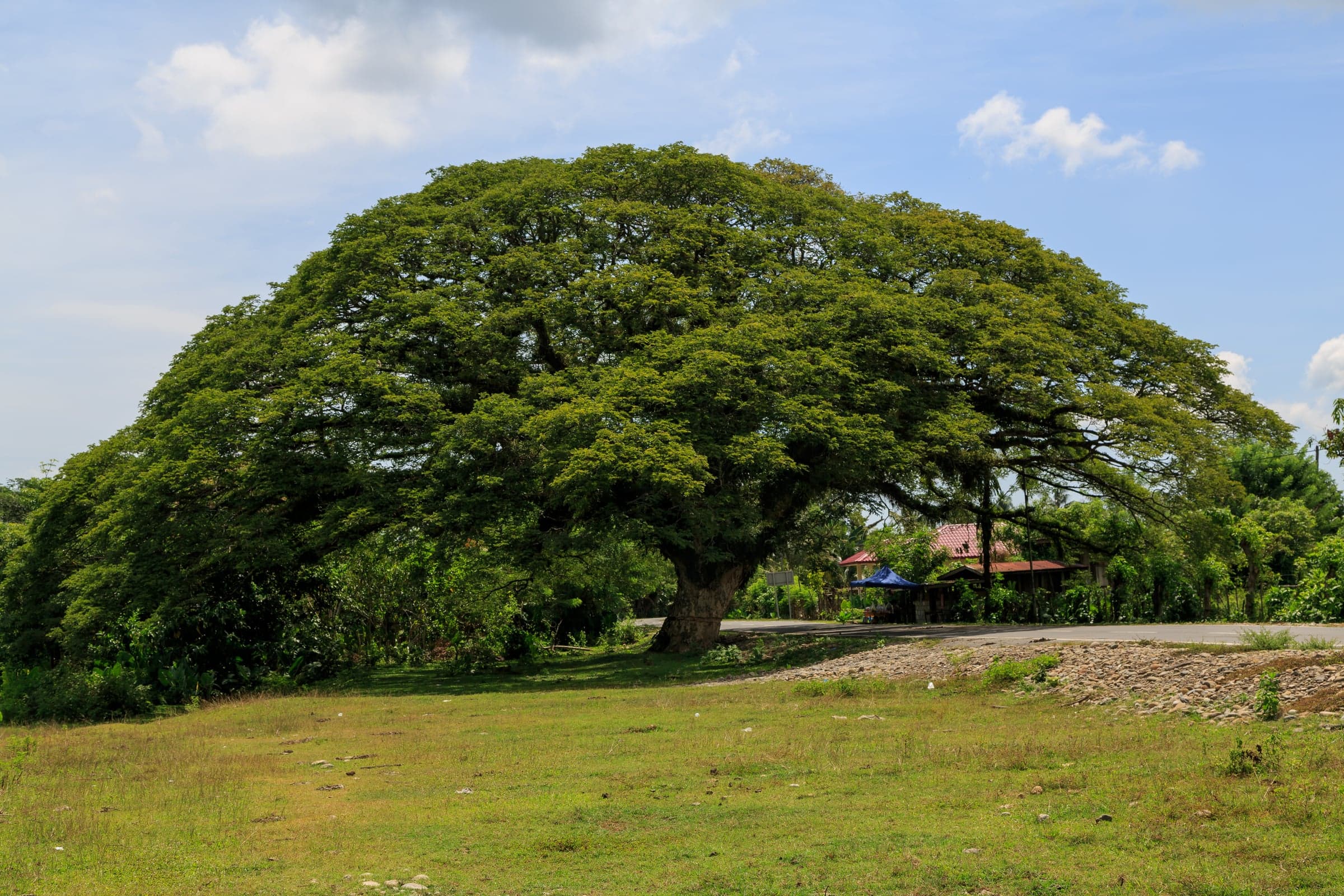
  • Fil du Saman

    Saman

    Samanea saman

    4 plateaux

Soyez informé des arrivages en Silver Birch

Nous vous envoyons un e-mail lorsque de nouveaux plateaux en Silver Birch arrivent chez KORENA. Chaque plateau est unique, mieux vaut donc être prévenu rapidement.

Quelques e-mails par mois. Aucun spam, désabonnement à tout moment.

Aspect du bois

Son aspect

Pale, almost white to light cream, with very little colour separation between heartwood and sapwood and a fine even texture. Plain birch is quiet to the point of being featureless, which is exactly why it is prized for painted work and for veneer. The exceptions are the figured forms, curly and flame birch and the burred masur birch, which are among the most decorative surfaces available from any European species.

  • Near white to pale cream with almost no heartwood contrast
  • Fine even texture, plain in most boards
  • Curly, flame and masur figured forms occur and are highly prized
  • Straight to wavy grain, fine even texture. Near white to pale cream with almost no heartwood contrast. Curly, flame and masur figured forms occur and are highly prized.

Travail du bois

Son travail en atelier

Generally easy with hand and machine tools, and it turns, glues and finishes well. It is one of the best turning woods in this catalogue because the fine even texture holds crisp detail. Boards with wild or figured grain tear out during machining, so figured stock wants light cuts, sharp tooling and a scraper for the final surface. Density of 640 kg per cubic metre gives it more substance than its pale appearance suggests.

Finition

Takes finish well and takes paint exceptionally, which is its traditional role. Like other pale fine textured woods it blotches under pigment stain, so use a conditioner or a dye. The pale colour is the point for most applications, and a clear water based finish preserves it better than an oil, which will pull it toward yellow.

Séchage

The source KORENA cites reports no shrinkage data for this species, so no radial, tangential or volumetric figures are shown rather than values being borrowed from another birch. Practically, birch is known to dry with a marked tendency to warp and requires weighting and careful stickering. It is also highly susceptible to fungal attack and staining while drying, so it must be dried promptly after conversion rather than left in log or board.

Son prix

Sécurité et origine

  • Cultivé et récolté en Europe.
  • Birch in the Betula genus is reported as a sensitiser, with reactions typically including skin and respiratory irritation. Extraction and a P2 mask during extended sanding are appropriate, particularly given how fine birch dust is.

  • Betula pendula ranges across the whole of northern Europe and into Siberia, and it is the pioneer tree that colonises cleared and burnt ground before slower species establish. Finland, the Baltic states, Sweden and Russia are the main commercial sources, and Baltic birch plywood built on this species is one of the best known engineered timbers in the world.

Lire le guide completNotes détaillées sur la figure, l’évolution de la couleur, le travail et la stabilité.+

What Silver Birch actually is#

Betula pendula is the pioneer. It colonises cleared, burnt and abandoned ground across the whole of northern Europe and into Siberia, growing fast and establishing where slower species cannot. Finland, the Baltic states, Sweden and Russia are the main commercial sources, and Baltic birch plywood, built from this species, is among the best known engineered timbers in the world.

Its plainness works against it. A typical birch board is near white, almost featureless, with barely any distinction between heartwood and sapwood. It looks like a wood you would choose because you could not afford another one.

The numbers say otherwise.

The numbers are the surprise#

At 5,360 N on the Janka scale, Silver Birch is harder than European oak at 4,980 N.

Its elastic modulus of 13.96 GPa is the highest of any species in this catalogue, hardwood or softwood, above red oak at 12.14 and Douglas Fir at 12.17. Stiffness is what resists sag, so for a long shelf or an unsupported span, birch outperforms every other option here.

Modulus of rupture at 114.3 MPa matches Turkey Oak and beats sessile oak.

This is a genuinely strong, stiff, hard timber that happens to be pale and quiet. Choosing it is not a compromise.

Questions des acheteurs

Questions fréquentes des acheteurs

Why are no shrinkage figures shown for Silver Birch?

+

The reference KORENA cites reports no shrinkage data for this species, and rather than borrow numbers from a different birch and label them Betula pendula, the fields are left empty. What is known practically is that birch warps readily in drying and needs weighting and careful stickering. Each KORENA slab carries its own measured moisture value, which is the reliable figure for the board in front of you.

Is birch hard enough for furniture?

+

Yes. At 5,360 N Janka it is harder than European oak at 4,980 N, and its elastic modulus of 13.96 GPa is the highest of any species in this catalogue. It is considerably more substantial than its pale, plain appearance suggests, and it is a genuinely good furniture timber.

What is masur birch?

+

A figured form of Betula pendula in which the grain is disrupted into dark flecked, swirling patterns, historically attributed to insect damage or genetic factors. It is among the most decorative surfaces available from any European species and is priced accordingly. Curly and flame birch are separate figured forms of the same species.

Can birch be used outdoors?

Propriétés mécaniques

Données techniques

Valeurs de référence publiées. Lorsque les sources divergent, la plage est indiquée et la valeur courante sert aux échelles ci-dessus.

Densité (kg/m³)Masse par mètre cube à environ 12 % d’humidité. Un bois plus lourd est généralement plus dur et plus résistant.640 kg/m³
Dureté Janka (N)Force nécessaire pour enfoncer à moitié une bille d’acier dans le bois. Mesure standard de la résistance à l’enfoncement.5,360 N
MOR : module de rupture (MPa)Résistance à la flexion : charge à laquelle une poutre casse.114 MPa
MOE : module d’élasticité (GPa)Rigidité en flexion : fléchissement d’une étagère ou d’un plateau sous une charge.14.0 GPa
Durabilité naturelle (EN 350)Norme européenne de résistance naturelle à la pourriture, de 1 (très durable) à 5 (périssable).Class 5 — Perishable

Références

  • The Wood Database — Silver Birch (Betula pendula). Shrinkage reported as no data available.

Beentree, via Wikimedia Commons

Not listed in the CITES Appendices, and reported by the source KORENA cites as not assessed on the IUCN Red List, so no IUCN status is displayed rather than one being assumed. Birch is abundant, fast growing and a pioneer species, so supply is plentiful and well certified across Finland, the Baltics and Scandinavia. It is among the easier species to document for EUDR purposes.

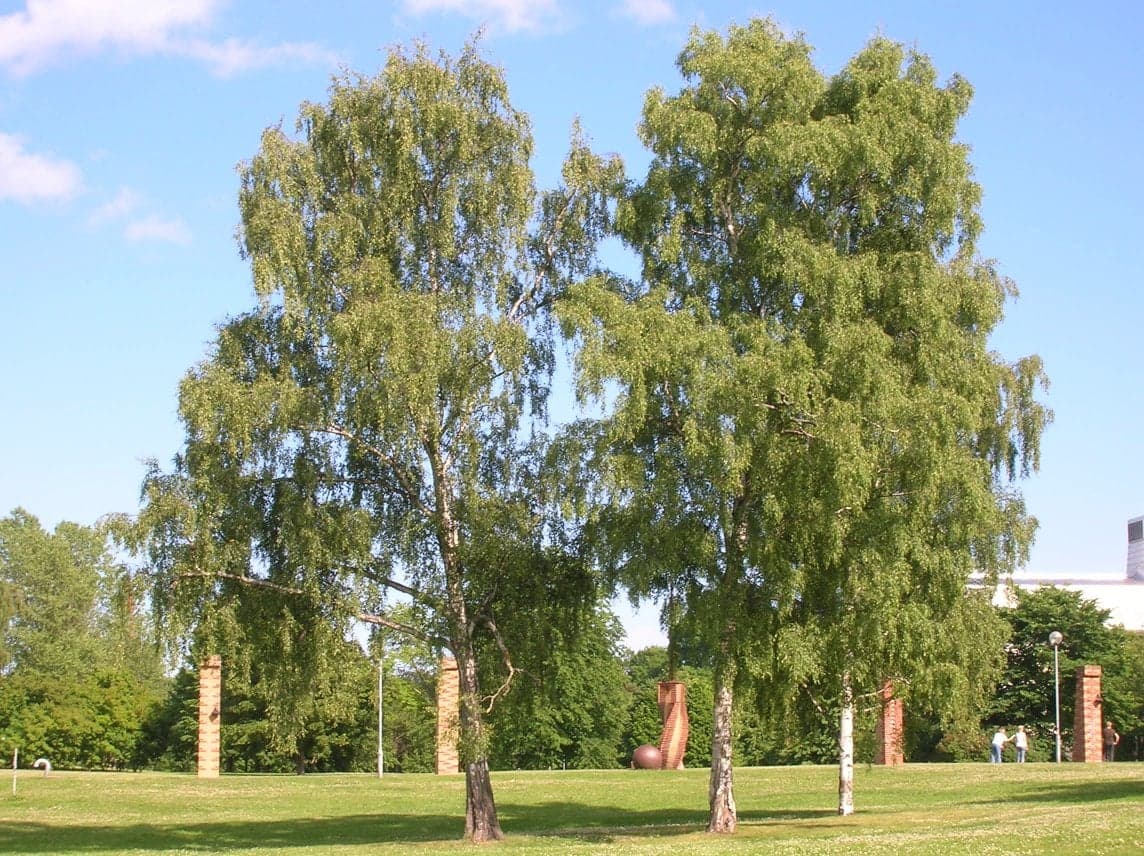
Arbre Silver Birch

Jordgubbe, via Wikimedia Commons

What the catalogue cannot tell you#

No shrinkage figures are shown for this species, and that gap is deliberate.

The reference KORENA cites reports no shrinkage data for Betula pendula. Borrowing figures from paper birch or yellow birch and presenting them under this name would produce a page that looks complete and specifies a wood that was never measured, so the fields stay empty.

What is known practically is that birch warps readily in drying and needs weighting and careful stickering to come out flat. It is also unusually susceptible to fungal attack and staining while wet, which means it must be dried promptly after conversion rather than left sitting in log or board. Stock that sat too long shows grey or brown discolouration through the wood.

Each KORENA slab carries its own measured moisture reading, which tells you about that board specifically rather than about the species in general.

Reading a Silver Birch slab#

Most birch is plain, and for painted work or a quiet interior that is the point.

The exceptions are worth knowing because they are dramatic. Curly and flame birch show rippling chatoyant figure across the grain. Masur birch carries dark flecked swirling disruption through the wood, historically attributed to insect damage or genetic factors, and it is among the most decorative surfaces available from any European species. All three are the same tree, priced very differently.

On plain stock, look for the grey or brown staining that indicates the log sat before conversion, and for warp along the length, which is the species' characteristic drying fault.

At the bench#

Birch works easily with hand and machine tools and glues without difficulty.

It is the best turning wood in this catalogue. The fine even texture holds crisp detail in a way that oak, with its coarse open pores, simply cannot, and it takes a burnished finish straight off the tool.

Figured stock is the exception to the easy working. Curly and masur grain tears out under a planer, and the answer is light cuts, sharp tooling and a scraper or a high angle plane for the final surface. On expensive figured material, that patience is cheap insurance.

Finishing, and the yellowing trap#

Birch takes paint exceptionally, which is its traditional role, and it takes clear finishes well.

The trap is that oil finishes amber pale woods, and birch shows it more than almost anything because it starts so close to white. A slab chosen specifically for its pale, cool colour will go distinctly yellow under a standard oil, and the change is permanent.

If the pale colour is the reason for the choice, use a clear water based finish or a low yellowing hardwax oil, and test on an offcut first.

Pigment stains blotch on birch as they do on other fine textured pale woods, so use a conditioner or switch to a dye.

Where Silver Birch is the right answer#

Turned work above all. Also painted furniture, cabinetry and carcass work, veneer and plywood, and any interior application where stiffness matters more than appearance, such as long shelving.

It is the wrong answer outdoors in every form, since it is rated perishable with poor insect resistance, and it is the wrong answer anywhere it will stay damp, because it stains and rots faster than most.

Sourcing and EUDR#

Not listed in the CITES Appendices, and reported by the cited source as not assessed on the IUCN Red List, so no status is displayed rather than one assumed.

As a fast growing pioneer species, birch is abundant and certification coverage through Finland, the Baltics and Scandinavia is mature. It is among the more straightforward species in this catalogue to document to EUDR standard.

+

No. It is rated perishable and will rot readily if exposed, and it is also susceptible to insect attack. Birch is strictly an interior timber. It is also unusually vulnerable to fungal staining even indoors if it stays damp, which is why it must be dried promptly after conversion.

Why does my birch look yellow after oiling?

+

Oil finishes amber pale woods, and birch shows it more than most because it starts so close to white. If the pale colour is the reason you chose the species, use a clear water based finish or a low yellowing hardwax oil instead. Test on an offcut, because the shift is permanent.

(consultée le 2026-08-12)
  • Meier, E. — WOOD! Identifying and Using Hundreds of Woods Worldwide (2015)(consultée le 2026-08-12)
  • Attention

    • Ne convient pas à un usage extérieur sans traitementSa durabilité naturelle correspond à la classe 5 sur 5 de la norme EN 350. Gardez-le à l’intérieur ou protégez-le par une finition entretenue.
    • Poussière irritanteUtilisez un système d’aspiration et portez un masque lors du ponçage ou de l’usinage.

    Touchez une étiquette pour afficher les détails.

    En bref

    Les niveaux utilisent les mêmes plages pour toutes les essences répertoriées par KORENA, ce qui permet de les comparer directement. La valeur mesurée figure sous chaque niveau.
    DuretéRésistance aux chocs et à l’usureMi-dur

    Dureté Janka : 5 360 N

    8 % plus dur que le chêne européen

    PoidsPoids d’un plateau à souleverMoyen

    640 kg/m³

    TravailSciage, rabotage, ponçage, collageModéré

    3,9 / 5 de moyenne à l’atelier

    Usage extérieurRésistance naturelle à la pourriture, EN 350Intérieur uniquement

    EN 350 classe 5

    • Sciage · Très bonQualité de la coupe et usure des lames.1 = difficile · 5 = excellent
    • Rabotage · BonLissage de la surface et risque d’arrachement.1 = difficile · 5 = excellent
    • Ponçage · Très bonRapidité du ponçage sans encrasser le papier.1 = difficile · 5 = excellent
    • Tournage · Excellente aptitudeQualité de coupe et de finition au tour.1 = difficile · 5 = excellent
    • Sculpture · BonNetteté des détails obtenus à la gouge.1 = difficile · 5 = excellent
    • Collage · Très bonFiabilité des assemblages collés.1 = difficile · 5 = excellent
    • Tenue des vis / clous · Très bonTenue des vis et des clous sans fendre le bois.1 = difficile · 5 = excellent
    • Cintrage à la vapeur · BonAptitude à prendre une courbe après étuvage.1 = difficile · 5 = excellent

    Prix actuel du bois de Silver Birch en Europe, par mètre cube hors TVA. Touchez un prix pour en voir le détail.

    • Grumes de premier choix aux enchèresGrumes de qualité supérieure sélectionnées et vendues sur soumission, principalement à des fabricants de placage et de meubles. Les plateaux sont débités dans des grumes de ce type.La plupart des prix se situent entre 194 € et 200 €.Calculé à partir de 44 prix dans 1 région.Dernières données : 21 sept. 2026
    • Grumes courantesGrands volumes de bois rond standard vendus par des propriétaires forestiers et des organismes publics, principalement pour la construction et l’industrie.La plupart des prix se situent entre 46 € et 46 €.Calculé à partir de 25 prix dans 1 région.Dernières données : 30 juin 2026

    Pourquoi un plateau coûte-t-il plus cher ?

    Ces prix concernent le bois brut. Un plateau est la meilleure tranche d’une grume, séchée pendant au moins un an, puis contrôlée et mesurée individuellement. Seule une petite partie de chaque grume devient un plateau.

    Source : KORENA Timber Index · Dernières données : 21 sept. 2026

    Voir tous les prix régionaux