KORENA
BoisFinished piecesFournituresDépôtsJournal

Recevoir les nouveautés

Chaque plateau est unique. Une fois vendu, il est parti. Nous vous écrivons lors de la publication de nouvelles pièces : arrivages, essences et pièces adaptées à un projet.

Quelques e-mails par mois. Aucun spam, désabonnement à tout moment.

KORENA, bois massif haut de gamme

Une pièce à la fois.

Du bois massif haut de gamme vérifié, vendu pièce par pièce. Chaque plateau est photographié, mesuré et expédié depuis le dépôt partenaire avec un passeport du bois.

Boutique

  • Voir les produits
  • Archives des pièces vendues
  • Suivre une commande

Découvrir

  • Journal
  • Guides des essences
  • Glossaire
  • Comparer
  • Auteurs

Aide

  • À propos
  • Fonctionnement
  • Devenir dépôt partenaire
  • Rechercher un plateau
  • Assistance
  • Modèles de documents
  • Presse

Acheter

  • Conditions de vente
  • Droit de rétractation
  • Retours et garantie
  • Expédition et livraison

Confiance

  • Politique de confidentialité
  • Politique relative aux cookies
  • Provenance du bois et EUDR
  • Accessibilité

Mentions légales

  • Mentions légales
  • Utilisation acceptable
  • Propriété intellectuelle et contenus

© 2026 KORENA. Tous droits réservés.

Exploité par Martial Labs Ltd. (BG, EIK 207453941). KORENA est un nom commercial de Martial Labs Ltd.

Nous respectons votre vie privée

Nous utilisons des cookies essentiels au fonctionnement du site. Avec votre accord, nous utilisons aussi des cookies pour les statistiques, le contenu personnalisé et la publicité. Vous pouvez modifier votre choix à tout moment sur la page des préférences de consentement. Consultez notre politique relative aux cookies et notre politique de confidentialité.

  1. Accueil
  2. /
  3. Essences
  4. /
  5. Claro Walnut

Juglans hindsii

Claro Walnut

California's figured walnut, and the wildest figure in the walnut family. Graft unions between English walnut and Hinds rootstock produce violet, gold and marbled patterns no other walnut can match.

  • Cultivé hors d’Europe et importé par des dépôts européens.
  • Groupe botanique. Les résineux sont des conifères, les feuillus sont des arbres à feuilles larges.
  • Famille botanique à laquelle appartient l’essence.
Être informé du prochain arrivageEssence de référence. Aucun plateau en stock pour le moment.
  • Adaptation au projet
  • En stock
  • Aspect
  • Travail
  • Mouvement
  • Prix
  • Sécurité et origine
  • Questions fréquentes
  • Données techniques

Convient-il à votre projet ?

Idéal pour

  • Heirloom dining tables
  • Statement live-edge slabs
  • Executive desks
  • Gun stocks
  • High-end cabinetry feature panels

Aucun plateau en Claro Walnut dans la sélection actuelle

Essences similaires en stock

Aucun plateau en Claro Walnut pour le moment. Ces essences conviennent aux mêmes projets et sont disponibles.
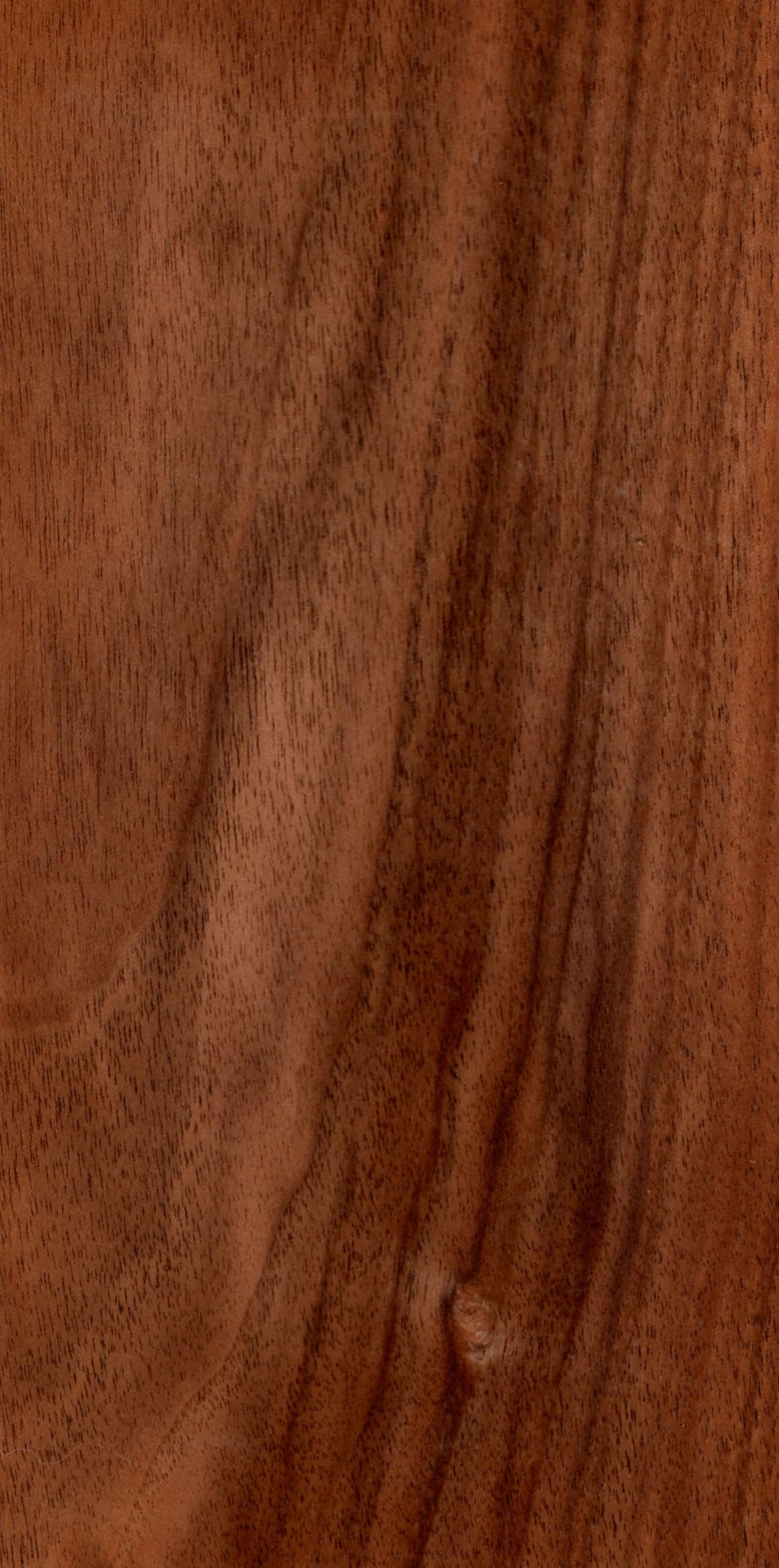
  • Fil du European Walnut

    European Walnut

    Juglans regia

    9 plateaux

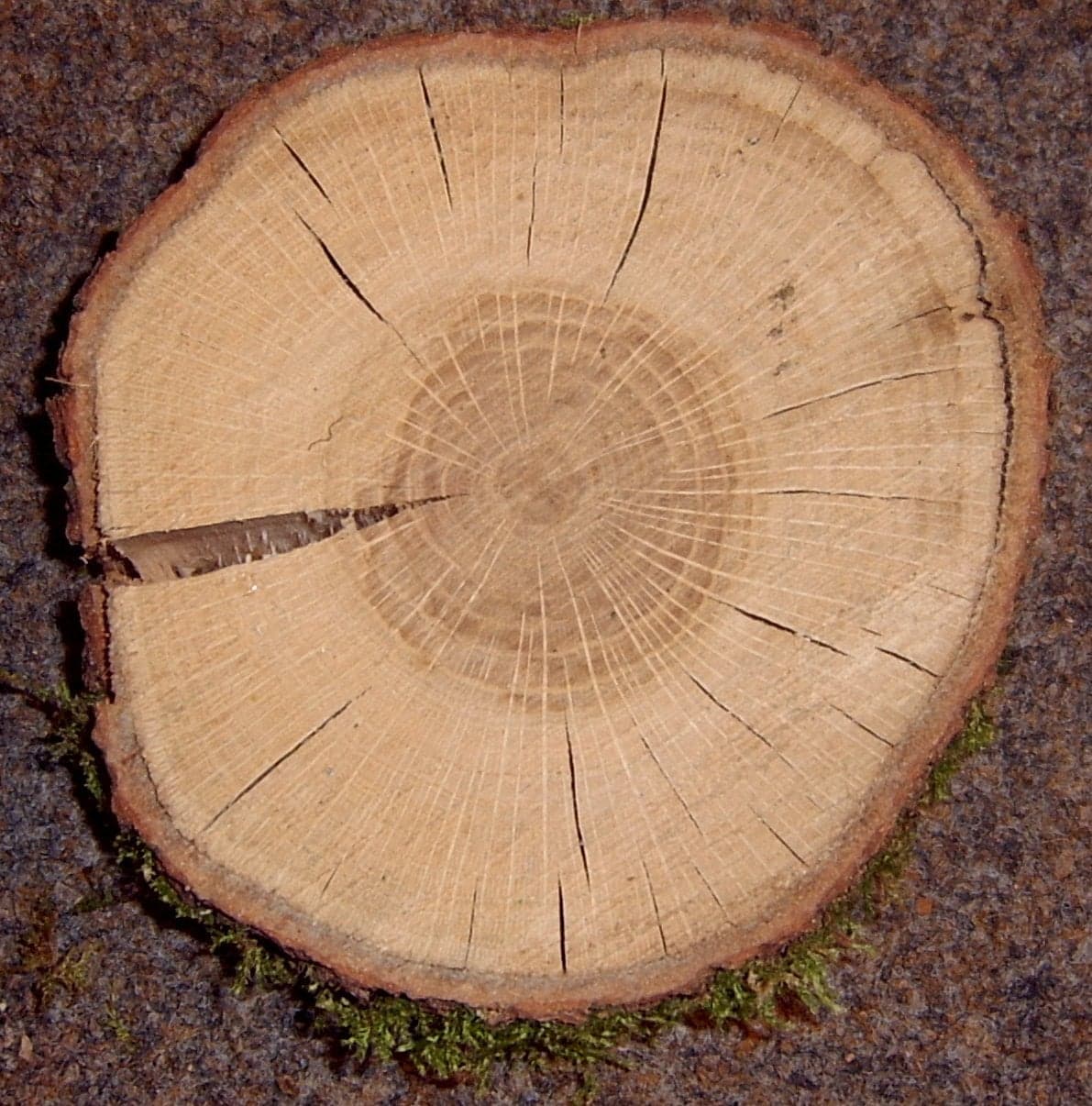
  • Fil du European Oak

    European Oak

    Quercus robur

    6 plateaux

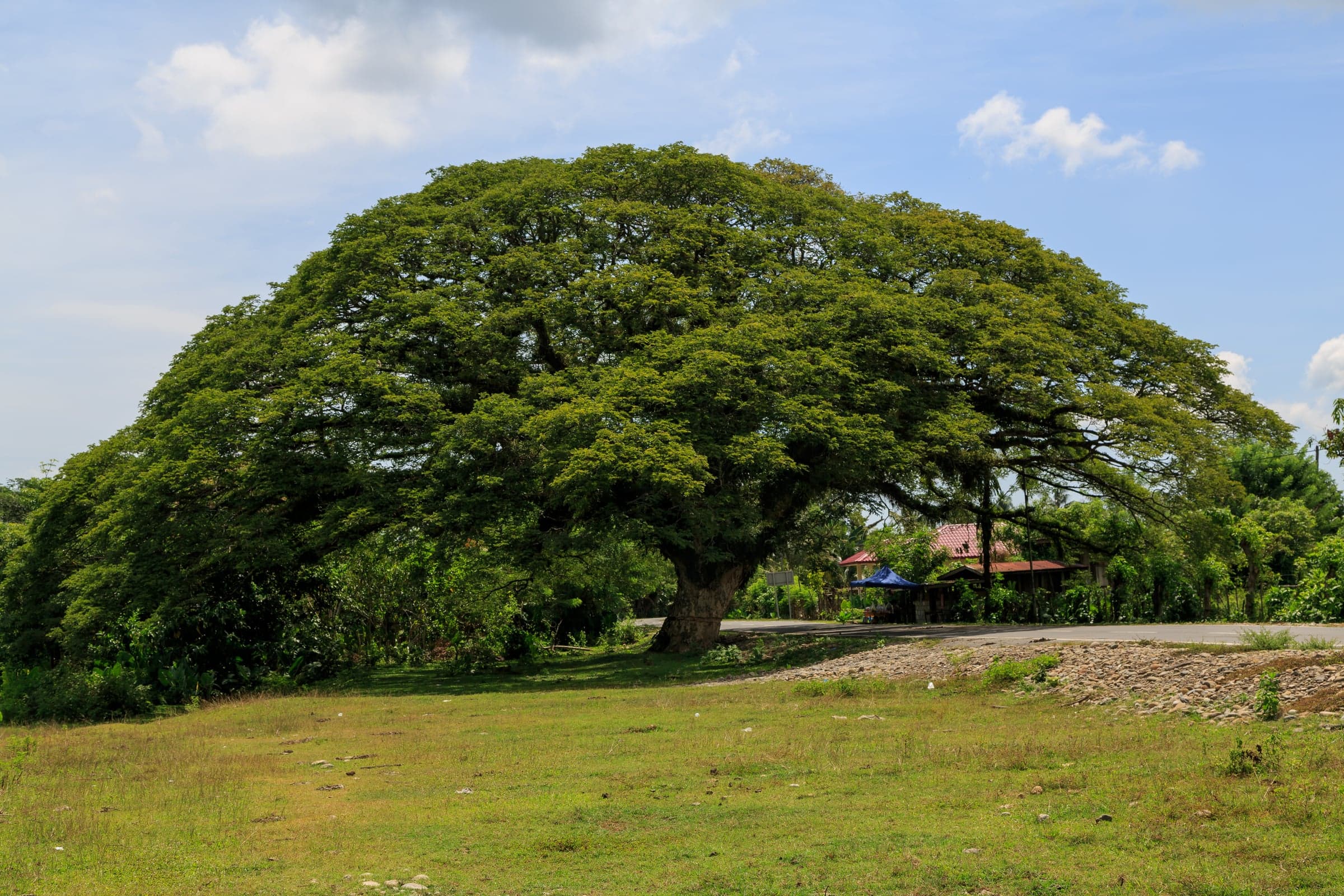
  • Fil du Saman

    Saman

    Samanea saman

    4 plateaux

Soyez informé des arrivages en Claro Walnut

Nous vous envoyons un e-mail lorsque de nouveaux plateaux en Claro Walnut arrivent chez KORENA. Chaque plateau est unique, mieux vaut donc être prévenu rapidement.

Quelques e-mails par mois. Aucun spam, désabonnement à tout moment.

Aspect du bois

Son aspect

Heartwood ranges from chocolate brown to purple-grey, often streaked with violet, gold and reddish tones. Sapwood is pale cream and usually contrasts sharply. Figure is the headline: fiddleback, marbled, feathered crotch, and dense burl clusters are common in graft-figured boards. Grain is typically straight in clear sections but wild around figure. Medium texture, satin natural lustre.

  • Chocolate-brown to purple-grey heartwood
  • Violet, gold and reddish streaking
  • Pale cream sapwood with sharp contrast
  • Fiddleback, marbled and crotch figure common
  • Often heavily figured; prized for slabs.

Travail du bois

Son travail en atelier

Works well by hand and machine across sawing, planing, sanding, turning and carving. Glues and screws without drama. Wild grain around figure and burl tears out easily, back off feed rates, use sharp tooling, and finish-sand rather than hand-plane figured zones. Steam-bending is moderate at best; not the wood for tight curves. Note: published laboratory data for Claro is limited. No reliable MOR or MOE figures exist. For structural calculations, treat mechanical properties as broadly comparable to Black Walnut (Juglans nigra) and design with that proxy in mind.

Finition

Takes oil, hardwax and lacquer cleanly. Oil finishes deepen the violet and gold tones and lift the chatoyance in fiddleback areas, worth a sample board before committing. Sand to 180–220 grit; going finer can close the surface and dull the figure. Open pores will show under high-build finishes, so grain-fill if a glass-flat surface is required.

Séchage

Dries at a moderate rate. Shrinkage is moderate (radial 4.0–4.7%, tangential 6.0–7.0%, volumetric 10.2–11.2%) with a tangential-to-radial ratio around 1.5, manageable, but figured and crotch sections can check or honeycomb if pushed. Slow kiln schedules and weighted stickering are standard for slab stock. Acclimatise indoors for several weeks before machining.

De combien va-t-il bouger ?

Le bois gonfle et se rétracte en largeur selon que l’air devient plus humide ou plus sec. Estimez le mouvement saisonnier d’un plateau en Claro Walnut avant de concevoir les fixations.

Débit
Lieu d’utilisation

Mouvement saisonnier attendu

environ 7,4 mm

Fixez le plateau avec des taquets ou des équerres à trous oblongs, sans colle ni vis trop serrées.

Modèle de retrait linéaire : largeur × (retrait ÷ 28 % de point de saturation des fibres) × variation saisonnière d’humidité. Utilise un retrait tangentiel de 6,5 % pour le Claro Walnut. Il s’agit d’une estimation de conception, pas d’une garantie.

Son prix

Sécurité et origine

  • Cultivé hors d’Europe et importé par des dépôts européens.
  • Statut sur la Liste rouge de l’UICN : évaluation mondiale de la conservation de cette essence.
  • Walnut dust contains juglone and is a known respiratory and skin sensitiser. Use extraction at the source, wear an FFP3 mask when sanding, and keep offcuts away from horses and dogs, juglone is toxic to both. Cured finished surfaces are food-contact safe.

Lire le guide completNotes détaillées sur la figure, l’évolution de la couleur, le travail et la stabilité.+

What Claro Walnut actually is#

Juglans hindsii is the northern California black walnut, and it produces the most dramatic figure in the walnut family. Its reputation rests on something that is not really a property of the species at all.

Claro is widely used as rootstock for English walnut, Juglans regia, in Californian orchards. Where the two species are grafted together, the grain at the union becomes violently disrupted, producing marbled patterning in violet, gold, orange and near black that neither species shows on its own.

Slabs cut through or near that graft union carry figure no other walnut can match, and they are priced accordingly. Plain Claro away from the union is a good walnut; graft figured Claro is a different proposition entirely.

The missing numbers#

Density at 640 kg per cubic metre and Janka hardness at 5,030 N are sourced and displayed on the species record. Modulus of rupture and elastic modulus are not shown, and that is deliberate.

Published laboratory data for Claro is limited, and no reliable MOR or MOE figures appear in the references KORENA cites. Borrowing values from Juglans nigra or Juglans regia and presenting them as Claro would produce a page that looks complete and specifies a wood that was never tested.

The practical consequence: do not use Claro where a calculated load path depends on assumed stiffness or bending strength. For a tabletop, a cabinet or a decorative slab, which is what this species is actually for, the missing figures do not constrain the decision.

Questions des acheteurs

Questions fréquentes des acheteurs

What makes Claro Walnut figure so dramatic?

+

Much of it comes from graft unions. Claro is widely used as rootstock for English walnut orchards, and where the two species join, the grain becomes violently disrupted, producing marbled violet, gold and dark brown patterning that neither species shows alone. Slabs cut through that union carry figure no other walnut can match.

Why are no MOR or MOE figures listed?

+

Published laboratory data for Claro is limited and no reliable modulus of rupture or elastic modulus values exist in the references KORENA cites. Rather than borrow figures from Juglans nigra or regia and label them Claro, those fields are left empty. Density at 640 kg per cubic metre and Janka at 5,030 N are sourced and shown.

How does it compare with Black Walnut?

+

Claro is harder at 5,030 N against 4,490 N and considerably more variable in colour, running from pale gold through orange brown to near black, often within a single slab. Black walnut is more uniformly chocolate. Claro is bought for figure and colour variation; black walnut for consistency.

Is walnut dust a hazard?

+

Propriétés mécaniques

Données techniques

Valeurs de référence publiées. Lorsque les sources divergent, la plage est indiquée et la valeur courante sert aux échelles ci-dessus.

Densité (kg/m³)Masse par mètre cube à environ 12 % d’humidité. Un bois plus lourd est généralement plus dur et plus résistant.600–680 kg/m³valeur courante 640 kg/m³
Dureté Janka (N)Force nécessaire pour enfoncer à moitié une bille d’acier dans le bois. Mesure standard de la résistance à l’enfoncement.4,700–5,400 Nvaleur courante 5 030 N
Retrait radialRetrait perpendiculaire aux cernes, du bois vert au bois anhydre. Les planches sur quartier travaillent dans ce sens.4.0–4.7 %
Retrait tangentielRetrait dans le sens des cernes. Les planches sur dosse et la plupart des plateaux travaillent dans ce sens.6.0–7.0 %
Retrait volumiqueVariation totale de volume du bois vert au bois anhydre. Une valeur basse indique une meilleure stabilité.10.2–11.2 %
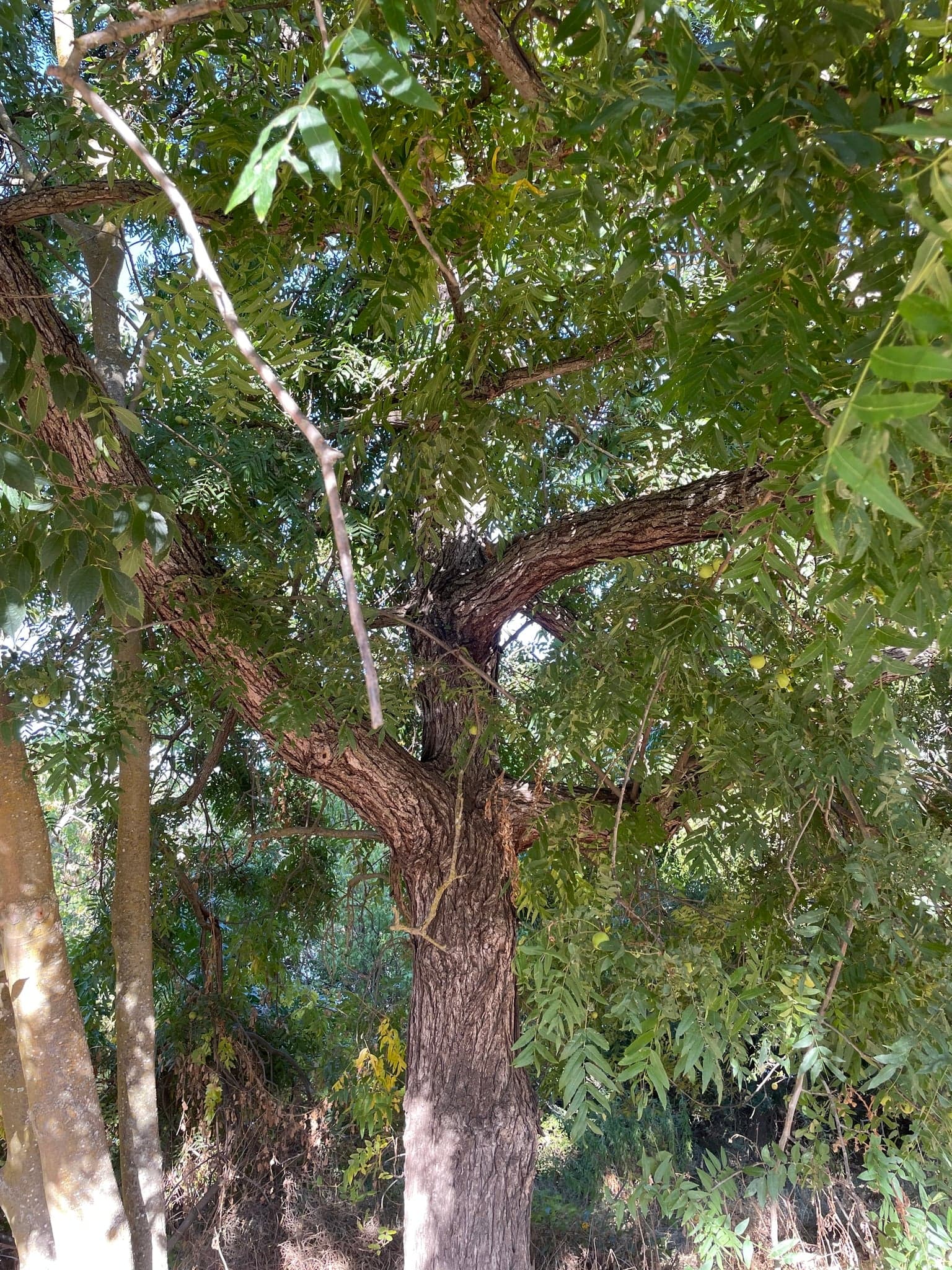
Arbre Claro Walnut

antrozousamelia, via Wikimedia Commons

Native to Northern California, not Europe. Claro reaches EU yards as imported tablestock and slabs, usually cut from orchard trees where Juglans regia was grafted onto Juglans hindsii rootstock for nut production. The graft union, root crown and crotch sections carry the figure that makes this wood sought after. Stocks in Europe are limited and lot-driven, what arrives is what was milled.

  • IUCN Least Concern, no CITES listing. EN 350 durability class 2 (durable) in heartwood; sapwood is not durable and is not rated for ground contact. Most Claro on the European market comes from Californian orchard culls and salvage rather than forest harvest, which suits the figured-tablestock trade. EUDR due diligence is in preparation and becomes mandatory for large operators from 30 December 2026, and KORENA is building each slab passport to carry origin, species, and supplier provenance.

  • Reading a Claro slab#

    Colour variation is the signature. A single slab can run from pale gold through orange and red brown to near black, often with sharp transitions rather than gradual ones.

    Sapwood is pale cream and usually left in place on a live edge slab.

    Look specifically for the graft line if the slab was cut from a grafted tree. It shows as a zone of chaotic, swirling grain, sometimes with a visible colour boundary, and it is the most valuable part of the board.

    Because Claro is an orchard tree, expect irregular form, frequent inclusions and character. Clean straight plain material exists but is not what the species is sought for.

    At the bench#

    At 5,030 N it is harder than black walnut and moderately demanding on tooling, though nothing like robinia or hornbeam.

    Figured and graft material tears out badly. The grain in a graft zone has no consistent direction at all, so no planing orientation works. Light cuts, very sharp tooling, and a scraper or high angle plane for the final surface. On material this valuable, hand finishing is the sensible default.

    Voids, bark inclusions and checks are common in graft and crotch sections, and epoxy filling is a normal part of finishing this species rather than a repair.

    It glues and finishes well, and oil finishes deepen the colour and lift the chatoyance in figured zones considerably.

    The juglone issue#

    Claro is a walnut and carries the same juglone content as its relatives. It is a documented sensitiser, with skin and respiratory irritation reported, and some woodworkers sensitise over repeated exposure.

    Run extraction and wear a mask. Shavings are toxic to many plants, must not go into mulch or compost, and must never be used as animal bedding, particularly for horses.

    Fading#

    Claro lightens with light exposure, as all walnuts do.

    The effect is more consequential here than in a uniform walnut, because Claro's appeal is its colour range. As the darkest zones lighten, the contrast across the slab softens. The figure remains; the drama moderates.

    Plan for the piece the slab becomes.

    Stability#

    Volumetric shrinkage of 10.2 percent is low for this catalogue, with tangential at 6.0 percent against radial at 4.0 percent, a narrow differential. Claro is dimensionally well behaved, which matters because it is usually used in wide single slab form.

    Decay class 2 makes it durable, though it is far too valuable to use outdoors.

    Where Claro Walnut is the right answer#

    Live edge tabletops, decorative slabs, cabinet fronts, turned work and any piece where figure and colour carry the design entirely.

    It is the wrong answer where consistency across boards is needed, where a full engineering specification is required, and where the budget is not built around a feature timber.

    Sourcing and EUDR#

    Not CITES listed and assessed as Least Concern. Native to northern California, so European buyers are importing, with a longer documentation chain and higher transport carbon. Supply comes largely from orchard removal rather than forestry. Where a European alternative is acceptable, figured Juglans regia offers comparable drama with a much shorter chain.

    Yes. Walnut contains juglone and is a documented sensitiser, with skin and respiratory irritation reported. Run extraction and wear a mask. Shavings are toxic to many plants and must never be used as animal bedding, particularly for horses.

    Does it fade like other walnuts?

    +

    Yes. Like Juglans regia and nigra it lightens with light exposure rather than darkening, mellowing toward a warmer, lighter brown and softening the contrast between the darkest and lightest zones. A UV inhibiting finish slows it without stopping it.

    Durabilité naturelle (EN 350)Norme européenne de résistance naturelle à la pourriture, de 1 (très durable) à 5 (périssable).
    Class 2 — Durable

    Références

    • The Wood Database(consultée le 2026-05-09)
    • USDA FPL Wood Handbook FPL-GTR-190 (2010)(consultée le 2026-05-09)
    • Meier, E. — WOOD! Identifying and Using Hundreds of Woods Worldwide (2015)(consultée le 2026-05-09)

    Atouts

    • Durable en extérieurClasse 2 sur 5 selon EN 350 : résiste à la pourriture en extérieur sans traitement.
    • Compatible avec les alimentsConvient aux planches, bols et surfaces en contact avec des aliments.
    • Très stableFaible mouvement saisonnier. Convient aux plateaux larges et aux assemblages serrés.
    • Adapté aux débutantsFacile à travailler à l’établi et assez tendre pour ménager les outils.

    Attention

    • Poussière irritanteUtilisez un système d’aspiration et portez un masque lors du ponçage ou de l’usinage.

    Touchez une étiquette pour afficher les détails.

    En bref

    Les niveaux utilisent les mêmes plages pour toutes les essences répertoriées par KORENA, ce qui permet de les comparer directement. La valeur mesurée figure sous chaque niveau.
    DuretéRésistance aux chocs et à l’usureMi-dur

    Dureté Janka : 5 030 N

    Dureté proche de celle du chêne européen

    PoidsPoids d’un plateau à souleverMoyen

    640 kg/m³

    StabilitéFaible mouvement au fil des saisonsBonne stabilité

    10,7 % de retrait volumique

    TravailSciage, rabotage, ponçage, collageFacile

    4,0 / 5 de moyenne à l’atelier

    Usage extérieurRésistance naturelle à la pourriture, EN 350Extérieur

    EN 350 classe 2

    • Sciage · Très bonQualité de la coupe et usure des lames.1 = difficile · 5 = excellent
    • Rabotage · Très bonLissage de la surface et risque d’arrachement.1 = difficile · 5 = excellent
    • Ponçage · Très bonRapidité du ponçage sans encrasser le papier.1 = difficile · 5 = excellent
    • Tournage · Très bonQualité de coupe et de finition au tour.1 = difficile · 5 = excellent
    • Sculpture · Très bonNetteté des détails obtenus à la gouge.1 = difficile · 5 = excellent
    • Collage · Très bonFiabilité des assemblages collés.1 = difficile · 5 = excellent
    • Tenue des vis / clous · Très bonTenue des vis et des clous sans fendre le bois.1 = difficile · 5 = excellent
    • Cintrage à la vapeur · BonAptitude à prendre une courbe après étuvage.1 = difficile · 5 = excellent

    Aucune référence de marché n’est encore disponible pour le Claro Walnut. Chaque plateau KORENA est tarifé individuellement par son dépôt partenaire.