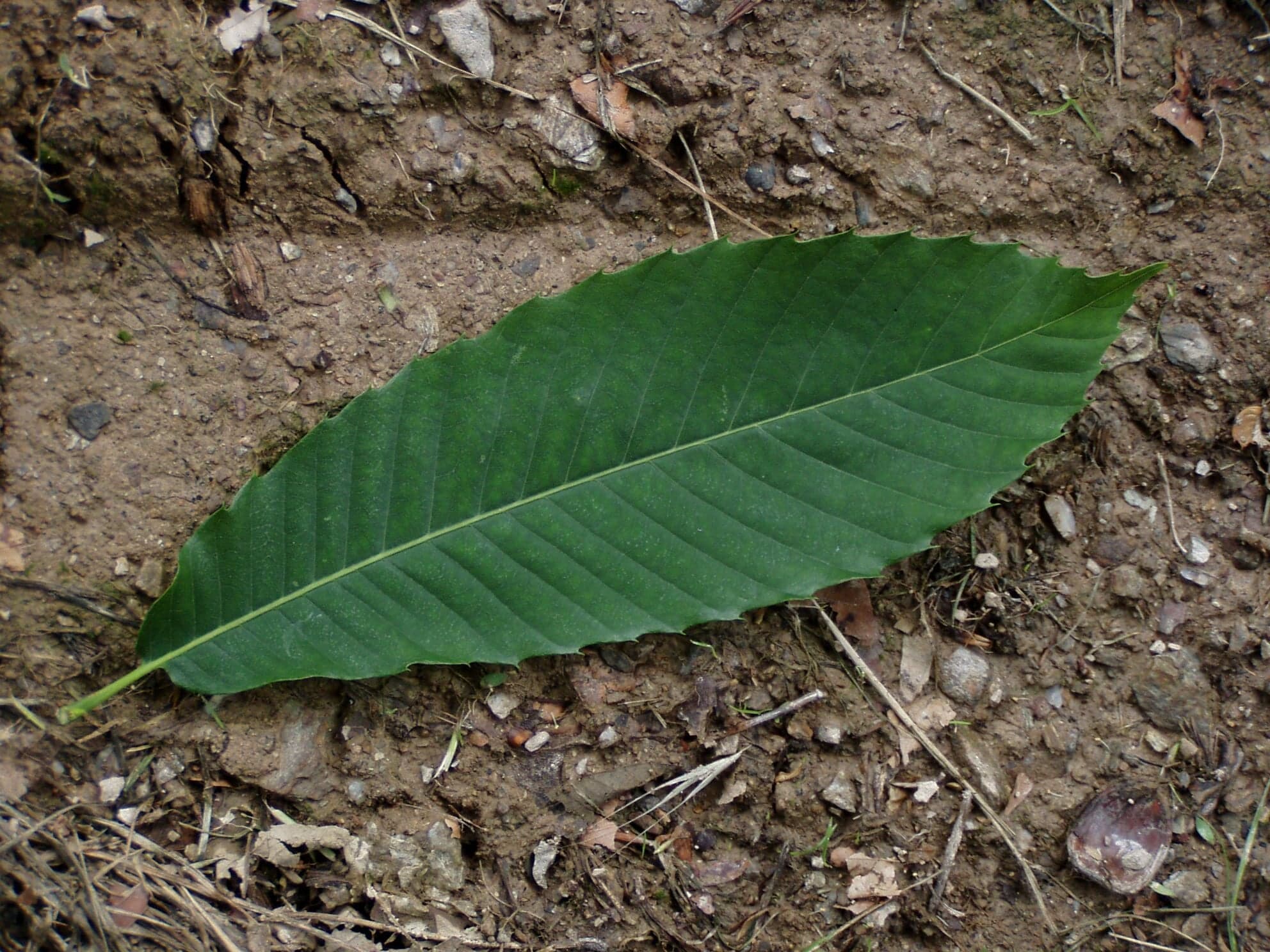
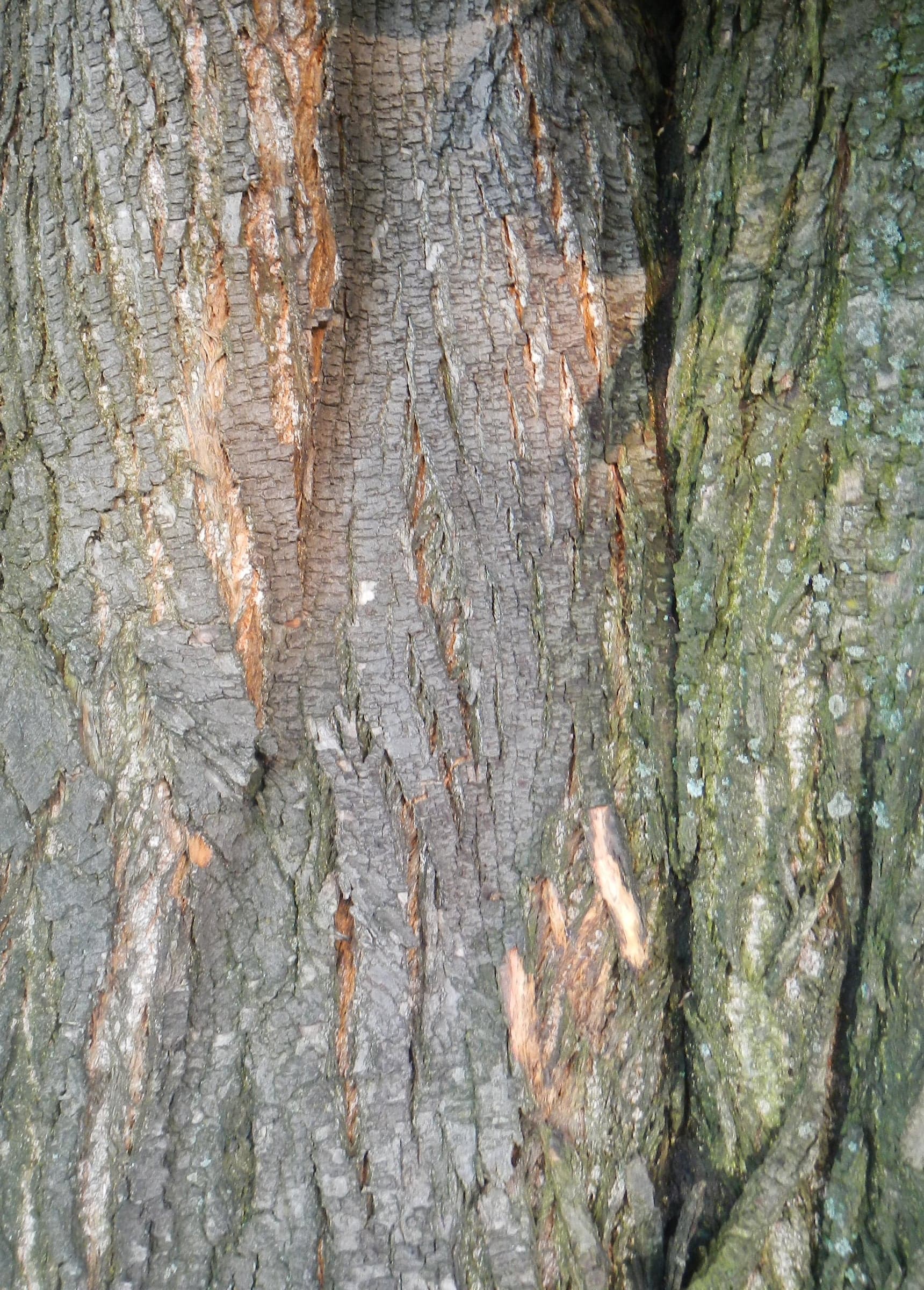
Castanea sativa
Sweet Chestnut
A lighter, softer cousin of oak. Tannin-rich heartwood gives it real durability outdoors, but those same tannins react with iron, so fixings need to be stainless or brass.
- Καλλιεργείται και υλοτομείται στην Ευρώπη.
- Βοτανική ομάδα. Τα μαλακά ξύλα προέρχονται από κωνοφόρα, τα σκληρά από πλατύφυλλα δέντρα.
- Η βοτανική οικογένεια στην οποία ανήκει το είδος.
Ειδοποιήστε με όταν φτάσειΕίδος αναφοράς. Δεν υπάρχουν κομμάτια σε απόθεμα αυτήν τη στιγμή.
Είναι κατάλληλο για το έργο σας;
Ιδανικό για
- External cladding and rainscreens
- Interior wall and ceiling panelling
- Barn-style and rustic furniture frames
- Garden furniture and pergolas
- Coopered tanks, vats, and planters
- Beams and exposed structural framing
Δεν υπάρχει Sweet Chestnut στην τρέχουσα παρτίδα
Παρόμοια είδη σε απόθεμα
Δεν υπάρχει Sweet Chestnut αυτήν τη στιγμή. Αυτά τα είδη ταιριάζουν στα ίδια έργα και υπάρχουν διαθέσιμα κομμάτια.
Ειδοποιήσεις για Sweet Chestnut
Σας στέλνουμε email όταν φτάνουν στην KORENA νέες τάβλες Sweet Chestnut. Κάθε κομμάτι είναι μοναδικό, γι’ αυτό η έγκαιρη ειδοποίηση έχει σημασία.
Όψη ξυλείας
Πώς φαίνεται
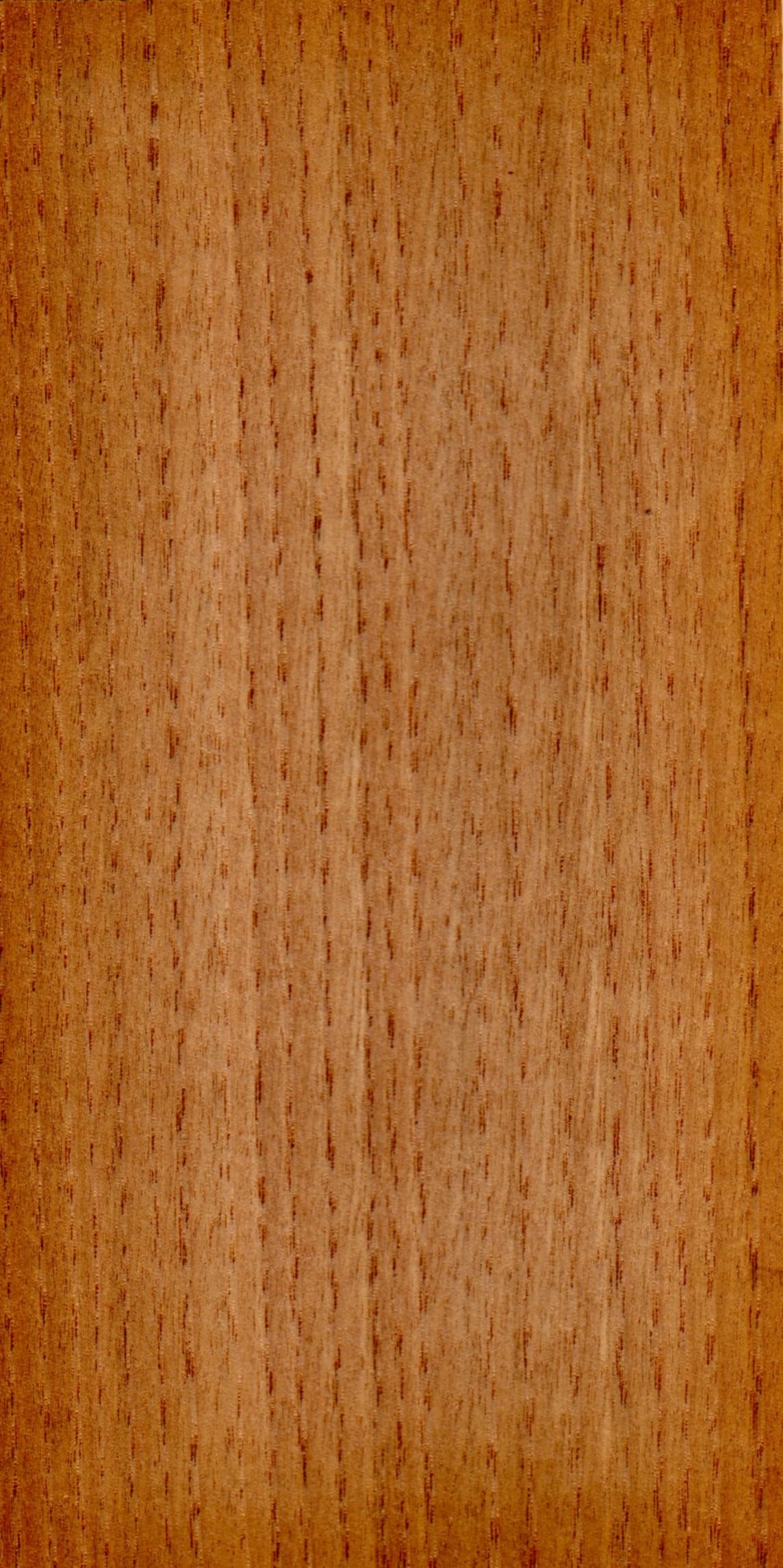
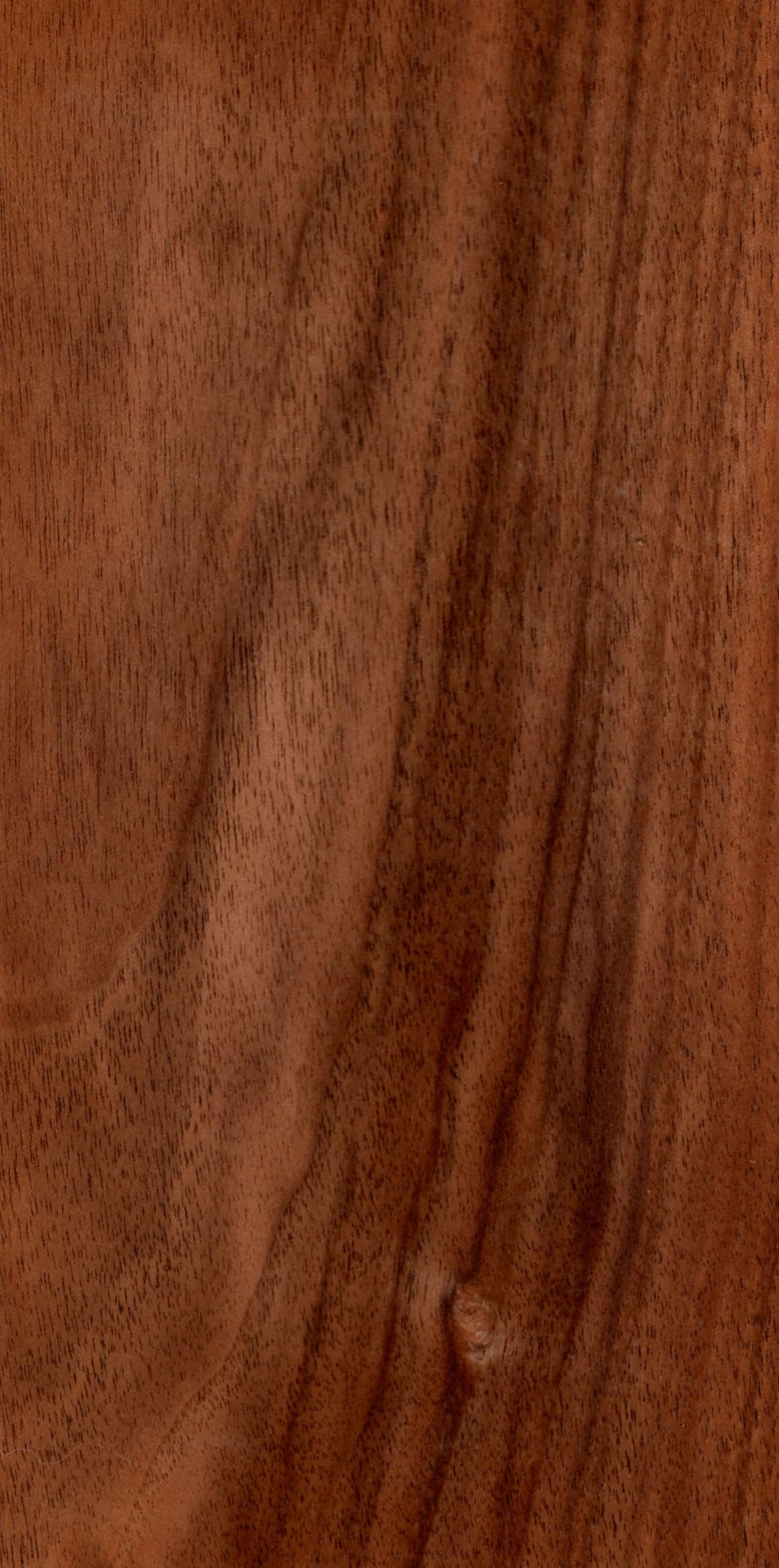
Straight-grained and coarse-textured, with prominent ring-porous figure that reads as oak at a glance. Heartwood is a warm honey-brown that ambers with age; sapwood is a narrow pale band. Lacks oak's strong medullary rays, so quartersawn faces are calmer and less flecked.
- Heartwood: warm honey to mid-brown, ambers with age
- Sapwood: narrow, pale cream to light straw
- Fumed: deep chocolate to near-black with ammonia
- Oiled: pulls warmer and slightly redder than oak
- Weathered outdoors: silver-grey patina within 1–2 seasons
- Straight grain, coarse texture; resembles oak.
Κατεργασία
Κατεργασία
Saws and planes well with sharp tooling. Softer than oak, so it dents more easily but is also kinder on edges. Splits readily when screwed near ends or edges, pre-drill and countersink. Glues and steam-bends predictably. Turning is workable but the coarse grain can tear on end-grain cuts.
Φινίρισμα
Takes oil, hardwax, and water-based finishes cleanly. Open pores benefit from a grain filler if you want a glass-flat surface, or leave them open for a tactile, oak-like read. Fuming with ammonia darkens it deeply thanks to the high tannin content. Test stains on offcuts, tannins can pull cool tones grey.
Ξήρανση
Dries slowly and is prone to ring shake and honeycomb if pushed. Air-dry to around 25–30% MC before kilning, then run a gentle schedule. Movement in service is moderate, tangential shrinkage near 7% means wide boards want room to move in panels and tabletops.
Πόσο θα κινηθεί;
Το ξύλο διογκώνεται και συρρικνώνεται κατά πλάτος καθώς ο αέρας γίνεται πιο υγρός ή πιο ξηρός. Υπολογίστε την εποχική κίνηση μιας επιφάνειας Sweet Chestnut πριν σχεδιάσετε τις συνδέσεις.
Αναμενόμενη εποχική κίνηση
περίπου 7,7 mm
Στερεώστε την επιφάνεια με συνδέσμους ή στηρίγματα με εγκοπές, όχι με κόλλα ή σφιχτές βίδες.
Μοντέλο γραμμικής συρρίκνωσης: πλάτος × (συρρίκνωση ÷ 28 % σημείο ινοκόρου) × εποχική μεταβολή υγρασίας. Χρησιμοποιεί 6,75 % εφαπτομενική συρρίκνωση για Sweet Chestnut. Πρόκειται για εκτίμηση σχεδιασμού, όχι εγγύηση.
Πόσο κοστίζει
Ασφάλεια και προμήθεια
- Καλλιεργείται και υλοτομείται στην Ευρώπη.
- Κατάσταση στον Κόκκινο Κατάλογο της IUCN: η παγκόσμια αξιολόγηση διατήρησης αυτού του είδους.
Dust is a reported skin and respiratory sensitiser, extract at source and wear a fitted mask when sanding or routing. Heartwood is rated food-contact safe once finished. Critical detail: chestnut tannins react with iron and produce black staining wherever the two meet in the presence of moisture. Use stainless steel or brass fixings, and keep iron tooling off damp stock.
Διαβάστε τον πλήρη οδηγόΑναλυτικές σημειώσεις για τα σχέδια των νερών, την αλλαγή χρώματος, την κατεργασία και τη σταθερότητα.
What Sweet Chestnut actually is#
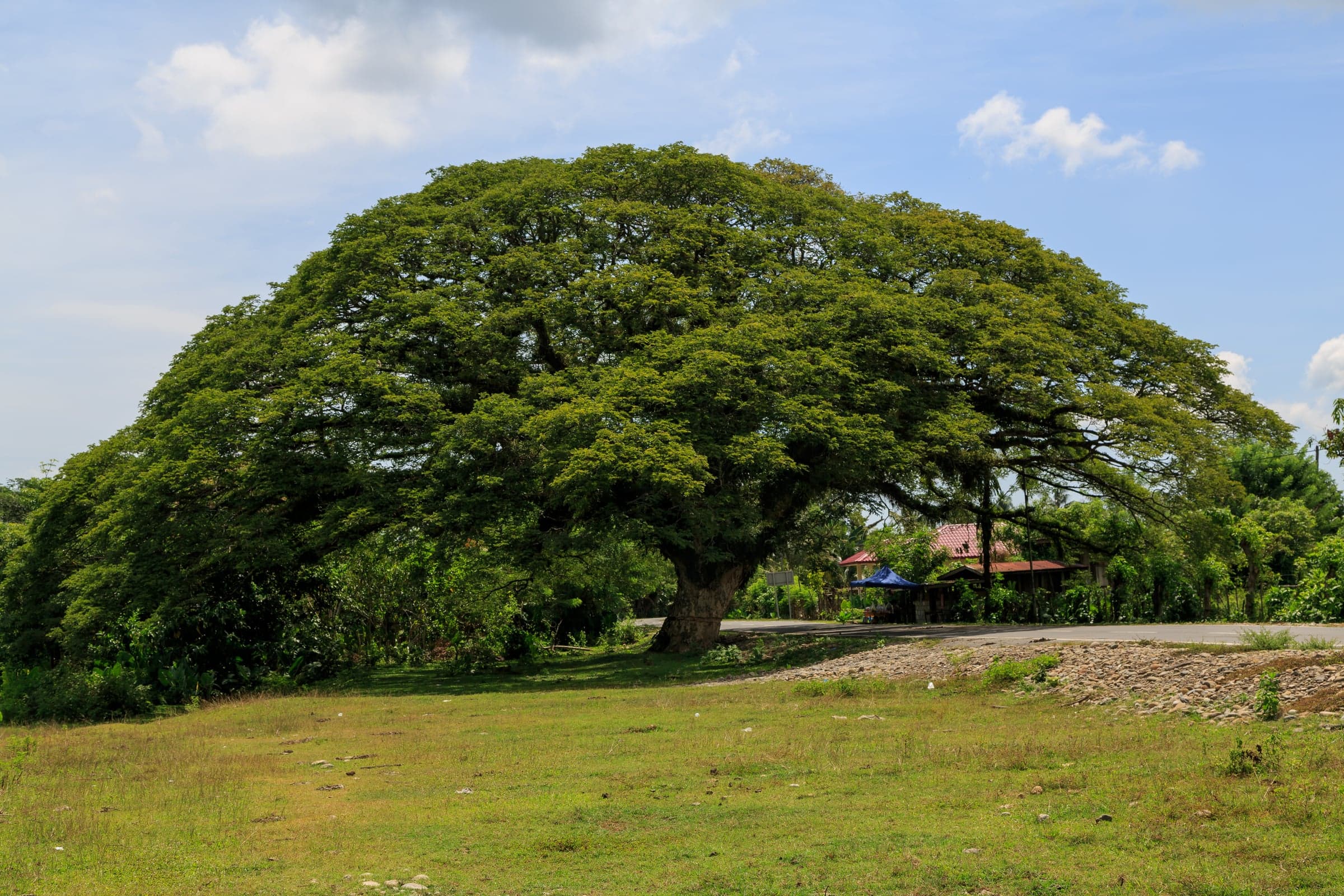
Castanea sativa is often sold as the light alternative to oak, and for appearance and durability that description holds. It is ring porous with a similar grain pattern, it carries a similar warm brown colour, and at decay class 2 it is genuinely durable outdoors.
Where the comparison breaks down is hardness. At 3,010 N Janka chestnut is the softest hardwood in this catalogue apart from black poplar, softer than Scots Pine and less than two thirds as hard as oak. Anyone expecting oak-like wear resistance from an oak-like appearance will be disappointed.
The other difference is visible: chestnut lacks oak's prominent rays, so a quartersawn chestnut board shows no ray fleck.
Ring shake, which is the thing to inspect for#
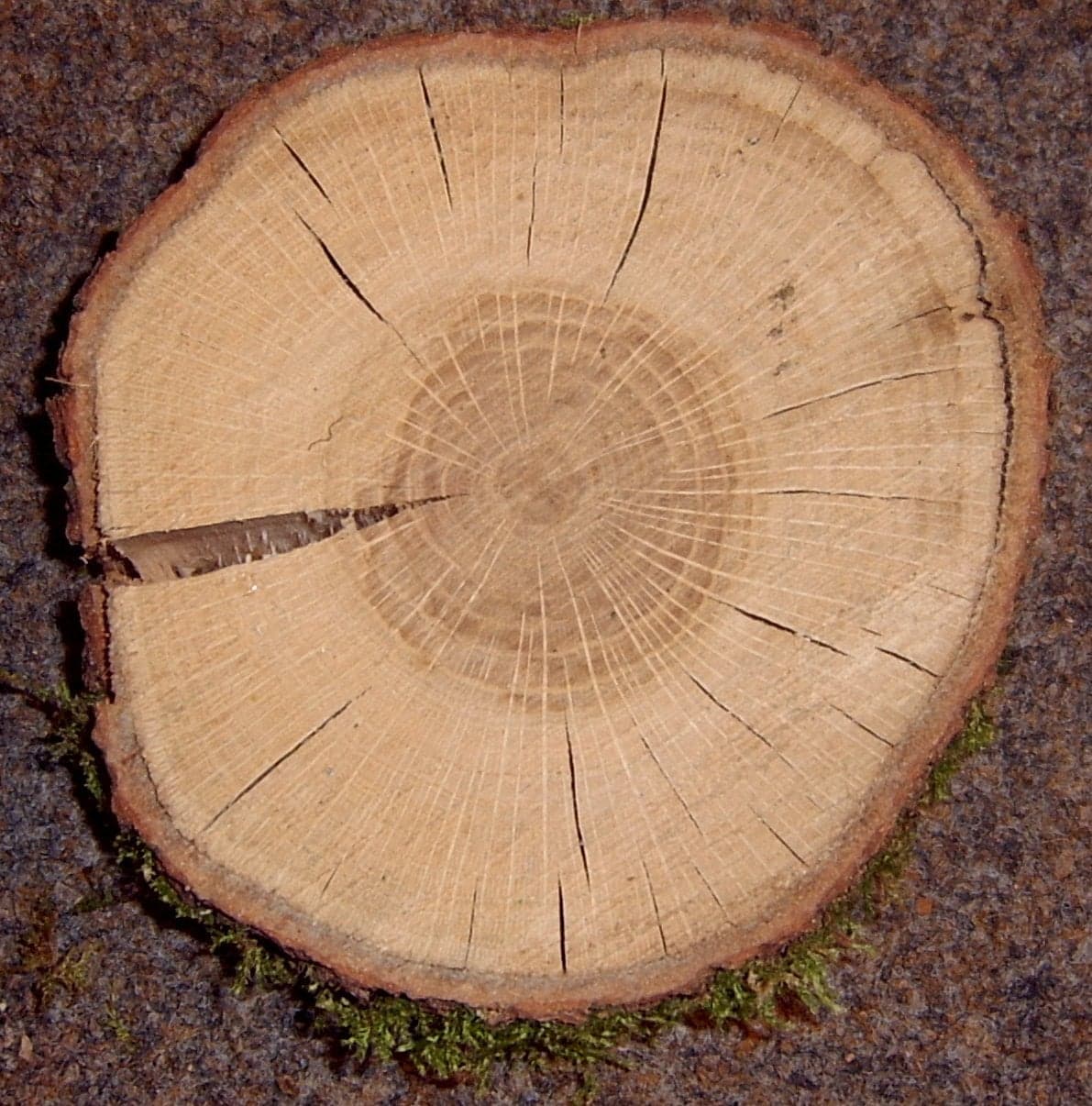
Chestnut is notably prone to ring shake, a separation along a growth ring inside the log.
The problem is that it frequently does not show on a rough sawn face. A board looks sound, gets machined, and the shake opens into a crescent shaped split that follows the ring and effectively ruins it.
This is the main reason chestnut yields far less usable timber than the abundance of the tree suggests, and it is the main reason to look carefully rather than quickly at a chestnut slab. Check end grain for any ring separation, and look along the length in raking light for a crescent line.
Ερωτήσεις αγοραστών
Ερωτήσεις αγοραστών
How is Sweet Chestnut different from oak?
It looks similar and is durable like oak, but it is much lighter and softer at 590 kg per cubic metre and 3,010 N Janka against 675 and 4,980 for European oak. Chestnut also lacks the prominent rays, so it has no ray fleck on quartersawn faces. It is often described as oak without the weight, which is fair for appearance and durability but not for hardness.
What is ring shake and why does it matter in chestnut?
A separation along a growth ring inside the log, which chestnut is particularly prone to. It may be invisible on a rough sawn surface and open up after machining, effectively ruining a board. It is the main reason chestnut yields less usable timber than its abundance suggests, and the main thing to inspect for when buying.
Can it be used outdoors?
Yes. At decay class 2 it is durable, and its high tannin content gives real resistance to rot. Chestnut has been the traditional European timber for fencing, cladding, shingles and outdoor structures for centuries, and coppiced chestnut fence posts are still a standard product.
Does it stain black like oak?
Μηχανικές ιδιότητες
Τεχνικά στοιχεία
Δημοσιευμένες τιμές αναφοράς. Όπου οι πηγές διαφωνούν, εμφανίζεται το εύρος και η τυπική τιμή χρησιμοποιείται στις παραπάνω κλίμακες.
| Πυκνότητα (kg/m³)Μάζα ανά κυβικό μέτρο σε υγρασία περίπου 12 %. Το βαρύτερο ξύλο είναι συνήθως σκληρότερο και ισχυρότερο. | 540–650 kg/m³τυπική τιμή 590 kg/m³ |
|---|---|
| Σκληρότητα Janka (N)Η δύναμη που απαιτείται για να εισχωρήσει μια χαλύβδινη σφαίρα μέχρι τη μέση στο ξύλο. Είναι το καθιερωμένο μέτρο αντοχής στα βαθουλώματα. | 2,700–3,300 Nτυπική τιμή 3.010 N |
| MOR: μέτρο θραύσης (MPa)Αντοχή σε κάμψη: το φορτίο στο οποίο σπάει μια δοκός. | 70–85 MPa |
| MOE: μέτρο ελαστικότητας (GPa)Ακαμψία σε κάμψη: πόσο λυγίζει ένα ράφι ή μια επιφάνεια υπό φορτίο. | 8.0–10.0 GPa |
| Ακτινική συρρίκνωσηΣυρρίκνωση εγκάρσια προς τους αυξητικούς δακτυλίους, από χλωρό έως πλήρως ξηρό ξύλο. Έτσι κινούνται οι ακτινικά πρισμένες τάβλες. | 3.5–4.5 % |