KORENA
TräFinished piecesTillbehörPartnerlagerTräjournal

Få besked

Varje planka är unik. När den säljs är den borta. Vi skickar e-post när nya exemplar läggs ut: nya leveranser, nya träslag och brädor som matchar en projektbeskrivning.

Några e-postmeddelanden i månaden. Ingen skräppost, avregistrera dig när som helst.

KORENA, förstklassigt lövträ

Ett stycke i taget.

Verifierat förstklassigt lövträ, sålt stycke för stycke. Varje planka fotograferas, mäts och skickas från partnerlagret med ett träpass.

Handla

  • Bläddra bland produkter
  • Sålda plankor
  • Spåra beställning

Lär dig

  • Artiklar
  • Guider om träslag
  • Ordlista
  • Jämför
  • Författare

Hjälp

  • Om oss
  • Så fungerar det
  • Bli partnerlager
  • Hitta en planka
  • Kundtjänst
  • Dokumentmallar
  • För press

Köp

  • Köpvillkor
  • Ångerrätt
  • Returer och garanti
  • Frakt och leverans

Trygghet

  • Integritetspolicy
  • Kakpolicy
  • Träets ursprung och EUDR
  • Tillgänglighet

Företagsuppgifter

  • Juridisk information / Företagsuppgifter
  • Tillåten användning
  • Immateriella rättigheter och innehåll

© 2026 KORENA. Alla rättigheter förbehållna.

Drivs av Martial Labs Ltd. (BG, EIK 207453941). KORENA är ett handelsnamn som tillhör Martial Labs Ltd.

Vi respekterar din integritet

Vi använder nödvändiga kakor för att webbplatsen ska fungera. Med ditt tillstånd använder vi också kakor för analys, personanpassat innehåll och annonser. Du kan när som helst ändra dig på sidan samtyckesinställningar. Se vår kakpolicy och integritetspolicy.

  1. Hem
  2. /
  3. Träslag
  4. /
  5. Sycamore Maple

Acer pseudoplatanus

Sycamore Maple

Pale, lustrous European hardwood with a creamy near-white surface. Often quartersawn to bring out ray fleck, and prized in curly form for violin and cello backs.

  • Odlat och avverkat i Europa.
  • Botanisk grupp. Barrträ kommer från barrträd, lövträ från bredbladiga träd.
  • Den botaniska familj som träslaget tillhör.
Få besked när det kommer inReferensträslag. Inga plankor i lager just nu.
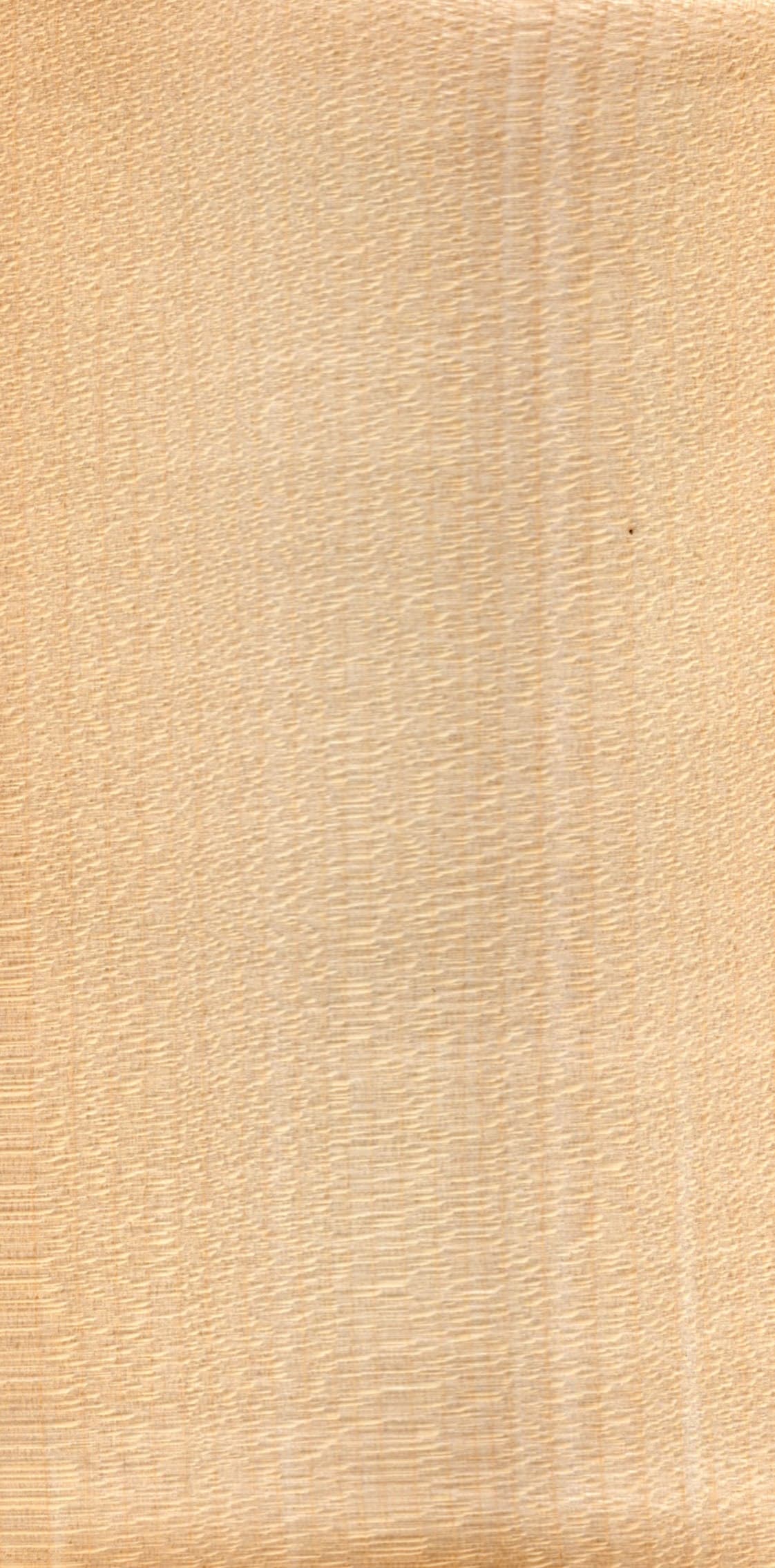
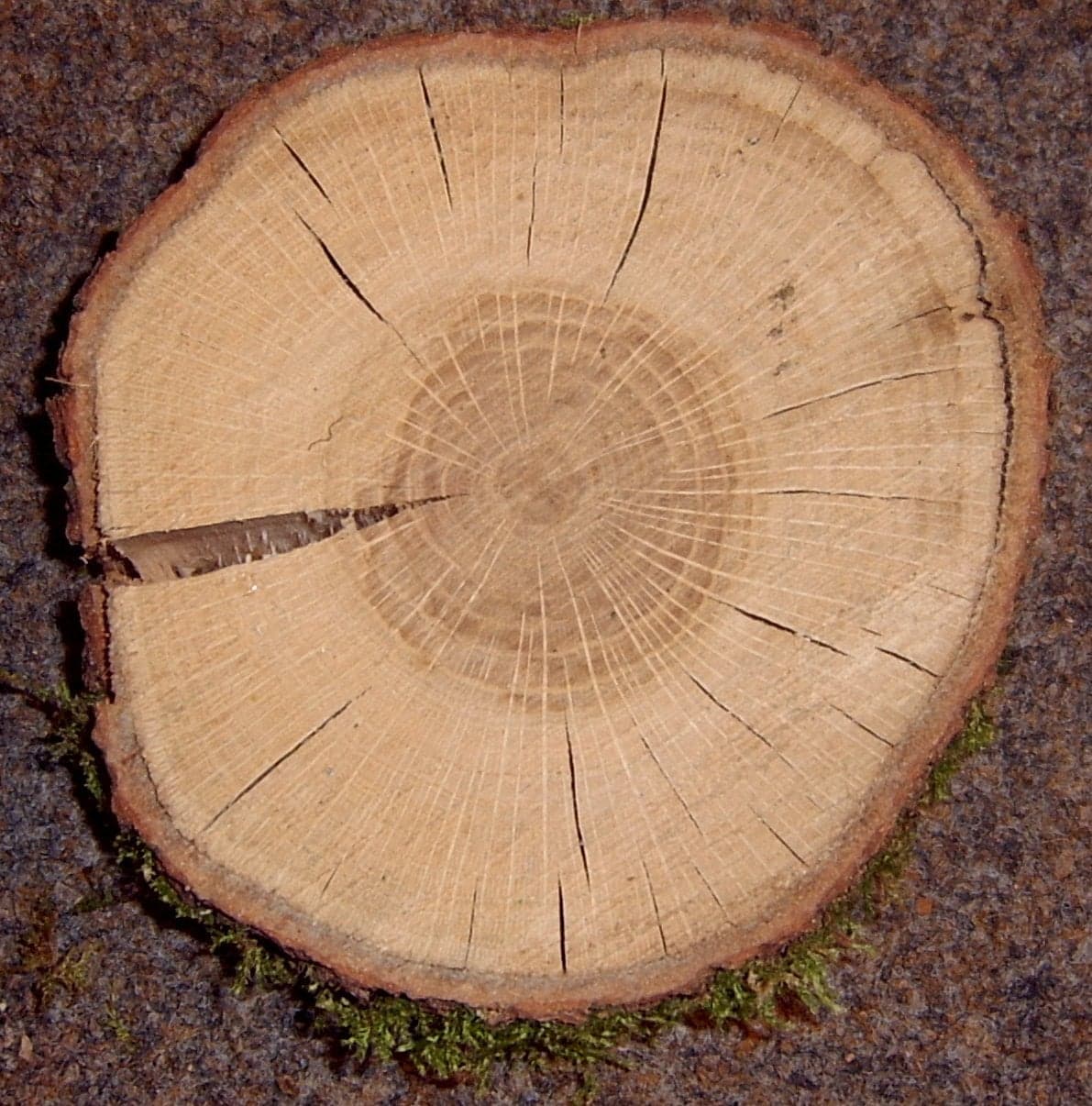
Ådring i Sycamore Maple
  • Passar projektet
  • I lager
  • Utseende
  • Bearbetning
  • Rörelse
  • Pris
  • Säkerhet och inköp
  • Frågor
  • Tekniska data

Passar det ditt projekt?

Passar bra för

  • Violin, viola and cello backs, sides and necks (fiddleback stock)
  • Kitchen worktops, butcher blocks and chopping boards
  • Light-toned furniture, cabinetry and shelving
  • Turned bowls, treen and tool handles
  • Interior joinery, stair parts and panelling
  • Marquetry and inlay where a near-white ground is needed

Ingen Sycamore Maple i det aktuella släppet

Liknande träslag i lager

Ingen Sycamore Maple just nu. De här träslagen passar samma projekt och finns i lager.
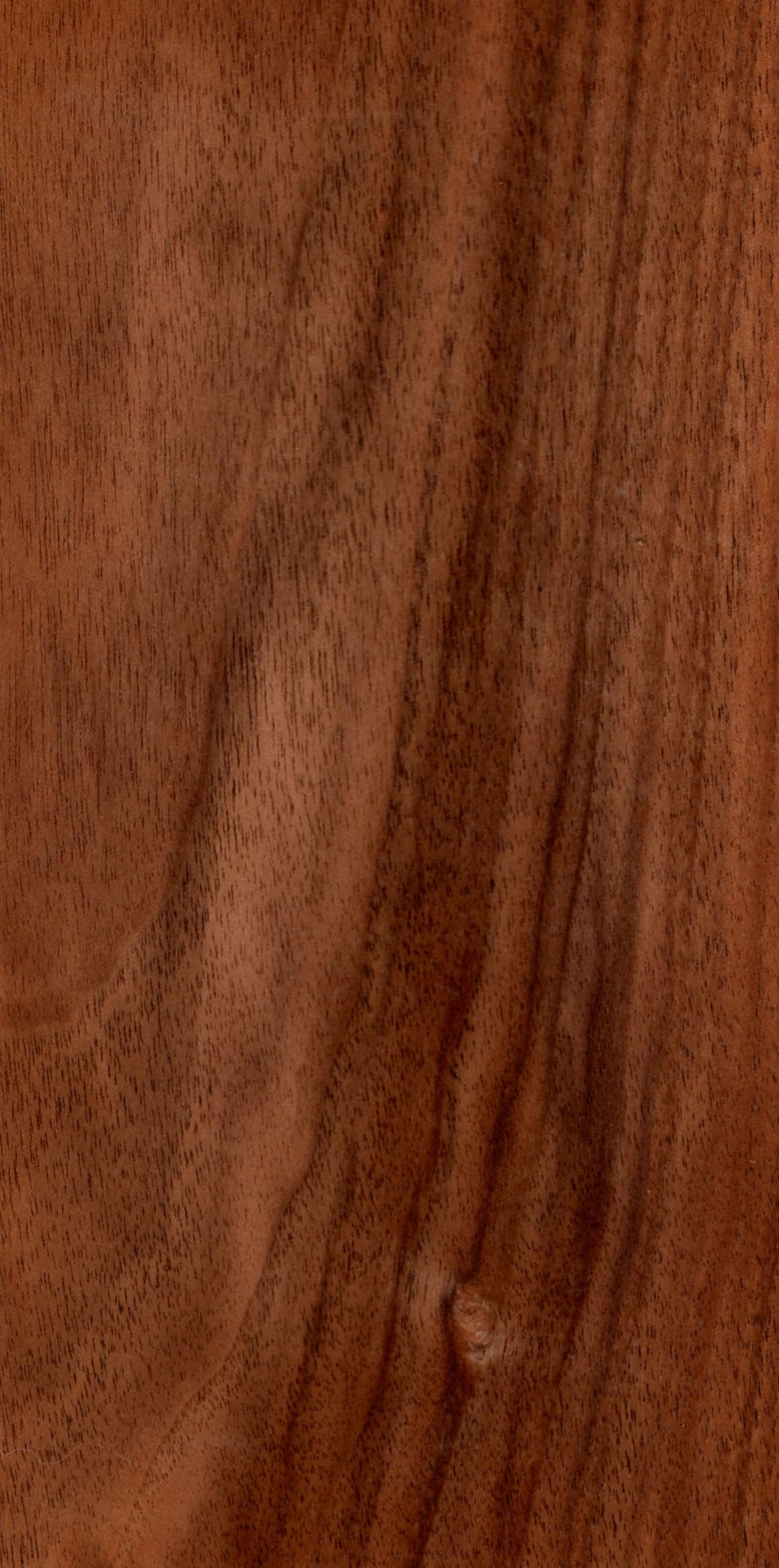
  • Ådring i European Walnut

    European Walnut

    Juglans regia

    9 exemplar

  • Ådring i European Oak

    European Oak

    Quercus robur

    6 exemplar

  • Ådring i Saman

    Saman

    Samanea saman

    4 exemplar

Få besked om Sycamore Maple

Vi skickar e-post när nya plankor i Sycamore Maple kommer till KORENA. Varje exemplar är unikt, så det är bra att få besked tidigt.

Några e-postmeddelanden i månaden. Ingen skräppost, avregistrera dig när som helst.

Träets utseende

Så ser det ut

Sycamore maple runs creamy white to pale yellow with a fine, even texture and a soft natural sheen. Grain is usually straight, with occasional wavy or interlocked sections. Quartersawn boards show small ray fleck. The most sought-after cut is fiddleback, a tight, rippled curl that catches light across the board and has been used for violin, viola and cello backs since the Cremonese workshops of Stradivari and Guarneri.

  • Creamy white to pale yellow when freshly machined
  • Soft natural lustre, especially on quartersawn faces
  • Small ray fleck on quartersawn boards
  • Fiddleback or curly figure in select boards, three-dimensional ripple under light
  • Ambers gently toward warm straw under UV exposure
  • Pale, lustrous; often quartersawn for ray fleck.

Bearbetning

Så bearbetas det

Works well across the board. Saws, planes, sands and glues cleanly, and turns excellently, it is a long-standing choice for treen, bowls and tool handles. Curly and fiddleback stock will tear out under straight blades; use sharp tooling, light cuts and a high cutting angle, or sand through grits. Screws and holds fastenings without splitting at sensible pilot sizes.

Ytbehandling

The pale colour is part of the appeal, so most makers stay with water-based or hardwax oil finishes that keep the surface near-white. Oil-based and polyurethane finishes warm the wood toward straw yellow. Expect a slow ambering shift under UV regardless, pieces stored in shade stay paler for longer. Sands cleanly to a high polish. On figured stock, a thin coat of dilute shellac before the topcoat lifts the chatoyance.

Torkning

Dries fairly quickly but is prone to fungal staining and grey discolouration if left in stick during warm, humid weather. The traditional remedy is to fell in winter and end-rack boards vertically so air moves across both faces. Tangential shrinkage of 7.5–9.0% against radial 4.0–5.5% gives a moderate T/R ratio, so quartersawn stock stays flatter in service. Acclimatise indoors before machining final dimensions.

Hur mycket kommer det att röra sig?

Trä sväller och krymper över bredden när luften blir fuktigare och torrare. Beräkna årstidsrörelsen hos en skiva i Sycamore Maple innan du utformar infästningarna.

Sågsätt
Miljön där den ska stå

Förväntad årstidsrörelse

cirka 9,4 mm

Fäst skivan med sargar eller beslag med spår, inte med lim eller hårt åtdragna skruvar.

Linjär krympningsmodell: bredd × (krympning ÷ 28 % fibermättnad) × årstidsvariation i fuktkvot. Använder 8,25 % tangentiell krympning för Sycamore Maple. Ett planeringsvärde, inte en garanti.

Vad det kostar

Säkerhet och inköp

  • Odlat och avverkat i Europa.
  • Status på IUCN:s rödlista: den globala bedömningen av träslagets bevarandestatus.
  • Food-contact safe and a classic European choice for butcher blocks, chopping boards and kitchen treen. Maple dust is a known respiratory sensitiser and is listed as a carcinogen in some jurisdictions, extract at the tool and wear a fitted P3 mask when sanding or routing.

Läs hela guidenFördjupning om ådring, färgförändring, bearbetning och stabilitet.+

What European Sycamore actually is#

Acer pseudoplatanus is a maple, despite the name. It is the whitest timber in this catalogue and the traditional European choice wherever a pale, clean, food-safe surface is wanted.

The naming causes real confusion. European Sycamore is a maple. American sycamore is Platanus occidentalis, a plane tree. London Plane, which KORENA also lists, is Platanus x acerifolia and is the European plane. The three are unrelated and work differently. Buy on the botanical name.

Keeping it white#

The pale colour is the whole point of this species and it is fragile.

Freshly converted sycamore stains easily. If boards are flat stacked and left, fungal staining greys them within weeks. The traditional handling is end rearing, standing the boards on end so air moves freely and moisture drains, and prompt drying after conversion.

A greyed or blue stained sycamore board is not structurally damaged but it has lost the property you were buying.

In use, the threat is the finish. Oil finishes amber pale woods, and sycamore starts whiter than anything else here so it shows the shift most. A clear water based finish or a low yellowing hardwax oil preserves the colour; a standard oil turns it distinctly yellow, permanently.

The figure

Köparnas frågor

Frågor som köpare ställer

Is European Sycamore the same as American sycamore?

+

No, and the naming is genuinely confusing. European Sycamore is Acer pseudoplatanus, a maple. American sycamore is Platanus occidentalis, a plane tree, and its European counterpart is London Plane, Platanus x acerifolia, which KORENA also lists. The three are unrelated and behave differently. Check the botanical name.

Why is sycamore used for violin backs?

+

Its fine even texture, good stiffness and frequent curly figure suit it acoustically and visually, and it has been the traditional back, ribs and neck timber for violins since the Cremonese makers. Figured sycamore with strong flame is still sold specifically as fiddleback for this purpose.

How do I keep it white?

+

Sycamore is prized for being one of the whitest European timbers and it discolours easily. It must be dried promptly and end reared rather than flat stacked, or fungal staining greys it. In use, avoid oil finishes, which pull it yellow, and use a clear water based finish or a low yellowing hardwax oil instead.

What is rippled or fiddleback sycamore?

+

Mekaniska egenskaper

Tekniska data

Publicerade referensvärden. När källorna skiljer sig åt visas intervallet och det typiska värdet används i skalorna ovan.

Densitet (kg/m³)Massa per kubikmeter vid cirka 12 % fuktkvot. Tyngre trä är oftast hårdare och starkare.570–660 kg/m³typiskt 615 kg/m³
Janka-hårdhet (N)Kraften som krävs för att pressa in en stålkula halvvägs i träet. Standardmåttet på motstånd mot märken.4,400–5,000 Ntypiskt 4 680 N
MOR: böjhållfasthet (MPa)Böjhållfasthet: belastningen då en balk går av.95–115 MPa
MOE: elasticitetsmodul (GPa)Böjstyvhet: hur mycket en hylla eller skiva böjer ned under belastning.9.5–11.5 GPa
Radiell krympningKrympning tvärs årsringarna, från rått till ugnstorrt. Kvartssågade brädor rör sig så här.4.0–5.5 %
Tangentiell krympningKrympning längs årsringarna. Plainsågade brädor och de flesta plankor rör sig så här.

Achim Raschka (talk), via Wikimedia Commons

Styrkor

  • LivsmedelssäkertPassar för skärbrädor, skålar och ytor som kommer i kontakt med mat.
  • Böjs välBetyg 4 av 5 för ångböjning. Klarar snäva kurvor.

Native to central and southern European mountain regions and broadly available across the EU. Acer pseudoplatanus is the species behind 'European sycamore' and 'great maple', and is the same tree sold in the UK timber trade as English sycamore. It is not related to American sycamore (Platanus).

  • IUCN Least Concern, no CITES listing, and grown across European managed forests, so FSC or PEFC stock is straightforward to source. Decay class 5 under EN 350 means it is perishable and strictly an interior timber, no exterior joinery, no ground contact, no wet rooms without a sealed assembly.

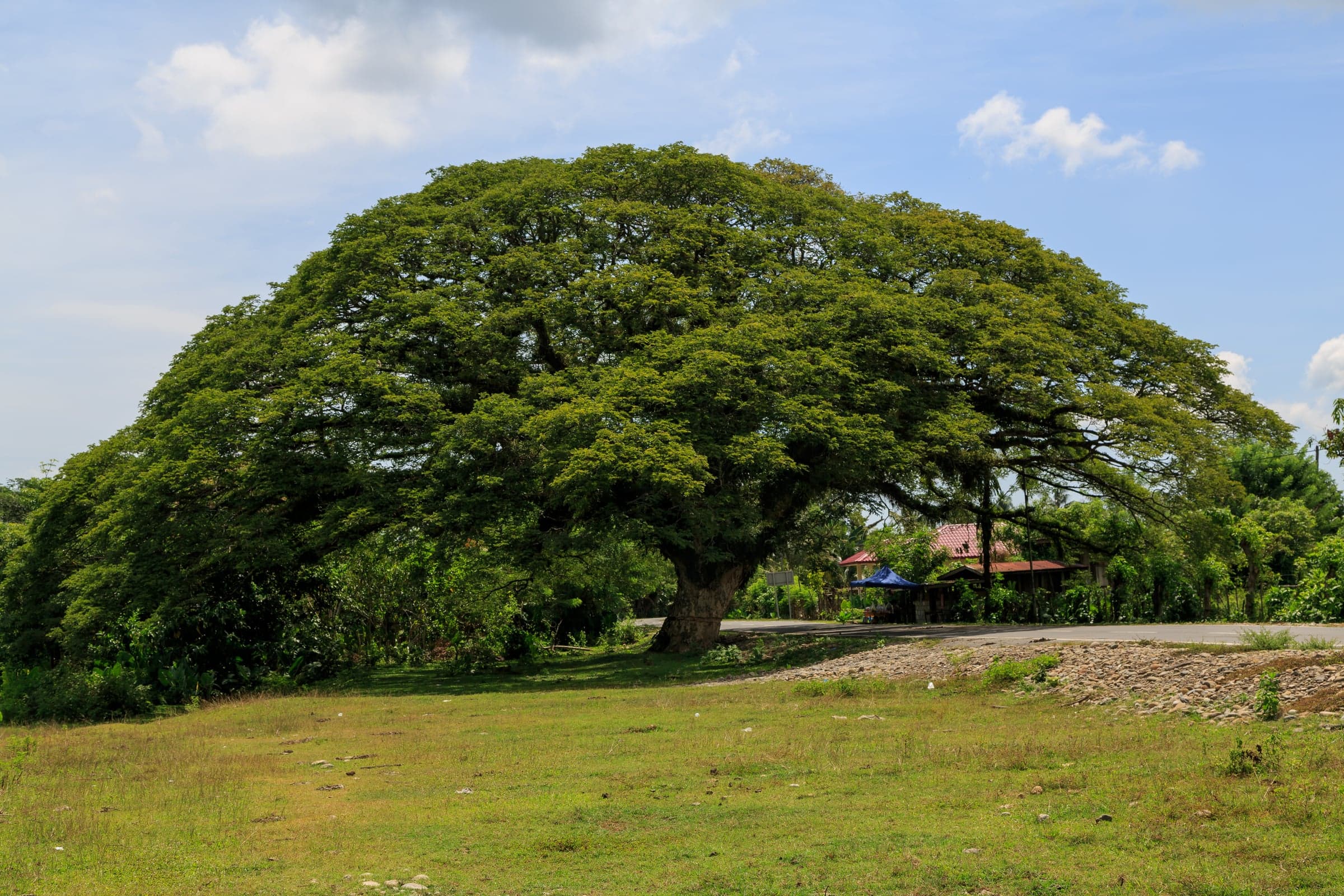
  • Träd av arten Sycamore Maple

    Willow, via Wikimedia Commons

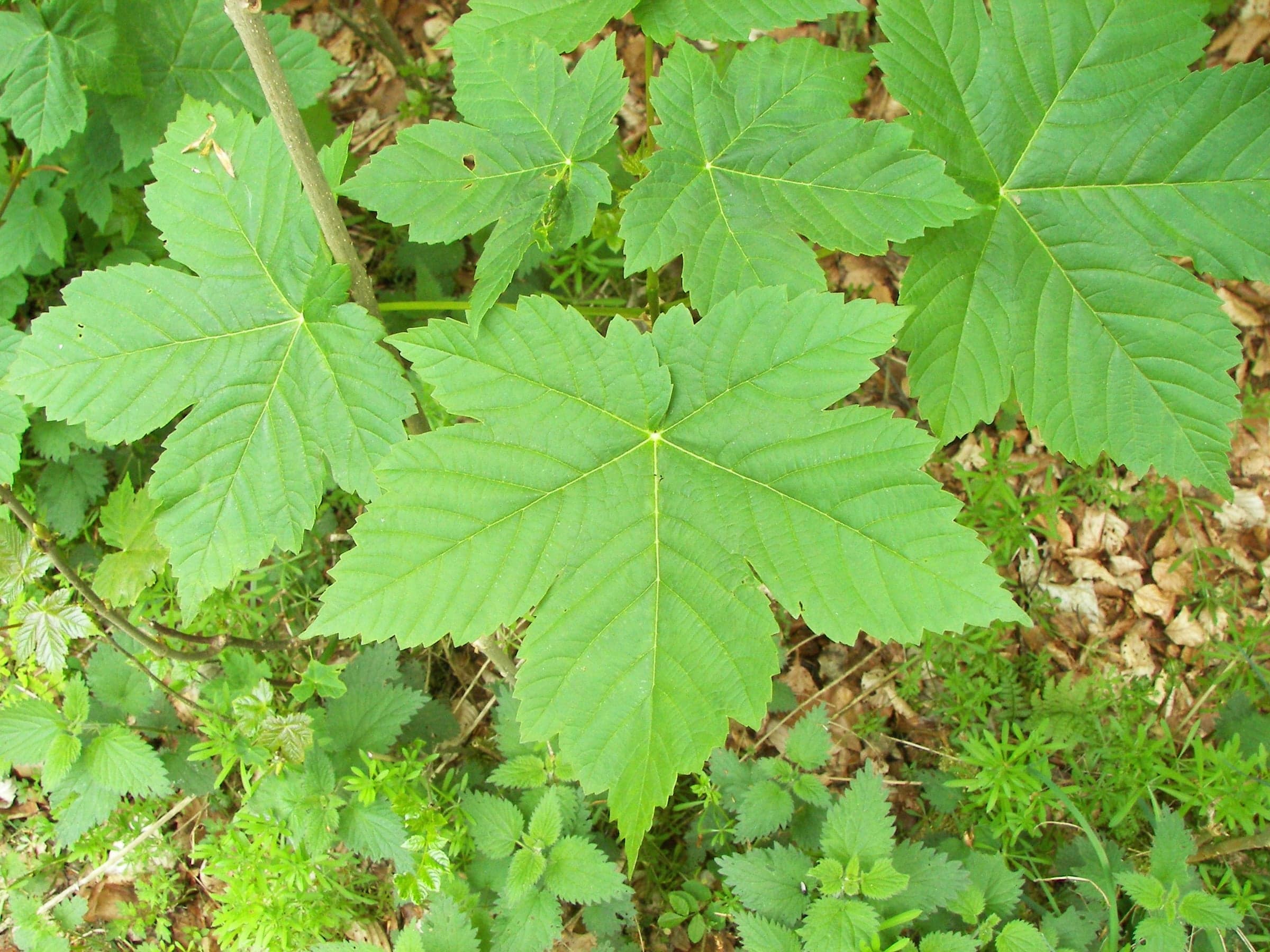
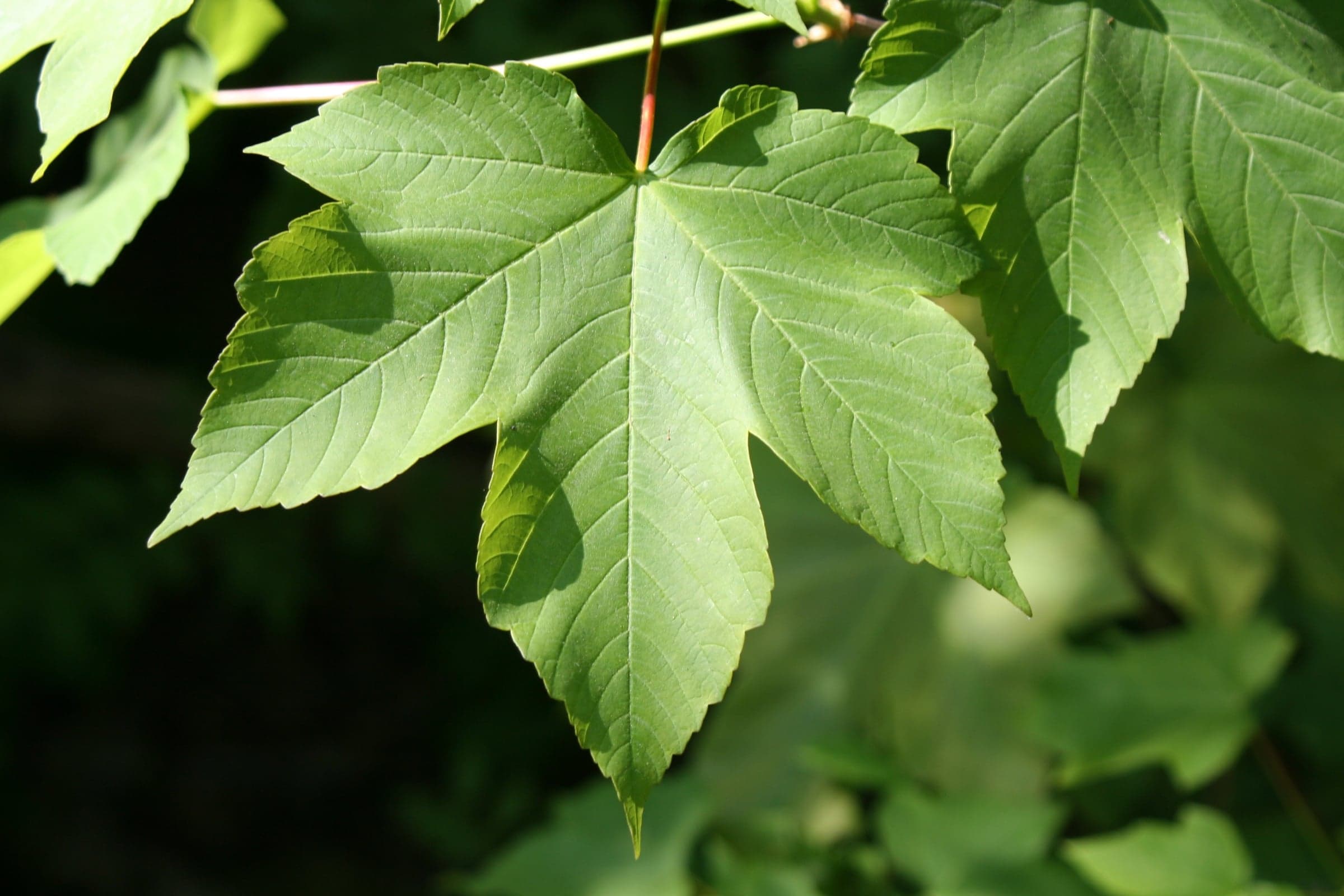
    Sycamore Maple: Blad
    Blad
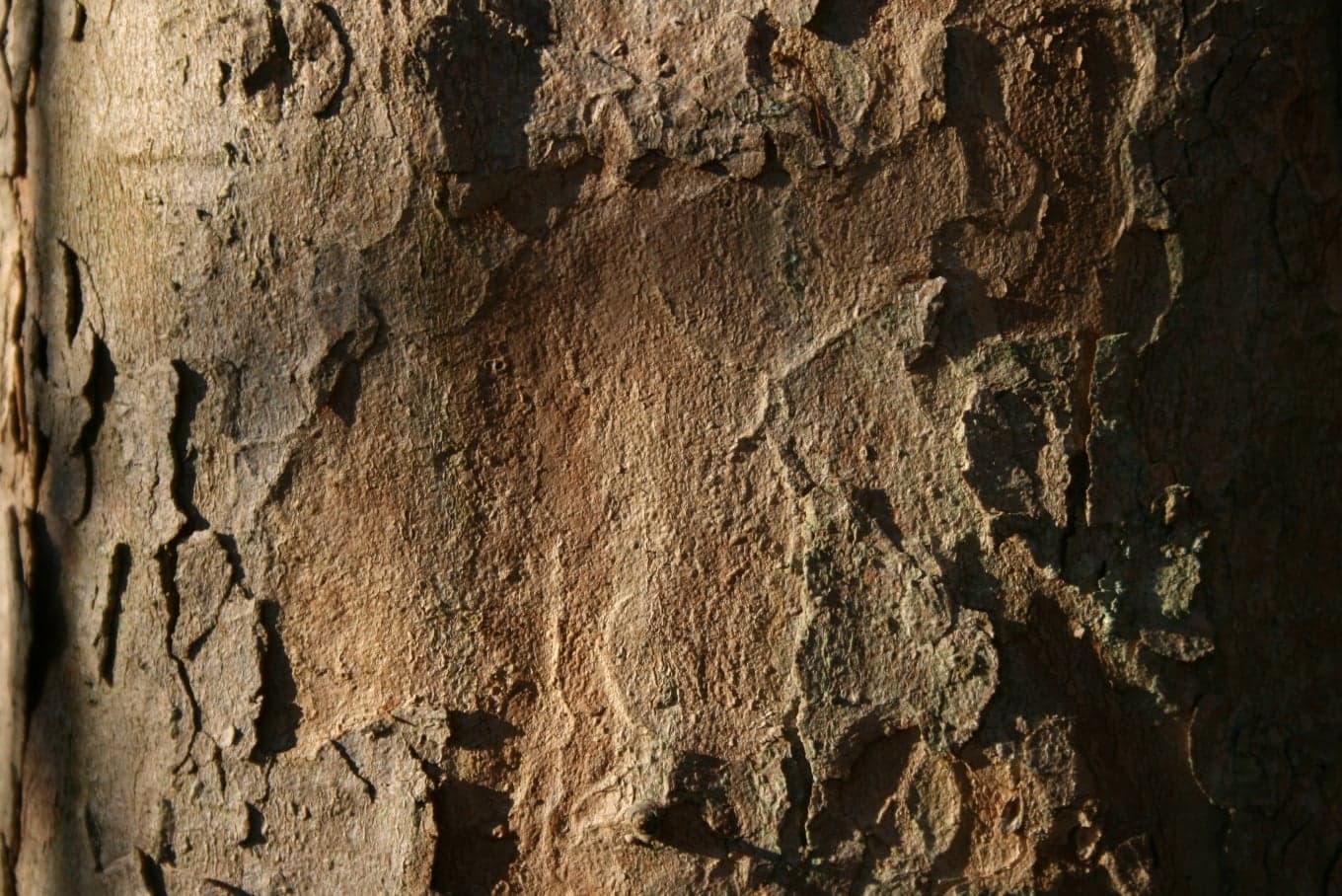
    Sycamore Maple: Trädbark
    Trädbark
    #

    Rippled or fiddleback sycamore carries a wave in the grain that produces strong horizontal chatoyance shifting with viewing angle. It is the same phenomenon as curly maple.

    It occurs in a minority of trees, cannot be predicted before felling, and carries a substantial premium.

    This is the timber of violin backs, ribs and necks, and has been since the Cremonese makers. Fiddleback sycamore is still sold under that name specifically for instrument work, where the combination of acoustic properties and appearance has never been bettered.

    At the bench#

    Sycamore works cleanly and pleasantly. At 4,680 N it is moderately hard, sitting just below European oak at 4,980 N, and it blunts tooling at a modest rate.

    The fine even texture takes crisp detail and it turns very well. It glues reliably and takes fastenings securely.

    Figured stock tears out readily. Light cuts, sharp tooling and a scraper or high angle plane for the final surface, particularly on fiddleback where the grain reverses continuously.

    It sands to a very fine surface.

    Finishing#

    The staining behaviour is the same trap that maple sets. The dense closed grain absorbs pigment unevenly and blotches, worse on figured stock.

    Use a dye or a gel stain, or leave it clear, which is what most sycamore work calls for anyway given that the colour is the reason for choosing it.

    Kitchen and dairy use#

    Sycamore is rated food safe, closed grained, and has been the traditional European dairy and kitchen timber, used for butter pats, bowls, spoons and worktops because it does not taint food and cleans well.

    It is softer than hard maple at 4,680 N against 6,450 N, so it scars more readily under a knife, and at decay class 5 it must be kept dry.

    Movement#

    Volumetric shrinkage of 11.5 percent is moderate, with tangential at 7.5 percent against radial at 4.0 percent. That is a reasonable differential and sycamore behaves acceptably in wide boards, better than maple or beech.

    Where European Sycamore is the right answer#

    Instrument work, particularly violin backs and ribs. Also pale furniture, kitchen and dairy ware, turned work, marquetry and inlay, and decorative panels where fiddleback figure is the design.

    It is the wrong answer outdoors, and wrong under an oil finish if the white colour is what you are paying for.

    Sourcing and EUDR#

    Not CITES listed and assessed as Least Concern. Common across central and northern Europe and widely planted, with straightforward supply and documentation.

    Drying sycamore, which is where most of it is lost#

    More sycamore is spoiled in the first three weeks after felling than at any other stage, and the cause is always the same: it was stacked flat and left.

    Freshly converted sycamore is wet, pale and full of sugars, which makes it ideal food for the fungi that cause blue and grey staining. Flat stacked in still air, boards discolour from the inside out within weeks, and the grey never comes out.

    The traditional answer is end rearing. Boards are stood on end, leaning, so air moves across both faces and moisture drains rather than pooling. It looks like an odd way to treat timber and it is the difference between white sycamore and grey sycamore.

    If you are buying sycamore, ask how it was dried. If you are drying it yourself, get it standing within days of conversion.

    What figured sycamore is worth checking for#

    Rippled figure is not uniform through a log. It is usually strongest near the base and can fade out entirely further up, so a slab cut from the same tree as a strongly figured one may be plain.

    Look at the figure in raking light from two directions before committing. Ripple that reads strongly from one angle and disappears from another is shallow and may not survive final thicknessing.

    A wave in the grain producing strong horizontal rippling chatoyance across the board, the same phenomenon as curly maple. It occurs in a minority of trees, cannot be predicted from the standing tree, and commands a substantial premium. It is the most sought after form of the species.

    Is it suitable for kitchen surfaces?

    +

    It is rated food safe, closed grained and traditionally used for dairy and kitchen ware precisely because it does not taint food and cleans well. It is softer than hard maple at 4,680 N against 6,450 N, so it will scar more readily, and at decay class 5 it must be kept dry.

    7.5–9.0 %
    VolymkrympningTotal volymförändring från rått till ugnstorrt. Lägre värde betyder högre stabilitet.11.5–13.5 %
    Naturlig beständighet (EN 350)Europeisk standard för naturlig beständighet mot röta, från 1 (mycket beständigt) till 5 (inte beständigt).Class 5 — Perishable

    Källor

    • The Wood Database(hämtad 2026-05-09)
    • USDA FPL Wood Handbook FPL-GTR-190 (2010)(hämtad 2026-05-09)
    • Meier, E. — WOOD! Identifying and Using Hundreds of Woods Worldwide (2015)(hämtad 2026-05-09)

    I korthet

    Nivåerna använder samma fasta intervall för alla träslag som KORENA listar, så att de går att jämföra direkt. Det uppmätta värdet står under varje nivå.
    HårdhetMotstånd mot märken och slitageMedelhårt

    Janka: 4 680 N

    6 % mjukare än europeisk ek

    ViktHur tung en planka är att lyftaMedeltung

    615 kg/m³

    StabilitetHur lite det rör sig med årstidernaGenomsnittligt

    12,5 % volymkrympning

    BearbetningSågning, hyvling, slipning och limningLätt

    4,1 / 5 i genomsnitt vid bänken

    UtomhusbrukNaturlig beständighet mot röta, EN 350Endast inomhus

    EN 350 klass 5

    • Sågning · Mycket braHur rent det sågas och hur mycket det sliter på klingor.1 = svår · 5 = utmärkt
    • Hyvling · Mycket braHur slät yta det ger och hur lätt fibrerna rivs upp.1 = svår · 5 = utmärkt
    • Slipning · Mycket braHur snabbt det kan slipas slätt utan att slippappret sätts igen.1 = svår · 5 = utmärkt
    • Svarvning · UtmärktHur det skär och får yta i svarven.1 = svår · 5 = utmärkt
    • Snidning · Mycket braHur skarpa detaljer det håller under ett stämjärn.1 = svår · 5 = utmärkt
    • Limning · Mycket braHur tillförlitligt limfogarna håller.1 = svår · 5 = utmärkt
    • Fäste för skruv / spik · Mycket braHur väl det håller skruv och spik utan att spricka.1 = svår · 5 = utmärkt
    • Ångböjning · Mycket braHur väl det kan böjas efter ångning.1 = svår · 5 = utmärkt

    Vad virke i Sycamore Maple säljs för i Europa just nu, per kubikmeter före moms. Tryck på ett pris för mer information.

    • De bästa stockarna på auktionUtvalda stockar av hög kvalitet som säljs på anbudsauktioner, främst till fanér- och möbeltillverkare. Plankor sågas ur sådana stockar.De flesta priser ligger mellan 153 € och 485 €.Baserat på 80 priser från 2 regioner.Senaste uppgifter 24 sep. 2026
    • Vanliga stockarStora volymer vanligt rundvirke som säljs av skogsägare och statliga skogsbruk, främst till byggindustri och annan industri.De flesta priser ligger mellan 46 € och 110 €.Baserat på 1 175 priser från 5 regioner.Senaste uppgifter 24 sep. 2026

    De bästa stockarna på auktion per land

    • Österrike · 368 € / m³Regioner: Austria30 priserSenaste uppgifter 24 sep. 2026
    • Tyskland · 319 € / m³Regioner: Bavaria50 priserSenaste uppgifter 24 sep. 2026

    Vanliga stockar per land

    • Bulgarien · 102 € / m³Regioner: North-West Bulgaria12 priserSenaste uppgifter 24 aug. 2026
    • Rumänien · 74 € / m³Regioner: Banat / Crișana, Moldavia (Romania), Transylvania och Wallachia1 163 priserSenaste uppgifter 24 sep. 2026

    Varför kostar en planka mer än detta?

    Detta är priser på råvirke. En planka är det bästa snittet ur en stock, torkat i minst ett år och därefter kontrollerat och uppmätt planka för planka. Bara en liten del av varje stock blir en planka.

    Källa: KORENA Timber Index · Senaste uppgifter 24 sep. 2026

    Se alla regionala priser
    Nybörjarvänligt
    Lätt att bearbeta vid bänken och inte så hårt att det sliter hårt på verktygen.

    Tänk på

    • Inte för obehandlat utomhusbrukDen naturliga beständigheten är klass 5 av 5 enligt EN 350. Använd det inomhus eller med en ytbehandling som underhålls.
    • Dammet irriterarAnvänd utsug och munskydd vid slipning och maskinbearbetning.

    Tryck på en etikett för mer information.