KORENA
TräFinished piecesTillbehörPartnerlagerTräjournal

Få besked

Varje planka är unik. När den säljs är den borta. Vi skickar e-post när nya exemplar läggs ut: nya leveranser, nya träslag och brädor som matchar en projektbeskrivning.

Några e-postmeddelanden i månaden. Ingen skräppost, avregistrera dig när som helst.

KORENA, förstklassigt lövträ

Ett stycke i taget.

Verifierat förstklassigt lövträ, sålt stycke för stycke. Varje planka fotograferas, mäts och skickas från partnerlagret med ett träpass.

Handla

  • Bläddra bland produkter
  • Sålda plankor
  • Spåra beställning

Lär dig

  • Artiklar
  • Guider om träslag
  • Ordlista
  • Jämför
  • Författare

Hjälp

  • Om oss
  • Så fungerar det
  • Bli partnerlager
  • Hitta en planka
  • Kundtjänst
  • Dokumentmallar
  • För press

Köp

  • Köpvillkor
  • Ångerrätt
  • Returer och garanti
  • Frakt och leverans

Trygghet

  • Integritetspolicy
  • Kakpolicy
  • Träets ursprung och EUDR
  • Tillgänglighet

Företagsuppgifter

  • Juridisk information / Företagsuppgifter
  • Tillåten användning
  • Immateriella rättigheter och innehåll

© 2026 KORENA. Alla rättigheter förbehållna.

Drivs av Martial Labs Ltd. (BG, EIK 207453941). KORENA är ett handelsnamn som tillhör Martial Labs Ltd.

Vi respekterar din integritet

Vi använder nödvändiga kakor för att webbplatsen ska fungera. Med ditt tillstånd använder vi också kakor för analys, personanpassat innehåll och annonser. Du kan när som helst ändra dig på sidan samtyckesinställningar. Se vår kakpolicy och integritetspolicy.

  1. Hem
  2. /
  3. Träslag
  4. /
  5. Black Locust / Robinia

Robinia pseudoacacia

Black Locust / Robinia

Class 1 durability from a tree that grows in Europe. One of the only EU-native options that survives outdoors untreated, and a credible domestic answer to tropical exotics like teak.

  • Odlat och avverkat i Europa.
  • Botanisk grupp. Barrträ kommer från barrträd, lövträ från bredbladiga träd.
  • Den botaniska familj som träslaget tillhör.
Få besked när det kommer inReferensträslag. Inga plankor i lager just nu.
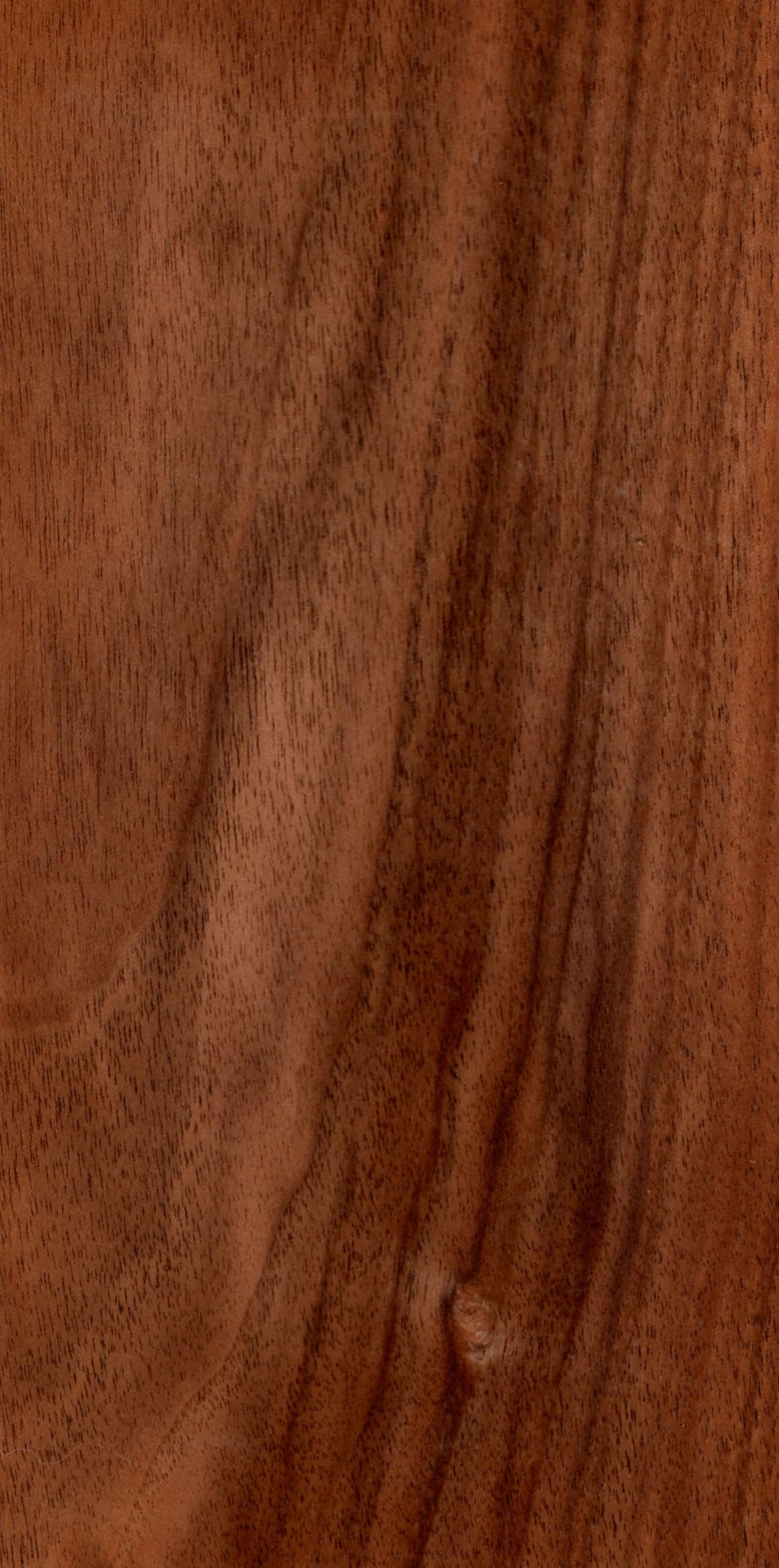
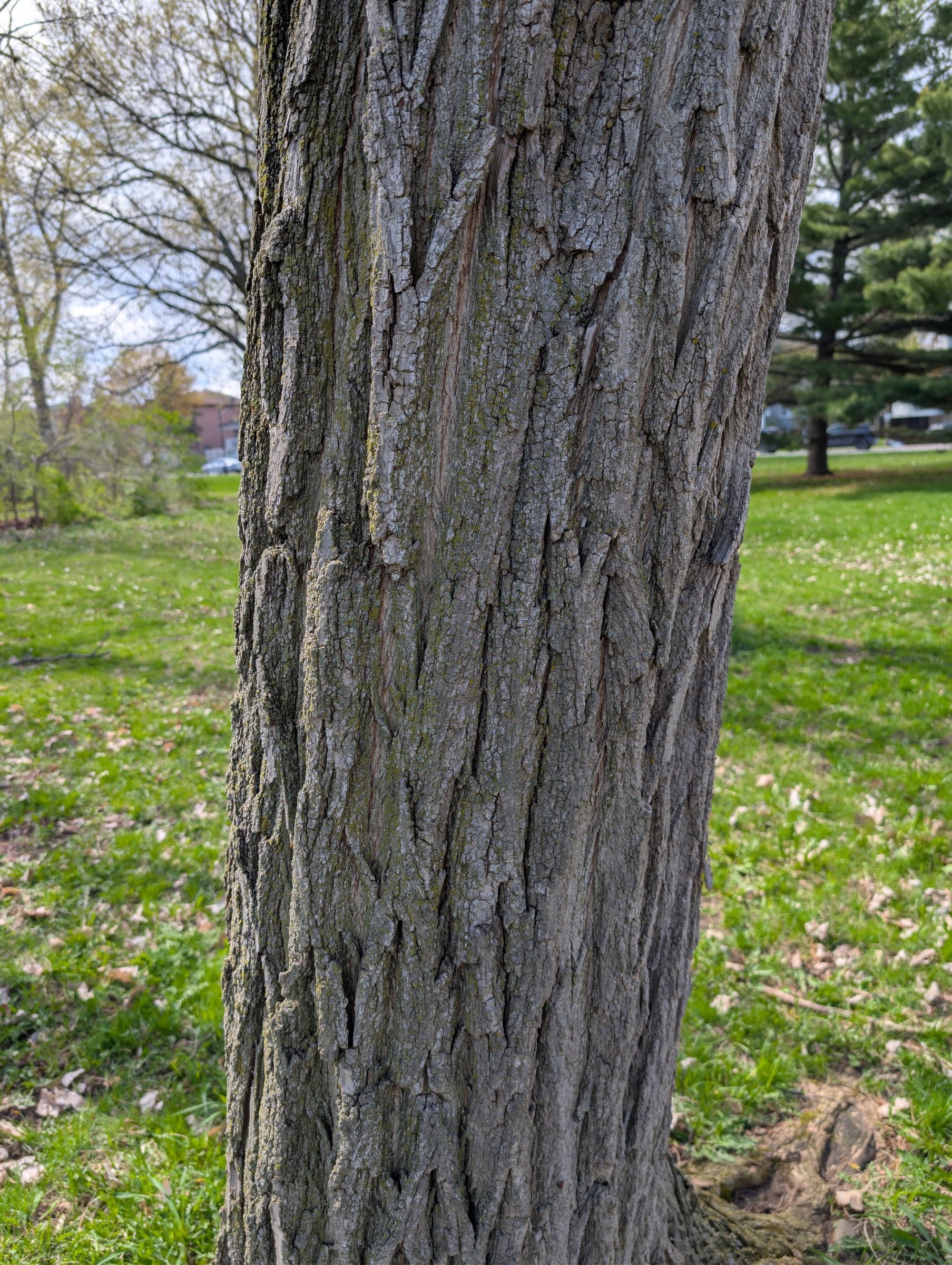
Ådring i Black Locust / Robinia
  • Passar projektet
  • I lager
  • Utseende
  • Bearbetning
  • Rörelse
  • Pris
  • Säkerhet och inköp
  • Frågor
  • Tekniska data

Passar det ditt projekt?

Passar bra för

  • Outdoor benches and garden furniture that need to survive without preservative treatment
  • Thresholds, sills, and entry pieces that take weather and wear
  • Fence posts and landscape elements designed as visible objects, not buried hardware
  • High-wear interior tops, kitchen islands, workshop benches, retail counters
  • Tool handles and turned forms where toughness matters
  • Steam-bent components, chair backs, hoops, curved frames

Ingen Black Locust / Robinia i det aktuella släppet

Liknande träslag i lager

Ingen Black Locust / Robinia just nu. De här träslagen passar samma projekt och finns i lager.
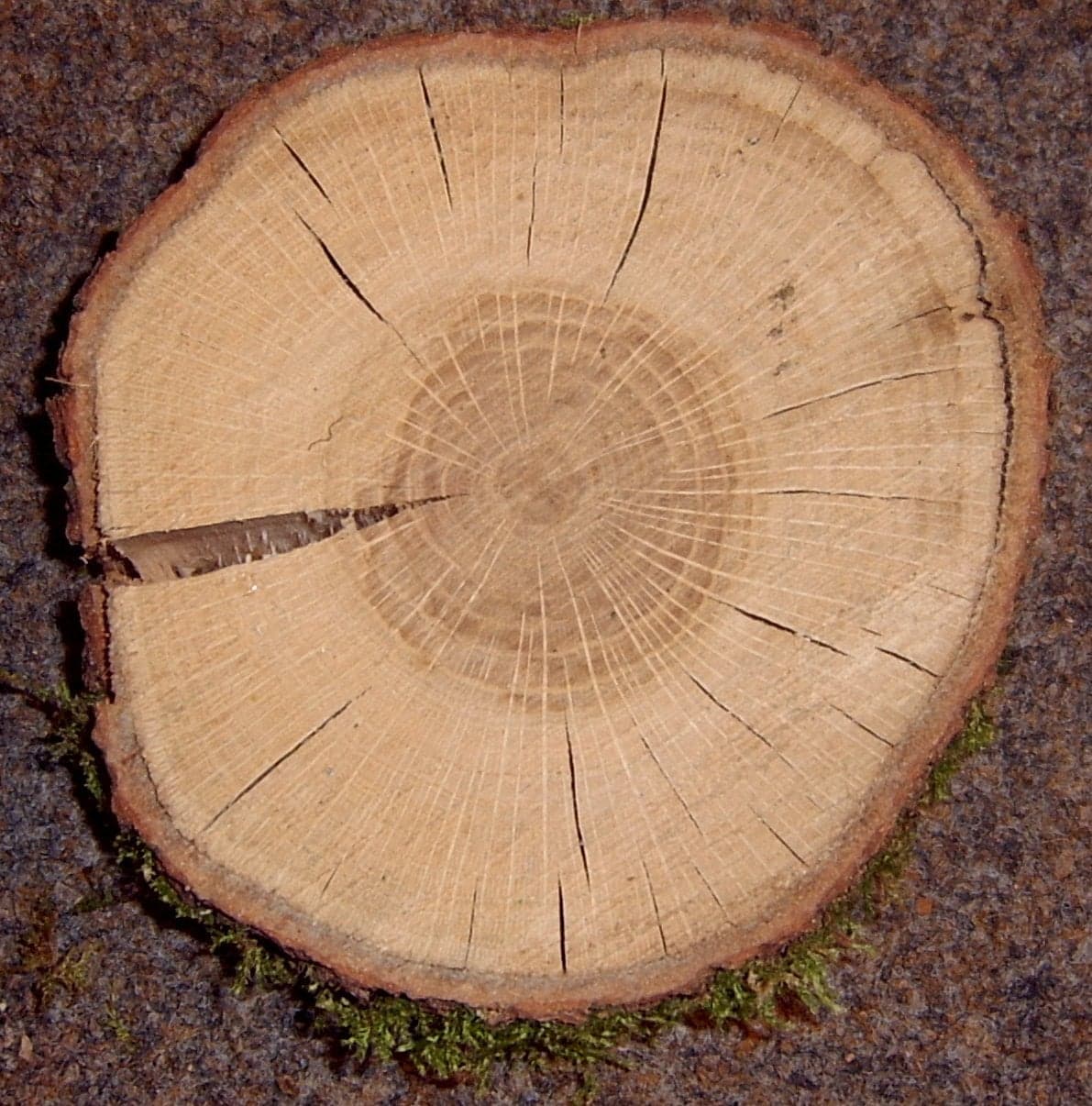
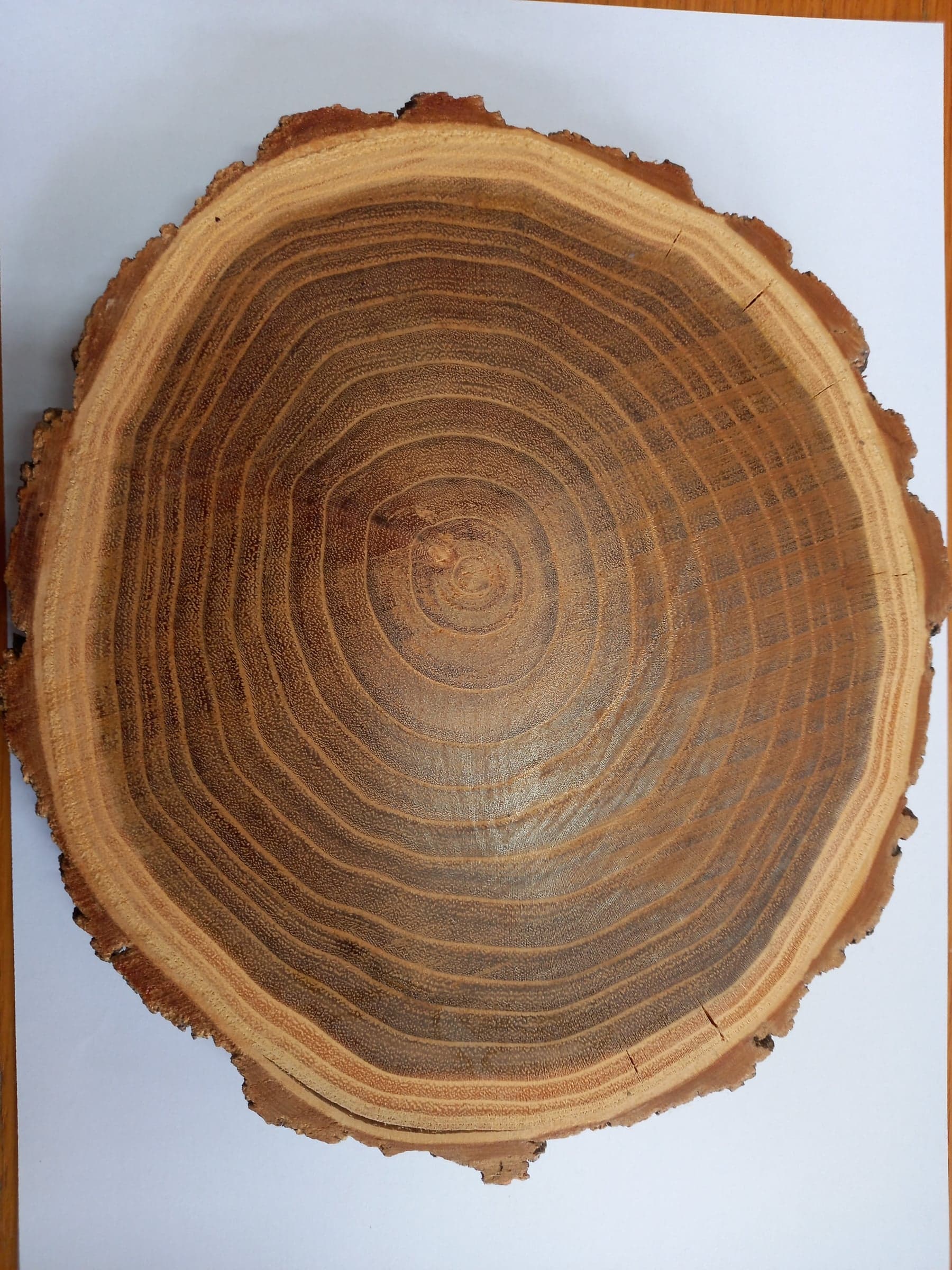
  • Ådring i European Oak

    European Oak

    Quercus robur

    6 exemplar

  • Ådring i European Walnut

    European Walnut

    Juglans regia

    9 exemplar

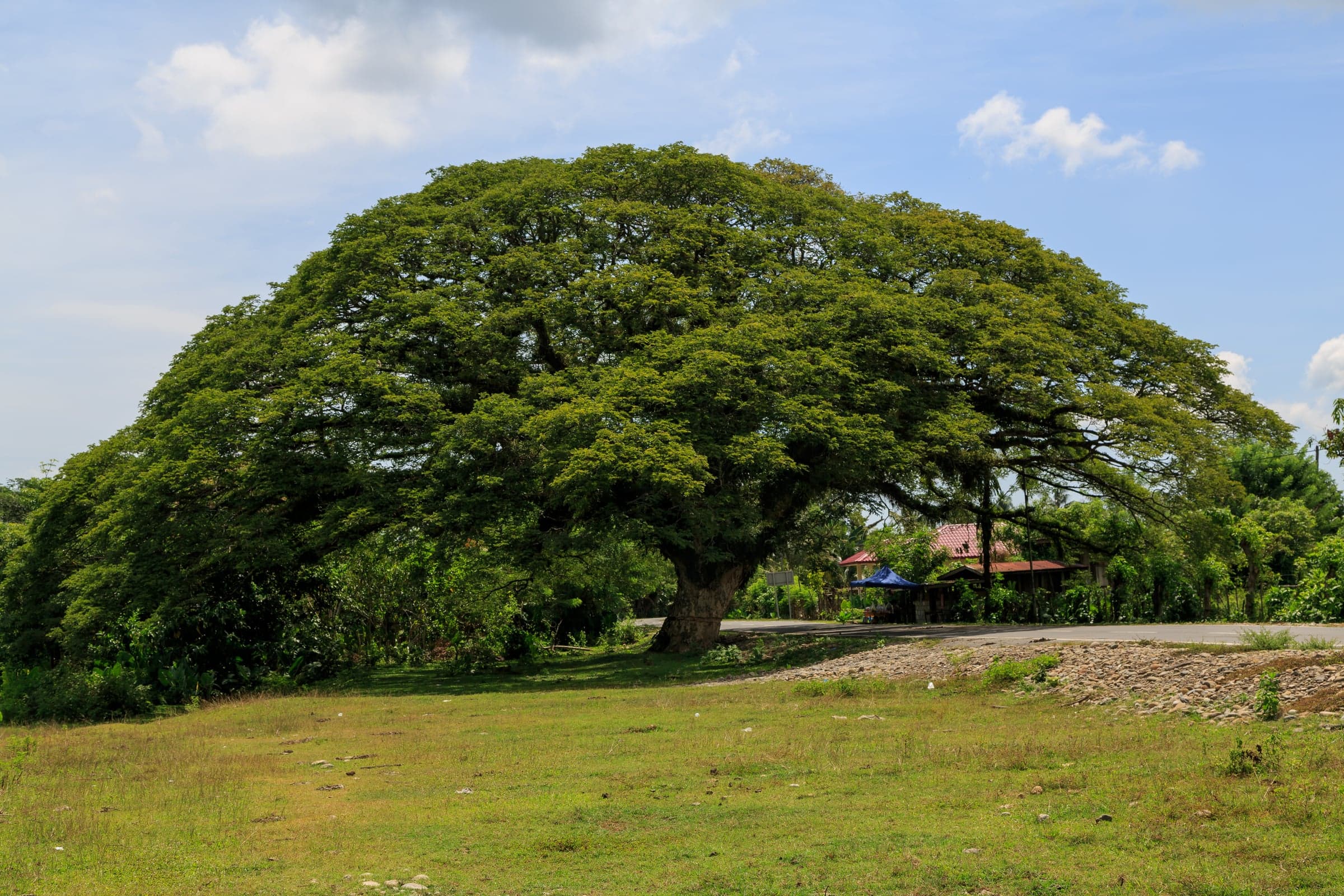
  • Ådring i Saman

    Saman

    Samanea saman

    4 exemplar

Få besked om Black Locust / Robinia

Vi skickar e-post när nya plankor i Black Locust / Robinia kommer till KORENA. Varje exemplar är unikt, så det är bra att få besked tidigt.

Några e-postmeddelanden i månaden. Ingen skräppost, avregistrera dig när som helst.

Träets utseende

Så ser det ut

Straight grain, coarse open texture, and a heartwood that lands somewhere between olive-yellow and greenish-gold when freshly cut. UV does the work over the next few months, the green calms down and the wood warms into a deep amber. Sapwood is narrow and pale yellow. The contrast between the two reads cleanly on wide slabs.

  • Olive-yellow to greenish-gold heartwood when freshly milled
  • Warms to a deep amber over weeks of light exposure
  • Narrow pale yellow sapwood, cleanly demarcated from the heartwood
  • Coarse open pores read clearly under oil finishes
  • Straight grain, coarse texture; very durable.

Bearbetning

Så bearbetas det

Honest warning, this is a hard, tough wood and it will blunt edges. Carbide tooling is sensible, and HSS needs frequent sharpening. Sawing, planing, and sanding all sit around average difficulty for the effort, but tool wear is well above average. It glues and screws cleanly once you pre-drill, and it turns nicely. The standout is steam-bending. Robinia is one of the best European species for it, on a par with white oak.

Ytbehandling

Takes oils and hardwax oils well; the open pores welcome them. The early colour shift is dramatic, so finish a test piece and leave it in daylight for a fortnight before committing, what you see on the bench is not what the client will see in a month. UV-blocking finishes slow the amber drift if a greener tone is wanted. Sanding to 180 is usually enough; finer grits can burnish the surface and fight oil uptake.

Torkning

Dries slowly and benefits from patience. Surprisingly stable for its hardness once acclimatised, radial movement around 4–5% and tangential 6.5–8% are modest for a 770 kg/m³ wood. Stack with care, weight the top, and expect some end-checking if rushed. Kiln schedules should be conservative.

Hur mycket kommer det att röra sig?

Trä sväller och krymper över bredden när luften blir fuktigare och torrare. Beräkna årstidsrörelsen hos en skiva i Black Locust / Robinia innan du utformar infästningarna.

Sågsätt
Miljön där den ska stå

Förväntad årstidsrörelse

cirka 8,3 mm

Fäst skivan med sargar eller beslag med spår, inte med lim eller hårt åtdragna skruvar.

Linjär krympningsmodell: bredd × (krympning ÷ 28 % fibermättnad) × årstidsvariation i fuktkvot. Använder 7,25 % tangentiell krympning för Black Locust / Robinia. Ett planeringsvärde, inte en garanti.

Vad det kostar

Säkerhet och inköp

  • Odlat och avverkat i Europa.
  • Status på IUCN:s rödlista: den globala bedömningen av träslagets bevarandestatus.
  • Not recommended for direct food contact. The bark, leaves, and seeds carry toxic compounds, and while the heartwood is considered the safer part of the tree, we would not specify it for cutting boards or utensils. The dust is a known irritant and sensitiser, some woodworkers report nausea from prolonged exposure. Run dust extraction and a fitted respirator, not just a paper mask.

Läs hela guidenFördjupning om ådring, färgförändring, bearbetning och stabilitet.+

What Robinia actually is#

Robinia pseudoacacia, black locust, is the strongest and most durable timber in this catalogue, and it grows across Europe like a weed.

The numbers are not close. At 7,560 N Janka it is the hardest measured species here. Its modulus of rupture of 130 MPa and elastic modulus of 14.0 GPa are the highest measured figures in the catalogue. And it is rated decay class 1, very durable, matched only by yew.

That combination, tropical grade durability from a fast growing European species, is unusual enough to be worth stating plainly: robinia does what teak and ipe do, without a tropical supply chain.

Why it is not more widely used#

Three reasons, none of them about performance.

It is hard to convert. At this density and hardness it blunts tooling fast and asks a great deal of machines, and small sawmills often decline it.

It grows badly for timber. Robinia is prone to twisting, forking and spiral grain, so long straight clean lengths are scarce even where the tree is abundant. Most of what is cut ends up as fence posts and stakes, applications where its durability is used and its form does not matter.

It has an image problem. In much of Europe it is regarded as an invasive nuisance rather than a timber species, which keeps demand and therefore processing infrastructure low.

Köparnas frågor

Frågor som köpare ställer

Is Robinia really as durable as tropical hardwood?

+

Yes, and that is its main argument. It is rated decay class 1, very durable, the highest rating in this catalogue alongside yew, and it performs comparably to teak or ipe in ground contact. Because it grows fast across Europe it offers tropical grade durability without a tropical supply chain, which is a rare combination under EUDR.

How hard is it?

+

At 7,560 N Janka it is the hardest measured wood in this catalogue, above hornbeam at 7,260 N and half again as hard as European oak. Its modulus of rupture of 130 MPa and stiffness of 14.0 GPa are also the highest measured figures here. It is a genuinely formidable timber.

Is it toxic?

+

The bark, leaves and seeds are toxic, containing robin and robinin, and the wood is recorded here as not food safe. Dust is irritant. Do not use it for chopping boards, food contact surfaces or anything a child might chew, and run extraction when machining.

Why is it treated as invasive in some countries?

+

Robinia is native to North America and was introduced to Europe in the seventeenth century. It spreads readily by root suckers and fixes nitrogen, altering soil chemistry, and several European countries list it as invasive. That is an ecological concern about planting rather than a restriction on timber, and harvesting established stands is generally viewed favourably.

Mekaniska egenskaper

Tekniska data

Publicerade referensvärden. När källorna skiljer sig åt visas intervallet och det typiska värdet används i skalorna ovan.

Densitet (kg/m³)Massa per kubikmeter vid cirka 12 % fuktkvot. Tyngre trä är oftast hårdare och starkare.700–830 kg/m³typiskt 770 kg/m³
Janka-hårdhet (N)Kraften som krävs för att pressa in en stålkula halvvägs i träet. Standardmåttet på motstånd mot märken.7,000–8,200 Ntypiskt 7 560 N
MOR: böjhållfasthet (MPa)Böjhållfasthet: belastningen då en balk går av.130–150 MPa
MOE: elasticitetsmodul (GPa)Böjstyvhet: hur mycket en hylla eller skiva böjer ned under belastning.14.0–16.0 GPa
Radiell krympningKrympning tvärs årsringarna, från rått till ugnstorrt. Kvartssågade brädor rör sig så här.4.0–5.0 %
Tangentiell krympningKrympning längs årsringarna. Plainsågade brädor och de flesta plankor rör sig så här.

Dexys-2019, via Wikimedia Commons

Styrkor

  • Beständigt utomhusEN 350 klass 1 av 5: står emot röta utomhus utan behandling.
  • Mycket stabiltLiten årstidsrörelse. Bra för breda skivor och täta fogar.

Originally North American, but naturalised and commercially grown across central and eastern Europe for over two centuries. Hungary, Romania, Bulgaria, and Slovakia all have working forestry programmes around it. For sourcing and EUDR purposes we treat it as European stock, the supply chain sits inside the EU and the paperwork follows.

  • IUCN Least Concern, no CITES listing. Grown commercially across central and eastern EU, often on marginal land where slower-growing natives struggle. Class 1 durability means outdoor pieces last decades without preservative chemistry, which is its own sustainability argument. EUDR-wise, the supply chain is short and EU-internal, provenance is straightforward to document.

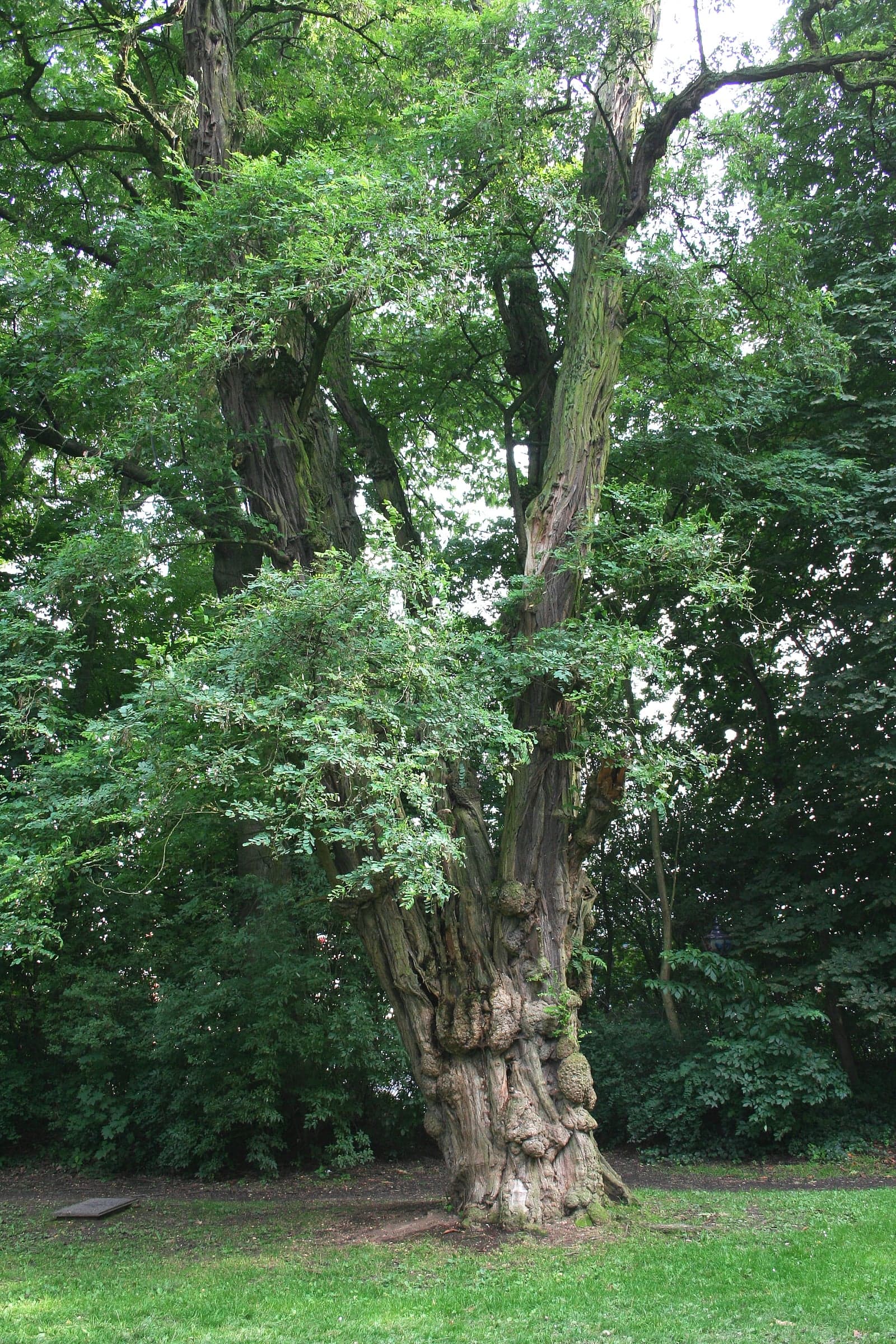
  • Träd av arten Black Locust / Robinia

    Jean-Pol GRANDMONT, via Wikimedia Commons

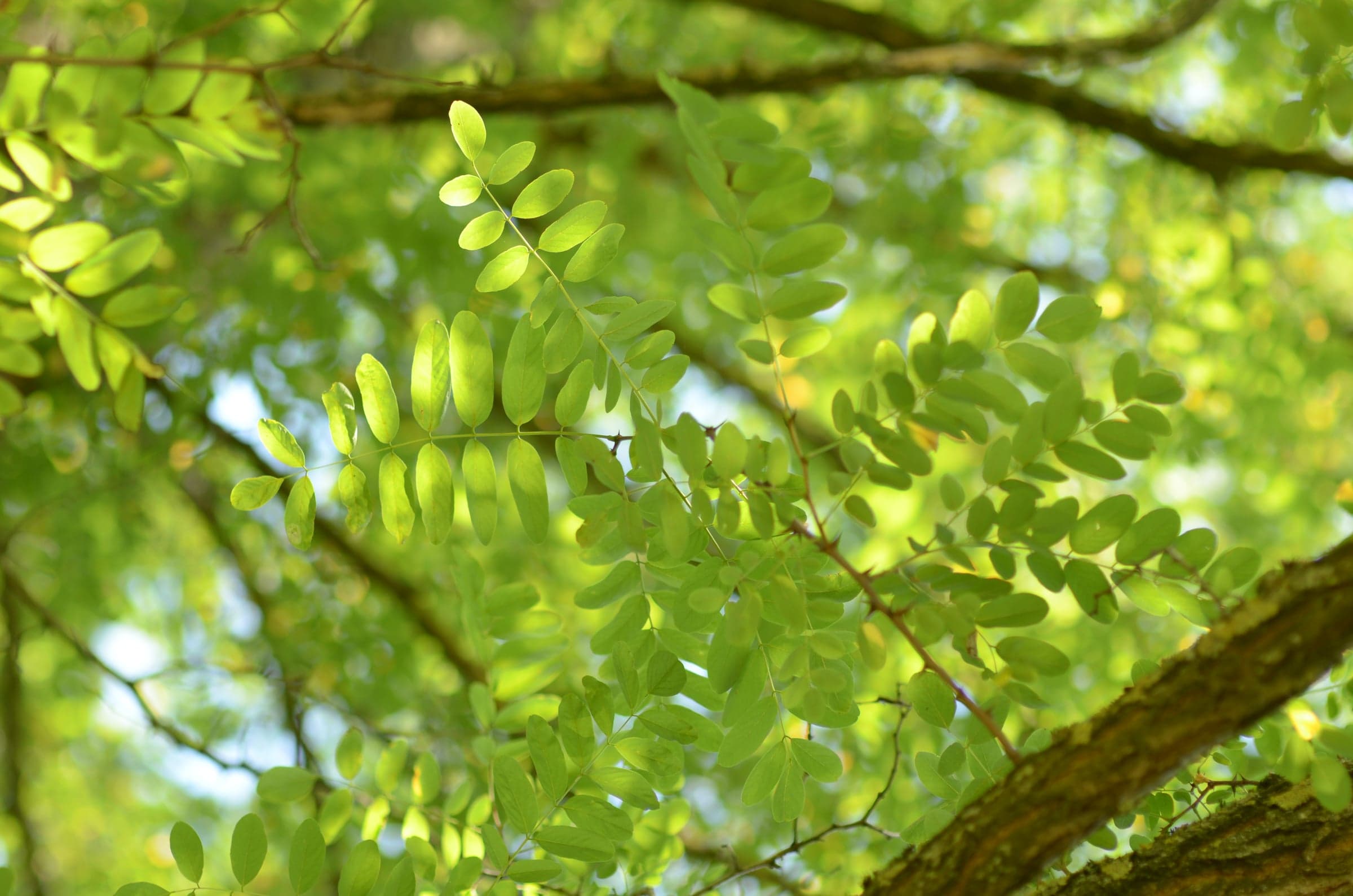
    Black Locust / Robinia: Blad
    Blad
    Black Locust / Robinia: Trädbark
    Trädbark

    For slab work, the form problem is the main constraint. Wide clean robinia is genuinely uncommon.

    Reading a robinia slab#

    Heartwood runs greenish yellow when fresh, darkening to a warm golden brown and eventually a russet with light exposure. Sapwood is narrow and pale. The wood has a natural lustre and fluoresces under UV, which is a quick identification test.

    Grain is often wavy or interlocked, and the ring porous structure gives a bold figure not unlike ash or oak.

    Check carefully for spiral grain and twist along the length. It is the characteristic fault of the species and it will show itself after machining if it was not visible before.

    At the bench#

    Expect to work for it. At 7,560 N with frequently interlocked grain, robinia blunts cutters faster than anything else here and tears out where the grain reverses.

    Sharp tooling is not advice, it is the requirement. Light cuts, a high angle plane or a scraper for the final surface, and carbide rather than steel where you have the choice. A helical cutterhead makes a substantial difference.

    It turns nicely and it steam bends excellently, one of the best European species for it. Combined with its durability, that makes it a strong candidate for exterior curved work where oak is the conventional choice but does not last as long.

    It glues and screws well, though pilot holes are essential at this density.

    Toxicity#

    The bark, leaves and seeds are toxic, containing robin and robinin. The wood is recorded in this catalogue as not food safe and the dust is irritant.

    Do not use robinia for chopping boards, food contact surfaces, or anything a child might mouth. Run extraction when machining.

    Stability#

    Volumetric shrinkage of 10.0 percent is among the lowest in this catalogue, with tangential at 6.5 percent against radial at 4.0 percent. That is both a low total and a narrow differential, which means robinia is dimensionally well behaved once dry, unusual for a wood this dense.

    Drying it is another matter: the density and frequent spiral grain make it slow and prone to distortion.

    The invasive question#

    Robinia is native to North America and was introduced to Europe in the seventeenth century. It spreads readily by root suckers and fixes nitrogen, altering soil chemistry, and several European countries list it as invasive.

    That is an ecological concern about planting, not a restriction on timber. Harvesting established stands is generally viewed favourably, and using the wood is not in tension with the conservation position.

    Where Robinia is the right answer#

    Outdoor furniture, decking, garden structures, boat components, fence posts, and any exterior application where a European species with tropical grade durability is wanted. Also steam bent exterior work.

    It is the wrong answer for food contact, for large matched volumes, and where your tooling is not up to it.

    Sourcing and EUDR#

    Not CITES listed and assessed as Least Concern. Abundant across central and southeastern Europe, particularly Hungary, which has the largest managed robinia resource in the world. Supply is straightforward and documentation is simple.

    Can it be steam bent?

    +

    It is one of the best European species for it. Combined with its durability that makes it a strong choice for exterior curved work such as boat parts and garden structures, where oak would be the conventional answer but robinia lasts longer.

    6.5–8.0 %
    VolymkrympningTotal volymförändring från rått till ugnstorrt. Lägre värde betyder högre stabilitet.10.0–12.0 %
    Naturlig beständighet (EN 350)Europeisk standard för naturlig beständighet mot röta, från 1 (mycket beständigt) till 5 (inte beständigt).Class 1 — Very durable

    Källor

    • The Wood Database(hämtad 2026-05-09)
    • USDA FPL Wood Handbook FPL-GTR-190 (2010)(hämtad 2026-05-09)
    • Meier, E. — WOOD! Identifying and Using Hundreds of Woods Worldwide (2015)(hämtad 2026-05-09)

    I korthet

    Nivåerna använder samma fasta intervall för alla träslag som KORENA listar, så att de går att jämföra direkt. Det uppmätta värdet står under varje nivå.
    HårdhetMotstånd mot märken och slitageMycket hårt

    Janka: 7 560 N

    52 % hårdare än europeisk ek

    ViktHur tung en planka är att lyftaMycket tung

    770 kg/m³

    StabilitetHur lite det rör sig med årstidernaStabilt

    11,0 % volymkrympning

    BearbetningSågning, hyvling, slipning och limningKrävande

    3,4 / 5 i genomsnitt vid bänken

    UtomhusbrukNaturlig beständighet mot röta, EN 350Utomhus, lång livslängd

    EN 350 klass 1

    • Sågning · BraHur rent det sågas och hur mycket det sliter på klingor.1 = svår · 5 = utmärkt
    • Hyvling · BraHur slät yta det ger och hur lätt fibrerna rivs upp.1 = svår · 5 = utmärkt
    • Slipning · BraHur snabbt det kan slipas slätt utan att slippappret sätts igen.1 = svår · 5 = utmärkt
    • Svarvning · Mycket braHur det skär och får yta i svarven.1 = svår · 5 = utmärkt
    • Snidning · BraHur skarpa detaljer det håller under ett stämjärn.1 = svår · 5 = utmärkt
    • Limning · Mycket braHur tillförlitligt limfogarna håller.1 = svår · 5 = utmärkt
    • Fäste för skruv / spik · Mycket braHur väl det håller skruv och spik utan att spricka.1 = svår · 5 = utmärkt
    • Ångböjning · UtmärktHur väl det kan böjas efter ångning.1 = svår · 5 = utmärkt

    Vad virke i Black Locust / Robinia säljs för i Europa just nu, per kubikmeter före moms. Tryck på ett pris för mer information.

    • De bästa stockarna på auktionUtvalda stockar av hög kvalitet som säljs på anbudsauktioner, främst till fanér- och möbeltillverkare. Plankor sågas ur sådana stockar.De flesta priser ligger mellan 143 € och 143 €.Baserat på 25 priser från 1 region.Senaste uppgifter 24 sep. 2026
    • Vanliga stockarStora volymer vanligt rundvirke som säljs av skogsägare och statliga skogsbruk, främst till byggindustri och annan industri.De flesta priser ligger mellan 11 € och 61 €.Baserat på 17 priser från 1 region.Senaste uppgifter 24 sep. 2026

    Varför kostar en planka mer än detta?

    Detta är priser på råvirke. En planka är det bästa snittet ur en stock, torkat i minst ett år och därefter kontrollerat och uppmätt planka för planka. Bara en liten del av varje stock blir en planka.

    Källa: KORENA Timber Index · Senaste uppgifter 24 sep. 2026

    Se alla regionala priser
    Böjs väl
    Betyg 5 av 5 för ångböjning. Klarar snäva kurvor.

    Tänk på

    • Dammet irriterarAnvänd utsug och munskydd vid slipning och maskinbearbetning.
    • Inte lämpligt för kontakt med livsmedelVälj ett annat träslag för skärbrädor och serveringsföremål.
    • Sliter på eggarMycket hårt och tätt. Håll verktygen vassa och förborra alla skruvhål.

    Tryck på en etikett för mer information.