Pinus cembra
Alpine Zirbe. Chosen for its scent and its dense scatter of small dark knots rather than for any number on a strength table.
Det finns för lite publicerade referensdata om träslaget för att risker ska kunna anges. Fråga oss om ditt bygge innan du bestämmer dig.
Ingen Swiss Stone Pine just nu. De här träslagen passar samma projekt och finns i lager.
Vi skickar e-post när nya plankor i Swiss Stone Pine kommer till KORENA. Varje exemplar är unikt, så det är bra att få besked tidigt.
Träets utseende
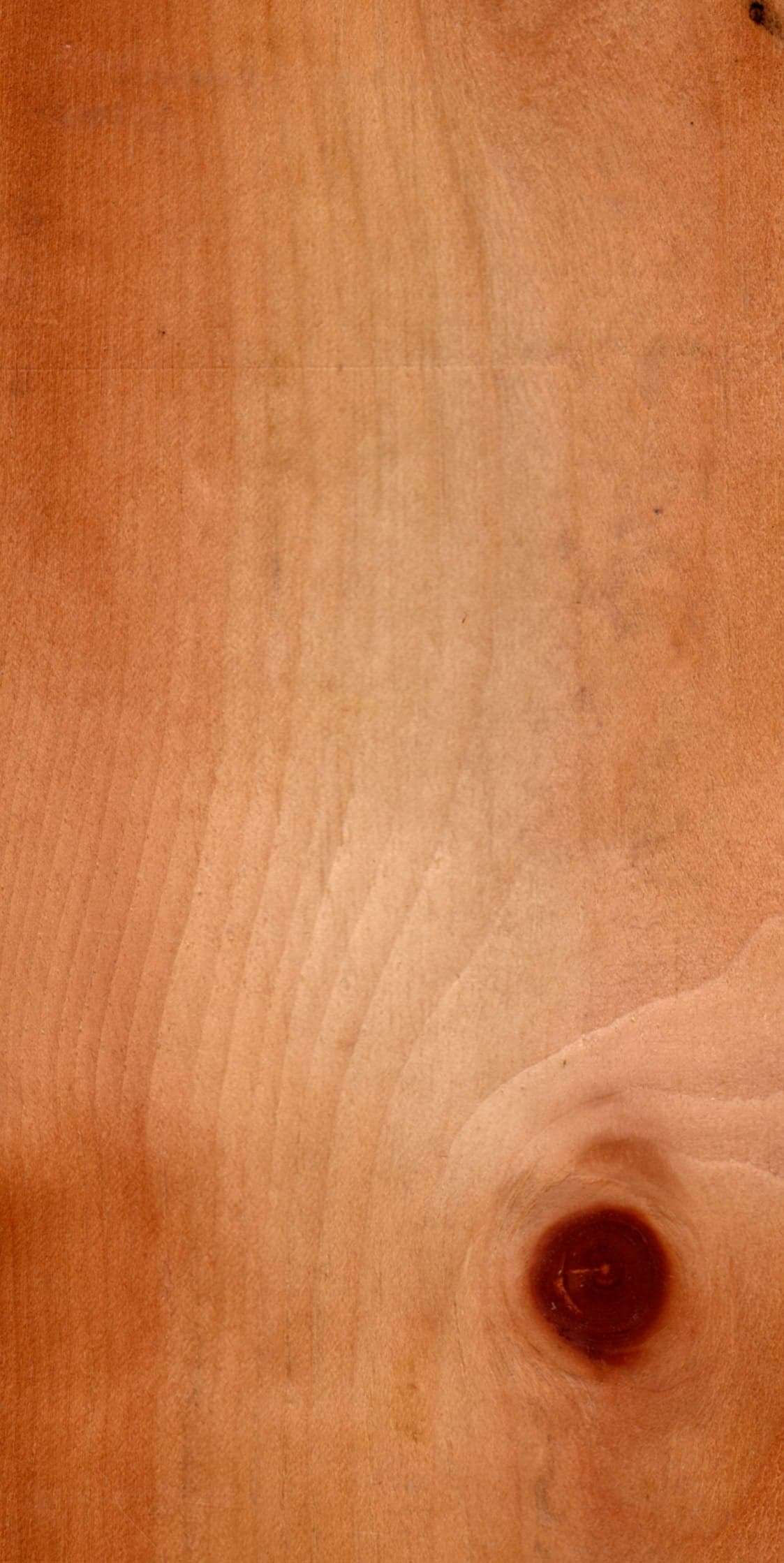
Warm reddish cream heartwood with pale sapwood, and a very high density of small dark knots that is the defining visual signature of the species. Growth rings are exceptionally tight from slow high altitude growth. It is soft, light and unusually aromatic, retaining a distinct resinous pine scent for years, which is the main reason it is specified for bedroom furniture and interiors across the Alps.
Bearbetning
Soft, light and easy to cut, and it is one of the few conifers genuinely suited to carving because the texture is fine and even. The abundant knots are the working reality: they are hard, resinous, and numerous enough that planing a wide face without meeting several is unlikely. Sharp tools and light cuts are essential, and hand finishing around knot clusters is normal rather than exceptional.
Traditionally left bare or given only a light wax or soap finish, specifically so the aroma is not sealed in. A film finish such as lacquer will substantially reduce the scent that is the main reason for choosing the species. If durability matters more than smell, a hardwax oil is a reasonable compromise. The wood mellows to a deeper honey colour with age.
Slow grown high altitude stock is dense-ringed and dries steadily without much drama, though the many knots create local stress that can cause small checks around them. Air drying is traditional and gives the best result. Published shrinkage figures for this species are not available from the references KORENA cites, so plan conservatively and let the slab acclimatise fully in its final room before flattening.
Det finns ännu inget marknadsreferenspris för Swiss Stone Pine. Varje KORENA-planka prissätts individuellt av sitt partnerlager.
Working with pine has been reported to cause allergic skin reactions and asthma-like symptoms in some people, and this species is notably aromatic, which means more volatile compounds in the air during machining. Good extraction and ventilation matter more here than with the blander conifers. Some people find the scent itself an irritant.
Pinus cembra grows at the treeline of the Alps and Carpathians, typically between 1500 and 2500 metres, higher than any other timber tree in this catalogue. Growth at that altitude is extremely slow. Alpine stock, known in the trade as Zirbe or Arve, is harvested in small volumes under close management, and most of it stays within the Alpine region.
Not listed in the CITES Appendices. Treeline stands grow extremely slowly and are managed conservatively, so genuine Alpine Zirbe is available in small volumes and priced accordingly. It is one of the few species in this catalogue where scarcity is a real constraint rather than a grading question. Confirm the region of origin, because material sold on the aroma alone is sometimes other pine.
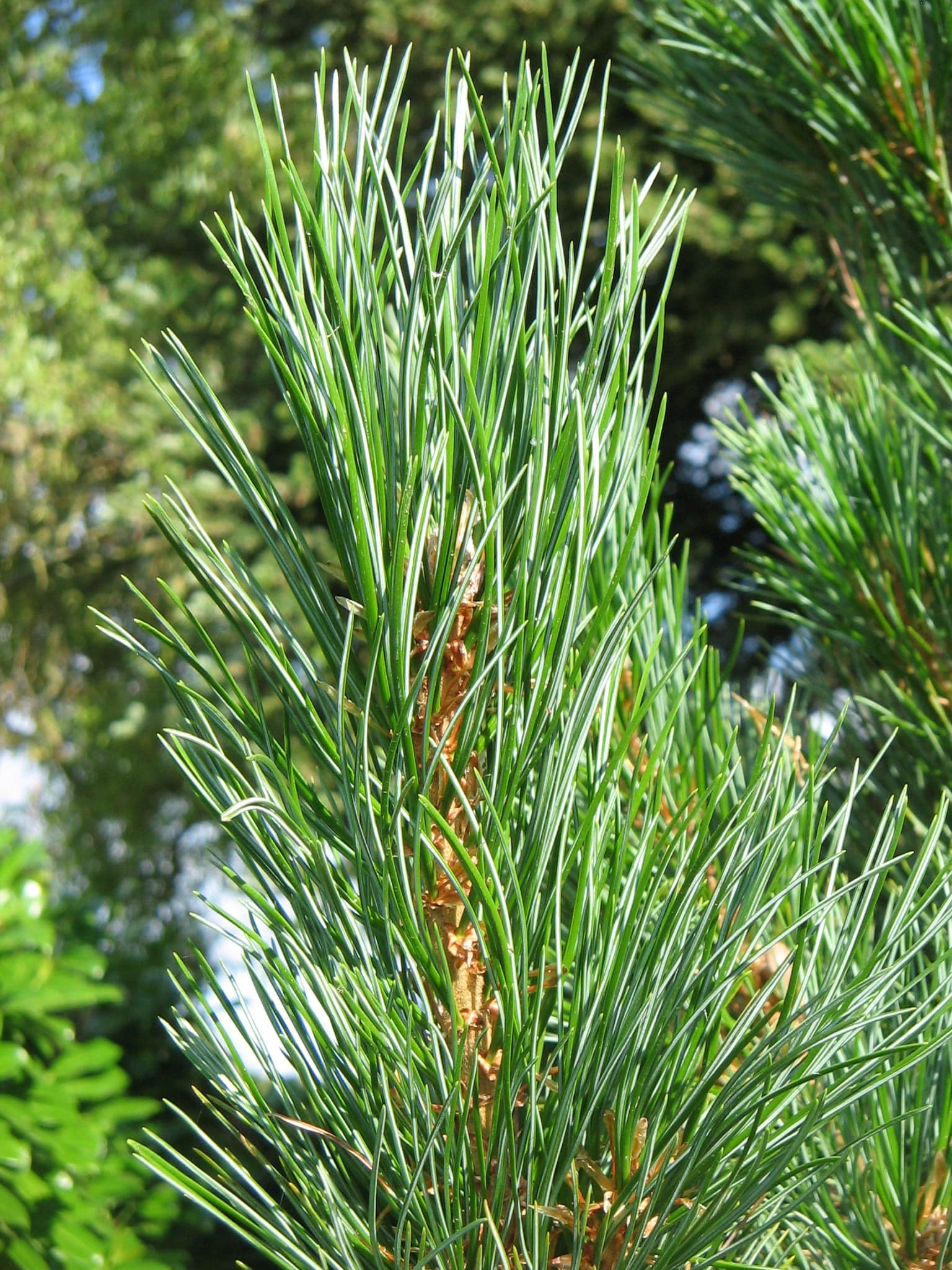
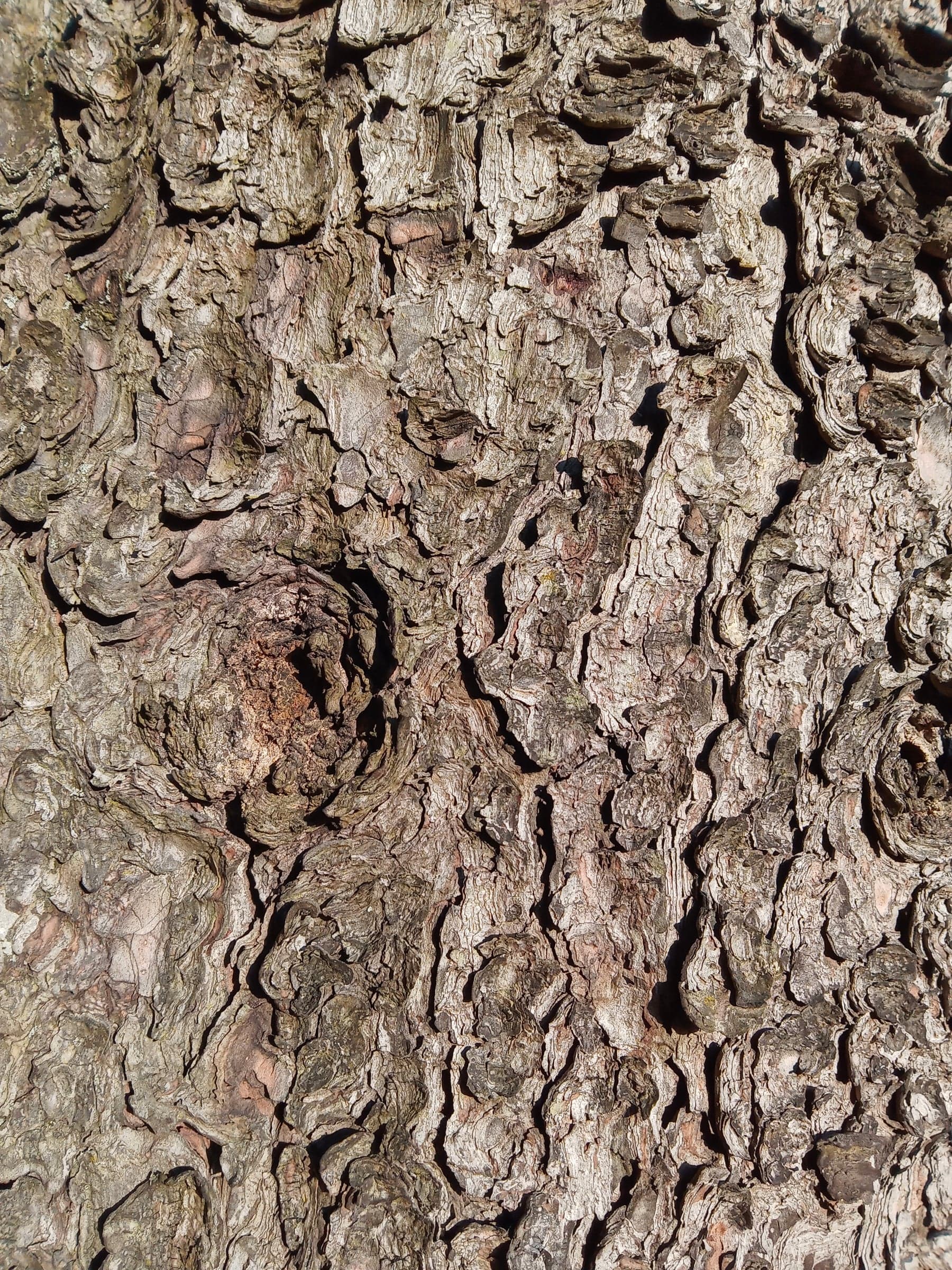
Pinus cembra grows at the treeline, between roughly 1500 and 2500 metres in the Alps and Carpathians, higher than any other timber tree in this catalogue. Known through the Alpine trade as Zirbe or Arve, it is harvested in small volumes from conservatively managed stands, and most of what is cut never leaves the region.
It is bought for two things that no strength table captures: a warm reddish cream colour scattered with small dark knots, and a resinous scent that persists for years rather than weeks.
This guide carries no Janka value, no density figure and no strength data, and that is deliberate.
KORENA publishes a property number only when it traces to a source cited on the species record. The reference works this catalogue relies on, The Wood Database and the USDA Forest Products Laboratory Wood Handbook, do not carry a clear-wood dataset for Pinus cembra. The trade sources that do quote figures sit behind paywalls or could not be verified.
The alternative would be to borrow numbers from a related pine and present them as this species. That is exactly the kind of plausible, unverifiable figure that makes a specification sheet worthless, so the fields are left empty instead. What is not missing is the data specific to the slab in front of you: every KORENA listing carries its own measured length, width, thickness, moisture reading and outline, taken from the piece itself rather than from a reference table.
The knots are the point. A dense, even scatter of small dark knots across a warm cream field is the visual signature of Zirbe, and it is what buyers of Alpine interiors are looking for. A board with few knots is not a better board of this species, it is a less characteristic one.
Growth rings are exceptionally tight, a direct consequence of the altitude. Colour runs warm reddish cream in the heartwood, mellowing toward deeper honey with age, against pale sapwood.
Because supply is genuinely limited, verify the stated origin. Material sold on the strength of the aroma is sometimes a different pine, and the difference is not obvious once a board is machined and stacked.
It is soft, light and cuts easily, and unusually among conifers it carves genuinely well. The texture is fine and even enough to hold a cut edge, which spruce and fir do not manage. For dedicated carving work small-leaved lime is still the better wood, but among the conifers here this is the one that will take detail.
The knots dominate the working experience. They are hard, resinous and numerous enough that planing a wide face without meeting several is unlikely. Sharp tools and light cuts are not advice here so much as a requirement, and hand finishing around knot clusters is the normal way of working this species rather than a sign something went wrong.
Extraction and ventilation deserve more attention than with the blander conifers. The aroma that makes the wood desirable means more volatile compounds in the air while machining, and some people find it an irritant.
Slow grown, dense-ringed stock dries steadily and without much drama. The many knots create local stress, and small checks radiating from knots are common.
Published shrinkage figures are among the data not available for this species, so the honest guidance is conservative rather than numerical: air dry where possible, let the slab acclimatise fully in its final room before flattening, and design the piece so the top can float rather than being fixed rigidly. Each KORENA slab carries its own measured moisture value, which tells you more about that specific board than a species average would.
The traditional treatment is bare wood, wax, or a soap finish, and the reason is the scent. A film finish such as lacquer seals the surface and largely stops the aroma escaping, which removes the main reason most people specify the species in the first place.
If durability matters more than smell, a hardwax oil is the reasonable middle path: some protection, most of the scent. Whatever you choose, the wood mellows to a deeper honey tone over the years.
Bedroom furniture and interior panelling, which is what it has been used for across the Alps for centuries and where the aroma is the specification. Also light shelving, decorative slabs, and carved work where the knot pattern is wanted.
It is the wrong answer wherever a load path or a span has to be calculated, because the numbers required to do that calculation are not published for this species. It is also the wrong answer for a hard-wearing surface, and for anything outdoors.
Not listed in the CITES Appendices. The constraint here is genuine scarcity rather than grading. Treeline stands grow extremely slowly and are managed conservatively, yields are small, and most material is consumed regionally. Expect to pay more than the softwood category would suggest, and confirm the region of origin on the passport rather than taking the trade name at face value.
Köparnas frågor
KORENA publishes a number only when it traces to a cited source. The reference works this catalogue relies on, The Wood Database and the USDA Wood Handbook, do not carry a clear-wood dataset for Pinus cembra, and the trade sources that quote figures sit behind paywalls or cannot be verified. Rather than estimate from a related pine, the mechanical fields are left empty. Every slab still carries its own measured dimensions and moisture.
Swiss Stone Pine holds a strong resinous pine scent for years, far longer than other conifers, which is why it is the traditional choice for bedroom furniture and interiors across the Alps. Sealing it under a film finish such as lacquer largely stops the scent escaping, so it is normally left bare or given only wax or soap.
Yes, and it is one of the few conifers that genuinely carves well. The texture is fine and even and the wood is soft enough to cut cleanly with hand tools. The many knots are the limitation, so choose a slab or a zone within it with clear working area. For pure carving stock, small-leaved lime remains the better wood.
No, they are the species. A dense scatter of small dark knots is the visual signature of Zirbe and is exactly what buyers of Alpine interiors are looking for. They do mean more hand finishing, and any knot large or loose enough to matter structurally is mapped in the defect outline on a measured KORENA slab.
Scarcity rather than performance. It grows at the Alpine treeline between roughly 1500 and 2500 metres, extremely slowly, in stands that are managed conservatively and yield small volumes. Most of what is cut stays within the Alpine region. Confirm the stated region of origin, because material sold on the aroma alone is sometimes a different pine.