KORENA
HoutFinished piecesBenodigdhedenPartnerwervenArtikelen

Blijf op de hoogte

Elk boomstamblad is uniek. Zodra het verkocht is, is het weg. We mailen u wanneer nieuwe stukken online komen: nieuwe voorraad, nieuwe houtsoorten en planken die bij een projectomschrijving passen.

Enkele e-mails per maand. Geen spam, op elk moment afmelden.

KORENA, hoogwaardig hardhout

Eén stuk tegelijk.

Geverifieerd hoogwaardig hardhout, per stuk verkocht. Elk boomstamblad wordt gefotografeerd, gemeten en met een houtpaspoort verzonden vanaf de partnerwerf.

Winkel

  • Producten bekijken
  • Verkocht archief
  • Bestelling volgen

Ontdekken

  • Artikelen
  • Houtsoortengidsen
  • Woordenlijst
  • Vergelijken
  • Auteurs

Hulp

  • Over ons
  • Zo werkt het
  • Partnerwerf worden
  • Boomstamblad aanvragen
  • Klantenservice
  • Documentsjablonen
  • Pers

Kopen

  • Verkoopvoorwaarden
  • Herroepingsrecht
  • Retourneren en garantie
  • Verzending en bezorging

Vertrouwen

  • Privacybeleid
  • Cookiebeleid
  • Herkomst van hout en EUDR
  • Toegankelijkheid

Colofon

  • Juridische kennisgeving / colofon
  • Aanvaardbaar gebruik
  • Intellectueel eigendom en content

© 2026 KORENA. Alle rechten voorbehouden.

Uitgevoerd door Martial Labs Ltd. (BG, EIK 207453941). KORENA is een handelsnaam van Martial Labs Ltd.

We respecteren je privacy

We gebruiken essentiële cookies om de site te laten werken. Met jouw toestemming gebruiken we ook cookies voor analyse, gepersonaliseerde inhoud en advertenties. Je kunt je keuze op elk moment wijzigen op de pagina toestemmingsvoorkeuren. Bekijk ons cookiebeleid en privacybeleid.

  1. Startpagina
  2. /
  3. Houtsoorten
  4. /
  5. European Cherry

Prunus avium

European Cherry

A refined cabinet wood with fine, even grain that ages from pinkish-tan to a deep reddish-brown.

  • Geteeld en geoogst in Europa.
  • Botanische groep. Naaldhout komt van coniferen en loofhout van loofbomen.
  • De botanische familie waartoe de houtsoort behoort.
Ontvang bericht zodra het binnenkomtReferentiehoutsoort. Momenteel geen stukken op voorraad.
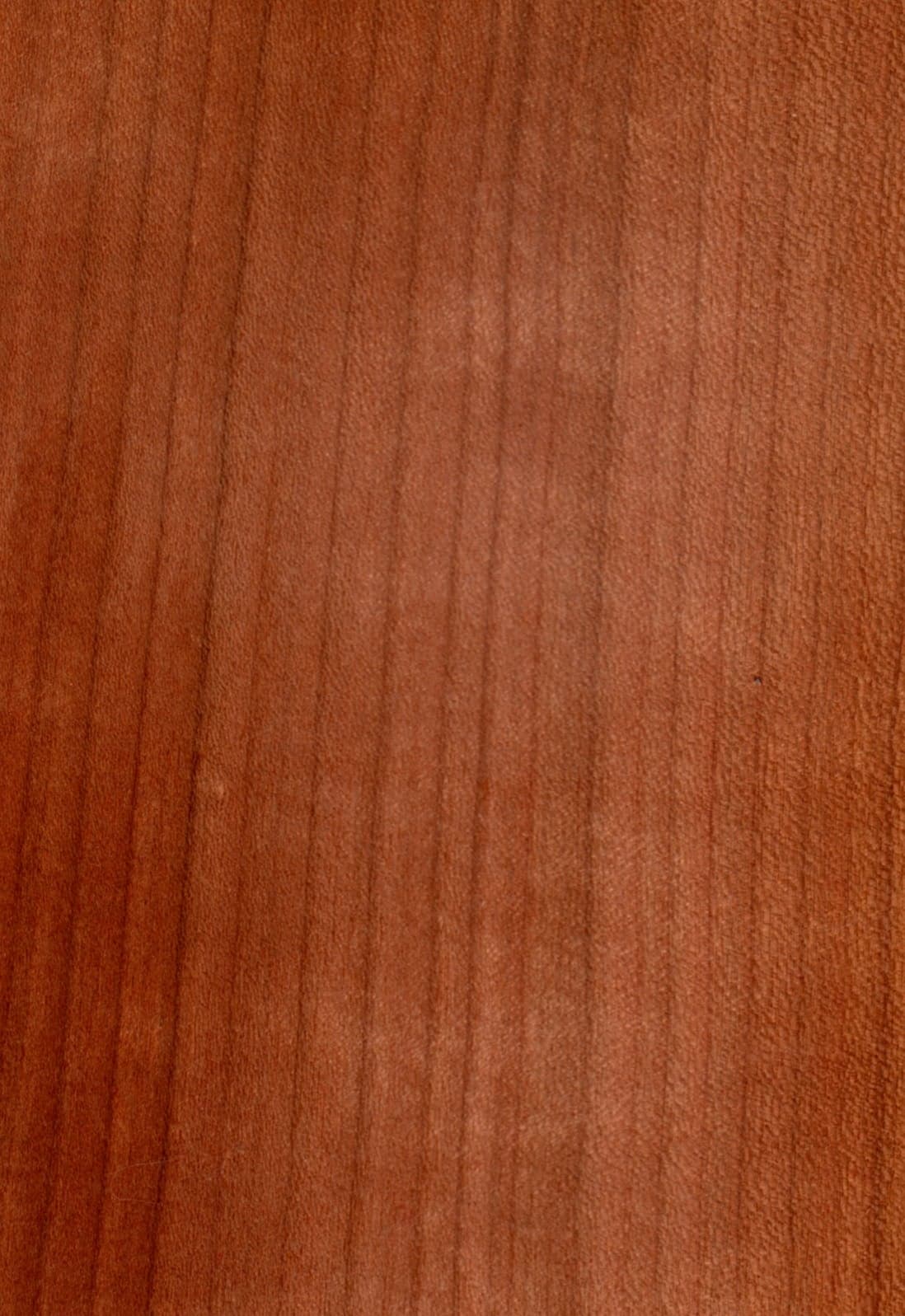
Nerf van European Cherry
  • Geschiktheid voor projecten
  • Op voorraad
  • Uiterlijk
  • Bewerking
  • Werking
  • Prijs
  • Veiligheid en herkomst
  • Vragen
  • Technische gegevens

Is dit geschikt voor uw project?

Zeer geschikt voor

  • Fine cabinetry and built-ins
  • Dining and occasional tables
  • Chairs and bench seats
  • Boxes, trays, and small casework
  • Turned bowls and handles
  • Interior architectural joinery
  • Musical instrument parts

Geen European Cherry in de huidige uitgifte

Vergelijkbare houtsoorten op voorraad

Momenteel is er geen European Cherry. Deze houtsoorten zijn geschikt voor dezelfde projecten en zijn wel beschikbaar.
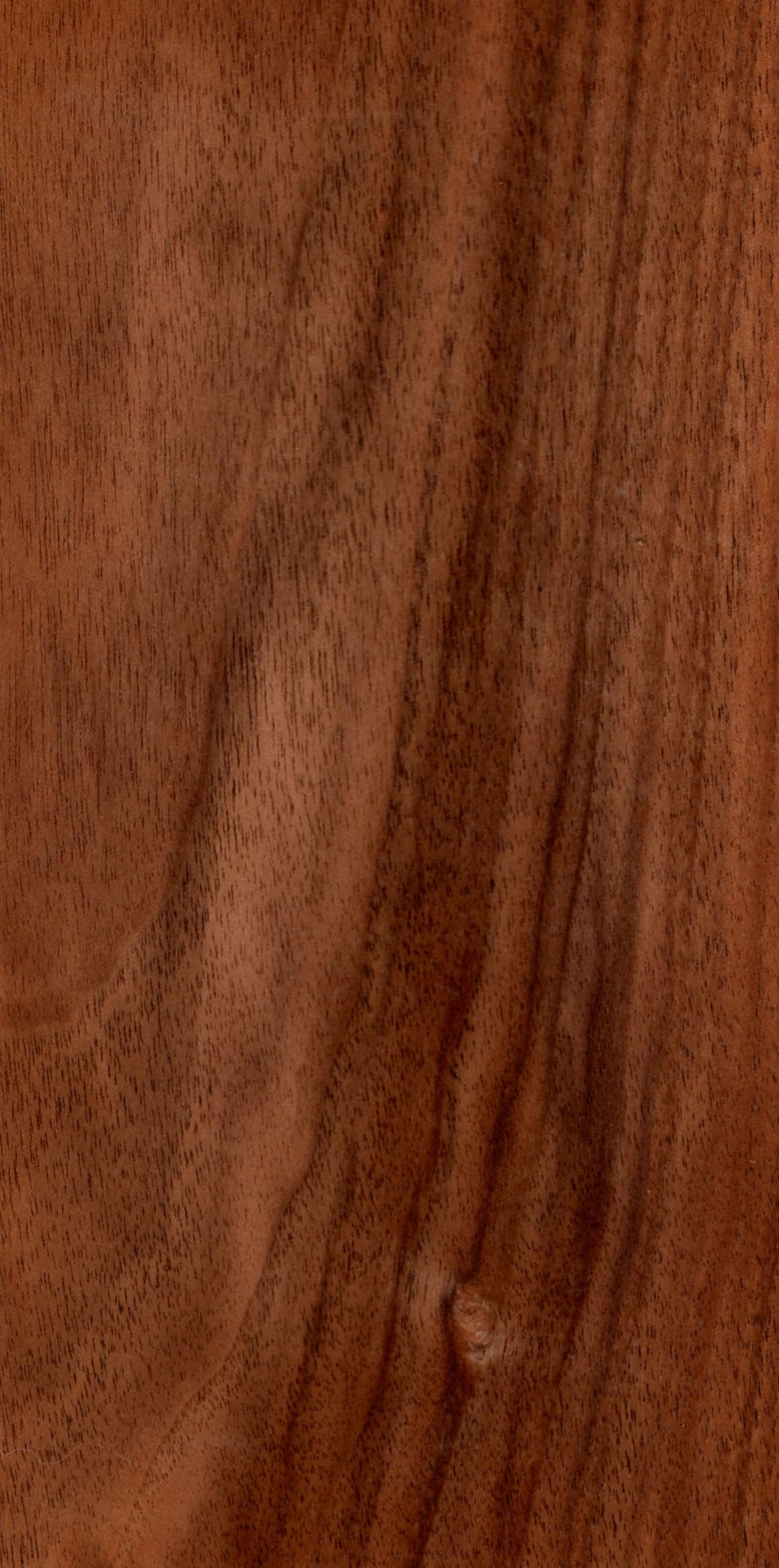
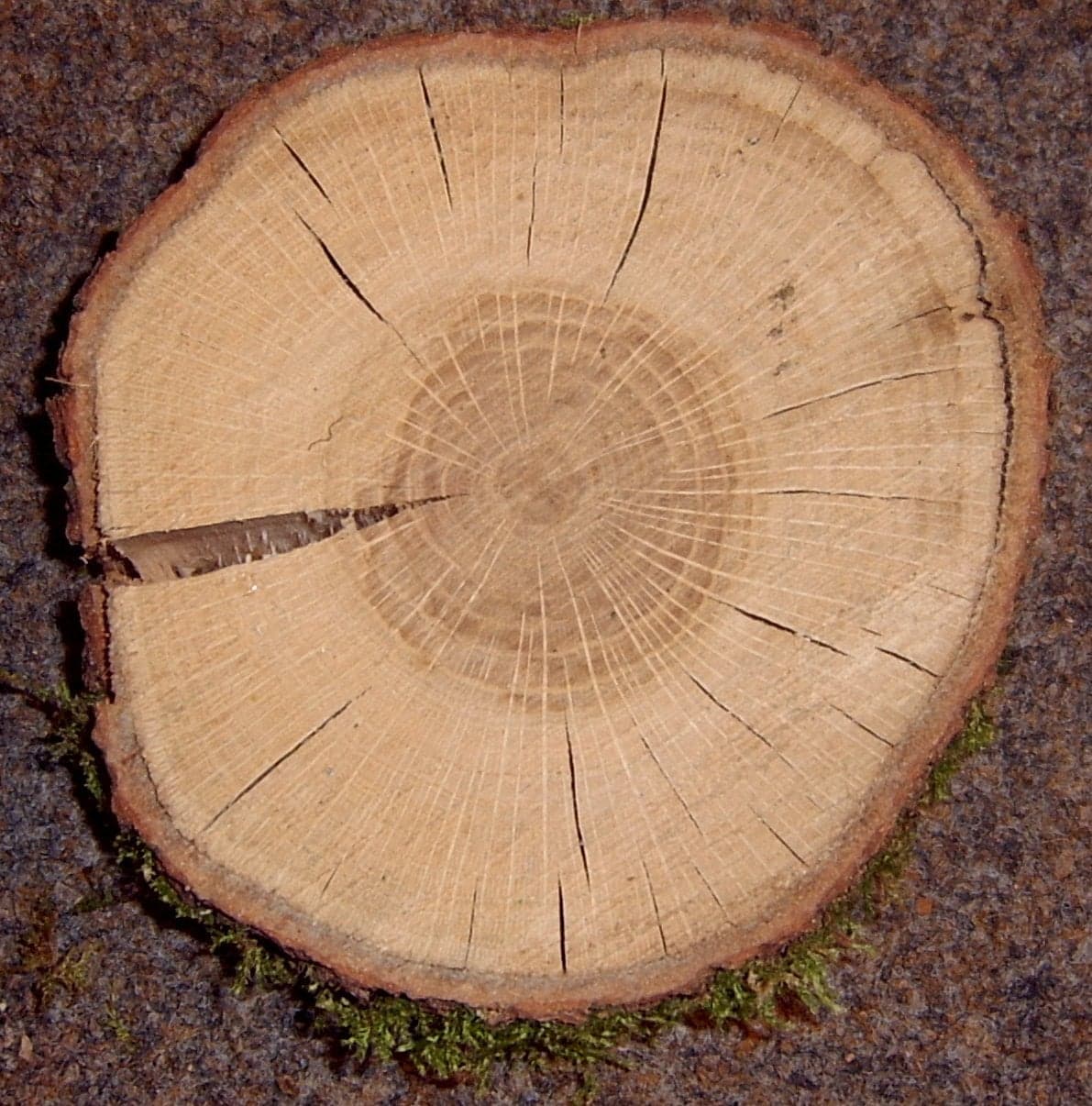
  • Nerf van European Walnut

    European Walnut

    Juglans regia

    9 stukken

  • Nerf van European Oak

    European Oak

    Quercus robur

    6 stukken

  • Nerf van Saman

    Saman

    Samanea saman

    4 stukken

Bericht ontvangen over European Cherry

We sturen u een e-mail wanneer nieuwe boomstambladen van European Cherry bij KORENA binnenkomen. Elk stuk is uniek, dus tijdig bericht is belangrijk.

Enkele e-mails per maand. Geen spam, op elk moment afmelden.

Uiterlijk van het hout

Hoe het eruitziet

Fine, straight grain with a smooth, even texture. Heartwood opens pinkish-tan to warm salmon, with a paler cream sapwood that is usually distinct. Figure is generally quiet, occasional gum streaks, small pin knots, and the odd ribbon or curl. The headline trait is its colour shift: under light and over a few months, the wood deepens through honey to a rich reddish-brown, and continues to mature for years. Boards stored unevenly will tan unevenly, so rotate stock during storage.

  • Fresh heartwood: pinkish-tan to warm salmon
  • Pale cream sapwood, usually distinct from heartwood
  • Ages through honey to deep reddish-brown over months and years
  • Light exposure drives the colour shift, uneven storage gives uneven tan
  • Occasional gum streaks and small pin knots
  • Quiet figure overall, with the odd ribbon or curl
  • Fine, straight grain.

Bewerking

Bewerking

Easy to work with hand and machine tools. Planes and sands cleanly with sharp edges; gum pockets can clog cutters, so check stock before milling. Glues and screws well. Steam-bending is moderate, workable for gentle curves, less reliable for tight radii. Turns and carves predictably.

Afwerking

Sands to a glassy surface at 180–220 grit. Takes oil, hardwax, shellac, and water-based finishes cleanly. A thin seal coat of dewaxed shellac or sanding sealer evens out any blotch on flat-sawn faces before topcoats. Avoid heavy stains, they fight the wood's own colour development. For commissions, expose offcuts to daylight alongside the finished piece so clients can see how the colour will move.

Drogen

Dries fairly quickly but is prone to warp, cup, and surface checking if rushed. Sticker carefully and weight the top of the stack. End-seal green stock. Once at EMC, it is stable in service with moderate tangential movement.

Hoeveel zal het werken?

Hout zwelt en krimpt over de breedte wanneer de lucht vochtiger en droger wordt. Schat de seizoenswerking van een blad van European Cherry voordat u de bevestigingen ontwerpt.

Zaagwijze
Waar het komt te staan

Verwachte seizoenswerking

ongeveer 9,1 mm

Bevestig het blad met bladwervels of sleufbeugels, niet met lijm of strak aangedraaide schroeven.

Lineair krimpmodel: breedte × (krimp ÷ 28 % vezelverzadiging) × seizoensverschil in vochtgehalte. Gebruikt 8 % tangentiële krimp voor European Cherry. Dit is een planningsschatting, geen garantie.

Wat het kost

Veiligheid en herkomst

  • Geteeld en geoogst in Europa.
  • Status op de Rode Lijst van IUCN: de wereldwijde beoordeling van de beschermingsstatus van deze houtsoort.
  • Not commonly flagged as a dust sensitiser, and considered food-contact safe once finished appropriately. Standard fine-dust extraction and a mask are still sensible at the sander.

Lees de volledige gidsUitgebreide informatie over tekening, kleurverandering, bewerking en stabiliteit.+

What European Cherry actually is#

Prunus avium is bought for a colour it does not yet have.

Fresh cherry is a pale pinkish tan, unremarkable and easily mistaken for a lesser wood. Within six months of light exposure it deepens substantially, and within a year it reaches the rich reddish brown that people actually mean when they say cherry. The change continues, more slowly, for years.

This single behaviour governs almost every decision about buying, finishing and using the species.

Working with the darkening rather than against it#

Three practical consequences follow.

First, do not choose a slab on its current colour. What you see on the bench is a stage, not the result. Two boards that look different today may match in a year, and two that match today may not.

Second, uneven light exposure prints permanently. A rug on a cherry floor, a lamp base on a cherry table, a stack of books left in one place: each leaves a lighter patch as the surrounding wood darkens around it. The patch does eventually even out if the object is moved, but it takes months. The sensible approach is to let a new piece darken evenly for the first few months before putting anything on it permanently.

Third, a UV inhibiting finish slows the process but does not stop it, and it will not preserve the pale fresh colour indefinitely. If you want pale, choose a different species.

Vragen van kopers

Vragen van kopers

How much does cherry darken?

+

A great deal, and quickly. Fresh cherry is pale pinkish tan and within a year of light exposure it deepens to a rich reddish brown. Most of the change happens in the first six months. This is why cherry furniture looks nothing like cherry lumber, and why buying on the freshly machined colour misleads.

Why does my cherry have patchy colour after finishing?

+

Two causes. Cherry blotches badly under pigment stain because of its fine uneven density, so use a dye, a gel stain or a washcoat. The other is uneven light exposure: anything covering part of a surface, a rug, a lamp base, a stack of books, will leave a permanently lighter patch as the rest darkens around it. Let a piece darken evenly before placing objects on it.

How is European Cherry different from American Black Cherry?

+

European cherry, Prunus avium, is harder at 5,120 N against 4,226 N and slightly denser. American black cherry, Prunus serotina, is available in larger and more consistent sizes because it is grown as a forestry species. Colour and figure are similar and both darken dramatically. European cherry tends to have more gum pockets.

What are the small dark flecks in the wood?

Mechanische eigenschappen

Technische gegevens

Gepubliceerde referentiewaarden. Als bronnen uiteenlopen, wordt het bereik getoond en wordt de gebruikelijke waarde gebruikt voor de bovenstaande schalen.

Dichtheid (kg/m³)Massa per kubieke meter bij ongeveer 12 % vochtgehalte. Zwaarder hout is meestal harder en sterker.550–650 kg/m³gebruikelijk 600 kg/m³
Janka-hardheid (N)De kracht die nodig is om een stalen kogel tot de helft in het hout te drukken. Dit is de standaardmaat voor weerstand tegen deuken.4,700–5,500 Ngebruikelijk 5.120 N
MOR: breukmodulus (MPa)Buigsterkte: de belasting waarbij een balk breekt.95–110 MPa
MOE: elasticiteitsmodulus (GPa)Buigstijfheid: hoeveel een plank of blad onder belasting doorbuigt.9.5–11.0 GPa
Radiale krimpKrimp dwars op de groeiringen, van vers tot ovendroog. Kwartiers gezaagde planken werken volgens deze waarde.4.5–5.5 %
Tangentiële krimp

Achim Raschka (talk), via Wikimedia Commons

Sterke punten

  • VoedselveiligGeschikt voor planken, kommen en oppervlakken die met voedsel in aanraking komen.
  • Geschikt voor beginnersGemakkelijk te bewerken en niet zo hard dat het gereedschap zwaar belast.

Let op

Native across Europe and into western Asia. Grown in mixed hardwood forests from the UK and France through Germany, Austria, Italy, and the Balkans. Most commercial stock comes from central European yards, often from orchard thinnings or managed woodlots.

  • Native European hardwood, IUCN Least Concern, no CITES listing. Often sourced from small woodlots and orchard clearance, so volumes per parcel can be modest. Decay class 3, moderately durable, means it is an interior wood; not for ground contact or unprotected exterior use. Ask for FSC or PEFC chain-of-custody where the project requires it.

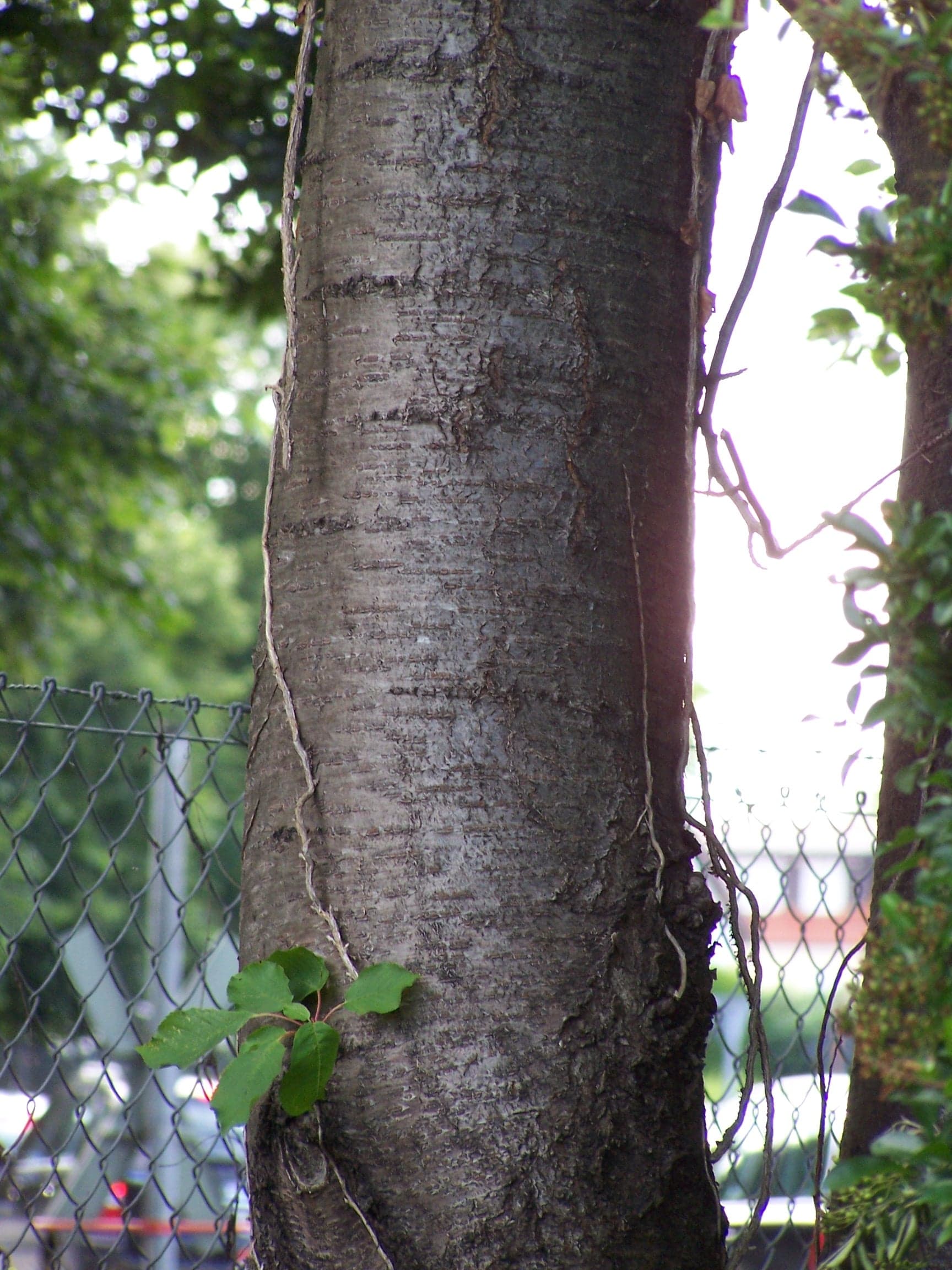
  • European Cherry: Schors
    Schors

    Reading a cherry slab#

    Colour runs pale pinkish tan when fresh, deepening to reddish brown. Sapwood is narrow and pale cream, and it does not darken at the same rate as the heartwood, so contrast changes over time.

    The grain is fine, close and usually straight, with a satiny lustre that is characteristic of the species.

    Gum pockets are the thing to look for: small resin filled cavities that occur in all Prunus species and are more frequent in European cherry than in American. They are not structural defects and many makers consider them part of the character. Larger ones can be filled.

    At the bench#

    Cherry is one of the most pleasant woods in this catalogue to work. At 5,120 N it is moderately hard, it cuts cleanly, it turns and carves well, it glues reliably and it takes fastenings securely.

    The fine close grain holds crisp detail and sands to an excellent surface.

    The one difficulty is burning. Cherry scorches easily under a router bit or a dull saw blade, and the burn marks are dark and stubborn on a wood this pale. Sharp tooling, appropriate feed rates and light final passes avoid it.

    The finishing trap#

    Cherry blotches badly under pigment stain. The fine uneven density makes absorption patchy, and the result is a mottled surface that looks like a mistake because it is one.

    Use a dye, a gel stain that sits on the surface, or seal with a thin washcoat first. Test on an offcut every time.

    The better answer is usually to skip stain entirely. Cherry is going to arrive at a rich reddish brown by itself, and staining it to get there early tends to produce a muddier colour than patience would.

    Movement#

    Volumetric shrinkage of 11.5 percent is moderate, with tangential at 7.5 percent against radial at 4.5 percent. That differential is reasonable and cherry behaves acceptably in wide boards.

    Decay class 3 makes it moderately durable, adequate for protected exterior joinery but not for exposure.

    Where European Cherry is the right answer#

    Fine furniture, tabletops, cabinetry, turned and carved work, and interior joinery where warmth is the design intent. It is one of the most rewarding species here for a piece intended to be lived with for decades, because it genuinely improves.

    It is the wrong answer where a stable pale colour is needed, and wrong outdoors.

    Sourcing and EUDR#

    Not CITES listed and assessed as Least Concern. Common across Europe and often felled from orchards and gardens as well as forestry, so sizes are variable and provenance chains are shorter and less standardised than for a commodity species.

    Orchard cherry against forest cherry#

    Prunus avium reaches the timber market from two quite different places, and the wood differs accordingly.

    Forest grown cherry, drawn up among other trees, produces straighter trunks with fewer low branches, longer clean lengths and more uniform colour. It is the better material for matched furniture components.

    Orchard cherry, grown in the open for fruit and felled at the end of its productive life, branches low and spreads. Trunks are shorter and more irregular, knots are more frequent, and figure is more variable. It also produces more gum pockets.

    Neither is better in the abstract. For a run of matched drawer fronts, forest grown is far easier to work with. For a single characterful slab, the orchard tree usually has more to look at.

    Steaming, and whether you want it#

    Some European cherry is steamed during drying, which deepens and evens the colour toward a more uniform reddish brown and reduces the contrast with the sapwood.

    Unsteamed cherry starts paler and develops its colour naturally through light exposure, which produces a more luminous result over time but requires patience and even exposure.

    For a piece intended to be lived with, unsteamed and patient is generally the better outcome. For a commission that has to look finished on delivery, steamed stock gets there sooner.

    +

    Gum pockets, small resin filled cavities that are characteristic of Prunus species and more common in European cherry than American. They are not a structural defect and many makers regard them as part of the character. Larger ones can be filled. On a measured KORENA slab, any pocket large enough to matter appears in the defect outline.

    Can cherry be used outdoors?

    +

    Not really. At decay class 3 it is moderately durable, which is adequate for protected exterior joinery under a maintained finish but not for exposure or ground contact. It is also far too valuable a furniture timber to put outside.

    Krimp langs de groeiringen. Dosse gezaagde planken en de meeste boomstambladen werken volgens deze waarde.
    7.5–8.5 %
    Volumetrische krimpTotale volumeverandering van vers tot ovendroog. Een lagere waarde betekent stabieler hout.11.5–13.0 %
    Natuurlijke duurzaamheid (EN 350)Europese norm voor natuurlijke weerstand tegen aantasting, van 1 (zeer duurzaam) tot 5 (niet duurzaam).Class 3 — Moderately durable

    Bronnen

    • The Wood Database(geraadpleegd op 2026-05-09)
    • USDA FPL Wood Handbook FPL-GTR-190 (2010)(geraadpleegd op 2026-05-09)
    • Meier, E. — WOOD! Identifying and Using Hundreds of Woods Worldwide (2015)(geraadpleegd op 2026-05-09)

    In het kort

    De niveaus gebruiken vaste schalen voor elke houtsoort die KORENA aanbiedt, zodat u ze rechtstreeks kunt vergelijken. Onder elk niveau staat de gemeten waarde.
    HardheidWeerstand tegen deuken en slijtageMiddelhard

    Janka-hardheid 5.120 N

    3 % harder dan Europese eik

    GewichtHoe zwaar een boomstamblad is om op te tillenGemiddeld

    600 kg/m³

    StabiliteitHoe weinig het hout met de seizoenen werktGemiddeld

    12,3 % volumetrische krimp

    BewerkingZagen, schaven, schuren en lijmenGemakkelijk

    4,0 / 5 gemiddeld bij bewerking

    BuitengebruikNatuurlijke weerstand tegen aantasting, EN 350Overdekt buiten

    EN 350-klasse 3

    • Zagen · Zeer goedHoe zuiver het zaagt en hoe zwaar het zaagbladen belast.1 = moeilijk · 5 = uitstekend
    • Schaven · Zeer goedHoe glad het geschaafde oppervlak wordt en hoeveel uitbreken er optreedt.1 = moeilijk · 5 = uitstekend
    • Schuren · Zeer goedHoe snel het glad schuurt zonder het schuurpapier te verstoppen.1 = moeilijk · 5 = uitstekend
    • Draaien · Zeer goedHoe het zich op de draaibank laat snijden en afwerken.1 = moeilijk · 5 = uitstekend
    • Snijden · Zeer goedHoe scherp details onder een guts blijven.1 = moeilijk · 5 = uitstekend
    • Lijmen · Zeer goedHoe betrouwbaar lijmverbindingen houden.1 = moeilijk · 5 = uitstekend
    • Houvast van schroef / spijker · Zeer goedHoe goed het schroeven en spijkers vasthoudt zonder te splijten.1 = moeilijk · 5 = uitstekend
    • Stoombuigen · GoedHoe goed het na stomen in gebogen vormen kan worden gebracht.1 = moeilijk · 5 = uitstekend

    Wat hout van European Cherry momenteel in Europa kost per kubieke meter, exclusief btw. Tik op een prijs voor de details.

    • Topstammen op een veilingGeselecteerde stammen van hoge kwaliteit die op inschrijvingsveilingen worden verkocht, vooral aan fineerproducenten en meubelmakers. Uit zulke stammen worden boomstambladen gezaagd.De meeste prijzen liggen tussen € 319 en € 408.Gebaseerd op 55 prijzen uit 2 regio's.Meest recente gegevens: 24 sep 2026

    Topstammen op een veiling per land

    • Duitsland · € 408 / m³Regio's: Bavaria25 prijzenMeest recente gegevens: 24 sep 2026
    • Oostenrijk · € 319 / m³Regio's: Austria30 prijzenMeest recente gegevens: 24 sep 2026

    Waarom kost een boomstamblad meer?

    Dit zijn prijzen voor onbewerkt hout. Een boomstamblad is de beste zaagsnede uit een stam, wordt minstens een jaar gedroogd en daarna stuk voor stuk gecontroleerd en opgemeten. Slechts een klein deel van elke stam wordt een boomstamblad.

    Bron: KORENA Timber Index · Meest recente gegevens: 24 sep 2026

    Bekijk alle regionale prijzen
    Niet voor onbehandeld buitengebruik
    De natuurlijke duurzaamheid is klasse 3 van 5 volgens EN 350. Gebruik het binnen of houd de afwerklaag buiten goed bij.

    Tik op een label voor de details.