KORENA
HoutFinished piecesBenodigdhedenPartnerwervenArtikelen

Blijf op de hoogte

Elk boomstamblad is uniek. Zodra het verkocht is, is het weg. We mailen u wanneer nieuwe stukken online komen: nieuwe voorraad, nieuwe houtsoorten en planken die bij een projectomschrijving passen.

Enkele e-mails per maand. Geen spam, op elk moment afmelden.

KORENA, hoogwaardig hardhout

Eén stuk tegelijk.

Geverifieerd hoogwaardig hardhout, per stuk verkocht. Elk boomstamblad wordt gefotografeerd, gemeten en met een houtpaspoort verzonden vanaf de partnerwerf.

Winkel

  • Producten bekijken
  • Verkocht archief
  • Bestelling volgen

Ontdekken

  • Artikelen
  • Houtsoortengidsen
  • Woordenlijst
  • Vergelijken
  • Auteurs

Hulp

  • Over ons
  • Zo werkt het
  • Partnerwerf worden
  • Boomstamblad aanvragen
  • Klantenservice
  • Documentsjablonen
  • Pers

Kopen

  • Verkoopvoorwaarden
  • Herroepingsrecht
  • Retourneren en garantie
  • Verzending en bezorging

Vertrouwen

  • Privacybeleid
  • Cookiebeleid
  • Herkomst van hout en EUDR
  • Toegankelijkheid

Colofon

  • Juridische kennisgeving / colofon
  • Aanvaardbaar gebruik
  • Intellectueel eigendom en content

© 2026 KORENA. Alle rechten voorbehouden.

Uitgevoerd door Martial Labs Ltd. (BG, EIK 207453941). KORENA is een handelsnaam van Martial Labs Ltd.

We respecteren je privacy

We gebruiken essentiële cookies om de site te laten werken. Met jouw toestemming gebruiken we ook cookies voor analyse, gepersonaliseerde inhoud en advertenties. Je kunt je keuze op elk moment wijzigen op de pagina toestemmingsvoorkeuren. Bekijk ons cookiebeleid en privacybeleid.

  1. Startpagina
  2. /
  3. Houtsoorten
  4. /
  5. Douglas Fir

Pseudotsuga menziesii

Douglas Fir

Not a fir, and the stiffest softwood KORENA lists. Bold orange ring figure, structural strength, and a splinter you do not want to ignore.

  • Buiten Europa geteeld en via Europese partnerwerven geïmporteerd.
  • Botanische groep. Naaldhout komt van coniferen en loofhout van loofbomen.
  • De botanische familie waartoe de houtsoort behoort.
Ontvang bericht zodra het binnenkomtReferentiehoutsoort. Momenteel geen stukken op voorraad.
  • Geschiktheid voor projecten
  • Op voorraad
  • Uiterlijk
  • Bewerking
  • Werking
  • Prijs
  • Veiligheid en herkomst
  • Vragen
  • Technische gegevens

Is dit geschikt voor uw project?

Zeer geschikt voor

  • Structural beams and exposed framing
  • Tabletops
  • Flooring
  • Exterior joinery
  • Shelving with long spans

Geen Douglas Fir in de huidige uitgifte

Vergelijkbare houtsoorten op voorraad

Momenteel is er geen Douglas Fir. Deze houtsoorten zijn geschikt voor dezelfde projecten en zijn wel beschikbaar.
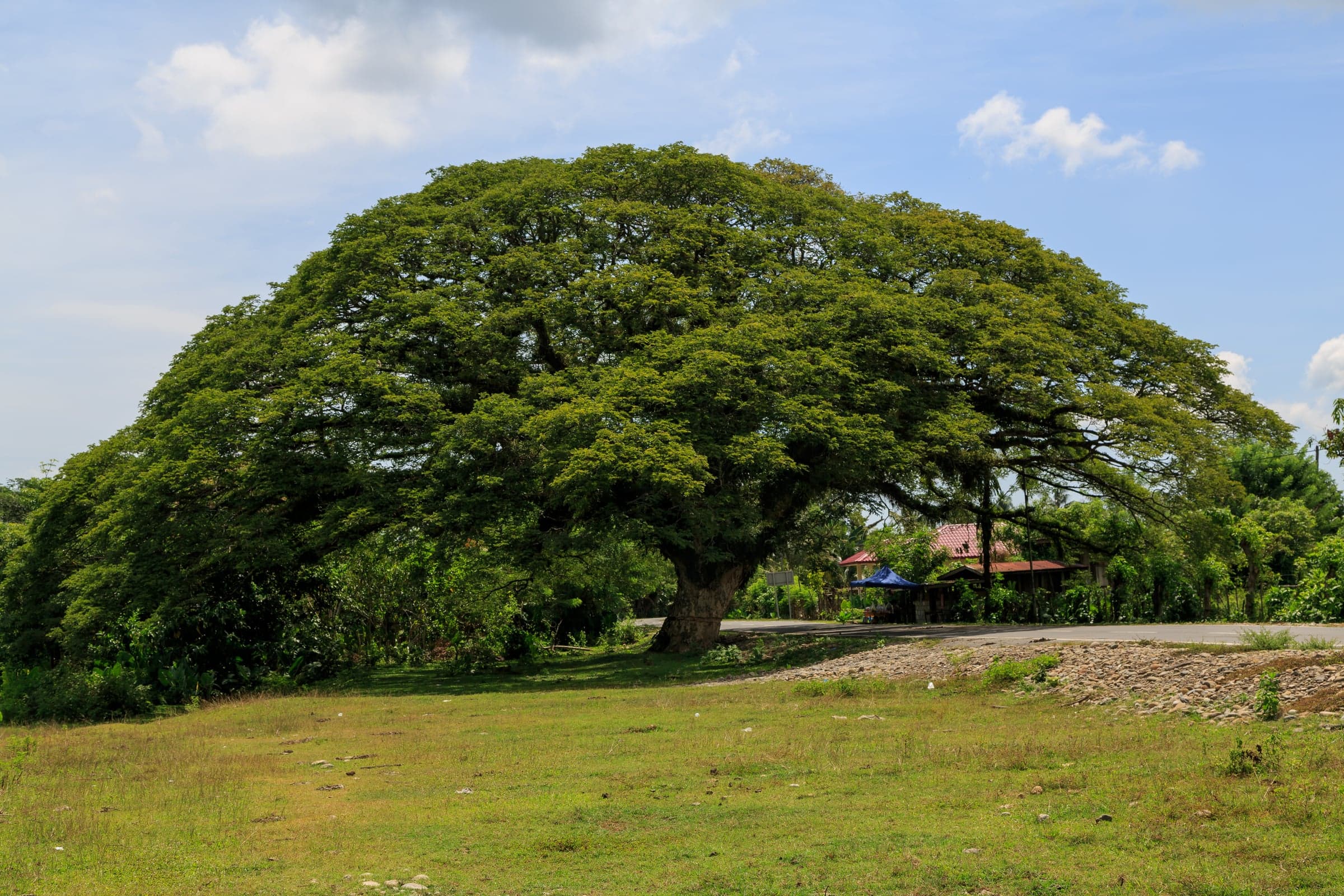
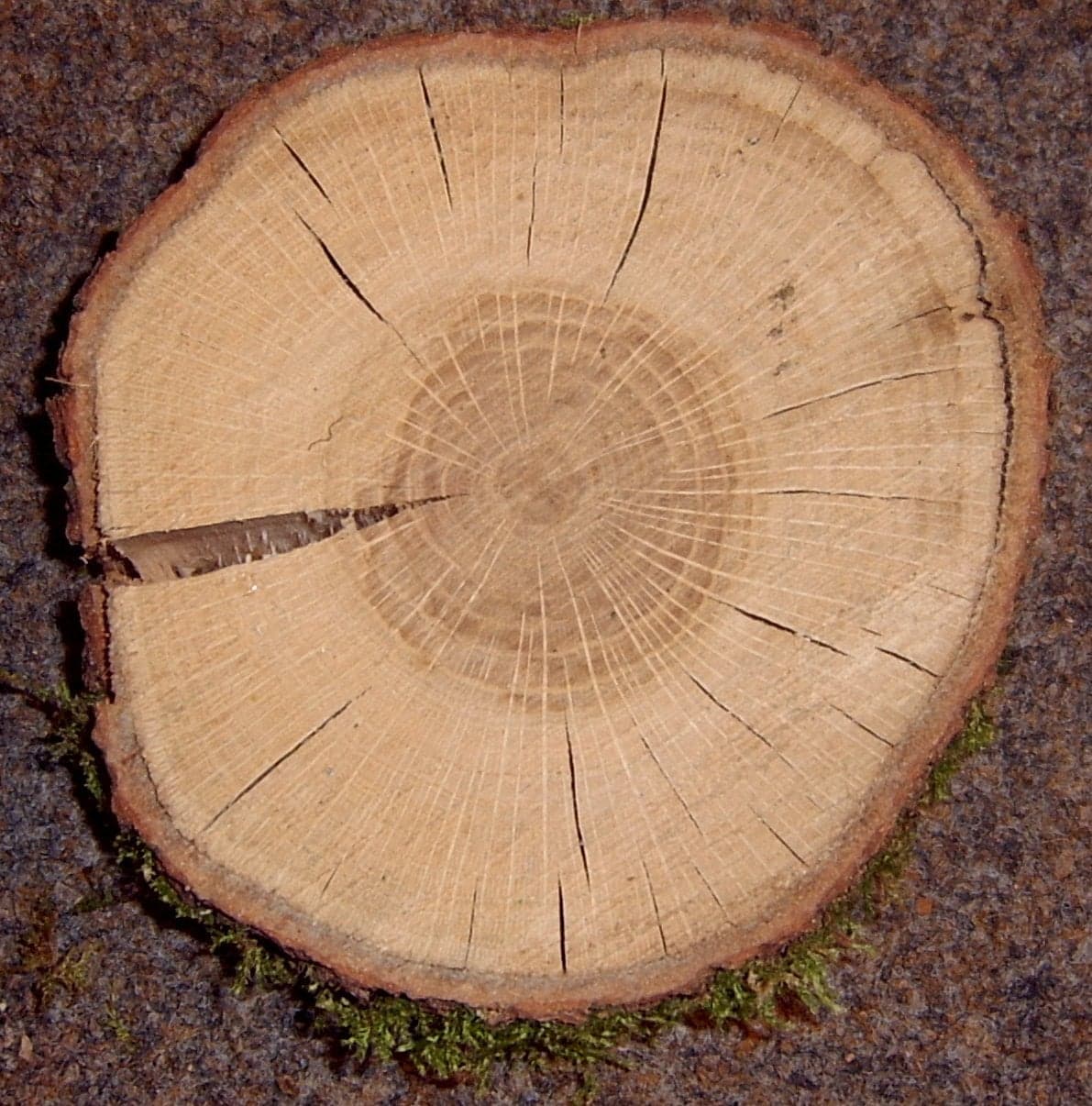
  • Nerf van Saman

    Saman

    Samanea saman

    4 stukken

  • Nerf van European Oak

    European Oak

    Quercus robur

    6 stukken

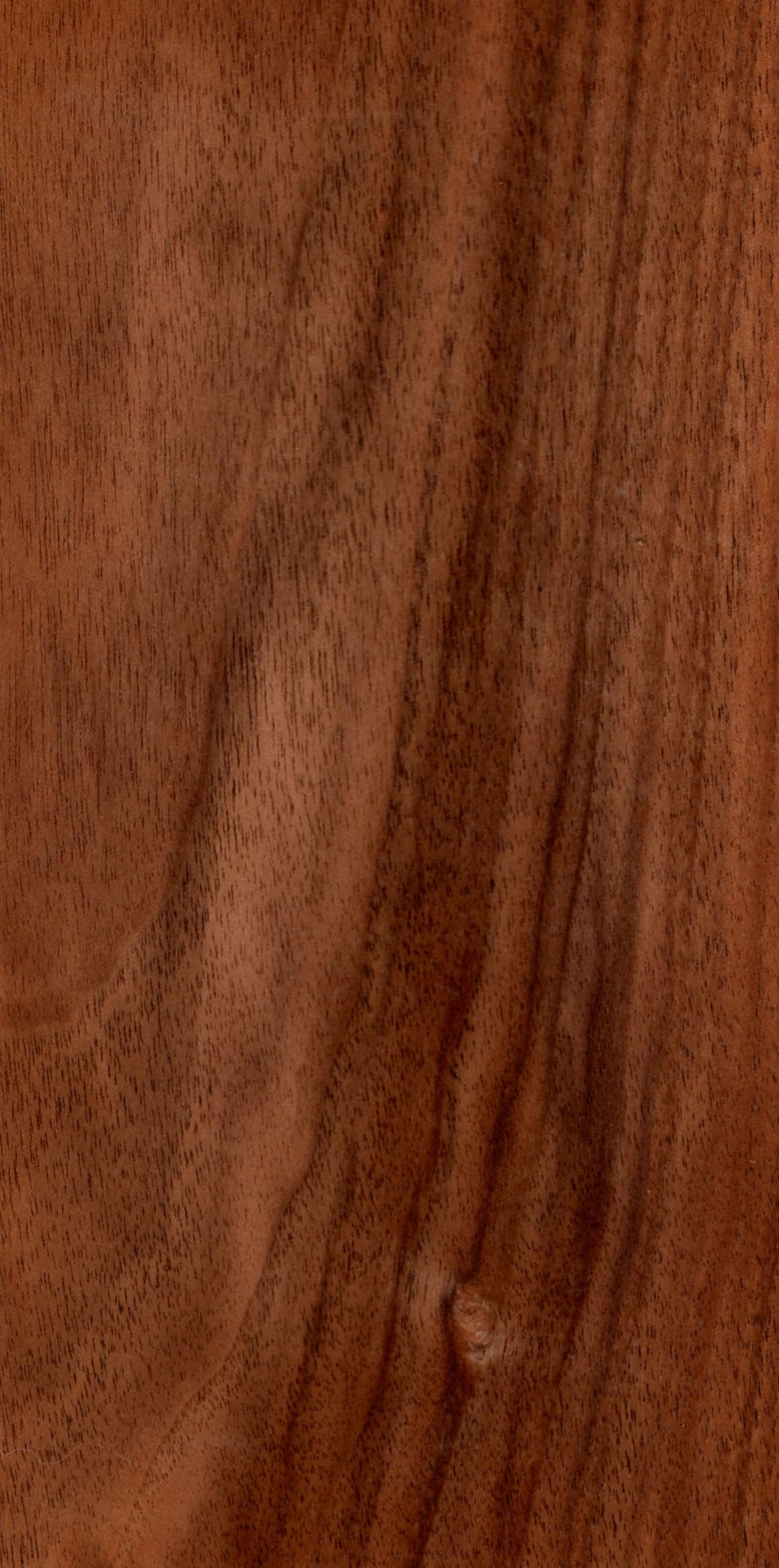
  • Nerf van European Walnut

    European Walnut

    Juglans regia

    9 stukken

Bericht ontvangen over Douglas Fir

We sturen u een e-mail wanneer nieuwe boomstambladen van Douglas Fir bij KORENA binnenkomen. Elk stuk is uniek, dus tijdig bericht is belangrijk.

Enkele e-mails per maand. Geen spam, op elk moment afmelden.

Uiterlijk van het hout

Hoe het eruitziet

Warm reddish tan to light brown heartwood with a distinctly orange cast, against pale sapwood. The ring figure is bold and high contrast because the latewood bands are dense and dark, giving flatsawn faces a strong flame pattern. It is one of the stiffest softwoods available, which is why it dominates structural engineered timber.

  • Reddish tan to light brown with a warm orange cast
  • Bold high contrast growth ring figure
  • Pale narrow sapwood, deepens with light exposure
  • Straight grain with bold, high-contrast growth rings from dense dark latewood. Reddish tan to light brown with a warm orange cast against pale sapwood.

Bewerking

Bewerking

Machines well but has a moderate blunting effect on cutters, noticeably more than spruce or pine. It accepts stains, glues and finishes well. The dense latewood bands are the machining challenge: they are much harder than the earlywood between them and can tear out where grain rises, leaving a ridged surface. Sharp tooling and light finishing cuts matter, and a helical head is a real advantage.

Afwerking

Takes oil and clear finishes well and the colour deepens attractively toward a richer red brown. Like all species with strong density contrast between earlywood and latewood, it blotches under pigment stain, so a conditioner or dye is the safer route. Its natural colour is warm enough that most makers leave it clear.

Drogen

Dries reasonably well but is prone to surface checking in thick sections if pushed, and European grown fast ring stock is more troublesome than slow grown material. Volumetric shrinkage at around 11.6 percent is the lowest in this group, which combined with a favourable tangential to radial ratio makes properly dried Douglas Fir one of the more stable softwoods in service.

Hoeveel zal het werken?

Hout zwelt en krimpt over de breedte wanneer de lucht vochtiger en droger wordt. Schat de seizoenswerking van een blad van Douglas Fir voordat u de bevestigingen ontwerpt.

Zaagwijze
Waar het komt te staan

Verwachte seizoenswerking

ongeveer 8,3 mm

Bevestig het blad met bladwervels of sleufbeugels, niet met lijm of strak aangedraaide schroeven.

Lineair krimpmodel: breedte × (krimp ÷ 28 % vezelverzadiging) × seizoensverschil in vochtgehalte. Gebruikt 7,3 % tangentiële krimp voor Douglas Fir. Dit is een planningsschatting, geen garantie.

Wat het kost

Veiligheid en herkomst

  • Buiten Europa geteeld en via Europese partnerwerven geïmporteerd.
  • Status op de Rode Lijst van IUCN: de wereldwijde beoordeling van de beschermingsstatus van deze houtsoort.
  • Reported to cause skin irritation, nausea, giddiness and runny nose, along with an increased likelihood of splinters becoming infected. That last point is worth taking seriously: Douglas Fir splinters are notorious for going septic. Gloves when handling rough stock and proper extraction during machining are advisable.

Lees de volledige gidsUitgebreide informatie over tekening, kleurverandering, bewerking en stabiliteit.+

What Douglas Fir actually is#

Pseudotsuga menziesii is not a fir. It sits in its own genus, separate from the true firs of Abies, and the name is a historical accident that never got corrected. The distinction is not pedantry. Silver Fir is the softest wood in this catalogue at 1,420 N Janka; Douglas Fir is nearly twice as hard at 2,760 N, considerably stiffer, more durable, and much harder on cutting edges. Expecting one to behave like the other leads to bad decisions.

It is native to western North America and has been planted across Europe since the nineteenth century. That matters when buying, because European plantation stock and North American old growth are the same species performing quite differently.

Reading a Douglas Fir slab#

The colour is the immediate draw: a warm reddish tan with an orange cast that deepens under light toward a richer red brown. Against the pale narrow sapwood the contrast is clean.

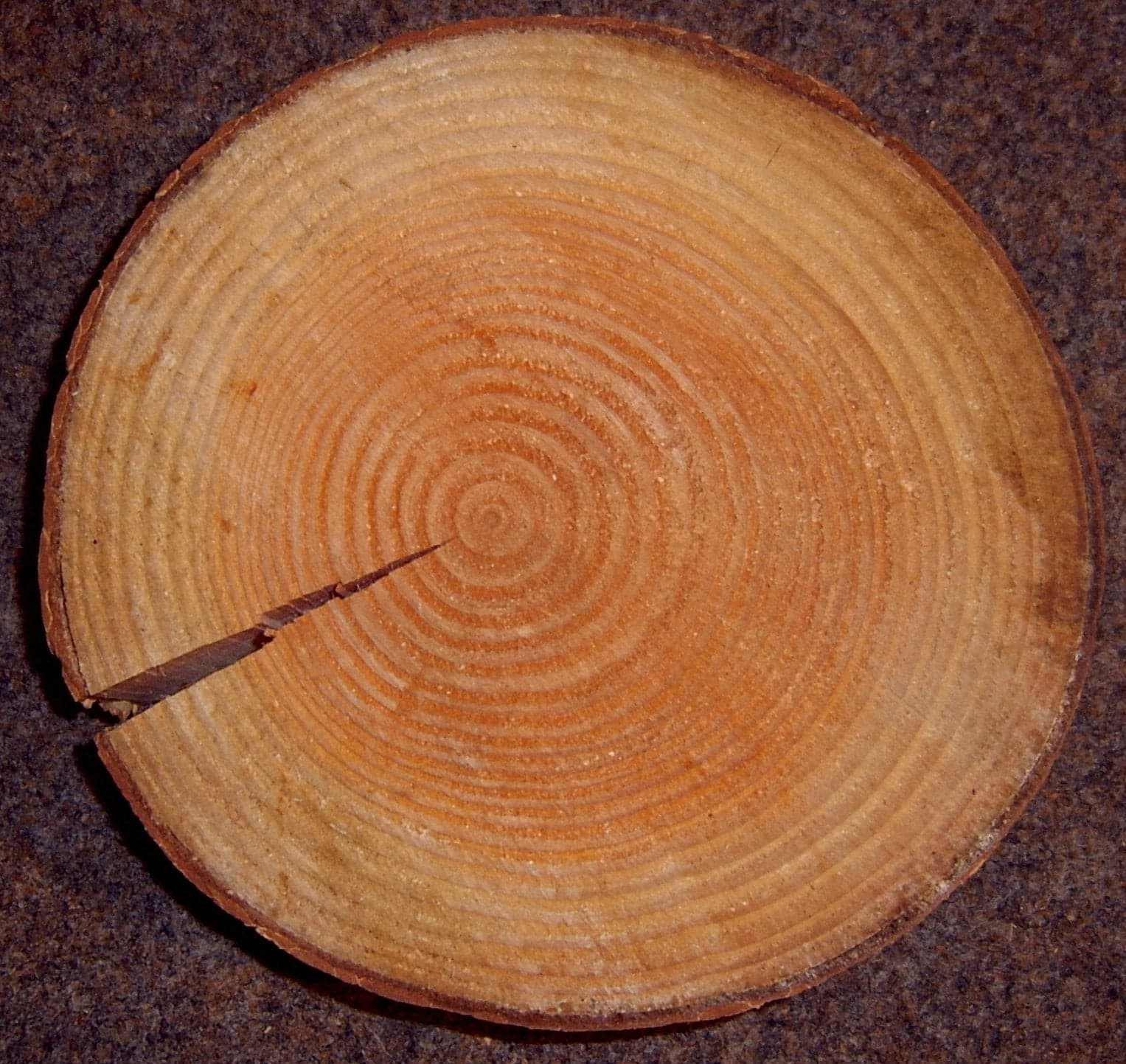
The ring figure is the real signature. Douglas Fir lays down dense dark latewood bands against much softer earlywood, and on a flatsawn face that produces a bold flame pattern with high contrast, closer to a ring-porous hardwood than to the quiet figure of spruce.

That same contrast is what you must read for quality. Ring spacing separates slow grown material, with a high proportion of dense latewood, from fast grown European plantation stock with wide soft earlywood bands. The slow grown board is stronger, more durable and more attractive. The fast grown one is neither wrong nor a bargain, it is simply a different material, and for structural or exterior work the difference is not cosmetic.

Vragen van kopers

Vragen van kopers

Is Douglas Fir actually a fir?

+

No. Pseudotsuga menziesii is its own genus, distinct from the true firs in Abies such as Silver Fir. The name is a historical misnomer that stuck. The practical consequence is that it behaves nothing like Silver Fir: it is far stiffer, harder, more durable and considerably more difficult on cutting edges.

How stiff is it compared to other softwoods?

+

Its elastic modulus is 12.17 GPa, the highest of any softwood KORENA lists and above European Larch at 11.80 GPa. Stiffness is why it dominates structural glulam and why it is the right choice for a long shelf or an unsupported span where deflection matters more than hardness.

Can I use it outdoors?

+

It is rated moderately durable regarding decay but is susceptible to insect attack, so it sits below European Larch for exterior work. It performs well in protected exterior joinery such as windows and doors under a maintained finish. For unprotected decking or ground contact, larch is the better choice from this group.

Why do Douglas Fir splinters get infected so often?

+

Mechanische eigenschappen

Technische gegevens

Gepubliceerde referentiewaarden. Als bronnen uiteenlopen, wordt het bereik getoond en wordt de gebruikelijke waarde gebruikt voor de bovenstaande schalen.

Dichtheid (kg/m³)Massa per kubieke meter bij ongeveer 12 % vochtgehalte. Zwaarder hout is meestal harder en sterker.510 kg/m³
Janka-hardheid (N)De kracht die nodig is om een stalen kogel tot de helft in het hout te drukken. Dit is de standaardmaat voor weerstand tegen deuken.2,760 N
MOR: breukmodulus (MPa)Buigsterkte: de belasting waarbij een balk breekt.86 MPa
MOE: elasticiteitsmodulus (GPa)Buigstijfheid: hoeveel een plank of blad onder belasting doorbuigt.12.2 GPa
Radiale krimpKrimp dwars op de groeiringen, van vers tot ovendroog. Kwartiers gezaagde planken werken volgens deze waarde.4.5 %
Tangentiële krimpKrimp langs de groeiringen. Dosse gezaagde planken en de meeste boomstambladen werken volgens deze waarde.
Nerf van Douglas Fir

No machine-readable author provided. Lumbar~commonswiki assumed (based on copyright claims)., via Wikimedia Commons

Pseudotsuga menziesii is native to western North America, from British Columbia to Mexico, and is not a European species. It has been planted extensively across Europe since the nineteenth century and much of the slab stock KORENA sees is European grown, which usually means faster growth and wider rings than old growth Pacific Northwest material.

  • Not listed in the CITES Appendices and assessed by the IUCN as Least Concern. It is not native to Europe, so European grown material is plantation stock rather than natural forest. Imported North American old growth carries a longer and more scrutinised supply chain under EUDR. European grown Douglas Fir is generally the simpler documentation path and the lower carbon one.

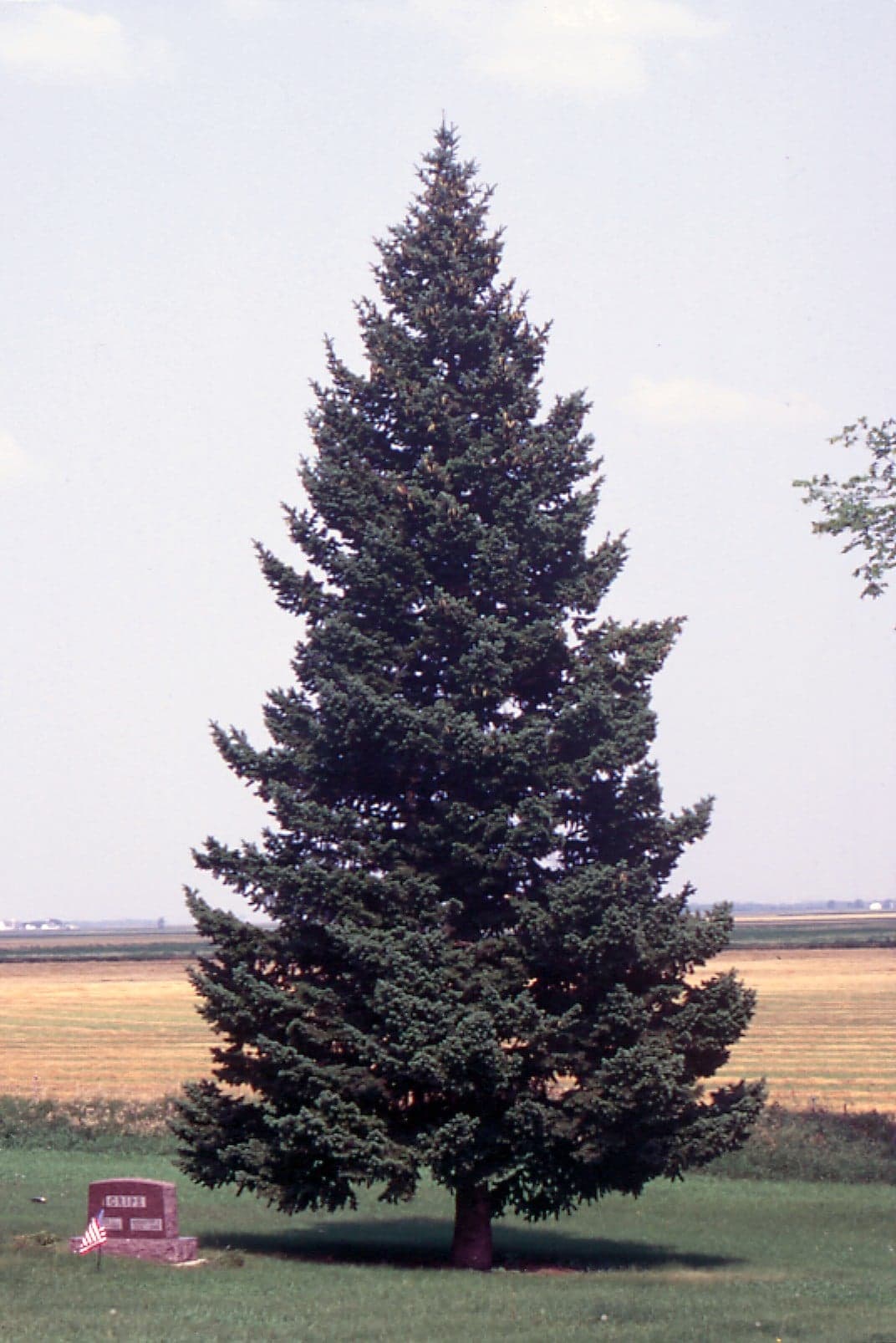
  • Boom van Douglas Fir

    USDA-NRCS PLANTS Database / Herman, D.E. et al. 1996. North Dakota tree handbook. USDA NRCS ND State Soil C..., via Wikimedia Commons

    At the bench#

    Douglas Fir machines well but it will dull your tooling faster than any other softwood here. Plan for sharpening more often, and accept that a marginal blade produces a markedly worse result on this species than on pine.

    The density contrast between earlywood and latewood is the specific machining challenge. Where the grain rises, a hard latewood band can tear out while the soft earlywood either side cuts cleanly, leaving a ridged or stepped surface that a scraper must fix. Light finishing cuts help. A helical cutterhead helps a great deal more, and on wide slabs it is close to essential if you want a surface that needs minimal sanding.

    Gluing and fastening are straightforward. It takes stains, glues and finishes well, and it holds screws better than the softer conifers here, though pilot holes near end grain remain sensible.

    One practical warning that is not folklore: Douglas Fir splinters carry a documented increased likelihood of becoming infected. Wear gloves handling rough sawn stock, and deal with any splinter promptly rather than leaving it to work its way out.

    Stiffness, and why it matters#

    The number that distinguishes this species is its elastic modulus, 12.17 GPa, the highest of any softwood in the KORENA catalogue and above European Larch at 11.80 GPa. Stiffness is not hardness. Hardness resists denting; stiffness resists bending.

    For a slab that must span a distance without visible sag, a long shelf, an unsupported bench top, an exposed structural beam, stiffness is the property that governs the outcome, and Douglas Fir is the correct answer in this group. It is why the species dominates structural glulam and engineered timber worldwide.

    For a dining table that must resist a dropped pan, hardness governs, and Douglas Fir at 2,760 N is still soft. Choose on the property that matches the failure you actually care about.

    Drying and movement#

    It dries reasonably but is prone to surface checking in thick sections if the schedule is pushed, and fast grown European material is more troublesome in this respect than slow grown stock.

    The payoff is stability in service. Volumetric shrinkage at around 11.6 percent is the lowest of any species in this group, and the tangential to radial ratio at 7.3 against 4.5 percent is comparatively favourable. Properly dried Douglas Fir is one of the more dimensionally reliable softwoods once it is in the room.

    Where Douglas Fir is the right answer#

    Exposed structural work, long spans, tabletops where the orange ring figure is wanted, flooring, and protected exterior joinery such as windows and doors under a maintained finish.

    It is the wrong answer for unprotected exterior work in contact with ground or standing water, where it is rated moderately durable but insect susceptible and European Larch outperforms it. It is also the wrong answer if your tooling is marginal, because this species is unforgiving of dull edges in a way pine is not.

    Sourcing and EUDR#

    Not CITES listed and assessed as Least Concern. The EUDR consideration here is different from the rest of this group because the species is not European. Imported North American old growth carries a longer supply chain with more scrutiny attached. European grown plantation material generally offers both the simpler documentation path and the lower transport carbon, at the cost of the wider rings discussed above. KORENA listings record the yard and region, so which of the two you are buying is visible on the passport rather than inferred from price.

    This is a documented characteristic of the species rather than folklore. Splinters from Douglas Fir carry an increased likelihood of becoming infected, which is why gloves when handling rough sawn stock are worth the inconvenience. Clean and treat any splinter promptly rather than leaving it.

    Is European grown different from American?

    +

    Yes, materially. European plantation Douglas Fir grows faster, producing wider rings, a lower proportion of dense latewood, and lower strength and durability than old growth Pacific Northwest stock. Both are the same species and neither is wrong, but they are not interchangeable for structural or exterior work. Ring count is the thing to look at.

    7.3 %
    Volumetrische krimpTotale volumeverandering van vers tot ovendroog. Een lagere waarde betekent stabieler hout.11.6 %
    Natuurlijke duurzaamheid (EN 350)Europese norm voor natuurlijke weerstand tegen aantasting, van 1 (zeer duurzaam) tot 5 (niet duurzaam).Class 3 — Moderately durable

    Bronnen

    • The Wood Database — Douglas Fir (Pseudotsuga menziesii)(geraadpleegd op 2026-08-12)
    • USDA FPL Wood Handbook FPL-GTR-190 (2010)(geraadpleegd op 2026-08-12)
    • Meier, E. — WOOD! Identifying and Using Hundreds of Woods Worldwide (2015)(geraadpleegd op 2026-08-12)

    Let op

    • Niet voor onbehandeld buitengebruikDe natuurlijke duurzaamheid is klasse 3 van 5 volgens EN 350. Gebruik het binnen of houd de afwerklaag buiten goed bij.
    • Irriterend stofGebruik stofafzuiging en draag een masker tijdens het schuren of machinaal bewerken.

    Tik op een label voor de details.

    In het kort

    De niveaus gebruiken vaste schalen voor elke houtsoort die KORENA aanbiedt, zodat u ze rechtstreeks kunt vergelijken. Onder elk niveau staat de gemeten waarde.
    HardheidWeerstand tegen deuken en slijtageVrij zacht

    Janka-hardheid 2.760 N

    45 % zachter dan Europese eik

    GewichtHoe zwaar een boomstamblad is om op te tillenLicht

    510 kg/m³

    StabiliteitHoe weinig het hout met de seizoenen werktGemiddeld

    11,6 % volumetrische krimp

    BewerkingZagen, schaven, schuren en lijmenGemiddeld

    3,7 / 5 gemiddeld bij bewerking

    BuitengebruikNatuurlijke weerstand tegen aantasting, EN 350Overdekt buiten

    EN 350-klasse 3

    • Zagen · Zeer goedHoe zuiver het zaagt en hoe zwaar het zaagbladen belast.1 = moeilijk · 5 = uitstekend
    • Schaven · Zeer goedHoe glad het geschaafde oppervlak wordt en hoeveel uitbreken er optreedt.1 = moeilijk · 5 = uitstekend
    • Schuren · Zeer goedHoe snel het glad schuurt zonder het schuurpapier te verstoppen.1 = moeilijk · 5 = uitstekend
    • Draaien · GoedHoe het zich op de draaibank laat snijden en afwerken.1 = moeilijk · 5 = uitstekend
    • Snijden · GoedHoe scherp details onder een guts blijven.1 = moeilijk · 5 = uitstekend
    • Lijmen · Zeer goedHoe betrouwbaar lijmverbindingen houden.1 = moeilijk · 5 = uitstekend
    • Houvast van schroef / spijker · Zeer goedHoe goed het schroeven en spijkers vasthoudt zonder te splijten.1 = moeilijk · 5 = uitstekend
    • Stoombuigen · GoedHoe goed het na stomen in gebogen vormen kan worden gebracht.1 = moeilijk · 5 = uitstekend

    Wat hout van Douglas Fir momenteel in Europa kost per kubieke meter, exclusief btw. Tik op een prijs voor de details.

    • Topstammen op een veilingGeselecteerde stammen van hoge kwaliteit die op inschrijvingsveilingen worden verkocht, vooral aan fineerproducenten en meubelmakers. Uit zulke stammen worden boomstambladen gezaagd.De meeste prijzen liggen tussen € 197 en € 203.Gebaseerd op 50 prijzen uit 1 regio.Meest recente gegevens: 24 sep 2026
    • Gangbare stammenGrote hoeveelheden standaardrondhout die door boseigenaren en staatsbosbeheer worden verkocht, vooral voor de bouw en industrie.De meeste prijzen liggen tussen € 28 en € 158.Gebaseerd op 6 prijzen uit 2 regio's.Meest recente gegevens: 15 sep 2026

    Waarom kost een boomstamblad meer?

    Dit zijn prijzen voor onbewerkt hout. Een boomstamblad is de beste zaagsnede uit een stam, wordt minstens een jaar gedroogd en daarna stuk voor stuk gecontroleerd en opgemeten. Slechts een klein deel van elke stam wordt een boomstamblad.

    Bron: KORENA Timber Index · Meest recente gegevens: 24 sep 2026

    Bekijk alle regionale prijzen