KORENA
HoutFinished piecesBenodigdhedenPartnerwervenArtikelen

Blijf op de hoogte

Elk boomstamblad is uniek. Zodra het verkocht is, is het weg. We mailen u wanneer nieuwe stukken online komen: nieuwe voorraad, nieuwe houtsoorten en planken die bij een projectomschrijving passen.

Enkele e-mails per maand. Geen spam, op elk moment afmelden.

KORENA, hoogwaardig hardhout

Eén stuk tegelijk.

Geverifieerd hoogwaardig hardhout, per stuk verkocht. Elk boomstamblad wordt gefotografeerd, gemeten en met een houtpaspoort verzonden vanaf de partnerwerf.

Winkel

  • Producten bekijken
  • Verkocht archief
  • Bestelling volgen

Ontdekken

  • Artikelen
  • Houtsoortengidsen
  • Woordenlijst
  • Vergelijken
  • Auteurs

Hulp

  • Over ons
  • Zo werkt het
  • Partnerwerf worden
  • Boomstamblad aanvragen
  • Klantenservice
  • Documentsjablonen
  • Pers

Kopen

  • Verkoopvoorwaarden
  • Herroepingsrecht
  • Retourneren en garantie
  • Verzending en bezorging

Vertrouwen

  • Privacybeleid
  • Cookiebeleid
  • Herkomst van hout en EUDR
  • Toegankelijkheid

Colofon

  • Juridische kennisgeving / colofon
  • Aanvaardbaar gebruik
  • Intellectueel eigendom en content

© 2026 KORENA. Alle rechten voorbehouden.

Uitgevoerd door Martial Labs Ltd. (BG, EIK 207453941). KORENA is een handelsnaam van Martial Labs Ltd.

We respecteren je privacy

We gebruiken essentiële cookies om de site te laten werken. Met jouw toestemming gebruiken we ook cookies voor analyse, gepersonaliseerde inhoud en advertenties. Je kunt je keuze op elk moment wijzigen op de pagina toestemmingsvoorkeuren. Bekijk ons cookiebeleid en privacybeleid.

  1. Startpagina
  2. /
  3. Houtsoorten
  4. /
  5. Sweet Chestnut

Castanea sativa

Sweet Chestnut

A lighter, softer cousin of oak. Tannin-rich heartwood gives it real durability outdoors, but those same tannins react with iron, so fixings need to be stainless or brass.

  • Geteeld en geoogst in Europa.
  • Botanische groep. Naaldhout komt van coniferen en loofhout van loofbomen.
  • De botanische familie waartoe de houtsoort behoort.
Ontvang bericht zodra het binnenkomtReferentiehoutsoort. Momenteel geen stukken op voorraad.
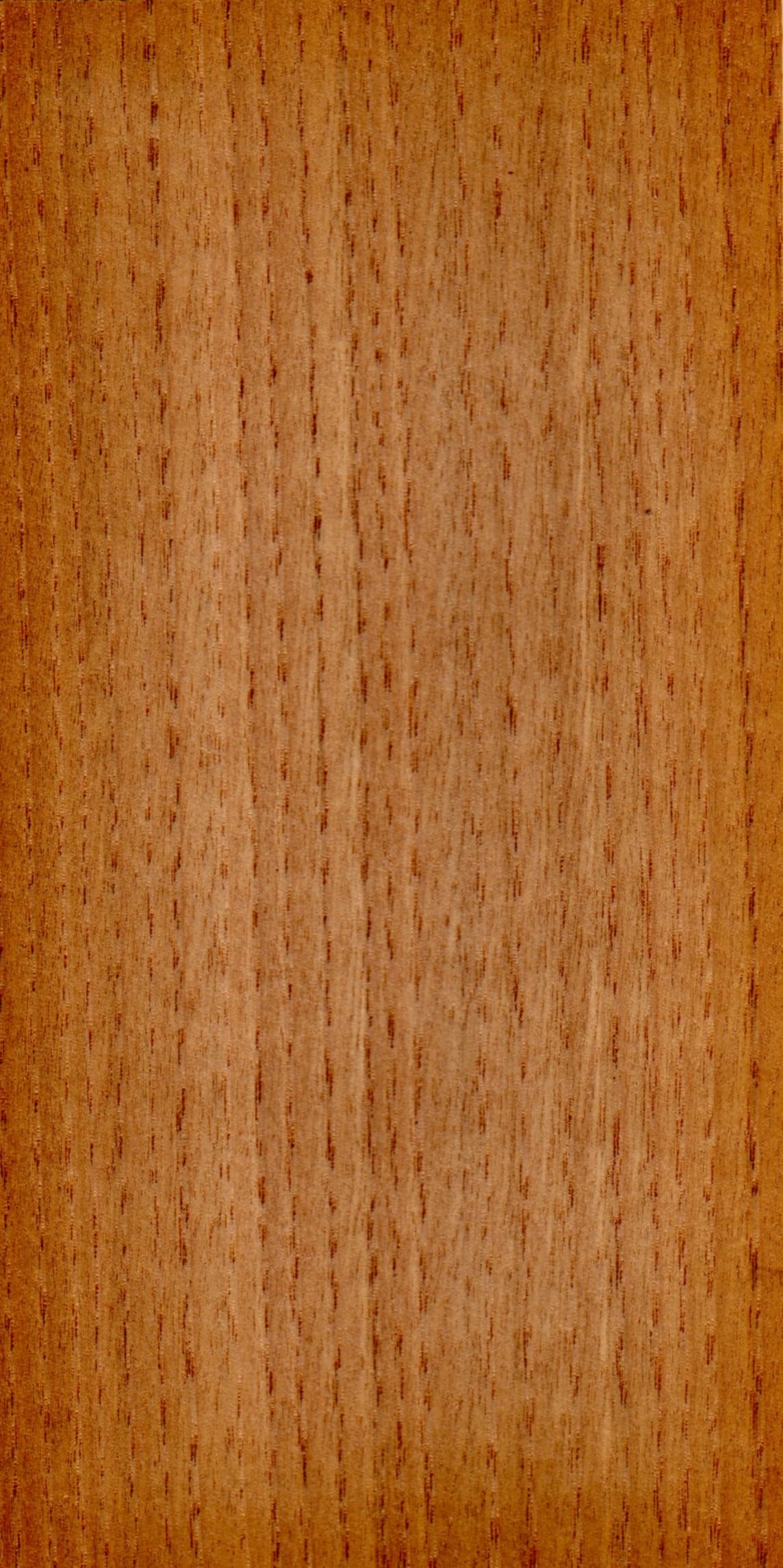
Nerf van Sweet Chestnut
  • Geschiktheid voor projecten
  • Op voorraad
  • Uiterlijk
  • Bewerking
  • Werking
  • Prijs
  • Veiligheid en herkomst
  • Vragen
  • Technische gegevens

Is dit geschikt voor uw project?

Zeer geschikt voor

  • External cladding and rainscreens
  • Interior wall and ceiling panelling
  • Barn-style and rustic furniture frames
  • Garden furniture and pergolas
  • Coopered tanks, vats, and planters
  • Beams and exposed structural framing

Geen Sweet Chestnut in de huidige uitgifte

Vergelijkbare houtsoorten op voorraad

Momenteel is er geen Sweet Chestnut. Deze houtsoorten zijn geschikt voor dezelfde projecten en zijn wel beschikbaar.
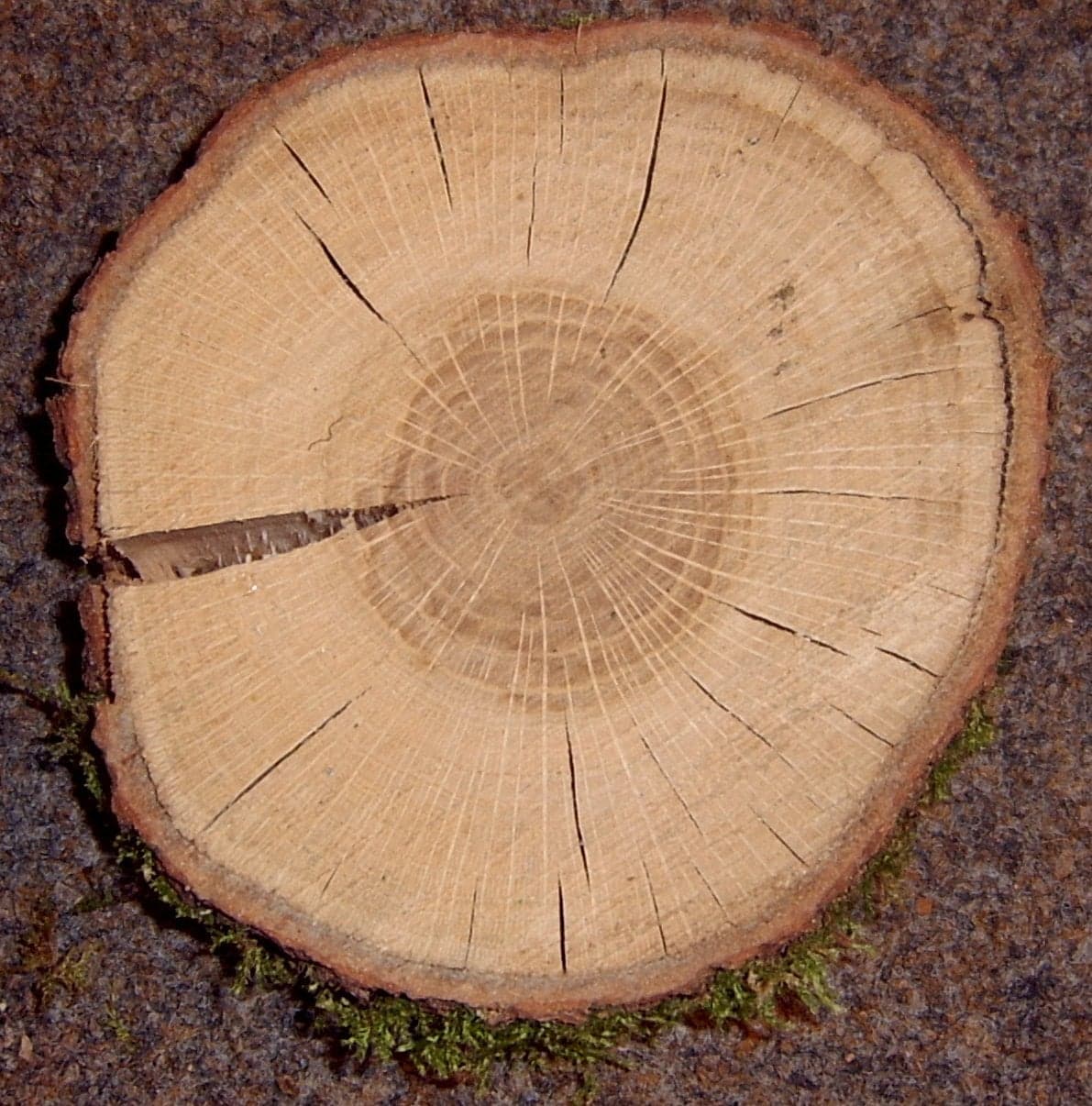

  • Nerf van European Oak

    European Oak

    Quercus robur

    6 stukken

  • Nerf van European Walnut

    European Walnut

    Juglans regia

    9 stukken

  • Nerf van Saman

    Saman

    Samanea saman

    4 stukken

Bericht ontvangen over Sweet Chestnut

We sturen u een e-mail wanneer nieuwe boomstambladen van Sweet Chestnut bij KORENA binnenkomen. Elk stuk is uniek, dus tijdig bericht is belangrijk.

Enkele e-mails per maand. Geen spam, op elk moment afmelden.

Uiterlijk van het hout

Hoe het eruitziet

Straight-grained and coarse-textured, with prominent ring-porous figure that reads as oak at a glance. Heartwood is a warm honey-brown that ambers with age; sapwood is a narrow pale band. Lacks oak's strong medullary rays, so quartersawn faces are calmer and less flecked.

  • Heartwood: warm honey to mid-brown, ambers with age
  • Sapwood: narrow, pale cream to light straw
  • Fumed: deep chocolate to near-black with ammonia
  • Oiled: pulls warmer and slightly redder than oak
  • Weathered outdoors: silver-grey patina within 1–2 seasons
  • Straight grain, coarse texture; resembles oak.

Bewerking

Bewerking

Saws and planes well with sharp tooling. Softer than oak, so it dents more easily but is also kinder on edges. Splits readily when screwed near ends or edges, pre-drill and countersink. Glues and steam-bends predictably. Turning is workable but the coarse grain can tear on end-grain cuts.

Afwerking

Takes oil, hardwax, and water-based finishes cleanly. Open pores benefit from a grain filler if you want a glass-flat surface, or leave them open for a tactile, oak-like read. Fuming with ammonia darkens it deeply thanks to the high tannin content. Test stains on offcuts, tannins can pull cool tones grey.

Drogen

Dries slowly and is prone to ring shake and honeycomb if pushed. Air-dry to around 25–30% MC before kilning, then run a gentle schedule. Movement in service is moderate, tangential shrinkage near 7% means wide boards want room to move in panels and tabletops.

Hoeveel zal het werken?

Hout zwelt en krimpt over de breedte wanneer de lucht vochtiger en droger wordt. Schat de seizoenswerking van een blad van Sweet Chestnut voordat u de bevestigingen ontwerpt.

Zaagwijze
Waar het komt te staan

Verwachte seizoenswerking

ongeveer 7,7 mm

Bevestig het blad met bladwervels of sleufbeugels, niet met lijm of strak aangedraaide schroeven.

Lineair krimpmodel: breedte × (krimp ÷ 28 % vezelverzadiging) × seizoensverschil in vochtgehalte. Gebruikt 6,75 % tangentiële krimp voor Sweet Chestnut. Dit is een planningsschatting, geen garantie.

Wat het kost

Veiligheid en herkomst

  • Geteeld en geoogst in Europa.
  • Status op de Rode Lijst van IUCN: de wereldwijde beoordeling van de beschermingsstatus van deze houtsoort.
  • Dust is a reported skin and respiratory sensitiser, extract at source and wear a fitted mask when sanding or routing. Heartwood is rated food-contact safe once finished. Critical detail: chestnut tannins react with iron and produce black staining wherever the two meet in the presence of moisture. Use stainless steel or brass fixings, and keep iron tooling off damp stock.

Lees de volledige gidsUitgebreide informatie over tekening, kleurverandering, bewerking en stabiliteit.+

What Sweet Chestnut actually is#

Castanea sativa is often sold as the light alternative to oak, and for appearance and durability that description holds. It is ring porous with a similar grain pattern, it carries a similar warm brown colour, and at decay class 2 it is genuinely durable outdoors.

Where the comparison breaks down is hardness. At 3,010 N Janka chestnut is the softest hardwood in this catalogue apart from black poplar, softer than Scots Pine and less than two thirds as hard as oak. Anyone expecting oak-like wear resistance from an oak-like appearance will be disappointed.

The other difference is visible: chestnut lacks oak's prominent rays, so a quartersawn chestnut board shows no ray fleck.

Ring shake, which is the thing to inspect for#

Chestnut is notably prone to ring shake, a separation along a growth ring inside the log.

The problem is that it frequently does not show on a rough sawn face. A board looks sound, gets machined, and the shake opens into a crescent shaped split that follows the ring and effectively ruins it.

This is the main reason chestnut yields far less usable timber than the abundance of the tree suggests, and it is the main reason to look carefully rather than quickly at a chestnut slab. Check end grain for any ring separation, and look along the length in raking light for a crescent line.

Vragen van kopers

Vragen van kopers

How is Sweet Chestnut different from oak?

+

It looks similar and is durable like oak, but it is much lighter and softer at 590 kg per cubic metre and 3,010 N Janka against 675 and 4,980 for European oak. Chestnut also lacks the prominent rays, so it has no ray fleck on quartersawn faces. It is often described as oak without the weight, which is fair for appearance and durability but not for hardness.

What is ring shake and why does it matter in chestnut?

+

A separation along a growth ring inside the log, which chestnut is particularly prone to. It may be invisible on a rough sawn surface and open up after machining, effectively ruining a board. It is the main reason chestnut yields less usable timber than its abundance suggests, and the main thing to inspect for when buying.

Can it be used outdoors?

+

Yes. At decay class 2 it is durable, and its high tannin content gives real resistance to rot. Chestnut has been the traditional European timber for fencing, cladding, shingles and outdoor structures for centuries, and coppiced chestnut fence posts are still a standard product.

Does it stain black like oak?

+

Mechanische eigenschappen

Technische gegevens

Gepubliceerde referentiewaarden. Als bronnen uiteenlopen, wordt het bereik getoond en wordt de gebruikelijke waarde gebruikt voor de bovenstaande schalen.

Dichtheid (kg/m³)Massa per kubieke meter bij ongeveer 12 % vochtgehalte. Zwaarder hout is meestal harder en sterker.540–650 kg/m³gebruikelijk 590 kg/m³
Janka-hardheid (N)De kracht die nodig is om een stalen kogel tot de helft in het hout te drukken. Dit is de standaardmaat voor weerstand tegen deuken.2,700–3,300 Ngebruikelijk 3.010 N
MOR: breukmodulus (MPa)Buigsterkte: de belasting waarbij een balk breekt.70–85 MPa
MOE: elasticiteitsmodulus (GPa)Buigstijfheid: hoeveel een plank of blad onder belasting doorbuigt.8.0–10.0 GPa
Radiale krimpKrimp dwars op de groeiringen, van vers tot ovendroog. Kwartiers gezaagde planken werken volgens deze waarde.3.5–4.5 %
Tangentiële krimp

Achim Raschka (talk), via Wikimedia Commons

  • Doors, gates, and shutters
  • Flooring in lower-traffic rooms
  • Sterke punten

    • Duurzaam buitenKlasse 2 van 5 volgens EN 350: bestand tegen aantasting buiten zonder behandeling.
    • VoedselveiligGeschikt voor planken, kommen en oppervlakken die met voedsel in aanraking komen.

    Native across southern and Mediterranean Europe, with long-managed coppice woodlands in France, Italy, and the Iberian peninsula. Also grown in the UK and parts of central Europe. KORENA sources mainly from European coppice and standard-tree harvests.

  • Native European species, IUCN Least Concern, no CITES restrictions. Much of the European supply comes from coppice systems, short-rotation, low-input, and a working part of rural land management in France and Italy. Ask for FSC or PEFC chain-of-custody where it matters to your client. KORENA records the certification it holds on the slab passport.

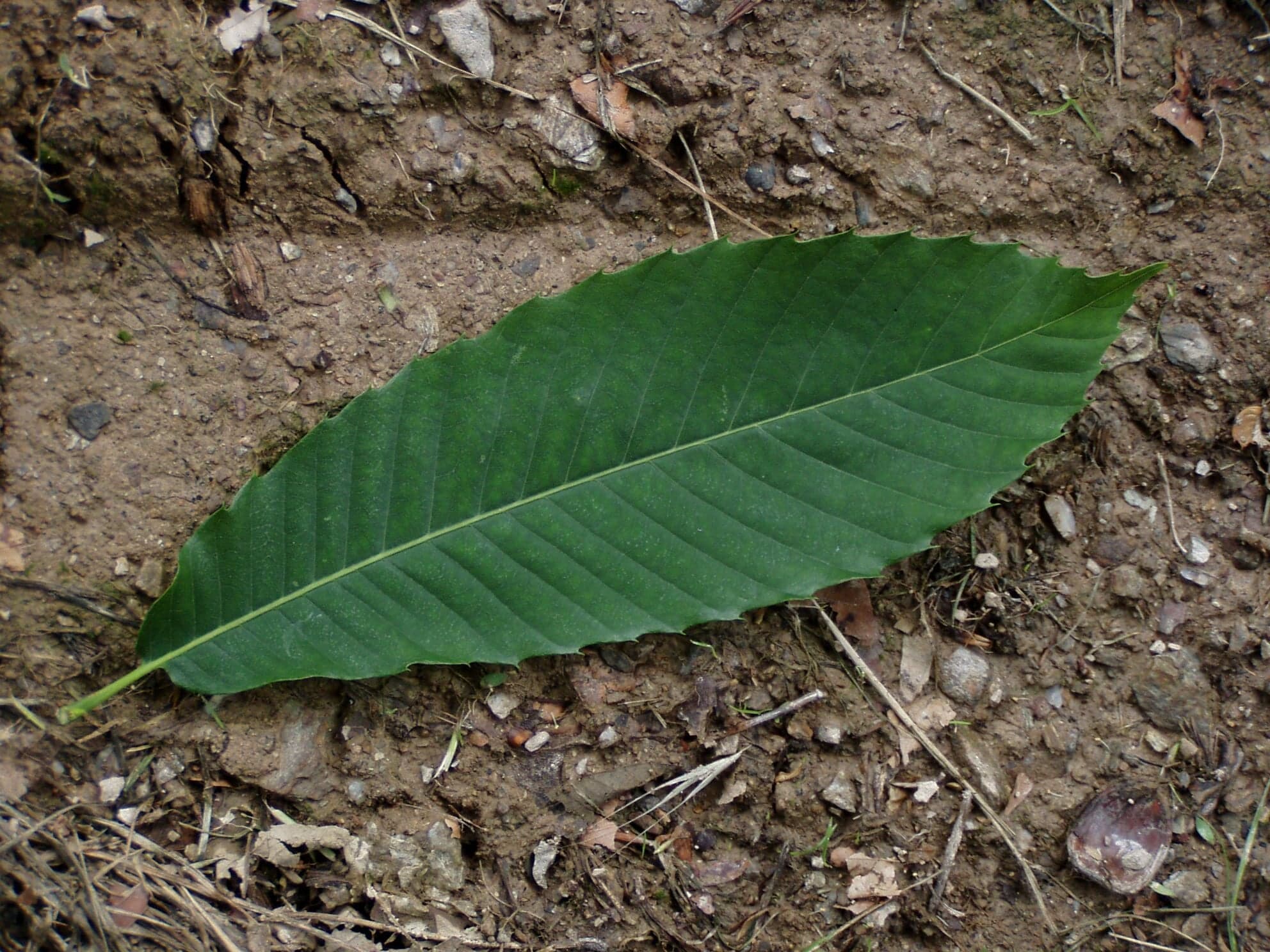
  • Sweet Chestnut: Blad
    Blad
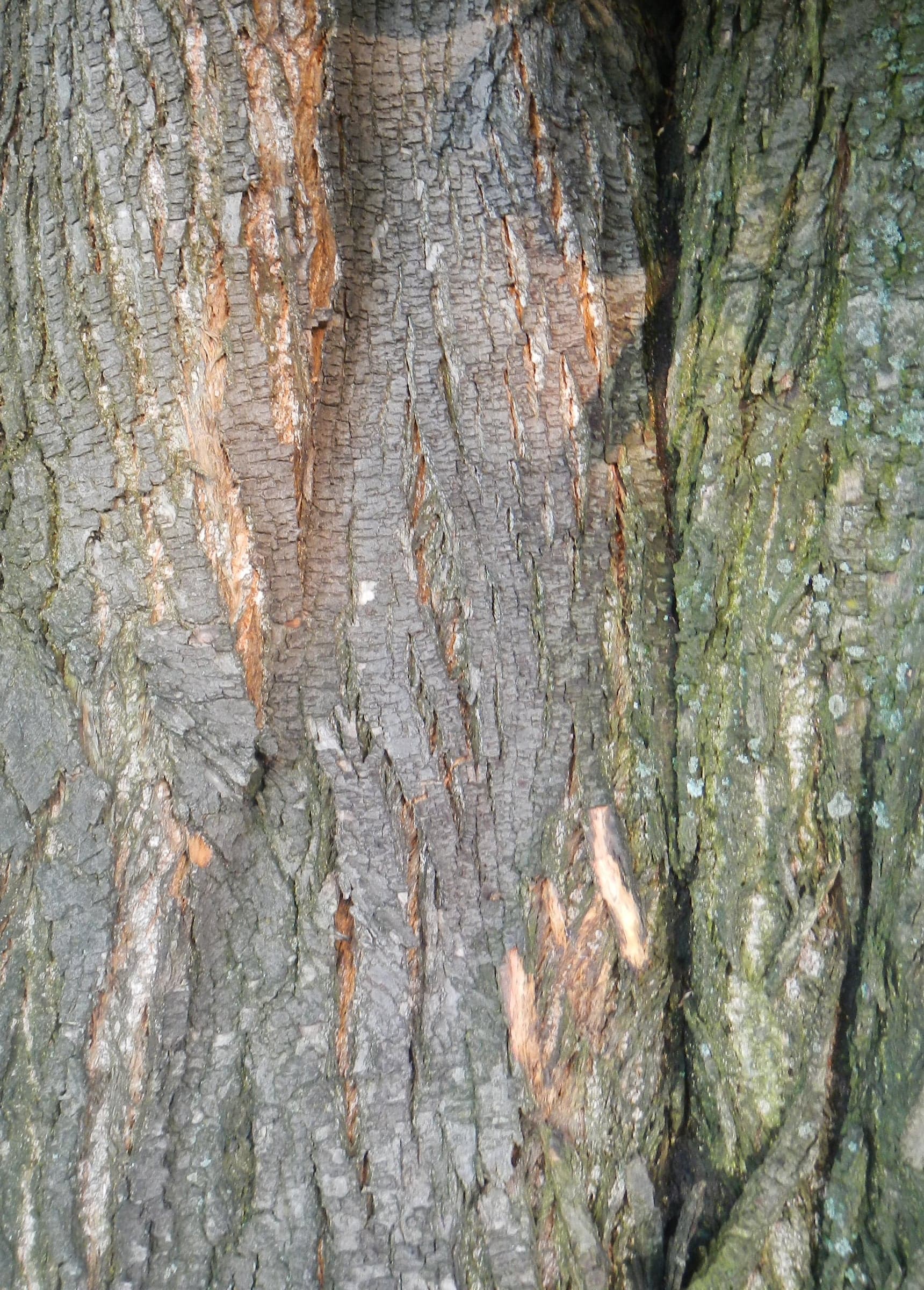
    Sweet Chestnut: Schors
    Schors

    On a measured KORENA slab, a shake large enough to matter appears in the defect outline rather than being discovered at the bench.

    Durability and tannin#

    Chestnut is very high in tannins, and that is where its durability comes from. At decay class 2 it is a genuine exterior timber and has been used across Europe for fencing, cladding, shingles, gates and outdoor structures for centuries. Coppiced chestnut fence posts remain a standard product precisely because they last without treatment.

    The same tannins make the iron reaction worse than in oak. Contact with steel produces blue black staining quickly, particularly when damp. Use stainless or brass fixings on any chestnut and treat it as non-negotiable on exterior work.

    At the bench#

    Chestnut is easy to work, considerably easier than oak. It cuts cleanly, blunts tooling only moderately, glues well and takes finish readily.

    Its softness is the working consideration. Arrises bruise, edges dent, and clamps mark the surface if you do not pad them.

    The open pores need filling for a smooth surface, as in oak.

    Movement#

    Volumetric shrinkage of 12.0 percent is moderate, with tangential at 6.0 percent against radial at 3.5 percent. That differential is narrower than oak's, so chestnut behaves reasonably well in a wide flatsawn board.

    It dries readily, though drying is where existing ring shake tends to open up.

    Where Sweet Chestnut is the right answer#

    Exterior cladding, fencing, gates, garden structures, shingles and outdoor furniture, where its durability and light weight both count. Indoors it suits panelling, light furniture and any piece where an oak look is wanted at a fraction of the weight.

    It is the wrong answer for a hard wearing work surface, and wrong wherever ring shake risk cannot be inspected for before committing.

    Sourcing and EUDR#

    Not CITES listed and assessed as Least Concern. Abundant across southern and western Europe with long established coppice management in France, Italy and the Iberian peninsula. Supply is straightforward and documentation simple.

    Coppice, and why chestnut comes in the sizes it does#

    Sweet chestnut has been coppiced across Europe for centuries. The tree is cut close to the ground and allowed to regrow multiple stems, which are harvested on a cycle of roughly fifteen to twenty years for poles, fencing and stakes.

    That management history shapes what reaches the market. A great deal of chestnut is small diameter coppice material, excellent for its traditional uses and useless for slabs. Timber sized chestnut comes from maiden trees grown on a longer rotation, and it is much less common.

    The practical effect is that wide chestnut slabs are scarcer than the abundance of the species suggests, and they command a premium relative to how cheap chestnut fencing is. If a quote for chestnut slabs looks similar to a quote for chestnut posts, something is wrong with the description.

    Chestnut against oak in the yard#

    Side by side, the two are easy to confuse at a glance and easy to separate on a second look.

    Chestnut has no visible rays. Oak has prominent rays that show as fleck on the quarter and as fine lines on the face. That is the reliable test, and it works on a rough sawn surface.

    Chestnut is also noticeably lighter in the hand at 590 kg per cubic metre against 675, and softer under a thumbnail at 3,010 N against 4,980. If a board looks like oak and feels light, check the rays.

    Yes, and more readily. Chestnut is very high in tannins, so contact with iron produces blue black staining quickly, particularly in damp conditions. Use stainless or brass fixings on any chestnut, and especially on exterior work.

    Is it strong enough for a tabletop?

    +

    At 3,010 N it is the softest hardwood in this catalogue apart from black poplar, softer than Scots Pine. A chestnut tabletop will dent. It suits a piece where that patina is acceptable, and where the light weight and oak-like appearance are the attraction.

    Krimp langs de groeiringen. Dosse gezaagde planken en de meeste boomstambladen werken volgens deze waarde.
    6.0–7.5 %
    Volumetrische krimpTotale volumeverandering van vers tot ovendroog. Een lagere waarde betekent stabieler hout.12.0–13.5 %
    Natuurlijke duurzaamheid (EN 350)Europese norm voor natuurlijke weerstand tegen aantasting, van 1 (zeer duurzaam) tot 5 (niet duurzaam).Class 2 — Durable

    Bronnen

    • The Wood Database(geraadpleegd op 2026-05-09)
    • USDA FPL Wood Handbook FPL-GTR-190 (2010)(geraadpleegd op 2026-05-09)
    • Meier, E. — WOOD! Identifying and Using Hundreds of Woods Worldwide (2015)(geraadpleegd op 2026-05-09)

    In het kort

    De niveaus gebruiken vaste schalen voor elke houtsoort die KORENA aanbiedt, zodat u ze rechtstreeks kunt vergelijken. Onder elk niveau staat de gemeten waarde.
    HardheidWeerstand tegen deuken en slijtageVrij zacht

    Janka-hardheid 3.010 N

    40 % zachter dan Europese eik

    GewichtHoe zwaar een boomstamblad is om op te tillenGemiddeld

    590 kg/m³

    StabiliteitHoe weinig het hout met de seizoenen werktGemiddeld

    12,8 % volumetrische krimp

    BewerkingZagen, schaven, schuren en lijmenGemiddeld

    3,9 / 5 gemiddeld bij bewerking

    BuitengebruikNatuurlijke weerstand tegen aantasting, EN 350Buiten

    EN 350-klasse 2

    • Zagen · UitstekendHoe zuiver het zaagt en hoe zwaar het zaagbladen belast.1 = moeilijk · 5 = uitstekend
    • Schaven · Zeer goedHoe glad het geschaafde oppervlak wordt en hoeveel uitbreken er optreedt.1 = moeilijk · 5 = uitstekend
    • Schuren · Zeer goedHoe snel het glad schuurt zonder het schuurpapier te verstoppen.1 = moeilijk · 5 = uitstekend
    • Draaien · GoedHoe het zich op de draaibank laat snijden en afwerken.1 = moeilijk · 5 = uitstekend
    • Snijden · Zeer goedHoe scherp details onder een guts blijven.1 = moeilijk · 5 = uitstekend
    • Lijmen · Zeer goedHoe betrouwbaar lijmverbindingen houden.1 = moeilijk · 5 = uitstekend
    • Houvast van schroef / spijker · GoedHoe goed het schroeven en spijkers vasthoudt zonder te splijten.1 = moeilijk · 5 = uitstekend
    • Stoombuigen · Zeer goedHoe goed het na stomen in gebogen vormen kan worden gebracht.1 = moeilijk · 5 = uitstekend

    Wat hout van Sweet Chestnut momenteel in Europa kost per kubieke meter, exclusief btw. Tik op een prijs voor de details.

    • Gangbare stammenGrote hoeveelheden standaardrondhout die door boseigenaren en staatsbosbeheer worden verkocht, vooral voor de bouw en industrie.De meeste prijzen liggen tussen € 44 en € 165.Gebaseerd op 25 prijzen uit 4 regio's.Meest recente gegevens: 24 sep 2026

    Gangbare stammen per land

    • Roemenië · € 105 / m³Regio's: Wallachia11 prijzenMeest recente gegevens: 24 sep 2026
    • Frankrijk · € 105 / m³Regio's: Bourgogne-Franche-Comté en Grand Est / Alsace10 prijzenMeest recente gegevens: 15 sep 2026
    • Bulgarije · € 44 / m³Regio's: North-West Bulgaria4 prijzenMeest recente gegevens: 24 sep 2026

    Waarom kost een boomstamblad meer?

    Dit zijn prijzen voor onbewerkt hout. Een boomstamblad is de beste zaagsnede uit een stam, wordt minstens een jaar gedroogd en daarna stuk voor stuk gecontroleerd en opgemeten. Slechts een klein deel van elke stam wordt een boomstamblad.

    Bron: KORENA Timber Index · Meest recente gegevens: 24 sep 2026

    Bekijk alle regionale prijzen
    Goed buigbaar
    Score 4 van 5 voor stoombuigen. Geschikt voor scherpe bochten.

    Let op

    • Irriterend stofGebruik stofafzuiging en draag een masker tijdens het schuren of machinaal bewerken.

    Tik op een label voor de details.