KORENA
HoutFinished piecesBenodigdhedenPartnerwervenArtikelen

Blijf op de hoogte

Elk boomstamblad is uniek. Zodra het verkocht is, is het weg. We mailen u wanneer nieuwe stukken online komen: nieuwe voorraad, nieuwe houtsoorten en planken die bij een projectomschrijving passen.

Enkele e-mails per maand. Geen spam, op elk moment afmelden.

KORENA, hoogwaardig hardhout

Eén stuk tegelijk.

Geverifieerd hoogwaardig hardhout, per stuk verkocht. Elk boomstamblad wordt gefotografeerd, gemeten en met een houtpaspoort verzonden vanaf de partnerwerf.

Winkel

  • Producten bekijken
  • Verkocht archief
  • Bestelling volgen

Ontdekken

  • Artikelen
  • Houtsoortengidsen
  • Woordenlijst
  • Vergelijken
  • Auteurs

Hulp

  • Over ons
  • Zo werkt het
  • Partnerwerf worden
  • Boomstamblad aanvragen
  • Klantenservice
  • Documentsjablonen
  • Pers

Kopen

  • Verkoopvoorwaarden
  • Herroepingsrecht
  • Retourneren en garantie
  • Verzending en bezorging

Vertrouwen

  • Privacybeleid
  • Cookiebeleid
  • Herkomst van hout en EUDR
  • Toegankelijkheid

Colofon

  • Juridische kennisgeving / colofon
  • Aanvaardbaar gebruik
  • Intellectueel eigendom en content

© 2026 KORENA. Alle rechten voorbehouden.

Uitgevoerd door Martial Labs Ltd. (BG, EIK 207453941). KORENA is een handelsnaam van Martial Labs Ltd.

We respecteren je privacy

We gebruiken essentiële cookies om de site te laten werken. Met jouw toestemming gebruiken we ook cookies voor analyse, gepersonaliseerde inhoud en advertenties. Je kunt je keuze op elk moment wijzigen op de pagina toestemmingsvoorkeuren. Bekijk ons cookiebeleid en privacybeleid.

  1. Startpagina
  2. /
  3. Houtsoorten
  4. /
  5. White Oak

Quercus alba

White Oak

American white oak (Quercus alba) is a closed-pore hardwood with straight grain, coarse texture, and one of the best steam-bending records of any commercial species.

  • Buiten Europa geteeld en via Europese partnerwerven geïmporteerd.
  • Botanische groep. Naaldhout komt van coniferen en loofhout van loofbomen.
  • De botanische familie waartoe de houtsoort behoort.
Ontvang bericht zodra het binnenkomtReferentiehoutsoort. Momenteel geen stukken op voorraad.
  • Geschiktheid voor projecten
  • Op voorraad
  • Uiterlijk
  • Bewerking
  • Werking
  • Prijs
  • Veiligheid en herkomst
  • Vragen
  • Technische gegevens

Is dit geschikt voor uw project?

Zeer geschikt voor

  • Kitchen islands and worktops where water resistance matters
  • Bar tops and counter tops
  • Steam-bent chair backs, rockers, and curved rails
  • Cooperage-inspired pieces and cask-stave projects
  • Quartersawn panels and doors with visible ray fleck
  • Flooring and stair treads in heavy-traffic interiors

Geen White Oak in de huidige uitgifte

Vergelijkbare houtsoorten op voorraad

Momenteel is er geen White Oak. Deze houtsoorten zijn geschikt voor dezelfde projecten en zijn wel beschikbaar.
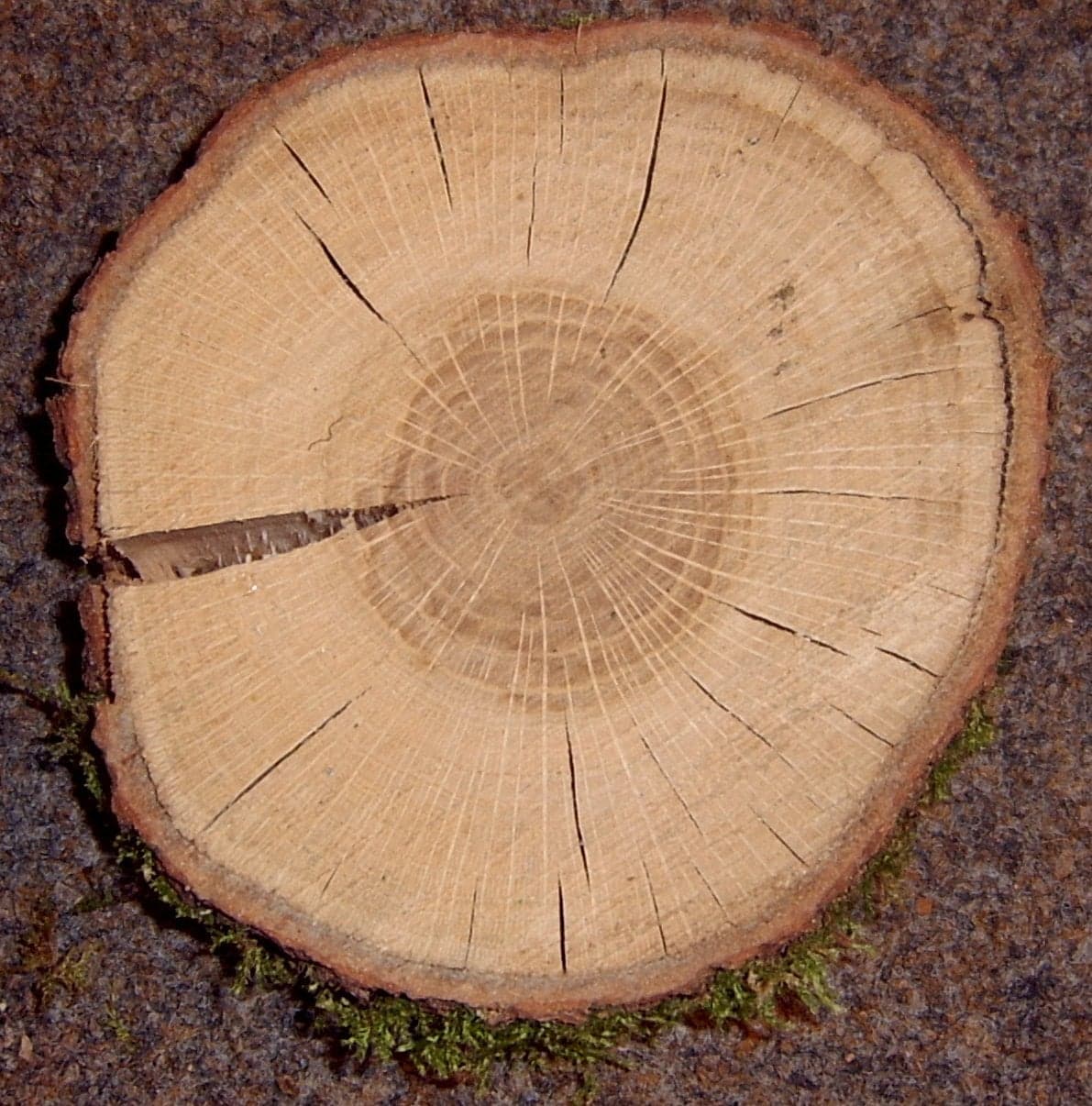
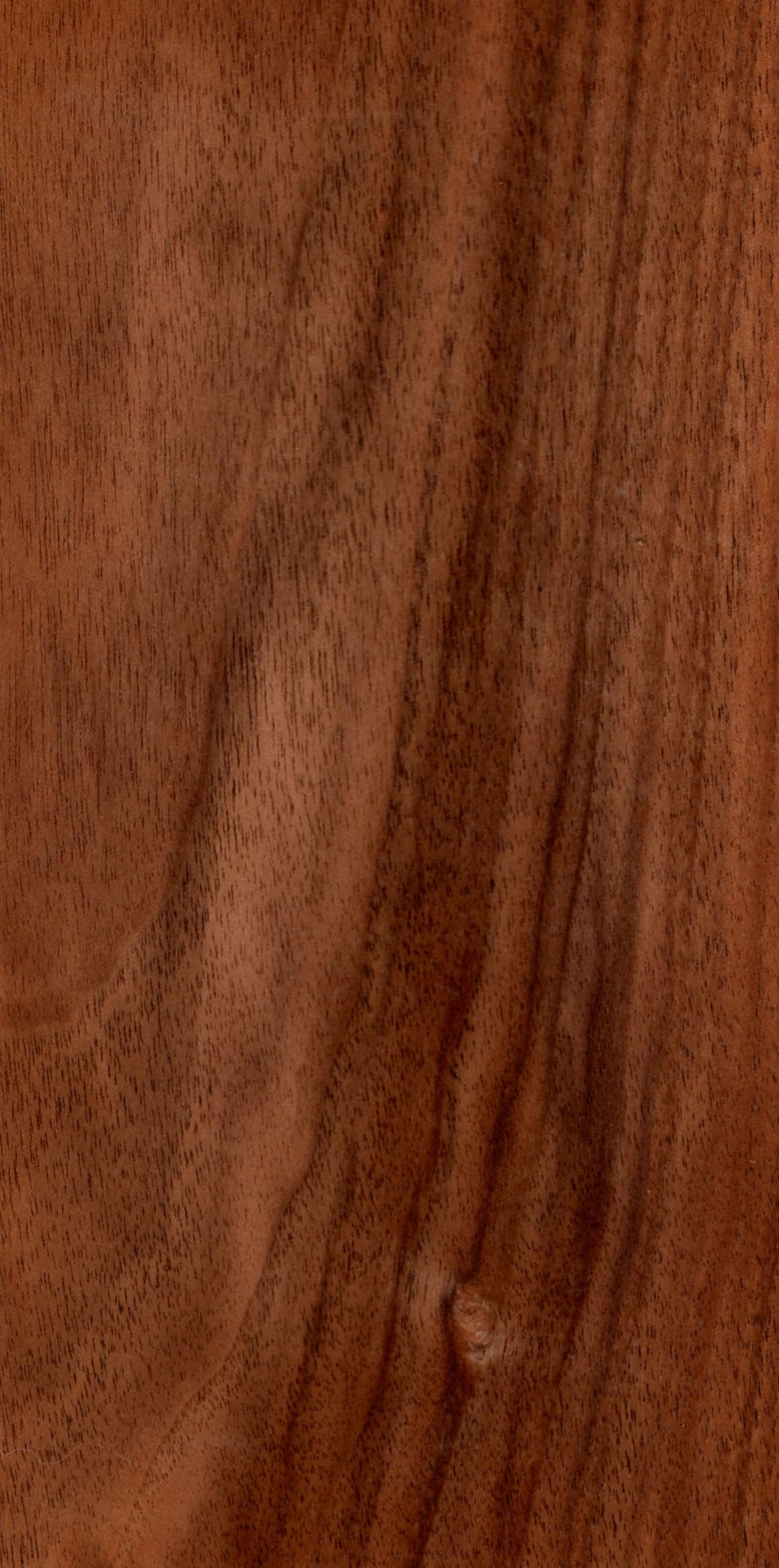
  • Nerf van European Oak

    European Oak

    Quercus robur

    6 stukken

  • Nerf van European Walnut

    European Walnut

    Juglans regia

    9 stukken

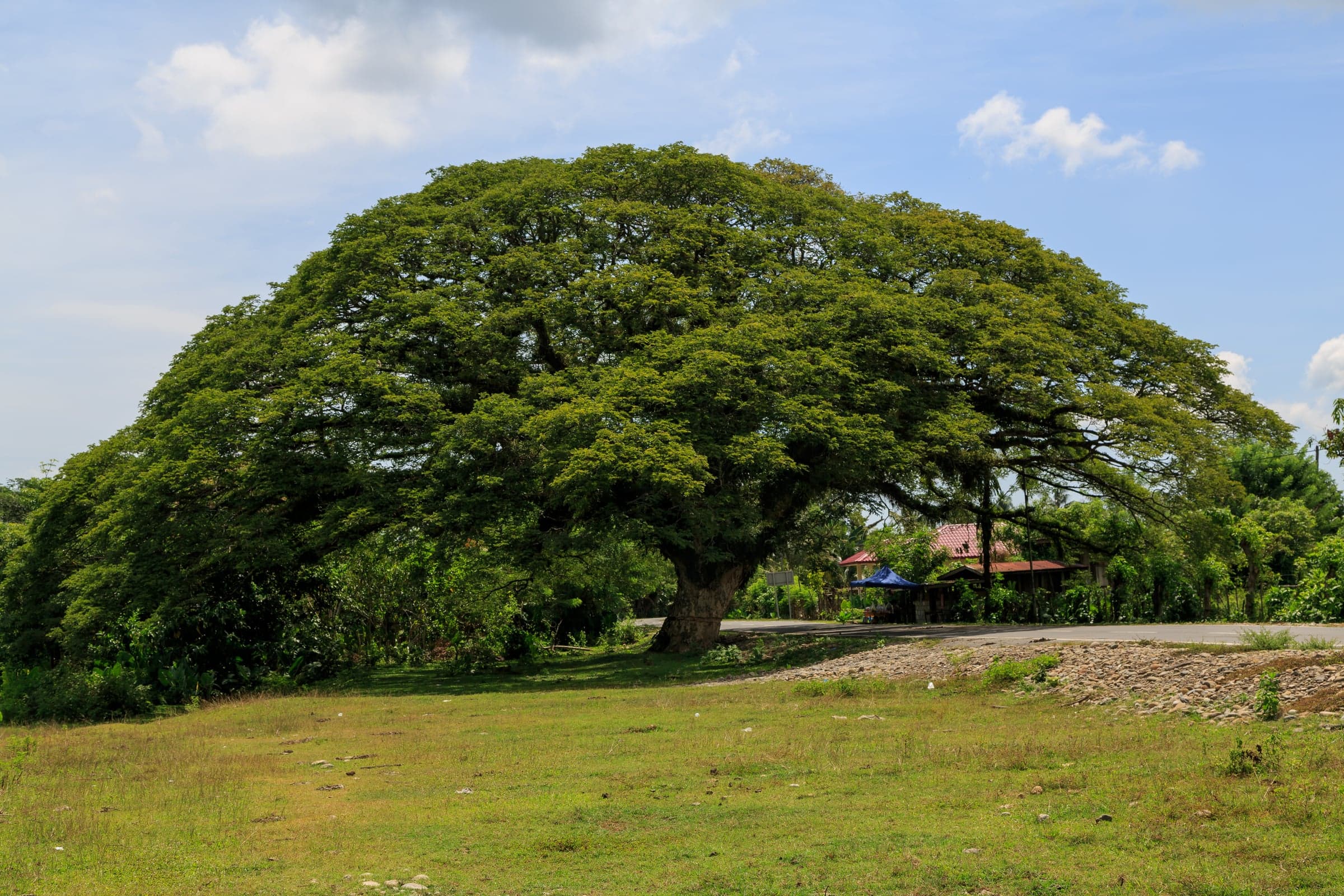
  • Nerf van Saman

    Saman

    Samanea saman

    4 stukken

Bericht ontvangen over White Oak

We sturen u een e-mail wanneer nieuwe boomstambladen van White Oak bij KORENA binnenkomen. Elk stuk is uniek, dus tijdig bericht is belangrijk.

Enkele e-mails per maand. Geen spam, op elk moment afmelden.

Uiterlijk van het hout

Hoe het eruitziet

Light to medium brown heartwood with an olive cast, sometimes drifting toward pale grey-brown. Sapwood is near-white and usually trimmed off furniture stock. Grain is straight with occasional irregular figure around knots. Texture is coarse but even, and the rays are unusually long, quartersawn faces show pronounced ray fleck (silver figure), a defining look in Arts and Crafts and Mission furniture. The single most useful feature is closed pores: tyloses plug the heartwood vessels, which is why white oak holds liquid and resists water ingress where European and red oak do not.

  • Heartwood: light to medium brown, often with an olive or greenish-grey cast
  • Sapwood: pale cream to near-white, sharply demarcated
  • Quartersawn faces: pronounced silver ray fleck
  • Ambers and deepens with UV and oil finishes over the first months
  • Fumes to deep chocolate-brown under ammonia; ebonises black with iron acetate
  • Straight grain, coarse uneven texture.

Bewerking

Bewerking

Machines cleanly with sharp tooling, sawing, sanding, gluing, and screwing all rate well. Planing tearout can show up around interlocked grain near knots; back off the cut and skew the blade. Pre-drill for screws near ends and edges to avoid splitting. Steam bending is where white oak earns its reputation: it is one of the most reliable bending species in the world, used historically for boat ribs, Windsor chair backs, and barrel staves. Quartersawn stock bends most predictably.

Afwerking

Takes oils, hardwax oils, water-based lacquers, and solvent finishes well. Reacts strongly with iron, wet steel wool, pipe clamps, or ferrous swarf will leave blue-black stains, so use stainless or brass and wipe spills fast. The same iron reaction is used deliberately for fumed and ebonised looks (ammonia fuming, iron-acetate). Tannin can bleed through pale finishes; seal first if you want a clean white or grey. Pores are tight enough that grain filling is optional for most furniture work.

Drogen

Dries slowly and is prone to honeycomb, surface checking, and ring failure if pushed. Tangential shrinkage runs roughly twice radial, so flatsawn boards cup more than quartersawn. Slabs need patient kiln schedules and good sticker discipline. Once at service moisture (8–10% for interior EU use) it is dimensionally well-behaved, but full equilibration takes weeks for thick stock.

Hoeveel zal het werken?

Hout zwelt en krimpt over de breedte wanneer de lucht vochtiger en droger wordt. Schat de seizoenswerking van een blad van White Oak voordat u de bevestigingen ontwerpt.

Zaagwijze
Waar het komt te staan

Verwachte seizoenswerking

ongeveer 12,0 mm

Groot. Gebruik bladwervels of sleufbeugels, laat ruimte aan de uiteinden van eventuele kopregels en laat het boomstamblad vóór de montage acclimatiseren.

Lineair krimpmodel: breedte × (krimp ÷ 28 % vezelverzadiging) × seizoensverschil in vochtgehalte. Gebruikt 10,5 % tangentiële krimp voor White Oak. Dit is een planningsschatting, geen garantie.

Wat het kost

Veiligheid en herkomst

  • Buiten Europa geteeld en via Europese partnerwerven geïmporteerd.
  • Status op de Rode Lijst van IUCN: de wereldwijde beoordeling van de beschermingsstatus van deze houtsoort.
  • White oak dust is classified by IARC as a Group 1 carcinogen (hardwood dust, sino-nasal risk on long exposure) and can cause respiratory and skin sensitisation. Run extraction at the tool, wear an FFP3 mask for sanding, and keep the shop clean. The wood itself is food-contact safe once cured, it is the classic species for wine and whisky casks, cutting boards, and butcher blocks.

Lees de volledige gidsUitgebreide informatie over tekening, kleurverandering, bewerking en stabiliteit.+

What makes White Oak different#

Quercus alba looks like oak and works like oak. What separates it from red oak, and from most of this catalogue, is invisible without a lens.

In white oak the large earlywood pores are plugged with tyloses, balloon like ingrowths that grow into and seal the vessels. In red oak they are open. That one anatomical fact decides almost everything practical about the species.

Because the pores are sealed, white oak holds liquid, which is why every wine and whisky barrel is made from it and none are made from red oak. Because water cannot travel freely along the vessels, it resists decay, which is why it has been the traditional boatbuilding and exterior joinery timber of the western world.

Reading a White Oak slab#

Colour runs light to mid brown, often with an olive or greenish cast, against narrow pale sapwood. It reads slightly cooler and more grey than European oak, without the pink of red oak.

The rays are long, considerably longer than in red oak, and on a quartersawn face they produce a dramatic silvery fleck that is the most prized figure the species offers. If you are paying for quartersawn white oak, that fleck is what you are paying for.

To confirm identity, look at the end grain under a lens: pores plugged with tyloses mean white oak, open pores mean red oak. If a label and the end grain disagree, believe the end grain.

Vragen van kopers

Vragen van kopers

Why is White Oak used for barrels when Red Oak is not?

+

Tyloses. In white oak the large earlywood pores are plugged with balloon like ingrowths that seal the vessels, so the wood holds liquid. In red oak they are open and it does not. That single anatomical difference is why every wine and whisky barrel is white oak, and it is also why white oak is durable outdoors and red oak is not.

How does White Oak compare with European Oak?

+

Harder and denser. White oak is 750 kg per cubic metre and 6,049 N Janka against 675 and 4,980 for Quercus robur, and it is stiffer at 11.5 GPa. It is also more dimensionally active, with volumetric shrinkage of 15.5 percent against 12.5 percent. The figure is broadly similar though white oak tends to have longer rays and a more dramatic quartersawn fleck.

Is it good for outdoor furniture?

+

It is one of the best choices in this catalogue. Decay class 2 plus tyloses blocking the pores gives genuine weather resistance, and it has been the traditional boatbuilding and exterior joinery oak for centuries. Use stainless or brass fixings, because the tannin and iron reaction is worse in wet conditions.

Does it move a lot?

Mechanische eigenschappen

Technische gegevens

Gepubliceerde referentiewaarden. Als bronnen uiteenlopen, wordt het bereik getoond en wordt de gebruikelijke waarde gebruikt voor de bovenstaande schalen.

Dichtheid (kg/m³)Massa per kubieke meter bij ongeveer 12 % vochtgehalte. Zwaarder hout is meestal harder en sterker.690–790 kg/m³gebruikelijk 750 kg/m³
Janka-hardheid (N)De kracht die nodig is om een stalen kogel tot de helft in het hout te drukken. Dit is de standaardmaat voor weerstand tegen deuken.5,500–6,500 Ngebruikelijk 6.049 N
MOR: breukmodulus (MPa)Buigsterkte: de belasting waarbij een balk breekt.100–115 MPa
MOE: elasticiteitsmodulus (GPa)Buigstijfheid: hoeveel een plank of blad onder belasting doorbuigt.11.5–13.0 GPa
Radiale krimpKrimp dwars op de groeiringen, van vers tot ovendroog. Kwartiers gezaagde planken werken volgens deze waarde.5.5–6.5 %
Tangentiële krimp
  • Cutting boards, butcher blocks, and food-contact tableware
  • Outdoor-adjacent furniture under cover (porches, orangeries)
  • Sterke punten

    • Duurzaam buitenKlasse 2 van 5 volgens EN 350: bestand tegen aantasting buiten zonder behandeling.
    • VoedselveiligGeschikt voor planken, kommen en oppervlakken die met voedsel in aanraking komen.

    Native to eastern North America, not Europe. It reaches the EU through established furniture-grade import channels and is widely stocked alongside European oak. KORENA sources kiln-dried boules and slabs from US mills already supplying European workshops.

  • Quercus alba is IUCN Least Concern with no CITES listing. US hardwood supply is generally well-regulated, and EUDR still applies on import into the EU. Due diligence is in preparation and becomes mandatory for large operators from 30 December 2026; KORENA is building each slab passport to record species, provenance, and supplier documentation. Ask for FSC or PEFC chain-of-custody where the project requires it; not every US mill ships certified by default.

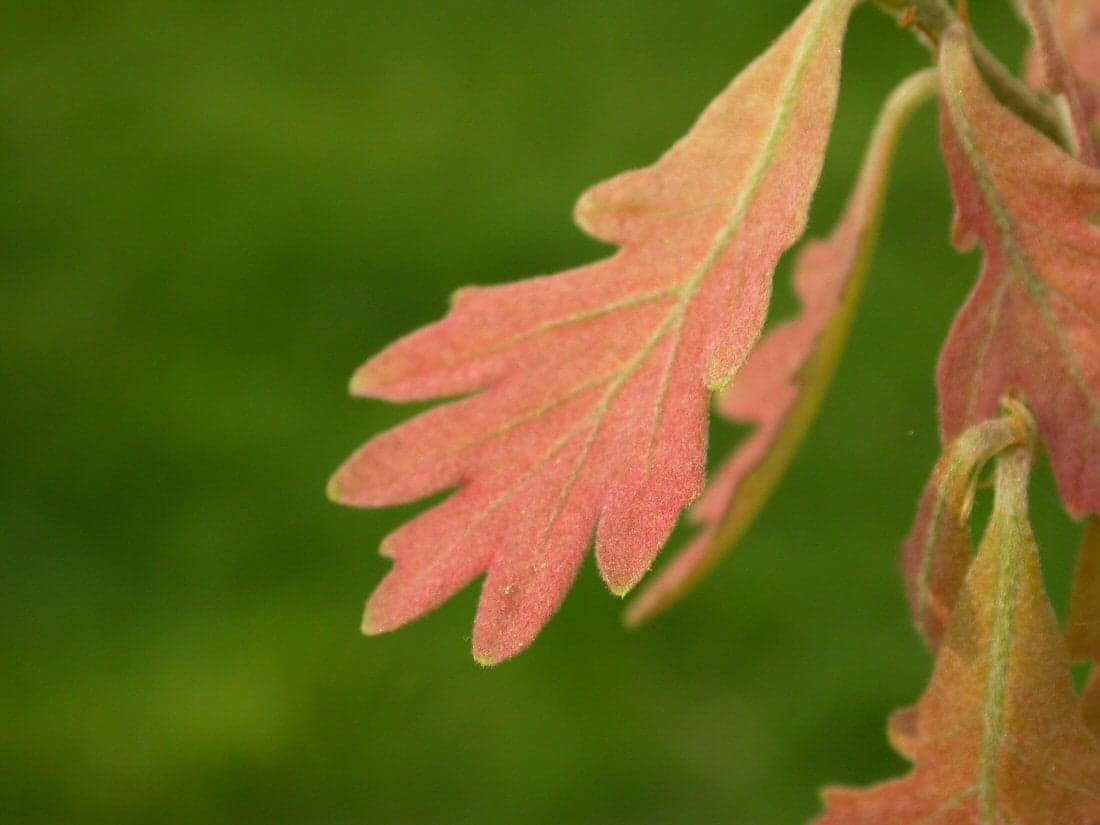
  • White Oak: Blad
    Blad
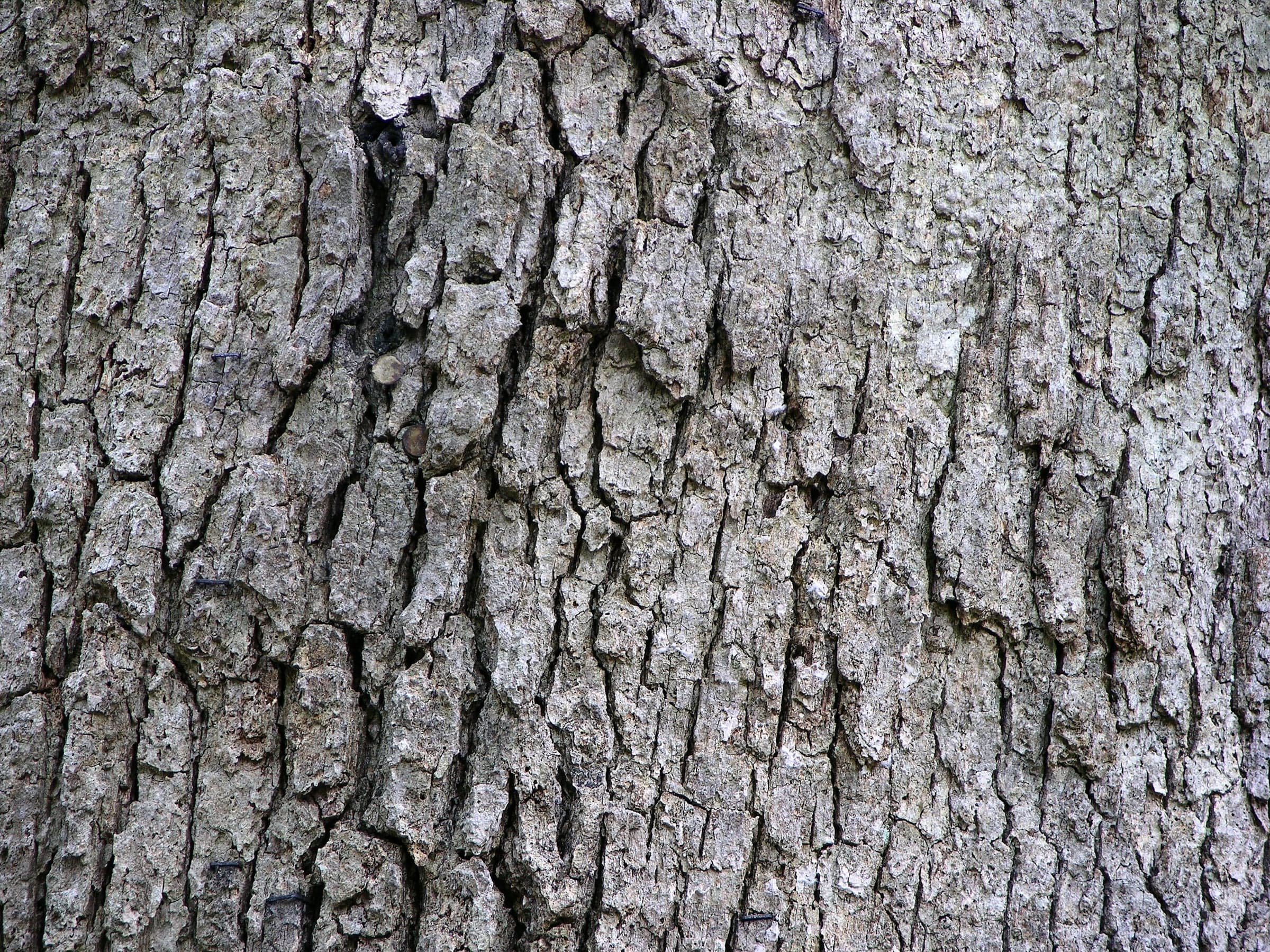
    White Oak: Schors
    Schors

    The movement problem#

    This is the one place white oak is harder work than European oak.

    Volumetric shrinkage of 15.5 percent is high, and the tangential to radial ratio of 10.0 against 5.5 percent is a wide differential. A wide flatsawn white oak top will cup meaningfully between seasons.

    Quartersawn stock roughly halves the across width movement and simultaneously exposes the ray fleck, which is a rare case of the more stable option also being the more beautiful one. For a wide top that must stay flat, quartersawn is the specification rather than an upgrade.

    Slabs need slow drying like all oak, and full acclimatisation in the room before final flattening.

    At the bench#

    It works well with hand and machine tools, glues reliably, takes stain and finish excellently, and steam bends very well.

    At 750 kg per cubic metre and 6,049 N Janka it is denser and harder than European oak, so it asks more of tooling and machines. Expect faster blunting and plan sharpening accordingly.

    The coarse open pores still need filling for a glass smooth surface, tyloses notwithstanding. The tyloses seal the vessels against liquid travel along the grain; they do not fill the surface texture.

    The iron reaction#

    Identical to every other oak. Tannins plus iron gives blue black staining, and it is worse in wet conditions, which matters because this is a species people actually use outdoors.

    Stainless or brass fixings throughout on any exterior white oak. Steel fixings in a garden bench will stain the wood black around every screw within a season.

    Where White Oak is the right answer#

    Exterior joinery, boatbuilding, garden furniture, cooperage, flooring, and interior work where the quartersawn ray fleck is the design intent.

    It is the wrong answer where budget is tight, since it costs more than European oak for properties that overlap heavily, and where a wide flatsawn top has to stay flat without the cost of quartersawing.

    Sourcing and EUDR#

    Not CITES listed and assessed as Least Concern. Quercus alba is native to eastern North America, so European buyers are importing unless they source European grown plantation material. As with Douglas Fir and red oak, the imported chain carries longer documentation under EUDR and higher transport carbon than an equivalent European species. Where the tyloses are not specifically required, European oak at decay class 2 covers most of the same ground with a shorter chain.

    Where quartersawn white oak actually comes from#

    Quartersawn white oak costs more than flatsawn for a simple geometric reason: you get less of it from a log.

    Flatsawing runs the saw straight through, producing the maximum yield of wide boards. Quartersawing cuts radially so the growth rings meet the face at close to ninety degrees, which is what exposes the rays and gives the stability. It produces narrower boards, more offcuts and considerably more handling.

    Rift sawing sits between the two, cutting at an intermediate angle to give straight grain without the ray fleck.

    For a slab buyer the practical point is that a genuinely quartersawn wide slab is close to a contradiction. Width and quartersawing pull against each other, because a radial cut is limited by the radius of the log. A very wide white oak slab is almost certainly flatsawn through the middle, which is where the movement is greatest.

    Reading the sapwood line#

    White oak sapwood is pale, narrow and, unlike the heartwood, has no tyloses and no durability.

    On an interior piece it is cosmetic and sound. On anything exterior, a sapwood edge is the part that will rot first, and leaving it on a garden bench undoes much of the reason for choosing white oak in the first place.

    If the slab is going outside, cut the sapwood off or accept that it is a sacrificial edge.

    +

    More than European oak. Volumetric shrinkage is 15.5 percent with tangential at 10.0 against radial at 5.5 percent, a wide differential. Flatsawn boards cup noticeably. Quartersawn white oak is markedly more stable and is the specification for anything wide that must stay flat, which is also where the ray fleck shows.

    Can I use it for a chopping board?

    +

    It is rated food safe and the tyloses that block its pores make it far more suitable than red oak, which KORENA records as not food safe. It has been used for food storage and cooperage for centuries. A dense closed grain wood such as hard maple is still easier to keep clean for a board in daily use.

    Krimp langs de groeiringen. Dosse gezaagde planken en de meeste boomstambladen werken volgens deze waarde.
    10.0–11.0 %
    Volumetrische krimpTotale volumeverandering van vers tot ovendroog. Een lagere waarde betekent stabieler hout.15.5–17.0 %
    Natuurlijke duurzaamheid (EN 350)Europese norm voor natuurlijke weerstand tegen aantasting, van 1 (zeer duurzaam) tot 5 (niet duurzaam).Class 2 — Durable

    Bronnen

    • The Wood Database(geraadpleegd op 2026-05-09)
    • USDA FPL Wood Handbook FPL-GTR-190 (2010)(geraadpleegd op 2026-05-09)
    • Meier, E. — WOOD! Identifying and Using Hundreds of Woods Worldwide (2015)(geraadpleegd op 2026-05-09)

    In het kort

    De niveaus gebruiken vaste schalen voor elke houtsoort die KORENA aanbiedt, zodat u ze rechtstreeks kunt vergelijken. Onder elk niveau staat de gemeten waarde.
    HardheidWeerstand tegen deuken en slijtageHoge hardheid

    Janka-hardheid 6.049 N

    21 % harder dan Europese eik

    GewichtHoe zwaar een boomstamblad is om op te tillenZeer zwaar

    750 kg/m³

    StabiliteitHoe weinig het hout met de seizoenen werktWerkt veel

    16,3 % volumetrische krimp

    BewerkingZagen, schaven, schuren en lijmenGemiddeld

    3,7 / 5 gemiddeld bij bewerking

    BuitengebruikNatuurlijke weerstand tegen aantasting, EN 350Buiten

    EN 350-klasse 2

    • Zagen · Zeer goedHoe zuiver het zaagt en hoe zwaar het zaagbladen belast.1 = moeilijk · 5 = uitstekend
    • Schaven · GoedHoe glad het geschaafde oppervlak wordt en hoeveel uitbreken er optreedt.1 = moeilijk · 5 = uitstekend
    • Schuren · Zeer goedHoe snel het glad schuurt zonder het schuurpapier te verstoppen.1 = moeilijk · 5 = uitstekend
    • Draaien · Zeer goedHoe het zich op de draaibank laat snijden en afwerken.1 = moeilijk · 5 = uitstekend
    • Snijden · GoedHoe scherp details onder een guts blijven.1 = moeilijk · 5 = uitstekend
    • Lijmen · Zeer goedHoe betrouwbaar lijmverbindingen houden.1 = moeilijk · 5 = uitstekend
    • Houvast van schroef / spijker · Zeer goedHoe goed het schroeven en spijkers vasthoudt zonder te splijten.1 = moeilijk · 5 = uitstekend
    • Stoombuigen · UitstekendHoe goed het na stomen in gebogen vormen kan worden gebracht.1 = moeilijk · 5 = uitstekend

    Er is nog geen marktreferentie voor White Oak. Elk stuk van KORENA wordt afzonderlijk geprijsd door de partnerwerf.

    Goed buigbaar
    Score 5 van 5 voor stoombuigen. Geschikt voor scherpe bochten.

    Let op

    • Werkt meer dan de meeste houtsoortenBrede bladen hebben bladwervels of sleufbevestigingen en ruimte om te werken nodig. Gebruik de onderstaande calculator.
    • Irriterend stofGebruik stofafzuiging en draag een masker tijdens het schuren of machinaal bewerken.

    Tik op een label voor de details.