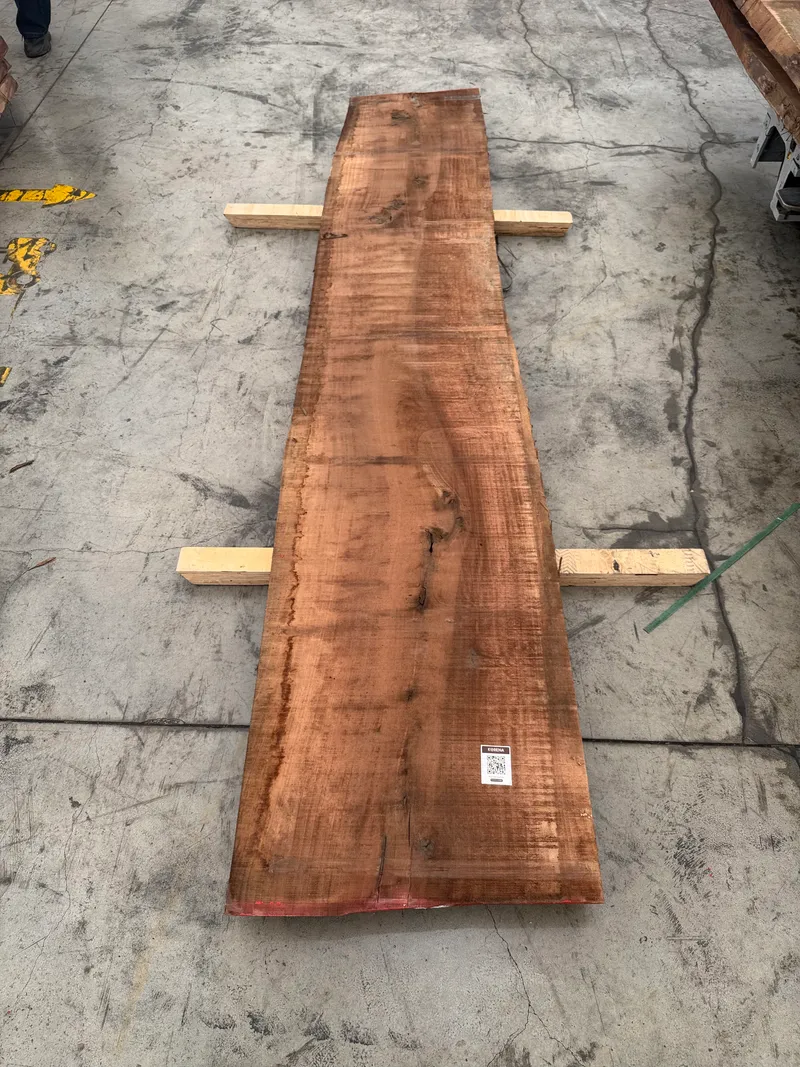
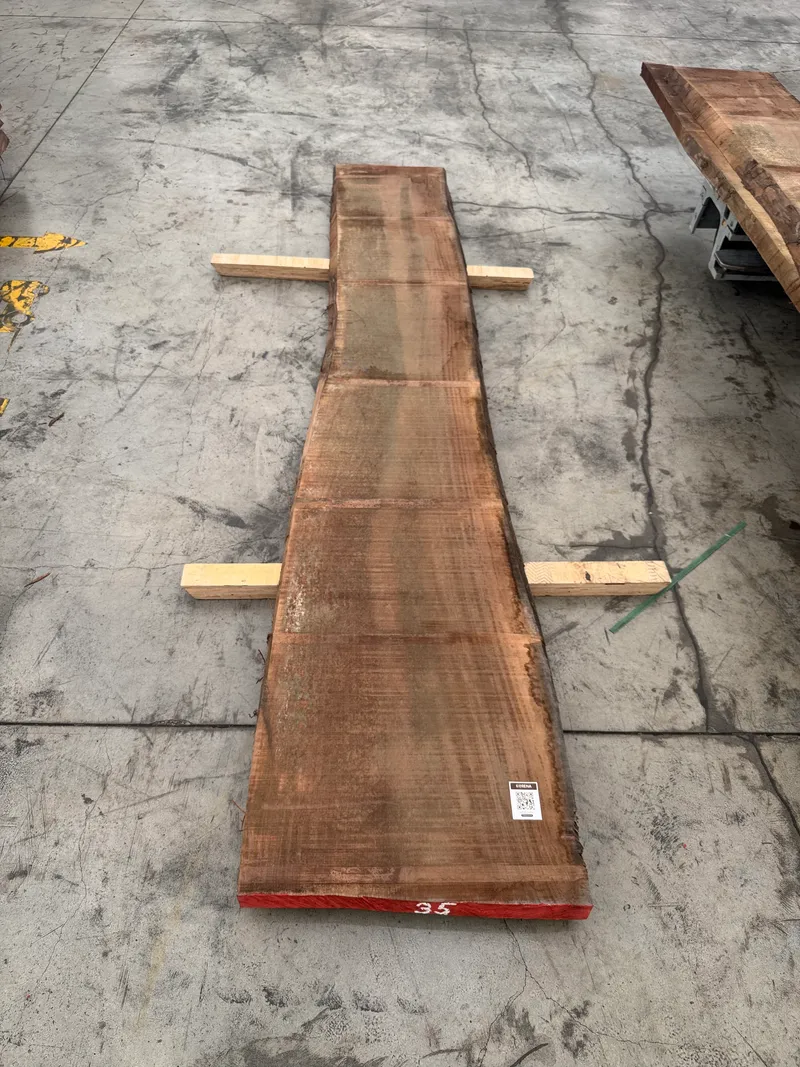
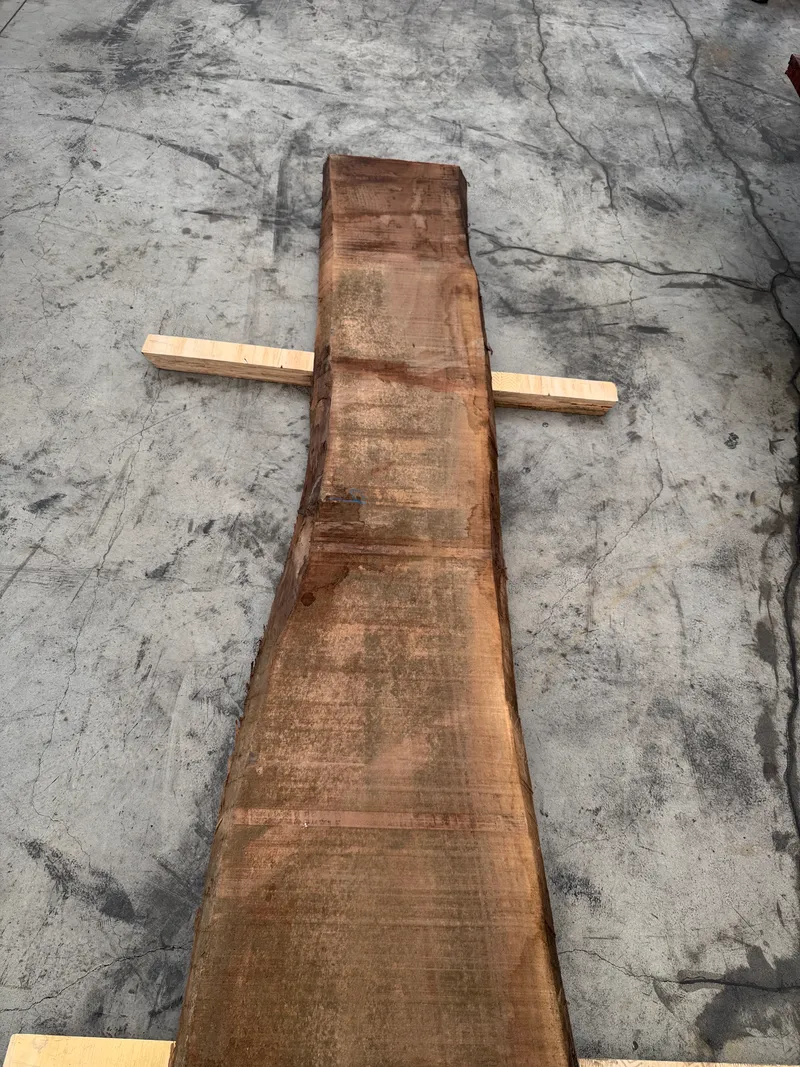
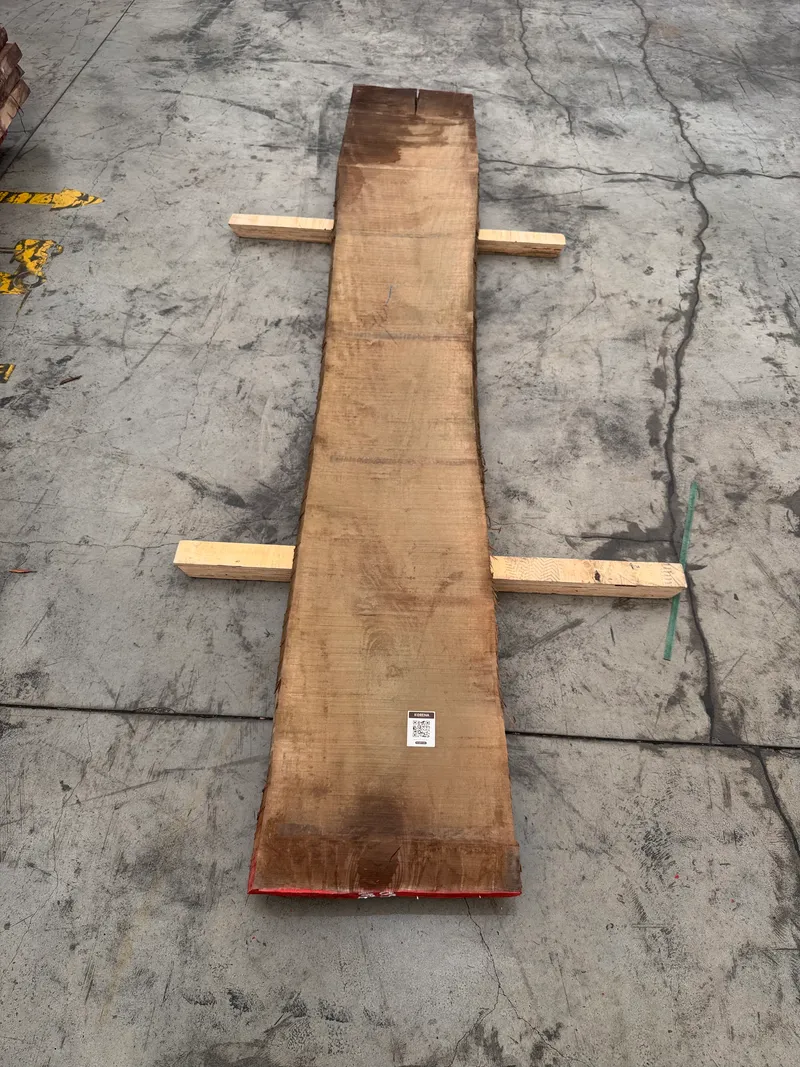
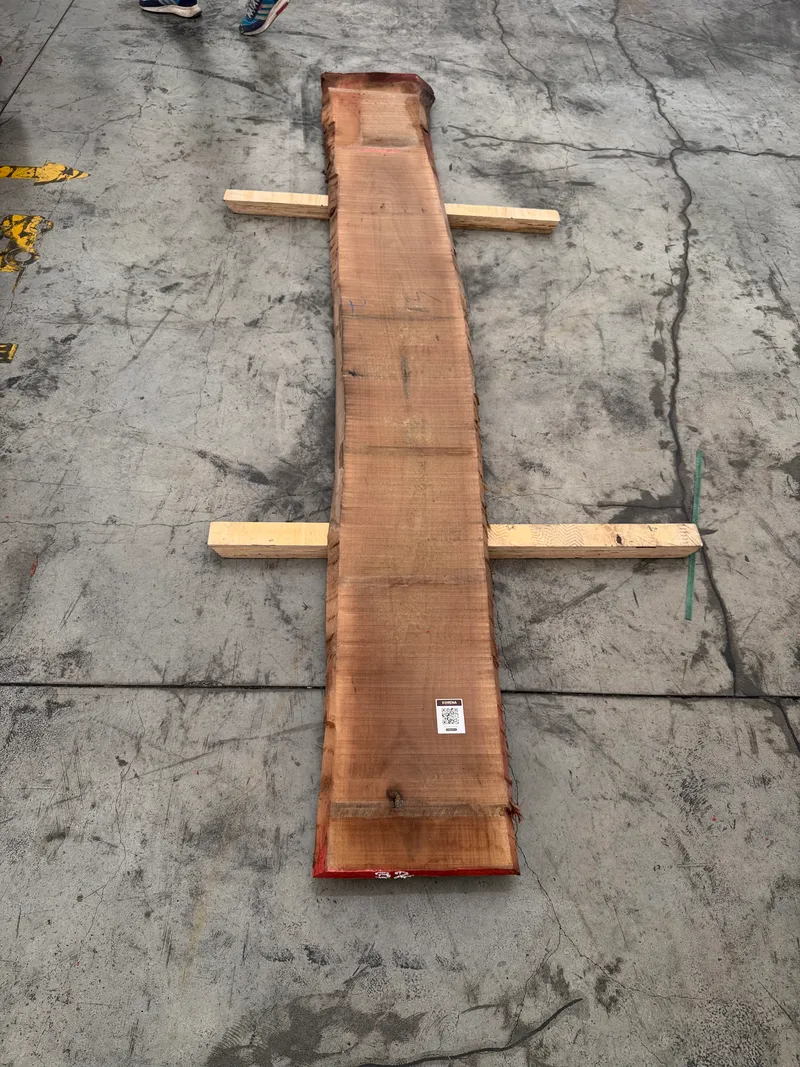
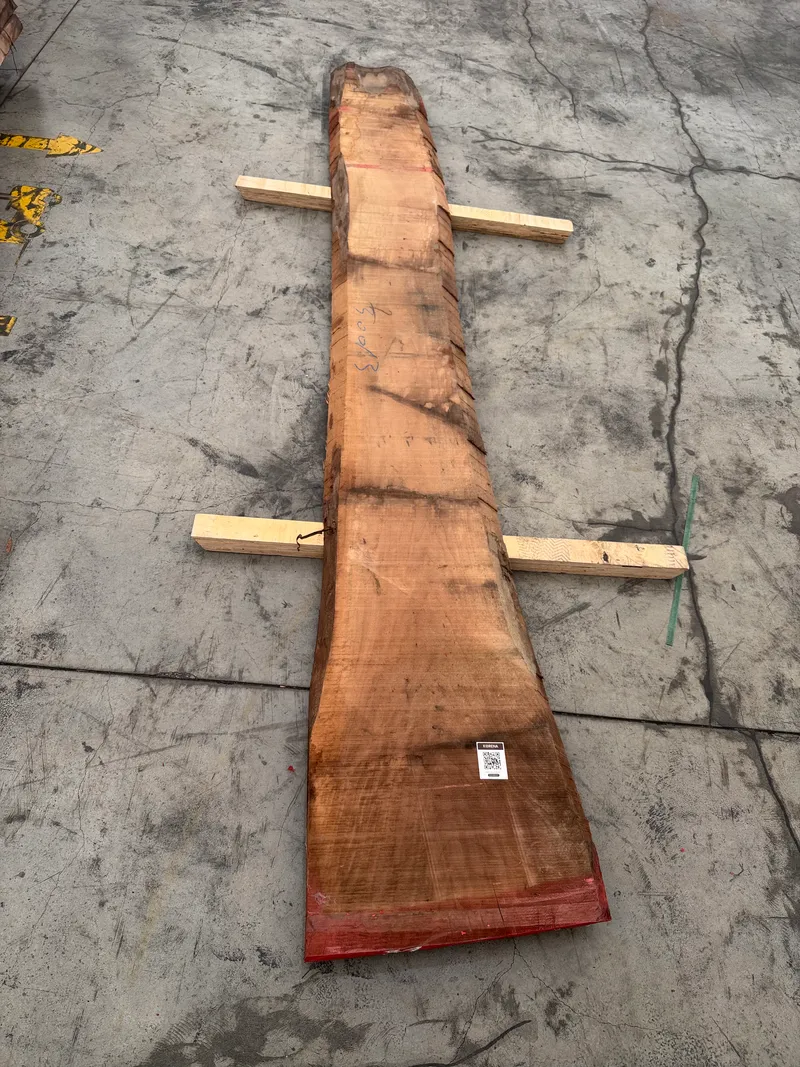
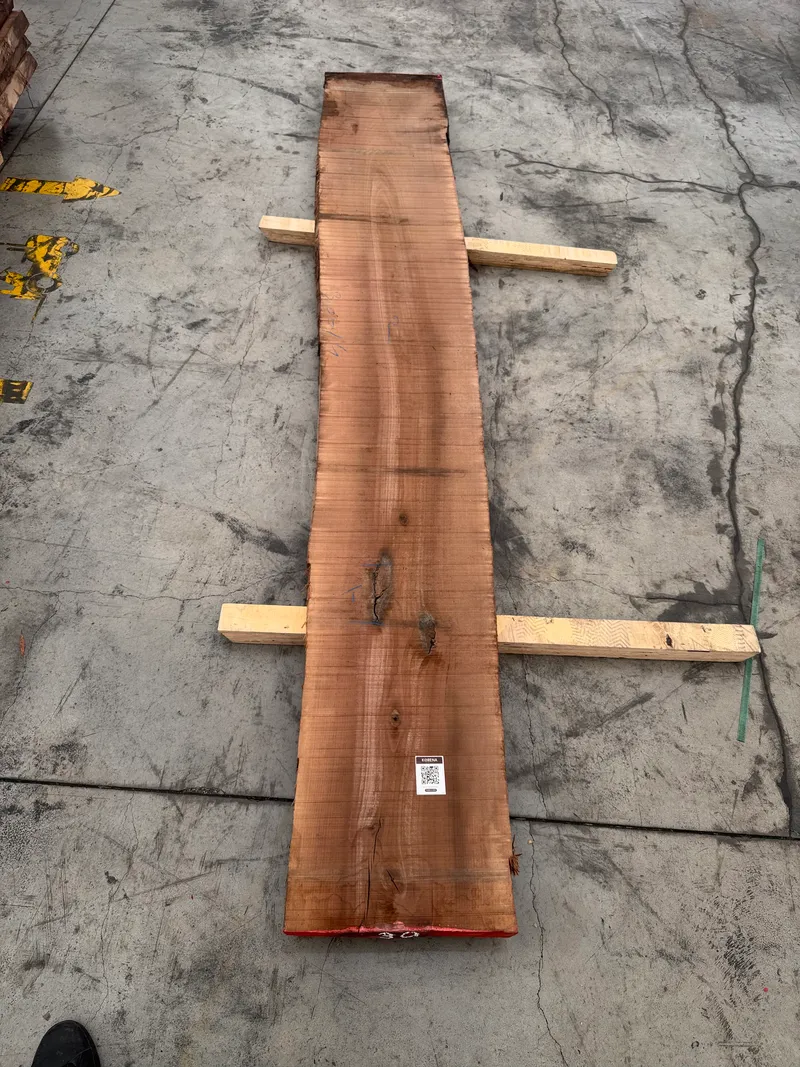
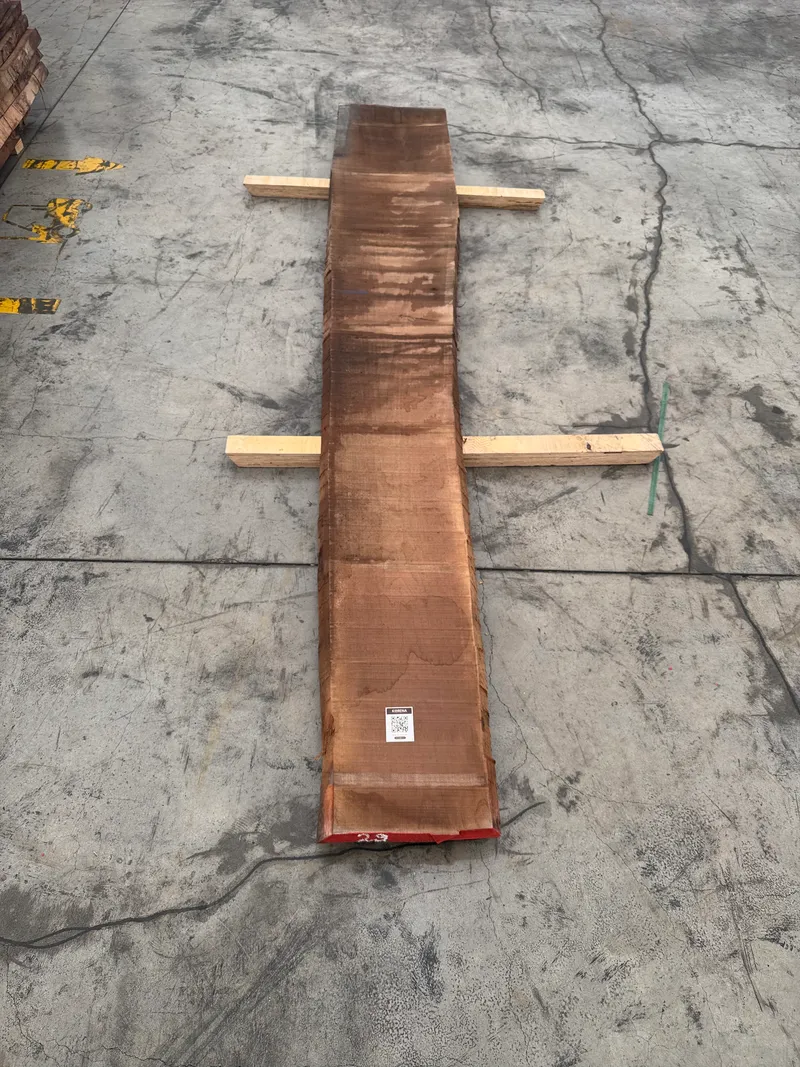
Juglans regia
Топла шоколадовокафява твърда дървесина със права до вълнообразна шарка. Работи чисто, има красив завършек и се възприема като дървесината на майстора в европейските ателиета.
Вид на дървесината
Grain runs mostly straight, with wavy or curly figure where branches and crotches meet. Texture is coarse and uneven, and at around 640 kg/m³ it feels solid in the hand without being heavy on the bench.
Работа с него
Saws, planes, sands, and turns at 4/5, a cooperative wood on hand and machine tools. Wavy or curly sections want sharp irons and a light cut to avoid tear-out; steam-bending is workable but middling at 3/5.
Takes oils, hardwax, and shellac without fuss, a thinned oil coat deepens the brown and lifts any figure. Sands to a fine surface; avoid heavy stain, the natural colour does the work.
Dries at a moderate rate with a tendency to check and honeycomb if pushed. Most EU yards air-dry then finish in the kiln; ask for moisture content and any sticker stain before you commit.
Дървесината набъбва и се свива по ширина, когато въздухът става по-влажен и по-сух. Преценете сезонното движение на плот от Европейски орех, преди да проектирате крепежа.
Очаквано сезонно движение
около 6,3 mm
Закрепете плота със скоби или прорезни ъгълници, не с лепило или стегнати винтове.
Линеен модел на свиване: ширина × (свиване ÷ 28 % точка на насищане на влакната) × сезонна промяна на влажността. Използва 7,75 % тангенциално свиване за Европейски орех. Ориентировъчна оценка, не гаранция.
Dust contains juglone and can irritate skin and airways. Wear a mask and run extraction; finished surfaces are food-contact safe.
Juglans regia grows across central and southern Europe, France, Italy, the Balkans, and into Anatolia. EU yards source it from managed orchards and woodland thinnings, with French and Italian stock the most common at trade.
Native to Europe, IUCN Least Concern, and not CITES-listed. Supply is steady from orchard thinnings and managed woodland, though wide single-board slabs in the 80 cm+ range move fast.
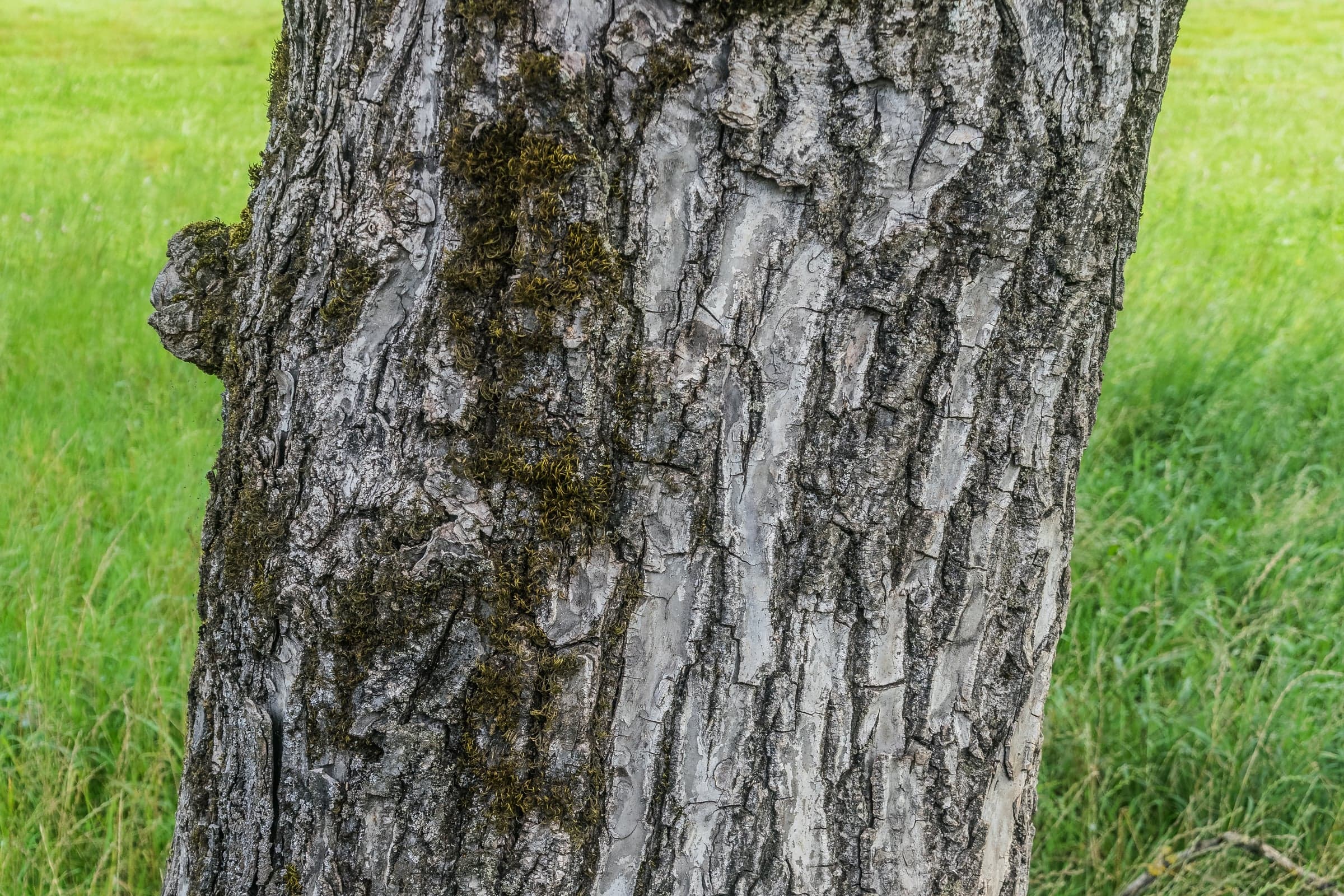
Juglans regia е първокласната мебелна дървесина на Европа и е такава вече четири века. Съчетава цвят и рисунък, които нищо друго тук не може да предложи, с наистина добри работни свойства и стабилност над средната, и е скъп, защото и трите неща са верни едновременно.
Отглежда се колкото за ядки, толкова и за дървесина. Голям дял от дървесината на дървени плочи идва от овощни и градински дървета, отсечени в края на продуктивния им живот, а не от управлявани горски насаждения, поради което ширините и дължините са неравномерни и произходът варира повече, отколкото при насажден вид.
Цветът варира от сиво-кафяв до средно кафяв, по-топъл и по-светъл от американския черен орех, с отчетливи ивици и мраморност. Беловината е бледо кремава и ясно отделена, а при дървена плоча с естествен ръб обикновено се оставя на място като характерен елемент.
Рисунката е мястото, където се концентрира стойността. Сеченията при разклонение, където стволът се разделя, създават перести и пламъковидни шарки. Материалът от пън и корени дава burl. Срещат се къдрави и quilted шарки. Обикновена орехова дъска и фигурна от същото дърво могат да се различават по цена пет пъти.
Търсете ивичестата шарка, линията на беловината и всяка пукнатина, тръгваща от разклонение, където се концентрира напрежението при сушене.
Почти всяка дървесина в този каталог потъмнява на светлина. Орехът е значимо изключение: той изсветлява.
Прясно обработеният орех носи пурпурни и сиви нюанси, които за месеци и години омекват към по-топъл и по-светъл меденокафяв тон. Драматичният контраст между тъмната ядрова дървесина и бледата беловина отслабва, когато ядровата дървесина изсветлява.
Това често подвежда купувачите. Ако изберете дървена плоча заради дълбокия, почти пурпурнокафяв тон, който показва в деня на изравняването, Вие избирате цвят, който няма да се запази. Покритие, което блокира UV лъчите, забавя промяната, но не я спира.
Орехът е удоволствие за работа. При 5,410 N е достатъчно твърд, за да бъде сериозен, без да наказва инструментите; обработва се чисто, добре се стругова, добре се резбова, лепи се надеждно и приема финиш красиво.
Фигурният материал е изключение. Дървесина с разклонение и burl се разкъсва под ренде, а решението са леки отнемания, остри инструменти и скрепер или ренде с висок ъгъл за крайната повърхност. При материал с такава цена търпението е евтино.
Той приема маслени финиши особено добре, а разреден маслен слой задълбочава кафявото и по-ефективно подчертава chatoyance в фигурните участъци, отколкото филмов финиш.
Орехът съдържа юглон, а видът е документиран сенсибилизатор. Съобщават се кожно и дихателно дразнене, а повтарящото се излагане с времето сенсибилизира някои хора. Изсмукването и маската са по-важни тук, отколкото при повечето видове.
Юглонът е и алелопатичен, токсичен за много растения. Стърготини и дървесен прах от орех не бива да се използват за градински мулч или компост и никога не трябва да се използват за постеля за животни, особено за коне, при които ореховите стърготини се свързват с ламинит.
Обемното свиване от 11.0 процента е сред по-ниските стойности в този каталог, като тангенциалното е 7.0 процента срещу радиално 4.5 процента.
Това е сравнително малка разлика и означава, че орехът се държи по-добре в широка плоскорязана плотна дъска, отколкото биха се държали дъб, ясен или бук. Заедно с външния си вид, тази стабилност е голяма част от причината орехът да е премиум избор, а не просто най-красивият.
Клас на гниене 3 го прави умерено траен, което е достатъчно за защитени външни дърводелски съединения, но не и за излагане.
Фина мебел, плотове, шкафове, струговани и резбовани изделия, приклади за оръжия и всеки елемент, при който външният вид носи дизайна. Това е видът в този каталог, който най-много се отплаща при обработка с естествен ръб, защото контрастът на беловината и рисунката са същината.
Това е грешният избор, когато бюджетът е ограничението и когато е необходим голям обем съгласуван материал, тъй като постоянството между много дъски е трудно постижимо.
Не е включен в CITES и е оценен като Least Concern. Доставките са реални, но ограничени, и понеже голяма част идва от изсичане на овощни и градински дървета, а не от горско стопанство, веригата зад дадена дървена плоча е по-къса и по-малко стандартизирана, отколкото при стоков вид. KORENA записва партньорския склад и региона във всяка обява, което при този вид си заслужава да бъде прочетено.
Въпроси от купувачи
Colour and figure. European walnut, Juglans regia, is lighter and warmer, running grey brown to mid brown with pronounced streaking and marbling. American black walnut, Juglans nigra, is darker and more uniformly chocolate. European is slightly harder at 5,410 N against 4,490 N but slightly less stiff. Most makers choose on appearance, and European walnut is the more variable and figured of the two.
Yes, and it moves in the opposite direction to most woods. Where oak and cherry darken with light, walnut lightens and mellows, losing some of the purple and grey notes toward a warmer honey brown. A UV inhibiting finish slows it. Buying walnut on the strength of its freshly machined colour is a common mistake.
Walnut contains juglone and is a documented sensitiser, with skin and respiratory irritation reported. Extraction and a mask matter here more than with most species. Juglone is also toxic to some plants, so walnut shavings should not go into garden mulch or animal bedding, particularly for horses.
Slow growth, limited size and high demand. Juglans regia is grown as much for nuts as for timber, trees are often felled from orchards and gardens rather than forestry, and clean wide boards are genuinely scarce. Figured material from crotches, stumps and burls commands multiples of plain stock.
Good. Volumetric shrinkage of 11.0 percent is among the lower figures in this catalogue, with tangential at 7.0 percent against radial at 4.5 percent. That relative stability, combined with its appearance, is a large part of why walnut is the premium furniture timber of Europe.
Механични свойства
Публикувани референтни стойности. Когато източниците се различават, е показан диапазонът, а типичната стойност се използва за нивата по-горе.
| Плътност (kg/m³)Маса на кубичен метър при около 12 % влажност. По-тежката дървесина обикновено е по-твърда и по-здрава. | 590–680 kg/m³типично 640 kg/m³ |
|---|---|
| Janka твърдост (N)Сила, нужна за вкарване на стоманено топче до половината в дървесината. Стандартната мярка за устойчивост на вдлъбване. | 4,900–5,800 Nтипично 5410 N |
| MOR: модул на разрушаване (MPa)Якост на огъване: товарът, при който гредата се чупи. | 100–130 MPa |
| MOE: модул на еластичност (GPa)Коравина на огъване: колко провисва рафт или плот под товар. | 9.0–12.0 GPa |
| Радиално свиванеСвиване напречно на годишните пръстени, от сурово до абсолютно сухо. Радиалните дъски се движат толкова. | 4.5–5.5 % |
| Тангенциално свиванеСвиване по посока на годишните пръстени. Тангенциалните дъски и повечето масиви се движат толкова. | 7.0–8.5 % |
| Обемно свиванеОбща промяна на обема от сурово до абсолютно сухо. По-ниско означава по-стабилно. | 11.0–13.0 % |
| Естествена трайност (EN 350)Европейски стандарт за естествена устойчивост на гниене, от 1 (много трайна) до 5 (нетрайна). | Class 3 — Moderately durable |
Изпращаме ви имейл, когато нови масиви от Европейски орех постъпят в KORENA. Всяко парче е уникално, затова ранното известие има значение.
Твърдост по Janka 5410 N
9 % по-твърда от европейския дъб
Докоснете етикет за подробности.
640 kg/m³
12,0 % обемно свиване
4,0 / 5 средно при обработка
EN 350 клас 3
Колко се търгува дървесината от Европейски орех в Европа в момента, за кубичен метър без ДДС. Докоснете цена за подробности.
Защо масивът струва повече?
Това са цени на сурова дървесина. Масивът с естествен ръб е най-добрата част от трупа, сушен година или повече, после проверен и измерен бройка по бройка. Само малка част от всеки труп става масив.
Източник: KORENA Timber Index · Последни данни 4.10.2026 г.
Всички цени по региони