KORENA
DřevoFinished piecesPotřebySkladyMagazín

Nechte se upozornit

Každá fošna je jediná svého druhu. Jakmile se prodá, další není. O nově zveřejněných kusech vám napíšeme: čerstvé přírůstky, nové dřeviny a prkna odpovídající zadání projektu.

Několik e-mailů měsíčně. Žádný spam, odhlásit se můžete kdykoli.

KORENA, prémiové tvrdé dřevo

Jeden kus za druhým.

Ověřené prémiové tvrdé dřevo, kus po kuse. Každá fošna je vyfotografována, změřena a odeslána z partnerského skladu s pasem dřeva.

Obchod

  • Procházet výrobky
  • Archiv prodaných fošen
  • Sledovat objednávku

Informace

  • Magazín
  • Průvodce druhy dřeva
  • Slovníček
  • Porovnání
  • Autoři

Pomoc

  • O nás
  • Jak to funguje
  • Staňte se partnerským skladem
  • Poptat fošnu
  • Podpora
  • Vzory dokumentů
  • Pro média

Nákup

  • Obchodní podmínky
  • Právo na odstoupení
  • Vrácení zboží a záruka
  • Doprava a doručení

Důvěra

  • Zásady ochrany osobních údajů
  • Zásady používání souborů cookie
  • Původ dřeva a EUDR
  • Přístupnost

Právní údaje

  • Právní oznámení / identifikační údaje
  • Přijatelné použití
  • Duševní vlastnictví a obsah

© 2026 KORENA. Všechna práva vyhrazena.

Provozuje Martial Labs Ltd. (BG, EIK 207453941). KORENA je obchodní označení společnosti Martial Labs Ltd.

Respektujeme vaše soukromí

Nezbytné soubory cookie používáme pro správné fungování webu. S vaším souhlasem bychom používali také soubory cookie pro analytiku, personalizovaný obsah a reklamy. Své rozhodnutí můžete kdykoli změnit na stránce nastavení souhlasu. Přečtěte si naše zásady používání souborů cookie a zásady ochrany osobních údajů.

  1. Domů
  2. /
  3. Dřeviny
  4. /
  5. Black Poplar

Populus nigra

Black Poplar

The lightest hardwood KORENA lists, and the one most often blamed for a fault that belongs to the blade.

  • Vypěstováno a vytěženo v Evropě.
  • Botanická skupina. Jehličnaté dřeviny jsou nahosemenné stromy, listnaté dřeviny jsou krytosemenné stromy.
  • Botanická čeleď, do které dřevina patří.
Upozornit, až dorazíReferenční dřevina. Právě není žádný kus skladem.
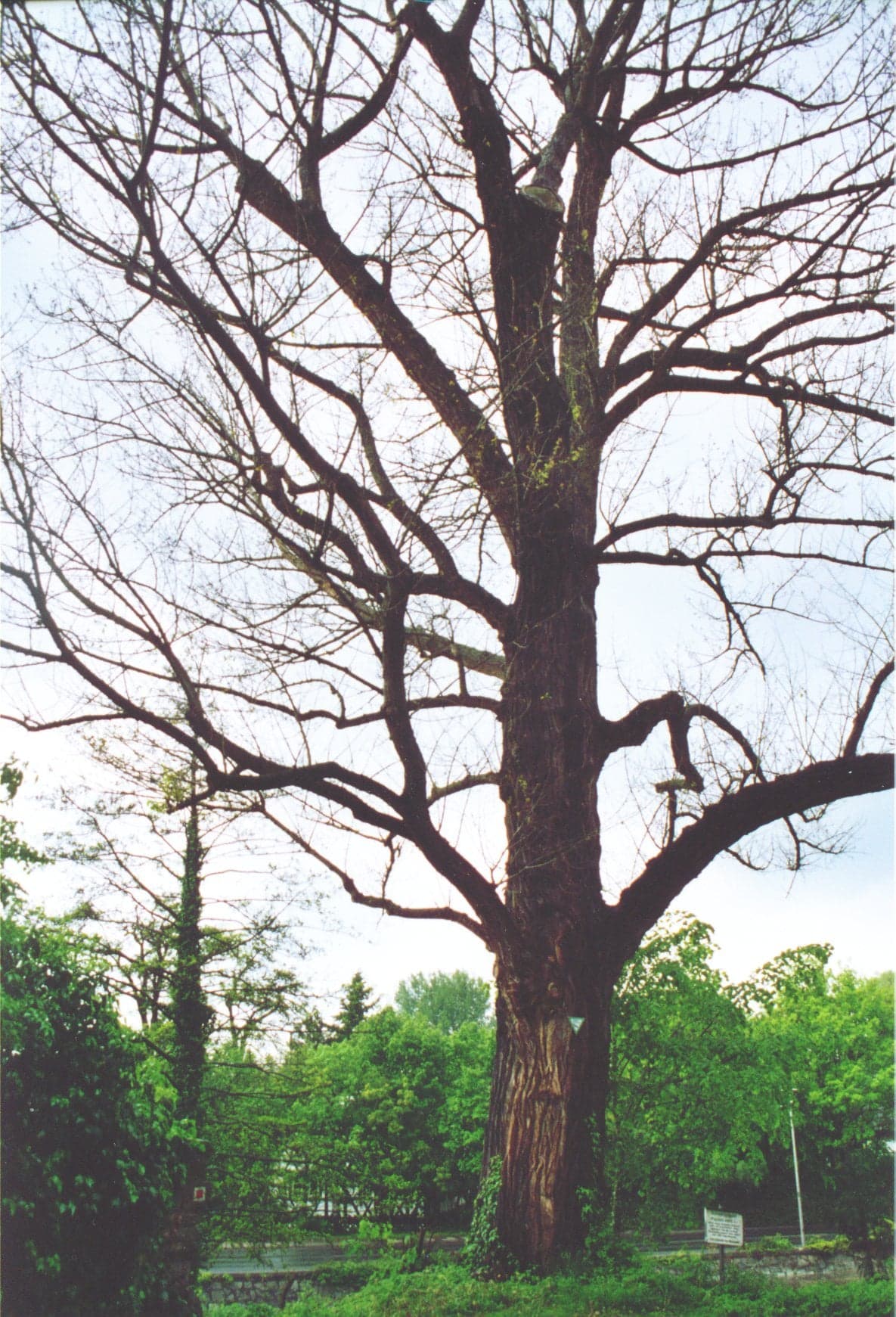
Strom Black Poplar
  • Vhodnost pro projekt
  • Skladem
  • Vzhled
  • Zpracování
  • Pohyb dřeva
  • Cena
  • Bezpečnost a původ
  • Otázky
  • Technické údaje

Hodí se pro váš projekt?

Výborné pro

  • Painted furniture
  • Drawer sides and carcass interiors
  • Lightweight panels
  • Sculpture and carving blanks
  • Plywood core

V aktuální várce není Black Poplar

Podobné dřeviny skladem

Dřevina Black Poplar právě není skladem. Tyto dostupné dřeviny se hodí pro stejné projekty.
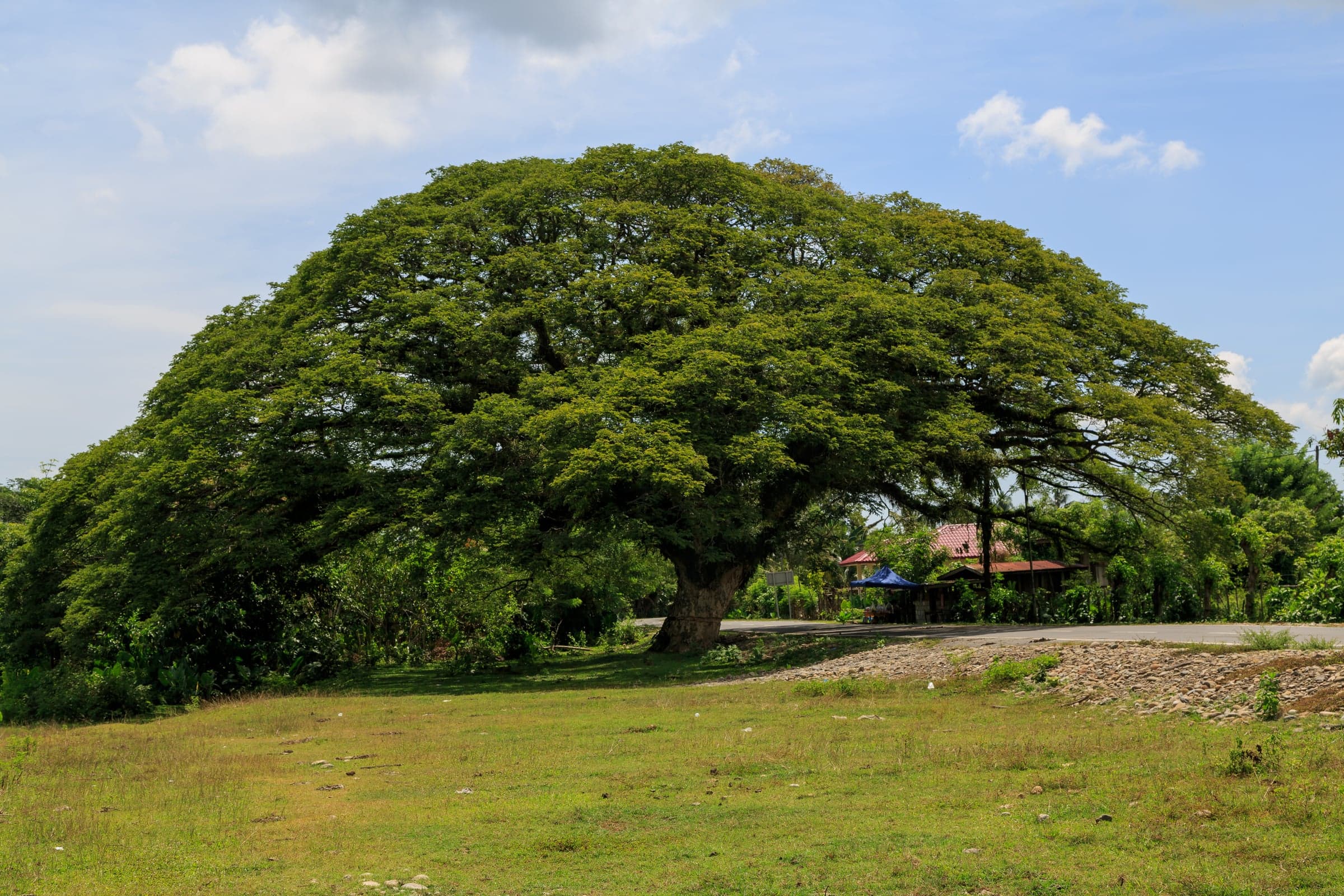
  • Kresba dřeva Saman

    Saman

    Samanea saman

    4 kusy

  • Kresba dřeva European Oak

    European Oak

    Quercus robur

    6 kusů

  • Kresba dřeva European Walnut

    European Walnut

    Juglans regia

    9 kusů

Upozornění na dřevinu Black Poplar

Až na KORENA dorazí nové fošny Black Poplar, pošleme vám e-mail. Každý kus je jedinečný, proto se včasné upozornění hodí.

Několik e-mailů měsíčně. Žádný spam, odhlásit se můžete kdykoli.

Vzhled dřeva

Jak vypadá

Very pale, creamy white to light grey brown, sometimes with a faint greenish cast in the heartwood, and almost no figure. The texture is fine and even but the wood is notably soft and light at 385 kg per cubic metre, the lightest hardwood KORENA lists. It has a woolly quality under a dull blade that gives it an undeserved reputation for being difficult.

  • Creamy white to light grey brown
  • Occasional faint greenish cast in the heartwood
  • Fine even texture with very little figure
  • Straight grain, fine even texture, very little figure. Creamy white to light grey-brown, occasionally with a faint greenish cast in the heartwood.

Zpracování

Jak se zpracovává

Easy to work with hand and machine tools, with one specific requirement: sharp cutters are necessary when planing to avoid fuzzy surfaces. This is the whole difficulty with poplar. The fibres are long and soft, and a dull blade drags rather than severs them, leaving a woolly face that sanding only makes worse. With a keen edge and a light cut it machines cleanly. It glues well and takes fastenings adequately for its density.

Povrchová úprava

Its natural role is under paint, and it takes paint very well given the fine even texture and absence of resin. Under a clear finish the pale colour with its occasional greenish cast is unusual rather than attractive to most eyes. Pigment stains blotch, so use a conditioner or a dye. Because the wood is soft, a hardwax oil or a film finish adds useful surface protection.

Sušení

Dries readily and without much degrade, and it is dimensionally reasonable once dry, with volumetric shrinkage of 12.3 percent. The tangential to radial ratio of 9.3 against 4.0 percent is wide, so flatsawn boards will cup. Wet poplar is notably heavy and can carry very high green moisture content, so drying takes longer than the modest final density suggests.

Jak moc bude pracovat?

Dřevo se napříč šířkou rozpíná a smršťuje podle toho, jak vzduch vlhne a vysychá. Než navrhnete upevnění, odhadněte sezónní pohyb desky z dřeviny Black Poplar.

Řez
Kde bude výrobek umístěn

Očekávaný sezónní pohyb

přibližně 10,6 mm

Desku upevněte úchyty nebo kováním s drážkami, ne lepidlem ani pevně dotaženými šrouby.

Lineární model sesychání: šířka × (sesychání ÷ 28 % bod nasycení vláken) × sezónní změna vlhkosti. Pro dřevinu Black Poplar používá 9,3% tangenciálního sesychání. Jde o plánovací odhad, nikoli záruku.

Kolik stojí

Bezpečnost a původ

  • Vypěstováno a vytěženo v Evropě.
  • Besides the standard health risks associated with any wood dust, no further health reactions are associated with Black Poplar in the source cited here. It is among the less irritating woods in this catalogue to machine.

  • Populus nigra is a floodplain tree, native along river systems across Europe, North Africa and western Asia. Its natural riverside habitat has been heavily reduced by flood control and river engineering, and the wild population is now one of the more threatened tree populations in Europe, though hybrid poplars planted for timber are abundant and unrelated to that concern.

Přečíst celý průvodcePodrobné poznámky o kresbě, změně barvy, zpracování a stabilitě.+

What Black Poplar actually is#

Populus nigra is a floodplain tree. Its natural home is the riverbank, across Europe, North Africa and western Asia, in the shifting wet ground that flood control and river engineering have largely eliminated over the last century.

That has produced an unusual situation. The wild population of Black Poplar is one of the more threatened tree populations in Europe and the subject of active restoration work, while poplar timber itself is cheap and abundant, because the commercial trade runs largely on planted hybrid poplars. The two facts sit oddly together and are worth keeping separate when you read about the species.

The fuzzy surface problem, which is not the wood's fault#

Poplar has a reputation for machining badly. It plane fuzzy, people say, and the surface goes woolly no matter what you do.

The cited source puts it precisely: sharp cutters are necessary when planing to avoid fuzzy surfaces. That is the entire difficulty.

Poplar fibres are long and soft. A blade with any dullness at all drags them instead of severing them, and they lift into a woolly nap. Sanding the result makes it worse, because abrasive tears more fibre rather than cutting it. So the maker sands harder, gets a worse surface, and concludes the wood is the problem.

With a freshly honed iron, a tight mouth and a light cut, poplar machines perfectly cleanly. A card scraper produces an excellent final surface. This is a wood that is unusually honest about the state of your tooling.

Otázky kupujících

Na co se kupující ptají

Why does poplar go fuzzy when I plane it?

+

The fibres are long and soft, so a dull blade drags them rather than cutting them, leaving a woolly surface. Sanding makes it worse by tearing more fibre. The fix is a freshly honed iron, a tight mouth and a light cut, or a card scraper for the final surface. With a sharp edge poplar machines perfectly cleanly, and its reputation for being difficult is really a reputation for punishing blunt tools.

Is it strong enough to build with?

+

For its weight, yes, but it is the softest and lightest hardwood in this catalogue at 385 kg per cubic metre and 2,020 N Janka, softer than Scots Pine. It suits drawer sides, carcass interiors, lightweight panels and anything that will be painted. It is not a work surface and it is not a structural timber.

Is Black Poplar endangered?

+

The wild riverside population is genuinely threatened across Europe, having declined severely through flood control and river engineering, and it is the subject of active restoration programmes. The commercial timber trade is largely supplied by abundant hybrid poplars, which are a separate matter. It is not CITES listed and the cited source reports no IUCN assessment. Provenance is worth checking more carefully here than for most European species.

Mechanické vlastnosti

Technické údaje

Zveřejněné referenční hodnoty. Pokud se zdroje rozcházejí, uvádíme rozpětí a pro výše uvedené stupnice používáme typickou hodnotu.

Hustota (kg/m³)Hmotnost jednoho metru krychlového při vlhkosti přibližně 12 %. Těžší dřevo bývá tvrdší a pevnější.385 kg/m³
Tvrdost podle Janky (N)Síla potřebná k zatlačení ocelové kuličky do poloviny jejího průměru. Standardní měřítko odolnosti proti otlačení.2,020 N
MOR: modul pevnosti v ohybu (MPa)Pevnost v ohybu: zatížení, při kterém se nosník zlomí.64 MPa
MOE: modul pružnosti (GPa)Tuhost v ohybu: nakolik se police nebo deska pod zatížením prohne.7.2 GPa
Radiální sesycháníSesychání napříč letokruhy od čerstvého stavu po vysušení v sušárně. Takto pracují radiálně řezané fošny.4.0 %
Tangenciální sesycháníSesychání podél letokruhů. Takto pracují tangenciálně řezané fošny a většina fošen s přírodní hranou.

GrieSoß, via Wikimedia Commons

Not listed in the CITES Appendices, and reported by the source KORENA cites as not assessed on the IUCN Red List. The conservation picture needs care: wild riverside Populus nigra has declined severely across Europe through flood control and river engineering and is the subject of active restoration programmes, while the hybrid poplars grown commercially for timber are abundant. Provenance matters more here than for most European species, and KORENA records the yard and region on every listing.

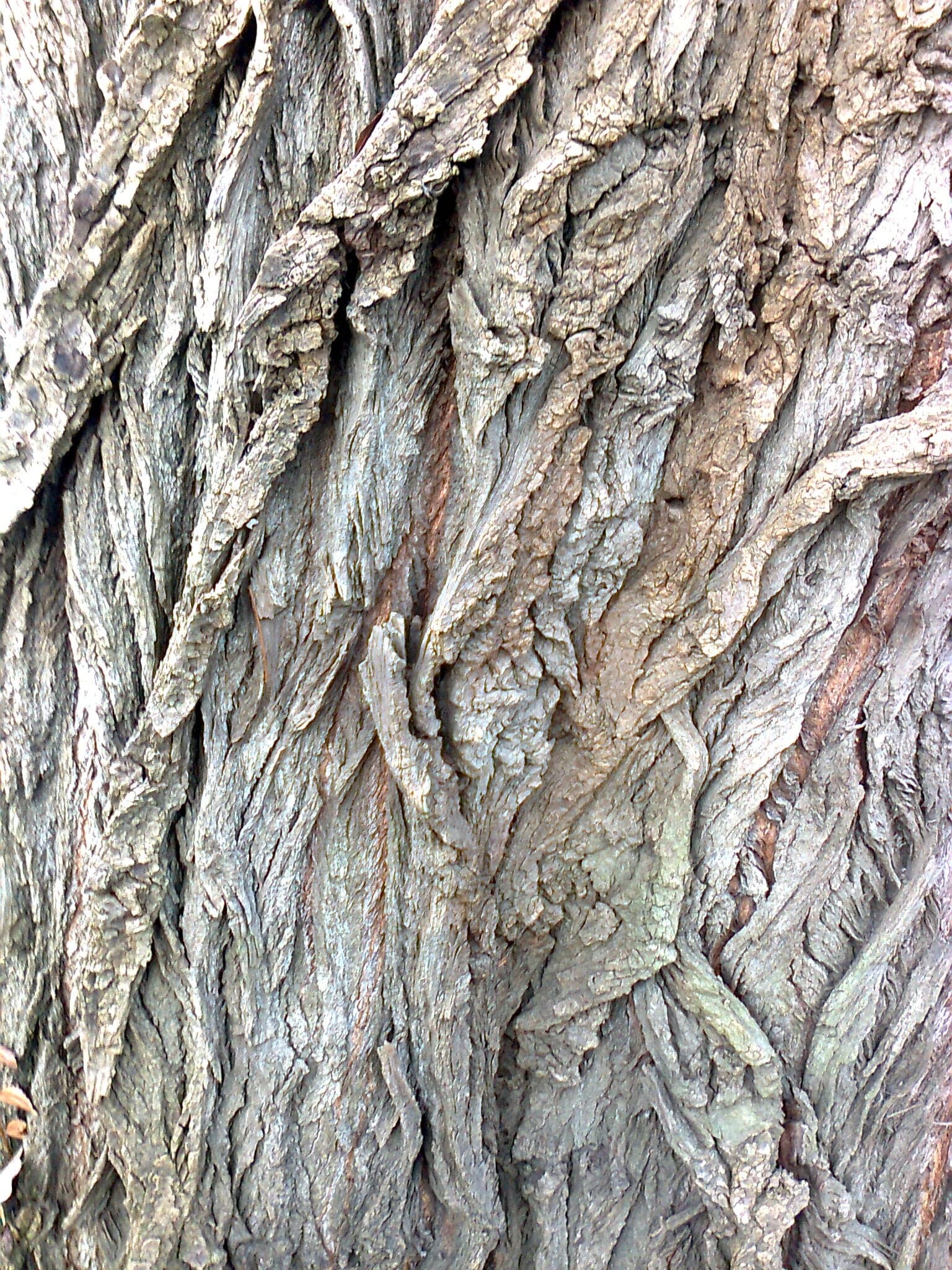
Black Poplar: Kůra
Kůra

Reading a Black Poplar slab#

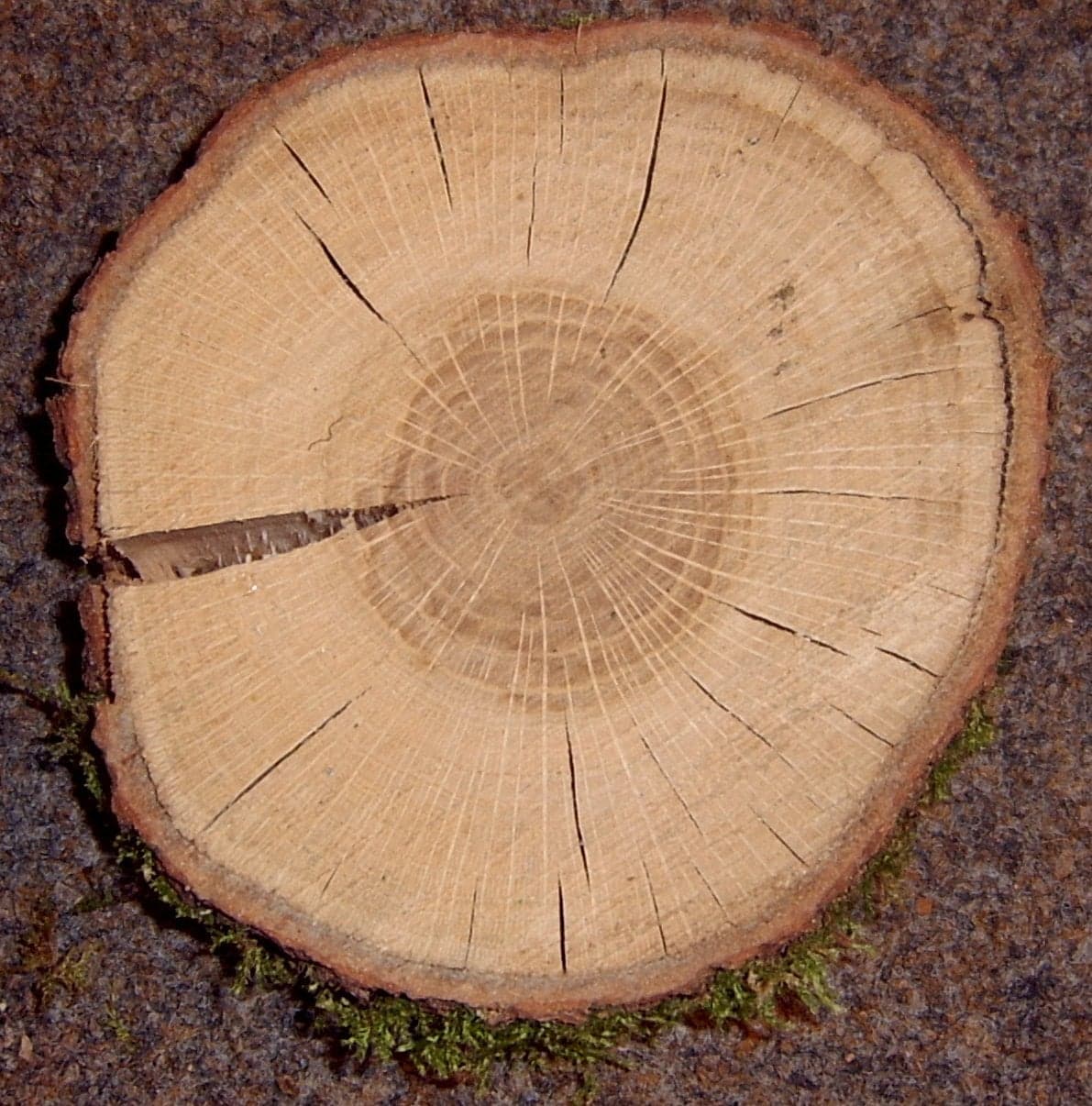
There is not much to read. Colour runs creamy white to light grey brown, sometimes with a faint greenish cast in the heartwood that fades toward grey with light exposure. It is a natural cast rather than a fungal stain. Figure is minimal.

At 385 kg per cubic metre this is the lightest hardwood in the catalogue, lighter than Norway Spruce, and lifting a slab makes that immediately obvious.

Check for wet pockets. Green poplar carries very high moisture content and is startlingly heavy for what it becomes, and drying takes longer than the modest final density suggests.

What it is for#

Poplar is a secondary timber and it is excellent at that job.

Drawer sides, carcass interiors, web frames, backing panels, plywood core, and above all anything that will be painted. It takes paint very well: the texture is fine and even, there is no resin to bleed, and it needs almost no grain filling.

It is also a sound sculptural blank. Soft, even textured, resin free and inexpensive, it suits larger carved work where mass matters and fine detail does not. For crisp detail, small-leaved lime is the better wood in this catalogue.

What it is not is a work surface. At 2,020 N Janka it is softer than Scots Pine, and a poplar tabletop will mark under ordinary use.

Drying and movement#

It dries readily and without much degrade, which is one of its practical virtues.

Volumetric shrinkage of 12.3 percent is moderate, but the tangential to radial ratio of 9.3 against 4.0 percent is wide, well over two to one, so flatsawn boards cup meaningfully. For a wide painted panel that matters less than it would for a visible top, but it still needs allowing for.

Finishing#

Under paint, poplar is close to ideal and needs no special handling beyond a sealed surface.

Under a clear finish, the pale colour with its occasional green cast reads as unusual rather than handsome to most eyes, and it is rarely the reason anyone chooses this wood. Pigment stains blotch, as on other fine textured pale species, so use a conditioner or a dye.

Because the wood is soft, a hardwax oil or a film finish is worth applying for the surface protection alone.

The provenance question#

This is the one species in this catalogue where the conservation picture genuinely warrants a second look.

Populus nigra is not CITES listed, and the source cited here reports no IUCN assessment, so no status is displayed. But wild riverside populations across Europe have declined severely and are being actively restored, while the commercial supply comes overwhelmingly from planted hybrids that have nothing to do with that decline.

The two are not distinguishable by looking at a board. What distinguishes them is documentation, which is precisely what the KORENA passport records: the partner yard, the region, and the chain behind the slab. On most European species that record is a formality. Here it is worth reading.

Where Black Poplar is the right answer#

Painted furniture, drawer sides and carcass interiors, lightweight panels, plywood core, and sculpture blanks. Any job where low weight and low cost are the requirement and the surface will not be seen or will not be touched.

It is the wrong answer for a work surface, for anything structural, and for anything outdoors, since it is rated non-durable and susceptible to insect attack.

What is the greenish tint in some boards?

+

A natural cast that occurs in the heartwood of some poplar and is not a defect or a fungal stain. It tends to fade toward grey brown with light exposure. Under paint it is irrelevant, which is where most poplar ends up.

Can poplar be carved?

+

Yes, and it is a reasonable carving blank, being soft and even textured with no resin. It does not hold fine detail as crisply as small-leaved lime, which remains the better carving wood in this catalogue, but for larger sculptural work where mass matters and weight does not, poplar is a sound and inexpensive choice.

9.3 %
Objemové sesycháníCelková změna objemu od čerstvého stavu po vysušení v sušárně. Nižší hodnota znamená větší stabilitu.12.3 %
Přirozená trvanlivost (EN 350)Evropská norma přirozené odolnosti proti hnilobě od 1 (velmi trvanlivé) do 5 (netrvanlivé).Class 5 — Perishable

Zdroje

  • The Wood Database — Black Poplar (Populus nigra)(citováno 2026-08-12)
  • Meier, E. — WOOD! Identifying and Using Hundreds of Woods Worldwide (2015)(citováno 2026-08-12)

Pozor

  • Nevhodné pro venkovní použití bez ošetřeníPřirozená trvanlivost odpovídá třídě 5 z 5 podle EN 350. Používejte dřevo v interiéru nebo s pravidelně udržovanou povrchovou úpravou.

Klepnutím na štítek zobrazíte podrobnosti.

Stručný přehled

Úrovně používají pro všechny dřeviny v nabídce KORENA stejná pásma, takže je lze přímo porovnávat. Pod každou je uvedena naměřená hodnota.
TvrdostOdolnost proti otlačení a opotřebeníMěkké

Tvrdost podle Janky 2 020 N

O 59 % měkčí než dub letní

HmotnostJak těžká je fošna při zvedáníVelmi lehké

385 kg/m³

StabilitaJak málo pracuje v průběhu ročních obdobíPrůměrné

12,3 % objemového sesychání

ZpracováníŘezání, hoblování, broušení, lepeníNáročné

průměr zpracování 3,4 / 5

Použití venkuPřirozená odolnost proti hnilobě, EN 350Pouze do interiéru

třída 5 podle EN 350

  • Řezání · Velmi dobráJak čistě se řeže a jak moc namáhá pilové nástroje.1 = obtížné · 5 = výborné
  • Hoblování · DobráJak hladký povrch po hoblování zůstává a jak často se vytrhávají vlákna.1 = obtížné · 5 = výborné
  • Broušení · DobráJak rychle se vybrousí dohladka bez zanášení brusiva.1 = obtížné · 5 = výborné
  • Soustružení · DobráJak se řeže a dokončuje na soustruhu.1 = obtížné · 5 = výborné
  • Řezbářství · DobráJak dobře drží ostré detaily při práci dlátem.1 = obtížné · 5 = výborné
  • Lepení · Velmi dobráJak spolehlivě drží lepené spoje.1 = obtížné · 5 = výborné
  • Držení šroubů / hřebíků · Velmi dobráJak dobře drží šrouby a hřebíky bez rozštípnutí.1 = obtížné · 5 = výborné
  • Ohýbání párou · DobráJak dobře se po napaření ohýbá.1 = obtížné · 5 = výborné

Za kolik se dřevo Black Poplar právě prodává v Evropě za metr krychlový bez DPH. Klepnutím na cenu zobrazíte podrobnosti.

  • Běžná kulatinaVelké objemy standardní kulatiny prodávané vlastníky lesů a státními lesy, především pro stavebnictví a průmysl.Většina cen se pohybuje mezi 105 € a 105 €.Vychází z 4 cen z 1 regionu.Nejnovější údaje: 31. 12. 2025

Proč fošna stojí více?

Toto jsou ceny surového dřeva. Fošna je nejlepší řez z kulatiny, který se suší nejméně rok a poté se každý kus samostatně kontroluje a měří. Na fošnu se promění jen malá část každého kmene.

Zdroj: KORENA Timber Index · Nejnovější údaje: 31. 12. 2025

Zobrazit všechny regionální ceny