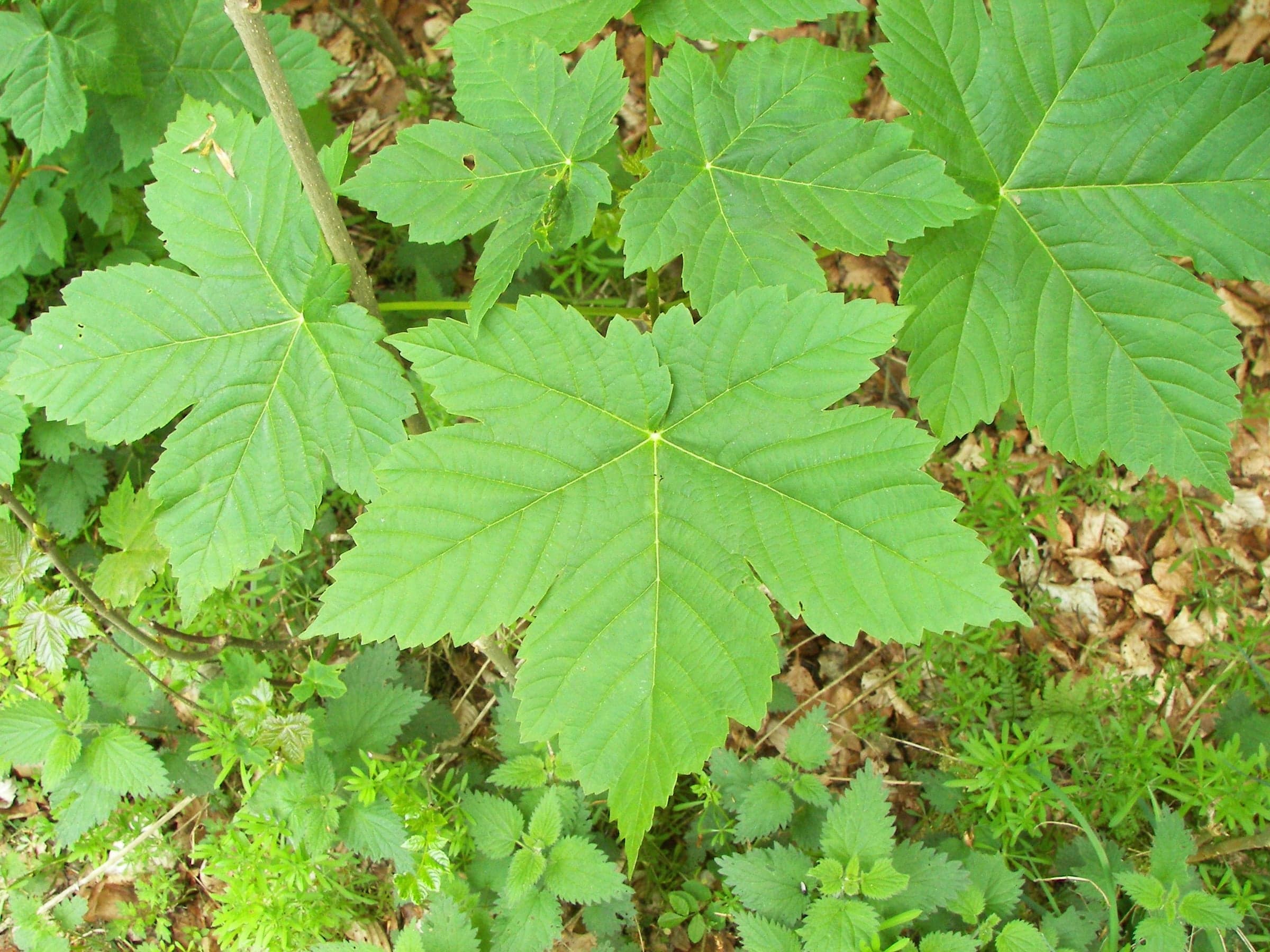
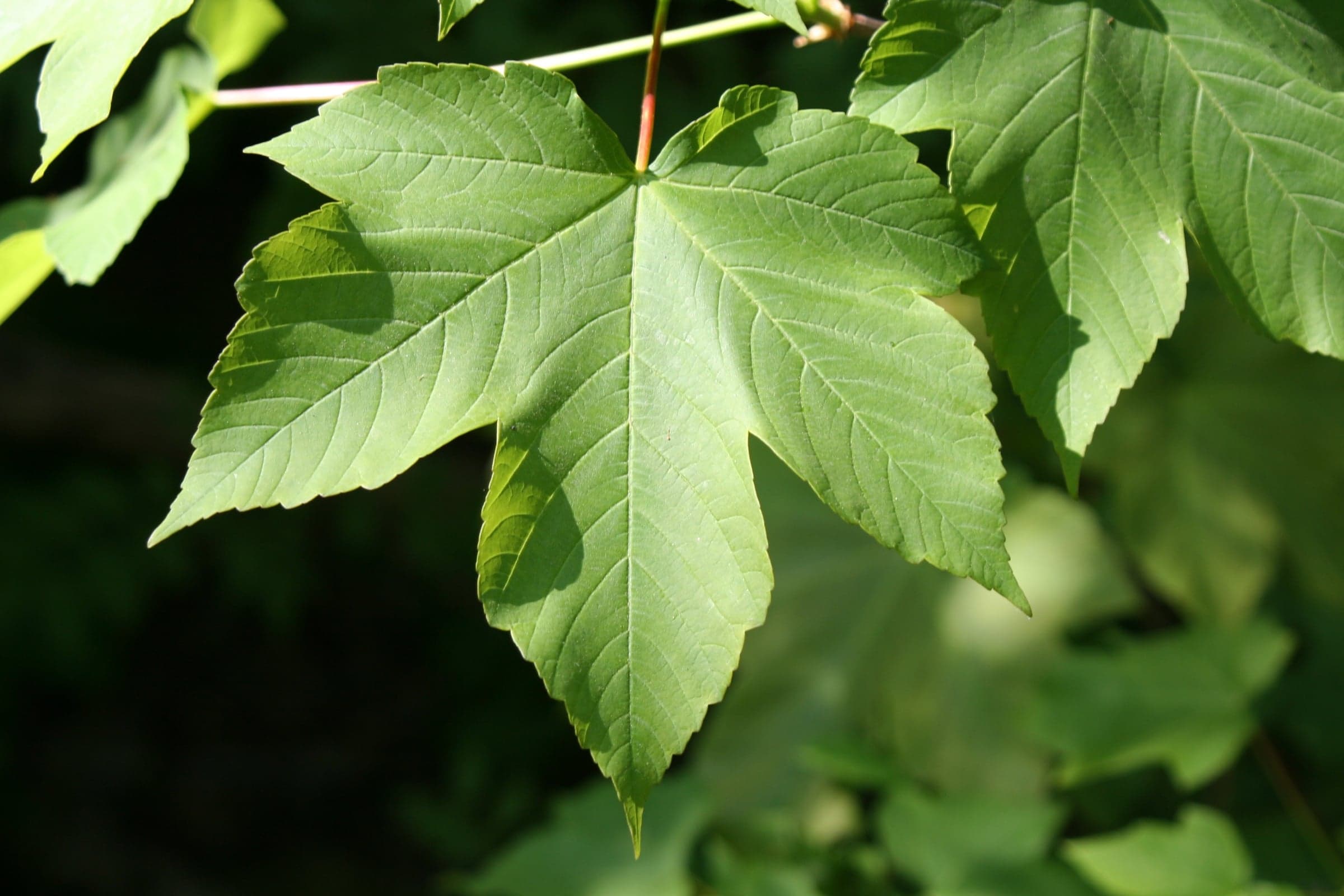
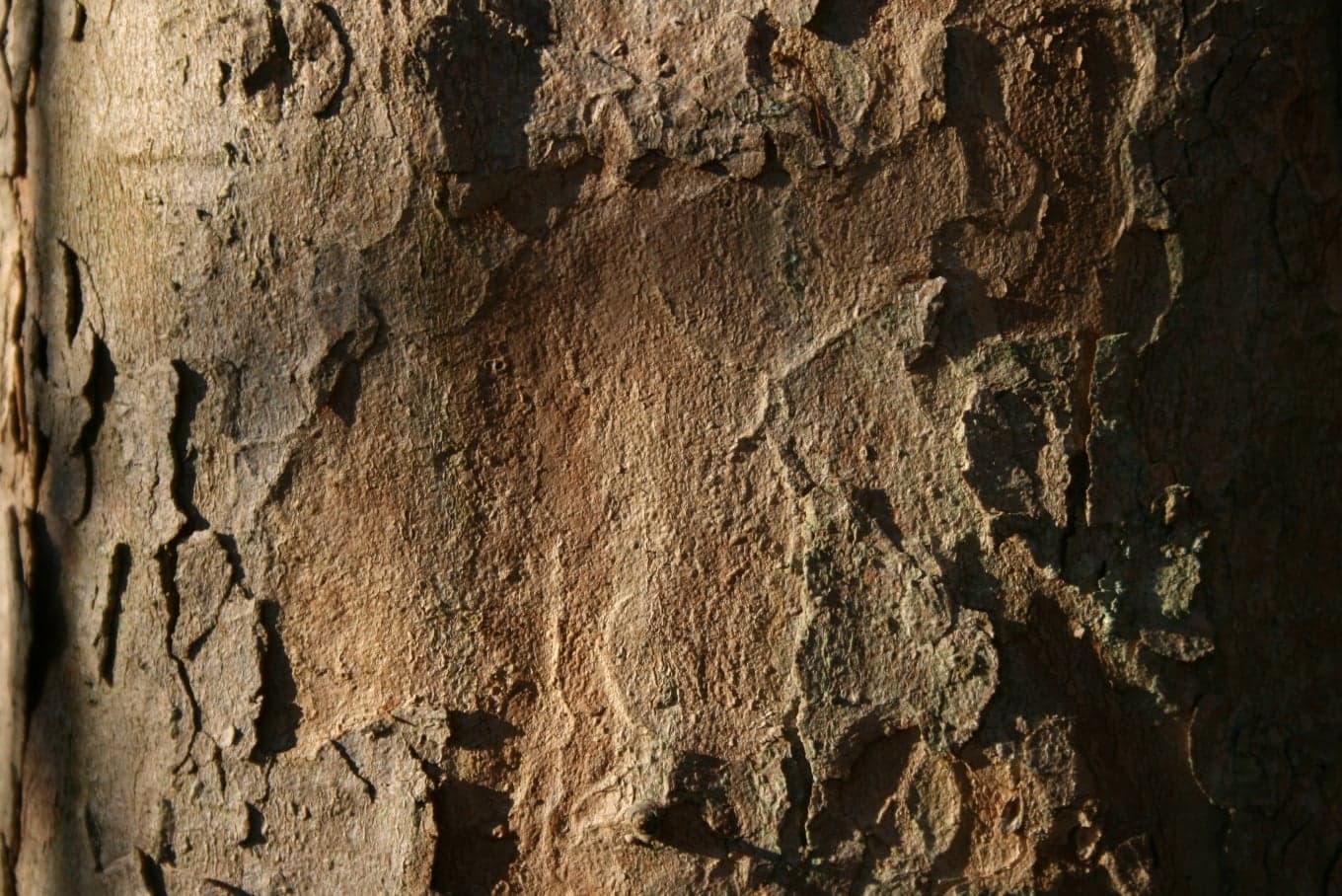
Acer pseudoplatanus
Sycamore Maple
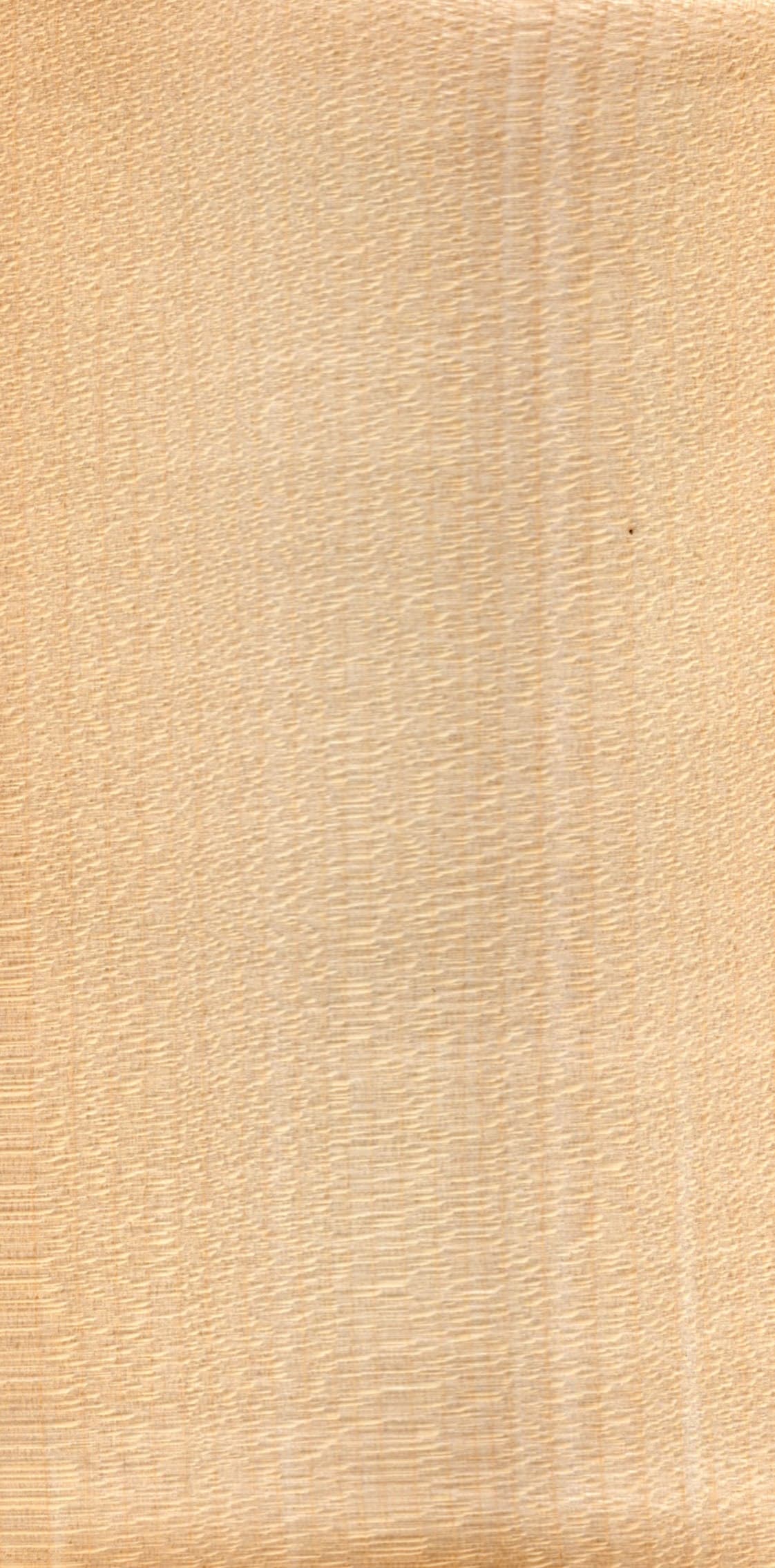
Pale, lustrous European hardwood with a creamy near-white surface. Often quartersawn to bring out ray fleck, and prized in curly form for violin and cello backs.
- Vypěstováno a vytěženo v Evropě.
- Botanická skupina. Jehličnaté dřeviny jsou nahosemenné stromy, listnaté dřeviny jsou krytosemenné stromy.
- Botanická čeleď, do které dřevina patří.
Upozornit, až dorazíReferenční dřevina. Právě není žádný kus skladem.
Hodí se pro váš projekt?
Výborné pro
- Violin, viola and cello backs, sides and necks (fiddleback stock)
- Kitchen worktops, butcher blocks and chopping boards
- Light-toned furniture, cabinetry and shelving
- Turned bowls, treen and tool handles
- Interior joinery, stair parts and panelling
- Marquetry and inlay where a near-white ground is needed
V aktuální várce není Sycamore Maple
Podobné dřeviny skladem
Dřevina Sycamore Maple právě není skladem. Tyto dostupné dřeviny se hodí pro stejné projekty.

Upozornění na dřevinu Sycamore Maple
Až na KORENA dorazí nové fošny Sycamore Maple, pošleme vám e-mail. Každý kus je jedinečný, proto se včasné upozornění hodí.
Vzhled dřeva
Jak vypadá
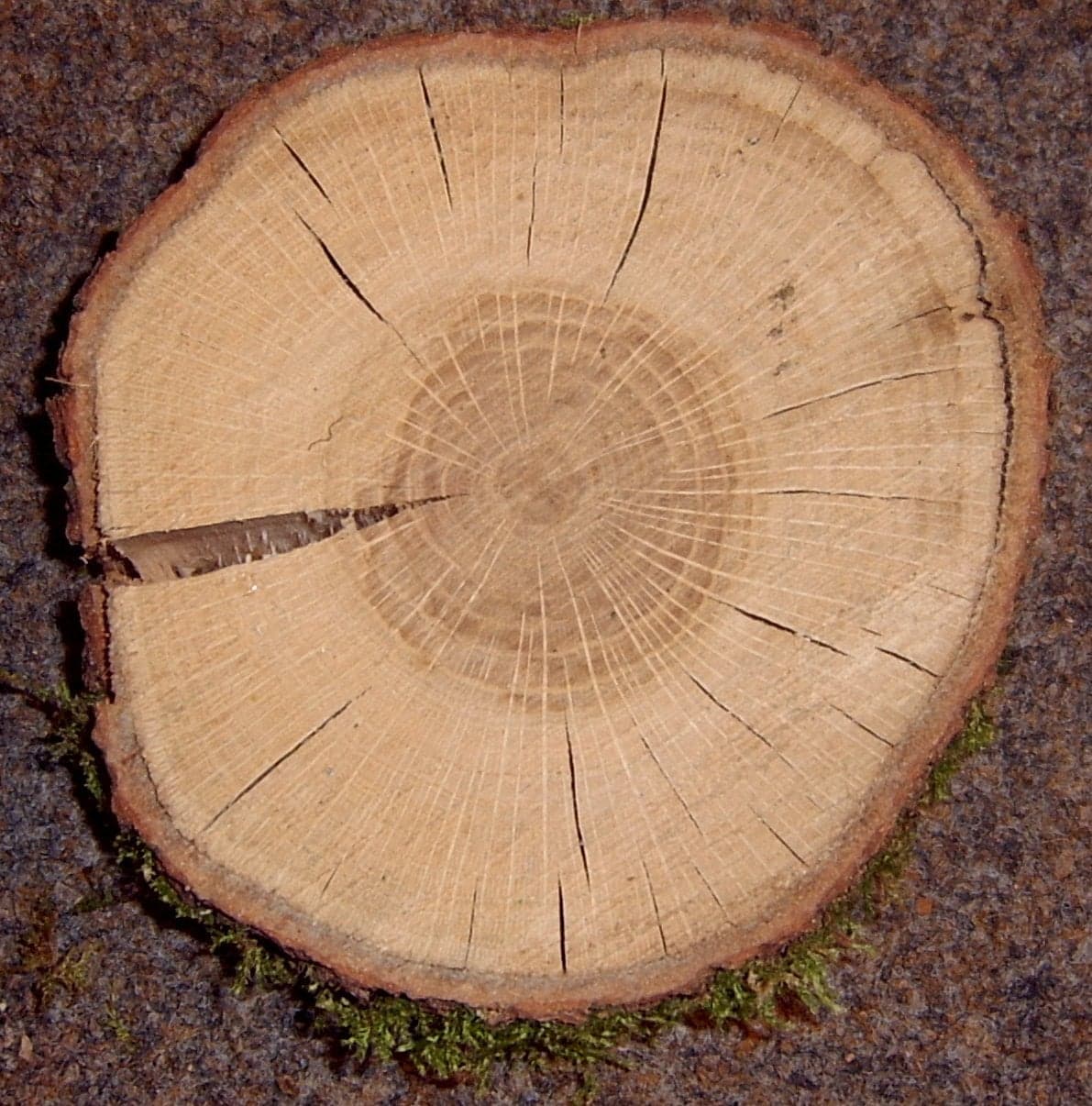
Sycamore maple runs creamy white to pale yellow with a fine, even texture and a soft natural sheen. Grain is usually straight, with occasional wavy or interlocked sections. Quartersawn boards show small ray fleck. The most sought-after cut is fiddleback, a tight, rippled curl that catches light across the board and has been used for violin, viola and cello backs since the Cremonese workshops of Stradivari and Guarneri.
- Creamy white to pale yellow when freshly machined
- Soft natural lustre, especially on quartersawn faces
- Small ray fleck on quartersawn boards
- Fiddleback or curly figure in select boards, three-dimensional ripple under light
- Ambers gently toward warm straw under UV exposure
- Pale, lustrous; often quartersawn for ray fleck.
Zpracování
Jak se zpracovává
Works well across the board. Saws, planes, sands and glues cleanly, and turns excellently, it is a long-standing choice for treen, bowls and tool handles. Curly and fiddleback stock will tear out under straight blades; use sharp tooling, light cuts and a high cutting angle, or sand through grits. Screws and holds fastenings without splitting at sensible pilot sizes.
Povrchová úprava
The pale colour is part of the appeal, so most makers stay with water-based or hardwax oil finishes that keep the surface near-white. Oil-based and polyurethane finishes warm the wood toward straw yellow. Expect a slow ambering shift under UV regardless, pieces stored in shade stay paler for longer. Sands cleanly to a high polish. On figured stock, a thin coat of dilute shellac before the topcoat lifts the chatoyance.
Sušení
Dries fairly quickly but is prone to fungal staining and grey discolouration if left in stick during warm, humid weather. The traditional remedy is to fell in winter and end-rack boards vertically so air moves across both faces. Tangential shrinkage of 7.5–9.0% against radial 4.0–5.5% gives a moderate T/R ratio, so quartersawn stock stays flatter in service. Acclimatise indoors before machining final dimensions.
Jak moc bude pracovat?
Dřevo se napříč šířkou rozpíná a smršťuje podle toho, jak vzduch vlhne a vysychá. Než navrhnete upevnění, odhadněte sezónní pohyb desky z dřeviny Sycamore Maple.
Očekávaný sezónní pohyb
přibližně 9,4 mm
Desku upevněte úchyty nebo kováním s drážkami, ne lepidlem ani pevně dotaženými šrouby.
Lineární model sesychání: šířka × (sesychání ÷ 28 % bod nasycení vláken) × sezónní změna vlhkosti. Pro dřevinu Sycamore Maple používá 8,25% tangenciálního sesychání. Jde o plánovací odhad, nikoli záruku.
Kolik stojí
Bezpečnost a původ
- Vypěstováno a vytěženo v Evropě.
- Stav v Červeném seznamu IUCN: celosvětové posouzení ohrožení této dřeviny.
Food-contact safe and a classic European choice for butcher blocks, chopping boards and kitchen treen. Maple dust is a known respiratory sensitiser and is listed as a carcinogen in some jurisdictions, extract at the tool and wear a fitted P3 mask when sanding or routing.
Přečíst celý průvodcePodrobné poznámky o kresbě, změně barvy, zpracování a stabilitě.
What European Sycamore actually is#
Acer pseudoplatanus is a maple, despite the name. It is the whitest timber in this catalogue and the traditional European choice wherever a pale, clean, food-safe surface is wanted.
The naming causes real confusion. European Sycamore is a maple. American sycamore is Platanus occidentalis, a plane tree. London Plane, which KORENA also lists, is Platanus x acerifolia and is the European plane. The three are unrelated and work differently. Buy on the botanical name.
Keeping it white#
The pale colour is the whole point of this species and it is fragile.
Freshly converted sycamore stains easily. If boards are flat stacked and left, fungal staining greys them within weeks. The traditional handling is end rearing, standing the boards on end so air moves freely and moisture drains, and prompt drying after conversion.
A greyed or blue stained sycamore board is not structurally damaged but it has lost the property you were buying.
In use, the threat is the finish. Oil finishes amber pale woods, and sycamore starts whiter than anything else here so it shows the shift most. A clear water based finish or a low yellowing hardwax oil preserves the colour; a standard oil turns it distinctly yellow, permanently.
The figure
Otázky kupujících
Na co se kupující ptají
Is European Sycamore the same as American sycamore?
No, and the naming is genuinely confusing. European Sycamore is Acer pseudoplatanus, a maple. American sycamore is Platanus occidentalis, a plane tree, and its European counterpart is London Plane, Platanus x acerifolia, which KORENA also lists. The three are unrelated and behave differently. Check the botanical name.
Why is sycamore used for violin backs?
Its fine even texture, good stiffness and frequent curly figure suit it acoustically and visually, and it has been the traditional back, ribs and neck timber for violins since the Cremonese makers. Figured sycamore with strong flame is still sold specifically as fiddleback for this purpose.
How do I keep it white?
Sycamore is prized for being one of the whitest European timbers and it discolours easily. It must be dried promptly and end reared rather than flat stacked, or fungal staining greys it. In use, avoid oil finishes, which pull it yellow, and use a clear water based finish or a low yellowing hardwax oil instead.
What is rippled or fiddleback sycamore?
Mechanické vlastnosti
Technické údaje
Zveřejněné referenční hodnoty. Pokud se zdroje rozcházejí, uvádíme rozpětí a pro výše uvedené stupnice používáme typickou hodnotu.
| Hustota (kg/m³)Hmotnost jednoho metru krychlového při vlhkosti přibližně 12 %. Těžší dřevo bývá tvrdší a pevnější. | 570–660 kg/m³typicky 615 kg/m³ |
|---|---|
| Tvrdost podle Janky (N)Síla potřebná k zatlačení ocelové kuličky do poloviny jejího průměru. Standardní měřítko odolnosti proti otlačení. | 4,400–5,000 Ntypicky 4 680 N |
| MOR: modul pevnosti v ohybu (MPa)Pevnost v ohybu: zatížení, při kterém se nosník zlomí. | 95–115 MPa |
| MOE: modul pružnosti (GPa)Tuhost v ohybu: nakolik se police nebo deska pod zatížením prohne. | 9.5–11.5 GPa |
| Radiální sesycháníSesychání napříč letokruhy od čerstvého stavu po vysušení v sušárně. Takto pracují radiálně řezané fošny. | 4.0–5.5 % |
| Tangenciální sesychání |