KORENA
DřevoFinished piecesPotřebySkladyMagazín

Nechte se upozornit

Každá fošna je jediná svého druhu. Jakmile se prodá, další není. O nově zveřejněných kusech vám napíšeme: čerstvé přírůstky, nové dřeviny a prkna odpovídající zadání projektu.

Několik e-mailů měsíčně. Žádný spam, odhlásit se můžete kdykoli.

KORENA, prémiové tvrdé dřevo

Jeden kus za druhým.

Ověřené prémiové tvrdé dřevo, kus po kuse. Každá fošna je vyfotografována, změřena a odeslána z partnerského skladu s pasem dřeva.

Obchod

  • Procházet výrobky
  • Archiv prodaných fošen
  • Sledovat objednávku

Informace

  • Magazín
  • Průvodce druhy dřeva
  • Slovníček
  • Porovnání
  • Autoři

Pomoc

  • O nás
  • Jak to funguje
  • Staňte se partnerským skladem
  • Poptat fošnu
  • Podpora
  • Vzory dokumentů
  • Pro média

Nákup

  • Obchodní podmínky
  • Právo na odstoupení
  • Vrácení zboží a záruka
  • Doprava a doručení

Důvěra

  • Zásady ochrany osobních údajů
  • Zásady používání souborů cookie
  • Původ dřeva a EUDR
  • Přístupnost

Právní údaje

  • Právní oznámení / identifikační údaje
  • Přijatelné použití
  • Duševní vlastnictví a obsah

© 2026 KORENA. Všechna práva vyhrazena.

Provozuje Martial Labs Ltd. (BG, EIK 207453941). KORENA je obchodní označení společnosti Martial Labs Ltd.

Respektujeme vaše soukromí

Nezbytné soubory cookie používáme pro správné fungování webu. S vaším souhlasem bychom používali také soubory cookie pro analytiku, personalizovaný obsah a reklamy. Své rozhodnutí můžete kdykoli změnit na stránce nastavení souhlasu. Přečtěte si naše zásady používání souborů cookie a zásady ochrany osobních údajů.

  1. Domů
  2. /
  3. Dřeviny
  4. /
  5. European Yew

Taxus baccata

European Yew

Rare, culturally significant, and exceptionally durable. Dramatic orange-red heartwood against cream sapwood, and the wood of the English longbow.

  • Vypěstováno a vytěženo v Evropě.
  • Botanická skupina. Jehličnaté dřeviny jsou nahosemenné stromy, listnaté dřeviny jsou krytosemenné stromy.
  • Botanická čeleď, do které dřevina patří.
Upozornit, až dorazíReferenční dřevina. Právě není žádný kus skladem.
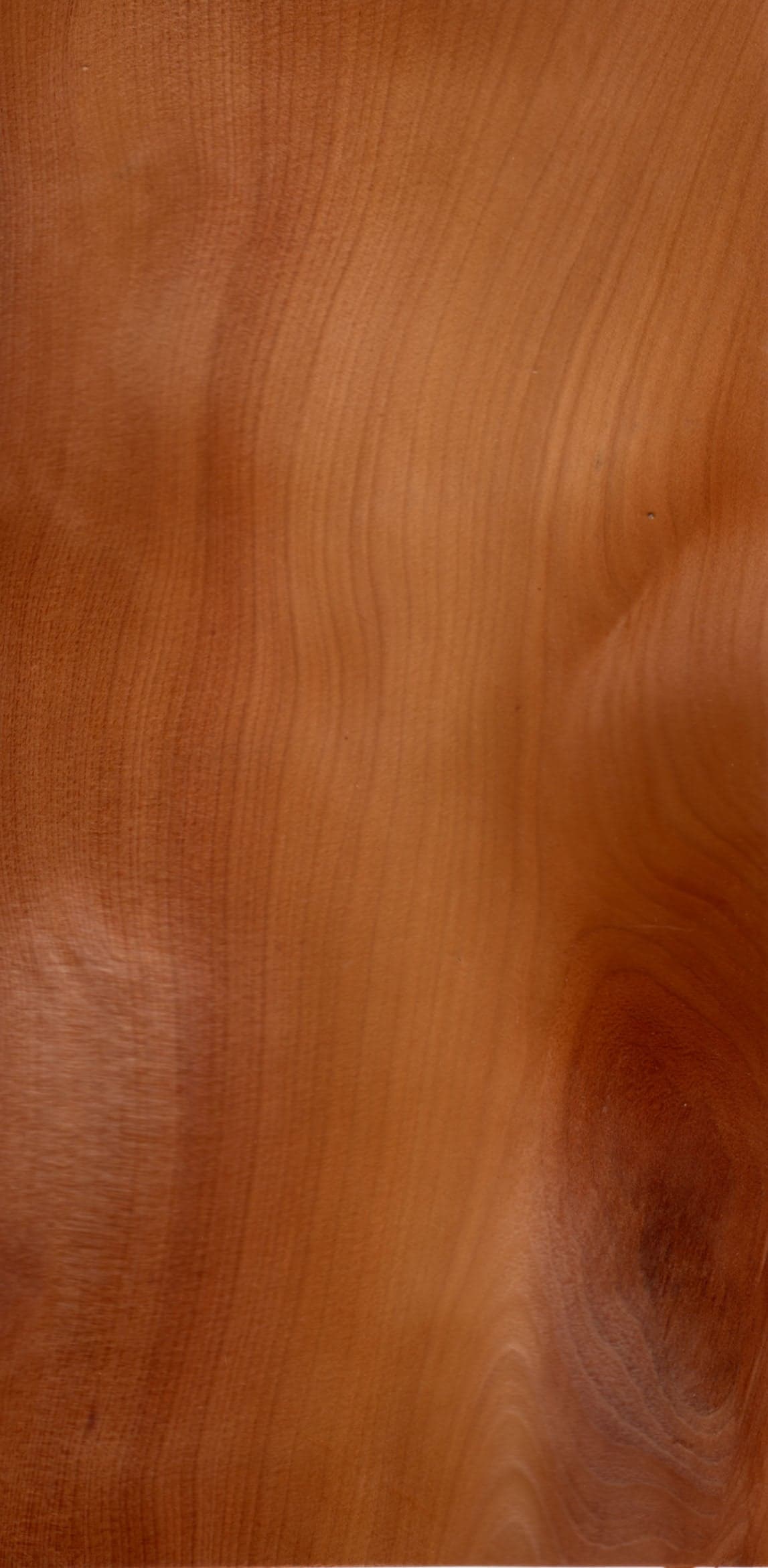
Kresba dřeva European Yew
  • Vhodnost pro projekt
  • Skladem
  • Vzhled
  • Zpracování
  • Pohyb dřeva
  • Cena
  • Bezpečnost a původ
  • Otázky
  • Technické údaje

Hodí se pro váš projekt?

Výborné pro

  • Turned bowls, vessels, and spindles (a traditional turner's wood)
  • Longbows and traditional archery stock
  • Decorative wall panels and feature surfaces
  • Cabinet accents, drawer fronts, and inlay
  • Small statement furniture, side tables, stools, lamp bases
  • Carved and sculptural pieces

V aktuální várce není European Yew

Podobné dřeviny skladem

Dřevina European Yew právě není skladem. Tyto dostupné dřeviny se hodí pro stejné projekty.
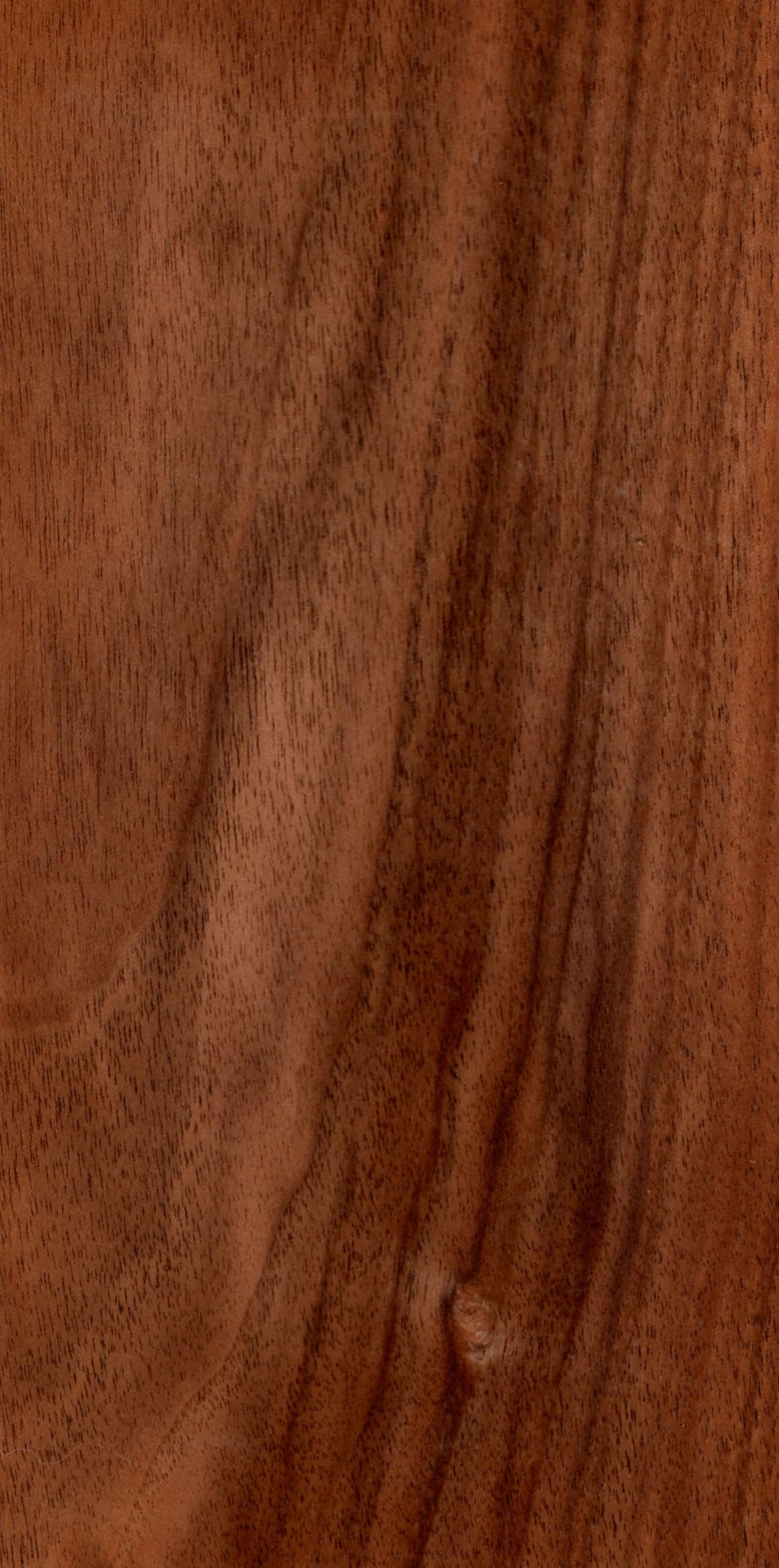
  • Kresba dřeva European Walnut

    European Walnut

    Juglans regia

    9 kusů

  • Kresba dřeva European Oak

    European Oak

    Quercus robur

    6 kusů

  • Kresba dřeva Saman

    Saman

    Samanea saman

    4 kusy

Upozornění na dřevinu European Yew

Až na KORENA dorazí nové fošny European Yew, pošleme vám e-mail. Každý kus je jedinečný, proto se včasné upozornění hodí.

Několik e-mailů měsíčně. Žádný spam, odhlásit se můžete kdykoli.

Vzhled dřeva

Jak vypadá

Sharp two-tone contrast: warm orange-red to honey-brown heartwood beside pale cream sapwood. Grain is generally straight but often irregular around frequent pin knots and burl figure. Texture is fine and even, with a natural lustre that deepens under oil. Boards are typically narrow and full of incident, sweeping sapwood lines, knot clusters, and occasional burl pockets are the norm, not the exception.

  • Heartwood: warm orange-red to honey-brown, ambering over time
  • Sapwood: pale cream to near-white, sharply defined against the heart
  • Frequent pin knots and burl figure, often clustered
  • Natural lustre that deepens under oil and wax
  • Strong two-tone contrast that softens but never disappears with age
  • Generally straight, often irregular; fine even texture.

Zpracování

Jak se zpracovává

Turns superbly, one of the great turning woods, prized for centuries. Saws and sands cleanly. Planing is the catch: interlocked grain around knots tears easily, so take light passes with a sharp, high-angle iron or scrape. Holds detail well in carving. Glues and screws without fuss. Steam-bends well, which is why it became the longbow wood.

Povrchová úprava

Takes oil and wax beautifully, a thin oil coat ignites the orange-red heartwood without muddying the cream sapwood. Sands to a near-polished surface straight off the belt. Watch for resin pockets that can bleed under film finishes; seal first with shellac if you plan to lacquer. The colour darkens and ambers over time; UV-stable topcoats slow the shift but won't stop it.

Sušení

Dries slowly but with very little movement once stable, shrinkage is among the lowest of any European species. End-checks and surface checks are the main risks during initial drying; slabs from fallen trees often arrive with existing checks that should be stabilised before milling final thickness.

Jak moc bude pracovat?

Dřevo se napříč šířkou rozpíná a smršťuje podle toho, jak vzduch vlhne a vysychá. Než navrhnete upevnění, odhadněte sezónní pohyb desky z dřeviny European Yew.

Řez
Kde bude výrobek umístěn

Očekávaný sezónní pohyb

přibližně 6,1 mm

Desku upevněte úchyty nebo kováním s drážkami, ne lepidlem ani pevně dotaženými šrouby.

Lineární model sesychání: šířka × (sesychání ÷ 28 % bod nasycení vláken) × sezónní změna vlhkosti. Pro dřevinu European Yew používá 5,3% tangenciálního sesychání. Jde o plánovací odhad, nikoli záruku.

Kolik stojí

Bezpečnost a původ

  • Vypěstováno a vytěženo v Evropě.
  • Stav v Červeném seznamu IUCN: celosvětové posouzení ohrožení této dřeviny.
  • Yew is toxic. Taxine alkaloids are present throughout the tree, needles, bark, and seeds are dangerous, and the wood itself is a documented sensitiser. Heavy dust exposure has been linked to cardiac and CNS effects. Wear a fitted respirator, run extraction, and keep offcuts away from animals and children. NOT food-safe. Do not use for cutting boards, chopping blocks, utensils, serving boards, or any surface in contact with food or drink. Treat it as a decorative and structural wood only.

Přečíst celý průvodcePodrobné poznámky o kresbě, změně barvy, zpracování a stabilitě.+

What European Yew actually is#

Taxus baccata is a conifer that behaves like nothing else. At 6,760 N Janka it is harder than oak, ash or hard maple. At decay class 1 it is the most durable species in this catalogue alongside robinia. And it carries a colour that no other European timber approaches: vivid orange-red to purple-brown heartwood against narrow cream sapwood.

KORENA lists it as a hardwood on the basis of how it works and performs, though botanically it is a softwood. Treating it as a softwood at the bench would give you entirely the wrong expectations.

It is also poisonous, which governs a good deal of how it should be handled.

The toxicity, which is not a footnote#

Almost every part of the yew tree contains taxine alkaloids, which are cardiotoxic. The dust is a documented irritant and sensitiser, and the wood is recorded here as not food safe.

The practical rules are simple and worth following without exception. Run extraction and wear a mask when machining. Never use yew for chopping boards, food contact surfaces, drinking vessels or utensils. Keep shavings and offcuts away from animals, for which yew ingestion is frequently fatal, and never put them in bedding, mulch or compost.

None of this makes yew unsafe to own or to use in furniture. Finished, sealed yew is not a hazard. The risk is in the dust and the offcuts.

Otázky kupujících

Na co se kupující ptají

Is yew poisonous to work with?

+

Yes, and this needs taking seriously. Almost every part of the tree contains taxine alkaloids, which are cardiotoxic. The dust is a documented irritant and sensitiser, and yew is recorded here as not food safe. Run extraction, wear a mask, never use it for food contact or drinking vessels, and keep shavings away from animals, for which yew is often fatal.

Why is yew so expensive?

+

Slow growth, small sizes and high wastage. Yew grows very slowly, trunks are often hollow or fluted rather than round, and the proportion of clean usable timber from a log is low. Add high demand from turners and furniture makers for its colour and figure, and prices stay well above other European species.

How durable is it really?

+

Decay class 1, very durable, the highest rating in this catalogue alongside robinia. Yew heartwood is exceptionally resistant to rot and insect attack, which is why yew fence posts and structures survive for generations and why it was used for water pipes and boat parts.

Is it a softwood or a hardwood?

+

Botanically yew is a conifer and therefore a softwood, but it behaves nothing like one. At 6,760 N Janka it is harder than oak, ash or maple, and it is denser and more durable than most hardwoods here. KORENA classifies it as hardwood in the catalogue on the basis of how it works and performs rather than its botany.

Mechanické vlastnosti

Technické údaje

Zveřejněné referenční hodnoty. Pokud se zdroje rozcházejí, uvádíme rozpětí a pro výše uvedené stupnice používáme typickou hodnotu.

Hustota (kg/m³)Hmotnost jednoho metru krychlového při vlhkosti přibližně 12 %. Těžší dřevo bývá tvrdší a pevnější.580–720 kg/m³typicky 675 kg/m³
Tvrdost podle Janky (N)Síla potřebná k zatlačení ocelové kuličky do poloviny jejího průměru. Standardní měřítko odolnosti proti otlačení.6,300–7,100 Ntypicky 6 760 N
MOR: modul pevnosti v ohybu (MPa)Pevnost v ohybu: zatížení, při kterém se nosník zlomí.90–115 MPa
MOE: modul pružnosti (GPa)Tuhost v ohybu: nakolik se police nebo deska pod zatížením prohne.9.5–11.0 GPa
Radiální sesycháníSesychání napříč letokruhy od čerstvého stavu po vysušení v sušárně. Takto pracují radiálně řezané fošny.3.0–4.0 %
Tangenciální sesychání

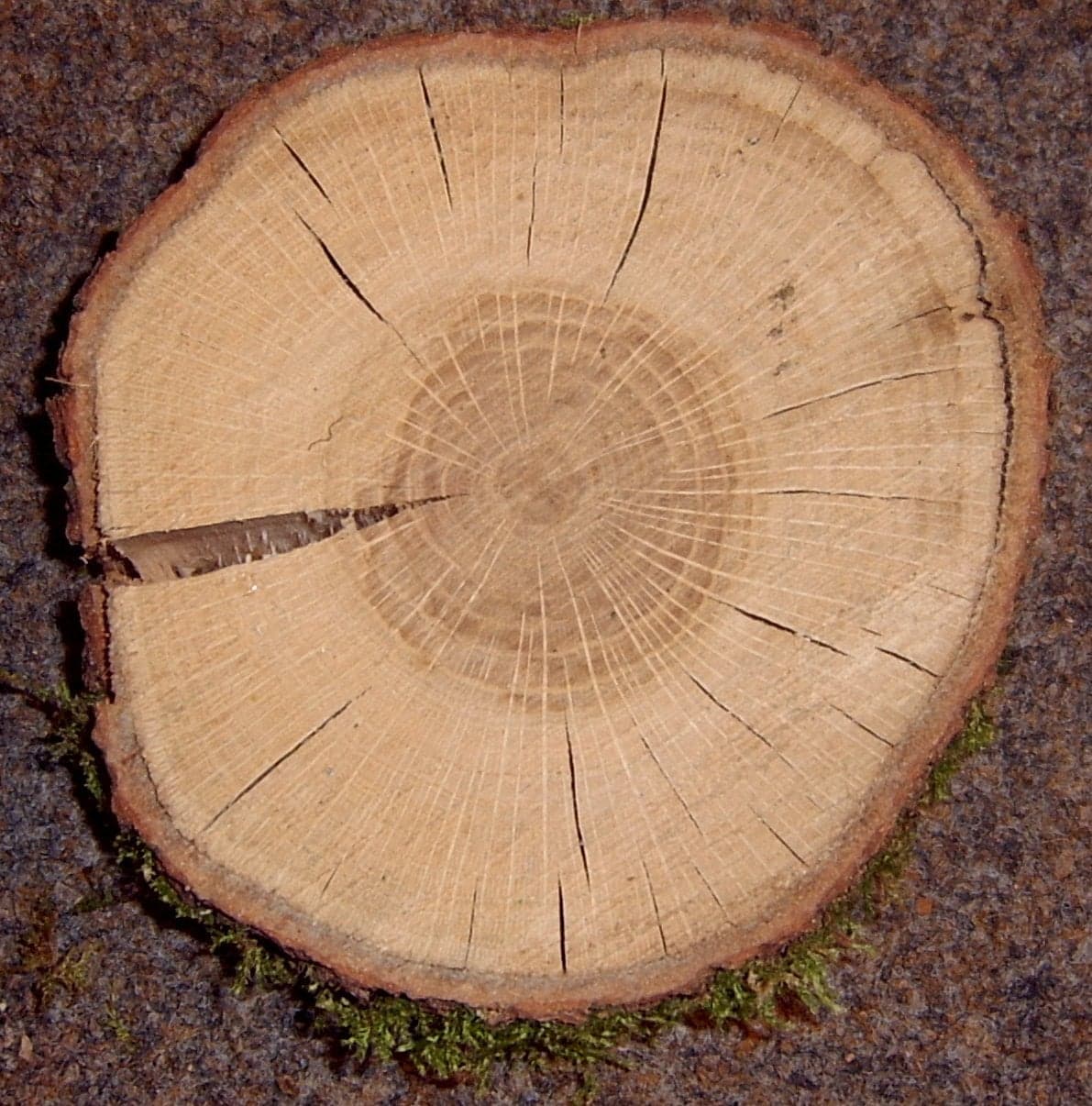
Achim Raschka (talk), via Wikimedia Commons

  • Veneers and book-matched panels
  • Přednosti

    • Odolné venkuTřída 1 z 5 podle EN 350: venku odolává hnilobě bez ošetření.
    • Velmi stabilníMalý sezónní pohyb. Hodí se pro široké desky a přesné spoje.

    Native across Europe, but standing yew is scarce. Ancient churchyard and estate yews are protected; commercial slabs come almost entirely from felled or fallen estate trees. Expect small, character-heavy boards rather than long clean stock.

  • IUCN Least Concern and not CITES-listed, but slow-grown and culturally protected across much of Europe. Most marketplace yew is salvage from estate fellings, storm-fall, or managed thinning of younger plantation stock. Ask about provenance, a clean DDS matters more here than with faster-growing species.

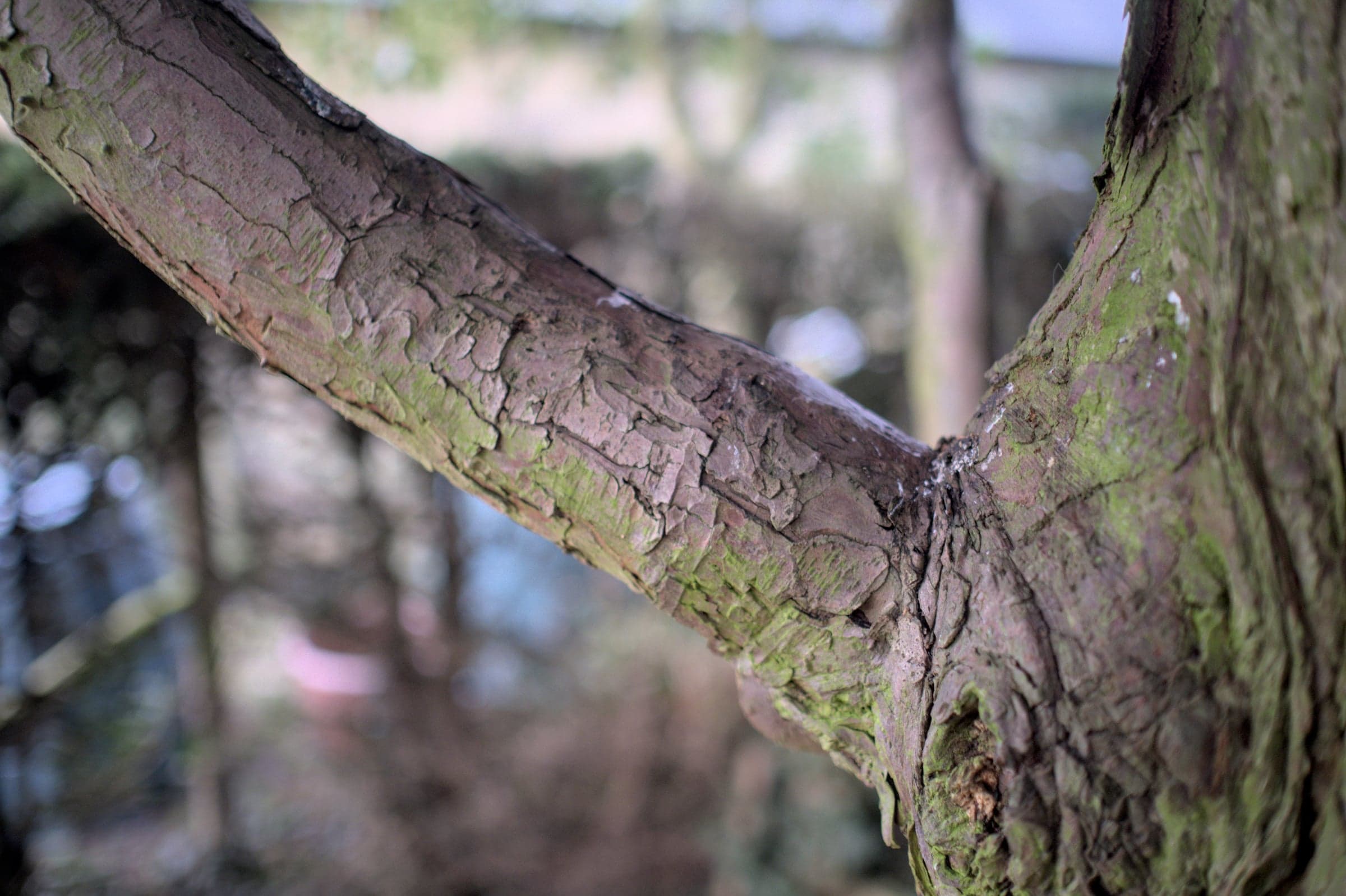
  • Strom European Yew

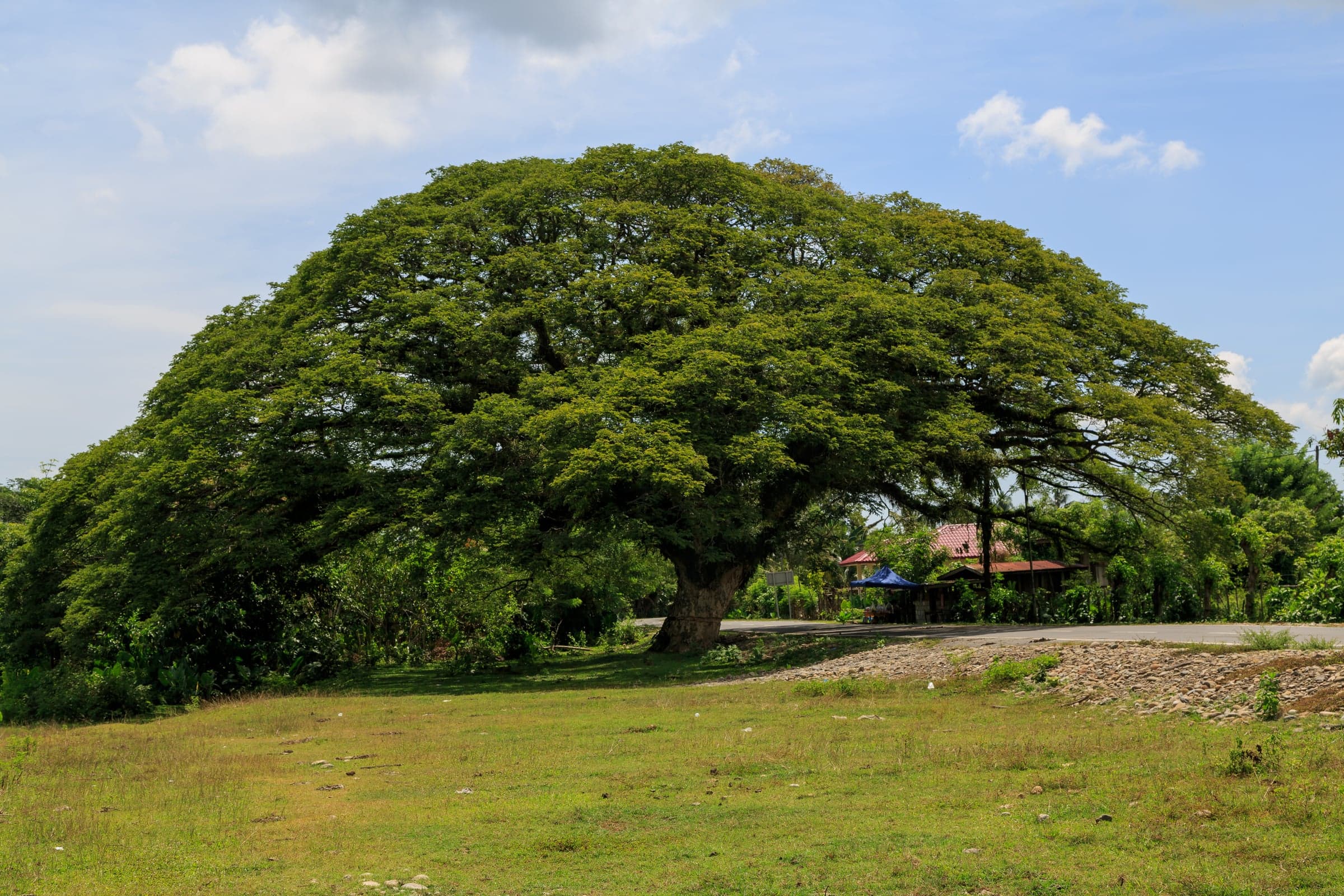
    Marco Schmidt [1], via Wikimedia Commons

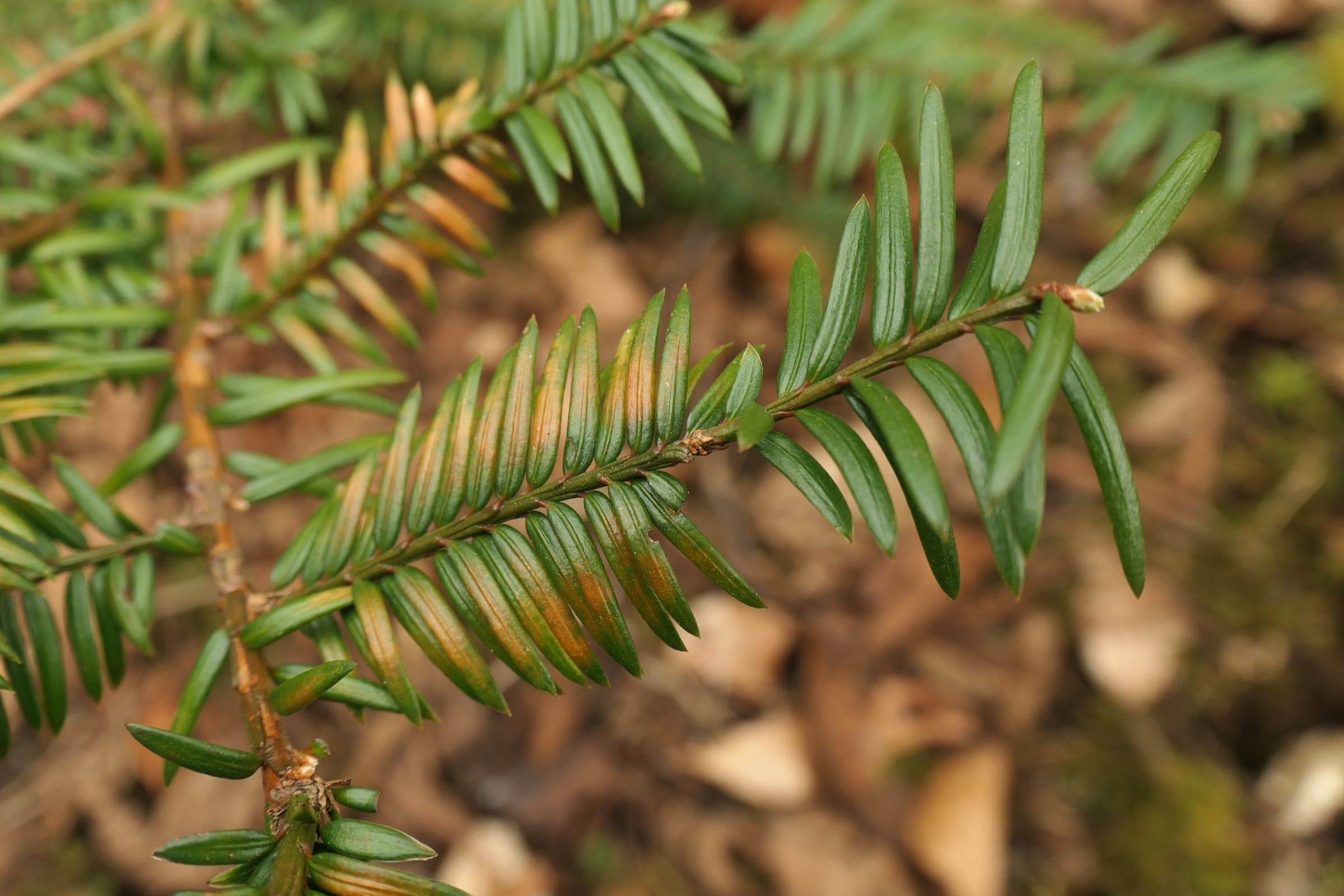
    European Yew: List
    List
    European Yew: Kůra
    Kůra

    Reading a yew slab#

    The contrast is the point. Heartwood runs orange-red through to purple-brown, sometimes almost violet when freshly cut, against sapwood that is nearly white. On a live edge slab that pale band is usually left in place, and it is the defining feature.

    Yew is rarely plain. Expect frequent knots, wavy and interlocked grain, and pippy or burr sections. Trunks are often hollow or deeply fluted rather than round, so boards are irregular and wide clean lengths are genuinely scarce.

    That irregularity is most of the appeal and most of the price.

    At the bench#

    Yew works well for its hardness but the grain will fight you. Knots are frequent and hard, wavy grain reverses direction, and burr sections tear out readily.

    Light cuts, very sharp tooling, and a scraper or high angle plane for the final surface. On burr and pippy material, hand finishing is normal.

    It turns superbly, which is why yew is a favourite among bowl turners, and it takes a fine polished surface directly from the tool. It glues and finishes well, and oil finishes intensify the orange dramatically.

    The colour deepens and mellows with light exposure toward a richer red brown.

    Stability#

    Volumetric shrinkage of 7.8 percent is the second lowest in this catalogue after Saman, with tangential at 4.8 percent against radial at 3.0 percent. Both the total and the differential are low.

    That means yew is dimensionally very well behaved, which combined with its durability explains why it survives in structures and objects for centuries. Drying is slow given the density and irregular form, but the dried wood is stable.

    Where European Yew is the right answer#

    Turned work above all, plus fine furniture, decorative slabs, veneer and any piece where the colour carries the design. Its durability and stability also suit exterior work where the cost is justified, and it was historically used for gate posts, water pipes and boat parts.

    The longbow association is real: yew's combination of compressive strength in the heartwood and tensile strength in the sapwood is what made the English longbow work, with the two layers doing different jobs.

    It is the wrong answer for food contact, for large matched volumes, and for anyone unwilling to manage the dust properly.

    Sourcing and EUDR#

    Not CITES listed and assessed as Least Concern, though slow growth and small sizes mean supply is limited and much of it comes from garden, churchyard and estate felling rather than forestry. Provenance documentation deserves attention here, and KORENA records the yard and region on every listing.

    The sapwood, and why it stays#

    On almost every species in this catalogue, sapwood is the part you cut off. On yew it is usually the part you keep.

    Yew sapwood is narrow, near white, and sits in sharp contrast against orange-red heartwood. On a turned bowl or a slab edge that pale band is the single most striking feature the wood offers, and removing it removes most of the visual reason for choosing yew.

    It is also structurally interesting. Yew sapwood is elastic and strong in tension while the heartwood is strong in compression, and the English longbow exploited exactly that: the bow was cut so the sapwood formed the back and the heartwood the belly, giving a natural composite that no single layer could match.

    The one caution is durability. The decay class 1 rating applies to the heartwood. Yew sapwood is not durable, so on any exterior piece it is a sacrificial edge rather than a protected one.

    Hollow trunks and what they mean for slabs#

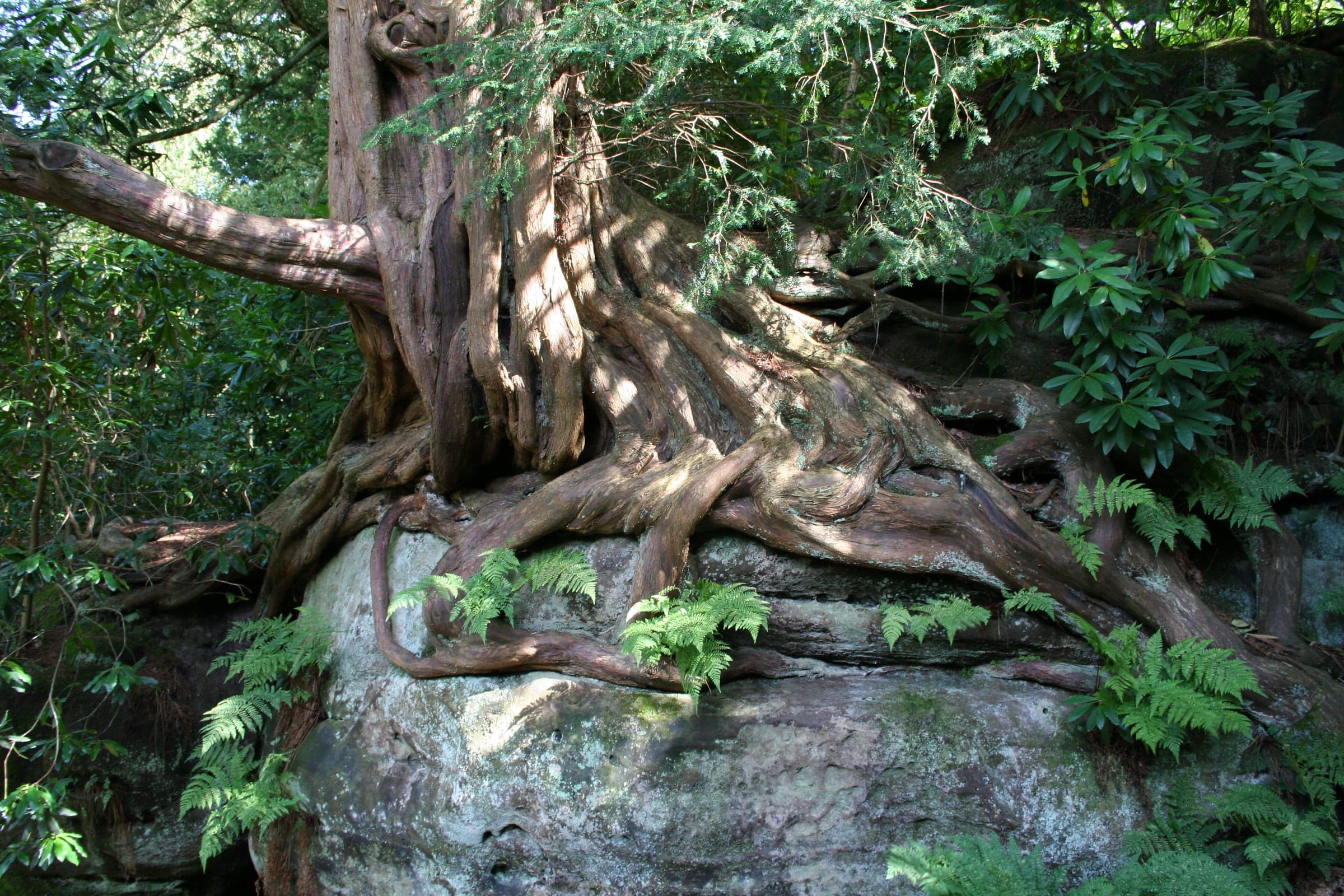
    Mature yew very commonly grows hollow, and old trees are often little more than a shell of living wood around an open centre.

    For the tree this is normal and not a sign of ill health. For the timber buyer it means yields are low, boards are irregular, and a wide clean yew slab is genuinely rare.

    It also means much yew comes to market in short, wide, irregular pieces rather than long boards, which suits turning, boxes and small slabs better than furniture in long lengths.

    What makes the figure so distinctive?

    +

    The sharp contrast between narrow cream sapwood and vivid orange-red to purple-brown heartwood, combined with frequent knots, wavy grain and pippy or burr sections. Yew is rarely plain. That irregularity is part of the appeal and part of why clean straight lengths are so scarce.

    Sesychání podél letokruhů. Takto pracují tangenciálně řezané fošny a většina fošen s přírodní hranou.
    4.8–5.8 %
    Objemové sesycháníCelková změna objemu od čerstvého stavu po vysušení v sušárně. Nižší hodnota znamená větší stabilitu.7.8–8.8 %
    Přirozená trvanlivost (EN 350)Evropská norma přirozené odolnosti proti hnilobě od 1 (velmi trvanlivé) do 5 (netrvanlivé).Class 1 — Very durable

    Zdroje

    • The Wood Database(citováno 2026-05-09)
    • USDA FPL Wood Handbook FPL-GTR-190 (2010)(citováno 2026-05-09)
    • Meier, E. — WOOD! Identifying and Using Hundreds of Woods Worldwide (2015)(citováno 2026-05-09)

    Stručný přehled

    Úrovně používají pro všechny dřeviny v nabídce KORENA stejná pásma, takže je lze přímo porovnávat. Pod každou je uvedena naměřená hodnota.
    TvrdostOdolnost proti otlačení a opotřebeníTvrdé

    Tvrdost podle Janky 6 760 N

    O 36 % tvrdší než dub letní

    HmotnostJak těžká je fošna při zvedáníTěžké

    675 kg/m³

    StabilitaJak málo pracuje v průběhu ročních obdobíVelmi stabilní

    8,3 % objemového sesychání

    ZpracováníŘezání, hoblování, broušení, lepeníSnadné

    průměr zpracování 4,0 / 5

    Použití venkuPřirozená odolnost proti hnilobě, EN 350Do exteriéru, dlouhá životnost

    třída 1 podle EN 350

    • Řezání · Velmi dobráJak čistě se řeže a jak moc namáhá pilové nástroje.1 = obtížné · 5 = výborné
    • Hoblování · DobráJak hladký povrch po hoblování zůstává a jak často se vytrhávají vlákna.1 = obtížné · 5 = výborné
    • Broušení · Velmi dobráJak rychle se vybrousí dohladka bez zanášení brusiva.1 = obtížné · 5 = výborné
    • Soustružení · VýbornáJak se řeže a dokončuje na soustruhu.1 = obtížné · 5 = výborné
    • Řezbářství · Velmi dobráJak dobře drží ostré detaily při práci dlátem.1 = obtížné · 5 = výborné
    • Lepení · Velmi dobráJak spolehlivě drží lepené spoje.1 = obtížné · 5 = výborné
    • Držení šroubů / hřebíků · Velmi dobráJak dobře drží šrouby a hřebíky bez rozštípnutí.1 = obtížné · 5 = výborné
    • Ohýbání párou · Velmi dobráJak dobře se po napaření ohýbá.1 = obtížné · 5 = výborné

    Pro dřevinu European Yew zatím nemáme referenční tržní cenu. Každý kus KORENA oceňuje partnerský sklad samostatně.

    Dobře se ohýbá
    Pro ohýbání párou má hodnocení 4 z 5. Lze z něj vytvořit i malé poloměry.
  • Vhodné pro začátečníkySnadno se zpracovává a není tak tvrdé, aby příliš namáhalo nástroje.
  • Pozor

    • Dráždivý prachPři broušení nebo obrábění používejte odsávání a ochrannou masku.
    • Dřevo není vhodné pro styk s potravinamiNa prkénka a servírovací nádobí zvolte jinou dřevinu.

    Klepnutím na štítek zobrazíte podrobnosti.