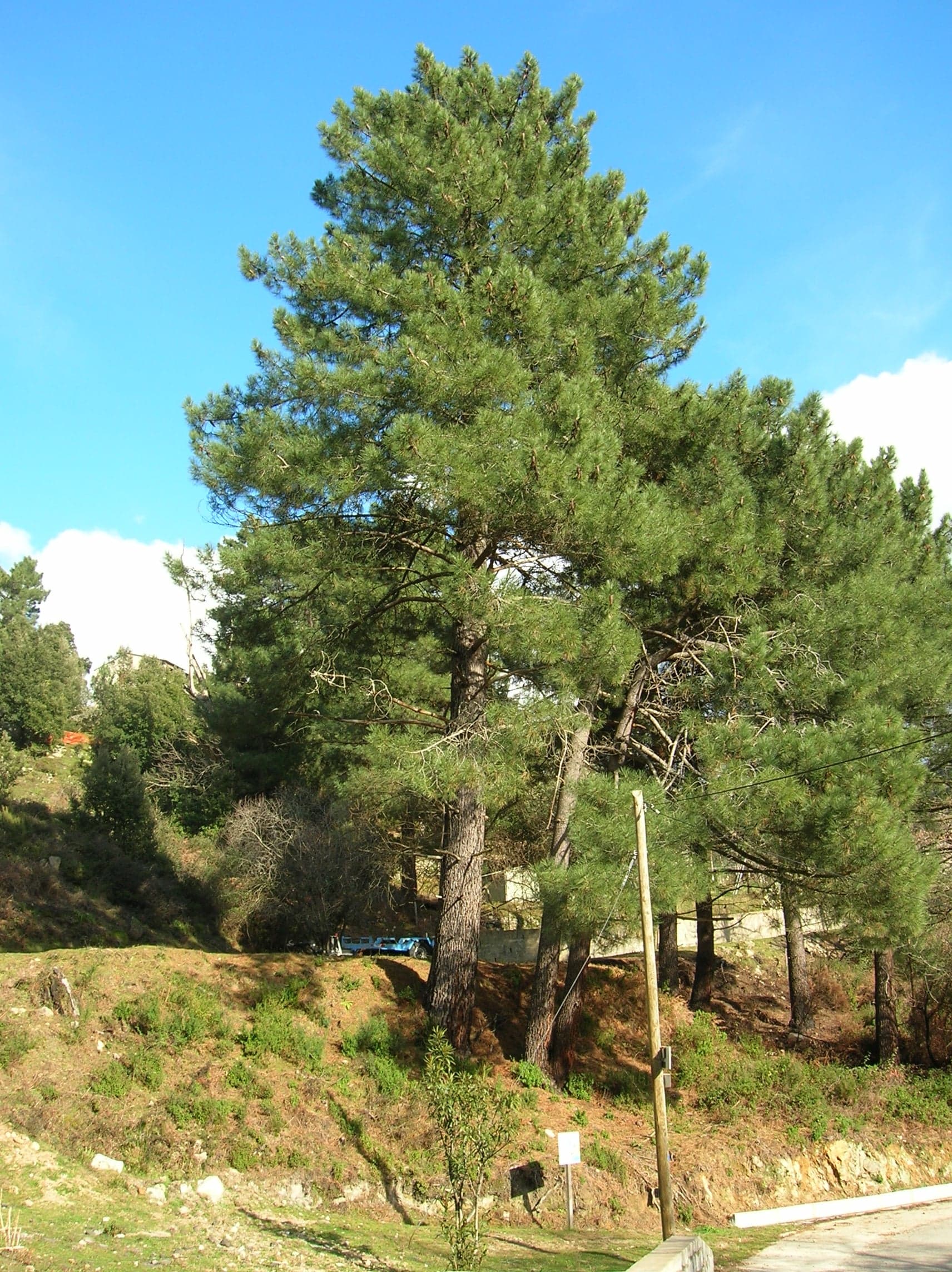
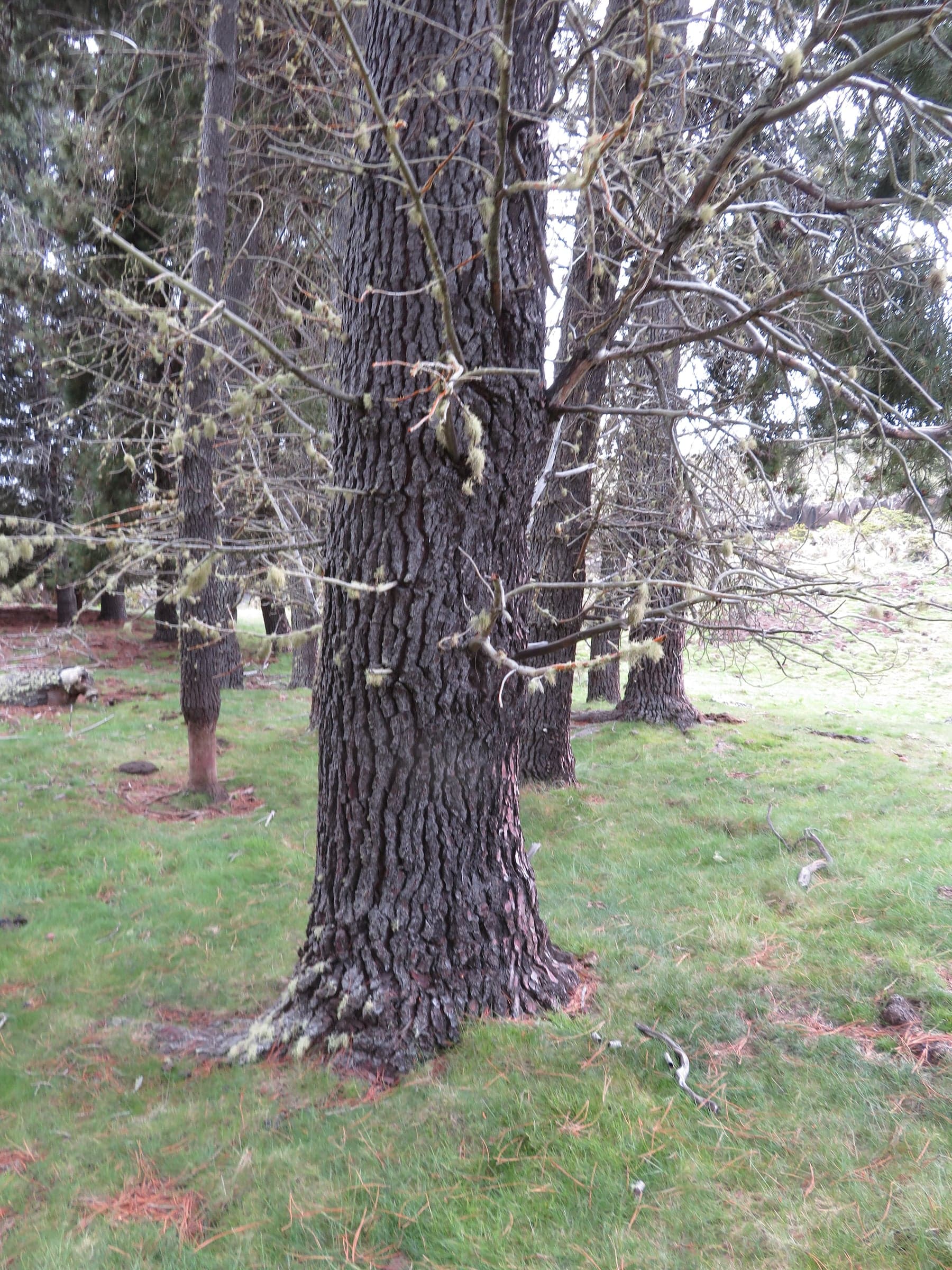
Pinus pinaster
Maritime Pine
The pine of the Atlantic coast and the Landes. The most resinous and least stable wood KORENA lists, with a bold coarse figure that suits rustic work.
- Vypěstováno a vytěženo v Evropě.
- Botanická skupina. Jehličnaté dřeviny jsou nahosemenné stromy, listnaté dřeviny jsou krytosemenné stromy.
- Botanická čeleď, do které dřevina patří.
Upozornit, až dorazíReferenční dřevina. Právě není žádný kus skladem.
Hodí se pro váš projekt?
Výborné pro
- Rustic tabletops
- Panelling
- Carcass work
- Painted furniture
- Shelving
V aktuální várce není Maritime Pine
Podobné dřeviny skladem
Dřevina Maritime Pine právě není skladem. Tyto dostupné dřeviny se hodí pro stejné projekty.
Upozornění na dřevinu Maritime Pine
Až na KORENA dorazí nové fošny Maritime Pine, pošleme vám e-mail. Každý kus je jedinečný, proto se včasné upozornění hodí.
Vzhled dřeva
Jak vypadá
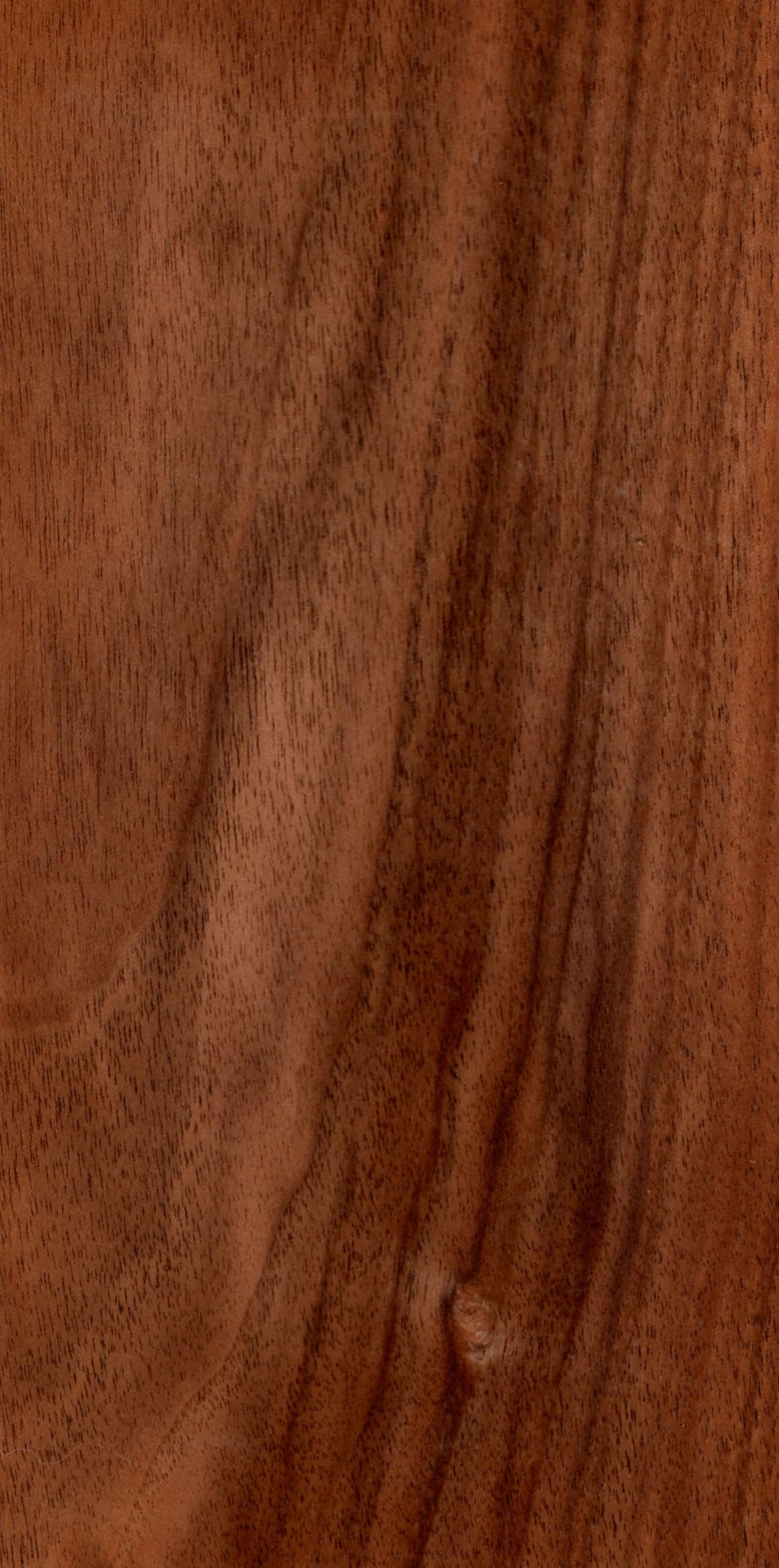
Pale yellow to reddish brown heartwood against wide pale sapwood, with very wide growth rings reflecting fast coastal growth. The ring contrast is strong, giving a bold and slightly coarse figure. It is the most resinous species KORENA lists, which is both its historical value, as the tree was tapped for turpentine for centuries, and its main working difficulty.
- Pale yellow to reddish brown heartwood
- Wide pale sapwood band
- Wide growth rings with strong earlywood to latewood contrast
- Straight grain with very wide rings and extreme earlywood to latewood contrast, giving a bold coarse figure. Pale yellow to reddish brown, highly resinous.
Zpracování
Jak se zpracovává
Works fairly well with most tools, but the resin gums up tools and clogs sandpaper more than in any other species here. Abrasives should be treated as consumable. The wide, soft earlywood bands between hard latewood bands mean the surface can wash out under sanding, leaving a rippled face, so scraping is preferable to heavy abrasive work. Sharp cutters are essential.
Povrchová úprava
Wipe down with denatured alcohol or acetone before finishing to lift surface resin, otherwise oil finishes may stay tacky in patches. Once clean it takes oil and wax well. Pigment stains blotch severely because of the extreme density contrast between earlywood and latewood, so a dye or a clear finish is much safer. Seal knots with shellac before any painted finish.
Sušení
Dries reasonably quickly but is prone to distortion given the wide rings and often spiral grain of fast grown coastal stock. A hot kiln schedule drives resin to the surface where it sets sticky and interferes with finishing later. Air drying followed by a low temperature kiln finish is the sensible route. Volumetric shrinkage at around 14.4 percent is the highest of any species KORENA lists, so movement in service is substantial.
Jak moc bude pracovat?
Dřevo se napříč šířkou rozpíná a smršťuje podle toho, jak vzduch vlhne a vysychá. Než navrhnete upevnění, odhadněte sezónní pohyb desky z dřeviny Maritime Pine.
Očekávaný sezónní pohyb
přibližně 10,3 mm
Desku upevněte úchyty nebo kováním s drážkami, ne lepidlem ani pevně dotaženými šrouby.
Lineární model sesychání: šířka × (sesychání ÷ 28 % bod nasycení vláken) × sezónní změna vlhkosti. Pro dřevinu Maritime Pine používá 9% tangenciálního sesychání. Jde o plánovací odhad, nikoli záruku.
Kolik stojí
Bezpečnost a původ
- Vypěstováno a vytěženo v Evropě.
- Stav v Červeném seznamu IUCN: celosvětové posouzení ohrožení této dřeviny.
Working with pine has been reported to cause allergic skin reactions and asthma-like symptoms in some people. Because this species carries more resin than the others here, skin contact sensitisation is a more realistic risk over repeated exposure. Gloves when handling and good extraction while machining are worth the habit.
Přečíst celý průvodcePodrobné poznámky o kresbě, změně barvy, zpracování a stabilitě.
What Maritime Pine actually is#
Pinus pinaster is the pine of the western Mediterranean and the Atlantic seaboard of Iberia and France. The Landes forest in southwest France, planted on former dunes and marsh from the nineteenth century onward, is the largest planted pine forest in western Europe and the principal commercial source of this timber.
For centuries the tree was more valuable standing than felled, because it was tapped for resin to produce turpentine and rosin. That history is the single most useful fact about the wood, because the resin that made it commercially important is also what makes it the most demanding species in this catalogue to machine and finish.
Reading a Maritime Pine slab#
Fast coastal growth produces very wide growth rings, and the contrast between the soft pale earlywood and the hard dark latewood is extreme. The result is a bold, coarse figure with a lot of visual movement, quite different from the fine even texture of spruce or fir.
That coarseness is the honest character of the wood and suits rustic work well. It does not suit a design asking for a quiet, uniform surface.
Colour runs pale yellow to reddish brown in the heartwood against a wide pale sapwood band. Spiral grain is common in fast grown coastal stock and is worth checking for, because it is the main cause of the distortion this species is prone to.
At the bench, and the resin problem
Otázky kupujících
Na co se kupující ptají
Why is Maritime Pine so much stickier to work than other pines?
It carries more resin than any other species KORENA lists, which is why it was tapped commercially for turpentine and rosin for centuries. The resin softens with cutting heat and deposits on blades, in saw gullets and across abrasives. Clean blades with a resin solvent between operations and expect sandpaper to load quickly.
How much will it move?
More than anything else in this catalogue. Volumetric shrinkage is around 14.4 percent, the highest figure KORENA lists, with tangential movement at 9.0 percent against 4.5 percent radial. A wide flatsawn top will change noticeably between seasons, so it must float on slotted fasteners and should acclimatise in its final room before flattening.
Why does the surface look rippled after sanding?
The earlywood bands are much softer than the latewood bands and abrasives cut them away faster, leaving a washboard surface. This is worse in Maritime Pine than other pines because the rings are wide and the contrast extreme. Use a card scraper or a sharp plane for the final surface rather than sanding it flat.
Is it strong enough for a table?
Mechanické vlastnosti
Technické údaje
Zveřejněné referenční hodnoty. Pokud se zdroje rozcházejí, uvádíme rozpětí a pro výše uvedené stupnice používáme typickou hodnotu.
| Hustota (kg/m³)Hmotnost jednoho metru krychlového při vlhkosti přibližně 12 %. Těžší dřevo bývá tvrdší a pevnější. | 500 kg/m³ |
|---|---|
| Tvrdost podle Janky (N)Síla potřebná k zatlačení ocelové kuličky do poloviny jejího průměru. Standardní měřítko odolnosti proti otlačení. | 1,740 N |
| MOR: modul pevnosti v ohybu (MPa)Pevnost v ohybu: zatížení, při kterém se nosník zlomí. | 73 MPa |
| MOE: modul pružnosti (GPa)Tuhost v ohybu: nakolik se police nebo deska pod zatížením prohne. | 8.5 GPa |
| Radiální sesycháníSesychání napříč letokruhy od čerstvého stavu po vysušení v sušárně. Takto pracují radiálně řezané fošny. | 4.5 % |
| Tangenciální sesycháníSesychání podél letokruhů. Takto pracují tangenciálně řezané fošny a většina fošen s přírodní hranou. |