KORENA
DřevoFinished piecesPotřebySkladyMagazín

Nechte se upozornit

Každá fošna je jediná svého druhu. Jakmile se prodá, další není. O nově zveřejněných kusech vám napíšeme: čerstvé přírůstky, nové dřeviny a prkna odpovídající zadání projektu.

Několik e-mailů měsíčně. Žádný spam, odhlásit se můžete kdykoli.

KORENA, prémiové tvrdé dřevo

Jeden kus za druhým.

Ověřené prémiové tvrdé dřevo, kus po kuse. Každá fošna je vyfotografována, změřena a odeslána z partnerského skladu s pasem dřeva.

Obchod

  • Procházet výrobky
  • Archiv prodaných fošen
  • Sledovat objednávku

Informace

  • Magazín
  • Průvodce druhy dřeva
  • Slovníček
  • Porovnání
  • Autoři

Pomoc

  • O nás
  • Jak to funguje
  • Staňte se partnerským skladem
  • Poptat fošnu
  • Podpora
  • Vzory dokumentů
  • Pro média

Nákup

  • Obchodní podmínky
  • Právo na odstoupení
  • Vrácení zboží a záruka
  • Doprava a doručení

Důvěra

  • Zásady ochrany osobních údajů
  • Zásady používání souborů cookie
  • Původ dřeva a EUDR
  • Přístupnost

Právní údaje

  • Právní oznámení / identifikační údaje
  • Přijatelné použití
  • Duševní vlastnictví a obsah

© 2026 KORENA. Všechna práva vyhrazena.

Provozuje Martial Labs Ltd. (BG, EIK 207453941). KORENA je obchodní označení společnosti Martial Labs Ltd.

Respektujeme vaše soukromí

Nezbytné soubory cookie používáme pro správné fungování webu. S vaším souhlasem bychom používali také soubory cookie pro analytiku, personalizovaný obsah a reklamy. Své rozhodnutí můžete kdykoli změnit na stránce nastavení souhlasu. Přečtěte si naše zásady používání souborů cookie a zásady ochrany osobních údajů.

  1. Domů
  2. /
  3. Dřeviny
  4. /
  5. Scots Pine

Pinus sylvestris

Scots Pine

The most widely distributed pine on earth and the most forgiving wood in this catalogue to build with. Soft, knotty, and it ambers into something far better than it starts as.

  • Vypěstováno a vytěženo v Evropě.
  • Botanická skupina. Jehličnaté dřeviny jsou nahosemenné stromy, listnaté dřeviny jsou krytosemenné stromy.
  • Botanická čeleď, do které dřevina patří.
Upozornit, až dorazíReferenční dřevina. Právě není žádný kus skladem.
  • Vhodnost pro projekt
  • Skladem
  • Vzhled
  • Zpracování
  • Pohyb dřeva
  • Cena
  • Bezpečnost a původ
  • Otázky
  • Technické údaje

Hodí se pro váš projekt?

Výborné pro

  • Farmhouse tables
  • Painted and waxed furniture
  • Flooring
  • Panelling
  • Carcass and shelving work

V aktuální várce není Scots Pine

Podobné dřeviny skladem

Dřevina Scots Pine právě není skladem. Tyto dostupné dřeviny se hodí pro stejné projekty.
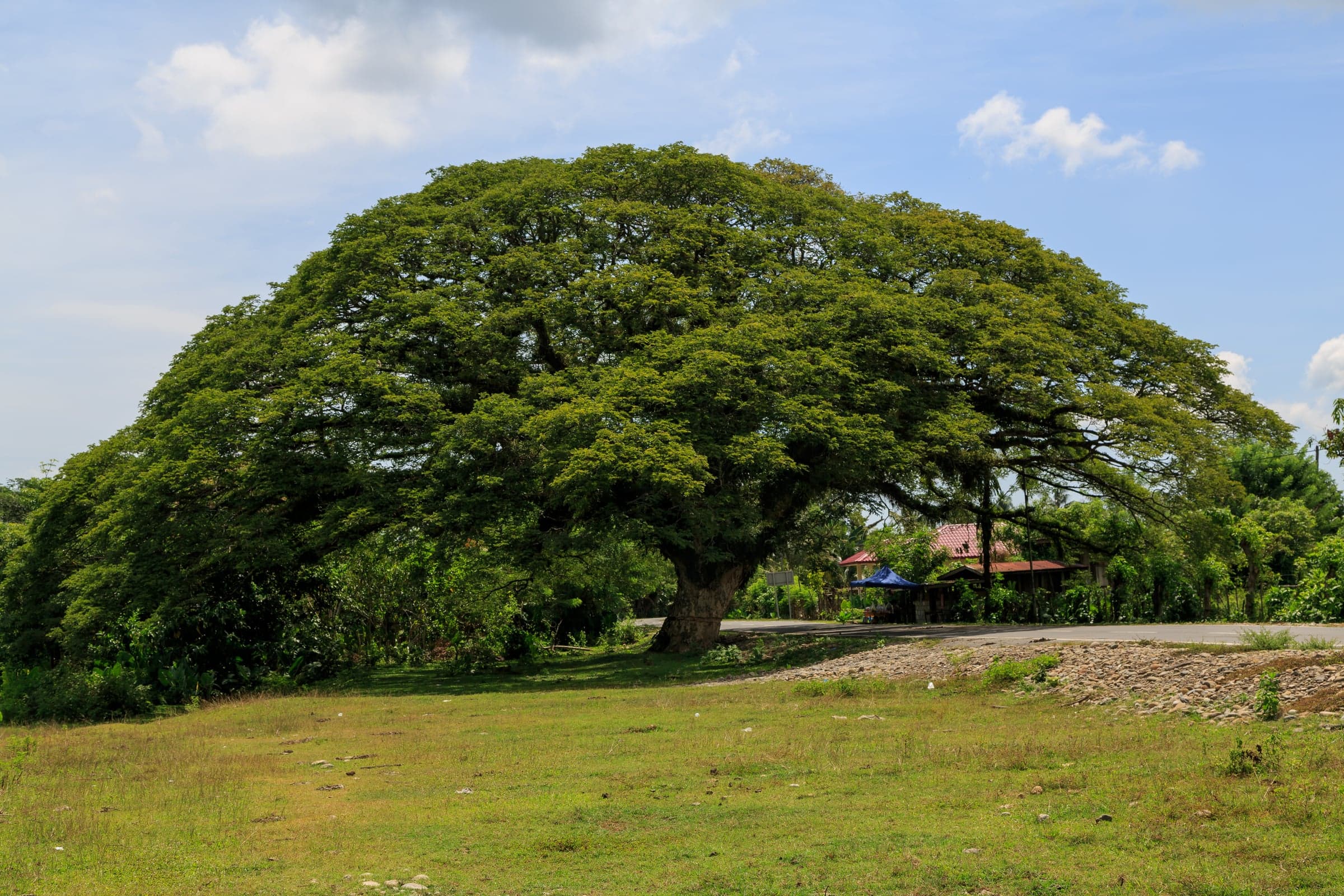
  • Kresba dřeva Saman

    Saman

    Samanea saman

    4 kusy

  • Kresba dřeva European Oak

    European Oak

    Quercus robur

    6 kusů

  • Kresba dřeva European Walnut

    European Walnut

    Juglans regia

    9 kusů

Upozornění na dřevinu Scots Pine

Až na KORENA dorazí nové fošny Scots Pine, pošleme vám e-mail. Každý kus je jedinečný, proto se včasné upozornění hodí.

Několik e-mailů měsíčně. Žádný spam, odhlásit se můžete kdykoli.

Vzhled dřeva

Jak vypadá

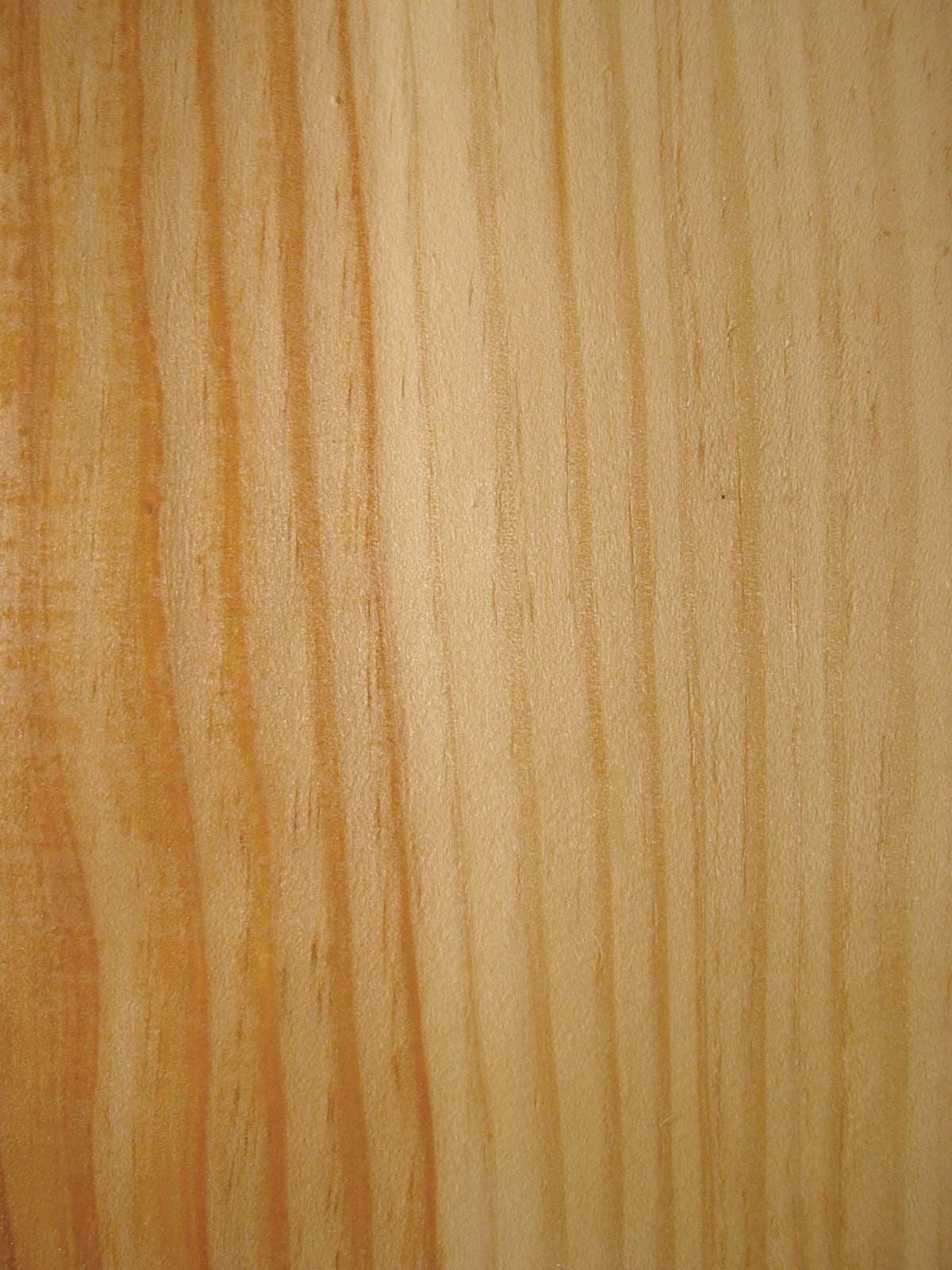
Pale yellow to light reddish brown heartwood that darkens considerably with age and light, against a wide band of near white sapwood. The ring figure is pronounced and the knots are a defining feature rather than an incidental one, since Scots Pine is naturally knotty and much of its character in furniture comes from that. Older slow grown stock develops a deep amber colour that is the reason antique pine looks nothing like new pine.

  • Pale yellow to light reddish brown heartwood
  • Wide near white sapwood band
  • Darkens markedly with age and UV toward deep amber
  • Generally straight; moderate resin.

Zpracování

Jak se zpracovává

Easy with both hand and machine tools and it glues and finishes well, which together make it one of the most forgiving woods to build in. Resin is present but less troublesome than in larch or maritime pine. Knots are the real machining consideration: they are hard, often loose, and can tear or spit out under a planer. Around large knots, take light cuts and consider hand work.

Povrchová úprava

Takes finish well and takes wax exceptionally, which is the traditional treatment and still the best one for the look most people want from pine. Pigment stains blotch on pine as they do on spruce, so use a conditioner or choose a dye. Resin around knots should be sealed with shellac before painting or it will bleed through the film. The natural ambering with age is substantial and generally considered the point.

Sušení

Dries fairly quickly and easily with a low tendency to distort, one of its practical virtues. Blue stain from fungus develops fast in warm damp conditions on freshly felled logs and unseasoned boards, so stock that has sat before processing may carry grey blue discolouration through the sapwood. It does not weaken the wood. Volumetric shrinkage is around 13.6 percent, on the higher side for this group.

Jak moc bude pracovat?

Dřevo se napříč šířkou rozpíná a smršťuje podle toho, jak vzduch vlhne a vysychá. Než navrhnete upevnění, odhadněte sezónní pohyb desky z dřeviny Scots Pine.

Řez
Kde bude výrobek umístěn

Očekávaný sezónní pohyb

přibližně 9,5 mm

Desku upevněte úchyty nebo kováním s drážkami, ne lepidlem ani pevně dotaženými šrouby.

Lineární model sesychání: šířka × (sesychání ÷ 28 % bod nasycení vláken) × sezónní změna vlhkosti. Pro dřevinu Scots Pine používá 8,3% tangenciálního sesychání. Jde o plánovací odhad, nikoli záruku.

Kolik stojí

Bezpečnost a původ

  • Vypěstováno a vytěženo v Evropě.
  • Stav v Červeném seznamu IUCN: celosvětové posouzení ohrožení této dřeviny.
  • Working with pine has been reported to cause allergic skin reactions and asthma-like symptoms in some people. Resin contact sensitises some individuals over time. Normal extraction, a P2 mask for extended sanding, and gloves when handling resinous stock are appropriate.

Přečíst celý průvodcePodrobné poznámky o kresbě, změně barvy, zpracování a stabilitě.+

What Scots Pine actually is#

Pinus sylvestris has the largest natural range of any pine species anywhere, stretching from the west of Scotland and the Iberian mountains across the whole of Eurasia to the Pacific coast. It is sold under several names that confuse buyers comparing quotes: redwood in the British trade, deal in older usage, and simply pine almost everywhere. They are the same species.

Its ubiquity has the same effect on its reputation as spruce suffers from. This is the wood of construction studs and cheap furniture, and that association hides the fact that Scots Pine is one of the most pleasant woods to build in that exists, and that it ages into a colour no finish can imitate.

Reading a Scots Pine slab#

Fresh Scots Pine is pale, a light yellow heartwood against a wide near-white sapwood band. What you are actually buying is what that will become. The species ambers dramatically under light and time, moving to a deep honey brown over years and decades. Stripped antique pine holds a colour that new pine stained to match will never quite reach, because the change is oxidation and resin migration through the whole thickness rather than pigment on the surface.

Knots are the second thing to read, and on this species they are not a defect to be tolerated so much as the material's defining texture. Scots Pine is naturally knotty. The question is whether the knots on a given slab are sound and tight, or loose and ringed with checking. Sound knots are a feature. Loose knots will eventually fall out and need filling or plugging.

Otázky kupujících

Na co se kupující ptají

Why does old pine furniture look so different from new pine?

+

Scots Pine ambers dramatically with age and light exposure. A freshly machined board is pale yellow; the same board after decades of daylight and wax is a deep honey brown. That colour is not a stain, it is oxidation and resin change through the wood, which is why stripped antique pine keeps its colour while new pine stained to match does not age the same way.

Is Scots Pine hard enough for flooring?

+

At 2,420 N Janka it is soft for a floor and will dent, which is precisely the look traditional pine flooring has. It has been used for floors across northern Europe for centuries on that understanding. If dents are unacceptable, oak or ash are the right answer; if a floor that records its use is wanted, pine does it honestly.

What causes the grey blue staining in the sapwood?

+

Blue stain fungus, which colonises freshly felled pine in warm damp conditions. It discolours the sapwood without weakening it structurally. Some makers avoid it and some feature it. It is a cosmetic grade issue, and any KORENA listing showing it will show it in the slab photography rather than describing it away.

Mechanické vlastnosti

Technické údaje

Zveřejněné referenční hodnoty. Pokud se zdroje rozcházejí, uvádíme rozpětí a pro výše uvedené stupnice používáme typickou hodnotu.

Hustota (kg/m³)Hmotnost jednoho metru krychlového při vlhkosti přibližně 12 %. Těžší dřevo bývá tvrdší a pevnější.550 kg/m³
Tvrdost podle Janky (N)Síla potřebná k zatlačení ocelové kuličky do poloviny jejího průměru. Standardní měřítko odolnosti proti otlačení.2,420 N
MOR: modul pevnosti v ohybu (MPa)Pevnost v ohybu: zatížení, při kterém se nosník zlomí.83 MPa
MOE: modul pružnosti (GPa)Tuhost v ohybu: nakolik se police nebo deska pod zatížením prohne.10.1 GPa
Radiální sesycháníSesychání napříč letokruhy od čerstvého stavu po vysušení v sušárně. Takto pracují radiálně řezané fošny.5.2 %
Tangenciální sesycháníSesychání podél letokruhů. Takto pracují tangenciálně řezané fošny a většina fošen s přírodní hranou.
Kresba dřeva Scots Pine

Wikimedia Commons contributor, via Wikimedia Commons

Pinus sylvestris has the widest natural range of any pine on earth, running from Scotland and Iberia across Eurasia to the Pacific. European slab stock comes mostly from Scandinavia, the Baltics and Poland, where certified managed forestry is the norm and EUDR documentation is well established.

  • Not listed in the CITES Appendices and assessed by the IUCN as Least Concern. It is among the most abundant and best certified timbers in Europe, with mature FSC and PEFC supply chains through Scandinavia and the Baltics. Of all the species KORENA lists, this is one of the simplest to document for EUDR purposes.

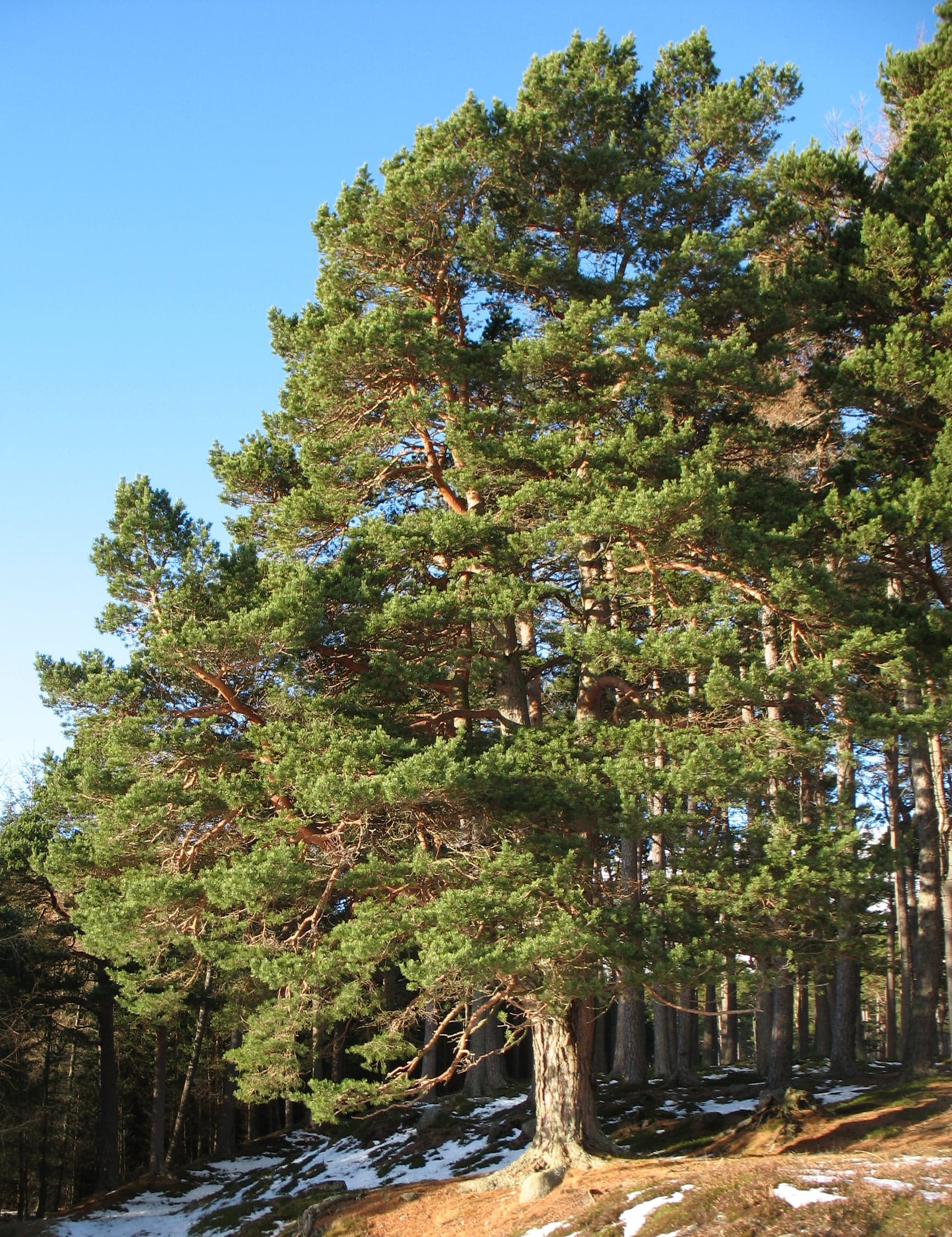
  • Strom Scots Pine

    Hello, I am Bruce on Flickr, via Wikimedia Commons

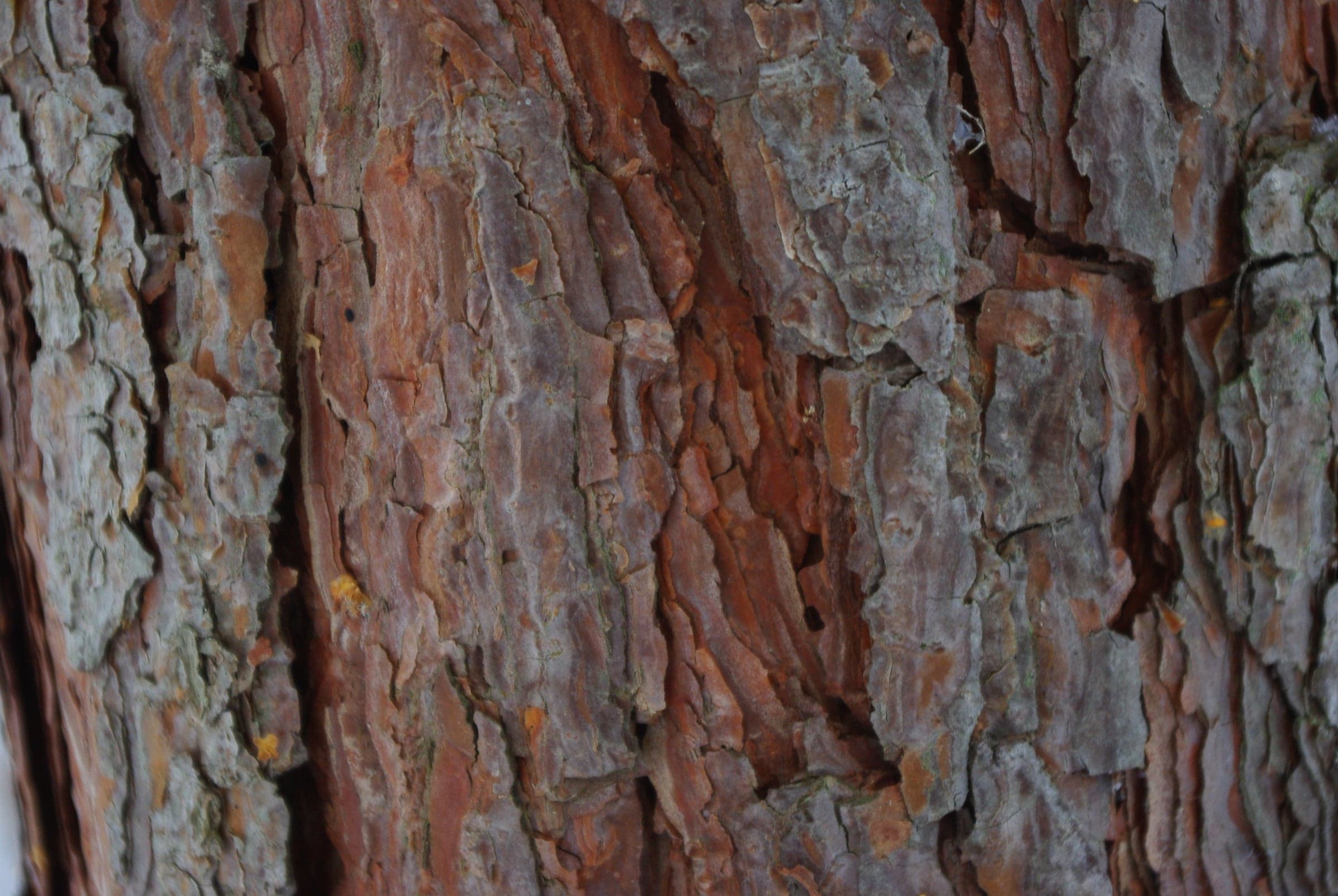
    Scots Pine: Kůra
    Kůra

    Ring spacing separates slow-grown northern stock, which is denser, more stable and considerably more attractive, from fast-grown material with wide soft bands. Baltic and Scandinavian slabs from higher latitudes tend toward the former.

    Blue stain shows as a grey-blue cast through the sapwood. It is a fungus that colonises freshly felled logs in warm damp conditions and it does not weaken the wood. Whether it is a flaw or a feature depends entirely on the piece.

    At the bench#

    This is the easiest wood in the catalogue to work. It cuts cleanly with hand and machine tools, it glues reliably, it takes fastenings well for a softwood, and it finishes without argument. For a first slab project, or for a maker working without a well equipped shop, it removes most of the ways a build can go wrong.

    The knots are where care is needed. They are much harder than the surrounding wood, frequently contain resin, and can tear out or spit under a planer knife. Take light cuts approaching a large knot, and be prepared to finish that area by hand or with a scraper. A helical cutterhead makes a substantial difference on knotty stock.

    Resin is present but far less troublesome than in larch or maritime pine. Blades will need occasional cleaning rather than constant attention.

    For gluing, ordinary PVA at moderate clamping pressure is sufficient. Avoid crushing the fibres by over-clamping, which starves the joint.

    Drying and movement#

    Scots Pine dries quickly and easily with a low tendency to distort, which is another reason it dominates commodity production. Slab stock in thick sections still benefits from air drying to around 20 percent followed by a controlled kiln finish.

    Volumetric shrinkage at roughly 13.6 percent is on the higher side for this group, with tangential movement at 8.3 percent against 5.2 percent radial. The ratio between the two is better than spruce or fir, which means flatsawn pine cups less aggressively than flatsawn spruce of the same width. It still moves, and a wide top should float rather than be fixed rigidly.

    Finishing, and the one trap#

    Pine takes wax exceptionally well, and wax over bare or lightly oiled pine is the traditional treatment that produces the look most people actually want from this wood. It also takes oils and modern hardwax finishes without difficulty.

    Pigment stains blotch, for the same reason they blotch on spruce: the density difference between earlywood and latewood makes absorption uneven. A conditioner or a dye rather than a pigment stain solves it.

    The trap is paint. Resin in and around knots stays mobile for years and will migrate straight through most primers, appearing as brown rings on a white surface months after the job looked finished. Seal every knot with shellac before priming. This is old advice and it is still the correct advice, because shellac remains the best barrier available for resin bleed.

    Where Scots Pine is the right answer#

    Farmhouse tables, painted and waxed furniture, panelling, carcass work, shelving, and traditional flooring where dents are understood as part of the character rather than a failure. It is the right answer whenever the budget is real, the shop is modest, or the piece is meant to look better in twenty years than it does on day one.

    It is the wrong answer for a surface that must stay unmarked, for exterior use without treatment, and for anything where a stained colour needs to stay exactly as applied.

    Sourcing and EUDR#

    Not CITES listed and assessed as Least Concern. Scots Pine has some of the most mature certified supply chains of any timber in Europe, with well established FSC and PEFC coverage through Scandinavia, the Baltics and Poland. Of everything in the KORENA catalogue, this is among the most straightforward species to document to EUDR standard, which is worth weighing if the paperwork burden on a project matters as much as the material.

    How do I stop resin bleeding through paint around knots?

    +

    Seal the knots with shellac before priming. Resin in and around knots stays mobile and will migrate through most primers and paints, showing as brown rings months later. Shellac is the traditional barrier for exactly this reason and it still works better than modern alternatives.

    Is Scots Pine the same as redwood or deal?

    +

    Yes. Redwood is the British trade name for Pinus sylvestris, and deal is an older term for pine boards of a particular size that came to be used loosely for the species. All three names refer to the same wood, which causes regular confusion when buyers compare quotes.

    8.3 %
    Objemové sesycháníCelková změna objemu od čerstvého stavu po vysušení v sušárně. Nižší hodnota znamená větší stabilitu.13.6 %
    Přirozená trvanlivost (EN 350)Evropská norma přirozené odolnosti proti hnilobě od 1 (velmi trvanlivé) do 5 (netrvanlivé).Class 4 — Slightly durable

    Zdroje

    • The Wood Database — Scots Pine (Pinus sylvestris)(citováno 2026-08-12)
    • USDA FPL Wood Handbook FPL-GTR-190 (2010)(citováno 2026-08-12)
    • Meier, E. — WOOD! Identifying and Using Hundreds of Woods Worldwide (2015)(citováno 2026-08-12)

    Přednosti

    • Vhodné pro začátečníkySnadno se zpracovává a není tak tvrdé, aby příliš namáhalo nástroje.

    Pozor

    • Nevhodné pro venkovní použití bez ošetřeníPřirozená trvanlivost odpovídá třídě 4 z 5 podle EN 350. Používejte dřevo v interiéru nebo s pravidelně udržovanou povrchovou úpravou.
    • Pracuje více než většina dřevinŠiroké desky potřebují úchyty nebo kování s drážkami a prostor pro pohyb. Použijte níže uvedenou kalkulačku pohybu dřeva.
    • Dráždivý prachPři broušení nebo obrábění používejte odsávání a ochrannou masku.

    Klepnutím na štítek zobrazíte podrobnosti.

    Stručný přehled

    Úrovně používají pro všechny dřeviny v nabídce KORENA stejná pásma, takže je lze přímo porovnávat. Pod každou je uvedena naměřená hodnota.
    TvrdostOdolnost proti otlačení a opotřebeníMěkké

    Tvrdost podle Janky 2 420 N

    O 51 % měkčí než dub letní

    HmotnostJak těžká je fošna při zvedáníStředně těžké

    550 kg/m³

    StabilitaJak málo pracuje v průběhu ročních obdobíŽivé

    13,6 % objemového sesychání

    ZpracováníŘezání, hoblování, broušení, lepeníSnadné

    průměr zpracování 4,0 / 5

    Použití venkuPřirozená odolnost proti hnilobě, EN 350Pouze do interiéru

    třída 4 podle EN 350

    • Řezání · Velmi dobráJak čistě se řeže a jak moc namáhá pilové nástroje.1 = obtížné · 5 = výborné
    • Hoblování · Velmi dobráJak hladký povrch po hoblování zůstává a jak často se vytrhávají vlákna.1 = obtížné · 5 = výborné
    • Broušení · Velmi dobráJak rychle se vybrousí dohladka bez zanášení brusiva.1 = obtížné · 5 = výborné
    • Soustružení · Velmi dobráJak se řeže a dokončuje na soustruhu.1 = obtížné · 5 = výborné
    • Řezbářství · DobráJak dobře drží ostré detaily při práci dlátem.1 = obtížné · 5 = výborné
    • Lepení · VýbornáJak spolehlivě drží lepené spoje.1 = obtížné · 5 = výborné
    • Držení šroubů / hřebíků · Velmi dobráJak dobře drží šrouby a hřebíky bez rozštípnutí.1 = obtížné · 5 = výborné
    • Ohýbání párou · DobráJak dobře se po napaření ohýbá.1 = obtížné · 5 = výborné

    Za kolik se dřevo Scots Pine právě prodává v Evropě za metr krychlový bez DPH. Klepnutím na cenu zobrazíte podrobnosti.

    • Nejlepší kulatina v aukciVybraná kulatina vysoké jakosti prodávaná v nabídkových aukcích, hlavně výrobcům dýh a nábytku. Z takové kulatiny se řežou fošny.Většina cen se pohybuje mezi 108 € a 163 €.Vychází z 71 cen z 2 regionů.Nejnovější údaje: 21. 9. 2026
    • Běžná kulatinaVelké objemy standardní kulatiny prodávané vlastníky lesů a státními lesy, především pro stavebnictví a průmysl.Většina cen se pohybuje mezi 41 € a 125 €.Vychází z 78 cen z 8 regionů.Nejnovější údaje: 21. 9. 2026

    Nejlepší kulatina v aukci podle zemí

    • Německo · 153 € / m³Regiony: Bavaria44 cenNejnovější údaje: 21. 9. 2026
    • Rakousko · 108 € / m³Regiony: Austria27 cenNejnovější údaje: 21. 9. 2026

    Běžná kulatina podle zemí

    • Bulharsko · 91 € / m³Regiony: North-West Bulgaria24 cenNejnovější údaje: 24. 8. 2026
    • Švédsko · 71 € / m³Regiony: Sweden Central25 cenNejnovější údaje: 30. 6. 2026
    • Francie · 58 € / m³Regiony: Bourgogne-Franche-Comté a Grand Est / Alsace8 cenNejnovější údaje: 15. 6. 2026

    Proč fošna stojí více?

    Toto jsou ceny surového dřeva. Fošna je nejlepší řez z kulatiny, který se suší nejméně rok a poté se každý kus samostatně kontroluje a měří. Na fošnu se promění jen malá část každého kmene.

    Zdroj: KORENA Timber Index · Nejnovější údaje: 21. 9. 2026

    Zobrazit všechny regionální ceny
    Finsko53 €
    Finsko · 53 € / m³
    Regiony: Southern Finland (Etelä-Suomi)
    3 ceny
    Nejnovější údaje: 21. 9. 2026
  • Norsko · 51 € / m³Regiony: Norway (national)3 cenyNejnovější údaje: 21. 9. 2026
  • Rumunsko · 44 € / m³Regiony: Moldavia (Romania) a Transylvania15 cenNejnovější údaje: 14. 9. 2026