KORENA
TræFinished piecesTilbehørPartnerlagreArtikler

Få besked

Hver planke er unik. Når den er solgt, er den væk. Vi sender dig en mail, når nye stykker kommer til salg: nye leverancer, nye træarter og planker, der passer til en projektbeskrivelse.

Et par mails om måneden. Ingen spam, og du kan altid afmelde dig.

KORENA, førsteklasses løvtræ

Ét emne ad gangen.

Verificeret førsteklasses løvtræ, solgt emne for emne. Hver planke fotograferes, måles og sendes fra partnerlageret med et træpas.

Butik

  • Se produkter
  • Solgte planker
  • Spor ordre

Viden

  • Artikler
  • Guider til træsorter
  • Ordliste
  • Sammenlign
  • Forfattere

Hjælp

  • Om os
  • Sådan fungerer det
  • Bliv partnerlager
  • Find en planke
  • Kundeservice
  • Dokumentskabeloner
  • Presse

Køb

  • Salgsbetingelser
  • Fortrydelsesret
  • Returnering og garanti
  • Forsendelse og levering

Tryghed

  • Privatlivspolitik
  • Cookiepolitik
  • Træets oprindelse og EUDR
  • Tilgængelighed

Virksomhedsoplysninger

  • Juridiske oplysninger
  • Acceptabel brug
  • Immaterielle rettigheder og indhold

© 2026 KORENA. Alle rettigheder forbeholdes.

Drives af Martial Labs Ltd. (BG, EIK 207453941). KORENA er et handelsnavn tilhørende Martial Labs Ltd.

Vi respekterer dit privatliv

Vi bruger nødvendige cookies, så hjemmesiden fungerer. Med din tilladelse bruger vi også cookies til analyse, personligt tilpasset indhold og annoncer. Du kan til enhver tid ændre dit valg på siden med samtykkeindstillinger. Se vores cookiepolitik og privatlivspolitik.

  1. Forside
  2. /
  3. Træarter
  4. /
  5. Black Poplar

Populus nigra

Black Poplar

The lightest hardwood KORENA lists, and the one most often blamed for a fault that belongs to the blade.

  • Dyrket og fældet i Europa.
  • Botanisk gruppe. Nåletræ kommer fra nåletræer, løvtræ fra bredbladede træer.
  • Den botaniske familie, som træarten tilhører.
Få besked, når den kommerReferencetræart. Ingen planker på lager lige nu.
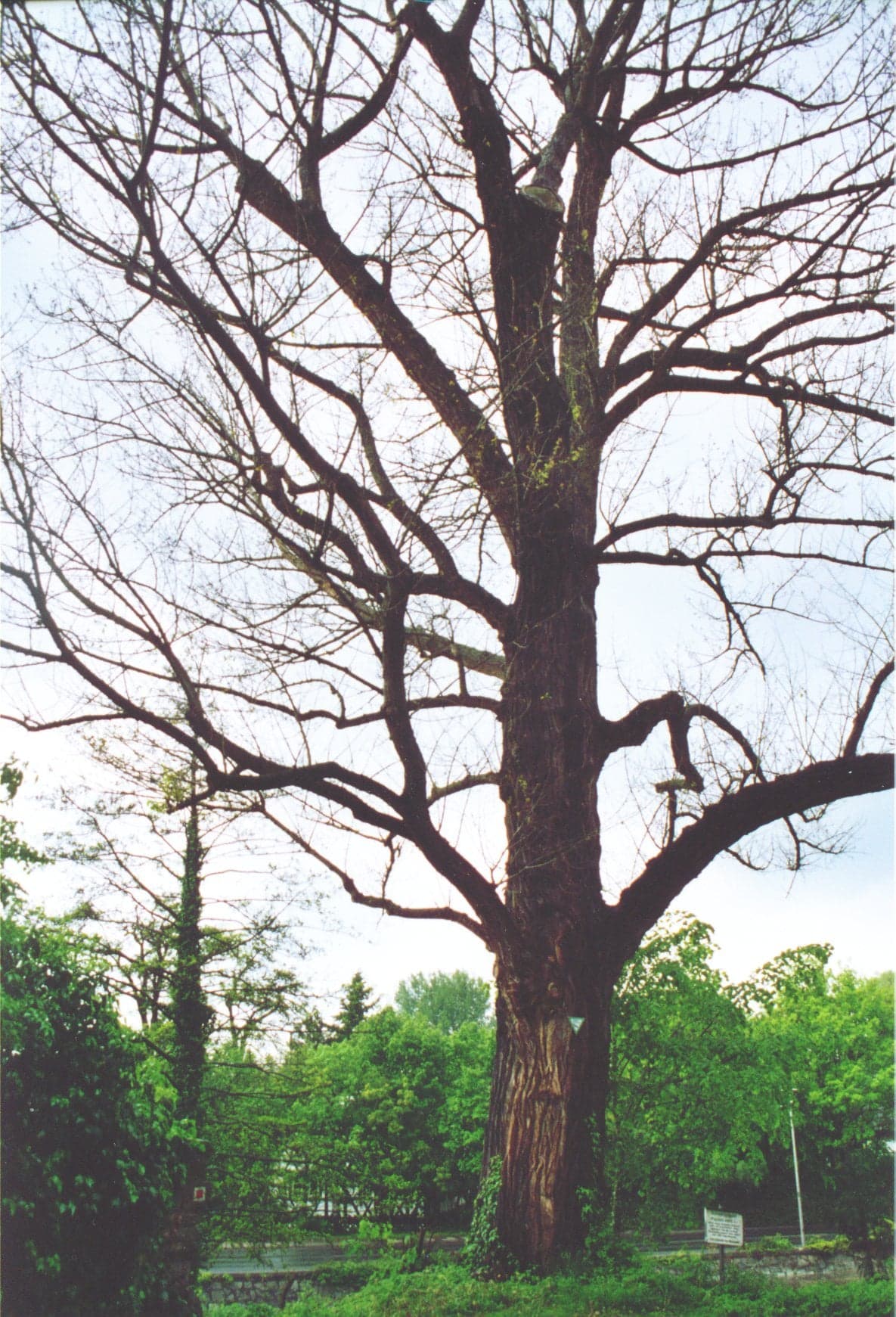
Black Poplar-træ
  • Egnethed til projektet
  • På lager
  • Udseende
  • Bearbejdning
  • Bevægelse
  • Pris
  • Sikkerhed og indkøb
  • Spørgsmål
  • Tekniske data

Passer det til dit projekt?

Velegnet til

  • Painted furniture
  • Drawer sides and carcass interiors
  • Lightweight panels
  • Sculpture and carving blanks
  • Plywood core

Ingen Black Poplar i det aktuelle parti

Lignende træarter på lager

Ingen Black Poplar lige nu. Disse træarter egner sig til de samme projekter og findes på lager.
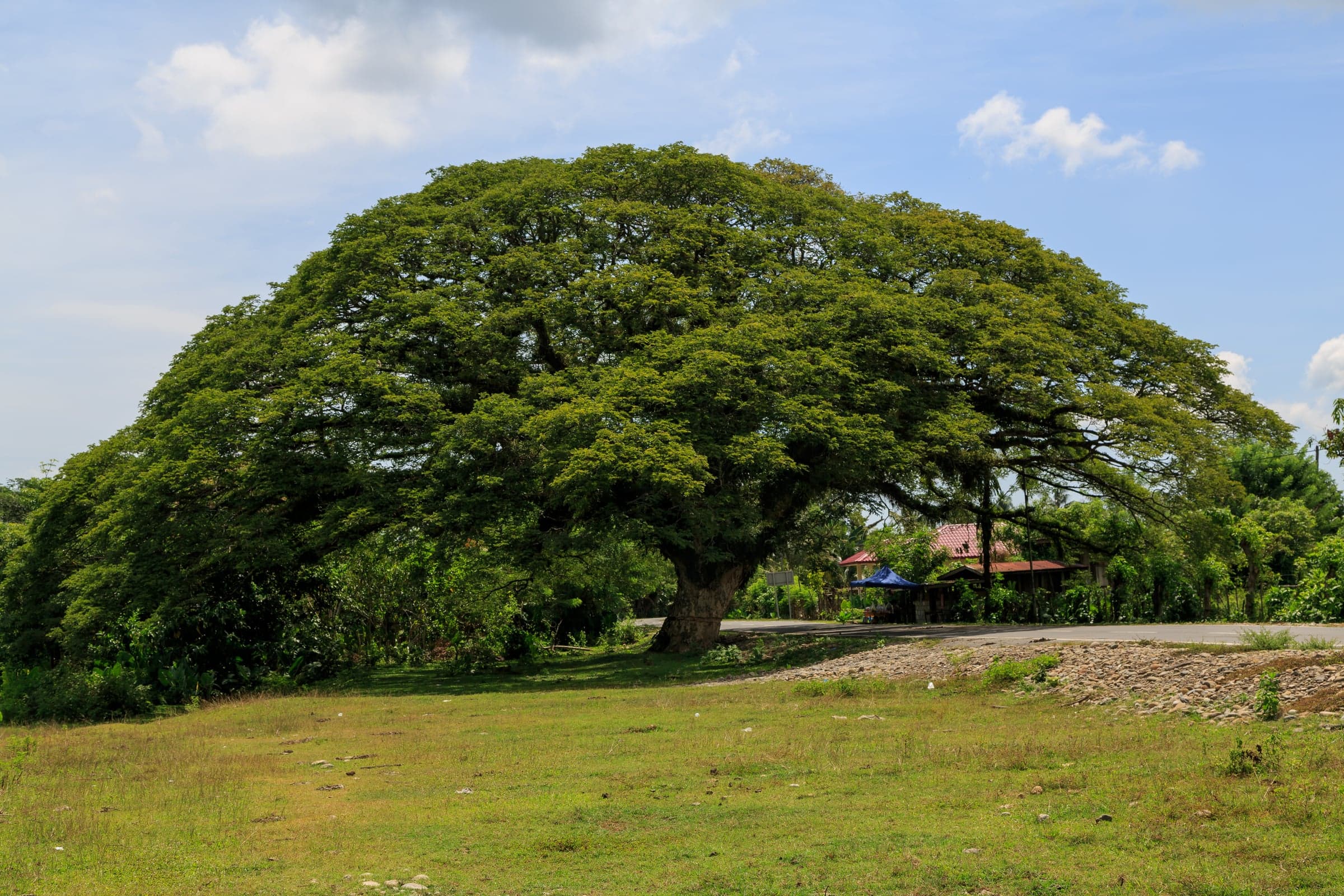
  • Åretegning i Saman

    Saman

    Samanea saman

    4 planker

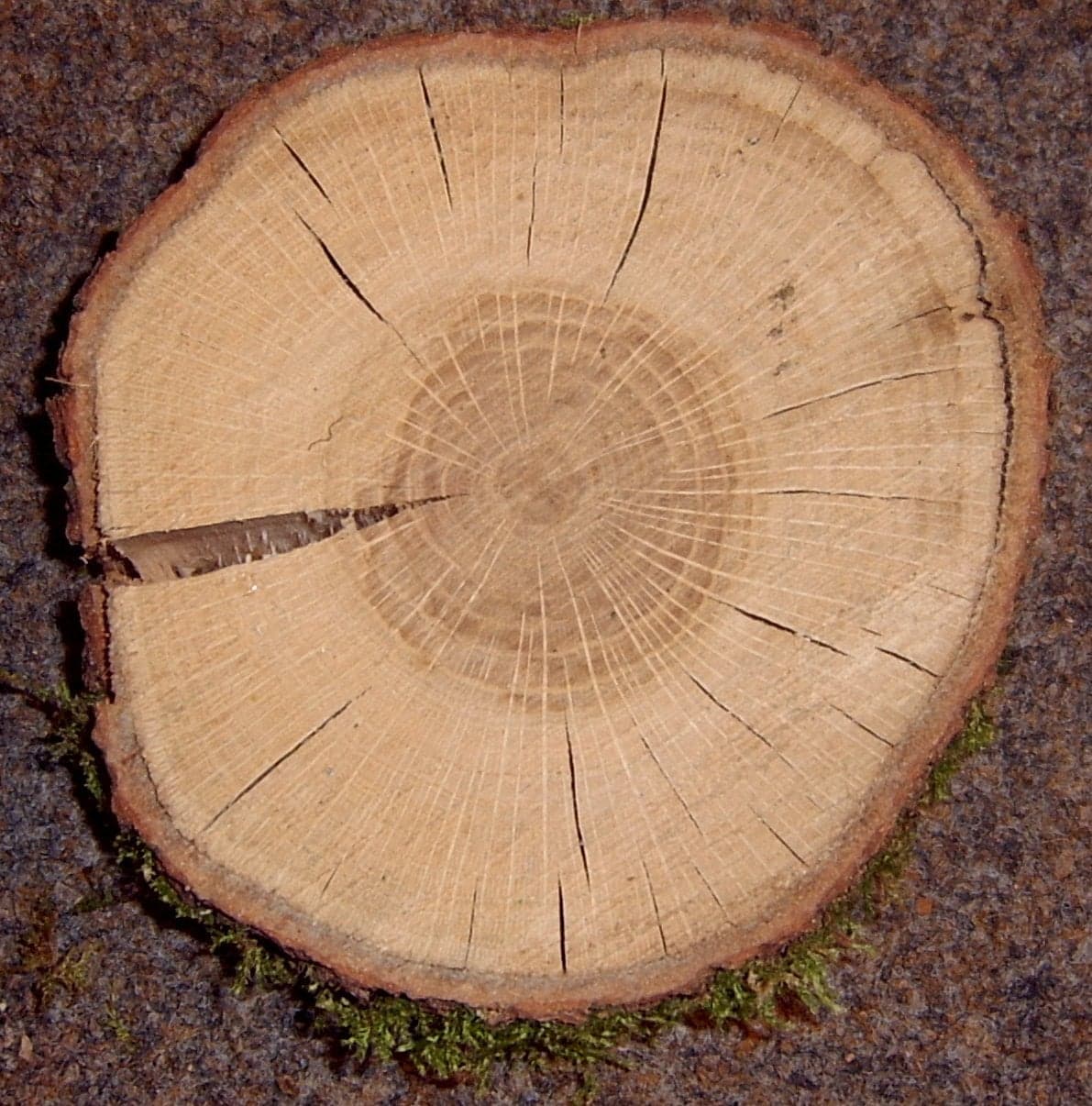
  • Åretegning i European Oak

    European Oak

    Quercus robur

    6 planker

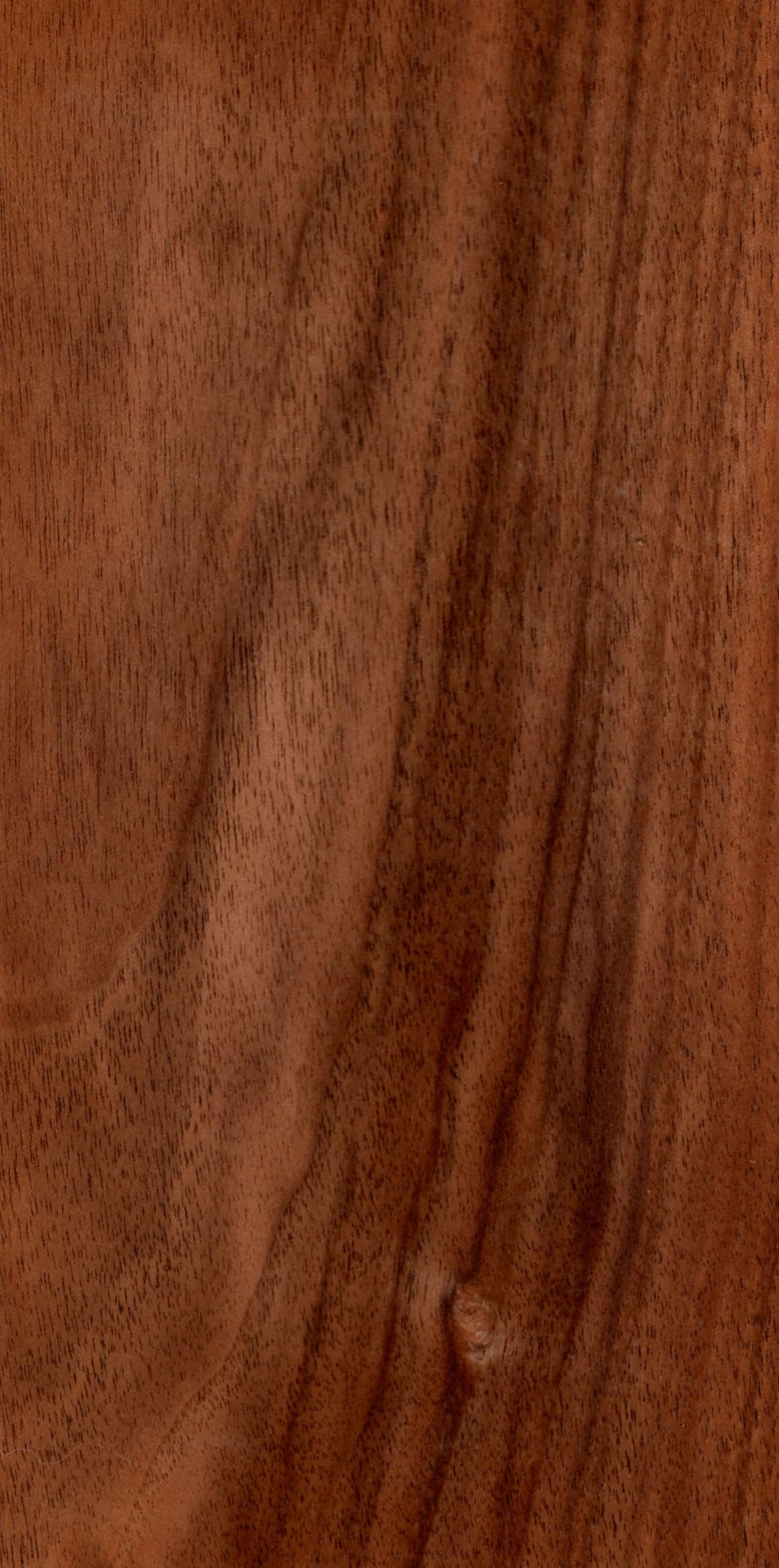
  • Åretegning i European Walnut

    European Walnut

    Juglans regia

    9 planker

Få besked om Black Poplar

Vi sender dig en e-mail, når nye planker i Black Poplar kommer til KORENA. Hver planke er unik, så det betaler sig at få besked tidligt.

Et par mails om måneden. Ingen spam, og du kan altid afmelde dig.

Træets udseende

Sådan ser det ud

Very pale, creamy white to light grey brown, sometimes with a faint greenish cast in the heartwood, and almost no figure. The texture is fine and even but the wood is notably soft and light at 385 kg per cubic metre, the lightest hardwood KORENA lists. It has a woolly quality under a dull blade that gives it an undeserved reputation for being difficult.

  • Creamy white to light grey brown
  • Occasional faint greenish cast in the heartwood
  • Fine even texture with very little figure
  • Straight grain, fine even texture, very little figure. Creamy white to light grey-brown, occasionally with a faint greenish cast in the heartwood.

Bearbejdning

Bearbejdning

Easy to work with hand and machine tools, with one specific requirement: sharp cutters are necessary when planing to avoid fuzzy surfaces. This is the whole difficulty with poplar. The fibres are long and soft, and a dull blade drags rather than severs them, leaving a woolly face that sanding only makes worse. With a keen edge and a light cut it machines cleanly. It glues well and takes fastenings adequately for its density.

Overfladebehandling

Its natural role is under paint, and it takes paint very well given the fine even texture and absence of resin. Under a clear finish the pale colour with its occasional greenish cast is unusual rather than attractive to most eyes. Pigment stains blotch, so use a conditioner or a dye. Because the wood is soft, a hardwax oil or a film finish adds useful surface protection.

Tørring

Dries readily and without much degrade, and it is dimensionally reasonable once dry, with volumetric shrinkage of 12.3 percent. The tangential to radial ratio of 9.3 against 4.0 percent is wide, so flatsawn boards will cup. Wet poplar is notably heavy and can carry very high green moisture content, so drying takes longer than the modest final density suggests.

Hvor meget bevæger det sig?

Træ udvider og trækker sig sammen på tværs af bredden, når luften bliver fugtigere og tørrere. Beregn den forventede sæsonbevægelse i en bordplade af Black Poplar, før du udformer beslagene.

Opskæring
Hvor den skal stå

Forventet sæsonbevægelse

ca. 10,6 mm

Fastgør bordpladen med sargklodser eller beslag med langhuller, ikke med lim eller stramme skruer.

Lineær svindmodel: bredde × (svind ÷ 28 % fibermætning) × sæsonudsving i fugtighed. Bruger 9,3 % tangentialt svind for Black Poplar. Et planlægningsskøn, ikke en garanti.

Hvad det koster

Sikkerhed og indkøb

  • Dyrket og fældet i Europa.
  • Besides the standard health risks associated with any wood dust, no further health reactions are associated with Black Poplar in the source cited here. It is among the less irritating woods in this catalogue to machine.

  • Populus nigra is a floodplain tree, native along river systems across Europe, North Africa and western Asia. Its natural riverside habitat has been heavily reduced by flood control and river engineering, and the wild population is now one of the more threatened tree populations in Europe, though hybrid poplars planted for timber are abundant and unrelated to that concern.

Læs hele guidenDybdegående noter om tegning, farveændring, bearbejdning og stabilitet.+

What Black Poplar actually is#

Populus nigra is a floodplain tree. Its natural home is the riverbank, across Europe, North Africa and western Asia, in the shifting wet ground that flood control and river engineering have largely eliminated over the last century.

That has produced an unusual situation. The wild population of Black Poplar is one of the more threatened tree populations in Europe and the subject of active restoration work, while poplar timber itself is cheap and abundant, because the commercial trade runs largely on planted hybrid poplars. The two facts sit oddly together and are worth keeping separate when you read about the species.

The fuzzy surface problem, which is not the wood's fault#

Poplar has a reputation for machining badly. It plane fuzzy, people say, and the surface goes woolly no matter what you do.

The cited source puts it precisely: sharp cutters are necessary when planing to avoid fuzzy surfaces. That is the entire difficulty.

Poplar fibres are long and soft. A blade with any dullness at all drags them instead of severing them, and they lift into a woolly nap. Sanding the result makes it worse, because abrasive tears more fibre rather than cutting it. So the maker sands harder, gets a worse surface, and concludes the wood is the problem.

With a freshly honed iron, a tight mouth and a light cut, poplar machines perfectly cleanly. A card scraper produces an excellent final surface. This is a wood that is unusually honest about the state of your tooling.

Spørgsmål fra købere

Det spørger købere om

Why does poplar go fuzzy when I plane it?

+

The fibres are long and soft, so a dull blade drags them rather than cutting them, leaving a woolly surface. Sanding makes it worse by tearing more fibre. The fix is a freshly honed iron, a tight mouth and a light cut, or a card scraper for the final surface. With a sharp edge poplar machines perfectly cleanly, and its reputation for being difficult is really a reputation for punishing blunt tools.

Is it strong enough to build with?

+

For its weight, yes, but it is the softest and lightest hardwood in this catalogue at 385 kg per cubic metre and 2,020 N Janka, softer than Scots Pine. It suits drawer sides, carcass interiors, lightweight panels and anything that will be painted. It is not a work surface and it is not a structural timber.

Is Black Poplar endangered?

+

The wild riverside population is genuinely threatened across Europe, having declined severely through flood control and river engineering, and it is the subject of active restoration programmes. The commercial timber trade is largely supplied by abundant hybrid poplars, which are a separate matter. It is not CITES listed and the cited source reports no IUCN assessment. Provenance is worth checking more carefully here than for most European species.

Mekaniske egenskaber

Tekniske data

Offentliggjorte referenceværdier. Når kilderne er uenige, vises intervallet, og den typiske værdi bruges til skalaerne ovenfor.

Massefylde (kg/m³)Masse pr. kubikmeter ved ca. 12 % fugtighed. Tungere træ er normalt hårdere og stærkere.385 kg/m³
Janka-hårdhed (N)Den kraft, der skal til for at presse en stålkugle halvt ind i træet. Standardmålet for modstand mod trykmærker.2,020 N
MOR: brudmodul (MPa)Bøjningsstyrke: den belastning, hvor en bjælke brækker.64 MPa
MOE: elasticitetsmodul (GPa)Bøjningsstivhed: hvor meget en hylde eller bordplade bøjer ned under belastning.7.2 GPa
Radialt svindSvind på tværs af årringene fra frisk til ovntørt træ. Kvartskårne brædder bevæger sig på denne måde.4.0 %
Tangentialt svindSvind langs årringene. Plansavede brædder og de fleste planker bevæger sig på denne måde.9.3 %

GrieSoß, via Wikimedia Commons

Not listed in the CITES Appendices, and reported by the source KORENA cites as not assessed on the IUCN Red List. The conservation picture needs care: wild riverside Populus nigra has declined severely across Europe through flood control and river engineering and is the subject of active restoration programmes, while the hybrid poplars grown commercially for timber are abundant. Provenance matters more here than for most European species, and KORENA records the yard and region on every listing.

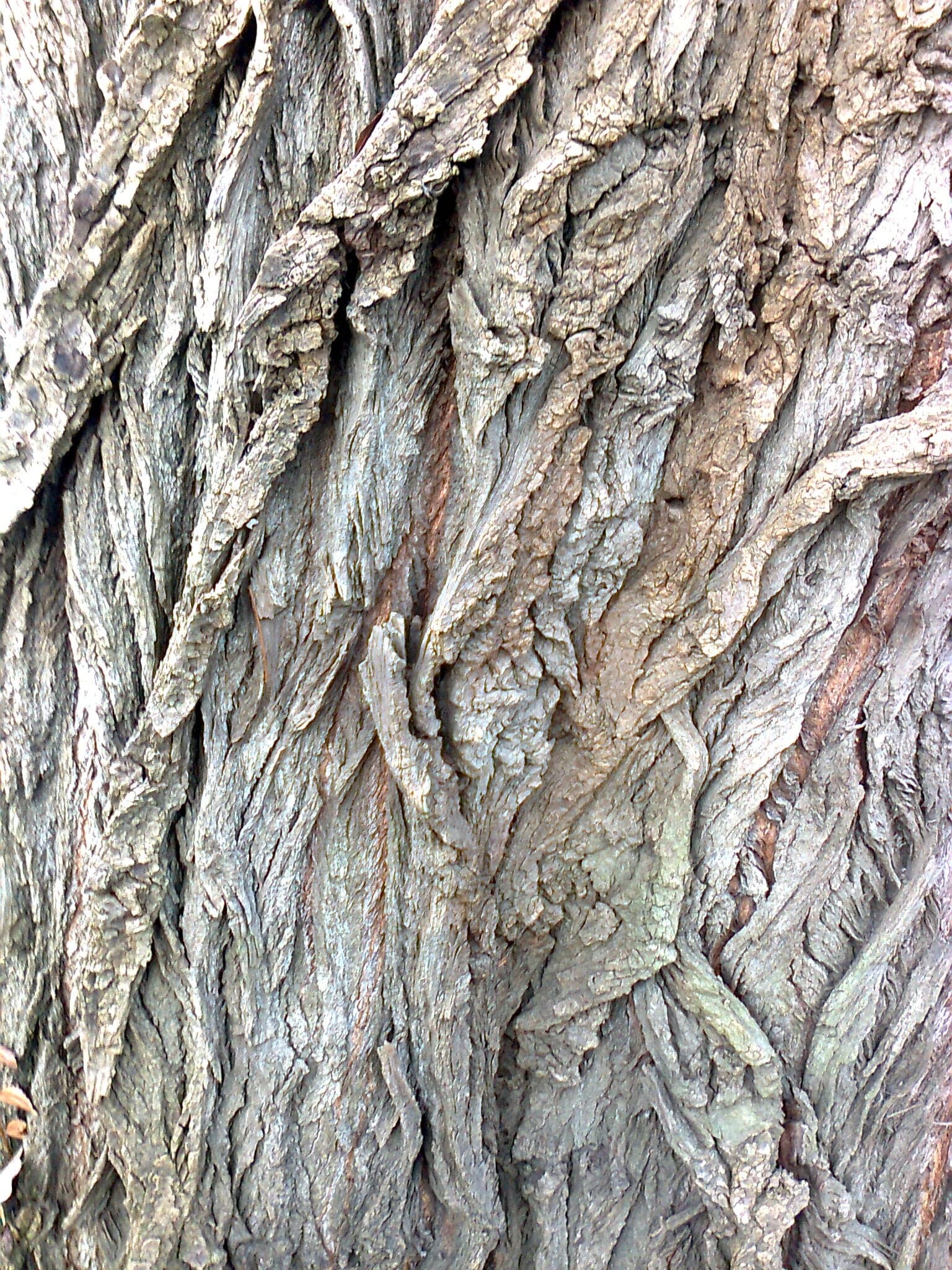
Black Poplar: Træbark
Træbark

Reading a Black Poplar slab#

There is not much to read. Colour runs creamy white to light grey brown, sometimes with a faint greenish cast in the heartwood that fades toward grey with light exposure. It is a natural cast rather than a fungal stain. Figure is minimal.

At 385 kg per cubic metre this is the lightest hardwood in the catalogue, lighter than Norway Spruce, and lifting a slab makes that immediately obvious.

Check for wet pockets. Green poplar carries very high moisture content and is startlingly heavy for what it becomes, and drying takes longer than the modest final density suggests.

What it is for#

Poplar is a secondary timber and it is excellent at that job.

Drawer sides, carcass interiors, web frames, backing panels, plywood core, and above all anything that will be painted. It takes paint very well: the texture is fine and even, there is no resin to bleed, and it needs almost no grain filling.

It is also a sound sculptural blank. Soft, even textured, resin free and inexpensive, it suits larger carved work where mass matters and fine detail does not. For crisp detail, small-leaved lime is the better wood in this catalogue.

What it is not is a work surface. At 2,020 N Janka it is softer than Scots Pine, and a poplar tabletop will mark under ordinary use.

Drying and movement#

It dries readily and without much degrade, which is one of its practical virtues.

Volumetric shrinkage of 12.3 percent is moderate, but the tangential to radial ratio of 9.3 against 4.0 percent is wide, well over two to one, so flatsawn boards cup meaningfully. For a wide painted panel that matters less than it would for a visible top, but it still needs allowing for.

Finishing#

Under paint, poplar is close to ideal and needs no special handling beyond a sealed surface.

Under a clear finish, the pale colour with its occasional green cast reads as unusual rather than handsome to most eyes, and it is rarely the reason anyone chooses this wood. Pigment stains blotch, as on other fine textured pale species, so use a conditioner or a dye.

Because the wood is soft, a hardwax oil or a film finish is worth applying for the surface protection alone.

The provenance question#

This is the one species in this catalogue where the conservation picture genuinely warrants a second look.

Populus nigra is not CITES listed, and the source cited here reports no IUCN assessment, so no status is displayed. But wild riverside populations across Europe have declined severely and are being actively restored, while the commercial supply comes overwhelmingly from planted hybrids that have nothing to do with that decline.

The two are not distinguishable by looking at a board. What distinguishes them is documentation, which is precisely what the KORENA passport records: the partner yard, the region, and the chain behind the slab. On most European species that record is a formality. Here it is worth reading.

Where Black Poplar is the right answer#

Painted furniture, drawer sides and carcass interiors, lightweight panels, plywood core, and sculpture blanks. Any job where low weight and low cost are the requirement and the surface will not be seen or will not be touched.

It is the wrong answer for a work surface, for anything structural, and for anything outdoors, since it is rated non-durable and susceptible to insect attack.

What is the greenish tint in some boards?

+

A natural cast that occurs in the heartwood of some poplar and is not a defect or a fungal stain. It tends to fade toward grey brown with light exposure. Under paint it is irrelevant, which is where most poplar ends up.

Can poplar be carved?

+

Yes, and it is a reasonable carving blank, being soft and even textured with no resin. It does not hold fine detail as crisply as small-leaved lime, which remains the better carving wood in this catalogue, but for larger sculptural work where mass matters and weight does not, poplar is a sound and inexpensive choice.

Volumetrisk svindSamlet volumenændring fra frisk til ovntørt træ. En lavere værdi betyder større stabilitet.
12.3 %
Naturlig holdbarhed (EN 350)Europæisk standard for naturlig modstandsdygtighed mod råd, fra 1 (meget holdbar) til 5 (ikke holdbar).Class 5 — Perishable

Kilder

  • The Wood Database — Black Poplar (Populus nigra)(tilgået 2026-08-12)
  • Meier, E. — WOOD! Identifying and Using Hundreds of Woods Worldwide (2015)(tilgået 2026-08-12)

Vær opmærksom

  • Ikke til ubehandlet udendørs brugDen naturlige holdbarhed er EN 350-klasse 5 af 5. Brug træet indendørs eller under en vedligeholdt overfladebehandling.

Tryk på en etiket for detaljer.

Kort fortalt

Niveauerne bruger faste intervaller for alle træarter hos KORENA, så de kan sammenlignes direkte. Den målte værdi står under hvert niveau.
HårdhedModstand mod trykmærker og slidBlødt

Janka-hårdhed 2.020 N

59 % blødere end europæisk eg

VægtHvor tung en planke er at løfteMeget let

385 kg/m³

StabilitetHvor lidt det bevæger sig med årstiderneGennemsnitligt

12,3 % volumetrisk svind

BearbejdningSavning, høvling, slibning og limningKrævende

3,4 / 5 i gennemsnit ved høvlebænken

Udendørs brugNaturlig modstandsdygtighed mod råd, EN 350Kun indendørs

EN 350-klasse 5

  • Savning · Meget godHvor rent det skærer, og hvor hårdt det er ved savklinger.1 = vanskelig · 5 = fremragende
  • Høvling · GodHvor glat en overflade det giver, og hvor meget det flosser.1 = vanskelig · 5 = fremragende
  • Slibning · GodHvor hurtigt det kan slibes glat uden at tilstoppe sandpapiret.1 = vanskelig · 5 = fremragende
  • Drejning · GodHvordan det skærer og efterbehandles på drejebænken.1 = vanskelig · 5 = fremragende
  • Udskæring · GodHvor skarpt det holder detaljer under et stemmejern.1 = vanskelig · 5 = fremragende
  • Limning · Meget godHvor pålideligt limsamlinger holder.1 = vanskelig · 5 = fremragende
  • Fastholdelse af skruer/søm · Meget godHvor godt det holder skruer og søm uden at flække.1 = vanskelig · 5 = fremragende
  • Dampbøjning · GodHvor godt det tager form efter dampning.1 = vanskelig · 5 = fremragende

Det koster Black Poplar-tømmer i Europa lige nu pr. kubikmeter før moms. Tryk på en pris for at se detaljerne.

  • Almindelige kævlerStore mængder almindeligt rundtræ solgt af skovejere og statsskovbrug, hovedsageligt til byggeri og industri.De fleste priser ligger mellem 105 € og 105 €.Baseret på 4 priser fra 1 region.Seneste data 31. dec. 2025

Hvorfor koster en planke mere end dette?

Dette er priser på råt tømmer. En planke er det bedste snit af en kævle, tørret i et år eller mere og derefter kontrolleret og målt styk for styk. Kun en lille del af hver kævle bliver til en planke.

Kilde: KORENA Timber Index · Seneste data 31. dec. 2025

Se alle regionale priser