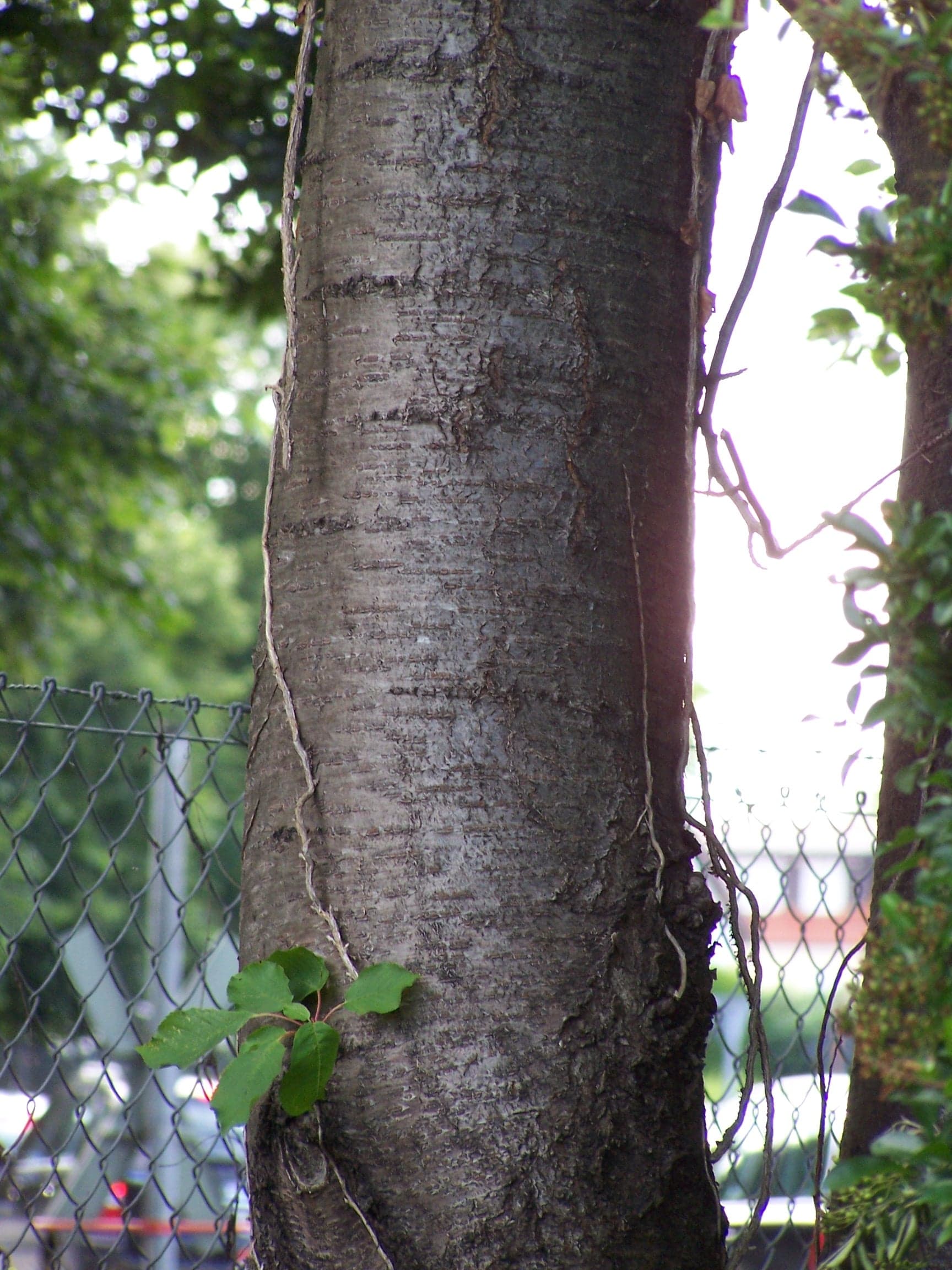
Prunus avium
European Cherry
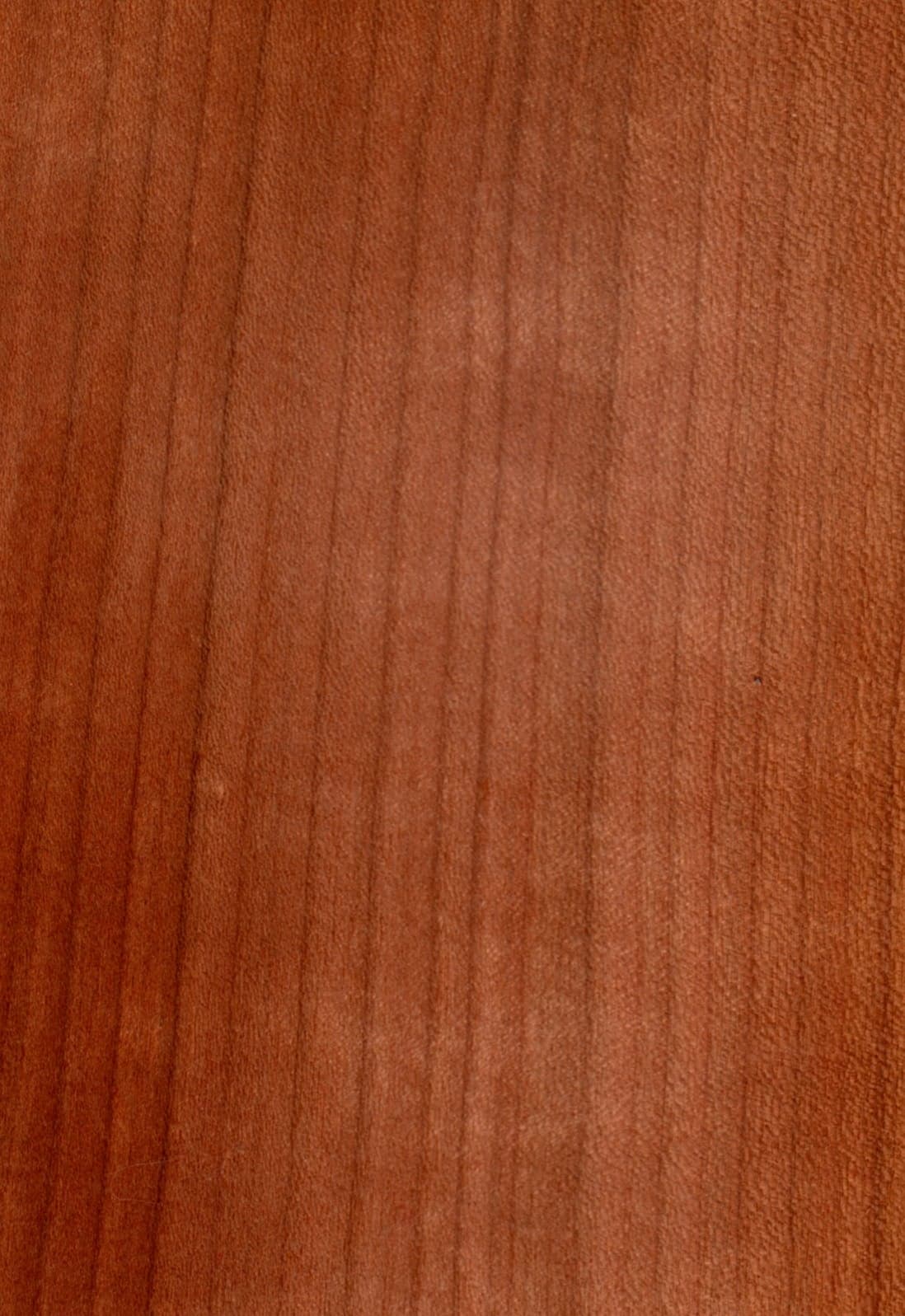
A refined cabinet wood with fine, even grain that ages from pinkish-tan to a deep reddish-brown.
- Dyrket og fældet i Europa.
- Botanisk gruppe. Nåletræ kommer fra nåletræer, løvtræ fra bredbladede træer.
- Den botaniske familie, som træarten tilhører.
Få besked, når den kommerReferencetræart. Ingen planker på lager lige nu.
Passer det til dit projekt?
Velegnet til
- Fine cabinetry and built-ins
- Dining and occasional tables
- Chairs and bench seats
- Boxes, trays, and small casework
- Turned bowls and handles
- Interior architectural joinery
- Musical instrument parts
Ingen European Cherry i det aktuelle parti
Lignende træarter på lager
Ingen European Cherry lige nu. Disse træarter egner sig til de samme projekter og findes på lager.
Få besked om European Cherry
Vi sender dig en e-mail, når nye planker i European Cherry kommer til KORENA. Hver planke er unik, så det betaler sig at få besked tidligt.
Træets udseende
Sådan ser det ud
Fine, straight grain with a smooth, even texture. Heartwood opens pinkish-tan to warm salmon, with a paler cream sapwood that is usually distinct. Figure is generally quiet, occasional gum streaks, small pin knots, and the odd ribbon or curl. The headline trait is its colour shift: under light and over a few months, the wood deepens through honey to a rich reddish-brown, and continues to mature for years. Boards stored unevenly will tan unevenly, so rotate stock during storage.
- Fresh heartwood: pinkish-tan to warm salmon
- Pale cream sapwood, usually distinct from heartwood
- Ages through honey to deep reddish-brown over months and years
- Light exposure drives the colour shift, uneven storage gives uneven tan
- Occasional gum streaks and small pin knots
- Quiet figure overall, with the odd ribbon or curl
- Fine, straight grain.
Bearbejdning
Bearbejdning
Easy to work with hand and machine tools. Planes and sands cleanly with sharp edges; gum pockets can clog cutters, so check stock before milling. Glues and screws well. Steam-bending is moderate, workable for gentle curves, less reliable for tight radii. Turns and carves predictably.
Overfladebehandling
Sands to a glassy surface at 180–220 grit. Takes oil, hardwax, shellac, and water-based finishes cleanly. A thin seal coat of dewaxed shellac or sanding sealer evens out any blotch on flat-sawn faces before topcoats. Avoid heavy stains, they fight the wood's own colour development. For commissions, expose offcuts to daylight alongside the finished piece so clients can see how the colour will move.
Tørring
Dries fairly quickly but is prone to warp, cup, and surface checking if rushed. Sticker carefully and weight the top of the stack. End-seal green stock. Once at EMC, it is stable in service with moderate tangential movement.
Hvor meget bevæger det sig?
Træ udvider og trækker sig sammen på tværs af bredden, når luften bliver fugtigere og tørrere. Beregn den forventede sæsonbevægelse i en bordplade af European Cherry, før du udformer beslagene.
Forventet sæsonbevægelse
ca. 9,1 mm
Fastgør bordpladen med sargklodser eller beslag med langhuller, ikke med lim eller stramme skruer.
Lineær svindmodel: bredde × (svind ÷ 28 % fibermætning) × sæsonudsving i fugtighed. Bruger 8 % tangentialt svind for European Cherry. Et planlægningsskøn, ikke en garanti.
Hvad det koster
Sikkerhed og indkøb
- Dyrket og fældet i Europa.
- Status på IUCNs rødliste: den globale bevaringsvurdering for denne træart.
Not commonly flagged as a dust sensitiser, and considered food-contact safe once finished appropriately. Standard fine-dust extraction and a mask are still sensible at the sander.
Læs hele guidenDybdegående noter om tegning, farveændring, bearbejdning og stabilitet.
What European Cherry actually is#
Prunus avium is bought for a colour it does not yet have.
Fresh cherry is a pale pinkish tan, unremarkable and easily mistaken for a lesser wood. Within six months of light exposure it deepens substantially, and within a year it reaches the rich reddish brown that people actually mean when they say cherry. The change continues, more slowly, for years.
This single behaviour governs almost every decision about buying, finishing and using the species.
Working with the darkening rather than against it#
Three practical consequences follow.
First, do not choose a slab on its current colour. What you see on the bench is a stage, not the result. Two boards that look different today may match in a year, and two that match today may not.
Second, uneven light exposure prints permanently. A rug on a cherry floor, a lamp base on a cherry table, a stack of books left in one place: each leaves a lighter patch as the surrounding wood darkens around it. The patch does eventually even out if the object is moved, but it takes months. The sensible approach is to let a new piece darken evenly for the first few months before putting anything on it permanently.
Third, a UV inhibiting finish slows the process but does not stop it, and it will not preserve the pale fresh colour indefinitely. If you want pale, choose a different species.
Spørgsmål fra købere
Det spørger købere om
How much does cherry darken?
A great deal, and quickly. Fresh cherry is pale pinkish tan and within a year of light exposure it deepens to a rich reddish brown. Most of the change happens in the first six months. This is why cherry furniture looks nothing like cherry lumber, and why buying on the freshly machined colour misleads.
Why does my cherry have patchy colour after finishing?
Two causes. Cherry blotches badly under pigment stain because of its fine uneven density, so use a dye, a gel stain or a washcoat. The other is uneven light exposure: anything covering part of a surface, a rug, a lamp base, a stack of books, will leave a permanently lighter patch as the rest darkens around it. Let a piece darken evenly before placing objects on it.
How is European Cherry different from American Black Cherry?
European cherry, Prunus avium, is harder at 5,120 N against 4,226 N and slightly denser. American black cherry, Prunus serotina, is available in larger and more consistent sizes because it is grown as a forestry species. Colour and figure are similar and both darken dramatically. European cherry tends to have more gum pockets.
What are the small dark flecks in the wood?
Mekaniske egenskaber
Tekniske data
Offentliggjorte referenceværdier. Når kilderne er uenige, vises intervallet, og den typiske værdi bruges til skalaerne ovenfor.
| Massefylde (kg/m³)Masse pr. kubikmeter ved ca. 12 % fugtighed. Tungere træ er normalt hårdere og stærkere. | 550–650 kg/m³typisk 600 kg/m³ |
|---|---|
| Janka-hårdhed (N)Den kraft, der skal til for at presse en stålkugle halvt ind i træet. Standardmålet for modstand mod trykmærker. | 4,700–5,500 Ntypisk 5.120 N |
| MOR: brudmodul (MPa)Bøjningsstyrke: den belastning, hvor en bjælke brækker. | 95–110 MPa |
| MOE: elasticitetsmodul (GPa)Bøjningsstivhed: hvor meget en hylde eller bordplade bøjer ned under belastning. | 9.5–11.0 GPa |
| Radialt svindSvind på tværs af årringene fra frisk til ovntørt træ. Kvartskårne brædder bevæger sig på denne måde. | 4.5–5.5 % |
| Tangentialt svindSvind langs årringene. Plansavede brædder og de fleste planker bevæger sig på denne måde. |