Fagus sylvatica
European Beech
The workshop workhorse. Pale, dense, fine-textured hardwood with straight grain, and the wood that bends.
- Dyrket og fældet i Europa.
- Botanisk gruppe. Nåletræ kommer fra nåletræer, løvtræ fra bredbladede træer.
- Den botaniske familie, som træarten tilhører.
Få besked, når den kommerReferencetræart. Ingen planker på lager lige nu.
Passer det til dit projekt?
Velegnet til
- Steam-bent chair frames and curved components
- Workbenches, jigs, and shop fixtures
- Chopping boards, butcher blocks, and kitchen utensils
- Interior joinery and cabinet carcasses
- Turned legs, handles, and tool components
- Children's furniture and toys
Ingen European Beech i det aktuelle parti
Lignende træarter på lager
Ingen European Beech lige nu. Disse træarter egner sig til de samme projekter og findes på lager.
Få besked om European Beech
Vi sender dig en e-mail, når nye planker i European Beech kommer til KORENA. Hver planke er unik, så det betaler sig at få besked tidligt.
Træets udseende
Sådan ser det ud
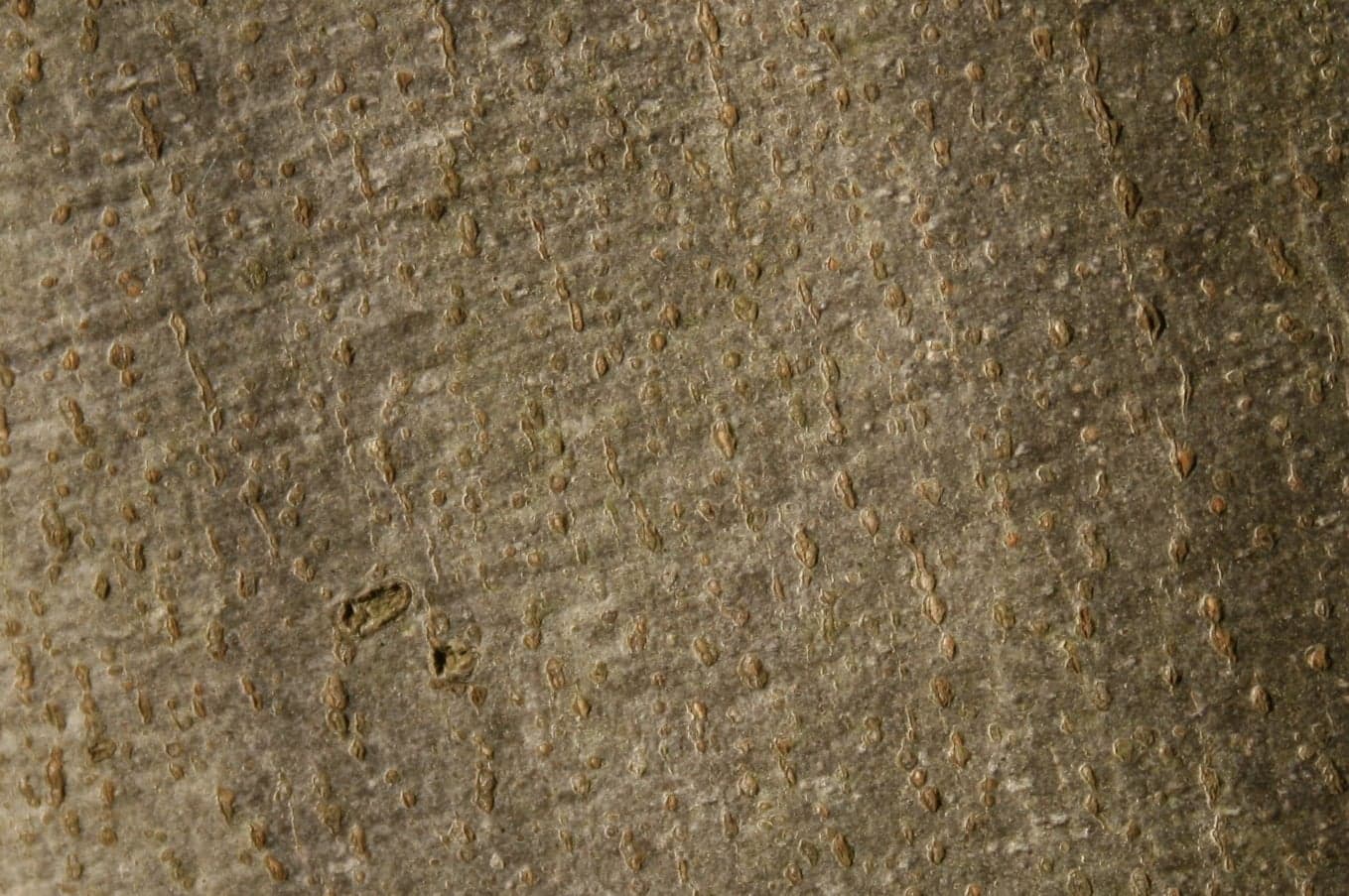
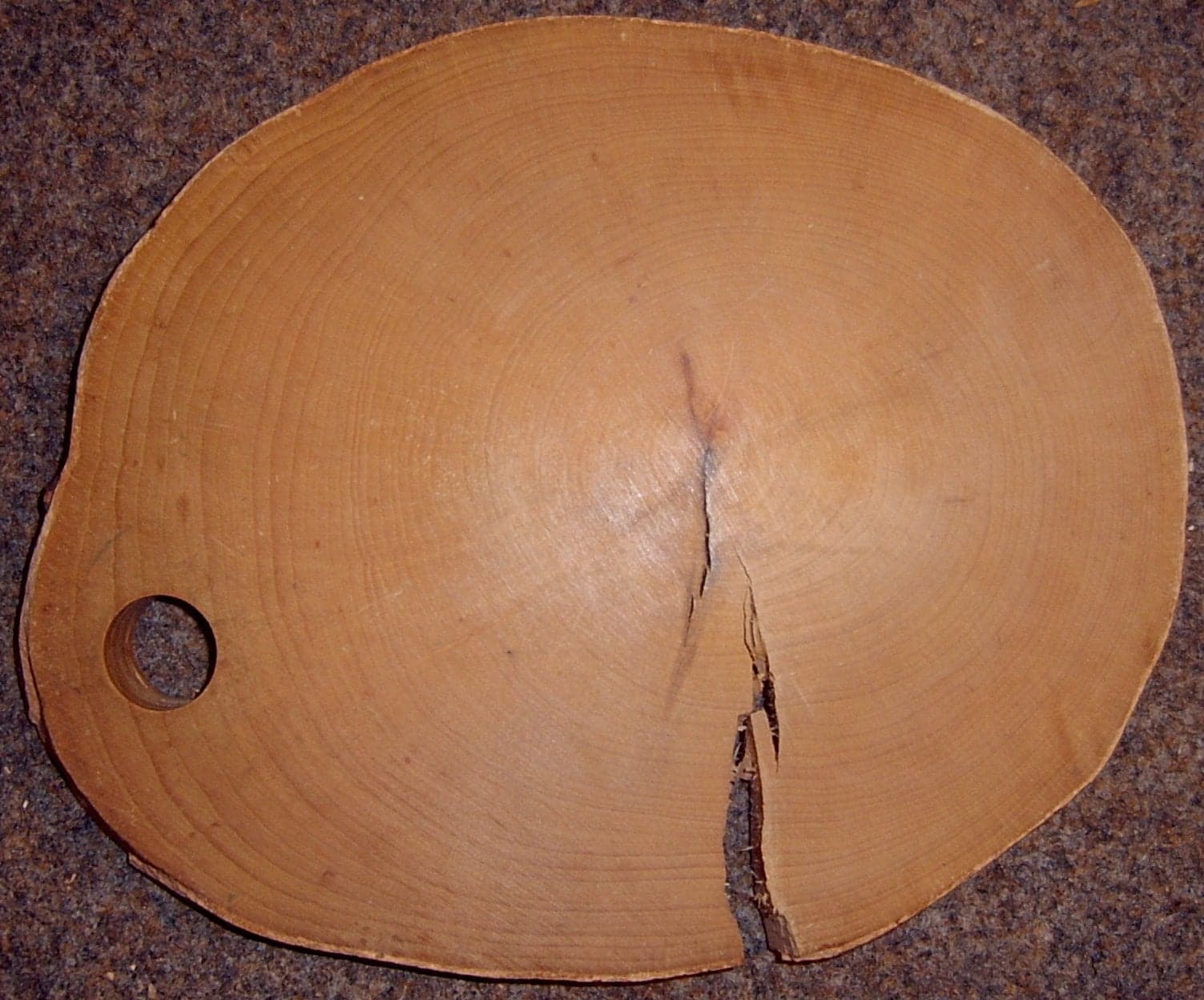
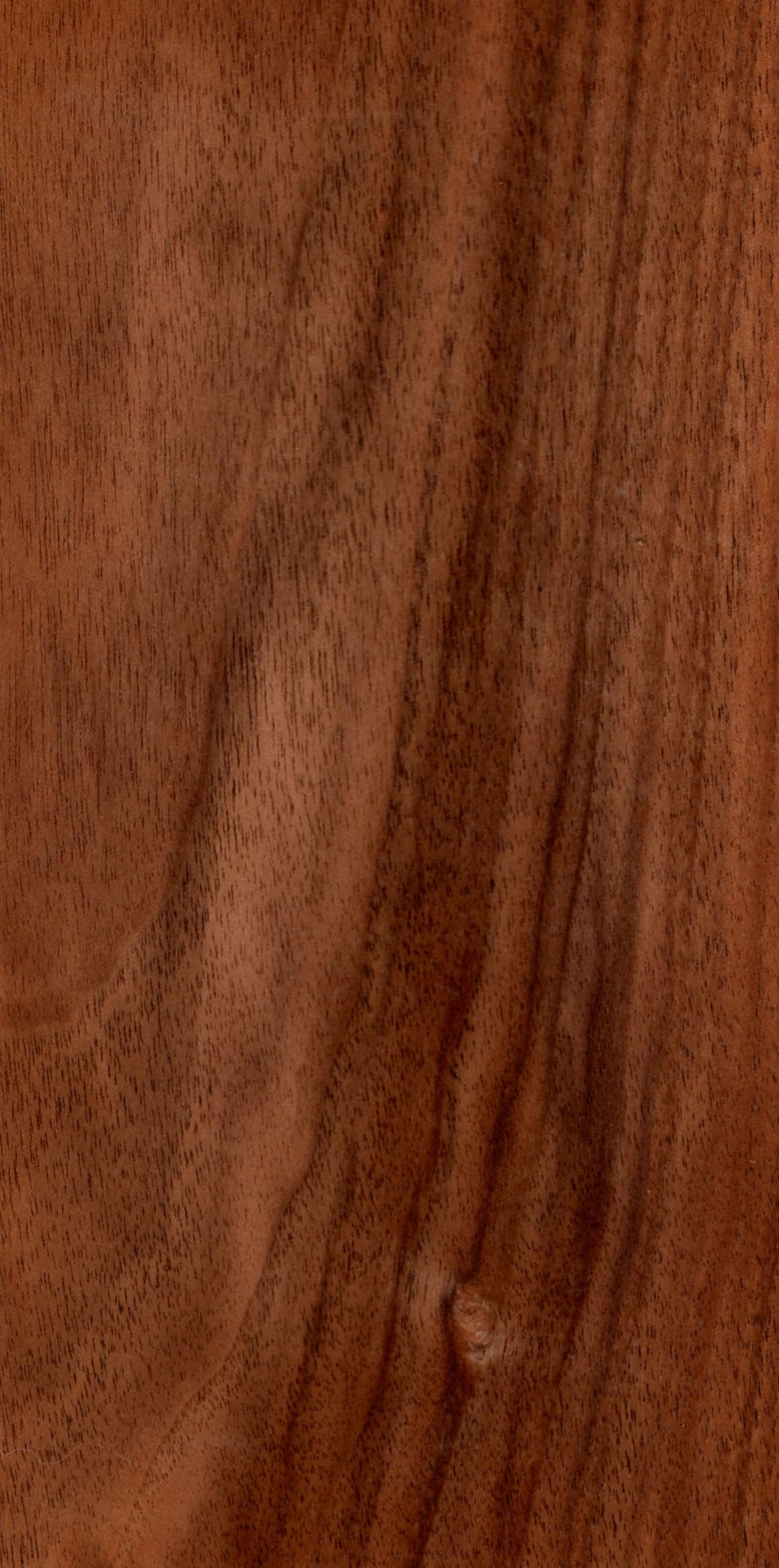
A clean, light surface in cream to pale pinkish-brown, often with a subtle salmon cast when freshly cut. Grain is straight; texture is fine and even with small, tight rays that show as faint flecks on the quarter. Steamed beech goes warmer and pinker, that familiar Thonet tone. Visually quiet rather than dramatic, which is why it pairs well with bolder species and finishes.
- Cream to pale pinkish-brown when air-dried
- Warmer salmon-pink tone after steaming
- Fine ray fleck on quarter-sawn faces
- Yellows gradually under UV exposure
- Cool, neutral surface under water-based finishes; warmer under oils
- Straight grain, fine even texture.
Bearbejdning
Bearbejdning
Works well across the bench. Saws, planes, and sands cleanly; turns and carves crisply. Glues reliably. Screws need pilot holes, it is dense and can split near edges. Where beech really earns its keep is steam bending: it is the benchmark species for it, and the reason Thonet's bentwood chairs are still made from it more than 150 years on.
Overfladebehandling
Sands to a smooth, almost glassy surface and takes finishes evenly thanks to the fine texture. Stains apply uniformly without much blotching. Oils and hardwax oils keep the pale tone; water-based finishes hold the cool cast best, while oil-based products will warm it noticeably. Beech yellows over time under UV, worth flagging to clients who want it to stay pale.
Tørring
This is where beech demands respect. Volumetric shrinkage of 17–19% puts it among the more movement-prone European hardwoods, and the gap between radial and tangential shrinkage drives cupping and checking if it is rushed. Slow, controlled kiln schedules and proper acclimatisation in the workshop are non-negotiable. Once stable and used in interior conditions, it behaves, but it will react to swings in humidity, so avoid wide unbroken panels in rooms that are not climate-stable.
Hvor meget bevæger det sig?
Træ udvider og trækker sig sammen på tværs af bredden, når luften bliver fugtigere og tørrere. Beregn den forventede sæsonbevægelse i en bordplade af European Beech, før du udformer beslagene.
Forventet sæsonbevægelse
ca. 13,4 mm
Stor. Brug sargklodser eller beslag med langhuller, efterlad frigang ved enderne af eventuelle endelister, og lad planken akklimatisere før samling.
Lineær svindmodel: bredde × (svind ÷ 28 % fibermætning) × sæsonudsving i fugtighed. Bruger 11,75 % tangentialt svind for European Beech. Et planlægningsskøn, ikke en garanti.
Hvad det koster
Sikkerhed og indkøb
- Dyrket og fældet i Europa.
- Status på IUCNs rødliste: den globale bevaringsvurdering for denne træart.
Food-contact safe and a long-standing choice for chopping boards, butcher blocks, spoons, and kitchen utensils. The flip side: beech dust is a documented respiratory sensitiser and is classified by IARC as a Group 1 hardwood dust. Use proper extraction, a fitted P3/FFP3 mask, and keep the shop clean, especially during sanding.
Læs hele guidenDybdegående noter om tegning, farveændring, bearbejdning og stabilitet.
What European Beech actually is#
Fagus sylvatica is the workshop timber of Europe. It is dense at 710 kg per cubic metre, hard at 6,460 N, stiff at 13.0 GPa, fine textured, straight grained, cheap and everywhere.
It is also, by the numbers, the least dimensionally stable wood in this catalogue. Volumetric shrinkage of 17.0 percent ties it with hornbeam for the highest figure here, and its tangential to radial differential of 11.0 against 5.0 percent is the widest of any species listed.
Both facts are true at once, and understanding how they coexist is the whole of working with beech well.
The bending wood#
Fine even texture, straight grain and high stiffness are exactly the properties that make a timber bend rather than break.
Under steam, beech compresses on the inside of a curve without buckling and stretches on the outside without splitting, more reliably than oak or ash. Michael Thonet built an entire furniture industry on that single property in the nineteenth century, and the bentwood chair remains the most produced furniture design in history.
If a project involves a curve, beech is the first thing to reach for in this catalogue.
The movement problem
Spørgsmål fra købere
Det spørger købere om
Why does beech move so much?
Volumetric shrinkage of 17.0 percent is the joint highest in this catalogue, and tangential shrinkage of 11.0 percent against 5.0 percent radial is a differential of better than two to one. That combination makes beech notoriously unstable in changing humidity. It is why beech is superb for steam bent chair parts and workshop fixtures in a controlled environment, and a poor choice for a wide tabletop in a room with underfloor heating.
Why is beech the classic steam bending wood?
Fine even texture, straight grain and high stiffness at 13.0 GPa let it compress on the inside of a bend without buckling and stretch on the outside without splitting. Thonet built an entire furniture industry on that property. It bends more reliably than oak or ash and holds the curve once dry.
Is beech good for kitchen worktops and chopping boards?
It is rated food safe and its fine closed texture is easier to keep clean than open pored oak, which is why it is traditional for butcher blocks and worktops. The caveat is movement: beech responds strongly to the wet and dry cycling a kitchen imposes. Keep it oiled, avoid standing water, and expect more seasonal change than in maple.
Mekaniske egenskaber
Tekniske data
Offentliggjorte referenceværdier. Når kilderne er uenige, vises intervallet, og den typiske værdi bruges til skalaerne ovenfor.
| Massefylde (kg/m³)Masse pr. kubikmeter ved ca. 12 % fugtighed. Tungere træ er normalt hårdere og stærkere. | 680–780 kg/m³typisk 710 kg/m³ |
|---|---|
| Janka-hårdhed (N)Den kraft, der skal til for at presse en stålkugle halvt ind i træet. Standardmålet for modstand mod trykmærker. | 6,000–6,900 Ntypisk 6.460 N |
| MOR: brudmodul (MPa)Bøjningsstyrke: den belastning, hvor en bjælke brækker. | 100–130 MPa |
| MOE: elasticitetsmodul (GPa)Bøjningsstivhed: hvor meget en hylde eller bordplade bøjer ned under belastning. | 13.0–15.0 GPa |
| Radialt svindSvind på tværs af årringene fra frisk til ovntørt træ. Kvartskårne brædder bevæger sig på denne måde. | 5.0–6.5 % |
| Tangentialt svindSvind langs årringene. Plansavede brædder og de fleste planker bevæger sig på denne måde. |