KORENA
TræFinished piecesTilbehørPartnerlagreArtikler

Få besked

Hver planke er unik. Når den er solgt, er den væk. Vi sender dig en mail, når nye stykker kommer til salg: nye leverancer, nye træarter og planker, der passer til en projektbeskrivelse.

Et par mails om måneden. Ingen spam, og du kan altid afmelde dig.

KORENA, førsteklasses løvtræ

Ét emne ad gangen.

Verificeret førsteklasses løvtræ, solgt emne for emne. Hver planke fotograferes, måles og sendes fra partnerlageret med et træpas.

Butik

  • Se produkter
  • Solgte planker
  • Spor ordre

Viden

  • Artikler
  • Guider til træsorter
  • Ordliste
  • Sammenlign
  • Forfattere

Hjælp

  • Om os
  • Sådan fungerer det
  • Bliv partnerlager
  • Find en planke
  • Kundeservice
  • Dokumentskabeloner
  • Presse

Køb

  • Salgsbetingelser
  • Fortrydelsesret
  • Returnering og garanti
  • Forsendelse og levering

Tryghed

  • Privatlivspolitik
  • Cookiepolitik
  • Træets oprindelse og EUDR
  • Tilgængelighed

Virksomhedsoplysninger

  • Juridiske oplysninger
  • Acceptabel brug
  • Immaterielle rettigheder og indhold

© 2026 KORENA. Alle rettigheder forbeholdes.

Drives af Martial Labs Ltd. (BG, EIK 207453941). KORENA er et handelsnavn tilhørende Martial Labs Ltd.

Vi respekterer dit privatliv

Vi bruger nødvendige cookies, så hjemmesiden fungerer. Med din tilladelse bruger vi også cookies til analyse, personligt tilpasset indhold og annoncer. Du kan til enhver tid ændre dit valg på siden med samtykkeindstillinger. Se vores cookiepolitik og privatlivspolitik.

  1. Forside
  2. /
  3. Træarter
  4. /
  5. Sycamore Maple

Acer pseudoplatanus

Sycamore Maple

Pale, lustrous European hardwood with a creamy near-white surface. Often quartersawn to bring out ray fleck, and prized in curly form for violin and cello backs.

  • Dyrket og fældet i Europa.
  • Botanisk gruppe. Nåletræ kommer fra nåletræer, løvtræ fra bredbladede træer.
  • Den botaniske familie, som træarten tilhører.
Få besked, når den kommerReferencetræart. Ingen planker på lager lige nu.
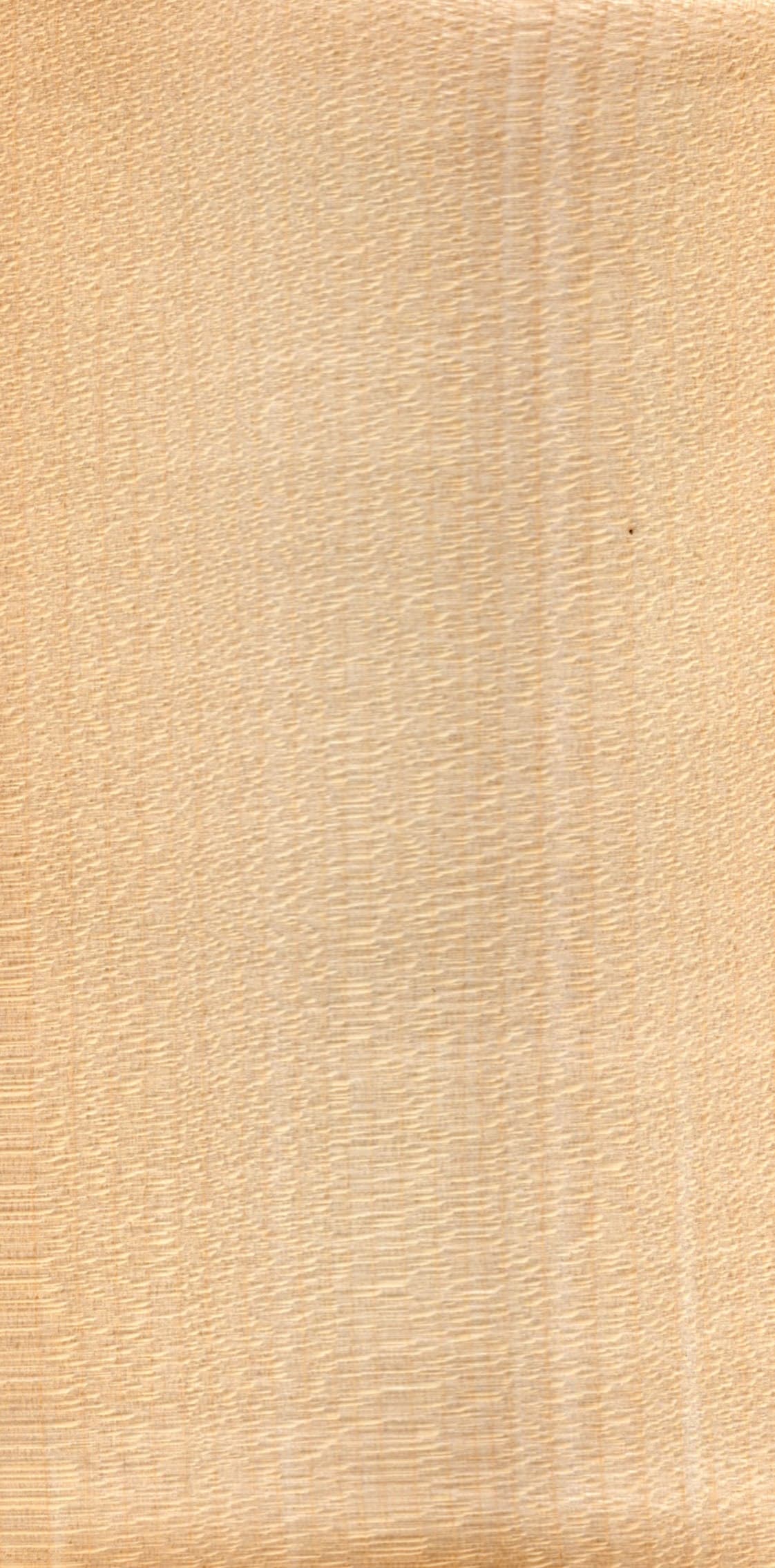
Åretegning i Sycamore Maple
  • Egnethed til projektet
  • På lager
  • Udseende
  • Bearbejdning
  • Bevægelse
  • Pris
  • Sikkerhed og indkøb
  • Spørgsmål
  • Tekniske data

Passer det til dit projekt?

Velegnet til

  • Violin, viola and cello backs, sides and necks (fiddleback stock)
  • Kitchen worktops, butcher blocks and chopping boards
  • Light-toned furniture, cabinetry and shelving
  • Turned bowls, treen and tool handles
  • Interior joinery, stair parts and panelling
  • Marquetry and inlay where a near-white ground is needed

Ingen Sycamore Maple i det aktuelle parti

Lignende træarter på lager

Ingen Sycamore Maple lige nu. Disse træarter egner sig til de samme projekter og findes på lager.
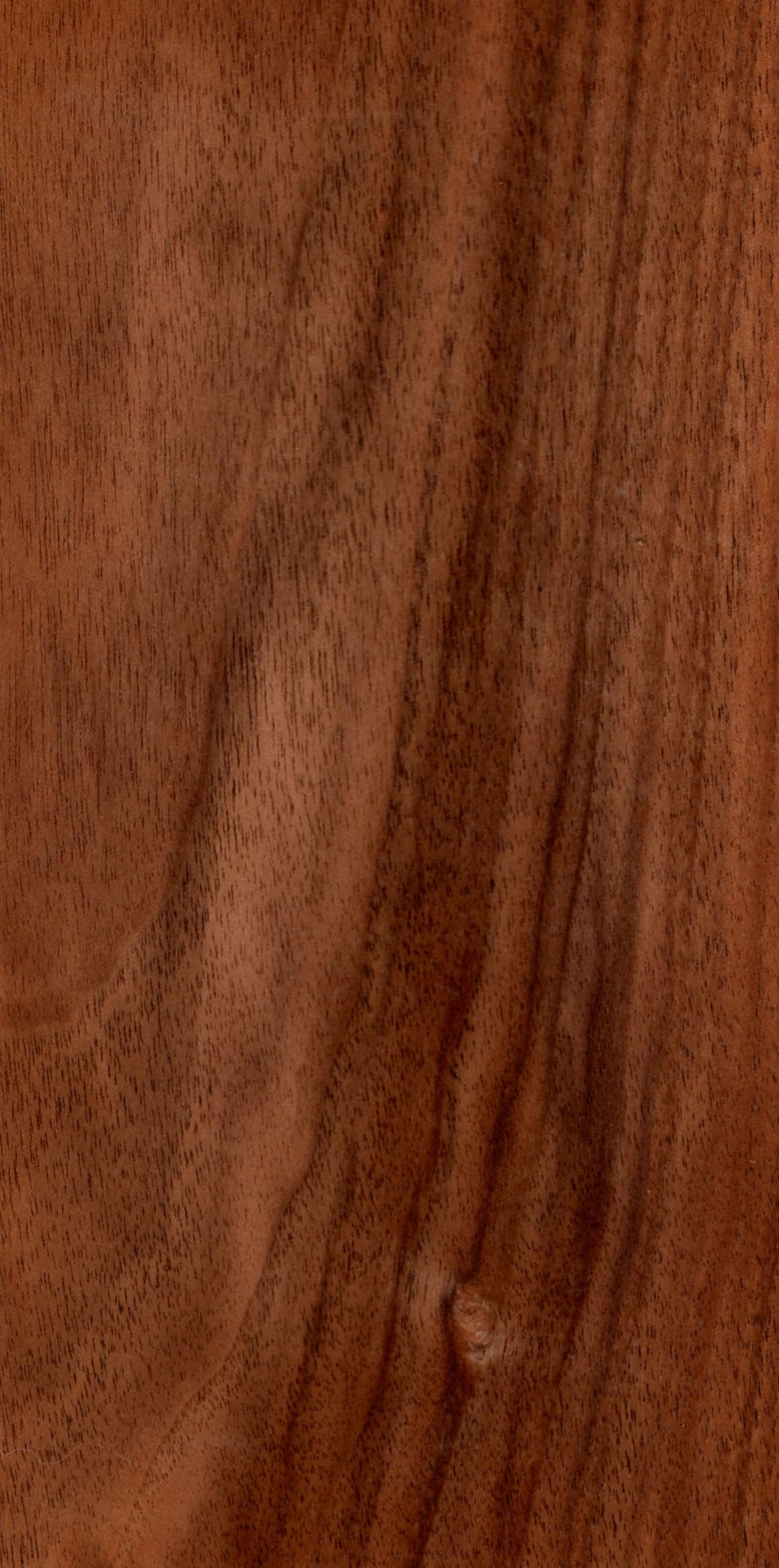
  • Åretegning i European Walnut

    European Walnut

    Juglans regia

    9 planker

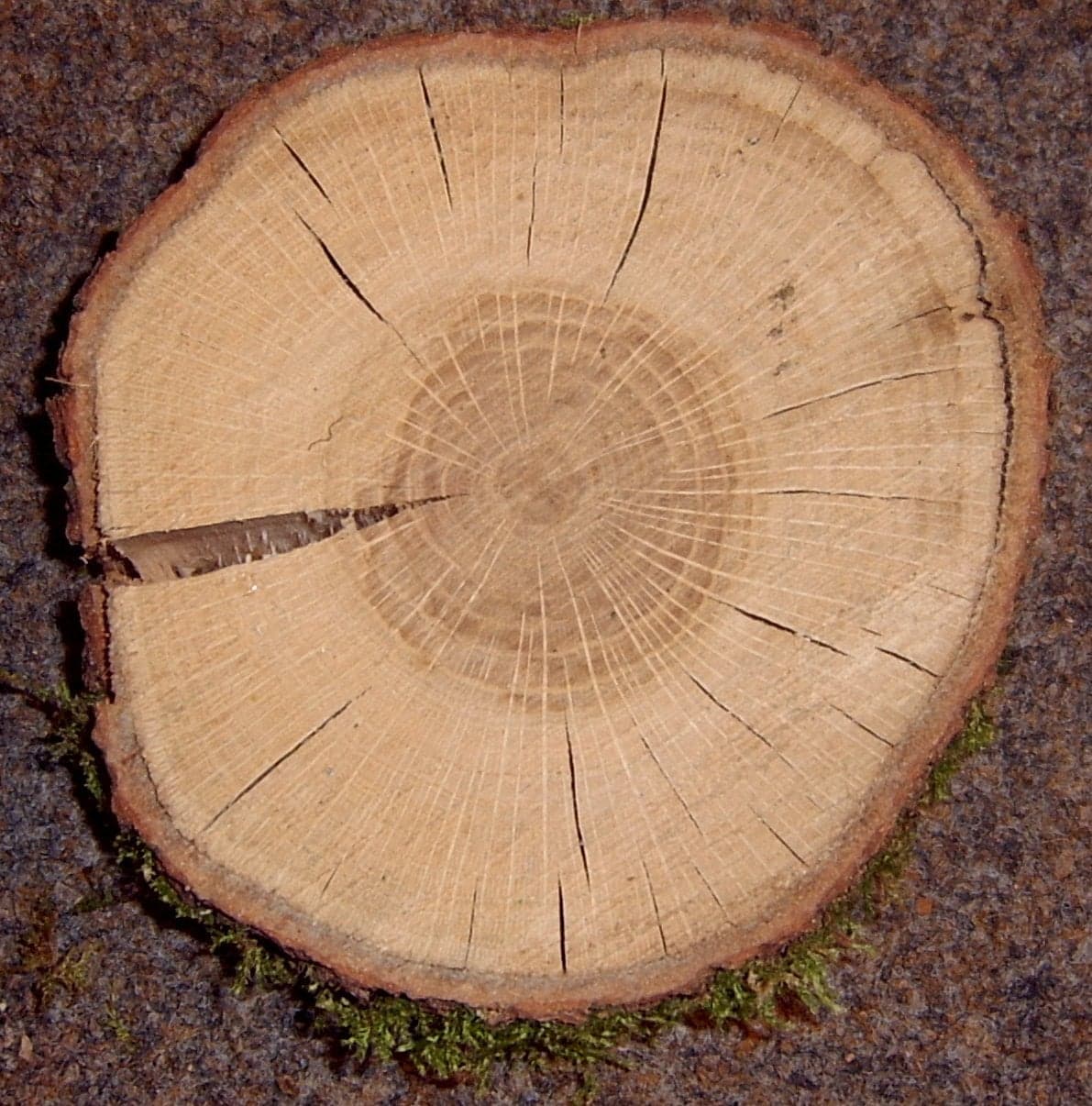
  • Åretegning i European Oak

    European Oak

    Quercus robur

    6 planker

  • Åretegning i Saman

    Saman

    Samanea saman

    4 planker

Få besked om Sycamore Maple

Vi sender dig en e-mail, når nye planker i Sycamore Maple kommer til KORENA. Hver planke er unik, så det betaler sig at få besked tidligt.

Et par mails om måneden. Ingen spam, og du kan altid afmelde dig.

Træets udseende

Sådan ser det ud

Sycamore maple runs creamy white to pale yellow with a fine, even texture and a soft natural sheen. Grain is usually straight, with occasional wavy or interlocked sections. Quartersawn boards show small ray fleck. The most sought-after cut is fiddleback, a tight, rippled curl that catches light across the board and has been used for violin, viola and cello backs since the Cremonese workshops of Stradivari and Guarneri.

  • Creamy white to pale yellow when freshly machined
  • Soft natural lustre, especially on quartersawn faces
  • Small ray fleck on quartersawn boards
  • Fiddleback or curly figure in select boards, three-dimensional ripple under light
  • Ambers gently toward warm straw under UV exposure
  • Pale, lustrous; often quartersawn for ray fleck.

Bearbejdning

Bearbejdning

Works well across the board. Saws, planes, sands and glues cleanly, and turns excellently, it is a long-standing choice for treen, bowls and tool handles. Curly and fiddleback stock will tear out under straight blades; use sharp tooling, light cuts and a high cutting angle, or sand through grits. Screws and holds fastenings without splitting at sensible pilot sizes.

Overfladebehandling

The pale colour is part of the appeal, so most makers stay with water-based or hardwax oil finishes that keep the surface near-white. Oil-based and polyurethane finishes warm the wood toward straw yellow. Expect a slow ambering shift under UV regardless, pieces stored in shade stay paler for longer. Sands cleanly to a high polish. On figured stock, a thin coat of dilute shellac before the topcoat lifts the chatoyance.

Tørring

Dries fairly quickly but is prone to fungal staining and grey discolouration if left in stick during warm, humid weather. The traditional remedy is to fell in winter and end-rack boards vertically so air moves across both faces. Tangential shrinkage of 7.5–9.0% against radial 4.0–5.5% gives a moderate T/R ratio, so quartersawn stock stays flatter in service. Acclimatise indoors before machining final dimensions.

Hvor meget bevæger det sig?

Træ udvider og trækker sig sammen på tværs af bredden, når luften bliver fugtigere og tørrere. Beregn den forventede sæsonbevægelse i en bordplade af Sycamore Maple, før du udformer beslagene.

Opskæring
Hvor den skal stå

Forventet sæsonbevægelse

ca. 9,4 mm

Fastgør bordpladen med sargklodser eller beslag med langhuller, ikke med lim eller stramme skruer.

Lineær svindmodel: bredde × (svind ÷ 28 % fibermætning) × sæsonudsving i fugtighed. Bruger 8,25 % tangentialt svind for Sycamore Maple. Et planlægningsskøn, ikke en garanti.

Hvad det koster

Sikkerhed og indkøb

  • Dyrket og fældet i Europa.
  • Status på IUCNs rødliste: den globale bevaringsvurdering for denne træart.
  • Food-contact safe and a classic European choice for butcher blocks, chopping boards and kitchen treen. Maple dust is a known respiratory sensitiser and is listed as a carcinogen in some jurisdictions, extract at the tool and wear a fitted P3 mask when sanding or routing.

Læs hele guidenDybdegående noter om tegning, farveændring, bearbejdning og stabilitet.+

What European Sycamore actually is#

Acer pseudoplatanus is a maple, despite the name. It is the whitest timber in this catalogue and the traditional European choice wherever a pale, clean, food-safe surface is wanted.

The naming causes real confusion. European Sycamore is a maple. American sycamore is Platanus occidentalis, a plane tree. London Plane, which KORENA also lists, is Platanus x acerifolia and is the European plane. The three are unrelated and work differently. Buy on the botanical name.

Keeping it white#

The pale colour is the whole point of this species and it is fragile.

Freshly converted sycamore stains easily. If boards are flat stacked and left, fungal staining greys them within weeks. The traditional handling is end rearing, standing the boards on end so air moves freely and moisture drains, and prompt drying after conversion.

A greyed or blue stained sycamore board is not structurally damaged but it has lost the property you were buying.

In use, the threat is the finish. Oil finishes amber pale woods, and sycamore starts whiter than anything else here so it shows the shift most. A clear water based finish or a low yellowing hardwax oil preserves the colour; a standard oil turns it distinctly yellow, permanently.

The figure

Spørgsmål fra købere

Det spørger købere om

Is European Sycamore the same as American sycamore?

+

No, and the naming is genuinely confusing. European Sycamore is Acer pseudoplatanus, a maple. American sycamore is Platanus occidentalis, a plane tree, and its European counterpart is London Plane, Platanus x acerifolia, which KORENA also lists. The three are unrelated and behave differently. Check the botanical name.

Why is sycamore used for violin backs?

+

Its fine even texture, good stiffness and frequent curly figure suit it acoustically and visually, and it has been the traditional back, ribs and neck timber for violins since the Cremonese makers. Figured sycamore with strong flame is still sold specifically as fiddleback for this purpose.

How do I keep it white?

+

Sycamore is prized for being one of the whitest European timbers and it discolours easily. It must be dried promptly and end reared rather than flat stacked, or fungal staining greys it. In use, avoid oil finishes, which pull it yellow, and use a clear water based finish or a low yellowing hardwax oil instead.

What is rippled or fiddleback sycamore?

+

Mekaniske egenskaber

Tekniske data

Offentliggjorte referenceværdier. Når kilderne er uenige, vises intervallet, og den typiske værdi bruges til skalaerne ovenfor.

Massefylde (kg/m³)Masse pr. kubikmeter ved ca. 12 % fugtighed. Tungere træ er normalt hårdere og stærkere.570–660 kg/m³typisk 615 kg/m³
Janka-hårdhed (N)Den kraft, der skal til for at presse en stålkugle halvt ind i træet. Standardmålet for modstand mod trykmærker.4,400–5,000 Ntypisk 4.680 N
MOR: brudmodul (MPa)Bøjningsstyrke: den belastning, hvor en bjælke brækker.95–115 MPa
MOE: elasticitetsmodul (GPa)Bøjningsstivhed: hvor meget en hylde eller bordplade bøjer ned under belastning.9.5–11.5 GPa
Radialt svindSvind på tværs af årringene fra frisk til ovntørt træ. Kvartskårne brædder bevæger sig på denne måde.4.0–5.5 %
Tangentialt svindSvind langs årringene. Plansavede brædder og de fleste planker bevæger sig på denne måde.

Achim Raschka (talk), via Wikimedia Commons

Styrker

  • FødevaresikkertVelegnet til brætter, skåle og flader, der kommer i kontakt med mad.
  • Bøjer godtBedømt til 4 af 5 for dampbøjning. Kan formes i snævre kurver.

Native to central and southern European mountain regions and broadly available across the EU. Acer pseudoplatanus is the species behind 'European sycamore' and 'great maple', and is the same tree sold in the UK timber trade as English sycamore. It is not related to American sycamore (Platanus).

  • IUCN Least Concern, no CITES listing, and grown across European managed forests, so FSC or PEFC stock is straightforward to source. Decay class 5 under EN 350 means it is perishable and strictly an interior timber, no exterior joinery, no ground contact, no wet rooms without a sealed assembly.

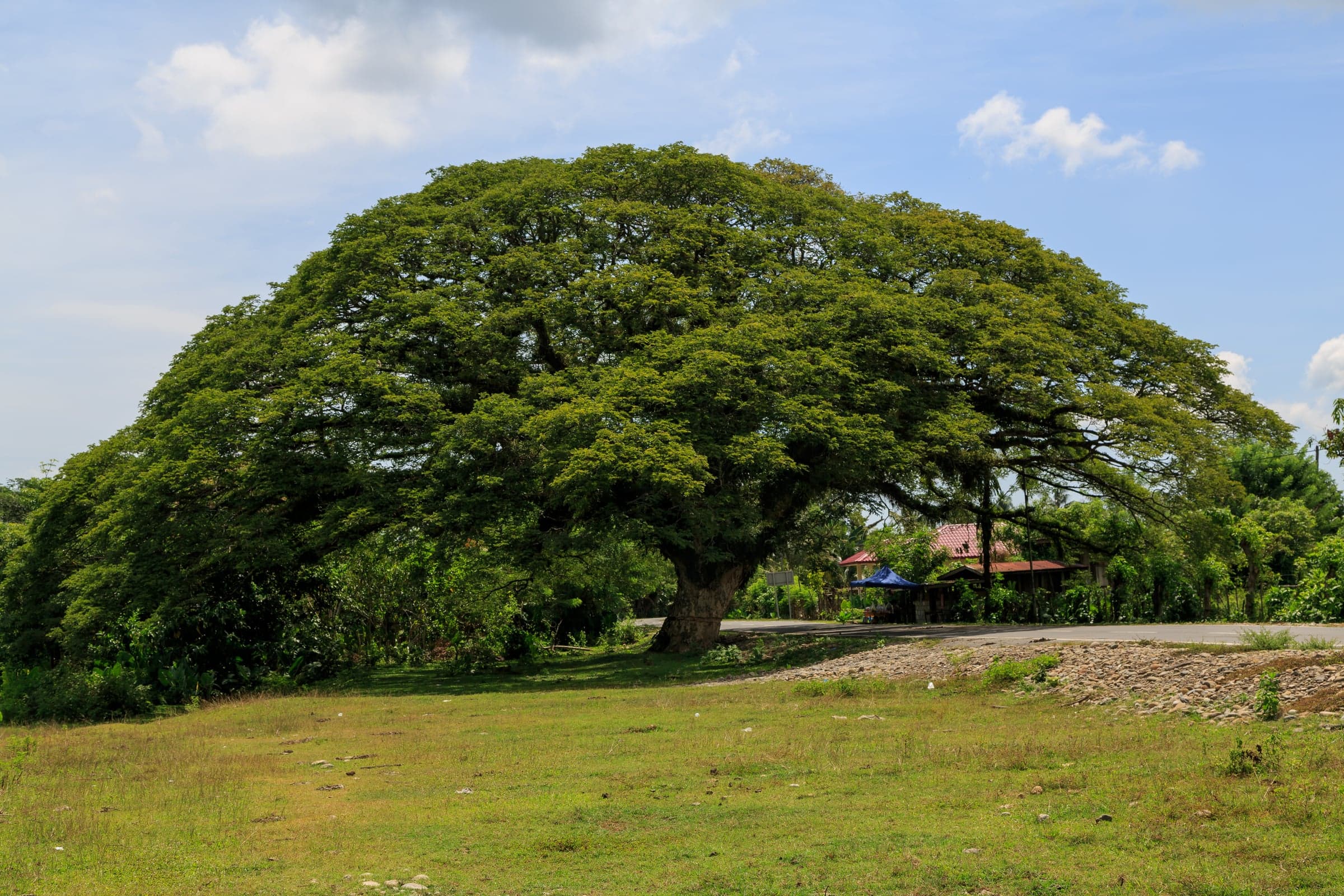
  • Sycamore Maple-træ

    Willow, via Wikimedia Commons

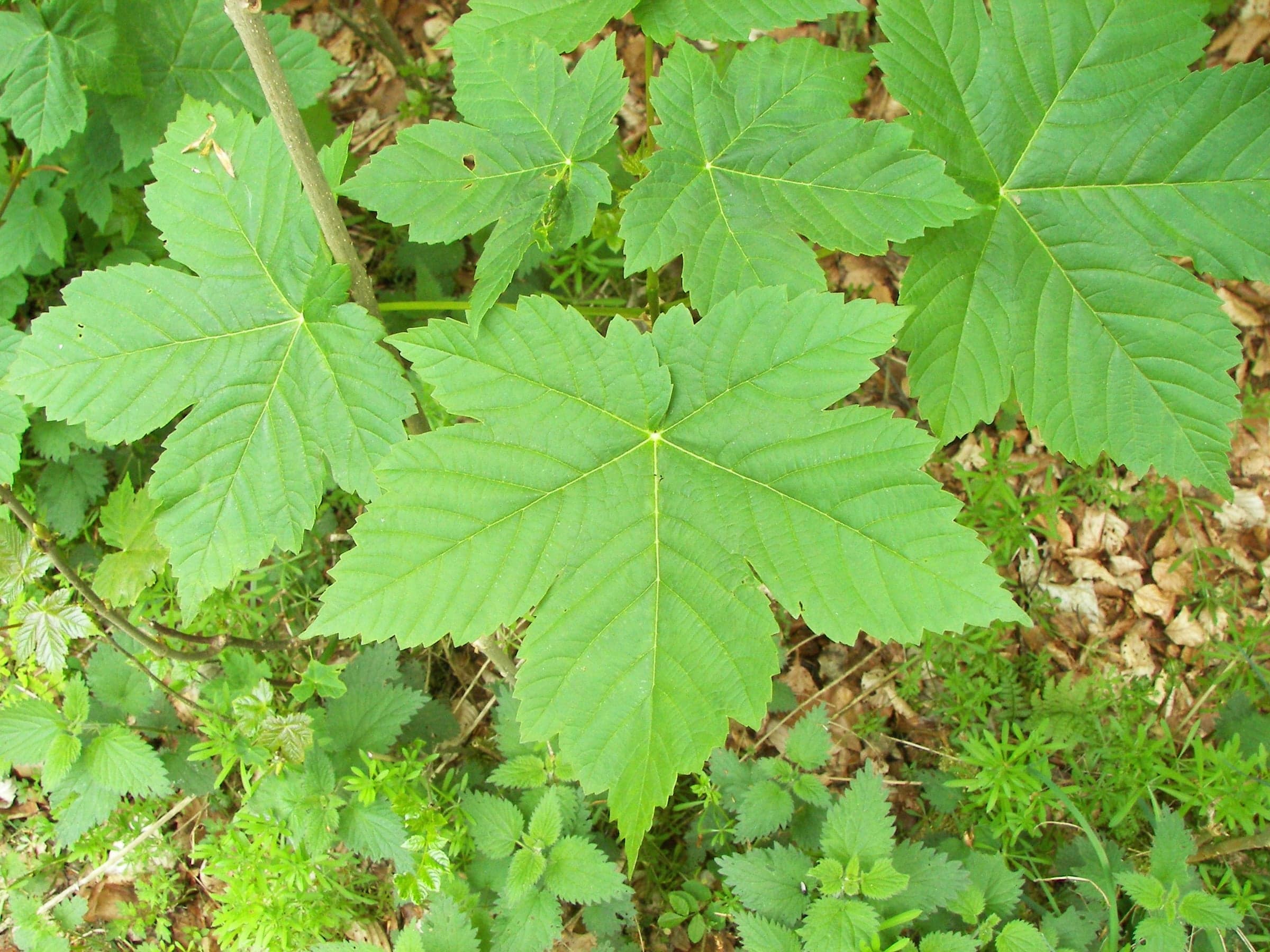
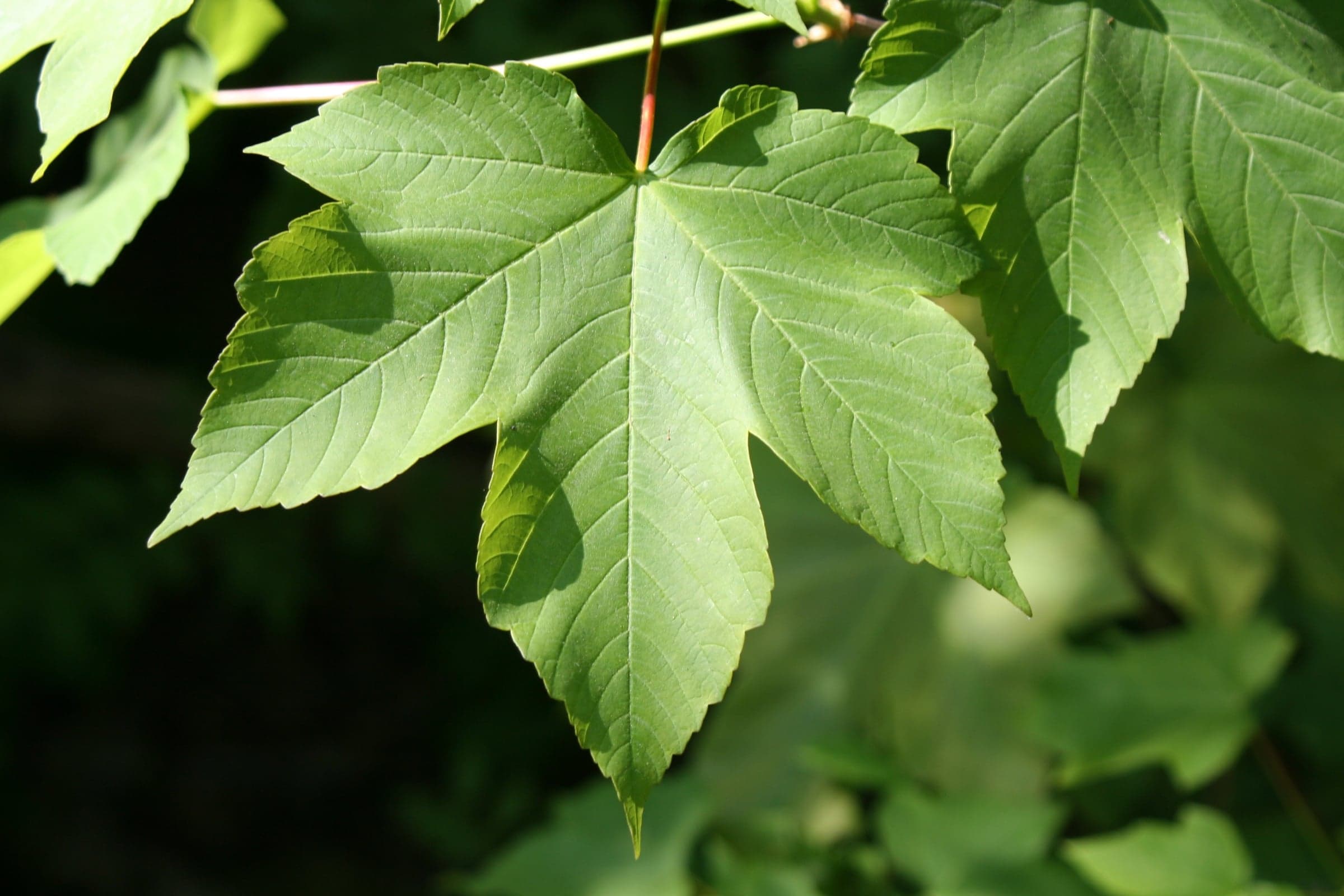
    Sycamore Maple: Blad
    Blad
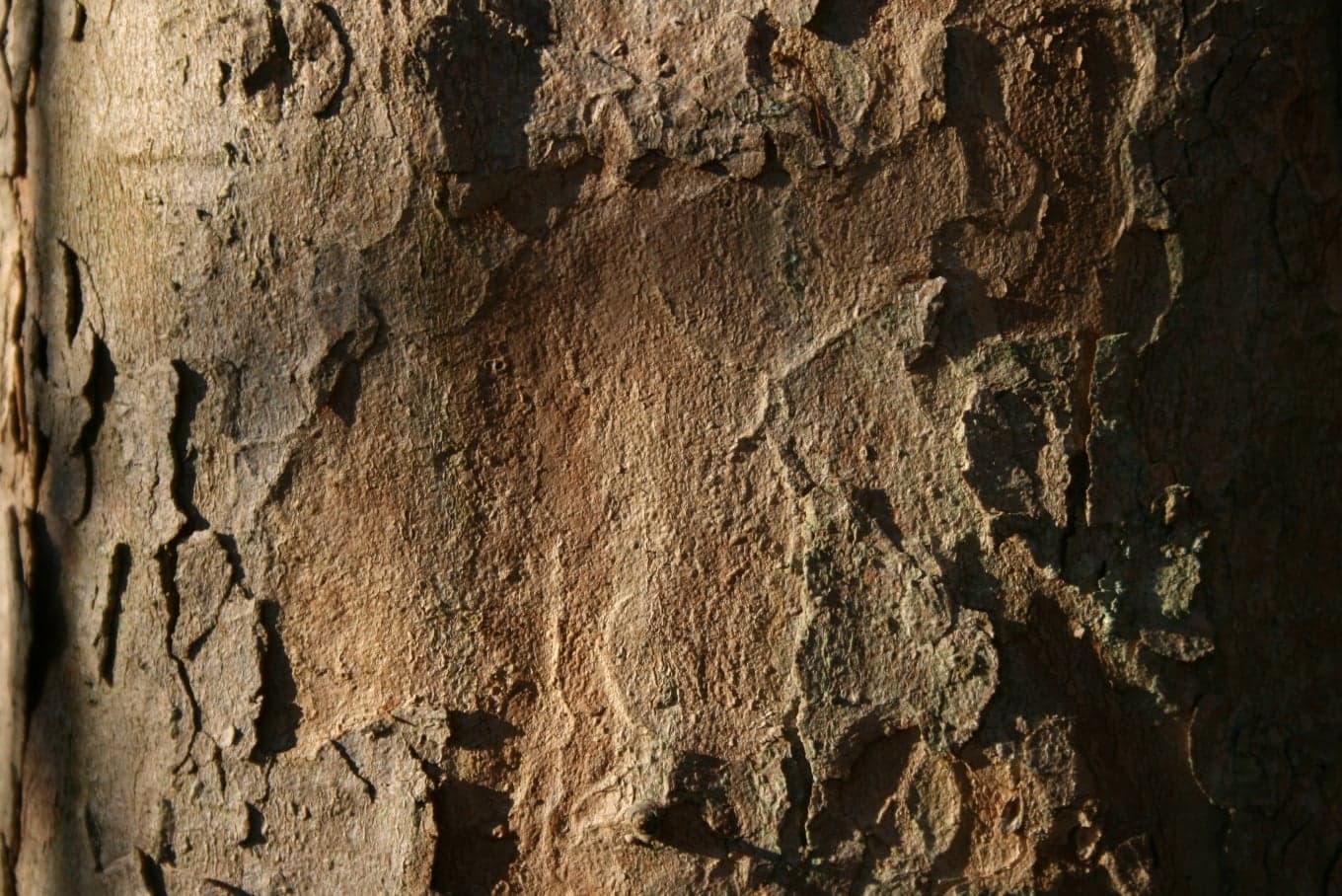
    Sycamore Maple: Træbark
    Træbark
    #

    Rippled or fiddleback sycamore carries a wave in the grain that produces strong horizontal chatoyance shifting with viewing angle. It is the same phenomenon as curly maple.

    It occurs in a minority of trees, cannot be predicted before felling, and carries a substantial premium.

    This is the timber of violin backs, ribs and necks, and has been since the Cremonese makers. Fiddleback sycamore is still sold under that name specifically for instrument work, where the combination of acoustic properties and appearance has never been bettered.

    At the bench#

    Sycamore works cleanly and pleasantly. At 4,680 N it is moderately hard, sitting just below European oak at 4,980 N, and it blunts tooling at a modest rate.

    The fine even texture takes crisp detail and it turns very well. It glues reliably and takes fastenings securely.

    Figured stock tears out readily. Light cuts, sharp tooling and a scraper or high angle plane for the final surface, particularly on fiddleback where the grain reverses continuously.

    It sands to a very fine surface.

    Finishing#

    The staining behaviour is the same trap that maple sets. The dense closed grain absorbs pigment unevenly and blotches, worse on figured stock.

    Use a dye or a gel stain, or leave it clear, which is what most sycamore work calls for anyway given that the colour is the reason for choosing it.

    Kitchen and dairy use#

    Sycamore is rated food safe, closed grained, and has been the traditional European dairy and kitchen timber, used for butter pats, bowls, spoons and worktops because it does not taint food and cleans well.

    It is softer than hard maple at 4,680 N against 6,450 N, so it scars more readily under a knife, and at decay class 5 it must be kept dry.

    Movement#

    Volumetric shrinkage of 11.5 percent is moderate, with tangential at 7.5 percent against radial at 4.0 percent. That is a reasonable differential and sycamore behaves acceptably in wide boards, better than maple or beech.

    Where European Sycamore is the right answer#

    Instrument work, particularly violin backs and ribs. Also pale furniture, kitchen and dairy ware, turned work, marquetry and inlay, and decorative panels where fiddleback figure is the design.

    It is the wrong answer outdoors, and wrong under an oil finish if the white colour is what you are paying for.

    Sourcing and EUDR#

    Not CITES listed and assessed as Least Concern. Common across central and northern Europe and widely planted, with straightforward supply and documentation.

    Drying sycamore, which is where most of it is lost#

    More sycamore is spoiled in the first three weeks after felling than at any other stage, and the cause is always the same: it was stacked flat and left.

    Freshly converted sycamore is wet, pale and full of sugars, which makes it ideal food for the fungi that cause blue and grey staining. Flat stacked in still air, boards discolour from the inside out within weeks, and the grey never comes out.

    The traditional answer is end rearing. Boards are stood on end, leaning, so air moves across both faces and moisture drains rather than pooling. It looks like an odd way to treat timber and it is the difference between white sycamore and grey sycamore.

    If you are buying sycamore, ask how it was dried. If you are drying it yourself, get it standing within days of conversion.

    What figured sycamore is worth checking for#

    Rippled figure is not uniform through a log. It is usually strongest near the base and can fade out entirely further up, so a slab cut from the same tree as a strongly figured one may be plain.

    Look at the figure in raking light from two directions before committing. Ripple that reads strongly from one angle and disappears from another is shallow and may not survive final thicknessing.

    A wave in the grain producing strong horizontal rippling chatoyance across the board, the same phenomenon as curly maple. It occurs in a minority of trees, cannot be predicted from the standing tree, and commands a substantial premium. It is the most sought after form of the species.

    Is it suitable for kitchen surfaces?

    +

    It is rated food safe, closed grained and traditionally used for dairy and kitchen ware precisely because it does not taint food and cleans well. It is softer than hard maple at 4,680 N against 6,450 N, so it will scar more readily, and at decay class 5 it must be kept dry.

    7.5–9.0 %
    Volumetrisk svindSamlet volumenændring fra frisk til ovntørt træ. En lavere værdi betyder større stabilitet.11.5–13.5 %
    Naturlig holdbarhed (EN 350)Europæisk standard for naturlig modstandsdygtighed mod råd, fra 1 (meget holdbar) til 5 (ikke holdbar).Class 5 — Perishable

    Kilder

    • The Wood Database(tilgået 2026-05-09)
    • USDA FPL Wood Handbook FPL-GTR-190 (2010)(tilgået 2026-05-09)
    • Meier, E. — WOOD! Identifying and Using Hundreds of Woods Worldwide (2015)(tilgået 2026-05-09)

    Kort fortalt

    Niveauerne bruger faste intervaller for alle træarter hos KORENA, så de kan sammenlignes direkte. Den målte værdi står under hvert niveau.
    HårdhedModstand mod trykmærker og slidMiddelhårdt

    Janka-hårdhed 4.680 N

    6 % blødere end europæisk eg

    VægtHvor tung en planke er at løfteMellem

    615 kg/m³

    StabilitetHvor lidt det bevæger sig med årstiderneGennemsnitligt

    12,5 % volumetrisk svind

    BearbejdningSavning, høvling, slibning og limningLet

    4,1 / 5 i gennemsnit ved høvlebænken

    Udendørs brugNaturlig modstandsdygtighed mod råd, EN 350Kun indendørs

    EN 350-klasse 5

    • Savning · Meget godHvor rent det skærer, og hvor hårdt det er ved savklinger.1 = vanskelig · 5 = fremragende
    • Høvling · Meget godHvor glat en overflade det giver, og hvor meget det flosser.1 = vanskelig · 5 = fremragende
    • Slibning · Meget godHvor hurtigt det kan slibes glat uden at tilstoppe sandpapiret.1 = vanskelig · 5 = fremragende
    • Drejning · FremragendeHvordan det skærer og efterbehandles på drejebænken.1 = vanskelig · 5 = fremragende
    • Udskæring · Meget godHvor skarpt det holder detaljer under et stemmejern.1 = vanskelig · 5 = fremragende
    • Limning · Meget godHvor pålideligt limsamlinger holder.1 = vanskelig · 5 = fremragende
    • Fastholdelse af skruer/søm · Meget godHvor godt det holder skruer og søm uden at flække.1 = vanskelig · 5 = fremragende
    • Dampbøjning · Meget godHvor godt det tager form efter dampning.1 = vanskelig · 5 = fremragende
    Godt for begyndere
    Let at arbejde med ved høvlebænken og ikke så hårdt, at det slider værktøjet voldsomt.

    Vær opmærksom

    • Ikke til ubehandlet udendørs brugDen naturlige holdbarhed er EN 350-klasse 5 af 5. Brug træet indendørs eller under en vedligeholdt overfladebehandling.
    • Støvet irritererBrug udsugning og maske under slibning og bearbejdning.

    Tryk på en etiket for detaljer.

    Det koster Sycamore Maple-tømmer i Europa lige nu pr. kubikmeter før moms. Tryk på en pris for at se detaljerne.

    • Bedste kævler på auktionUdvalgte kævler af høj kvalitet solgt på tilbudsauktioner, hovedsageligt til finer- og møbelproducenter. Planker skæres af kævler som disse.De fleste priser ligger mellem 153 € og 485 €.Baseret på 80 priser fra 2 regioner.Seneste data 24. sep. 2026
    • Almindelige kævlerStore mængder almindeligt rundtræ solgt af skovejere og statsskovbrug, hovedsageligt til byggeri og industri.De fleste priser ligger mellem 46 € og 110 €.Baseret på 1.175 priser fra 5 regioner.Seneste data 24. sep. 2026

    Bedste kævler på auktion efter land

    • Østrig · 368 € / m³Regioner: Austria30 priserSeneste data 24. sep. 2026
    • Tyskland · 319 € / m³Regioner: Bavaria50 priserSeneste data 24. sep. 2026

    Almindelige kævler efter land

    • Bulgarien · 102 € / m³Regioner: North-West Bulgaria12 priserSeneste data 24. aug. 2026
    • Rumænien · 74 € / m³Regioner: Banat / Crișana, Moldavia (Romania), Transylvania og Wallachia1.163 priserSeneste data 24. sep. 2026

    Hvorfor koster en planke mere end dette?

    Dette er priser på råt tømmer. En planke er det bedste snit af en kævle, tørret i et år eller mere og derefter kontrolleret og målt styk for styk. Kun en lille del af hver kævle bliver til en planke.

    Kilde: KORENA Timber Index · Seneste data 24. sep. 2026

    Se alle regionale priser