KORENA
TræFinished piecesTilbehørPartnerlagreArtikler

Få besked

Hver planke er unik. Når den er solgt, er den væk. Vi sender dig en mail, når nye stykker kommer til salg: nye leverancer, nye træarter og planker, der passer til en projektbeskrivelse.

Et par mails om måneden. Ingen spam, og du kan altid afmelde dig.

KORENA, førsteklasses løvtræ

Ét emne ad gangen.

Verificeret førsteklasses løvtræ, solgt emne for emne. Hver planke fotograferes, måles og sendes fra partnerlageret med et træpas.

Butik

  • Se produkter
  • Solgte planker
  • Spor ordre

Viden

  • Artikler
  • Guider til træsorter
  • Ordliste
  • Sammenlign
  • Forfattere

Hjælp

  • Om os
  • Sådan fungerer det
  • Bliv partnerlager
  • Find en planke
  • Kundeservice
  • Dokumentskabeloner
  • Presse

Køb

  • Salgsbetingelser
  • Fortrydelsesret
  • Returnering og garanti
  • Forsendelse og levering

Tryghed

  • Privatlivspolitik
  • Cookiepolitik
  • Træets oprindelse og EUDR
  • Tilgængelighed

Virksomhedsoplysninger

  • Juridiske oplysninger
  • Acceptabel brug
  • Immaterielle rettigheder og indhold

© 2026 KORENA. Alle rettigheder forbeholdes.

Drives af Martial Labs Ltd. (BG, EIK 207453941). KORENA er et handelsnavn tilhørende Martial Labs Ltd.

Vi respekterer dit privatliv

Vi bruger nødvendige cookies, så hjemmesiden fungerer. Med din tilladelse bruger vi også cookies til analyse, personligt tilpasset indhold og annoncer. Du kan til enhver tid ændre dit valg på siden med samtykkeindstillinger. Se vores cookiepolitik og privatlivspolitik.

  1. Forside
  2. /
  3. Træarter
  4. /
  5. Red Oak

Quercus rubra

Red Oak

Harder than European oak and cheaper, with pores open enough to blow air through. An interior wood, and only an interior wood.

  • Dyrket uden for Europa og importeret gennem europæiske partnersavværker.
  • Botanisk gruppe. Nåletræ kommer fra nåletræer, løvtræ fra bredbladede træer.
  • Den botaniske familie, som træarten tilhører.
Få besked, når den kommerReferencetræart. Ingen planker på lager lige nu.
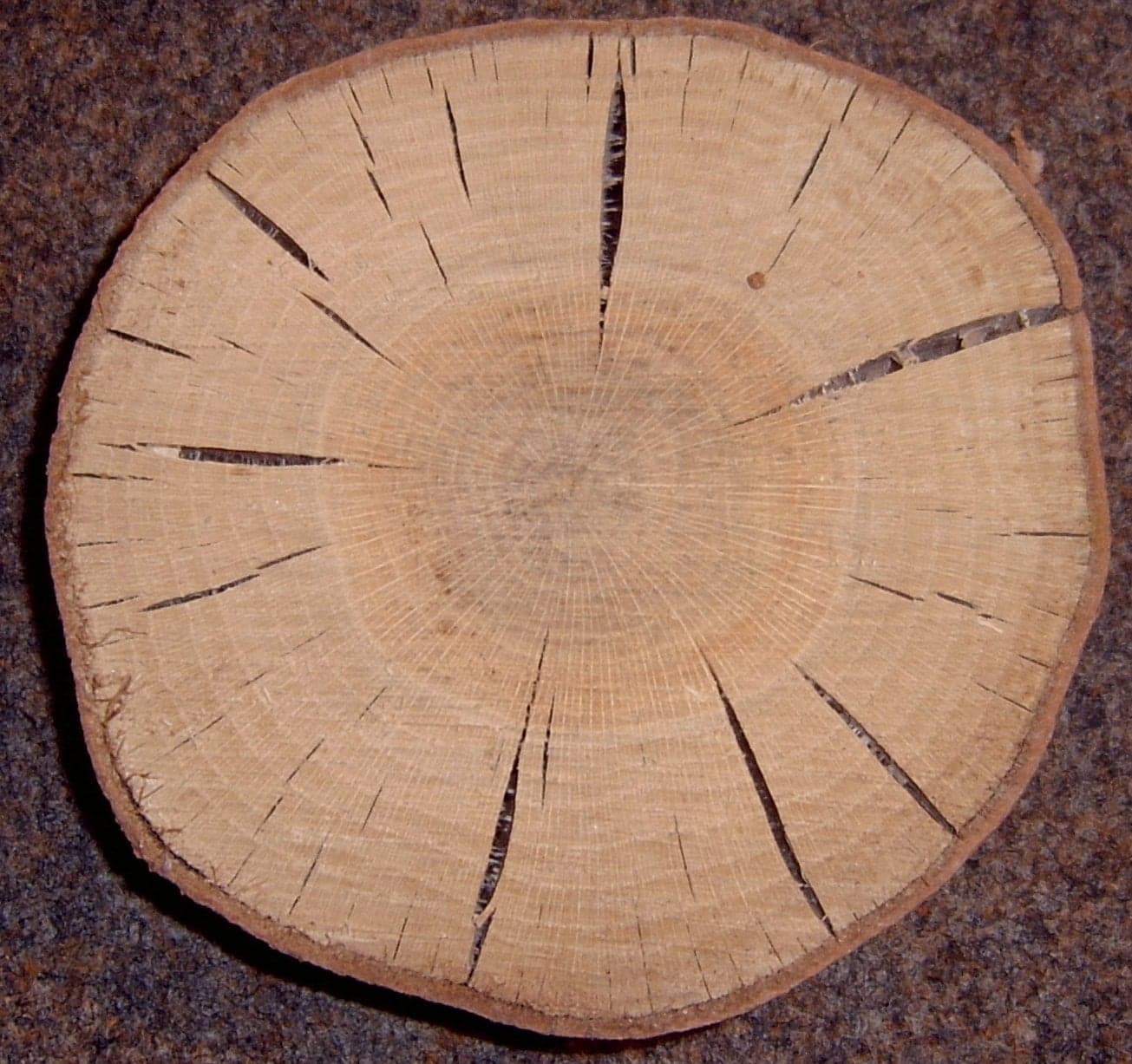
Åretegning i Red Oak
  • Egnethed til projektet
  • På lager
  • Udseende
  • Bearbejdning
  • Bevægelse
  • Pris
  • Sikkerhed og indkøb
  • Spørgsmål
  • Tekniske data

Passer det til dit projekt?

Velegnet til

  • Interior furniture
  • Flooring
  • Cabinetry
  • Painted and stained joinery
  • Shelving

Ingen Red Oak i det aktuelle parti

Lignende træarter på lager

Ingen Red Oak lige nu. Disse træarter egner sig til de samme projekter og findes på lager.
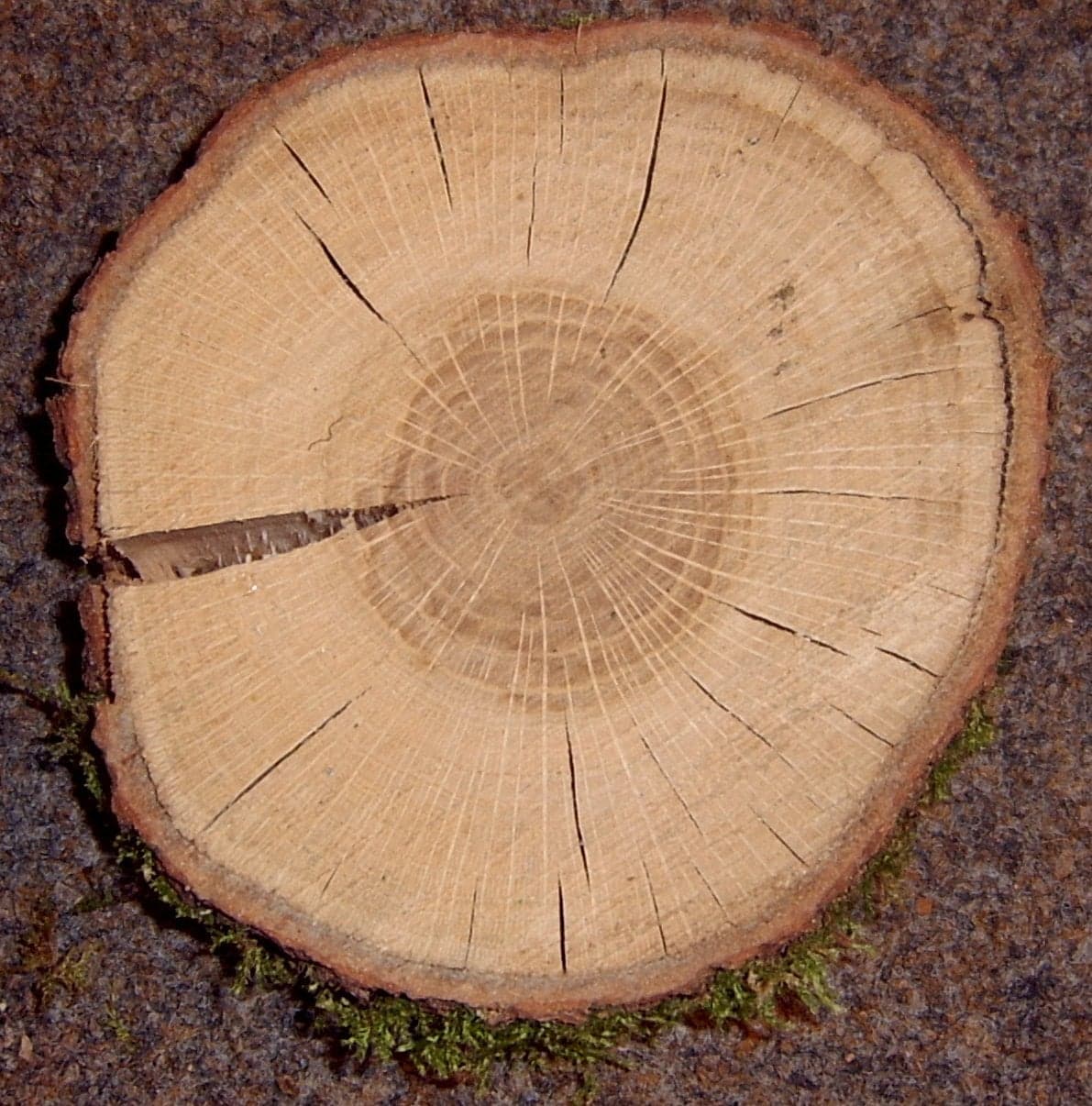
  • Åretegning i European Oak

    European Oak

    Quercus robur

    6 planker

  • Åretegning i European Walnut

    European Walnut

    Juglans regia

    9 planker

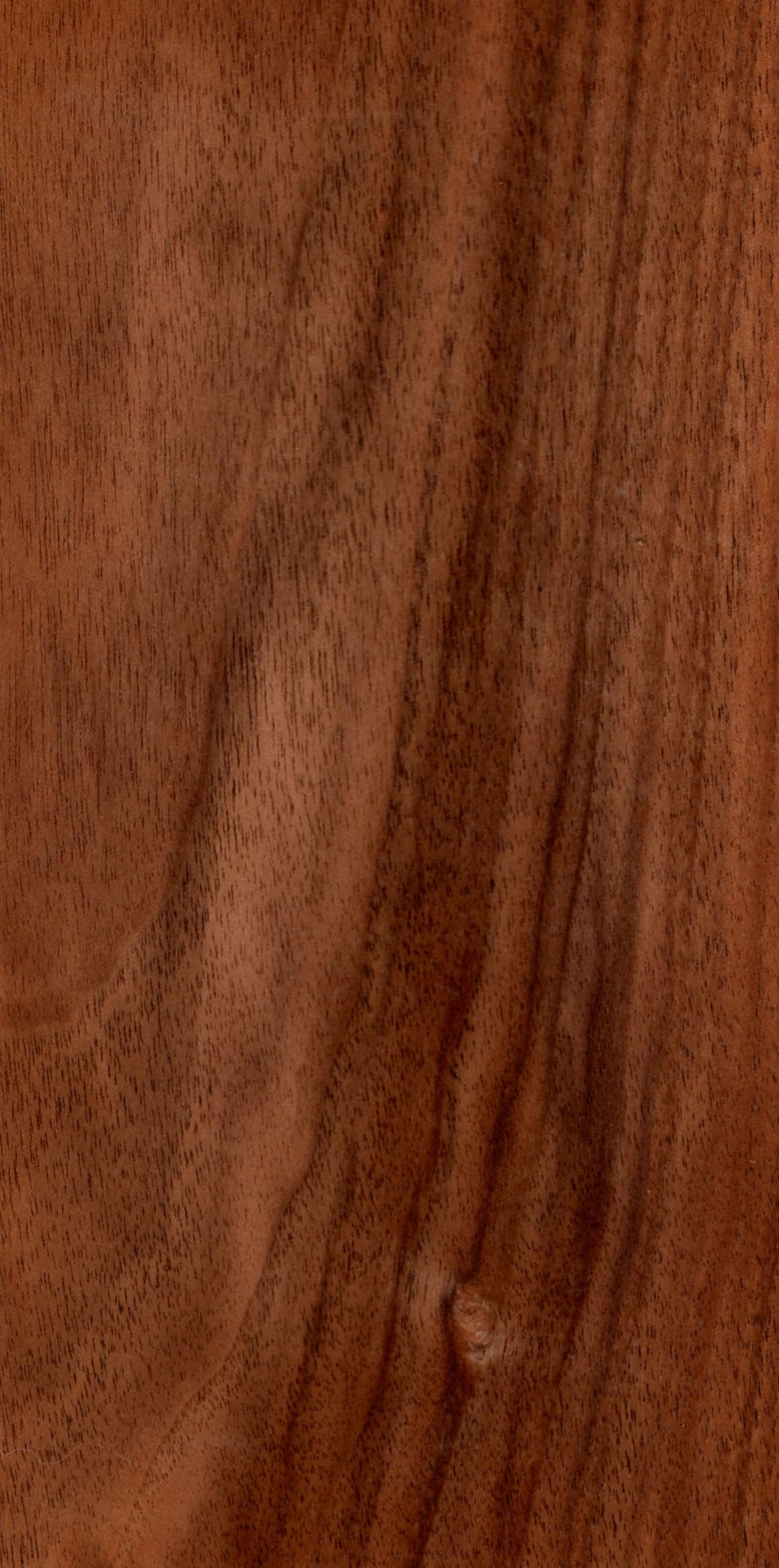
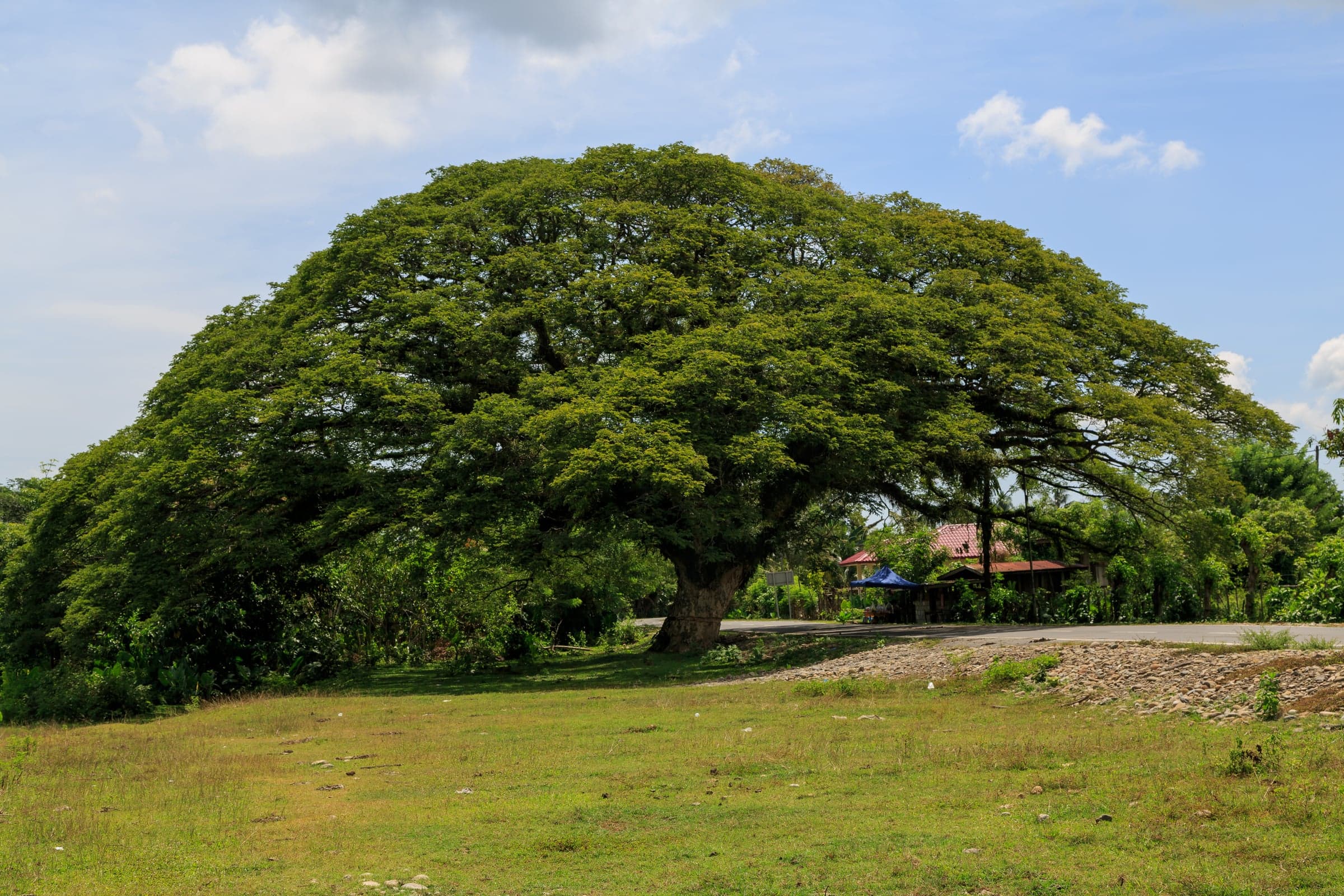
  • Åretegning i Saman

    Saman

    Samanea saman

    4 planker

Få besked om Red Oak

Vi sender dig en e-mail, når nye planker i Red Oak kommer til KORENA. Hver planke er unik, så det betaler sig at få besked tidligt.

Et par mails om måneden. Ingen spam, og du kan altid afmelde dig.

Træets udseende

Sådan ser det ud

Light to mid brown with a distinct reddish or pinkish cast that separates it clearly from the European oaks. Grain is straight and the texture coarse, with very large open pores in the earlywood. Those pores are the defining practical fact about this wood: they run continuously along the grain and are open enough that the species will not hold liquid, which is why red oak was never used for barrels.

  • Light to mid brown with a reddish or pinkish cast
  • Very large open pores in the earlywood
  • Ray fleck present on quartersawn faces but finer than white oak
  • Straight grain, coarse texture, very large open earlywood pores that run continuously along the grain. Light to mid brown with a distinct reddish cast.

Bearbejdning

Bearbejdning

Produces good results with hand and machine tools and it glues and finishes well. It blunts cutters moderately as all oaks do. The dimensional stability is described in the cited source as mediocre, so it moves more than its numbers alone suggest. The very large open pores require substantial grain filling for any smooth finish, more than European oak needs.

Overfladebehandling

Takes stain and finish well and is frequently stained to imitate more expensive species, which it does convincingly. The large open pores need heavy grain filling for a smooth surface. The reddish cast can fight a warm stain and go orange, so test on an offcut. Tannins react with iron exactly as in the European oaks, so brass or stainless fittings only.

Tørring

Dries reasonably but shares the oak family requirement for a slow schedule, and it is prone to checking and honeycomb if pushed. Volumetric shrinkage of 13.7 percent with tangential at 8.6 against radial at 4.0 percent gives a wide ratio, so flatsawn boards cup. The cited source specifically notes mediocre dimensional stability in service, which is worth weighing against European oak for anything that must stay flat.

Hvor meget bevæger det sig?

Træ udvider og trækker sig sammen på tværs af bredden, når luften bliver fugtigere og tørrere. Beregn den forventede sæsonbevægelse i en bordplade af Red Oak, før du udformer beslagene.

Opskæring
Hvor den skal stå

Forventet sæsonbevægelse

ca. 9,8 mm

Fastgør bordpladen med sargklodser eller beslag med langhuller, ikke med lim eller stramme skruer.

Lineær svindmodel: bredde × (svind ÷ 28 % fibermætning) × sæsonudsving i fugtighed. Bruger 8,6 % tangentialt svind for Red Oak. Et planlægningsskøn, ikke en garanti.

Hvad det koster

Sikkerhed og indkøb

  • Dyrket uden for Europa og importeret gennem europæiske partnersavværker.
  • Status på IUCNs rødliste: den globale bevaringsvurdering for denne træart.
  • Oak is a documented sensitiser and reactions usually include eye and skin irritation. Severe reactions are rare. Repeated exposure to oak dust carries elevated nasal cancer risk, so extraction is not optional in a production setting.

Læs hele guidenDybdegående noter om tegning, farveændring, bearbejdning og stabilitet.+

What Red Oak actually is#

Quercus rubra is the most commercially important hardwood in the United States and has been planted across Europe since the eighteenth century. European grown material is now common enough in the EU market that buying it does not necessarily mean importing from North America, which matters for both documentation and carbon.

It is harder than European oak, stiffer than European oak, and cheaper than European oak. It is also, in one specific and consequential way, a fundamentally different material.

The pores, which decide everything#

In white oak and the European oaks, the large earlywood pores are plugged with tyloses, balloon like ingrowths that seal the vessels. In red oak they are not. The pores run open and continuous along the grain.

The old demonstration is to take a short length of red oak, dip one end in soapy water and blow through the other. Bubbles come out. You cannot do that with white oak.

Everything practical about this species follows from that:

It was never used for barrels, because it will not hold liquid. It is rated non-durable to perishable with poor insect resistance, so it has no business outdoors. It is recorded in this catalogue as not food safe, unlike the European oaks, because open pores hold moisture and residue that a closed grain wood does not. And it needs far more grain filler than European oak to reach a smooth finish.

Spørgsmål fra købere

Det spørger købere om

Why is Red Oak not suitable for outdoor use or barrels?

+

Its earlywood pores are very large and run continuously along the grain, so the wood behaves like a bundle of straws. Liquid passes straight through it, which is why white oak was always the cooperage timber and red oak never was. Combined with a decay rating of non-durable to perishable and poor insect resistance, it should be treated as an interior wood only.

Is Red Oak harder than European Oak?

+

Yes, measurably. It is 5,430 N on the Janka scale against 4,980 N for European oak, and its elastic modulus of 12.14 GPa is higher too. Hardness is not the reason to prefer European oak; durability, stability and colour are.

Is it safe for a cutting board?

+

KORENA records it as not food safe, and that is a deliberate distinction from the European oaks. The very large open pores hold moisture and food residue in a way closed grain species do not, and the wood is rated non-durable. For food contact choose hard maple or a similarly dense closed grain species.

How do I tell it from European Oak?

+

Mekaniske egenskaber

Tekniske data

Offentliggjorte referenceværdier. Når kilderne er uenige, vises intervallet, og den typiske værdi bruges til skalaerne ovenfor.

Massefylde (kg/m³)Masse pr. kubikmeter ved ca. 12 % fugtighed. Tungere træ er normalt hårdere og stærkere.700 kg/m³
Janka-hårdhed (N)Den kraft, der skal til for at presse en stålkugle halvt ind i træet. Standardmålet for modstand mod trykmærker.5,430 N
MOR: brudmodul (MPa)Bøjningsstyrke: den belastning, hvor en bjælke brækker.99 MPa
MOE: elasticitetsmodul (GPa)Bøjningsstivhed: hvor meget en hylde eller bordplade bøjer ned under belastning.12.1 GPa
Radialt svindSvind på tværs af årringene fra frisk til ovntørt træ. Kvartskårne brædder bevæger sig på denne måde.4.0 %
Tangentialt svindSvind langs årringene. Plansavede brædder og de fleste planker bevæger sig på denne måde.8.6 %

No machine-readable author provided. Lumbar~commonswiki assumed (based on copyright claims)., via Wikimedia Commons

Quercus rubra is native to eastern North America and is the most commercially important hardwood in the United States. It has also been planted widely across Europe since the eighteenth century and European grown material is increasingly common in the EU market, which shortens the supply chain considerably compared with imported American stock.

  • Not listed in the CITES Appendices and assessed by the IUCN as Least Concern. It is abundant and among the most heavily harvested hardwoods in North America. For EUDR purposes, European grown Quercus rubra offers a considerably shorter and simpler supply chain than imported American material, and it is increasingly available.

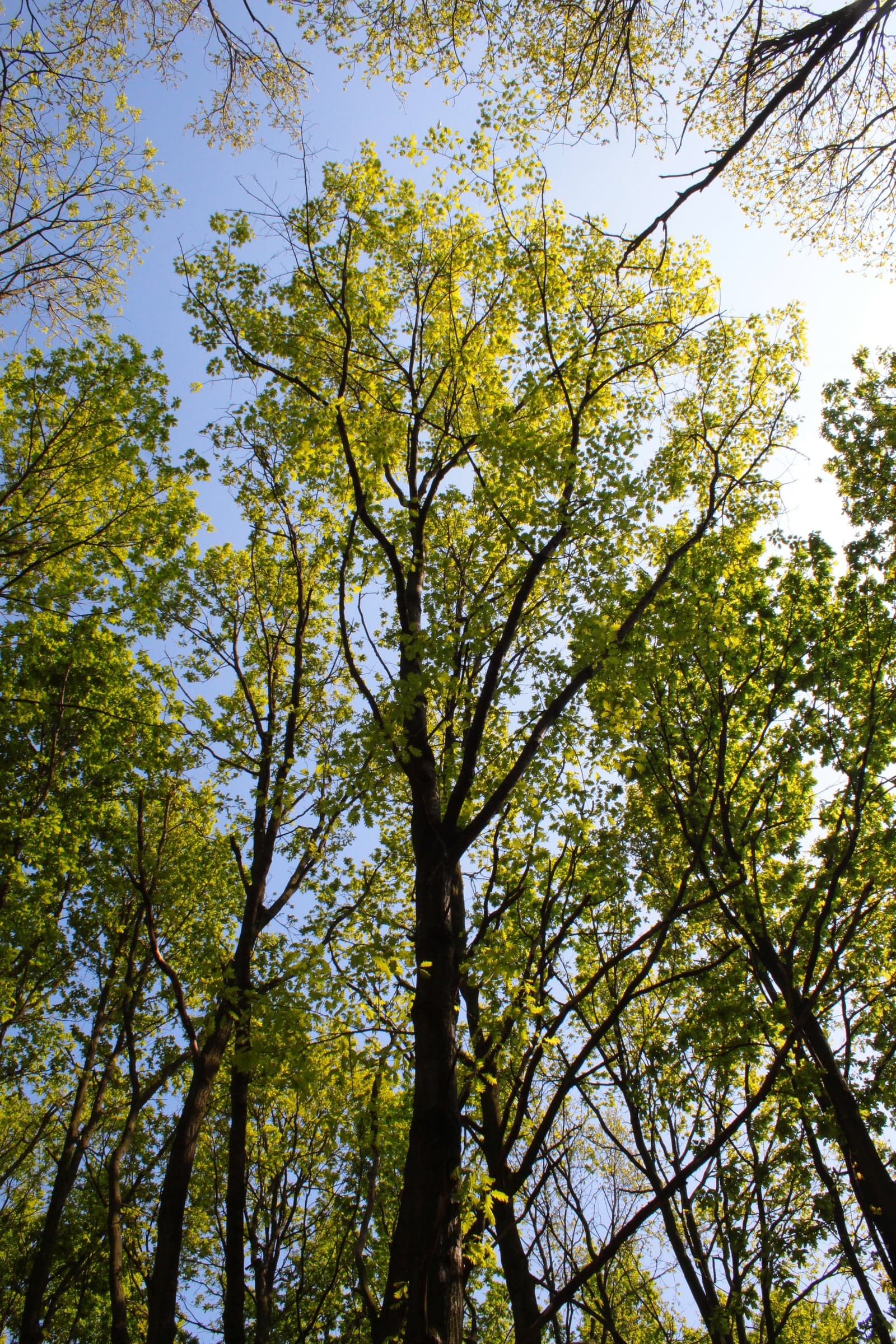
  • Red Oak-træ

    Crusier, via Wikimedia Commons

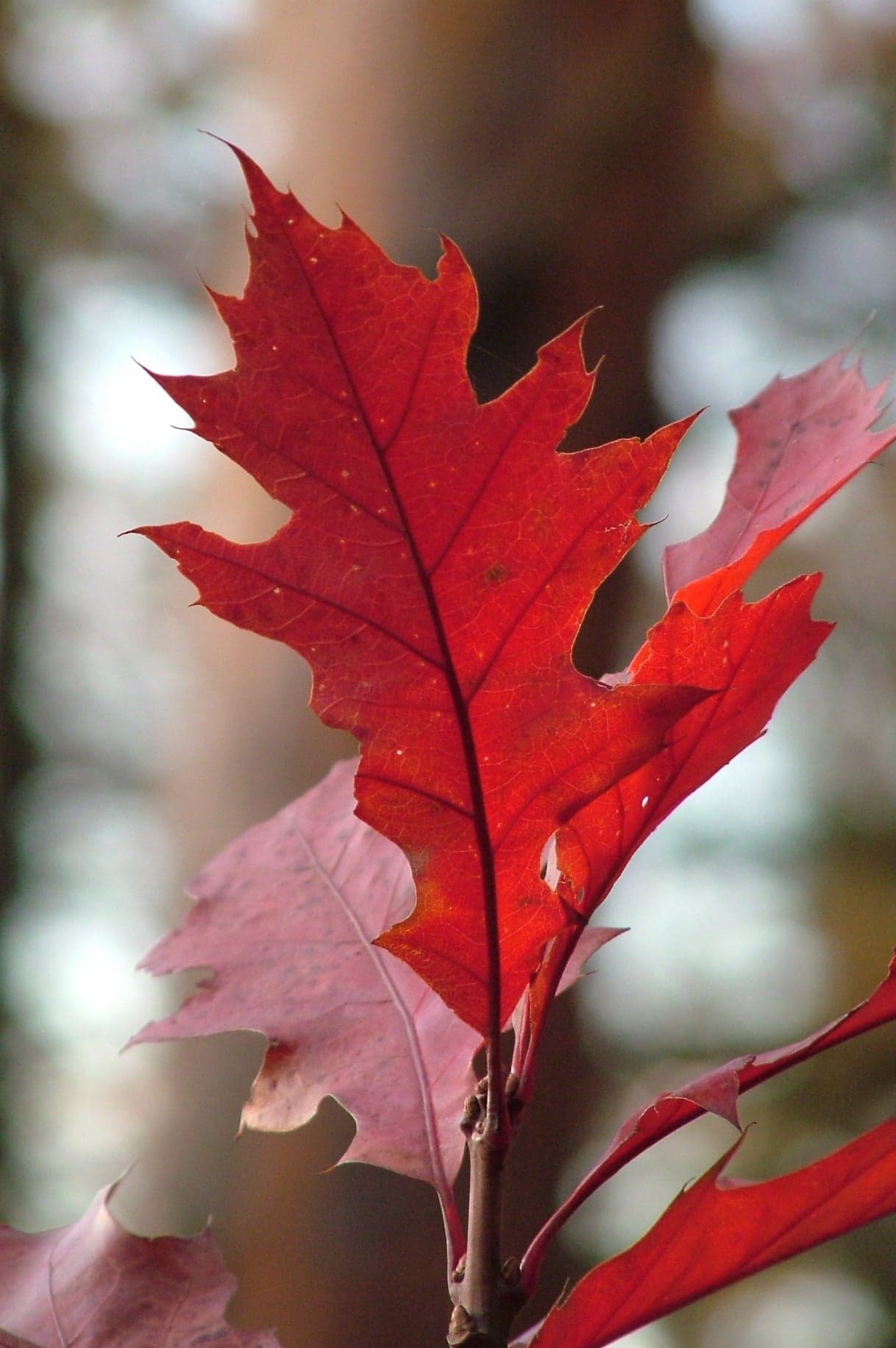
    Red Oak: Blad
    Blad

    None of that makes it a bad wood. It makes it an interior wood, and within that boundary it is an excellent and economical one.

    Reading a Red Oak slab#

    The colour is the quick identifier: a distinct pink or reddish cast through the light to mid brown, clearly different from the tan and olive of European oak.

    The reliable identifier is the end grain under a lens. Open earlywood pores mean red oak; pores plugged with tyloses mean white or European oak. If a supplier's label and the end grain disagree, believe the end grain.

    Ray fleck appears on quartersawn faces but is finer and less dramatic than in white oak or sessile oak. Buyers hoping for bold silvery fleck should look elsewhere.

    At the bench#

    It produces good results with hand and machine tools, glues well, and finishes well. It blunts cutters moderately, like all oaks.

    The cited source describes its dimensional stability as mediocre, and that word is worth taking seriously. Volumetric shrinkage of 13.7 percent is not extreme, but the tangential to radial ratio of 8.6 against 4.0 percent is wide, and red oak has a reputation for moving more in service than its figures predict. For a wide top that must stay flat, European oak quartersawn is the safer specification.

    Grain filling is more work here than on European oak. Those large open pores swallow filler and often need two applications for a genuinely smooth surface. Many makers simply leave the texture, which suits the wood.

    Finishing, and one trap#

    Red oak takes stain and finish readily and is very commonly stained to imitate more expensive species, which it does convincingly.

    The trap is its own colour. The natural pink cast fights warm stains and can push a finish orange, particularly with amber toned oils. Test on an offcut from the same slab before committing, and consider a cooler toned stain to counteract it.

    The tannin and iron reaction applies here as in every oak. Steel screws, steel wool and steel clamp bars all produce blue black staining on contact with damp oak. Use brass or stainless throughout.

    Where Red Oak is the right answer#

    Interior furniture, flooring, cabinetry, shelving and joinery that will be stained or painted. It is hard at 5,430 N, stiff at 12.14 GPa, widely available and inexpensive relative to European oak.

    It is the wrong answer outdoors in any form, for food contact surfaces, for cooperage or anything holding liquid, and for a wide panel where dimensional stability is the governing requirement.

    Sourcing and EUDR#

    Not listed in the CITES Appendices and assessed by the IUCN as Least Concern. The species is abundant and heavily harvested across eastern North America.

    The EUDR consideration is the same one that applies to Douglas Fir in this catalogue: European grown plantation material offers a much shorter and simpler documentation path than imported North American stock, along with lower transport carbon. It is increasingly available. KORENA listings record the partner yard and region, so which one you are buying is visible on the passport.

    Colour is the quick check: red oak carries a distinct pink or red cast where European oak runs tan to olive brown. The reliable check is the end grain. Look at the large earlywood pores with a lens; in red oak they are open, in white and European oak they are plugged with tyloses, which is exactly why one holds liquid and the other does not.

    Is European grown Red Oak different from American?

    +

    It is the same species and the working properties are comparable. The meaningful difference is the supply chain. European grown material has a much shorter and simpler documentation path under EUDR and lower transport carbon than imported American stock, and it is increasingly available in the EU market.

    Volumetrisk svindSamlet volumenændring fra frisk til ovntørt træ. En lavere værdi betyder større stabilitet.
    13.7 %
    Naturlig holdbarhed (EN 350)Europæisk standard for naturlig modstandsdygtighed mod råd, fra 1 (meget holdbar) til 5 (ikke holdbar).Class 5 — Perishable

    Kilder

    • The Wood Database — Red Oak (Quercus rubra)(tilgået 2026-08-12)
    • USDA FPL Wood Handbook FPL-GTR-190 (2010)(tilgået 2026-08-12)
    • Meier, E. — WOOD! Identifying and Using Hundreds of Woods Worldwide (2015)(tilgået 2026-08-12)

    Styrker

    • Bøjer godtBedømt til 4 af 5 for dampbøjning. Kan formes i snævre kurver.

    Vær opmærksom

    • Ikke til ubehandlet udendørs brugDen naturlige holdbarhed er EN 350-klasse 5 af 5. Brug træet indendørs eller under en vedligeholdt overfladebehandling.
    • Bevæger sig mere end de flesteBrede bordplader kræver sargklodser eller beslag med langhuller og plads til bevægelse. Brug bevægelsesberegneren nedenfor.
    • Støvet irritererBrug udsugning og maske under slibning og bearbejdning.
    • Ikke egnet til kontakt med fødevarerVælg en anden træart til skærebrætter og serveringsdele.

    Tryk på en etiket for detaljer.

    Kort fortalt

    Niveauerne bruger faste intervaller for alle træarter hos KORENA, så de kan sammenlignes direkte. Den målte værdi står under hvert niveau.
    HårdhedModstand mod trykmærker og slidMiddelhårdt

    Janka-hårdhed 5.430 N

    9 % hårdere end europæisk eg

    VægtHvor tung en planke er at løfteTung

    700 kg/m³

    StabilitetHvor lidt det bevæger sig med årstiderneLivligt

    13,7 % volumetrisk svind

    BearbejdningSavning, høvling, slibning og limningMiddel

    3,9 / 5 i gennemsnit ved høvlebænken

    Udendørs brugNaturlig modstandsdygtighed mod råd, EN 350Kun indendørs

    EN 350-klasse 5

    • Savning · Meget godHvor rent det skærer, og hvor hårdt det er ved savklinger.1 = vanskelig · 5 = fremragende
    • Høvling · Meget godHvor glat en overflade det giver, og hvor meget det flosser.1 = vanskelig · 5 = fremragende
    • Slibning · Meget godHvor hurtigt det kan slibes glat uden at tilstoppe sandpapiret.1 = vanskelig · 5 = fremragende
    • Drejning · Meget godHvordan det skærer og efterbehandles på drejebænken.1 = vanskelig · 5 = fremragende
    • Udskæring · GodHvor skarpt det holder detaljer under et stemmejern.1 = vanskelig · 5 = fremragende
    • Limning · Meget godHvor pålideligt limsamlinger holder.1 = vanskelig · 5 = fremragende
    • Fastholdelse af skruer/søm · Meget godHvor godt det holder skruer og søm uden at flække.1 = vanskelig · 5 = fremragende
    • Dampbøjning · Meget godHvor godt det tager form efter dampning.1 = vanskelig · 5 = fremragende

    Der er endnu ingen markedsreference for Red Oak. Hver KORENA-planke prissættes individuelt af partnersavværket.