KORENA
TræFinished piecesTilbehørPartnerlagreArtikler

Få besked

Hver planke er unik. Når den er solgt, er den væk. Vi sender dig en mail, når nye stykker kommer til salg: nye leverancer, nye træarter og planker, der passer til en projektbeskrivelse.

Et par mails om måneden. Ingen spam, og du kan altid afmelde dig.

KORENA, førsteklasses løvtræ

Ét emne ad gangen.

Verificeret førsteklasses løvtræ, solgt emne for emne. Hver planke fotograferes, måles og sendes fra partnerlageret med et træpas.

Butik

  • Se produkter
  • Solgte planker
  • Spor ordre

Viden

  • Artikler
  • Guider til træsorter
  • Ordliste
  • Sammenlign
  • Forfattere

Hjælp

  • Om os
  • Sådan fungerer det
  • Bliv partnerlager
  • Find en planke
  • Kundeservice
  • Dokumentskabeloner
  • Presse

Køb

  • Salgsbetingelser
  • Fortrydelsesret
  • Returnering og garanti
  • Forsendelse og levering

Tryghed

  • Privatlivspolitik
  • Cookiepolitik
  • Træets oprindelse og EUDR
  • Tilgængelighed

Virksomhedsoplysninger

  • Juridiske oplysninger
  • Acceptabel brug
  • Immaterielle rettigheder og indhold

© 2026 KORENA. Alle rettigheder forbeholdes.

Drives af Martial Labs Ltd. (BG, EIK 207453941). KORENA er et handelsnavn tilhørende Martial Labs Ltd.

Vi respekterer dit privatliv

Vi bruger nødvendige cookies, så hjemmesiden fungerer. Med din tilladelse bruger vi også cookies til analyse, personligt tilpasset indhold og annoncer. Du kan til enhver tid ændre dit valg på siden med samtykkeindstillinger. Se vores cookiepolitik og privatlivspolitik.

  1. Forside
  2. /
  3. Træarter
  4. /
  5. Sweet Chestnut

Castanea sativa

Sweet Chestnut

A lighter, softer cousin of oak. Tannin-rich heartwood gives it real durability outdoors, but those same tannins react with iron, so fixings need to be stainless or brass.

  • Dyrket og fældet i Europa.
  • Botanisk gruppe. Nåletræ kommer fra nåletræer, løvtræ fra bredbladede træer.
  • Den botaniske familie, som træarten tilhører.
Få besked, når den kommerReferencetræart. Ingen planker på lager lige nu.
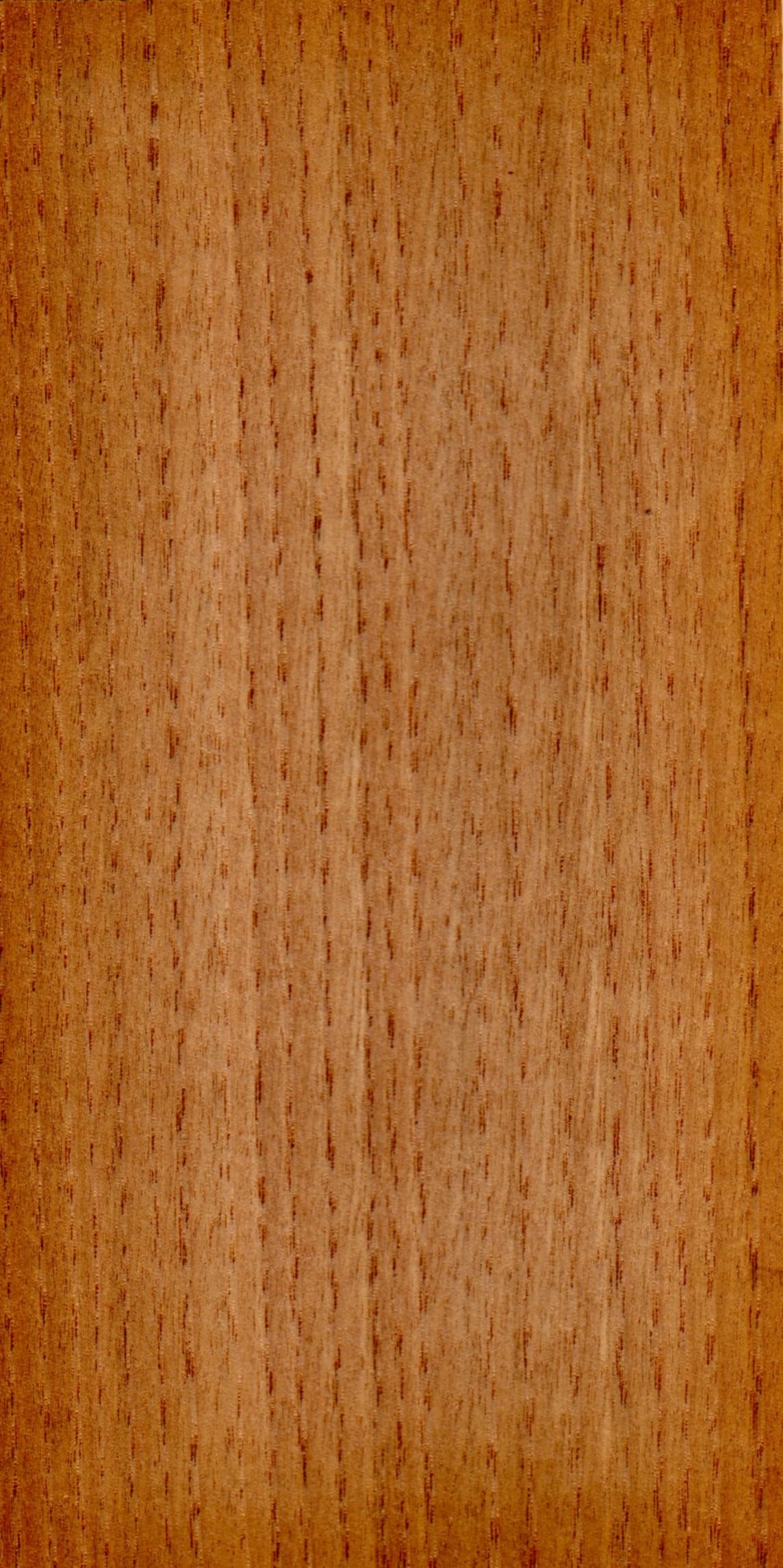
Åretegning i Sweet Chestnut
  • Egnethed til projektet
  • På lager
  • Udseende
  • Bearbejdning
  • Bevægelse
  • Pris
  • Sikkerhed og indkøb
  • Spørgsmål
  • Tekniske data

Passer det til dit projekt?

Velegnet til

  • External cladding and rainscreens
  • Interior wall and ceiling panelling
  • Barn-style and rustic furniture frames
  • Garden furniture and pergolas
  • Coopered tanks, vats, and planters
  • Beams and exposed structural framing

Ingen Sweet Chestnut i det aktuelle parti

Lignende træarter på lager

Ingen Sweet Chestnut lige nu. Disse træarter egner sig til de samme projekter og findes på lager.
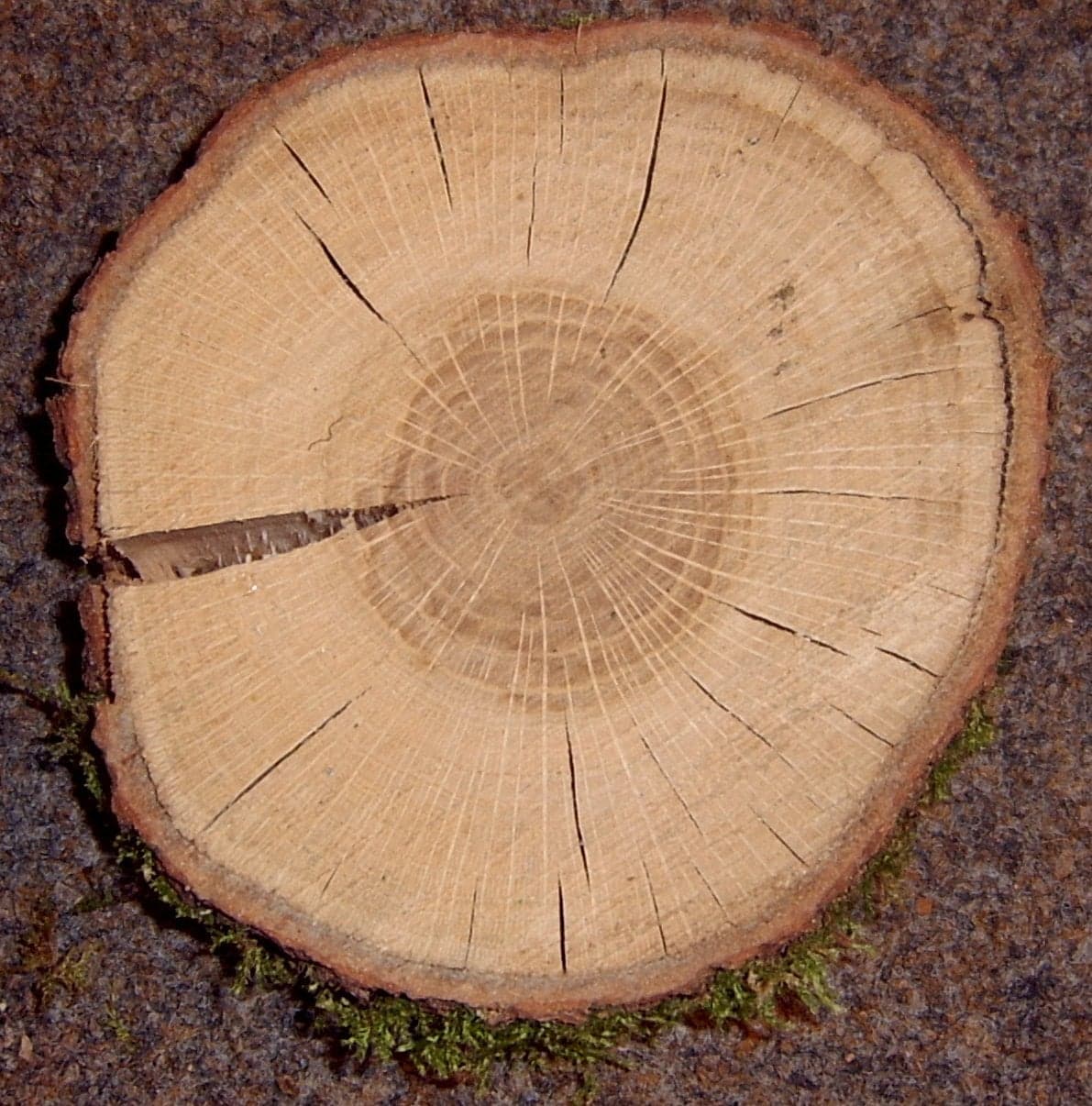
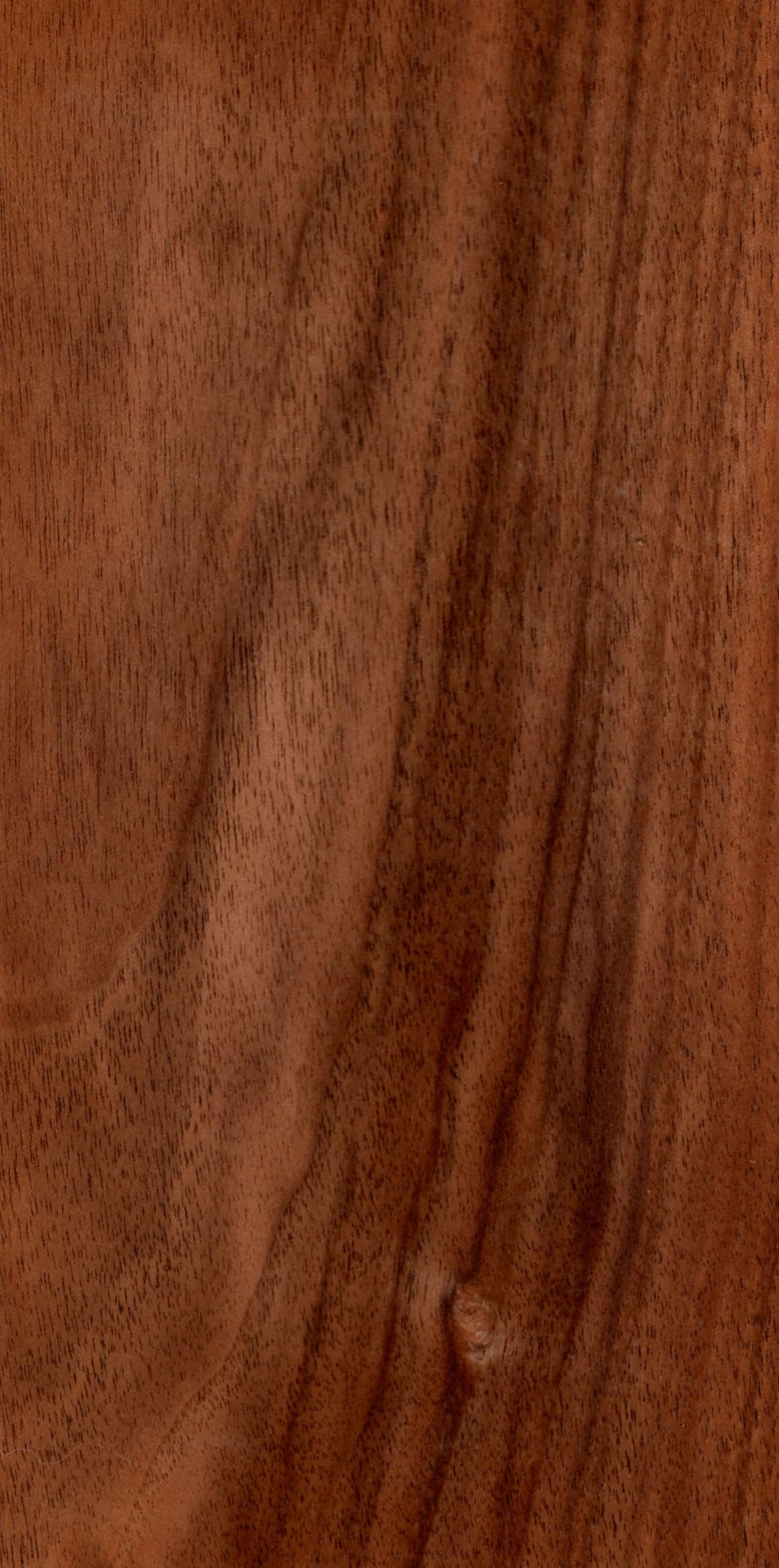
  • Åretegning i European Oak

    European Oak

    Quercus robur

    6 planker

  • Åretegning i European Walnut

    European Walnut

    Juglans regia

    9 planker

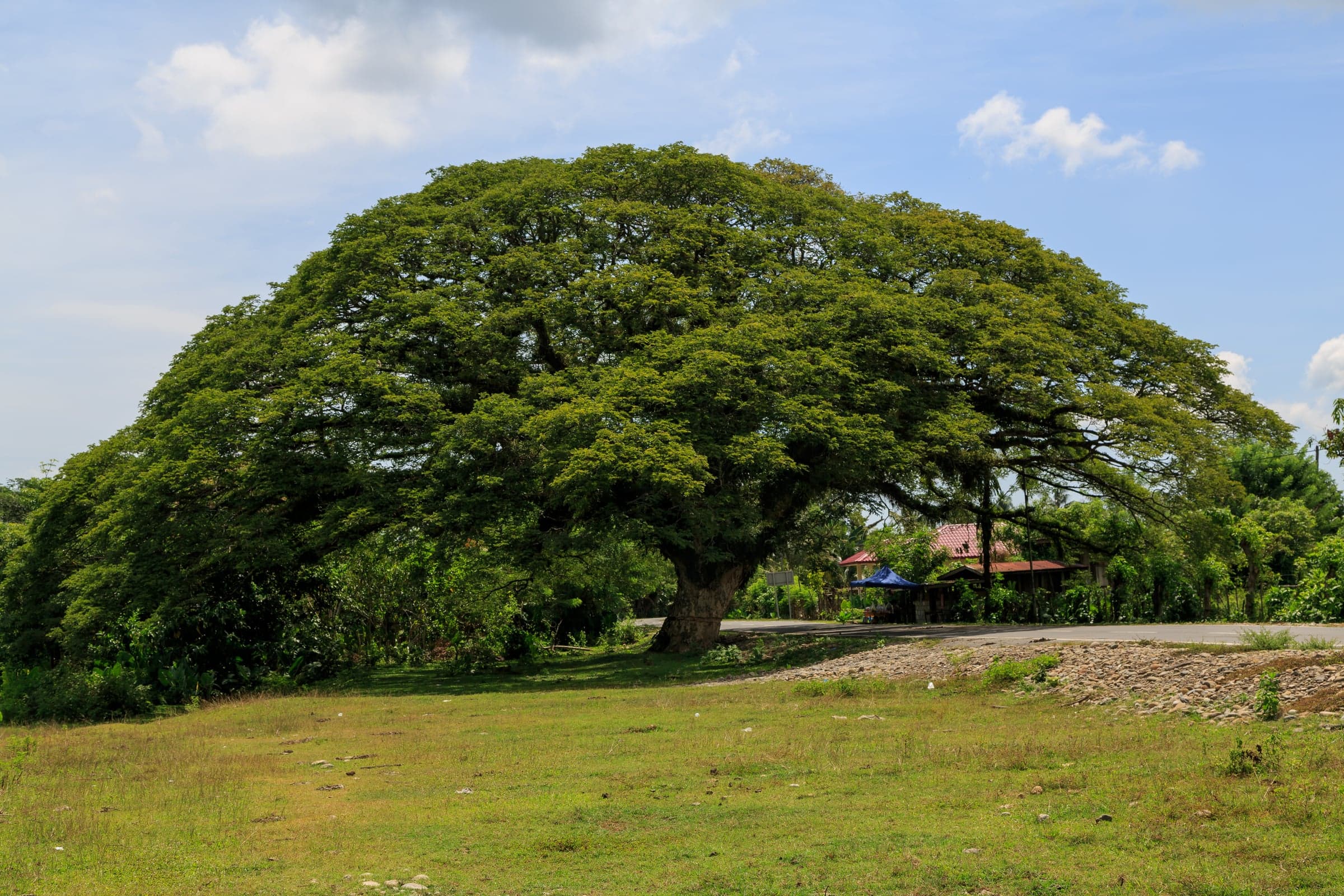
  • Åretegning i Saman

    Saman

    Samanea saman

    4 planker

Få besked om Sweet Chestnut

Vi sender dig en e-mail, når nye planker i Sweet Chestnut kommer til KORENA. Hver planke er unik, så det betaler sig at få besked tidligt.

Et par mails om måneden. Ingen spam, og du kan altid afmelde dig.

Træets udseende

Sådan ser det ud

Straight-grained and coarse-textured, with prominent ring-porous figure that reads as oak at a glance. Heartwood is a warm honey-brown that ambers with age; sapwood is a narrow pale band. Lacks oak's strong medullary rays, so quartersawn faces are calmer and less flecked.

  • Heartwood: warm honey to mid-brown, ambers with age
  • Sapwood: narrow, pale cream to light straw
  • Fumed: deep chocolate to near-black with ammonia
  • Oiled: pulls warmer and slightly redder than oak
  • Weathered outdoors: silver-grey patina within 1–2 seasons
  • Straight grain, coarse texture; resembles oak.

Bearbejdning

Bearbejdning

Saws and planes well with sharp tooling. Softer than oak, so it dents more easily but is also kinder on edges. Splits readily when screwed near ends or edges, pre-drill and countersink. Glues and steam-bends predictably. Turning is workable but the coarse grain can tear on end-grain cuts.

Overfladebehandling

Takes oil, hardwax, and water-based finishes cleanly. Open pores benefit from a grain filler if you want a glass-flat surface, or leave them open for a tactile, oak-like read. Fuming with ammonia darkens it deeply thanks to the high tannin content. Test stains on offcuts, tannins can pull cool tones grey.

Tørring

Dries slowly and is prone to ring shake and honeycomb if pushed. Air-dry to around 25–30% MC before kilning, then run a gentle schedule. Movement in service is moderate, tangential shrinkage near 7% means wide boards want room to move in panels and tabletops.

Hvor meget bevæger det sig?

Træ udvider og trækker sig sammen på tværs af bredden, når luften bliver fugtigere og tørrere. Beregn den forventede sæsonbevægelse i en bordplade af Sweet Chestnut, før du udformer beslagene.

Opskæring
Hvor den skal stå

Forventet sæsonbevægelse

ca. 7,7 mm

Fastgør bordpladen med sargklodser eller beslag med langhuller, ikke med lim eller stramme skruer.

Lineær svindmodel: bredde × (svind ÷ 28 % fibermætning) × sæsonudsving i fugtighed. Bruger 6,75 % tangentialt svind for Sweet Chestnut. Et planlægningsskøn, ikke en garanti.

Hvad det koster

Sikkerhed og indkøb

  • Dyrket og fældet i Europa.
  • Status på IUCNs rødliste: den globale bevaringsvurdering for denne træart.
  • Dust is a reported skin and respiratory sensitiser, extract at source and wear a fitted mask when sanding or routing. Heartwood is rated food-contact safe once finished. Critical detail: chestnut tannins react with iron and produce black staining wherever the two meet in the presence of moisture. Use stainless steel or brass fixings, and keep iron tooling off damp stock.

Læs hele guidenDybdegående noter om tegning, farveændring, bearbejdning og stabilitet.+

What Sweet Chestnut actually is#

Castanea sativa is often sold as the light alternative to oak, and for appearance and durability that description holds. It is ring porous with a similar grain pattern, it carries a similar warm brown colour, and at decay class 2 it is genuinely durable outdoors.

Where the comparison breaks down is hardness. At 3,010 N Janka chestnut is the softest hardwood in this catalogue apart from black poplar, softer than Scots Pine and less than two thirds as hard as oak. Anyone expecting oak-like wear resistance from an oak-like appearance will be disappointed.

The other difference is visible: chestnut lacks oak's prominent rays, so a quartersawn chestnut board shows no ray fleck.

Ring shake, which is the thing to inspect for#

Chestnut is notably prone to ring shake, a separation along a growth ring inside the log.

The problem is that it frequently does not show on a rough sawn face. A board looks sound, gets machined, and the shake opens into a crescent shaped split that follows the ring and effectively ruins it.

This is the main reason chestnut yields far less usable timber than the abundance of the tree suggests, and it is the main reason to look carefully rather than quickly at a chestnut slab. Check end grain for any ring separation, and look along the length in raking light for a crescent line.

Spørgsmål fra købere

Det spørger købere om

How is Sweet Chestnut different from oak?

+

It looks similar and is durable like oak, but it is much lighter and softer at 590 kg per cubic metre and 3,010 N Janka against 675 and 4,980 for European oak. Chestnut also lacks the prominent rays, so it has no ray fleck on quartersawn faces. It is often described as oak without the weight, which is fair for appearance and durability but not for hardness.

What is ring shake and why does it matter in chestnut?

+

A separation along a growth ring inside the log, which chestnut is particularly prone to. It may be invisible on a rough sawn surface and open up after machining, effectively ruining a board. It is the main reason chestnut yields less usable timber than its abundance suggests, and the main thing to inspect for when buying.

Can it be used outdoors?

+

Yes. At decay class 2 it is durable, and its high tannin content gives real resistance to rot. Chestnut has been the traditional European timber for fencing, cladding, shingles and outdoor structures for centuries, and coppiced chestnut fence posts are still a standard product.

Does it stain black like oak?

+

Mekaniske egenskaber

Tekniske data

Offentliggjorte referenceværdier. Når kilderne er uenige, vises intervallet, og den typiske værdi bruges til skalaerne ovenfor.

Massefylde (kg/m³)Masse pr. kubikmeter ved ca. 12 % fugtighed. Tungere træ er normalt hårdere og stærkere.540–650 kg/m³typisk 590 kg/m³
Janka-hårdhed (N)Den kraft, der skal til for at presse en stålkugle halvt ind i træet. Standardmålet for modstand mod trykmærker.2,700–3,300 Ntypisk 3.010 N
MOR: brudmodul (MPa)Bøjningsstyrke: den belastning, hvor en bjælke brækker.70–85 MPa
MOE: elasticitetsmodul (GPa)Bøjningsstivhed: hvor meget en hylde eller bordplade bøjer ned under belastning.8.0–10.0 GPa
Radialt svindSvind på tværs af årringene fra frisk til ovntørt træ. Kvartskårne brædder bevæger sig på denne måde.3.5–4.5 %
Tangentialt svindSvind langs årringene. Plansavede brædder og de fleste planker bevæger sig på denne måde.

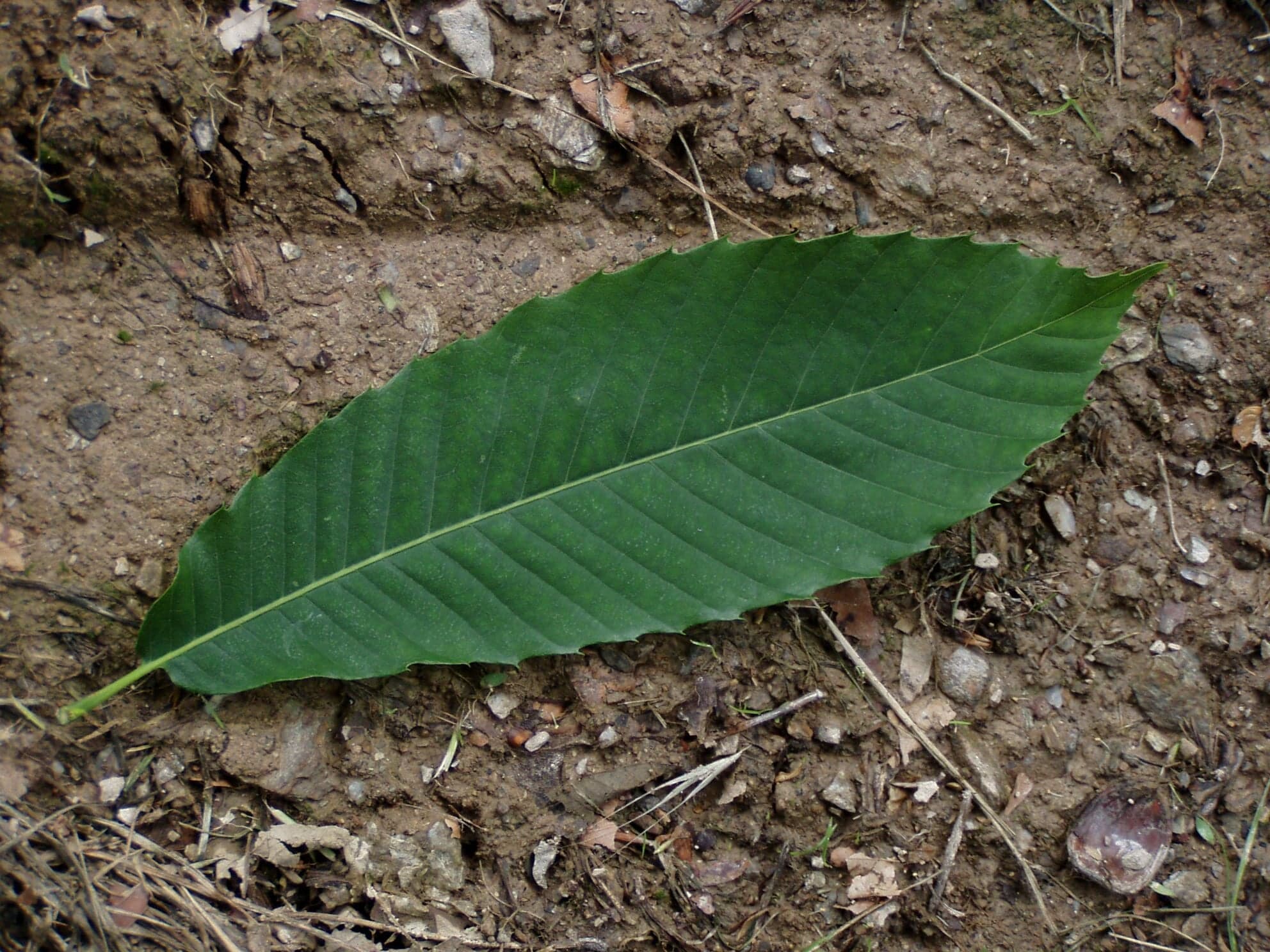
Achim Raschka (talk), via Wikimedia Commons

  • Doors, gates, and shutters
  • Flooring in lower-traffic rooms
  • Styrker

    • Holdbart udendørsEN 350-klasse 2 af 5: modstår råd udendørs uden behandling.
    • FødevaresikkertVelegnet til brætter, skåle og flader, der kommer i kontakt med mad.

    Native across southern and Mediterranean Europe, with long-managed coppice woodlands in France, Italy, and the Iberian peninsula. Also grown in the UK and parts of central Europe. KORENA sources mainly from European coppice and standard-tree harvests.

  • Native European species, IUCN Least Concern, no CITES restrictions. Much of the European supply comes from coppice systems, short-rotation, low-input, and a working part of rural land management in France and Italy. Ask for FSC or PEFC chain-of-custody where it matters to your client. KORENA records the certification it holds on the slab passport.

  • Sweet Chestnut: Blad
    Blad
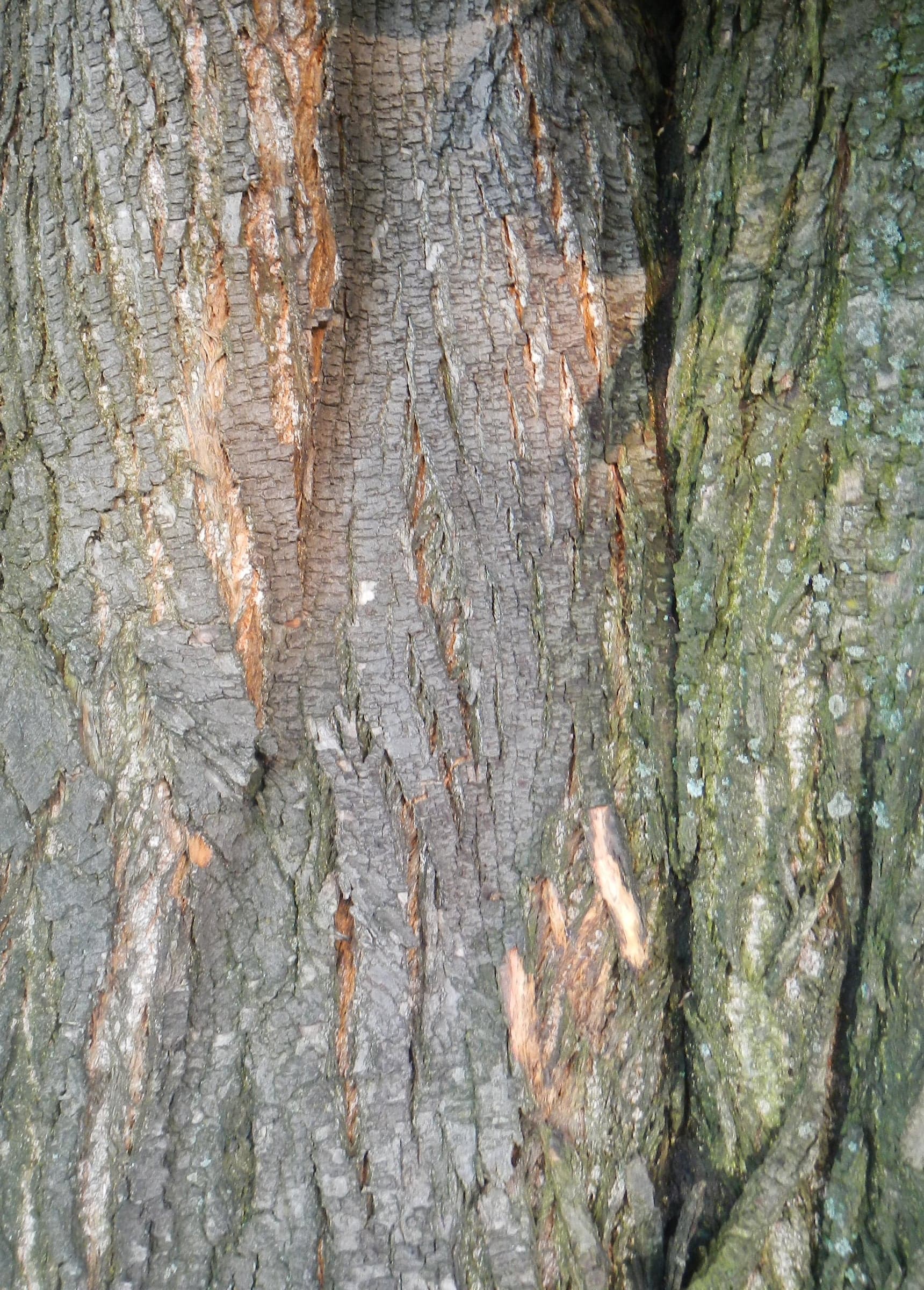
    Sweet Chestnut: Træbark
    Træbark

    On a measured KORENA slab, a shake large enough to matter appears in the defect outline rather than being discovered at the bench.

    Durability and tannin#

    Chestnut is very high in tannins, and that is where its durability comes from. At decay class 2 it is a genuine exterior timber and has been used across Europe for fencing, cladding, shingles, gates and outdoor structures for centuries. Coppiced chestnut fence posts remain a standard product precisely because they last without treatment.

    The same tannins make the iron reaction worse than in oak. Contact with steel produces blue black staining quickly, particularly when damp. Use stainless or brass fixings on any chestnut and treat it as non-negotiable on exterior work.

    At the bench#

    Chestnut is easy to work, considerably easier than oak. It cuts cleanly, blunts tooling only moderately, glues well and takes finish readily.

    Its softness is the working consideration. Arrises bruise, edges dent, and clamps mark the surface if you do not pad them.

    The open pores need filling for a smooth surface, as in oak.

    Movement#

    Volumetric shrinkage of 12.0 percent is moderate, with tangential at 6.0 percent against radial at 3.5 percent. That differential is narrower than oak's, so chestnut behaves reasonably well in a wide flatsawn board.

    It dries readily, though drying is where existing ring shake tends to open up.

    Where Sweet Chestnut is the right answer#

    Exterior cladding, fencing, gates, garden structures, shingles and outdoor furniture, where its durability and light weight both count. Indoors it suits panelling, light furniture and any piece where an oak look is wanted at a fraction of the weight.

    It is the wrong answer for a hard wearing work surface, and wrong wherever ring shake risk cannot be inspected for before committing.

    Sourcing and EUDR#

    Not CITES listed and assessed as Least Concern. Abundant across southern and western Europe with long established coppice management in France, Italy and the Iberian peninsula. Supply is straightforward and documentation simple.

    Coppice, and why chestnut comes in the sizes it does#

    Sweet chestnut has been coppiced across Europe for centuries. The tree is cut close to the ground and allowed to regrow multiple stems, which are harvested on a cycle of roughly fifteen to twenty years for poles, fencing and stakes.

    That management history shapes what reaches the market. A great deal of chestnut is small diameter coppice material, excellent for its traditional uses and useless for slabs. Timber sized chestnut comes from maiden trees grown on a longer rotation, and it is much less common.

    The practical effect is that wide chestnut slabs are scarcer than the abundance of the species suggests, and they command a premium relative to how cheap chestnut fencing is. If a quote for chestnut slabs looks similar to a quote for chestnut posts, something is wrong with the description.

    Chestnut against oak in the yard#

    Side by side, the two are easy to confuse at a glance and easy to separate on a second look.

    Chestnut has no visible rays. Oak has prominent rays that show as fleck on the quarter and as fine lines on the face. That is the reliable test, and it works on a rough sawn surface.

    Chestnut is also noticeably lighter in the hand at 590 kg per cubic metre against 675, and softer under a thumbnail at 3,010 N against 4,980. If a board looks like oak and feels light, check the rays.

    Yes, and more readily. Chestnut is very high in tannins, so contact with iron produces blue black staining quickly, particularly in damp conditions. Use stainless or brass fixings on any chestnut, and especially on exterior work.

    Is it strong enough for a tabletop?

    +

    At 3,010 N it is the softest hardwood in this catalogue apart from black poplar, softer than Scots Pine. A chestnut tabletop will dent. It suits a piece where that patina is acceptable, and where the light weight and oak-like appearance are the attraction.

    6.0–7.5 %
    Volumetrisk svindSamlet volumenændring fra frisk til ovntørt træ. En lavere værdi betyder større stabilitet.12.0–13.5 %
    Naturlig holdbarhed (EN 350)Europæisk standard for naturlig modstandsdygtighed mod råd, fra 1 (meget holdbar) til 5 (ikke holdbar).Class 2 — Durable

    Kilder

    • The Wood Database(tilgået 2026-05-09)
    • USDA FPL Wood Handbook FPL-GTR-190 (2010)(tilgået 2026-05-09)
    • Meier, E. — WOOD! Identifying and Using Hundreds of Woods Worldwide (2015)(tilgået 2026-05-09)

    Kort fortalt

    Niveauerne bruger faste intervaller for alle træarter hos KORENA, så de kan sammenlignes direkte. Den målte værdi står under hvert niveau.
    HårdhedModstand mod trykmærker og slidRet blødt

    Janka-hårdhed 3.010 N

    40 % blødere end europæisk eg

    VægtHvor tung en planke er at løfteMellem

    590 kg/m³

    StabilitetHvor lidt det bevæger sig med årstiderneGennemsnitligt

    12,8 % volumetrisk svind

    BearbejdningSavning, høvling, slibning og limningMiddel

    3,9 / 5 i gennemsnit ved høvlebænken

    Udendørs brugNaturlig modstandsdygtighed mod råd, EN 350Udendørs

    EN 350-klasse 2

    • Savning · FremragendeHvor rent det skærer, og hvor hårdt det er ved savklinger.1 = vanskelig · 5 = fremragende
    • Høvling · Meget godHvor glat en overflade det giver, og hvor meget det flosser.1 = vanskelig · 5 = fremragende
    • Slibning · Meget godHvor hurtigt det kan slibes glat uden at tilstoppe sandpapiret.1 = vanskelig · 5 = fremragende
    • Drejning · GodHvordan det skærer og efterbehandles på drejebænken.1 = vanskelig · 5 = fremragende
    • Udskæring · Meget godHvor skarpt det holder detaljer under et stemmejern.1 = vanskelig · 5 = fremragende
    • Limning · Meget godHvor pålideligt limsamlinger holder.1 = vanskelig · 5 = fremragende
    • Fastholdelse af skruer/søm · GodHvor godt det holder skruer og søm uden at flække.1 = vanskelig · 5 = fremragende
    • Dampbøjning · Meget godHvor godt det tager form efter dampning.1 = vanskelig · 5 = fremragende
    Bøjer godt
    Bedømt til 4 af 5 for dampbøjning. Kan formes i snævre kurver.

    Vær opmærksom

    • Støvet irritererBrug udsugning og maske under slibning og bearbejdning.

    Tryk på en etiket for detaljer.

    Det koster Sweet Chestnut-tømmer i Europa lige nu pr. kubikmeter før moms. Tryk på en pris for at se detaljerne.

    • Almindelige kævlerStore mængder almindeligt rundtræ solgt af skovejere og statsskovbrug, hovedsageligt til byggeri og industri.De fleste priser ligger mellem 44 € og 165 €.Baseret på 25 priser fra 4 regioner.Seneste data 24. sep. 2026

    Almindelige kævler efter land

    • Rumænien · 105 € / m³Regioner: Wallachia11 priserSeneste data 24. sep. 2026
    • Frankrig · 105 € / m³Regioner: Bourgogne-Franche-Comté og Grand Est / Alsace10 priserSeneste data 15. sep. 2026
    • Bulgarien · 44 € / m³Regioner: North-West Bulgaria4 priserSeneste data 24. sep. 2026

    Hvorfor koster en planke mere end dette?

    Dette er priser på råt tømmer. En planke er det bedste snit af en kævle, tørret i et år eller mere og derefter kontrolleret og målt styk for styk. Kun en lille del af hver kævle bliver til en planke.

    Kilde: KORENA Timber Index · Seneste data 24. sep. 2026

    Se alle regionale priser